We're on a mission to better understand our readers and deliver even more of the content you crave. Tell us all about the beauty products you love, from skin and haircare to makeup, nail polish, and perfume. We want to know all about your routines, where you find inspiration, and where you shop.
To thank you for sharing your thoughts, we're offering a chance to win a $150 Sephora gift card when you complete our quick 8-minute survey.
Your feedback is invaluable to us. Ready to share your insights? Take the survey here!
This survey is open to our U.S. readers, and the sweepstakes prizes are limited to U.S. residents. Our full terms and conditions apply. Your survey responses will remain anonymous, and your contact information will only be used for the sweepstakes. Don’t wait—share your thoughts with us before the survey closes on September 30, 2025.
]]>That being said, I like to think I’ve pretty much perfected the art of creating soft, hydrated, and supple lips. It’s a mini beauty regimen in and of itself, but it’s well worth it if I never have to feel tightness or see a chapped flake ever again. So without further ado: my foolproof routine to achieve the softest lips of your life.
Lip Basting Routine
I originally learned about lip basting from the one and only Dr. Shereene Idriss when I was in high school—and have been a loyal adopter ever since. The basics: you take a rich moisturizer and put a thick layer on top of your lips. (It looks crazy, but it works.) Give it 10 minutes to cook and the moisture will gradually sink into your lips. Rub the remaining off with a washcloth and you’re good to go.
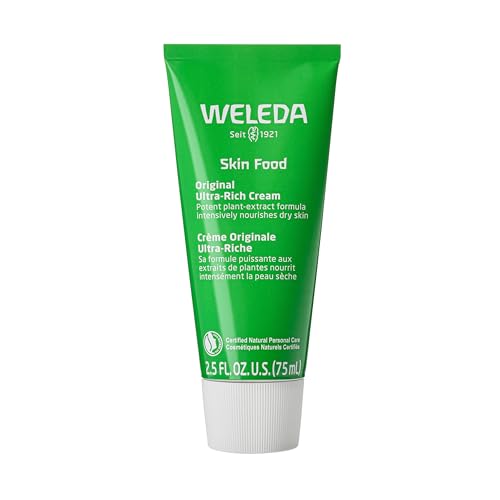
This is hands-down my preferred lip basting product. It’s thick and creamy (with a subtle fragrance), but leaves my lips unrecognizably soft. I normally apply it with my skincare and let it soak in while I do my makeup.
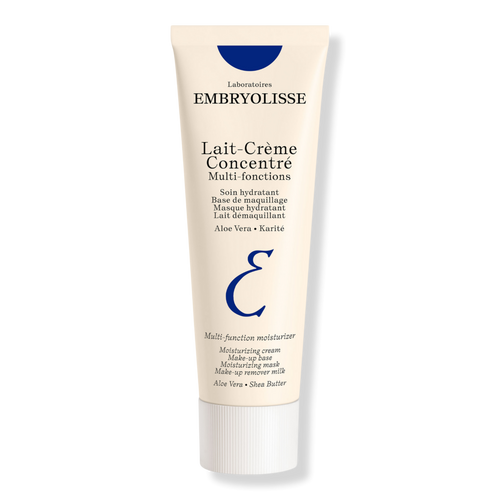
If I don’t have Weleda on hand, this French Pharmacy staple is a solid option. I love using it on my skin as makeup prep, so I’ll just squeeze out a little extra for my lips. I will say it pills a bit more than Weleda, so make sure you use a towel to get the excess off your lips before continuing.
Prep With Lip Balm
My biggest tip: don’t go straight in with lipstick. I don’t care how hydrating the formula or how many different hyaluronic acid chains it claims to have; a nice non-tinted balm is the ultimate lip primer. It also helps seal in the moisture from lip basting. I personally like to go for clear balms with a silky-to-matte finish.
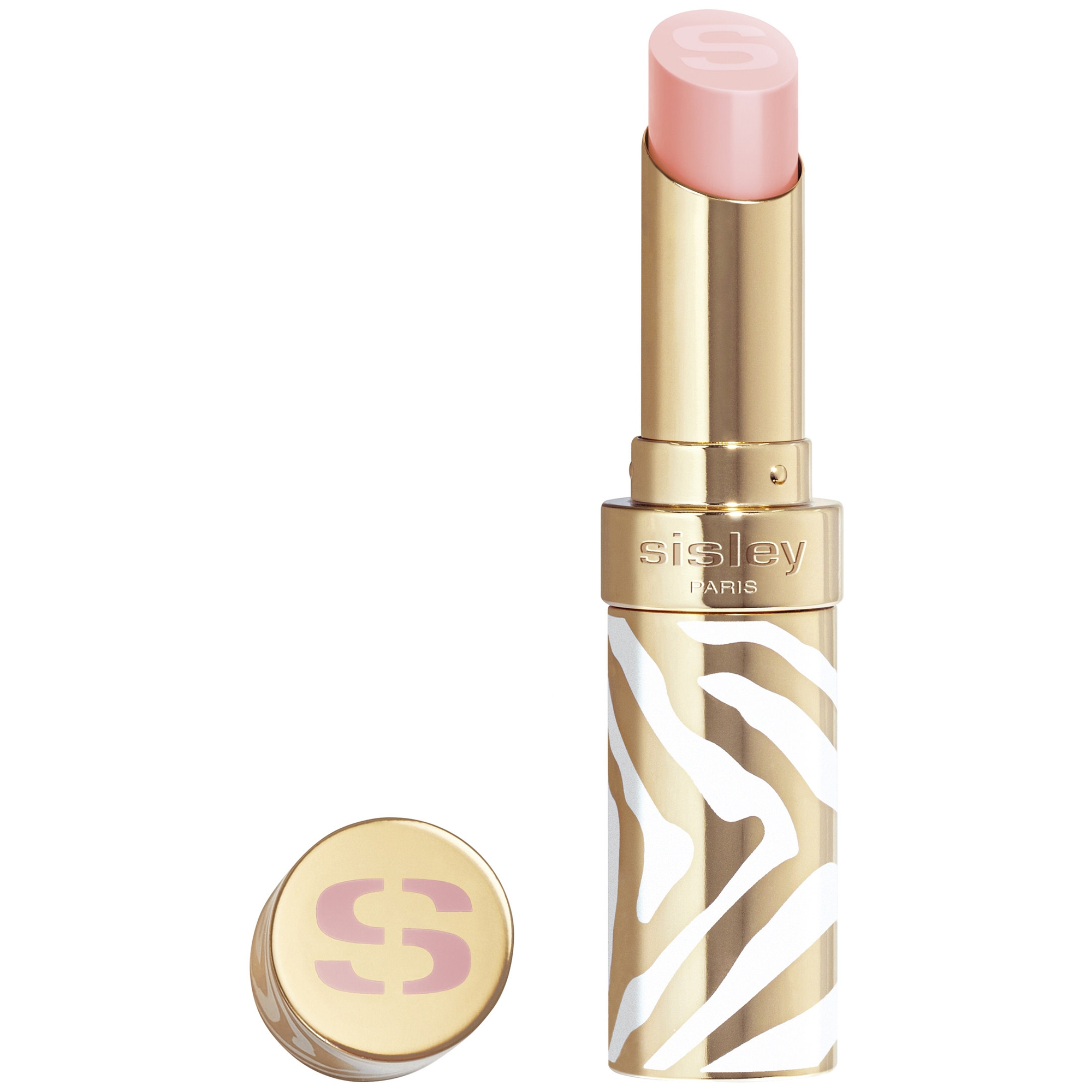
I collect these—I seriously have 10 lying around so I can stow one away in every single bag and pocket. It’s super lightweight, never pills, and actually nourishes my lips (as opposed to giving them a chalky texture). This is also my go-to treatment before bed. Bonus: the case is refillable.
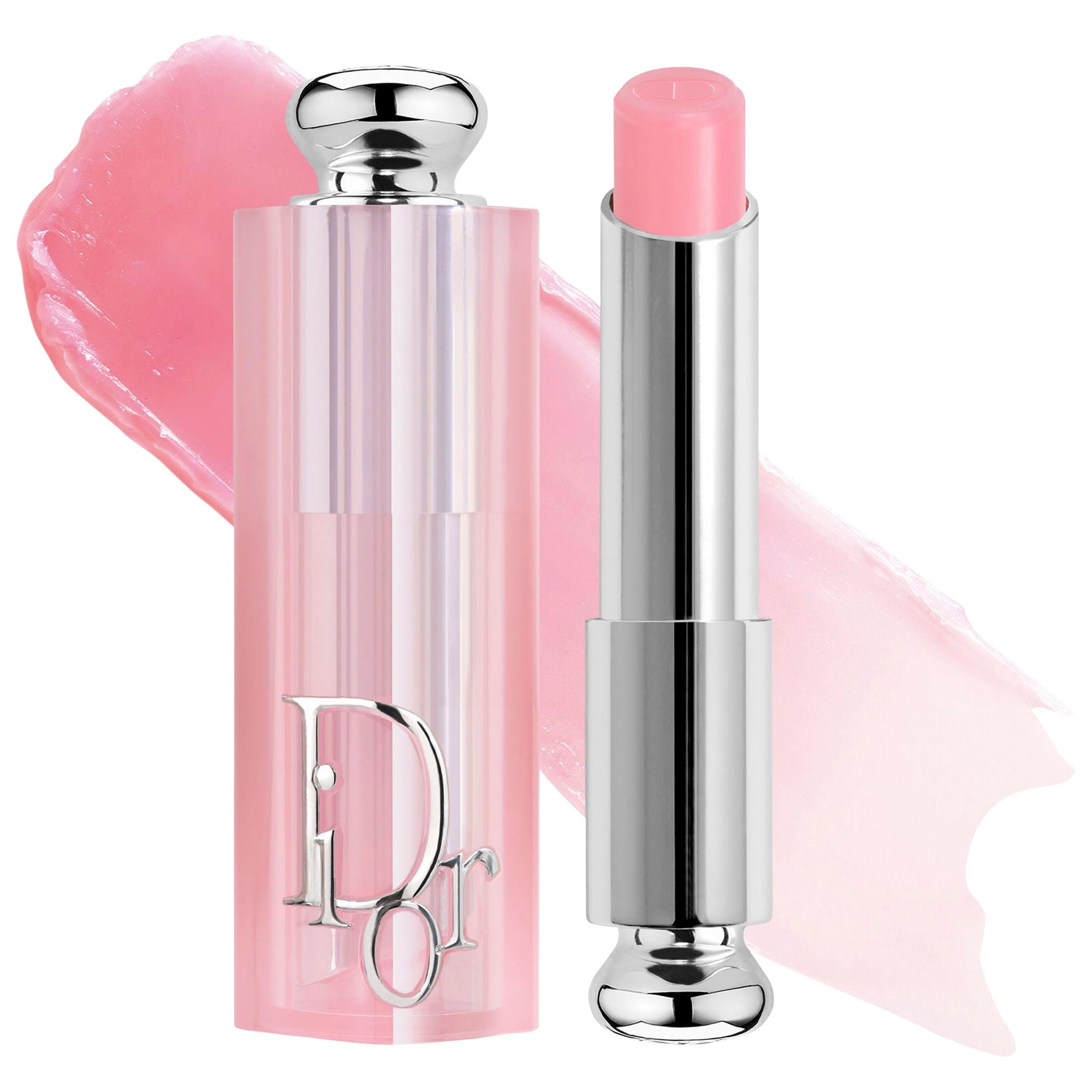
With cherry extract and shea butter, this luxe balm delivers a heavy dose of nutrients to your lips. My favorite part: it’s pH-balancing, so the soft pink shade will create a tone that’s uniquely tailored to you.
Go in With a Hydrating Lip Liner
A drying lip liner is the worst—it feathers, makes my lips itchy, and honestly fades so much faster than a hydrating one. I like to look for formulas with a creamy base that are infused with ingredients like squalane or hyaluronic acid. Sometimes I’ll just overline my lips, but if I’m feeling wild, I’ll shade in my entire lip to make my lipstick last longer.
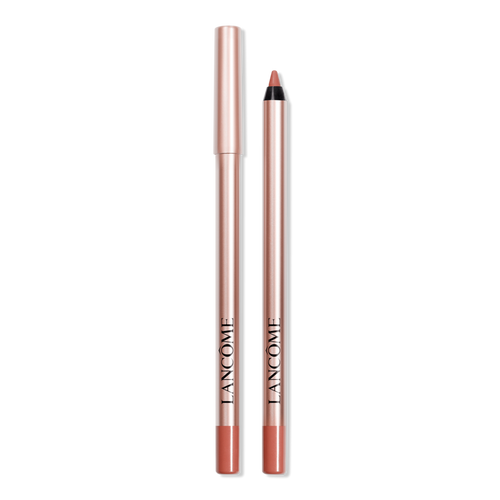
Because I prep my lips with a balm pre-lip liner, it takes a special formula to actually adhere to my skin/lips without a disturbing amount of pressure. But ease is what I get—every single time—with this Lancôme formula. It’s creamy, very pigmented, and feels almost more like a lipstick than a liner.
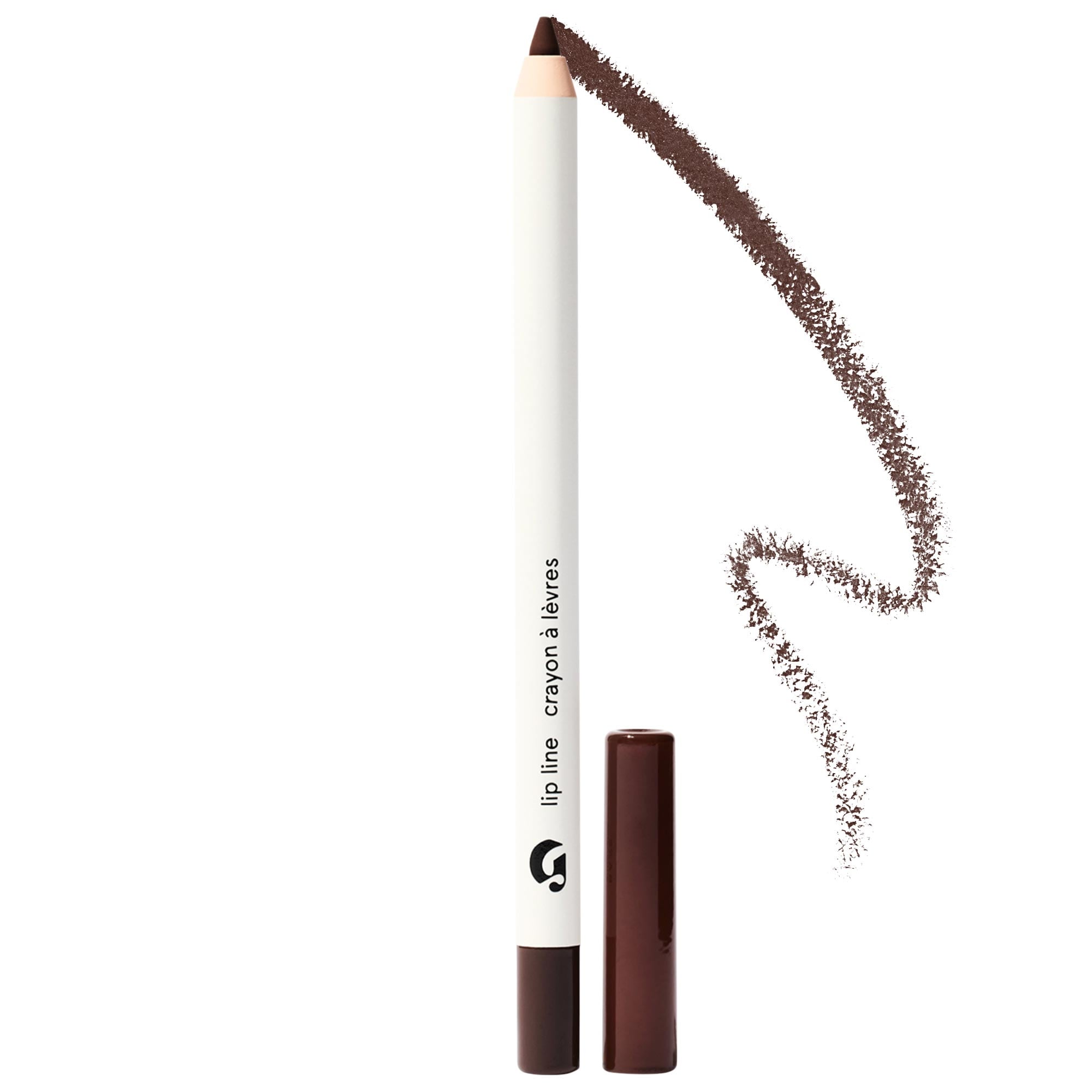
With a jojoba oil infusion that prevent tugging and a lip grip complex that helps this pigment adhere for hours, this is easily in my top picks. I’ll probably have to apply once or twice throughout the day, but it definitely gets me through a meal or two.
Dab on Lipstick
Hear me out: instead of swiping on a thick layer of lipstick, just do a little tap-tap-tap and blot. The finish is definitely lighter, but I find that even satin formulas can have drying tendencies. Plus, it gives a just-pinched finish that’s perfect for everyday makeup.
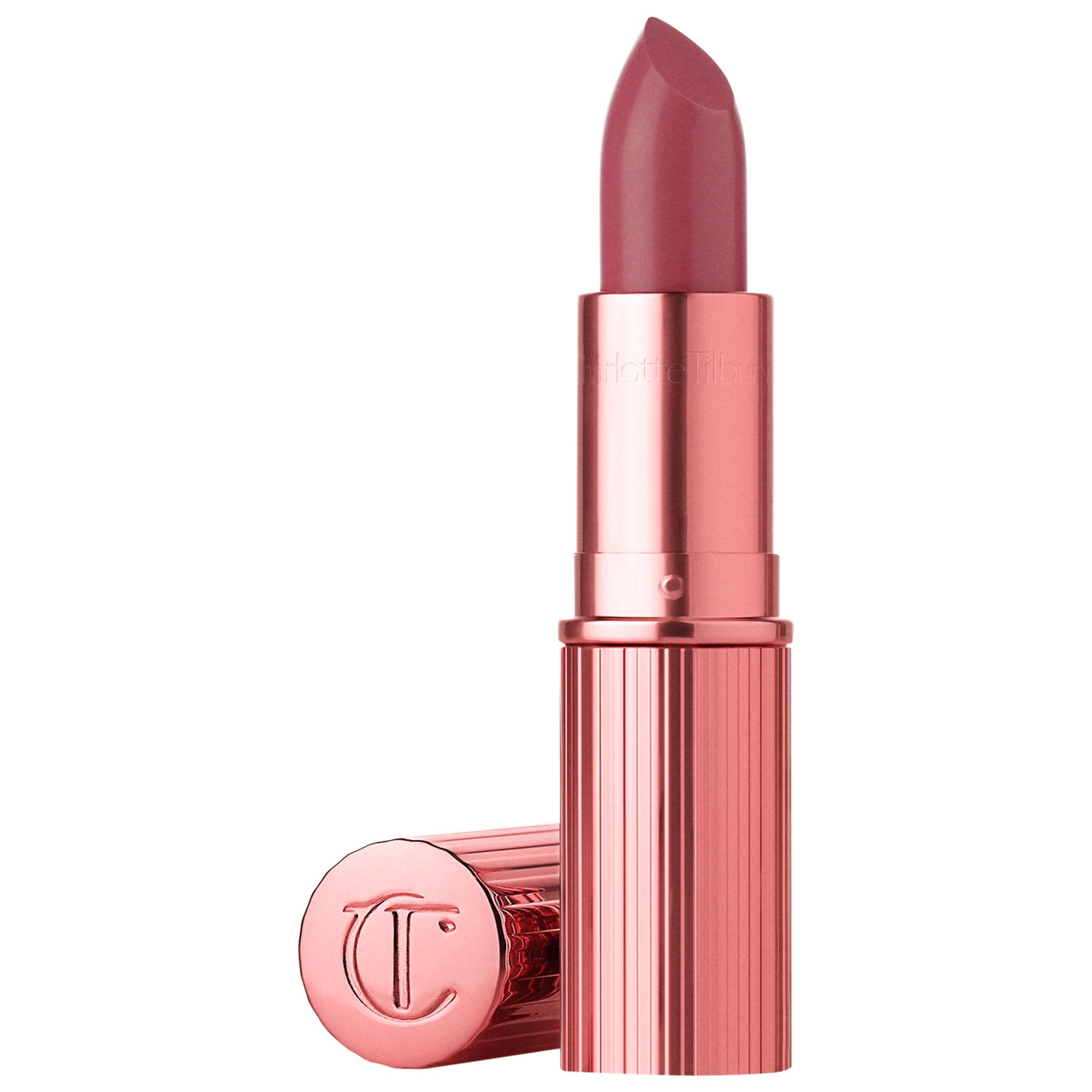
I didn’t fully get the Pillow Talk hype at first—the OG shade is just a hint too dark for my fair complexion. But then, Charlotte dropped Pillow Talk Fair. It’s a soft, baby pink that looks like my lip shade—just a little bit better.
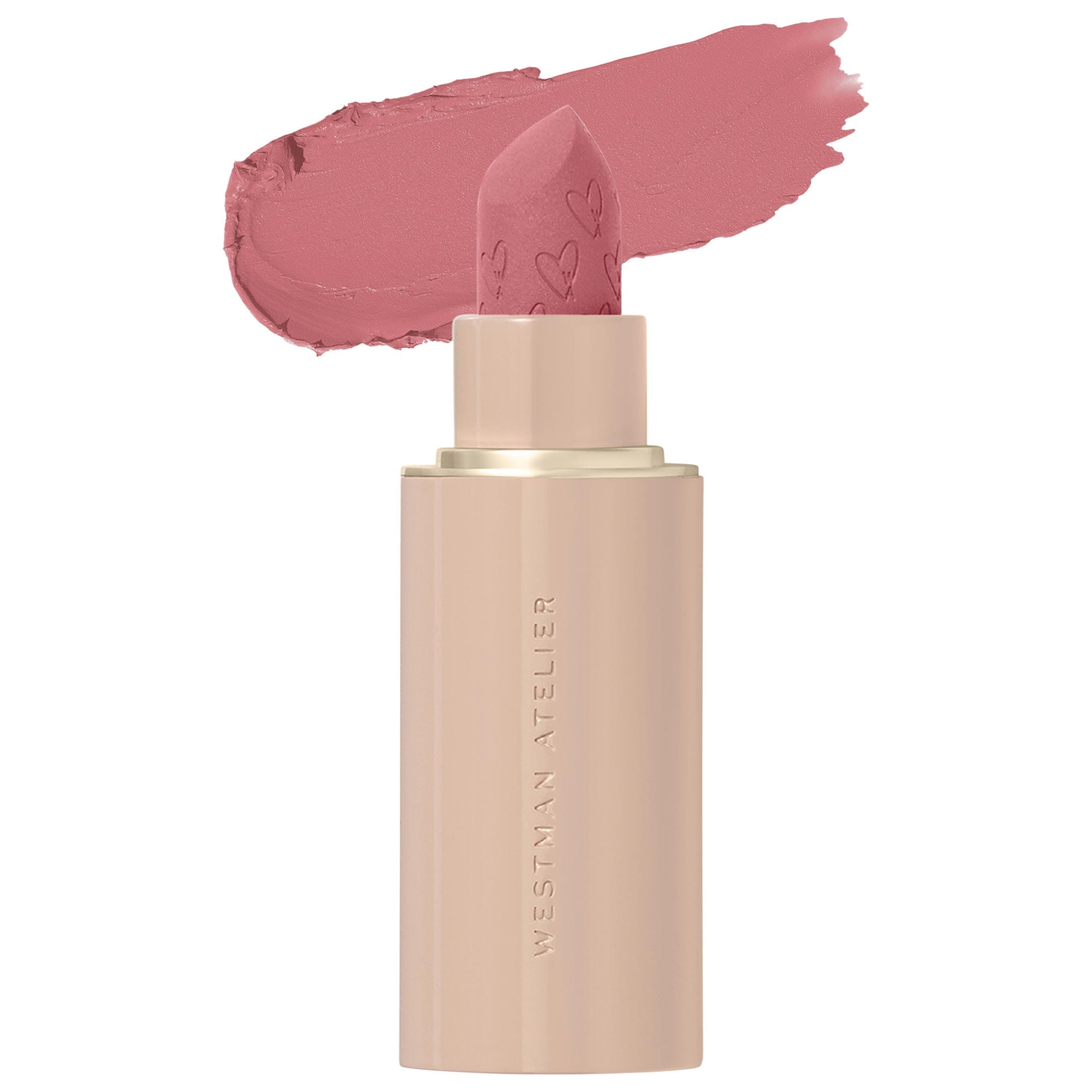
I’m not super into matte formulas (because of the whole soft lip thing, obviously), but if I want the aesthetic, Westman Atelier is my go-to. It’s a matte that doesn’t feel like one courtesy of hyaluronic acid and peptides.
Top off With Gloss
The finishing touch? A hyper-glossy lip gloss that seals in all the goodness. You can opt for a plumper, but I personally find those drying and prefer thicker glosses that give a filler-like effect. If you love you’re lipstick shade, choose a clear gloss. But for a tinted option? These two are my favorites.
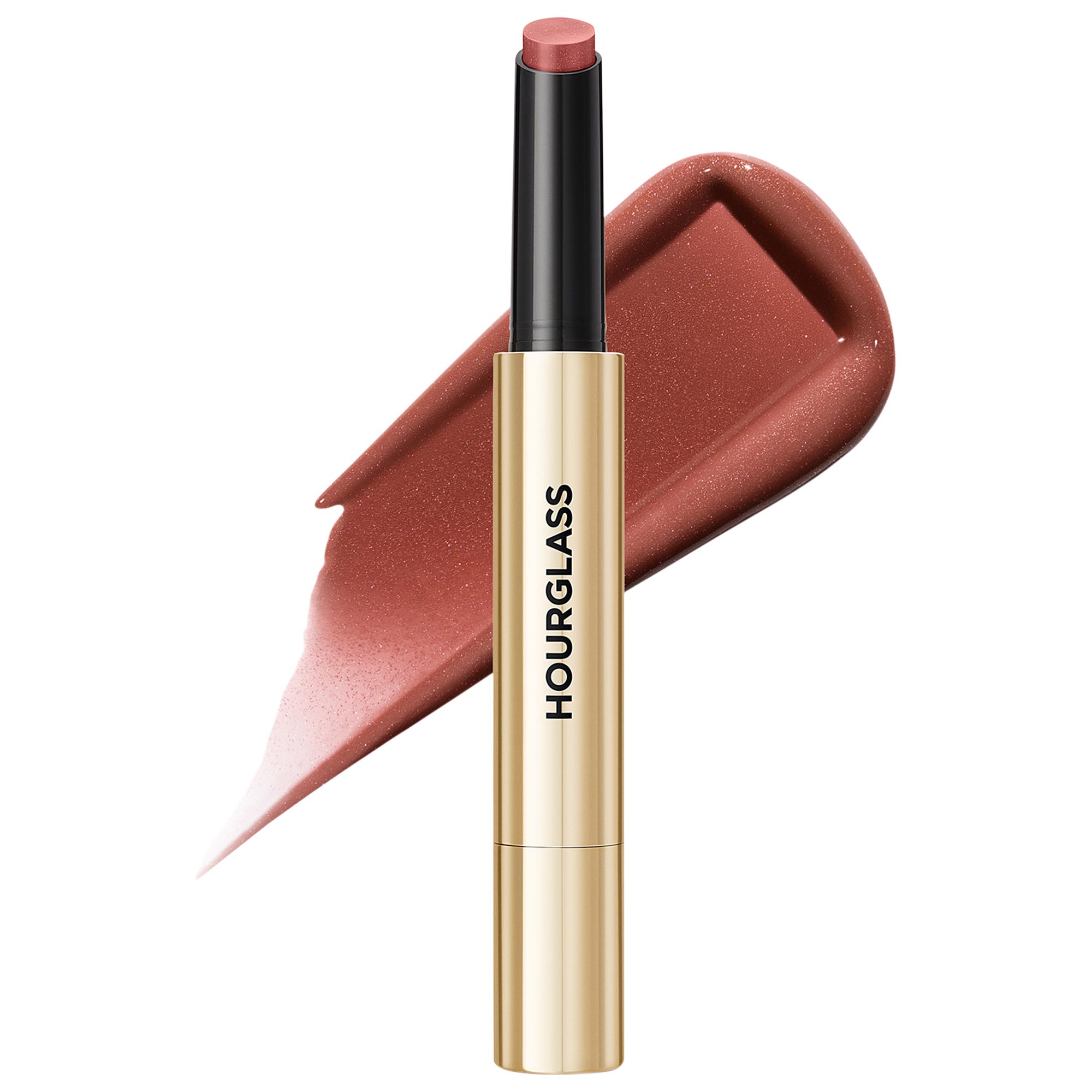
So many brands have tried to copy this innovative formula, but the original remains elite. This has the shiniest, creamiest finish with unbelievable color payoff. I’m partial to shade Reveal 90, but you honestly can’t go wrong.
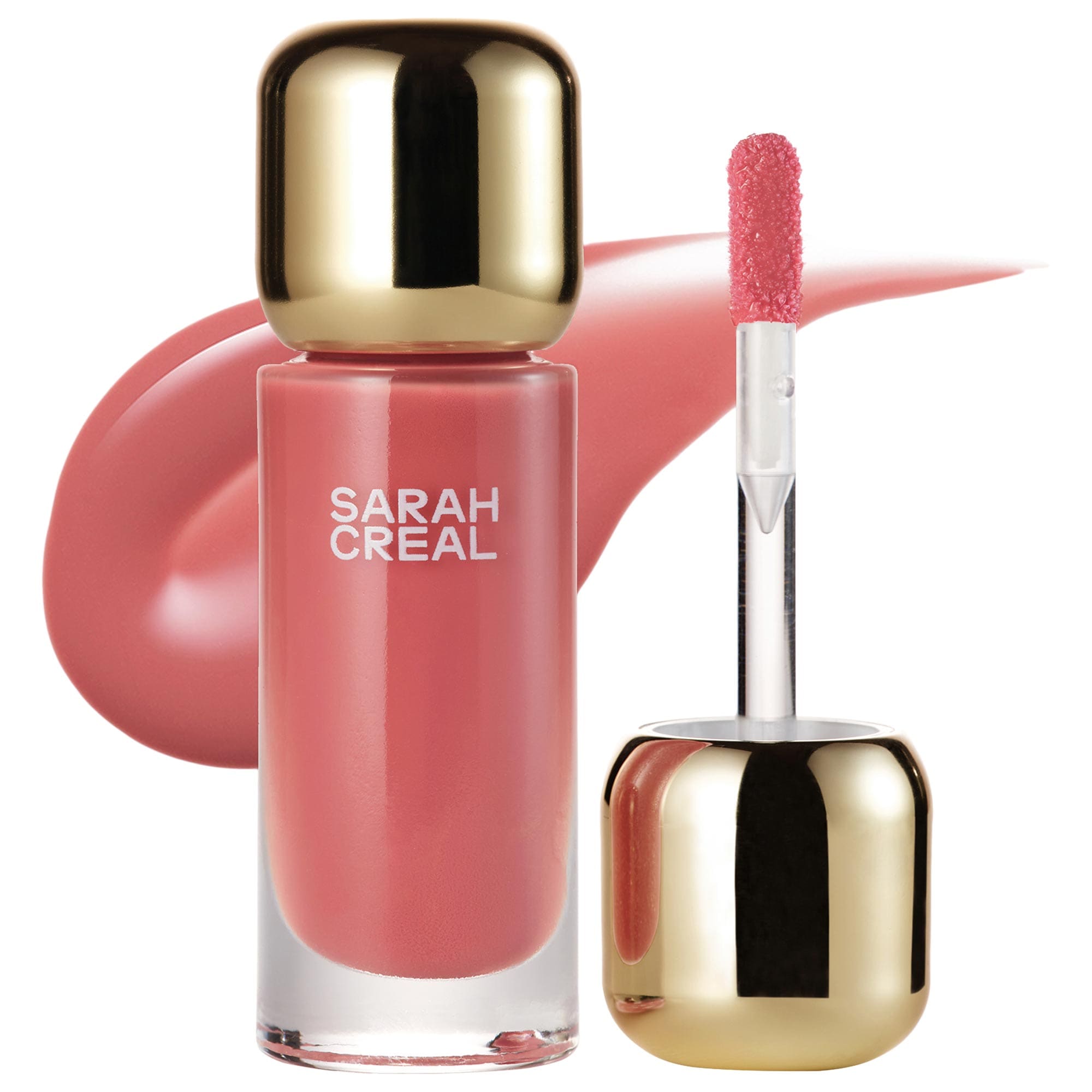
I’ve professed my love for this gloss extensively, but allow me to reiterate: it’s creamy, hydrating, never clumpy, and deeply hydrates my lips after just a few wears.
Why Trust Marie Claire
For more than 30 years, Marie Claire has been an internationally recognized destination for news, fashion and beauty trends, investigative packages, and more. When it comes to the products Marie Claire recommends, we take your faith in us seriously. Every product that we feature comes personally recommended by a Marie Claire writer or editor, or by an expert we’ve spoken to firsthand.
]]>One of the film’s breakout stars, singer-songwriter Aiyana-Lee, got her start in the industry in the exact same way. “That was me in every label,” the 24-year-old musician says. “I was sitting outside, pretending I had a meeting, waiting for the CEO, literally with a guitar and a karaoke mic. It made the film feel hyper-realistic.”
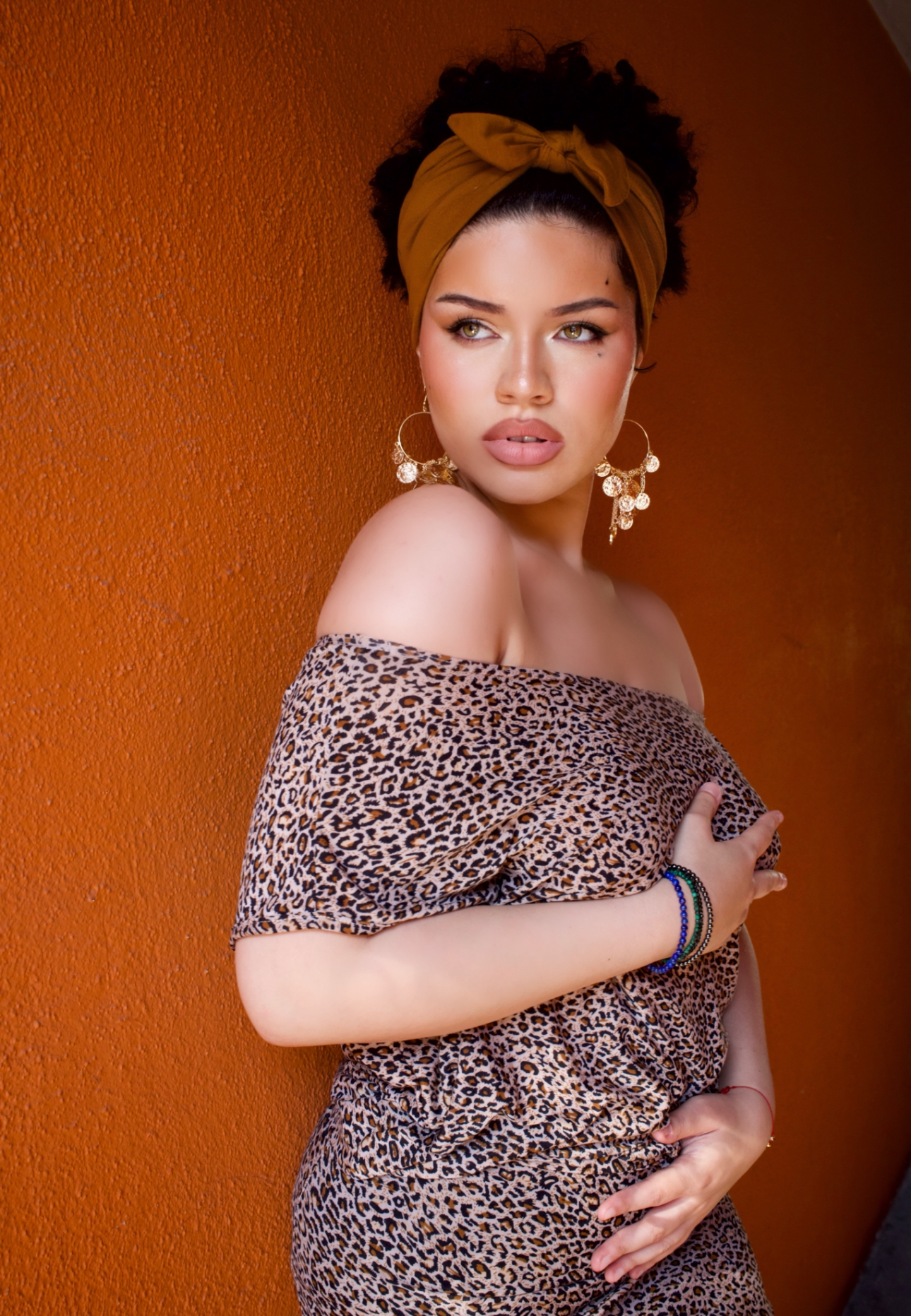
Now, the British-American artist (whose full name is Aiyana-Lee Anderson) has traded her makeshift impromptu stage for the theatrical spotlight. In Highest 2 Lowest, she plays Sula Janie Zimmie, another aspiring superstar who appears in King’s life as he contemplates the next stage of his career. Sula’s sanctioned audition in the film’s momentous ending scene leaves King—and the audience—moved by the singer’s undeniable talent.
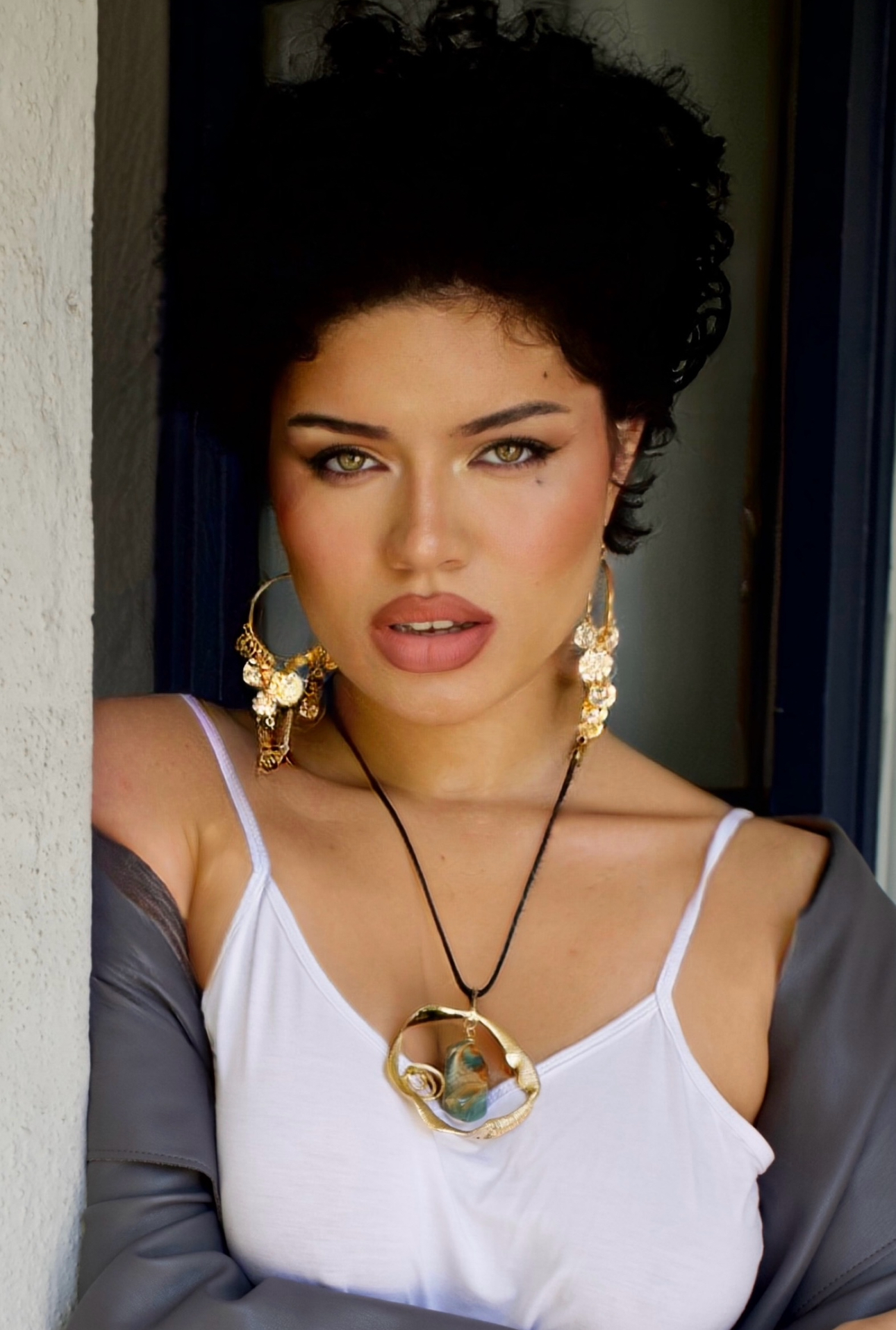
Aiyana-Lee’s collaboration with Spike Lee began when she caught his attention on Instagram. Ahead of the A24/Apple film’s August 15 theatrical release, the singer tells Marie Claire that she was in “complete disbelief” when the auteur filmmaker slid into her DMs. “I had to check it a few times to make sure I wasn't tripping. My jaw dropped to the floor. I got up out of my bed. It was like 6:00 in the morning, and I woke my mom up and said, 'Girl, I think Spike Lee just DMed me.'”
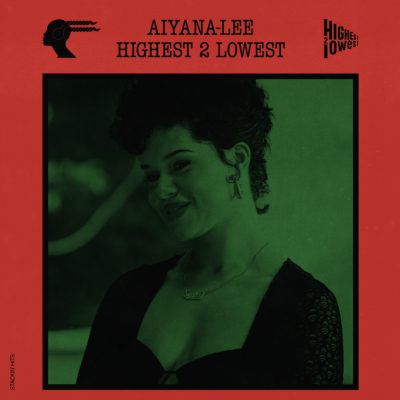
Her title track on the film’s soundtrack is a joyous, gospel-tinged ode to resilience, making for the perfect coda to the genre-bending neo-noir about art versus commerce in a creative industry. While writing the song, the singer connected with the film’s “hyper-realistic” portrayal of the cutthroat music industry as it tries to adapt to the changing times. From moving to the U.S. at the age of 15 with just a karaoke mic and a dream, to building an online platform with over a million followers, Aiyana-Lee hopes her breakout moment can lend to the song’s message: “You can go from being at your lowest to reaching your highest potential.”
With Highest 2 Lowest in select theaters and the soundtrack out now, Aiyana-Lee chats with Marie Claire about sharing her first-ever movie scene with Washington, working closely with Lee, and how her family is integral to her music.
MC: Had you already read the film’s script when you were working on the title track? Did you know that it would be this triumphant final scene as you wrote the lyrics?
AL: For sure. It's funny because we probably wrote 10 songs before we got to this one. We have a folder full of Spike Lee joints on the hard drive, but it was such a great collaboration. Spike was super involved. He would call me every single day, and we would go back and forth on how we can get the best vibe for that moment, because it is such a big moment in the movie. He really knew what he wanted people to feel when they saw it and heard it, so we definitely went through a process of making sure that the energy fit for that moment. Everything that the characters go through and the vibe of the entire movie inspired having that 'crescendo,' as Spike would call it, moment at the end of the film with this song.
MC: What was it like when you got onto set to film the scene with Denzel Washington?
AL: I mean, it's Denzel! You know what I'm saying? I was super nervous beforehand, because you never know what you're going to get, and you're always afraid to meet your idols. But in this case, Denzel surpassed my expectations—firstly as a human being, let alone an actor. He was so welcoming, such a joy to be on set with, so electrifying to watch him in his element. I've never seen anything like it. [He] and Spike really made me feel so comfortable and so seen. They really encouraged me and believed in me, and took a chance.

MC: You share a lot of similarities with your character Sula, both musically and in your career trajectory. What was it like balancing playing someone so similar to you in real life?
AL: Spike has such a great mind and really knows what's going to fit for who and how it's going to work. In this scene, I felt like I had to be as authentic as I possibly could and stay as true to myself as I could, because I'd been through a similar situation, if not the exact same situation that this scene portrays in my own life—to the point where I was like, 'I'm having a bit of déjà vu.' It felt so close to home, and it was a joy to be able to bring myself to this character.
MC: You have a lot of songs like “My idols lied to me” and “Table for Three” that sound like they’re meant to be on a film soundtrack. What draws you to that style of music?
AL: I've always been drawn to things that feel cinematic and theatrical because I'm a very big persona in my own life, and I like to reflect it in my music. I definitely feel a comfort in that raw storytelling element. Storytelling in every form has always been the goal, whether it's acting or writing books or writing music.
MC: Your mother, Daciana-Nicole Anderson, is your creative partner and co-writer on the title track. What's it like working with her and having your family be involved in your singing career?
AL: It's amazing. She taught me everything I know when it comes to writing. We collab so much and so often, and I feel like we're literally the same person in two different fonts, so it's so easy to work together. Even on this song, I really was like, 'I can't play the piano, bro. Can you help me come up with some chords just for writing purposes?' She's been able to co-write so many songs with me on my own projects as well, and protect me from a lot of the crazy stuff that goes down in the industry. [She’s been] a guiding light for me, and she inspires me to push myself, not settle for things that are mediocre, and surpass what's accepted to pursue something that creates legacy. Without her, I don't know who I would've turned out to be.
MC: Who were your musical inspirations growing up?
AL: Because I grew up around my mom—who has always been a songwriter and an incredible one—I got to experience all kinds of music, from The Temptations with my uncle being David Ruffin to Christina Aguilera, who was off the charts, going crazy. I love Whitney [Houston], Mariah [Carey], Céline [Dion]. I've always enjoyed all the classic female vocalists. I love Michael Jackson. To me, he's the best artist in the world, the greatest that will ever be and has ever been. I think growing up around different types of music has helped me craft and pave my own way.
MC: You often discuss your mental health and your come-up as a musician on social media. What makes you want to be so open about your personal life rather than creating a separation?
AL: To me, it's one and the same. I wanted to be almost the quote, 'Be the change you wish to see in the world.' I saw so many different artists blow up, but I never really understood the story or got to see the step-by-step. You can compare yourself to so many different people online, but then you degrade yourself to a degree, thinking that they don't go through the same struggles you do. I never wanted to be that. I wanted people to see the grit of it all and be part of that daily journey and struggle, because if someone can see my journey and be inspired and think, ‘You know what, maybe I can do it as well,’ then that's a job done.
MC: What do you hope that both the general audience and aspiring musicians feel after they watch your final scene?
AL: I hope the takeaway is that you can go from being at your lowest to reaching your highest potential. If you stick through the times when you're broke, the times when you have nothing, and still see that bigger picture and vision despite whoever doubts you and tries to make you feel smaller than what you are. That's really what the song is saying as well: If a person can go through all that and still make it on top, then maybe I can do it as well.
This interview has been edited and condensed for clarity.
]]>There are many reasons why fans of K-Beauty love the products that make their way here. Not only are they on the cutting edge of beauty science with textures that feel better on the skin (if you’ve ever used a Korean SPF, you know exactly what I’m talking about), but they are usually much cheaper than products available in the U.S. That’s because K-beauty ingredients and manufacturing tend to be locally sourced and competitive, which is able to keep prices affordable and quality high.
It’s helped fuel a second wave of K-Beauty in the U.S. as American consumers clamor for more. According to statistics compiled by the U.S. International Trade Commission, an independent federal agency, the U.S. imported $1.7 billion worth of cosmetics and personal care from South Korea in 2024, a 54 percent increase from the year prior. It’s no wonder Ulta has made a big bet on K-Beauty, bringing in a host of popular brands this summer as part of their partnership with online retailer K-Beauty World, and Olive Young (basically the Korean version of Sephora) is rumored to be opening a U.S. store sometime next year.
But, just as K-Beauty’s momentum has started to build to a fever pitch, it seems the federal government has decided the party is over. While you’ve probably been inundated with news of the new 15 percent tariff rate for South Korea that locked into place on August 7, you haven’t felt the squeeze yet. That’s because there is currently a policy called a de minimis tariff exemption. It means that any imported goods under the value of $800 coming into the U.S. are exempt from tariff duties. Retailers, who order in bulk to sell in store, are the ones who have been stung the most by tariffs—some are passing the increased prices on to consumers and some still have not made any price hikes. But, if you, like many K-Beauty stans, placed orders from legit Asian beauty e-tailers like YesStyle, Stylevana, or Olive Young to be shipped into the U.S. and you didn’t go absolutely HAM and buy over $800 worth of goods, you weren’t going to be affected by those tariffs that everyone has been freaking out about. Until now.
The Next Phase of Federal Regulations
On July 31, President Trump signed an executive order ending the de minimis exemption. The reasoning, according to the official statement by Homeland Security, was with the de minimis exemption, “countries exploited this system to flood the American market with cheap goods that undercut American manufacturers and cost American jobs.” Ok, show me an American beauty company that can create a PDRN collagen mask of the same quality and efficacy at the same price point as a Korean brand and I will happily give them my money. Unfortunately, in my 20+ years as a beauty reporter, I have yet to see it. Hope springs eternal.
What this means for you, is that starting on August 29, all packages entering the U.S. from Korea, no matter the value of the goods inside, are said to be charged either that 15 percent tariff rate or a flat sum between $80 to $200 per item, according to recent reports. Exact pricing is said to be determined by the contents of the package and after six months everything will shift to that 15 percent tariff rate. This goes for any products coming in from other countries, so if you’re a fan of French pharmacy buys or Japanese denim, the duty rates apply on those imports as well. No item is safe from the de minimis exception ending. The administration has said that products coming in via foreign travel are not subject to this order, so if you travel abroad and bring home some duty-free souvenirs, they apparently will remain duty- and tariff-free. So, there’s that, I guess.
Starting on August 29, all packages entering the U.S. from Korea are said to be charged either a 15 percent tariff rate or a flat sum between $80 to $200 per item.
It’s also unclear who exactly will be paying these fees — I reached out to a K-Beauty retailer for comment but they were rightfully hesitant to go on the record about the end of the exemption and how it will affect them and their customers. The big question as August 29 looms is if Korean retailers that ship to the US are going to eat these massive tariff rates, if the customer is going to now be responsible for them, or if prices will rise to offset what retailers will now have to pay. There is a lot of confusion and not a lot of solid answers because no one knows what to expect.
How the FDA Is Impacting Foreign Beauty Imports
If that wasn’t bad enough, the FDA has decided to get in on the fun with the announcement on August 4 of a new Nationalized Entry Review Program (NER). Touted as a new system by which the FDA can “identify and interdict dangerous products more quickly,” the system is meant to “explore automation opportunities” and move the FDA away from a port-by-port system of finding and identifying high-risk products that they deem should not be in the U.S.
This all sounds fine and dandy until you remember that one of those “dangerous” products is sunscreen. Yes, that’s right, any SPF that is not FDA-approved, i.e. those lovely sheer and silky filters from Korea—and Japan, all of the European ones, and even Australia—are not legal to be sold in the U.S. because they do not contain filters that the FDA have approved.
This is because the FDA considers sunscreen a drug, while the rest of the world classifies it as a cosmetic. It’s one of the many reasons why we haven’t approved a new chemical filter since the '90s. I could write you a dissertation on this topic, but suffice to say, that, as someone who recently returned from a fact-finding trip in Seoul and has tried a smorgasbord of internationally accredited sunscreens, there’s no comparison—dermatologists always say the best SPF is the one you will use, and non-U.S. sunscreens are the easiest and most enjoyable to wear on your skin for many.
The FDA doesn’t seem to be as big a fan of Korean SPF. When asked for comment on the NER program and if sunscreen was considered one of the dangerous and high-risk products mentioned in the program’s announcement, a spokesperson for the Department of Health and Human Services responded, “Many currently marketed and widely available sunscreen products in the U.S. provide excellent broad-spectrum coverage and are effective in preventing sunburn and reducing the risk of skin cancer and early skin aging caused by the sun, when used as directed with other sun protection measures. The fact that sunscreen ingredients are available in other countries does not mean that the important safety questions about these ingredients are well understood, or that they provide greater efficacy or safety than sunscreens lawfully sold in the U.S. In many other countries, sunscreens are regulated differently and may not be required to have the data that FDA, and other experts, consider necessary to fully evaluate the safety of sunscreen ingredients.”
Anyone who continues to order from Asian retailers and ship to the U.S. may face the risk of their products being confiscated.
Well, to borrow a phrase from Stephen Colbert, there’s some truthiness to that. Sunscreens are regulated differently in other countries and don’t require the same data as the FDA does. For one, they don’t require animal testing, which the FDA requires for any new filters that are introduced into the market. While there are no comparative studies that say definitively that international SPFs are more effective than those found in the U.S., there is no clinical evidence saying that those SPFs are unsafe or ineffective. Some dermatologists believe that access to more ingredients allow international brands to provide higher efficacy—because U.S. sunscreens are so limited, they often have to combine or have additional ingredients added to the formula in order to provide the type of broad-spectrum protection that filters like Tinosorb or Mexoryl provide. They also jack up the SPF rating in an effort to make up for the lack of filter variety, which isn’t necessarily providing better protection—just a chalkier, greasier feel.
Is the Age of Buying Korean SPF Over?
Earlier this year, the FDA cracked down on Korean brands that were selling non-FDA compliant SPF in the U.S. (via Amazon, TikTok, and their own U.S. e-commerce sites). Some, like the viral and beloved Beauty of Joseon, chose to reformulate and create FDA-compliant versions with approved filters for the U.S. market. (Hint: If it uses avobenzone, odds are good it’s the U.S. version, as that is an FDA-approved filter. Weirdly enough, there are only two SPF ingredients considered safe and effective by the FDA: titanium dioxide and zinc oxide. All of the previously approved chemical filters still need to provide additional data to the FDA to prove their safety and efficacy. So the FDA has approved chemical filters but doesn’t consider them safe and effective under its new monograph. Yeah, it’s confusing.)
You could still get the original Korean versions via the loophole of heading to Korean e-tailers, however the new NER system looks to be the FDA’s way of closing that loophole. While the FDA did not confirm that sunscreens will be on the list of products targeted in the NER program, they also did not deny it, which leads to the assumption that anyone who continues to order from Asian retailers and ship to the U.S. may face the risk of their products being confiscated by CBP.
It does all sound very doom and gloom, but there are some bright spots—the current interest in K-Beauty means that there are now more brands being sold in U.S. stores than ever before, creating access opportunities that didn’t exist mere months ago. While SPF continues to be the proverbial thorn in every beauty lover’s side, it is a unifying issue that many lawmakers agree needs revision. In June, a bipartisan bill was introduced in the House called the Supporting Accessible, Flexible and Effective (SAFE) Sunscreen Standards Act, which seeks to modernize the FDA’s regulation of over-the-counter sunscreen regulations. Now might be a great time to let your representatives know just how you feel about SPF regulations in the U.S. and show your support for the SAFE Act. And, if you have certain K-Beauty (or any international) faves that aren’t yet available Stateside, now is also an excellent time to stock up before the de minimis exceptions expire on the 29th. You might want to spring for the express shipping, though, just in case…
]]>I've been using this hack for a long time. When I was single and dating, I found that applying a man-eater perfume was a small but super powerful way to set the tone for the evening and get into the right headspace—nerves be damed! And the experts agree: Dating professional Tiffany Baria previously explained to Marie Claire, “Having a signature scent makes it so your potential date or partner remembers you everywhere they go—and it’s a Flirting FastPass to getting them hooked.” Here's how I choose my date night fragrance depending on the vibe I'm going for, because it matters a lot more than you may think.
The Romantic
If the night feels extra flirty—like a dimly lit restaurant or if he's cooking for me—I instinctively reach for something floral. You know, rose, peony, gardenia, anything soft and classic. It just makes me feel pretty and romantic in the most effortless way.
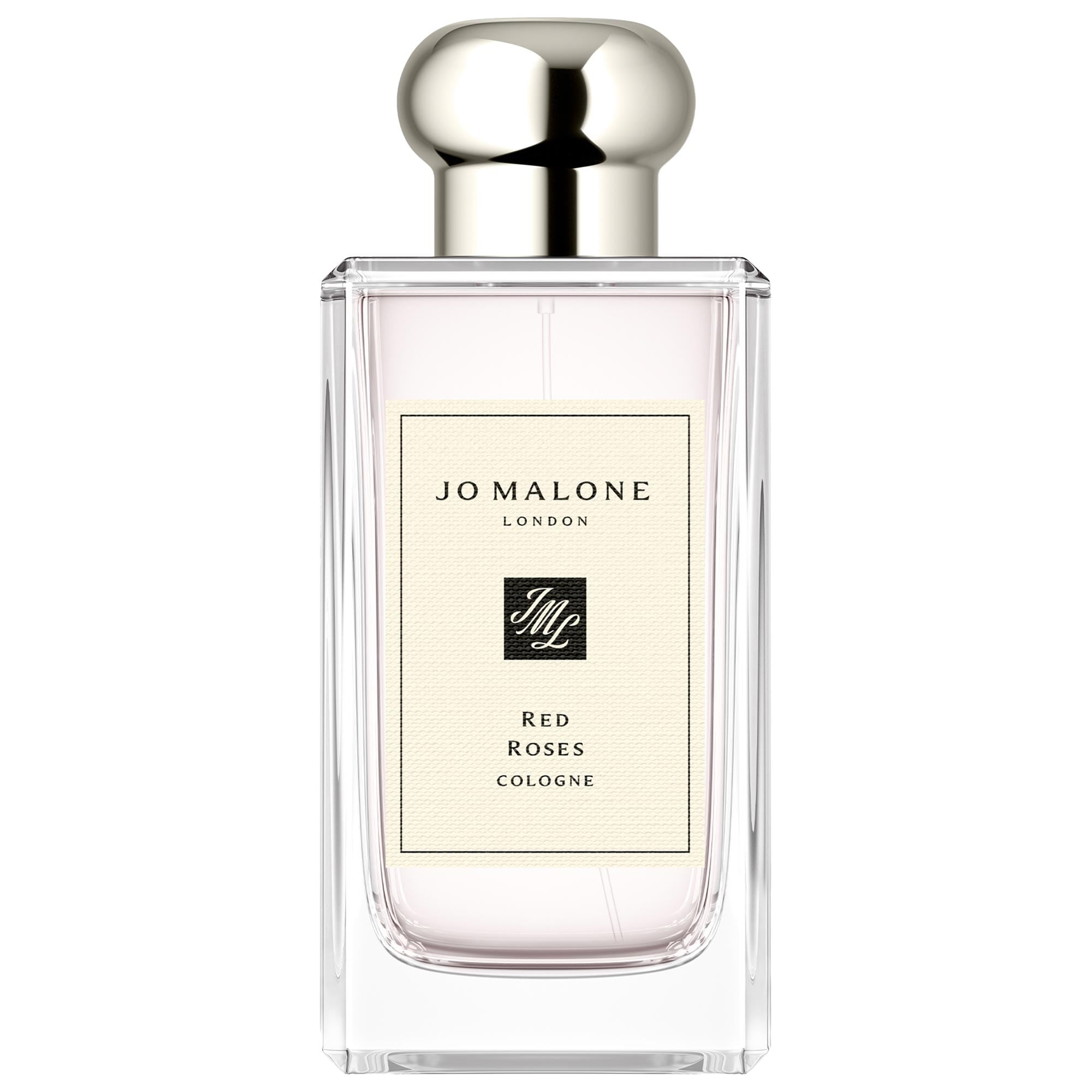
A few years ago, I watched Paloma Elsesser's get ready with me video, and she mentioned that Red Roses was her all-time favorite scent. Because whatever she says must be true, I immediately went to the store to try it. It's the most romantic rose scent I've ever smelled that feels natural and doesn't smell like your grandma.
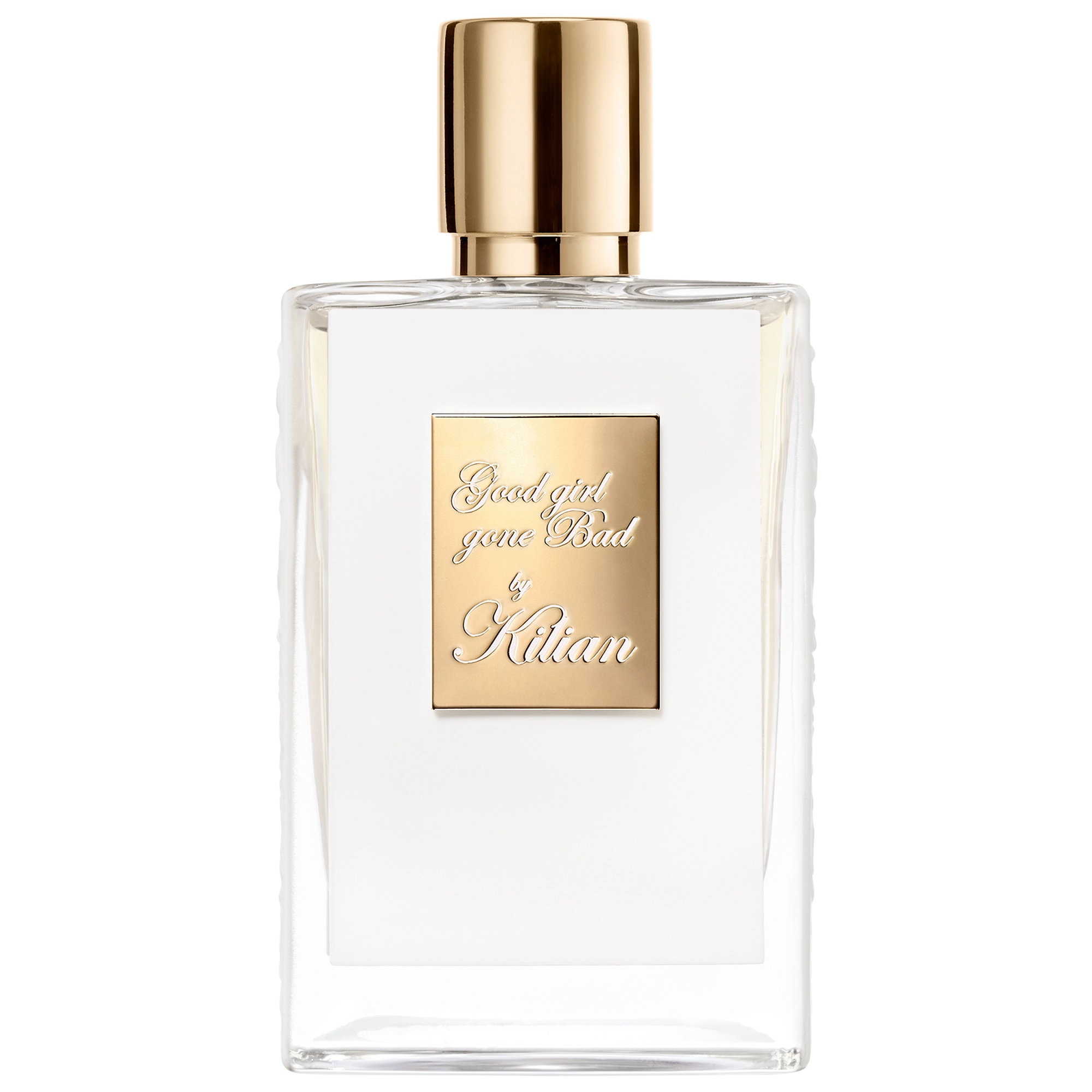
With a name like that, how can you not wear this floral blend of tuberose, jasmine, and narcissus?
The Bold
Not to say that you can't wear these when you're in a relationship (I certainly do), but when I was in my single dating era, these perfumes were the ones that I'd grab when I wanted to make an impression—a little spice, a little smoke, maybe even a hint of pepper. When I put one of these on, my anxiety disappeared. Even blind dates couldn't affect my nervous system.
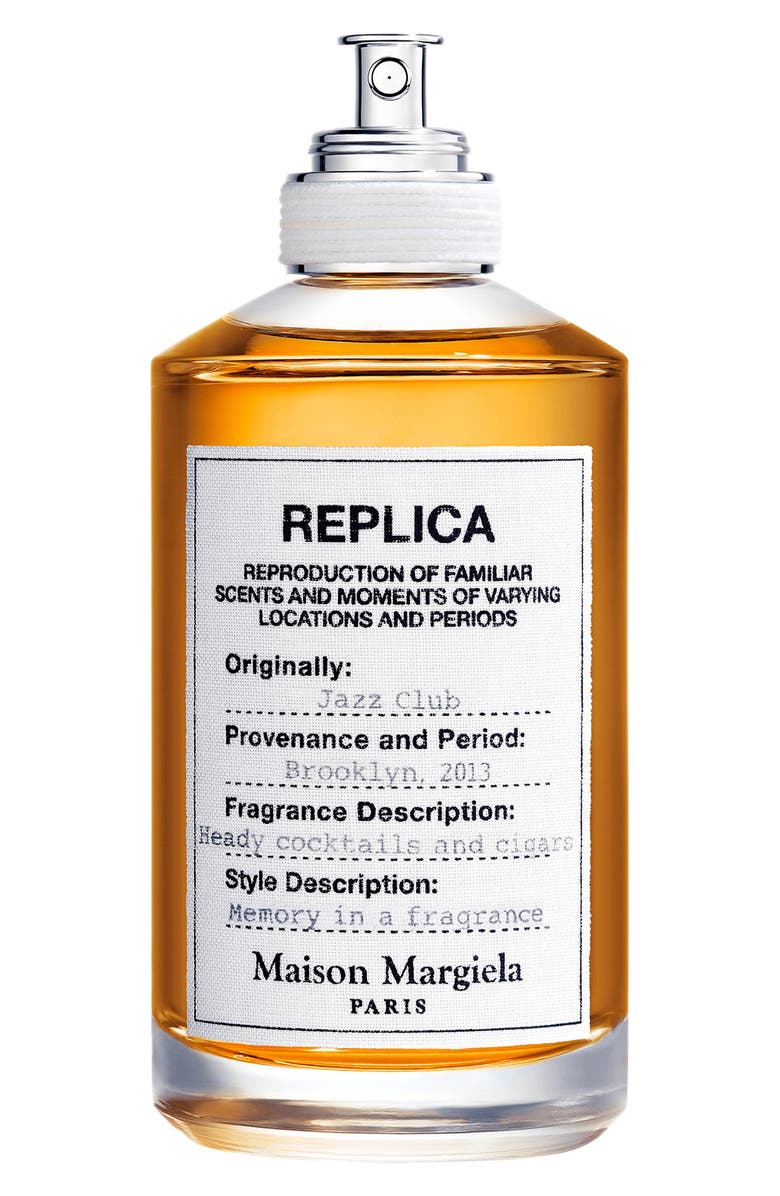
Though it's advertised as a men's cologne, I find that it brings an unexpected vibe to date night. It's warm and spicy—tobacco leaf, pink pepper, and rum absolute—and transports me to a speakeasy circa the Harlem Renaissance. It's unforgettable.
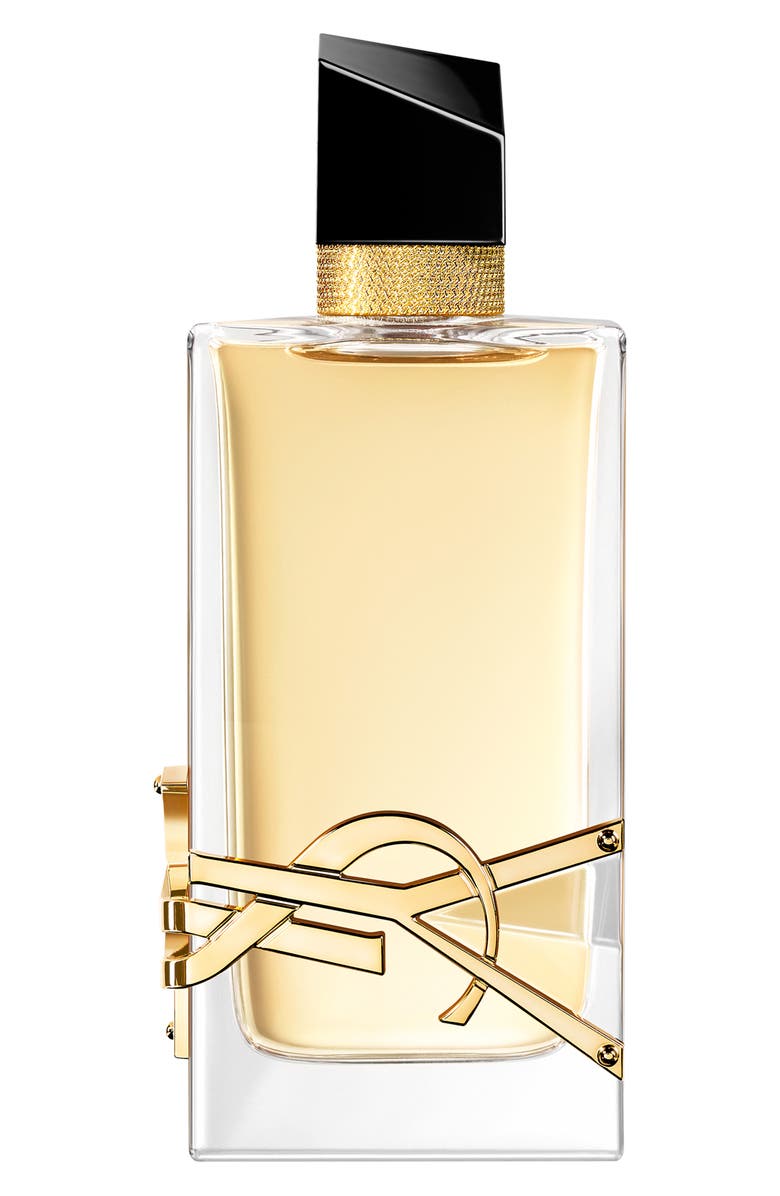
You probably know this one, but if not, meet the perfume that became the signature of a confident, powerful woman: YSL Libre.
The Playful
These are my daytime scents, like a picnic in the park, a boozy little brunch, or just a quick coffee when I want to feel awake. To me, playful means citrus. It's light and fresh—think grapefruit, orange, lime—and makes me feel fun.
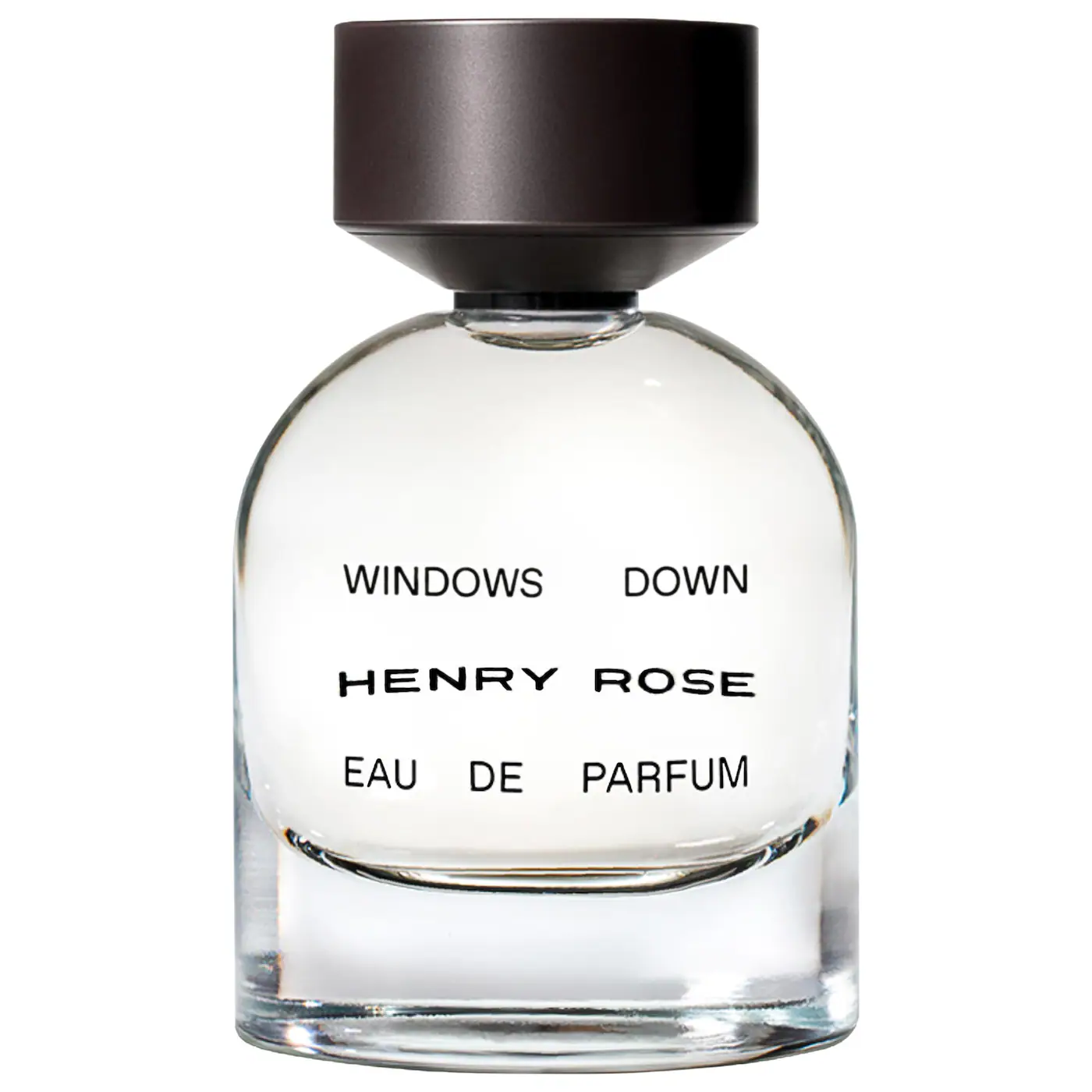
This pick is sunshine in a bottle. Aptly named, this citrus perfume takes me back to summer drives with the windows rolled down. I wear this scent every time I go on a day date when the weather is gorgeous.
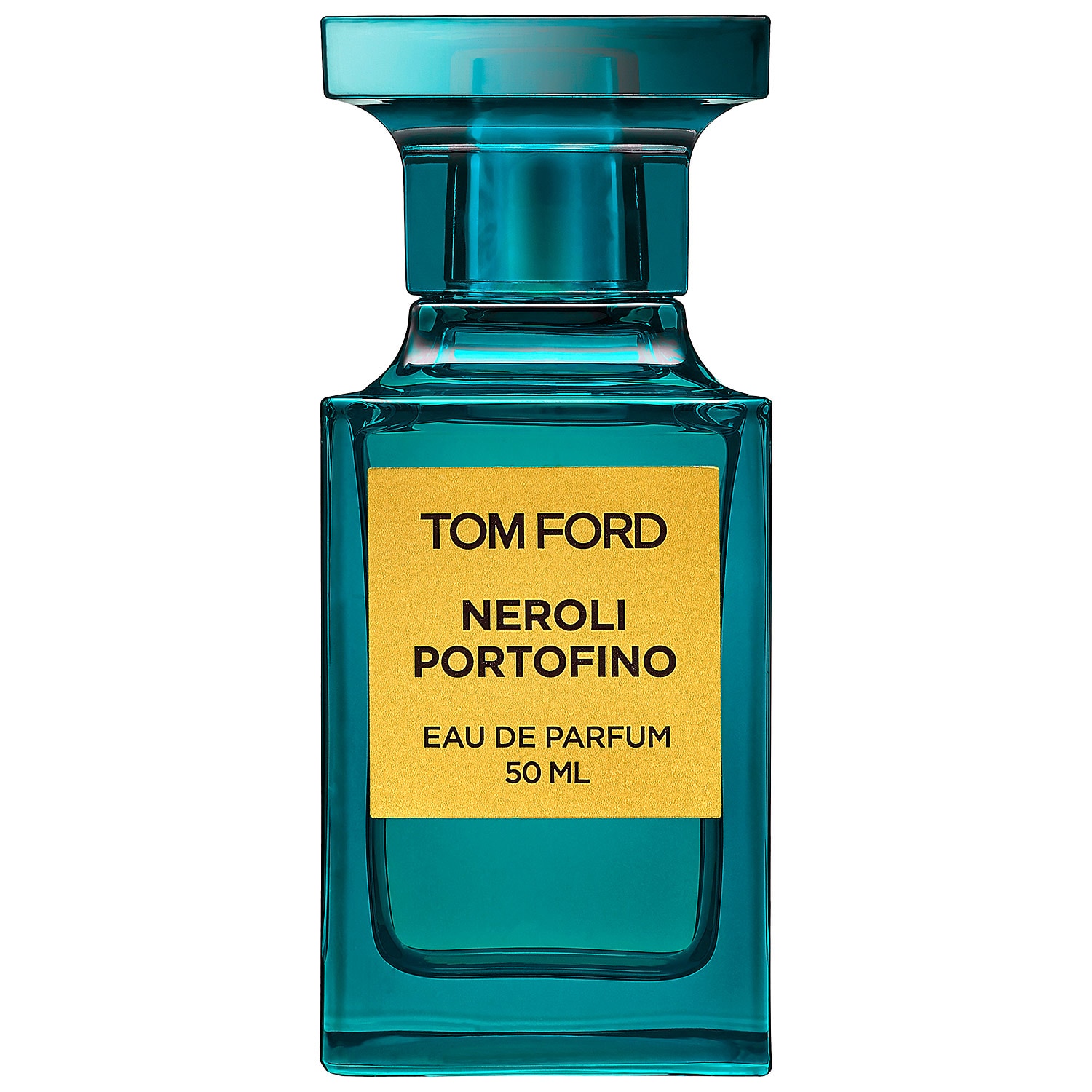
Now that the warm weather is fading into fall, I lean on citrus scents that don't feel like summer. This one features sparkling citrus notes, balanced by a resinous base to keep it grounded.
The Cozy
If my boyfriend and I are staying in or doing something low-key, I go for warm, sweet scents. Vanillas, caramels, and any scent that smells like a dessert fit this category—the gourmands, if you will.
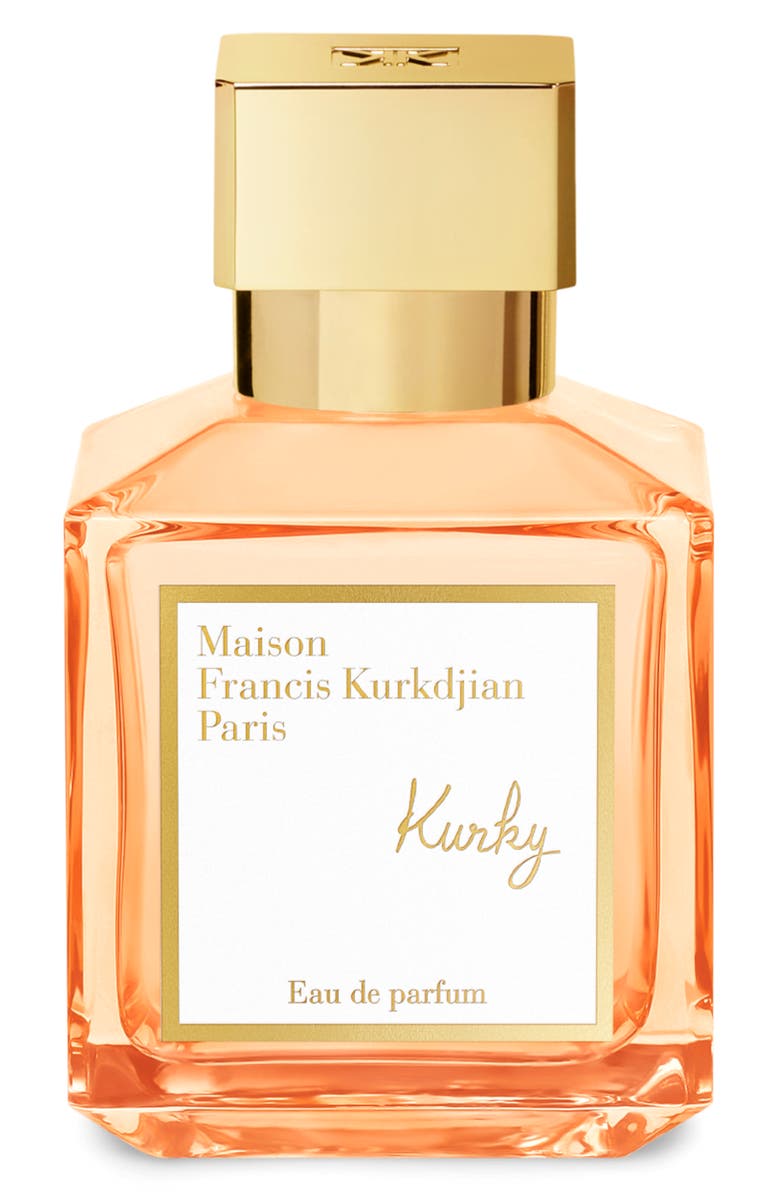
Unlike its bold predecessor, Baccarat Rouge 540, this one is warm, flirty, and smooth—a combination that demands a hug. Musks, fruits, and candies blend together for a delicious profile.
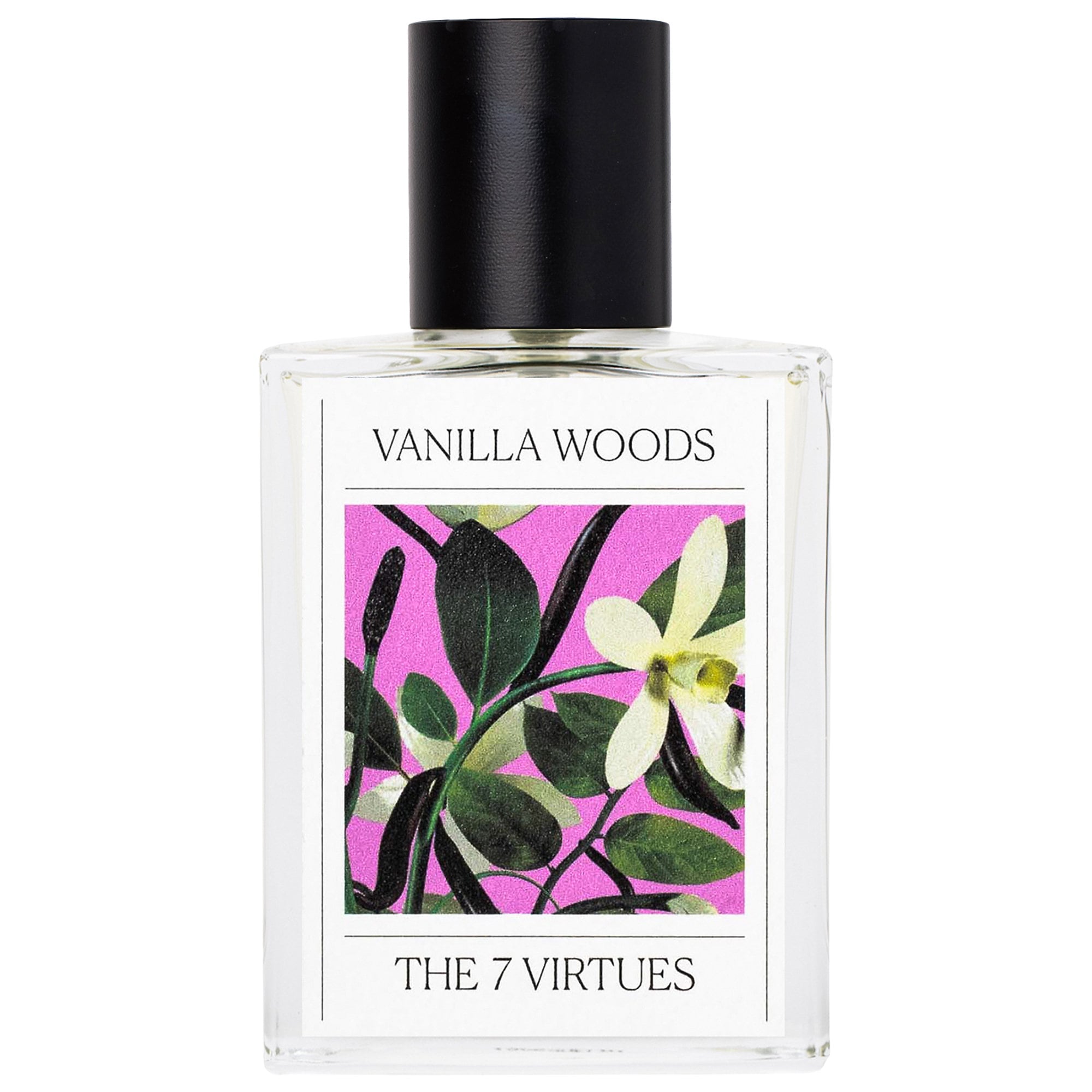
Looking for a vanilla that's sophisticated instead of cloying? The 7 Virtues Vanilla Woods adds depth and complexity to the classic note.
The Effortless
And there are my favorite nights when I don't want him to notice the perfume, at least not right away. That's when I reach for a skin scent. It's subtle, almost like you can't tell if I'm wearing perfume or not, but filled with warmer and muskier notes that mimic the skin's natural smell. It's my secret weapon for when I want him to lean in just a little closer.
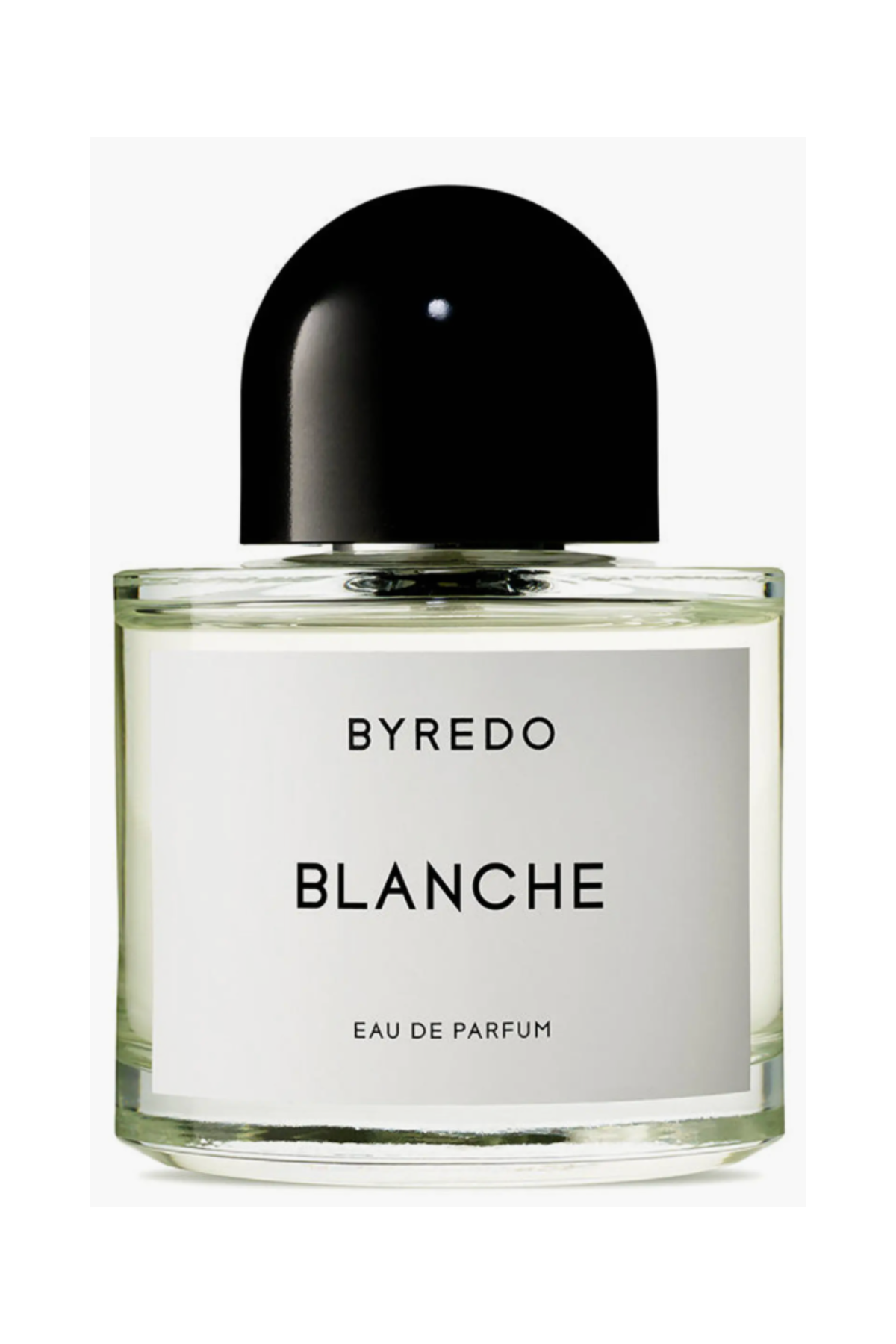
This fragrance was formulated around Byredo perfumer Ben Gorham's idea of the color white. It's pure and simple, but it has a side to it that's unexpectedly warm and intimate.
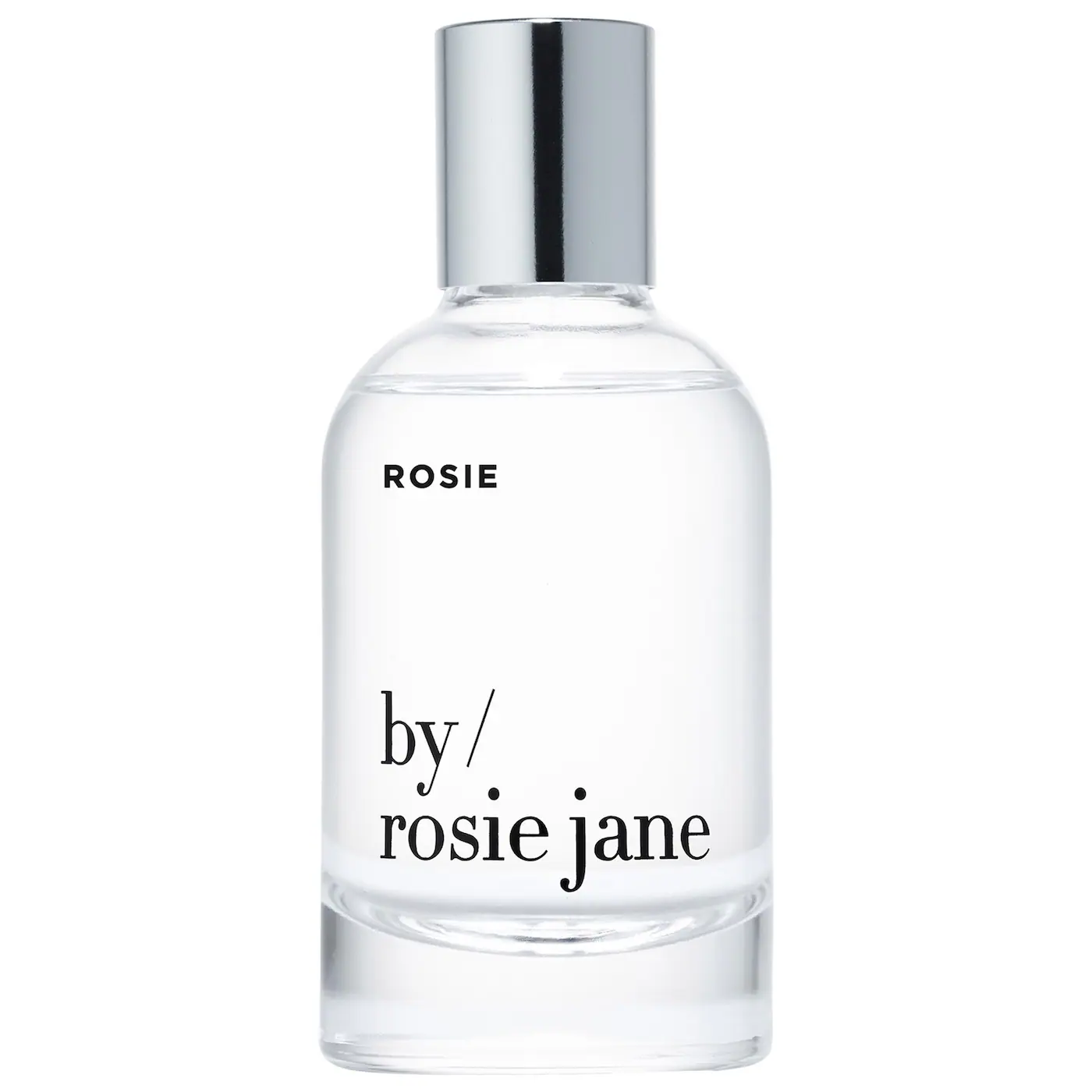
This is my fail-safe skin scent that I reach for almost every day. It's soft, warm, and effortless. Every single time I apply it, my boyfriend asks me what I'm wearing.
Why Trust Marie Claire
For more than 30 years, Marie Claire has been an internationally recognized destination for news, fashion, and beauty trends, investigative packages, and more. When it comes to the products Marie Claire recommends, we take your faith in us seriously. Every product that we feature comes personally recommended by a Marie Claire writer or editor, or by an expert we’ve spoken to firsthand.
]]>Alto Astral is the newest fragrance to launch from the brand, and it's a sweet, gourmand scent that's a tribute to the culture of Brazil. "Alto Astral is that moment when your energy shifts and everything feels light and full of possibility," Byredo's longtime perfumer, Jérôme Epinette, tells Marie Claire. It features top notes of coconut (hence the imagery), which Epinette hopes will convey a sense of optimism and joy.
In need of a new go-to scent, I spent a few days testing out Byredo's new launch. Read ahead to get my unfiltered thoughts it.
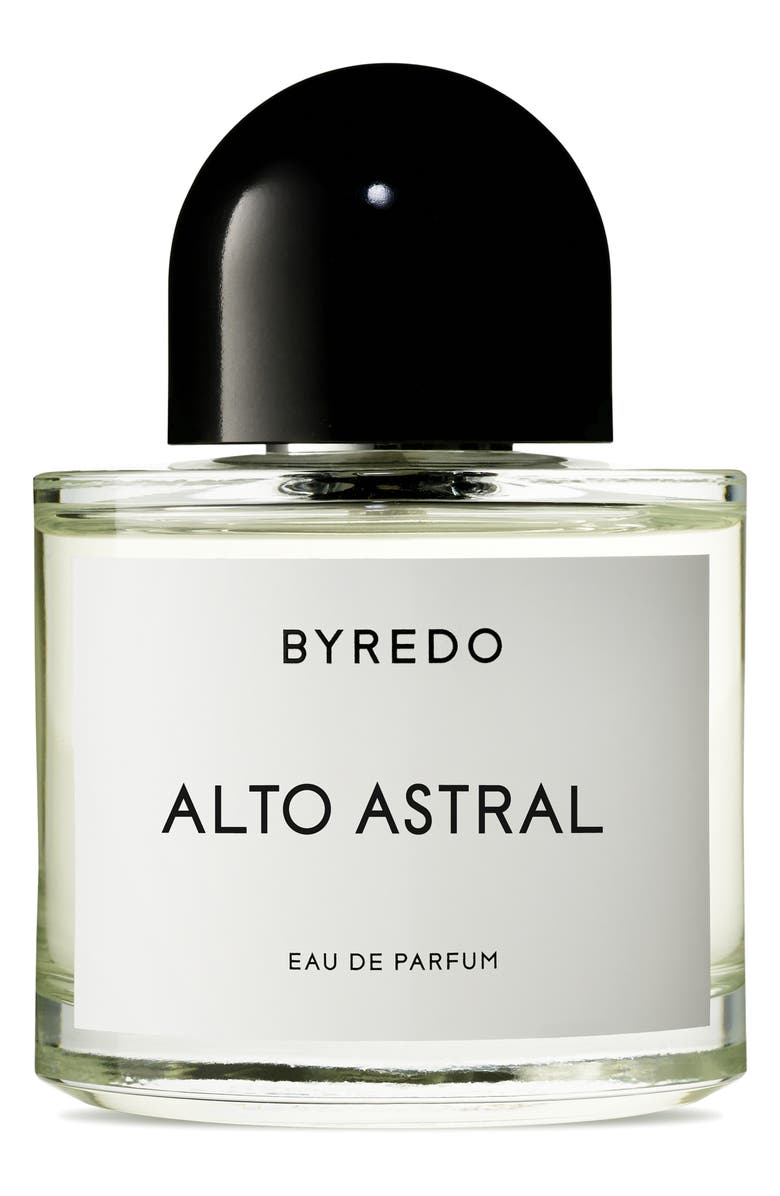
The Fragrance
Alto Astral is a gourmand scent that features notes of coconut water, aldehydes, jasmine, sandalwood, cashmere, and salted amber. "Everything about this fragrance was very intentional," Epinette says. "I had a clear vision from the start. I knew that notes like coconut water, milky musks, and cashmere woods would work in harmony to tell this solar story."
Per Epinette, the fragrance is meant to capture the energy of Brazilian culture, and he was inspired to create it after spending time in the country. "Having traveled there and spent time immersed in its vibrant culture, I was truly inspired by the optimism and energy that pulse through everyday life," he says. "I wanted the scent to capture that unique blend of warmth and vitality that’s so deeply rooted in Brazilian culture."
Of all the notes featured in the perfume, the coconut water is probably the one that's most prominent in my opinion, but the scent itself isn't overpowering. It's also really warm and musky without leaning too far on the masculine side, which I can really appreciate.
The Application
On my first day wearing this, I'll admit that I wasn't super generous with the application—trying out new fragrances makes me a little nervous sometimes, so I try to be a little conservative with how much I apply in case I end up not liking it. As you can imagine, that caused the scent to not linger for as long as I would've preferred it to.
The next day, I got a bit more liberal with it, first adding a few spritzes to my neck right after getting dressed, and then working my way down, spraying the insides of my wrists and my legs. Then, I waited for it to dry down on its own, as opposed to rubbing it in and potentially breaking down the fragrance.
The Wear
After spraying the fragrance on at around 8:30 this morning, I noticed that I could smell myself during my entire walk to the train station. That said, by midday, I could still faintly smell it on myself, though I definitely felt like the scent had worn off a bit—a potential sign that I wasn't quite as generous with the application as I could've been.
The scent is great, but it's one that you may have to reapply during the day if you have evening plans.
The Takeaway
I was nervous about this scent being a bit to masculine for me at first, but after trying it, I was impressed by how versatile it is. It's a gourmand scent, but it doesn't lean too far on the sweet side, and while you can immediately get a whiff of the coconut water in as little as one spritz, the notes aren't overpowering.
So would I wear this again? Definitely! I can appreciate that it doesn't fit strictly into the box of being a summer or fall scent and is something you can wear year round. It's one that I'll 100 percent be adding to my collection.
Why Trust Marie Claire
For more than 30 years, Marie Claire has been an internationally recognized destination for news, fashion and beauty trends, investigative packages, and more. When it comes to the products Marie Claire recommends, we take your faith in us seriously. Every product that we feature comes personally recommended by a Marie Claire writer or editor, or by an expert we’ve spoken to firsthand.
]]>Needless to say, I was under a tremendous amount of stress and just not feeling well. After ignoring signs from my body for weeks, I had the worst panic attack of my life—during my partner’s graduation party, no less. One moment, my sister and I were sneaking off to go pick up catering, the next I was lying on a stretcher, attached to all sorts of machines. The experience left me with what my psychiatrist labeled as panic disorder, alongside a healthy dose of agoraphobic behaviors.
My primary symptoms included trouble breathing, dizzy spells, and a racing heartbeat every day (and night) for weeks after the initial incident. While this obviously affected my day-to-day life, it also deeply affected my sleep. I would find myself waking up mid-panic attack, terrified to go back to sleep in case it happened again. I couldn’t take it anymore.
I started looking into calming, holistic remedies. There was magnesium oil, which I sprayed on the bottom of my feet before going to sleep, and peppermint oil, to help promote deep breathing. There was even an oral herb spray to promote calm from the inside out. All of them did their intended jobs but left me smelling like a witch’s brew, and it felt like a constant reminder that I was doing this because I feared my mind would revolt otherwise. These conflicting herbal scents just reinforced this feeling of fear that there was something wrong with me.
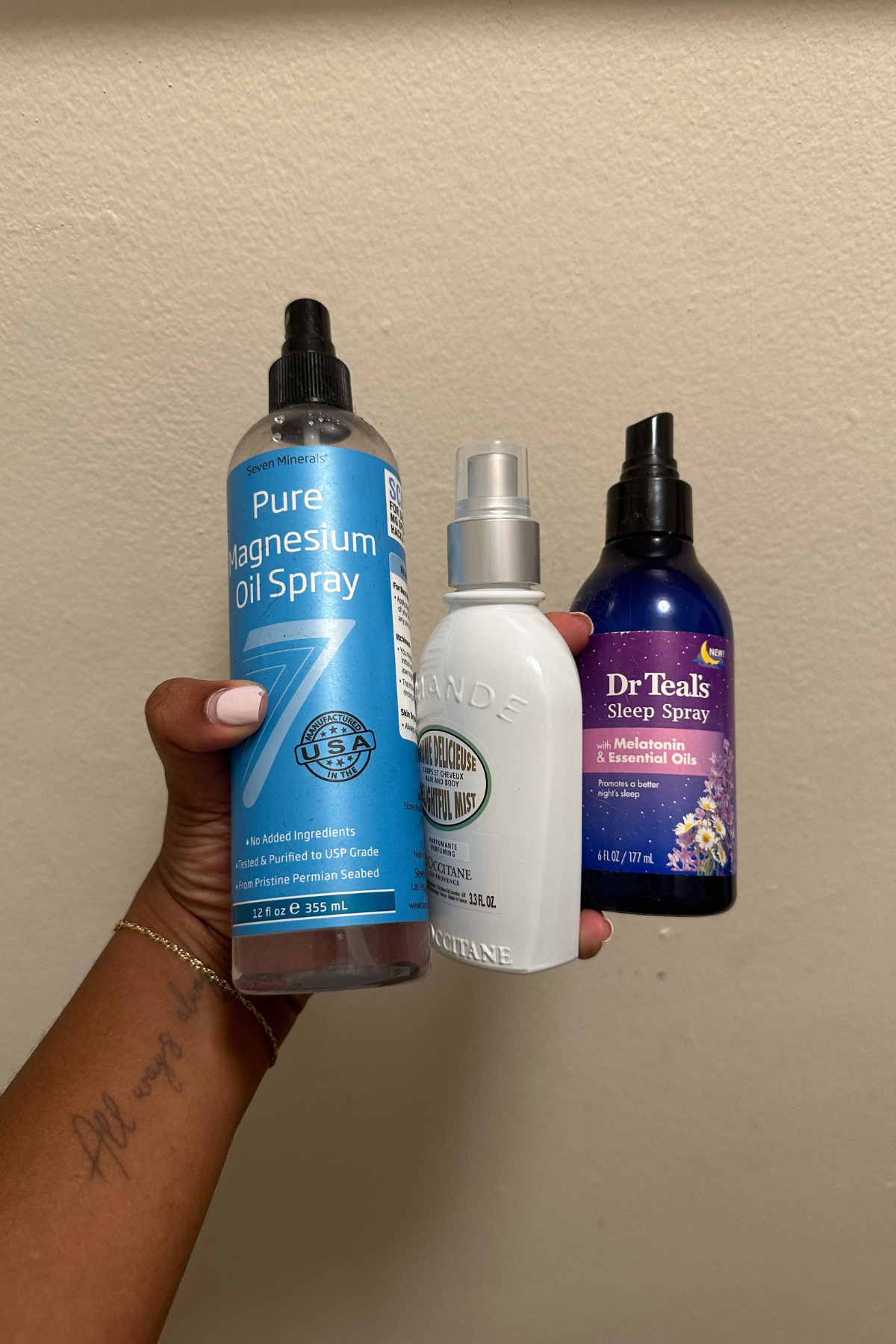
Enter: my fragrance-before-bed ritual. I was craving the little practices that I, as a beauty editor, would do to boost my mood and morale, all of which were completely sidelined as I navigated my new diagnosis. As the weeks went on, I found the act of topping all these products with a fragrance, scented lotion, or body oil that I actually wanted to use was a way to exercise a bit of control in a time where it felt like life was dragging me by my ponytail.
Yes, I’d take my antidepressants and use all the oils and sprays because I had to, but putting on a bit of perfume became the one thing that felt like me. Plus, as a beauty lover to my core, I loved the whimsy that a fragrance could bring into an otherwise mundane routine. It was that little bit of extra self-love that made me feel kind of normal again, before the idea of stepping out of my front door made me hyperventilate and fall into a puddle of tears.
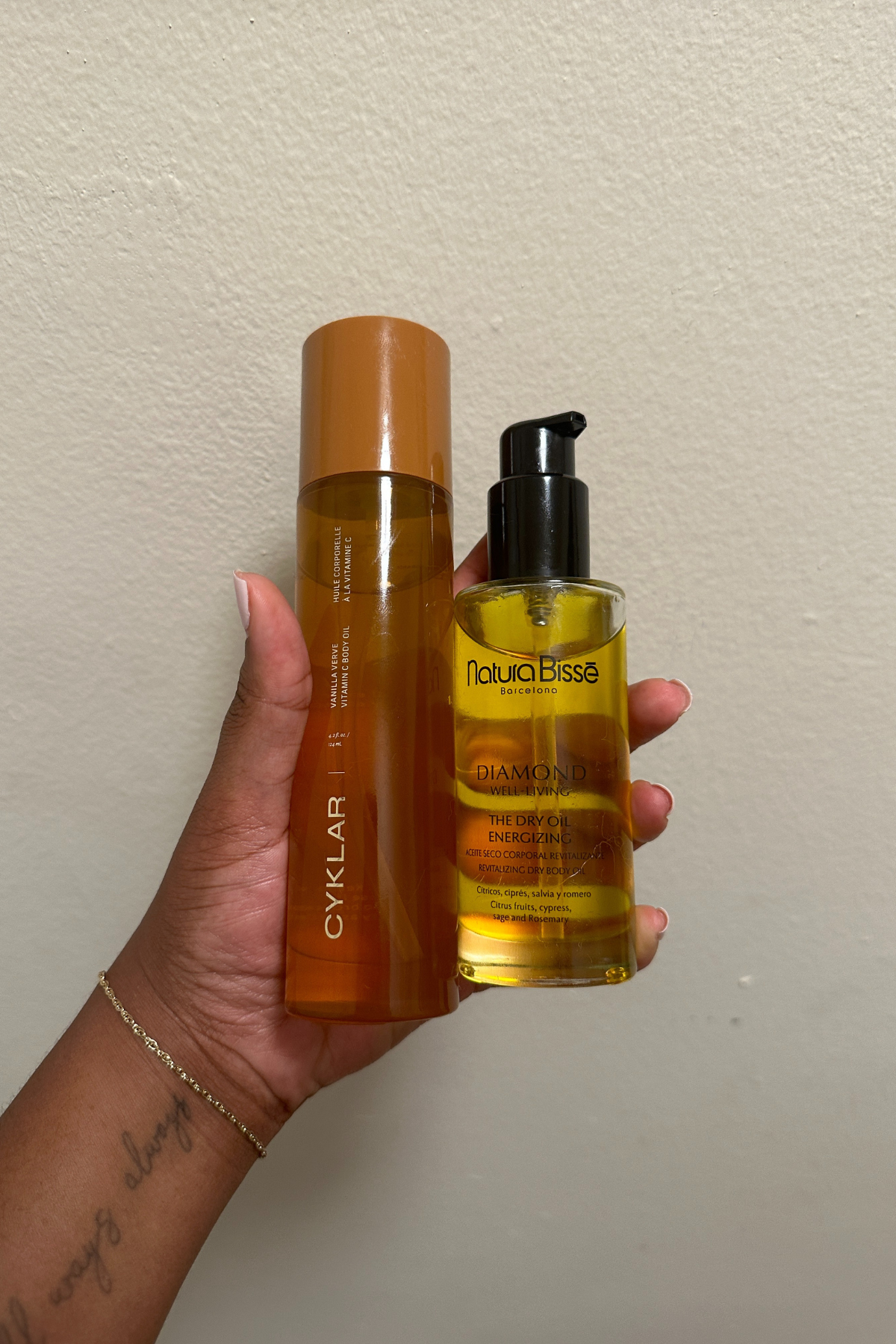
It’s been over a year since I experienced the Great Panic Attack of 2024, but applying perfume before bed is a ritual that has stuck with me, even as I’ve continued to learn different coping methods for living with panic disorder. The act of sitting on my bed, taking a few deep breaths, and spraying my favorite scents is a practice that takes a minute or less, but leaves me feeling grounded and in my body in a way that I hardly experience otherwise.
It continuously proves to me that my love of beauty and its auxiliaries isn’t just a frivolous hobby—it’s a way for me to continuously learn about myself and my body, which is even more important to me as I grow in my womanhood. It’s a way for me to feel sensual, clear-headed, and calm in a city and society that tries to force me to be the opposite every day. Fragrance has helped me to navigate panic disorder, but it’s ultimately helping me prove to myself that I am my biggest advocate, caretaker, and confidant, and that I have a say in my approach to wellness and mental health care. That sense of autonomy and control? There’s no better way to calm an anxious, panicky mind. And the fragrances that I'm wearing? It's my newfound scent of peace.
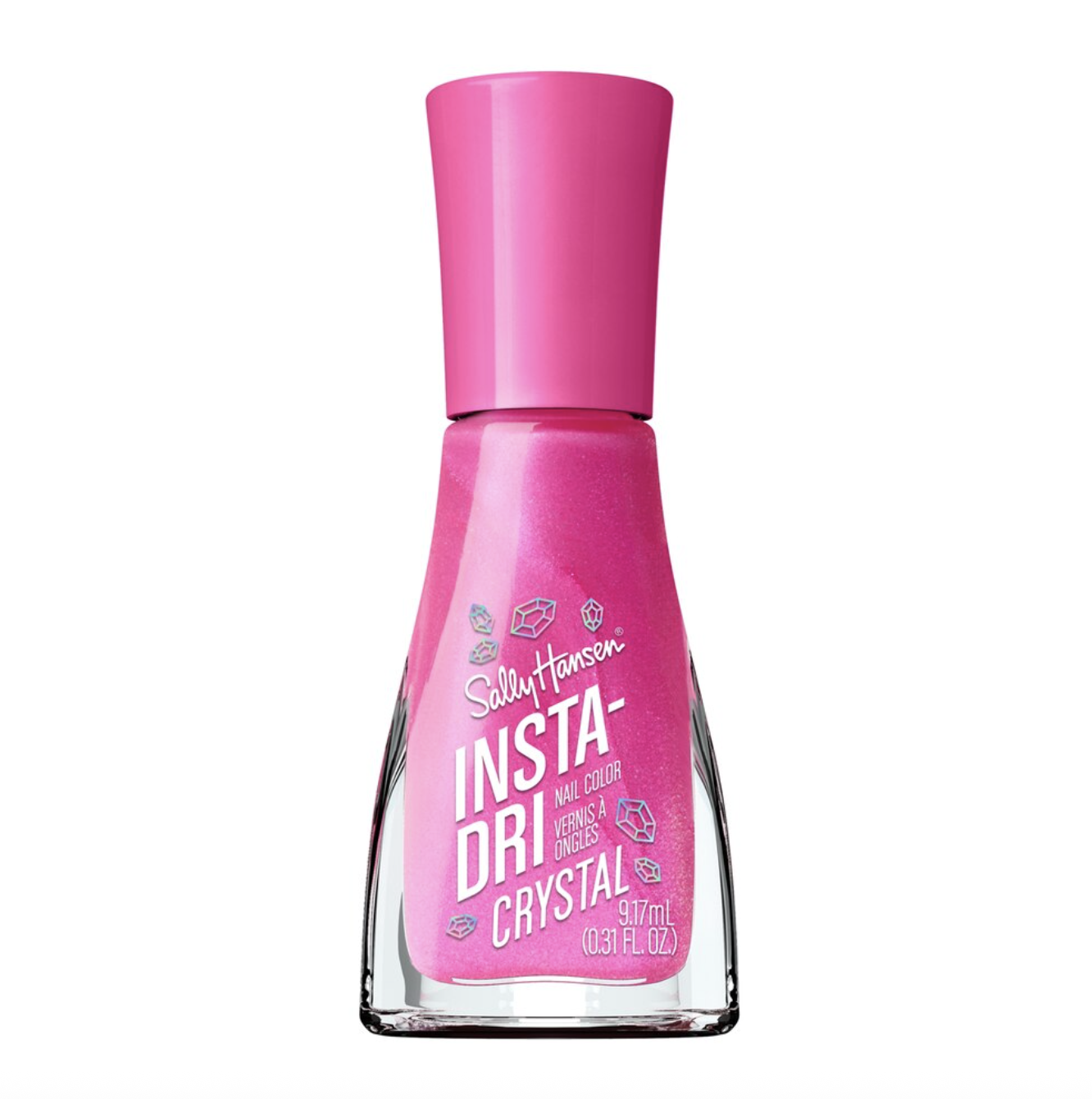
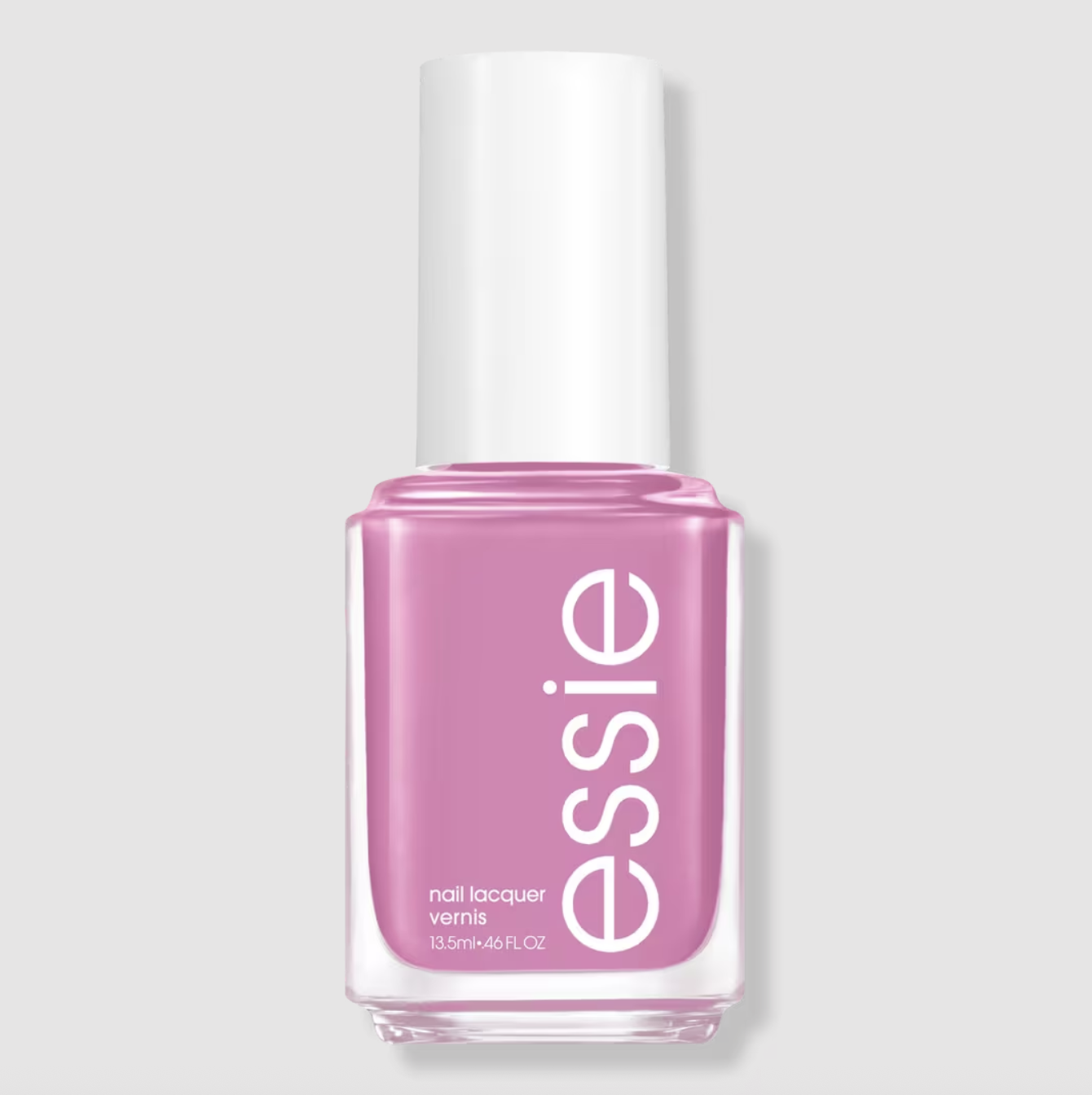
]]>Not only are there a load of pink hues to choose from—magenta, hot pink, bubblegum, blush, you name it—there's also an endless amount of ways for you to get creative with wearing pink nail polish if all-over color isn't exactly what you're going for. From minimalist designs and pink chrome overlays to classic pink French tips, there's truly a pink nail design out there for everyone.
To give you some ideas ahead of your next nail appointment, I've rounded up 21 stunning pink manicures to try for the upcoming season.
Barely There Pink
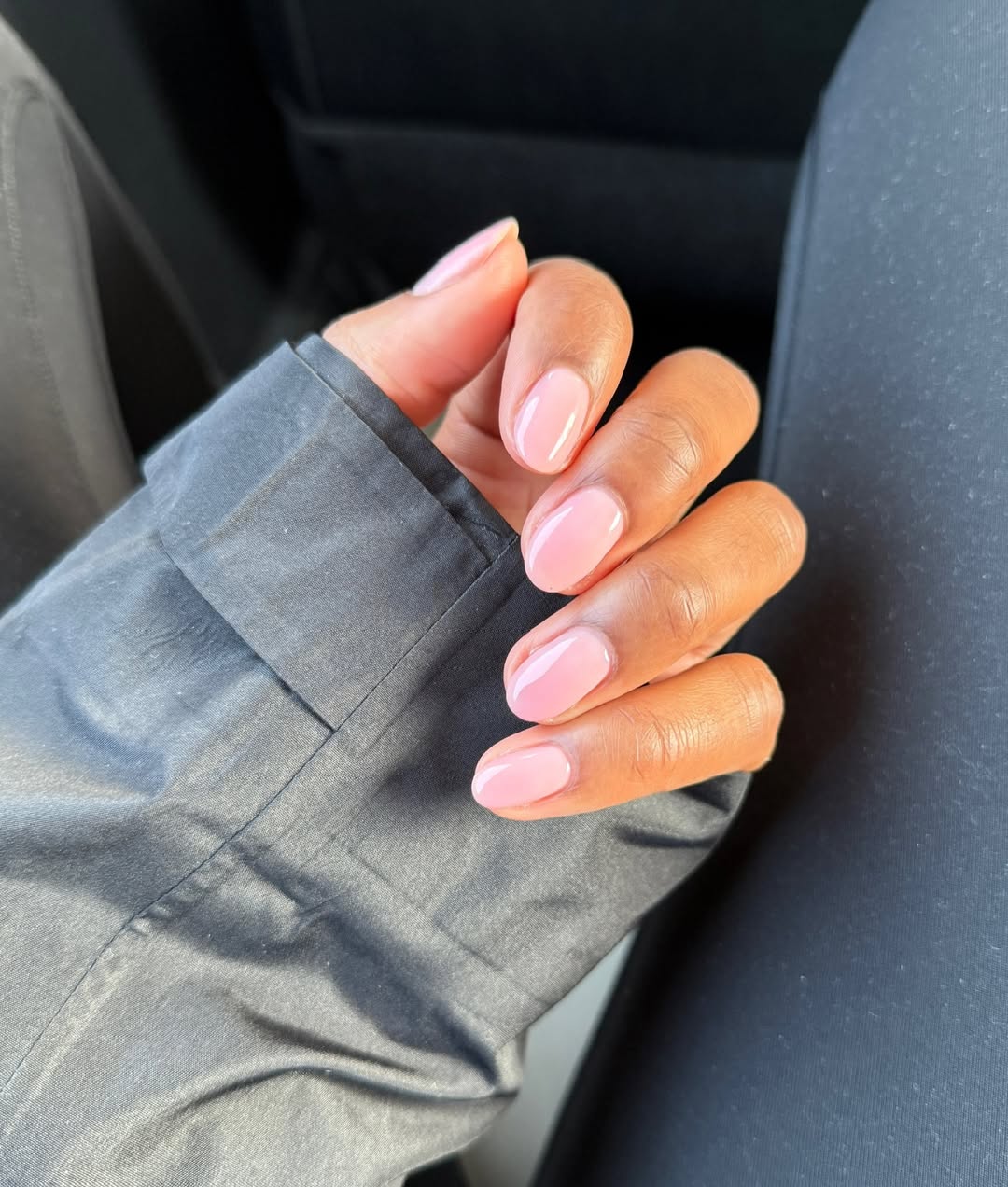
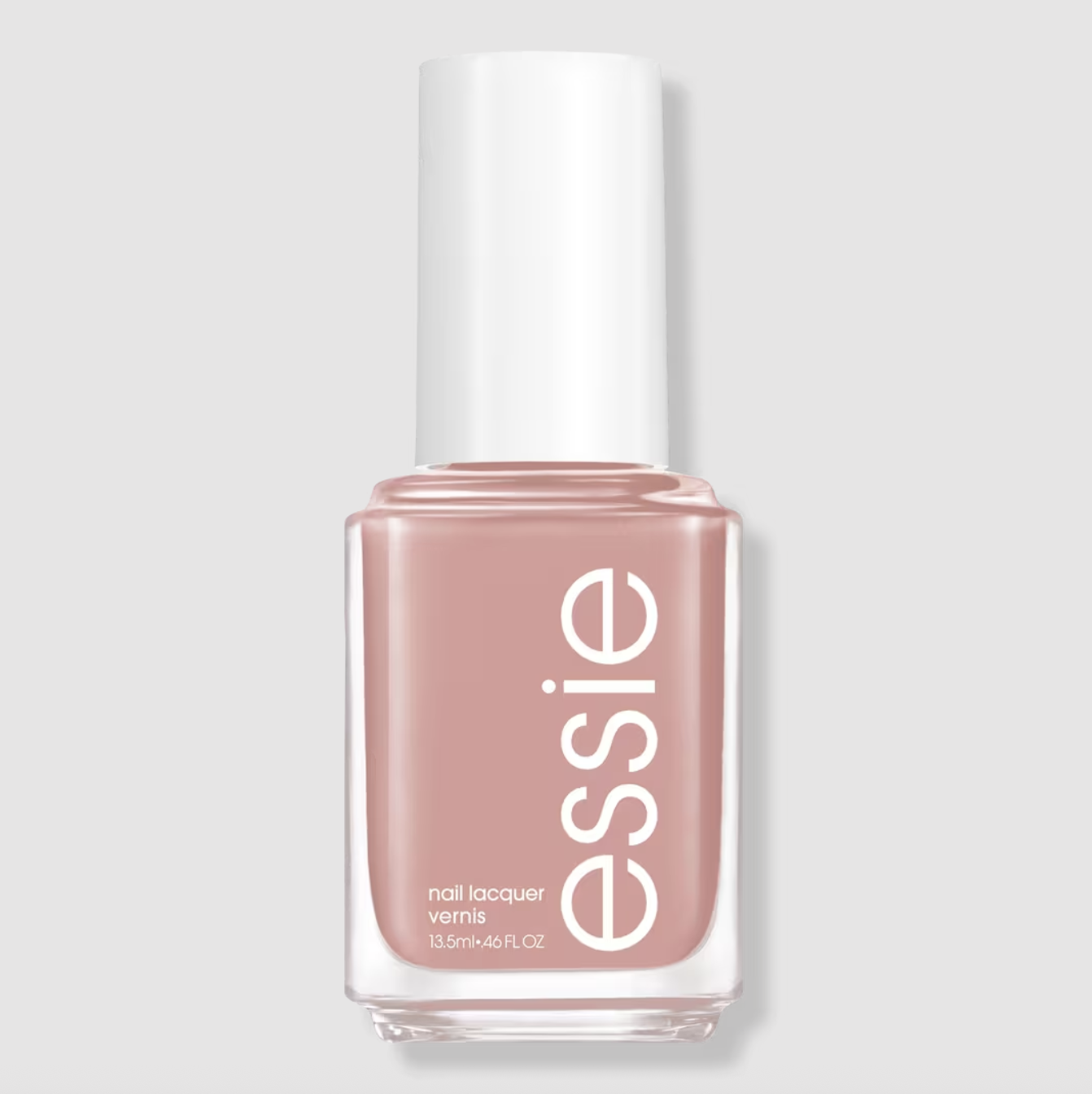
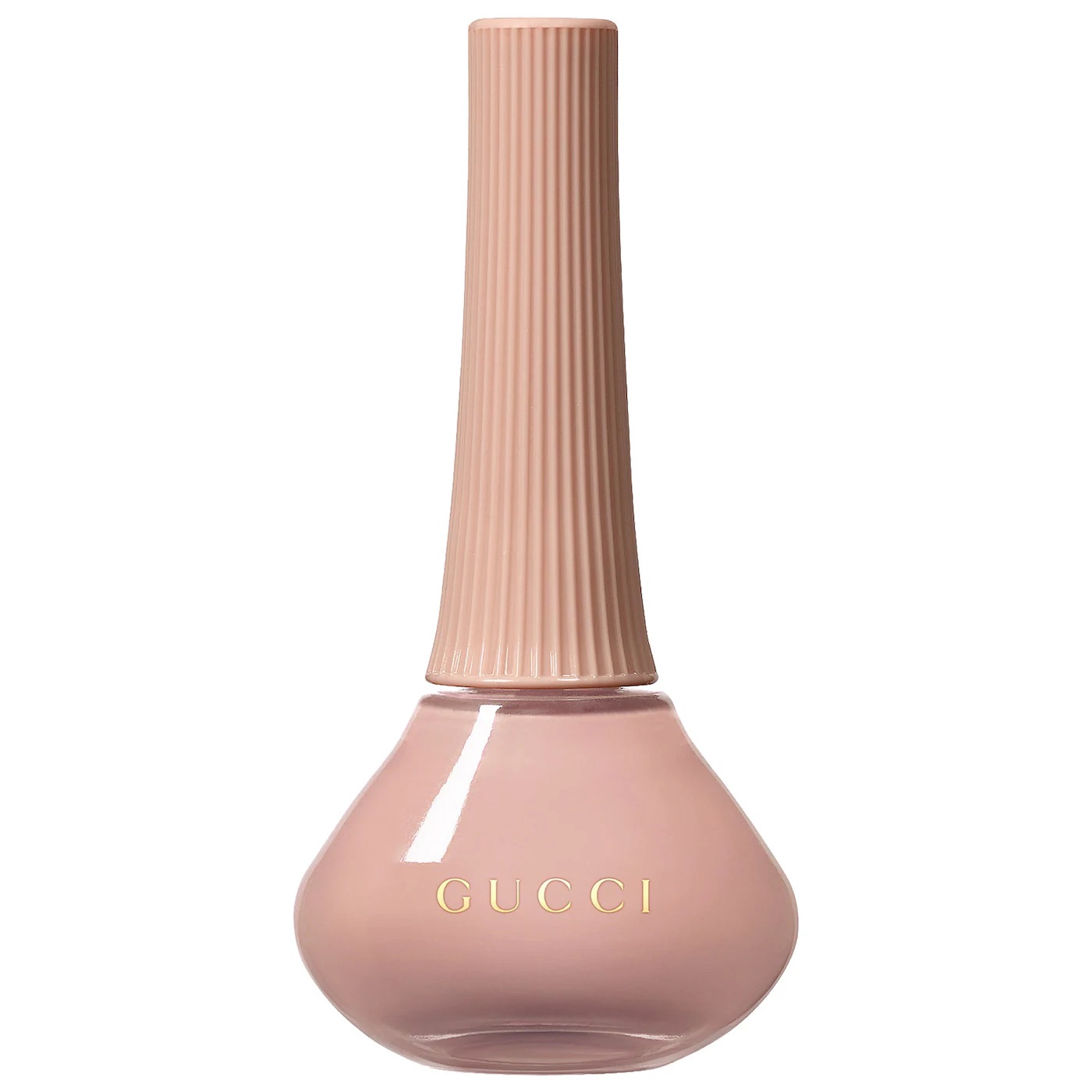
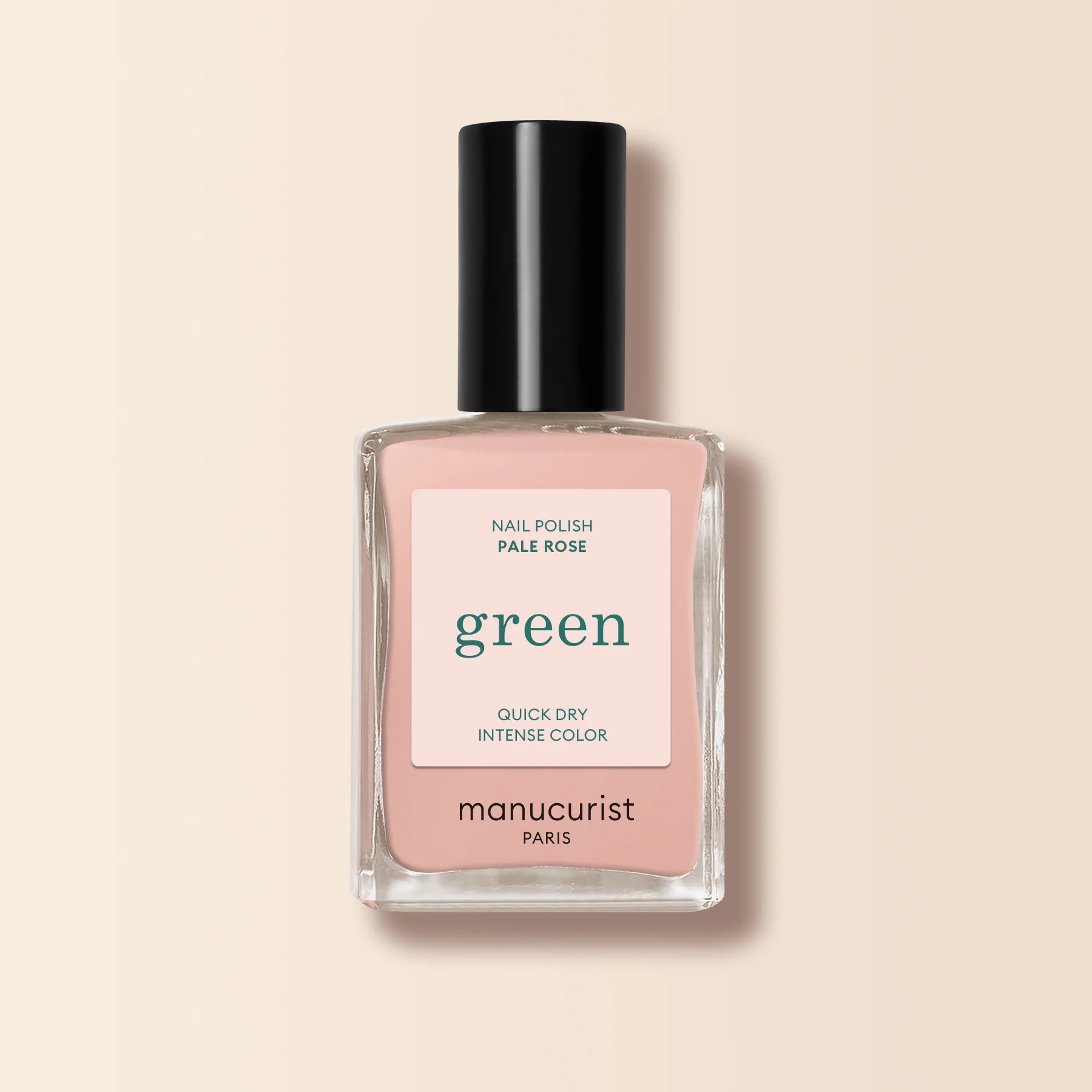
There's nothing wrong with keeping things simple with a solid color. If you're going for a classic nude look, try picking up a sheer or flesh-toned pink.
Pink Micro Tips
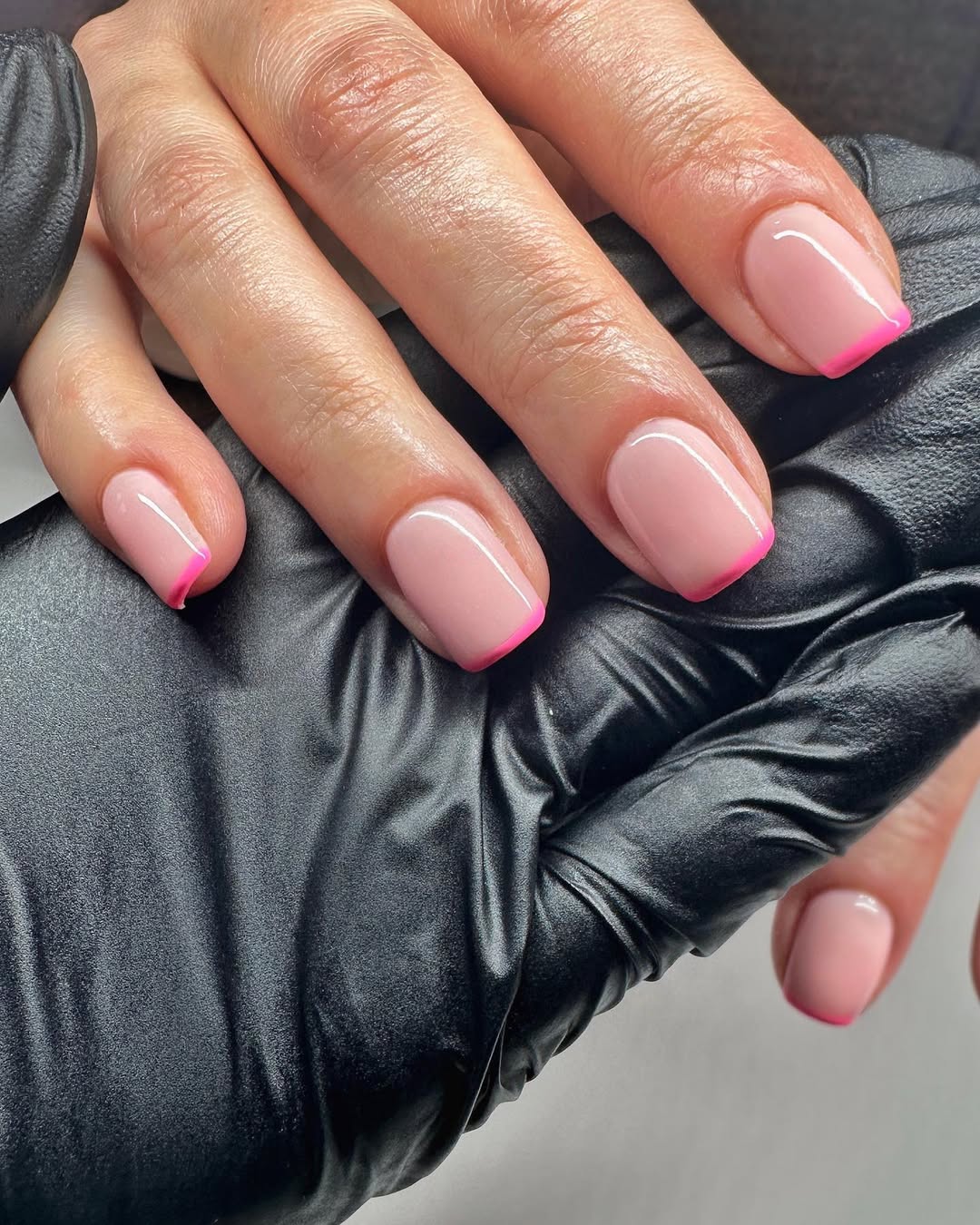
French tips are never a bad idea, but if your nails are on the shorter side, micro tips can help them look slightly longer.
Polka Dots
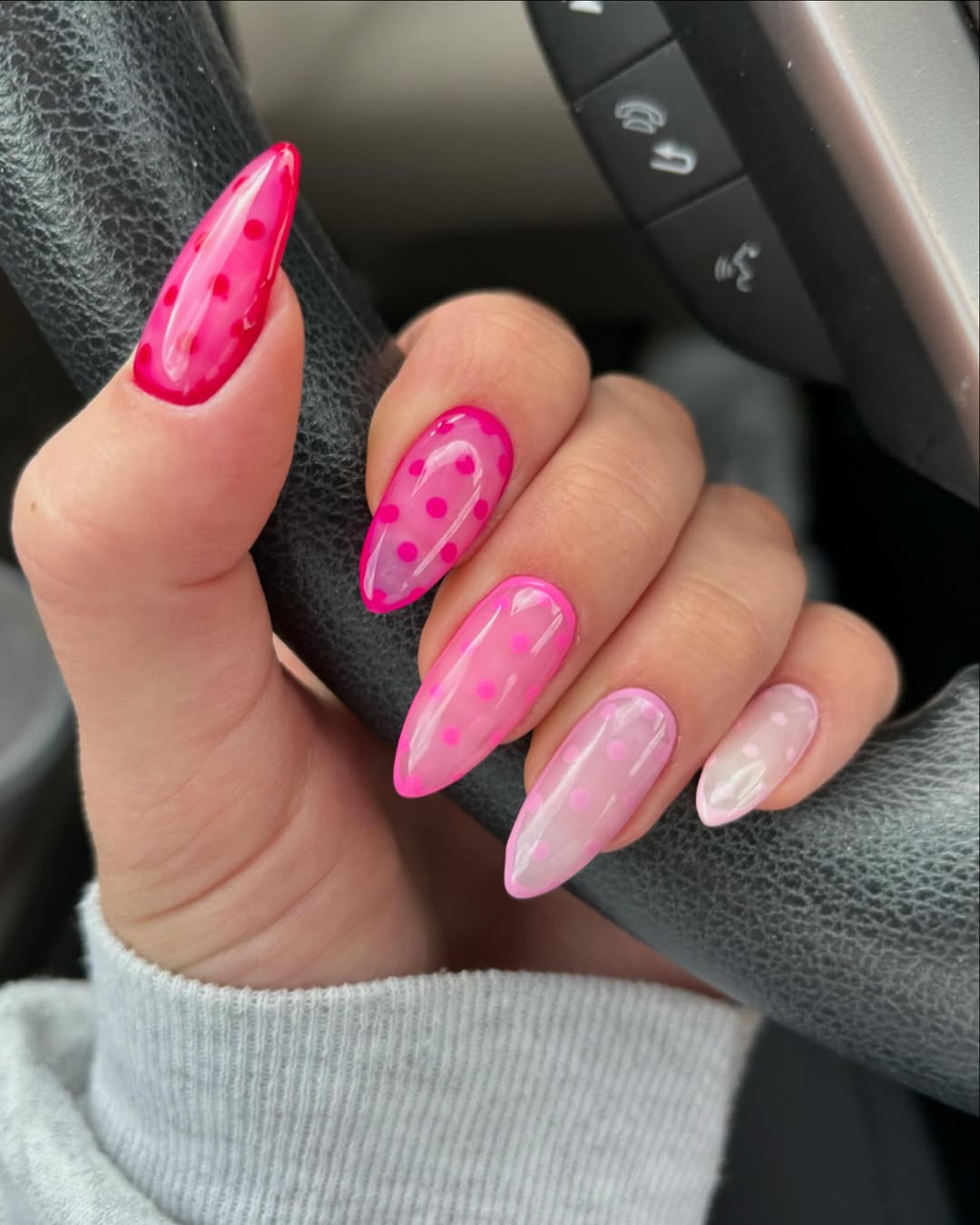
ICYMI, polka dots are so back. It seems like everyone (from Dua Lipa to Kylie Jenner) is wearing polka dots on their nails these days, but the design you choose to incorporate the pattern into doesn't have to be basic. This manicure features several of shades of pink painted in a gradient pattern on each nail before large dots are added on top.
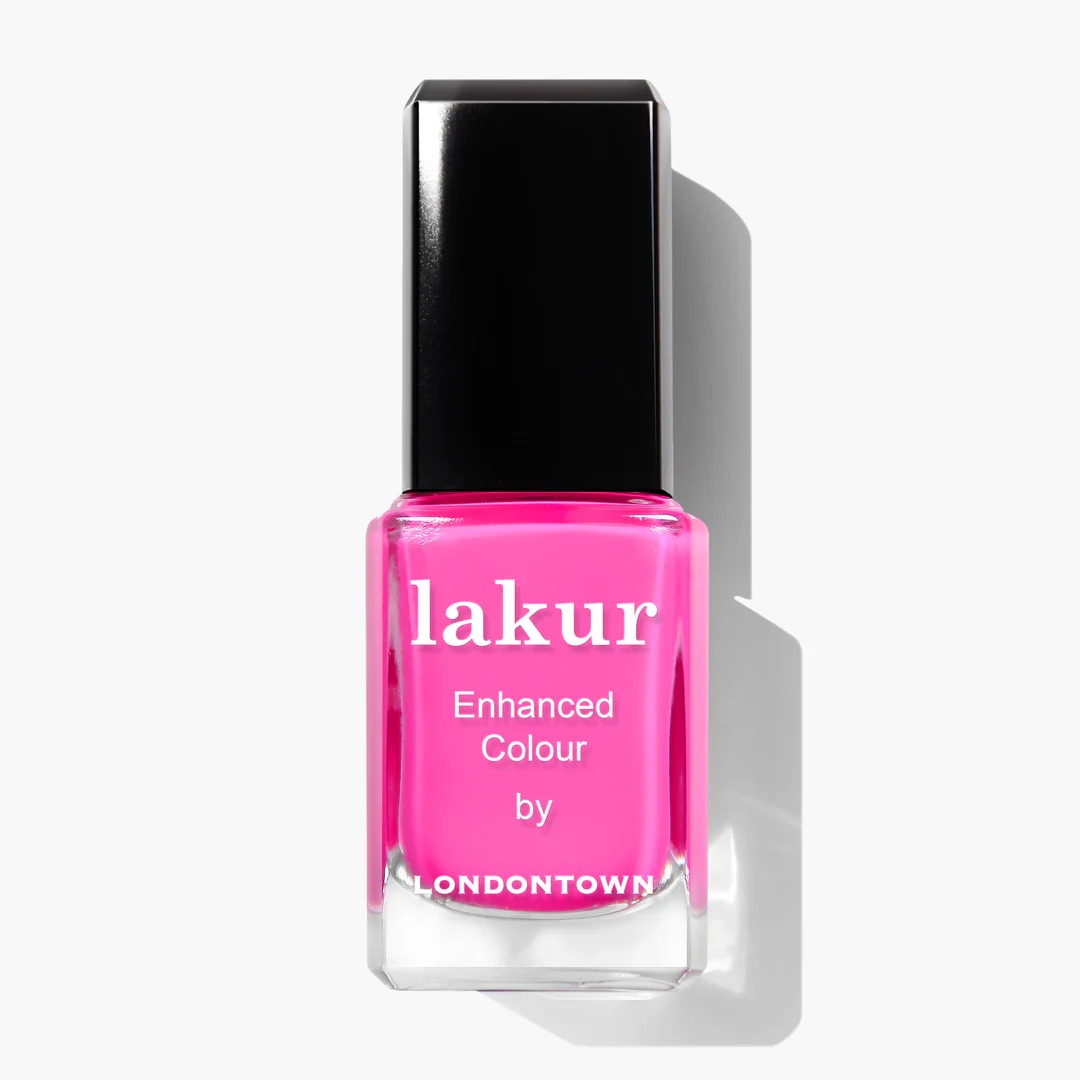
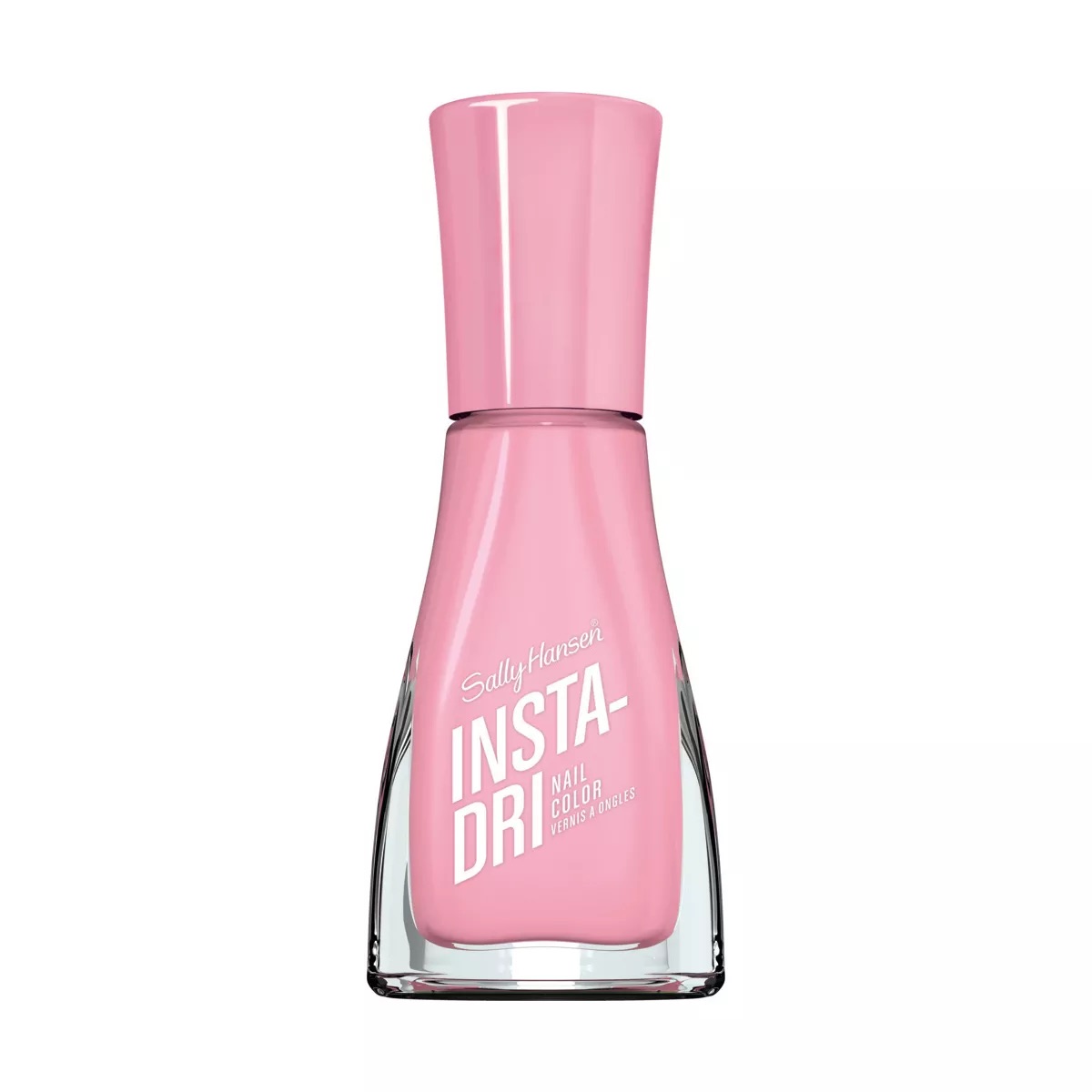
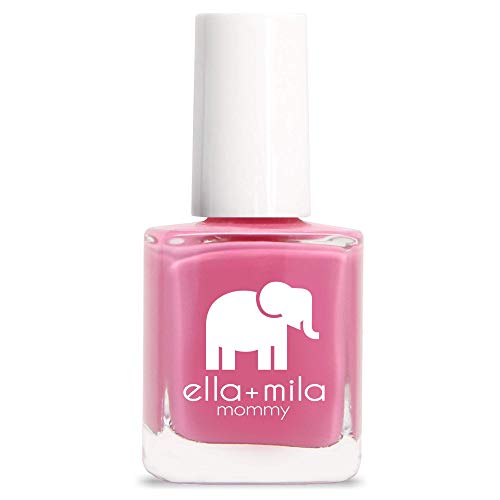
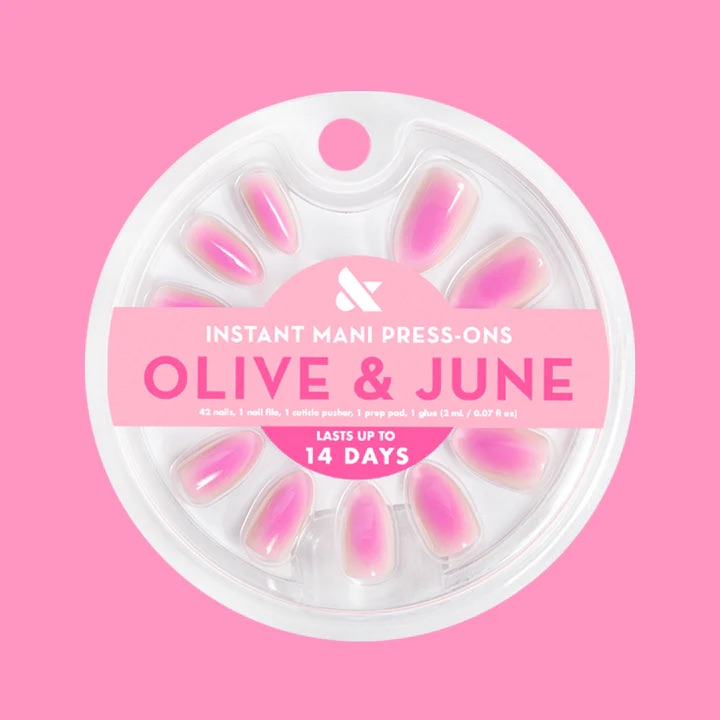
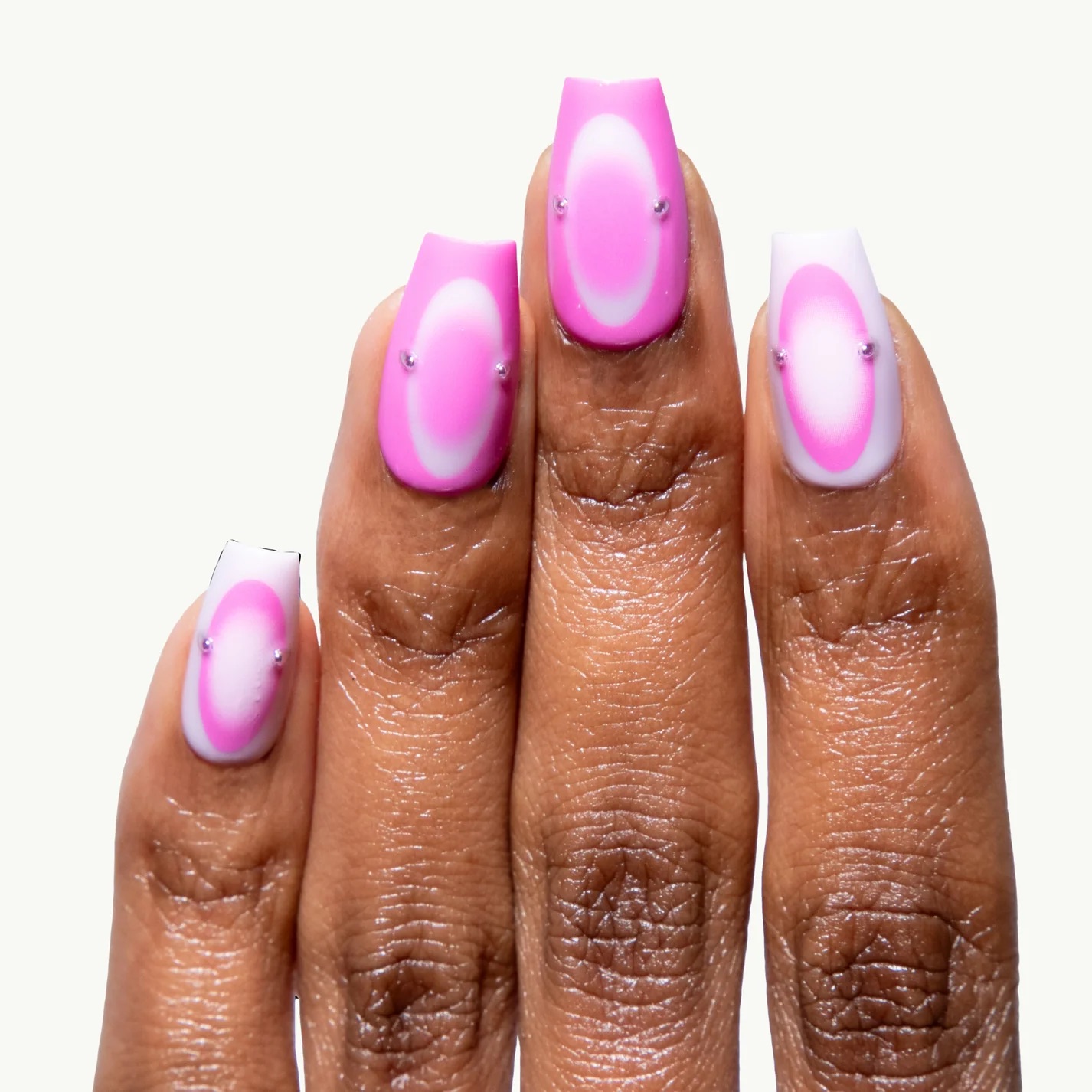
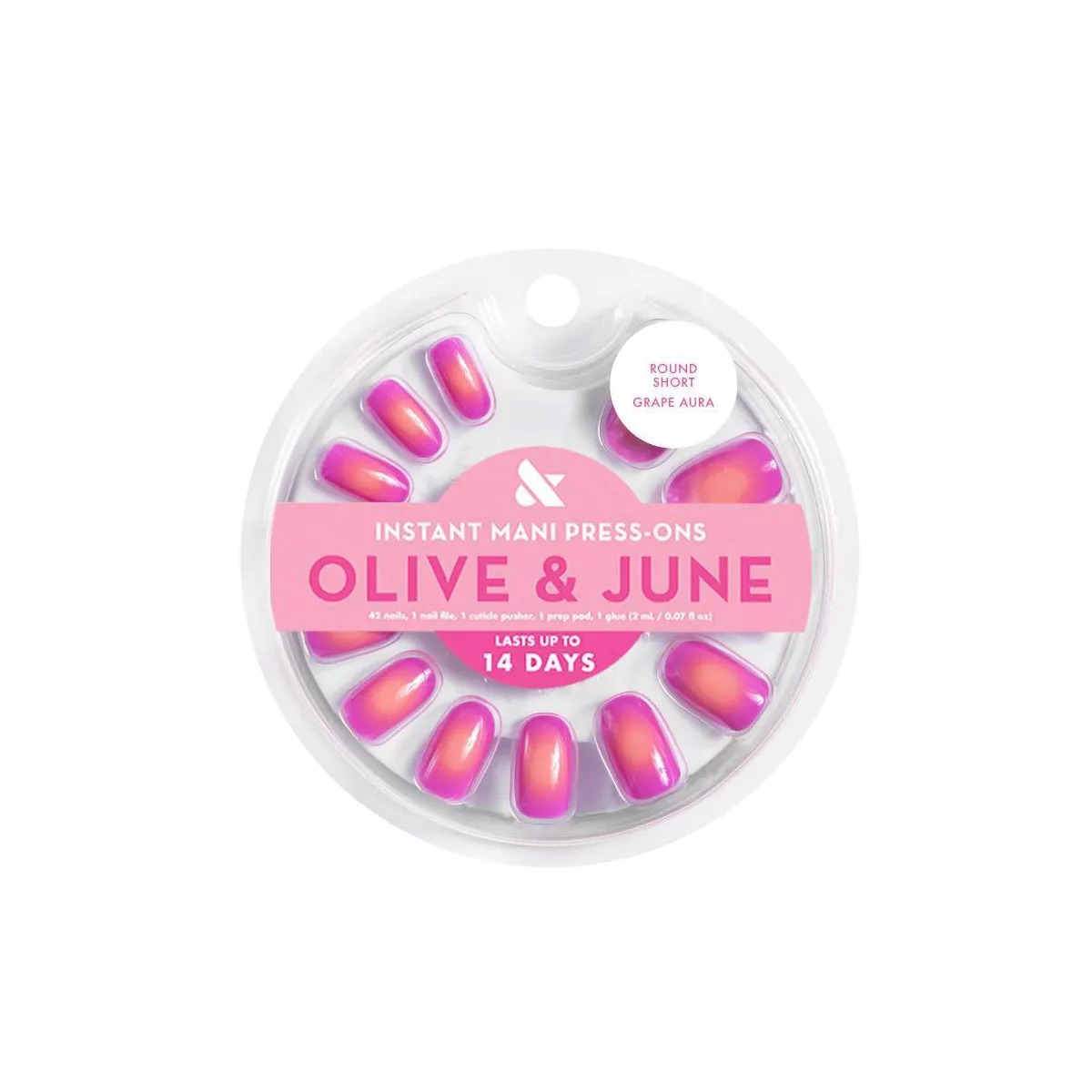
Pink Aura
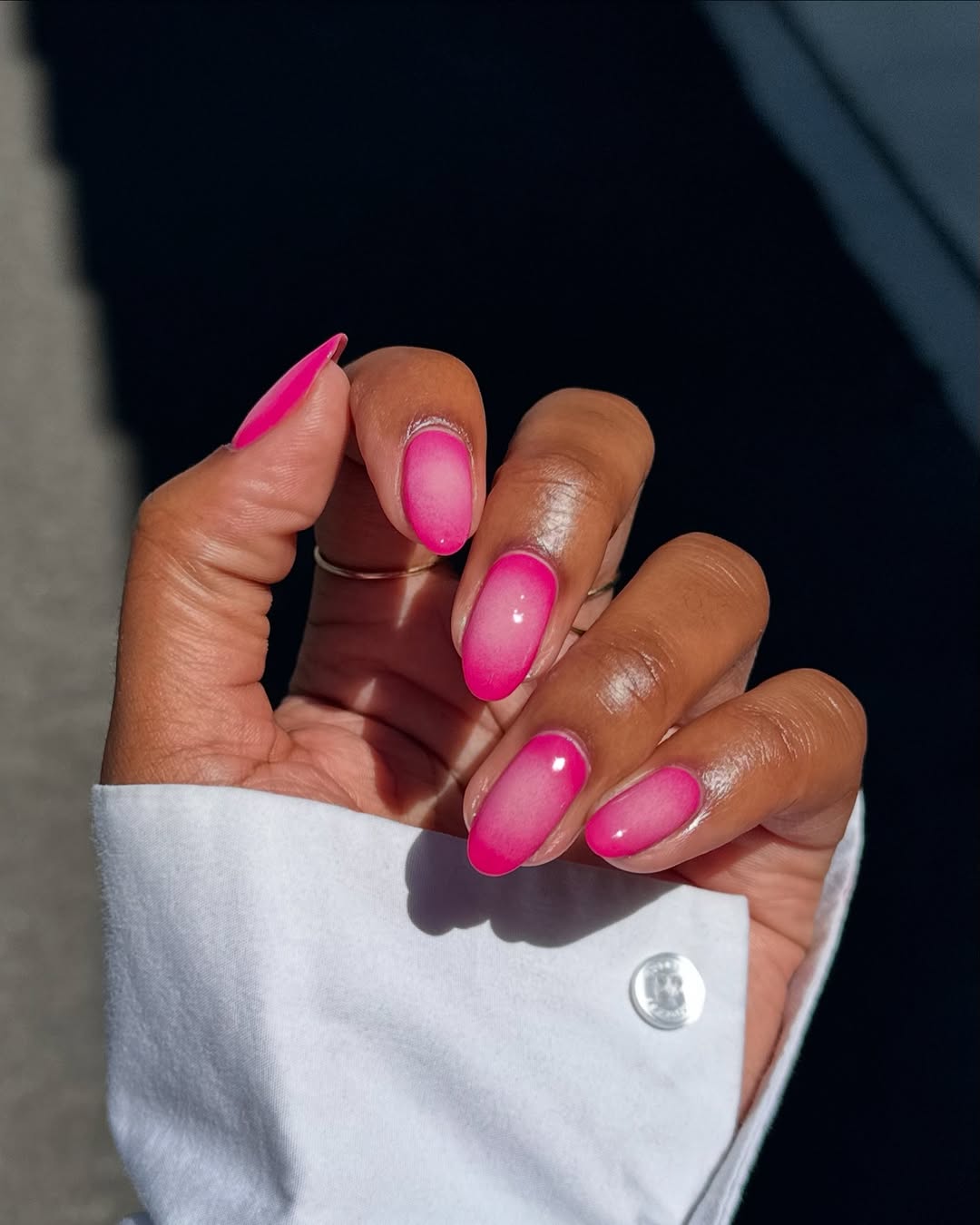
If you've seen aura nails before, then you know that most times they feature starkly different colors that often reside in different families, but this design proves that there's a way to make aura nails look stunning even if you're going for an all-pink vibe.
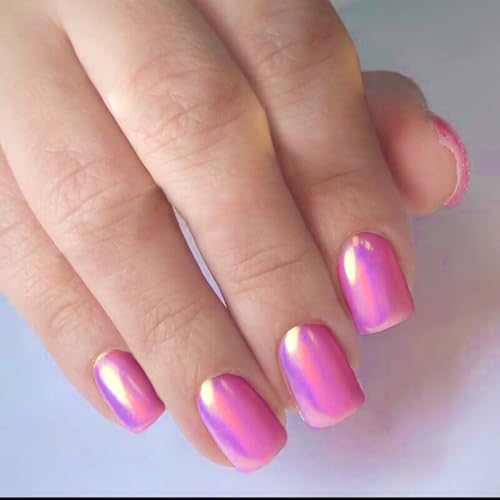
Pink Chrome
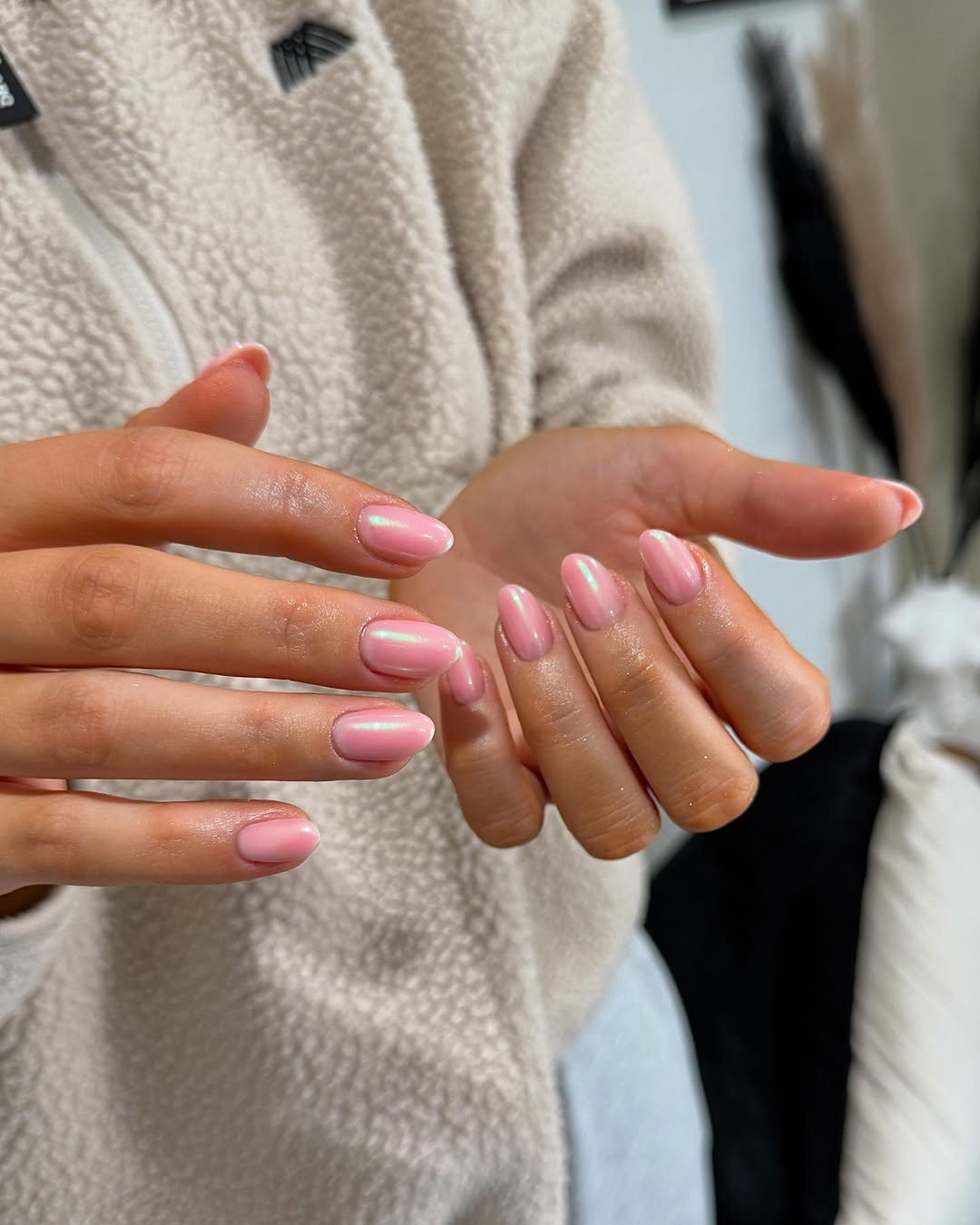
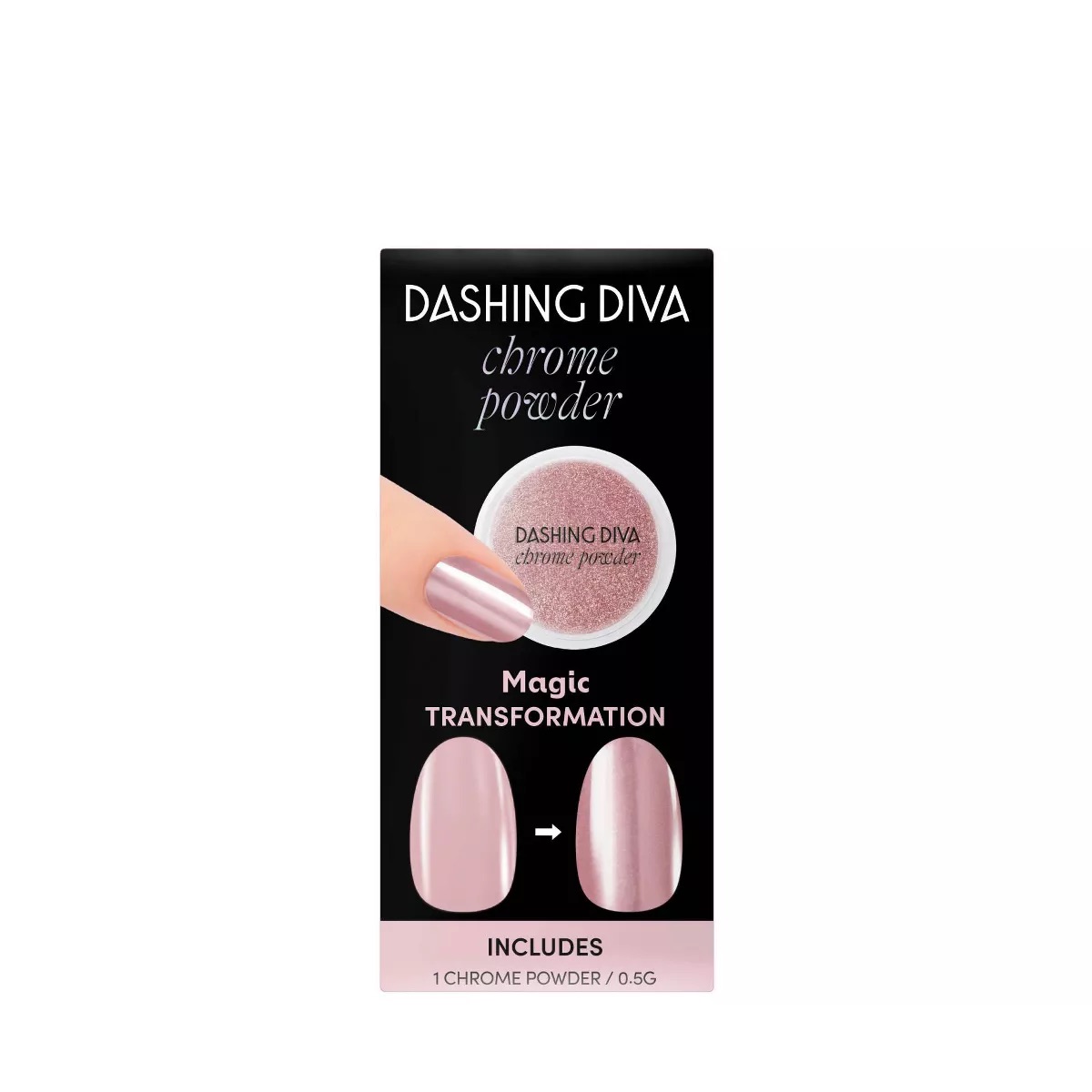
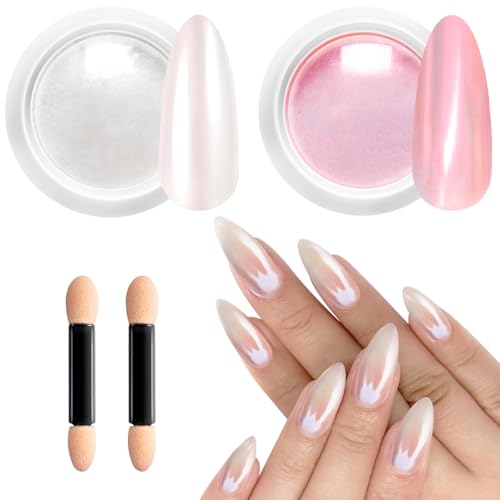
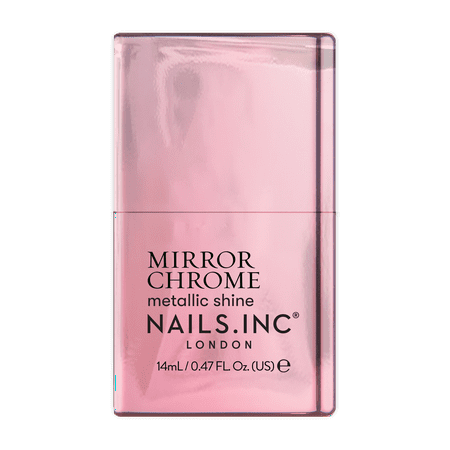
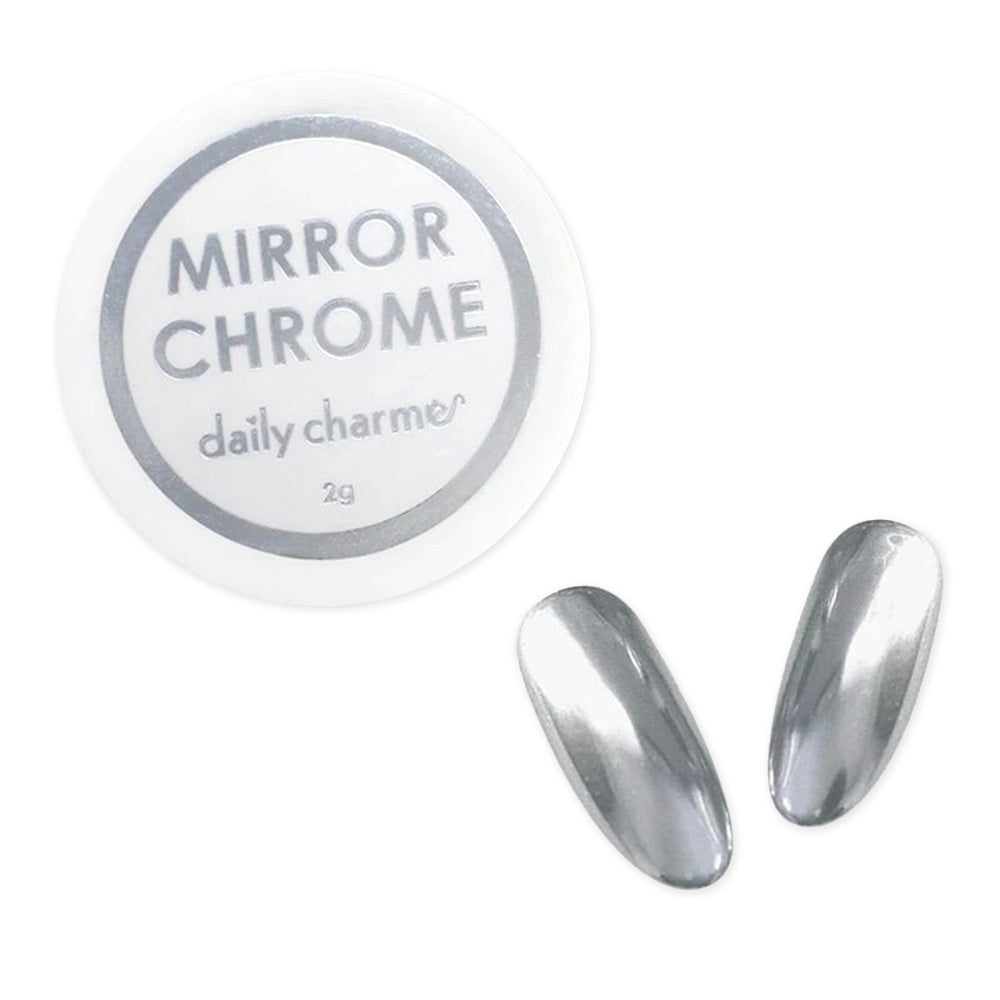
Nothing adds a bit of oomph to an otherwise neutral manicure quite like a chrome powder. Choose a base color, then use a sponge to rub some of this on top to get that shiny, metallic finish.
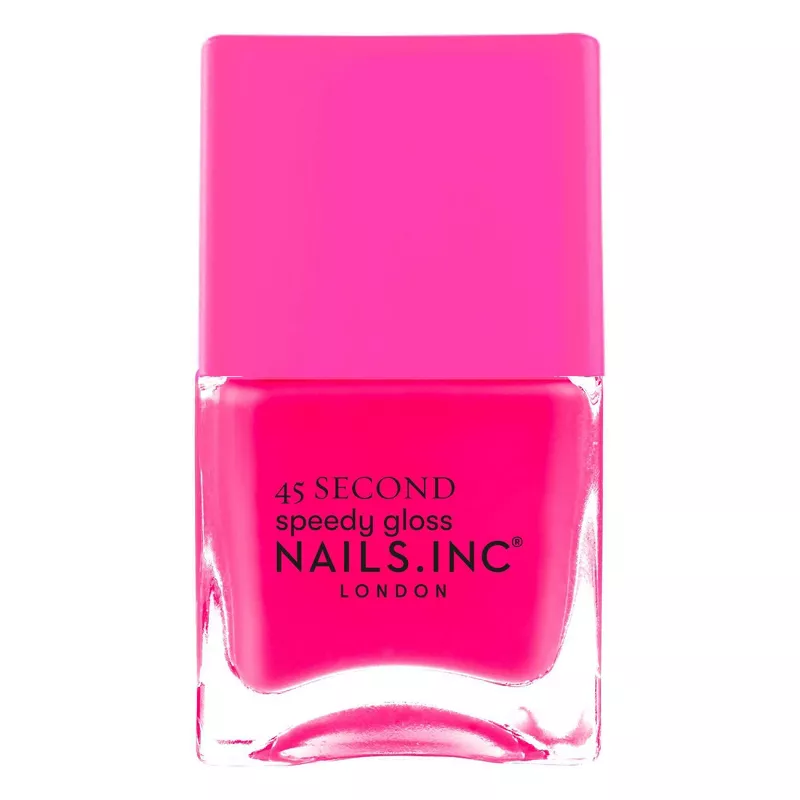
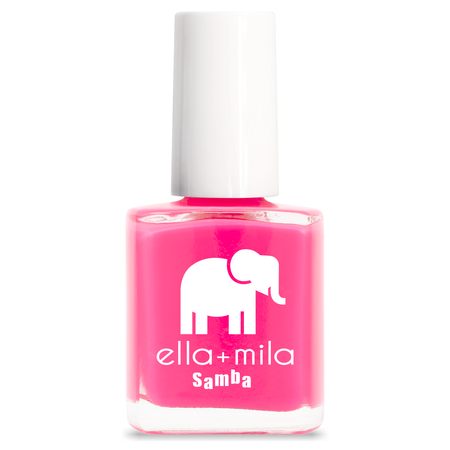
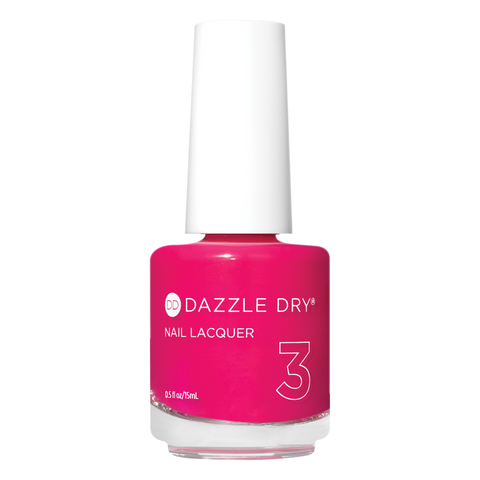
Hot Pink
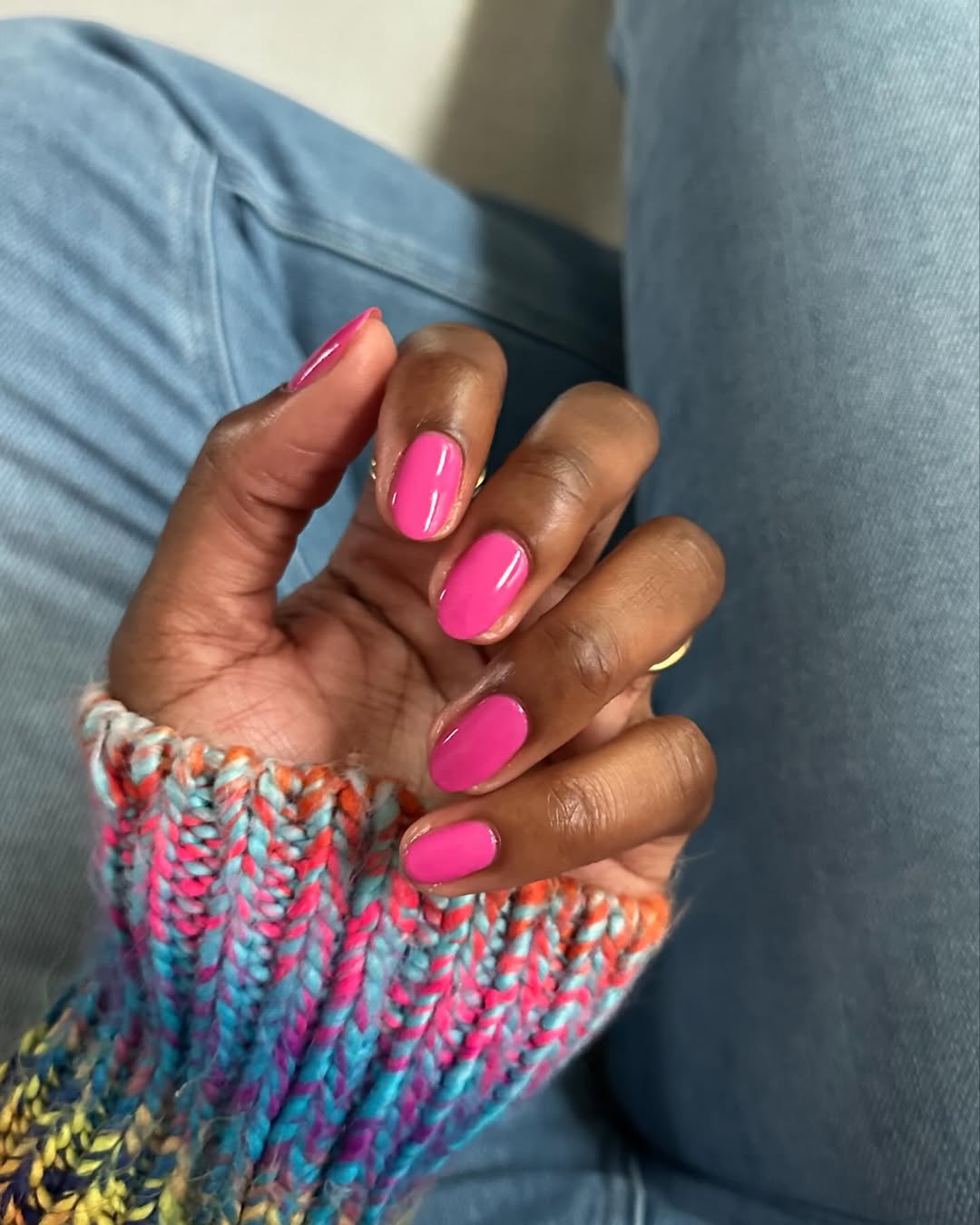
If you want an all-over color in lieu of a complex design, hot pink is about as classic as it gets.
Pink Cat Eye
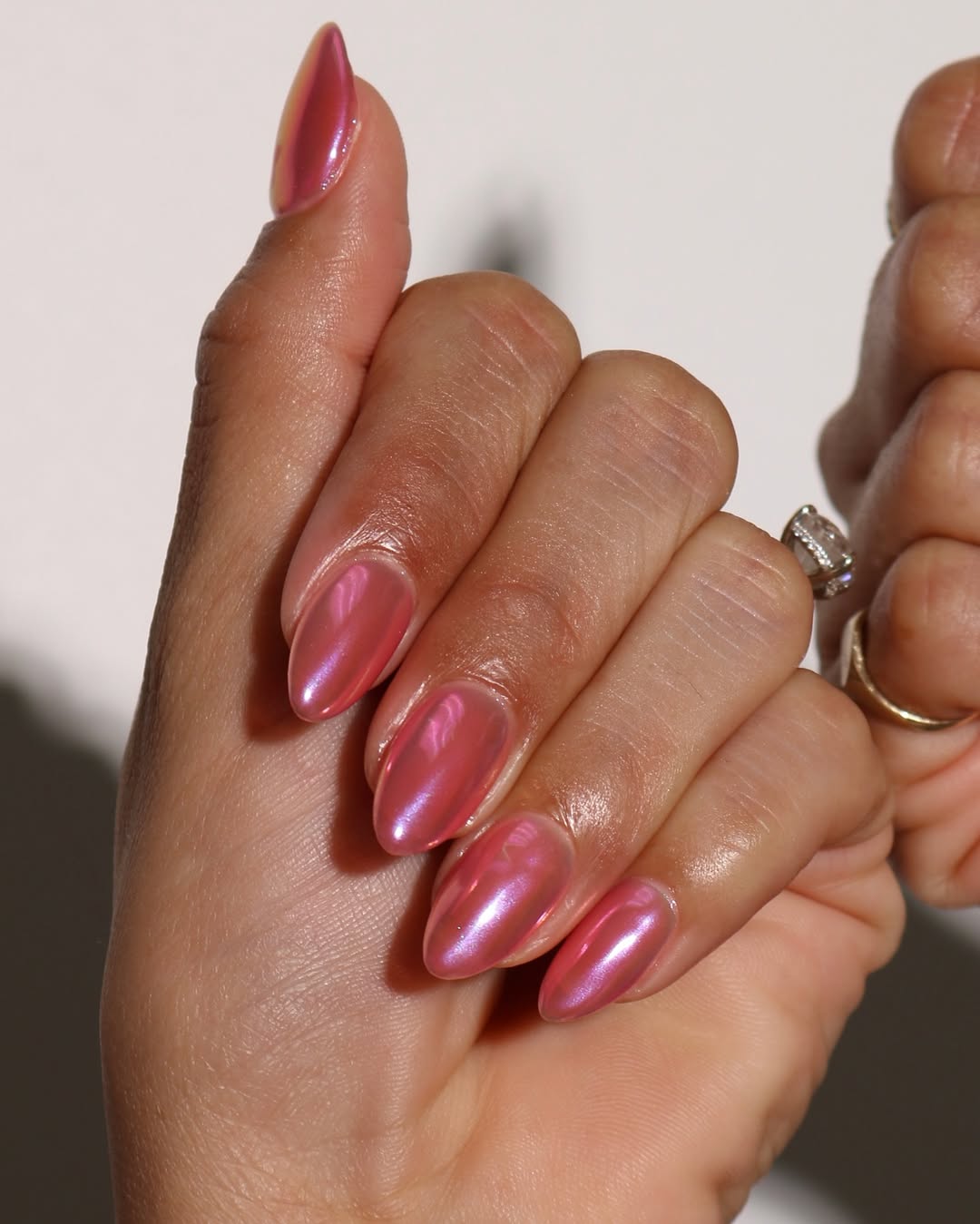
This look is pretty similar to a chrome finish, except the finish is a lot shinier and more metallic. They're striking enough to make a statement without being overly complicated to achieve.
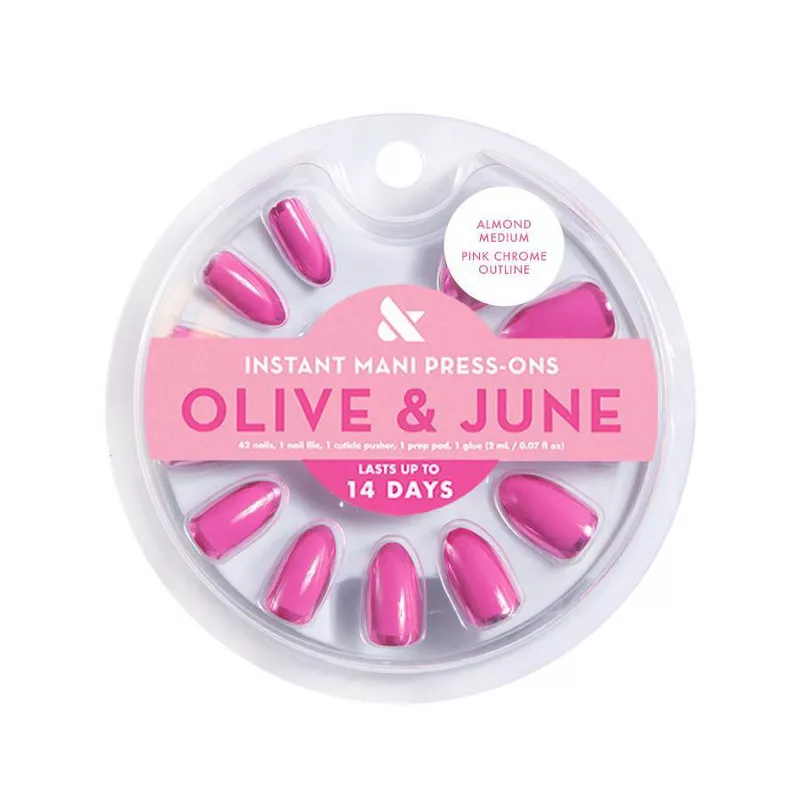
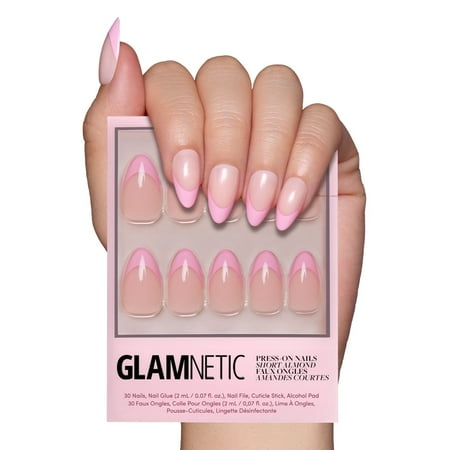
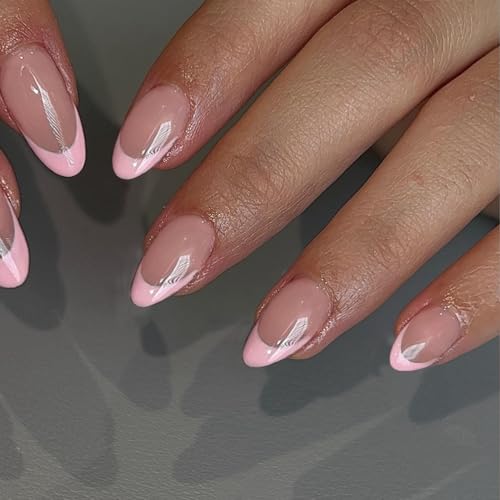
Baby Pink Tips
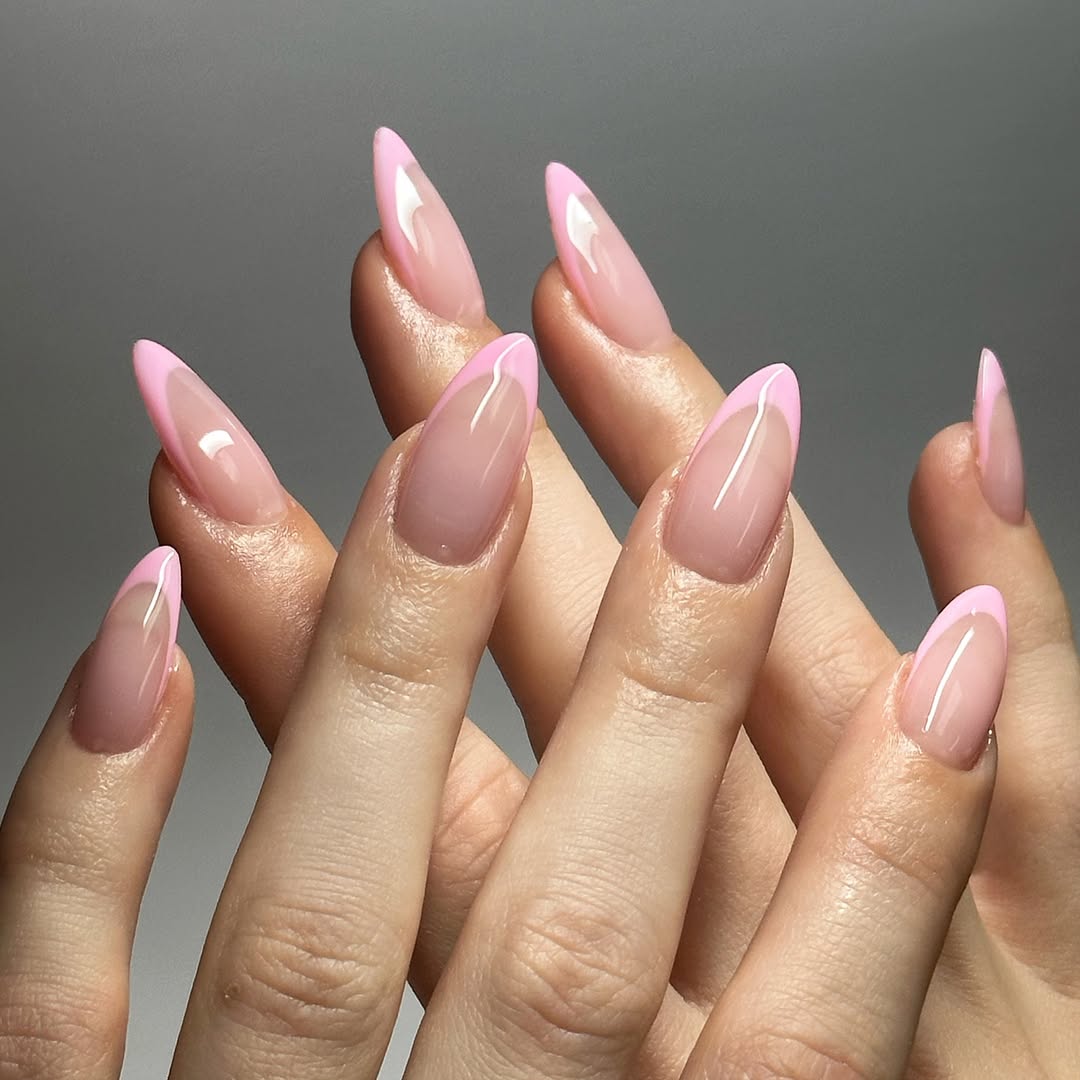
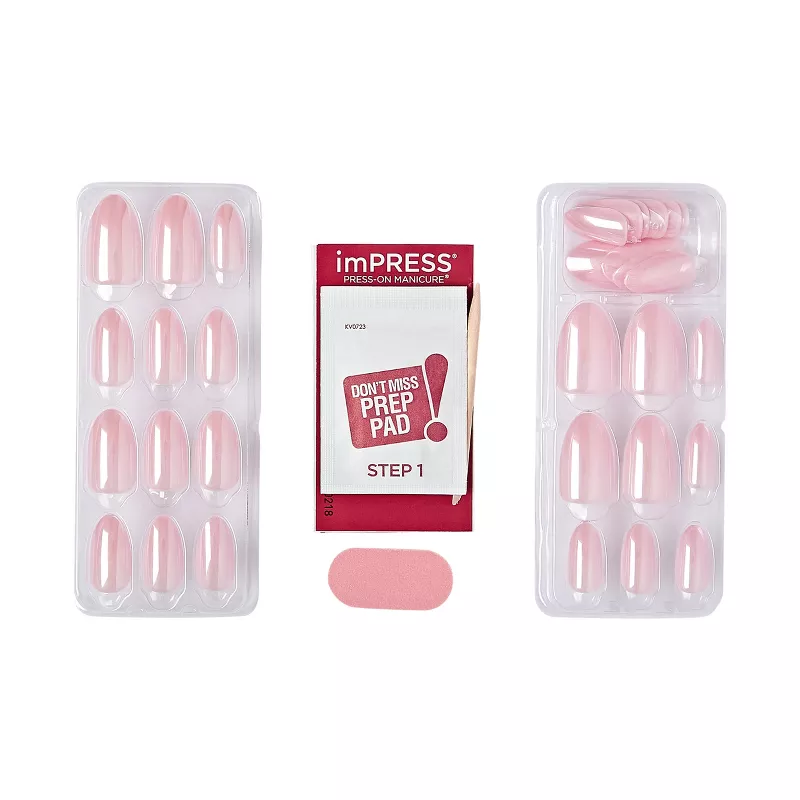
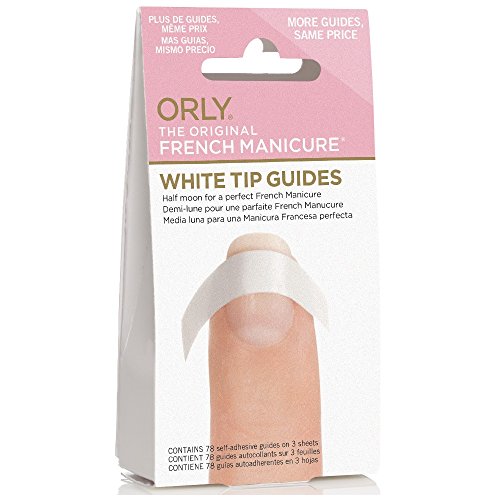
When in doubt, just take a classic French manicure and transform it with baby pink tips. Don't want to visit the salon? Try press-ons.
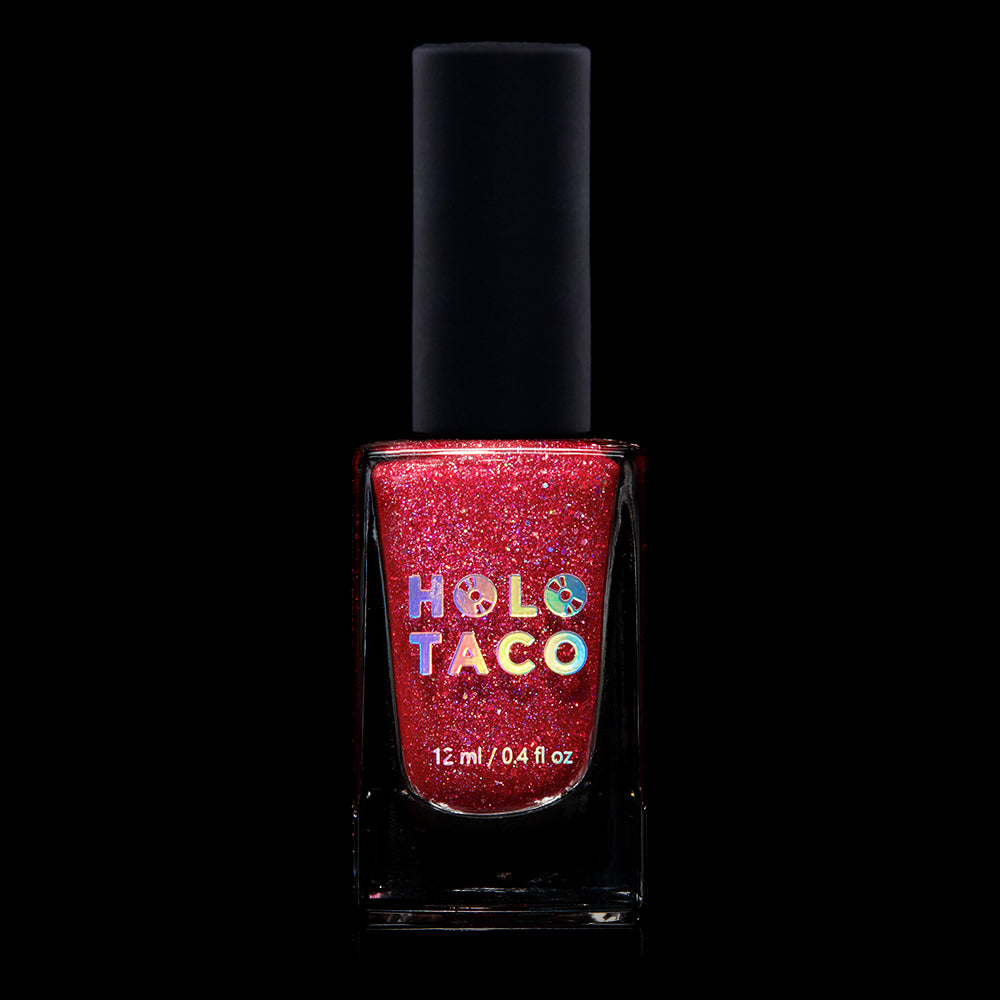
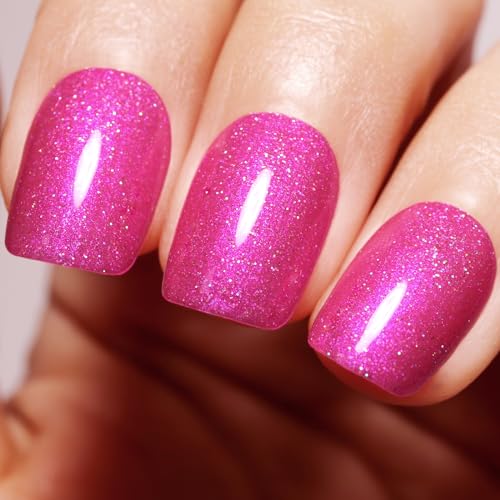
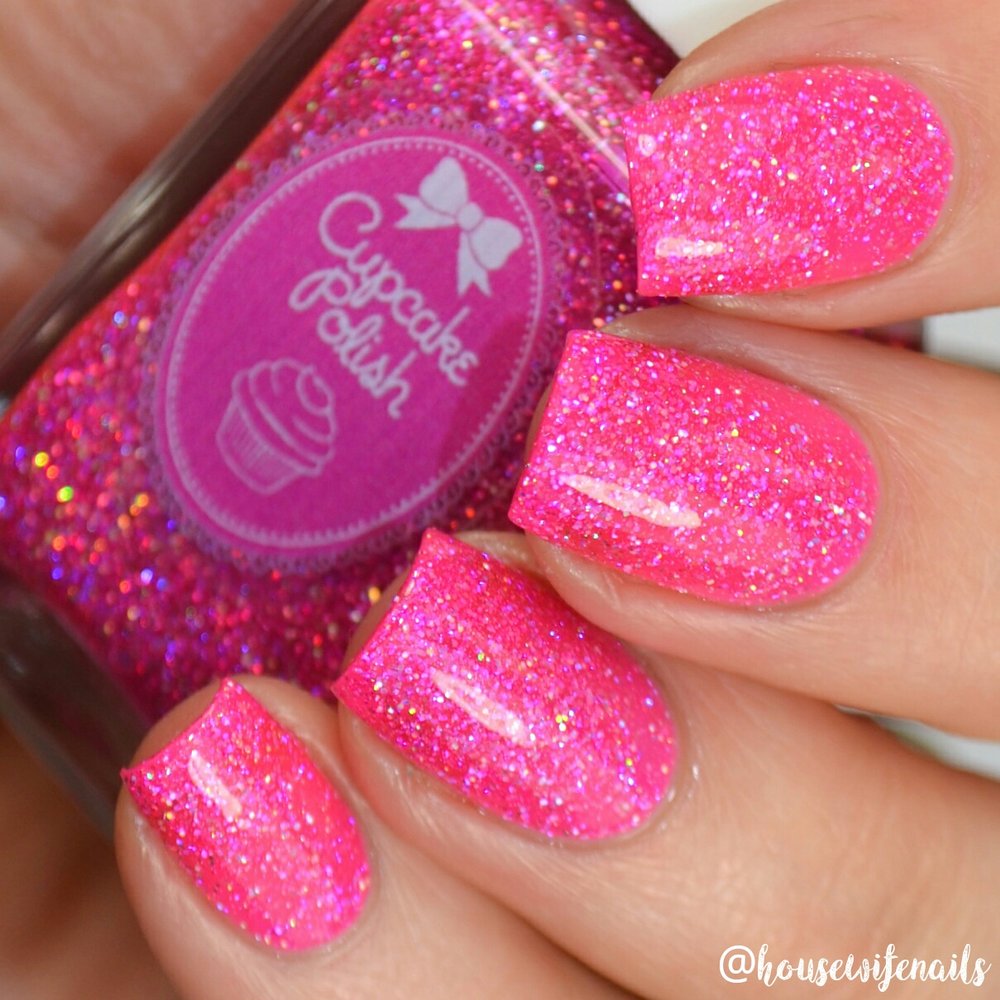
Glitter Pink
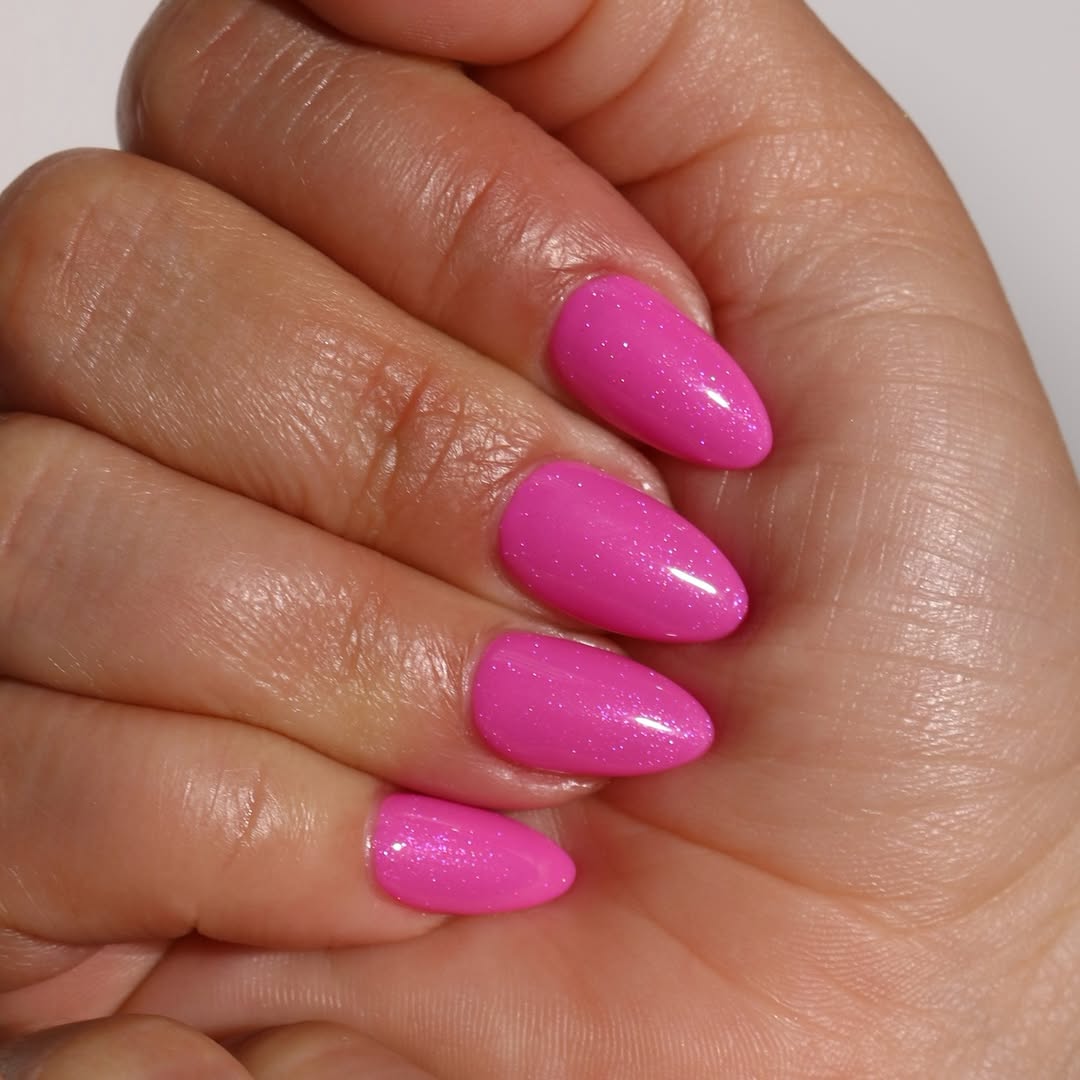
Choosing an all-over color block instead of a complex design is always fine, but if you want to spice things up without getting too out-of-the-box, throw on a glitter polish.
Two-Toned Pink
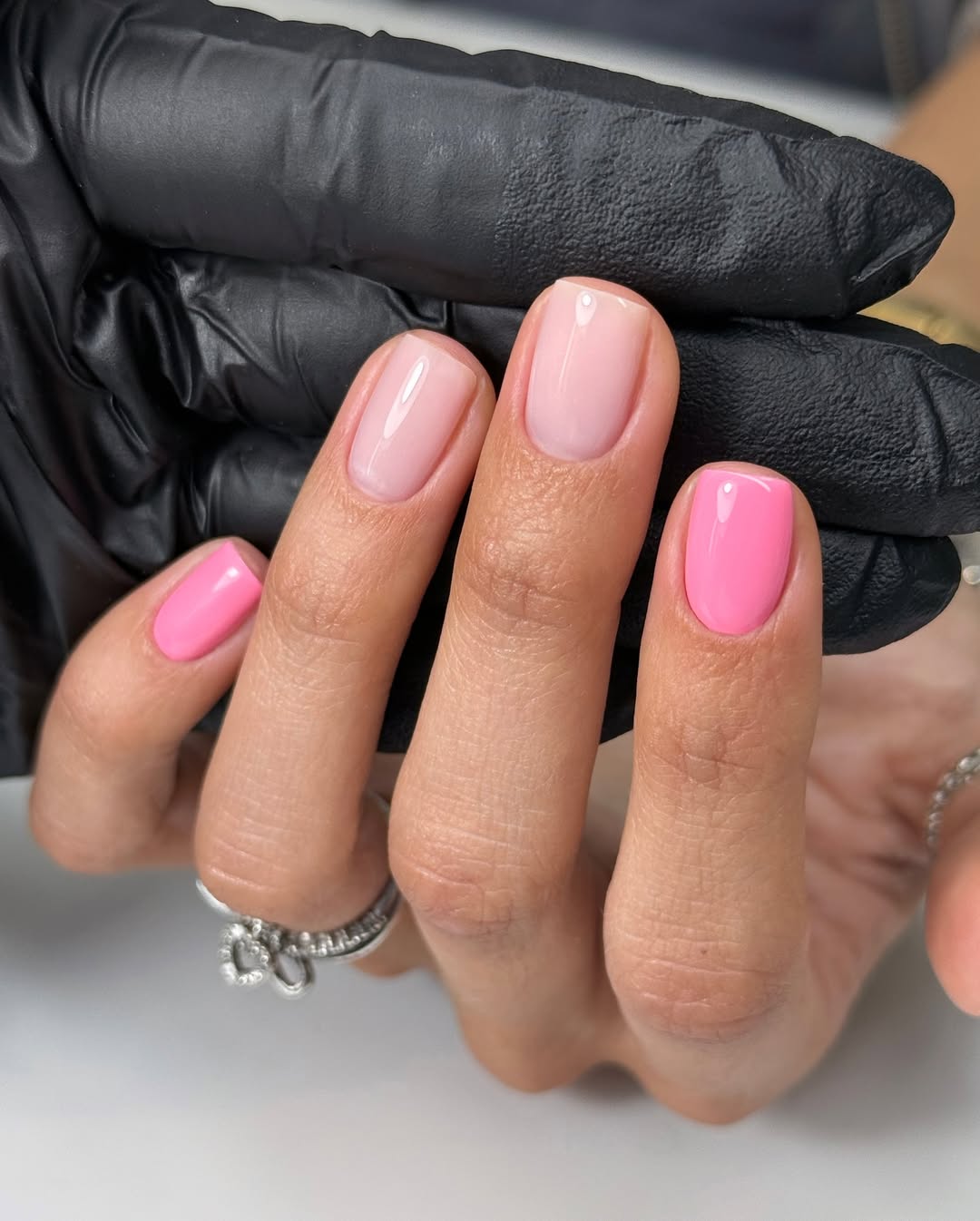
Getting a color block manicure doesn't mean that you have to limit yourself to just one shade. This one combines two lighter shades of pink on separate fingers to add a bit more fun to the look.
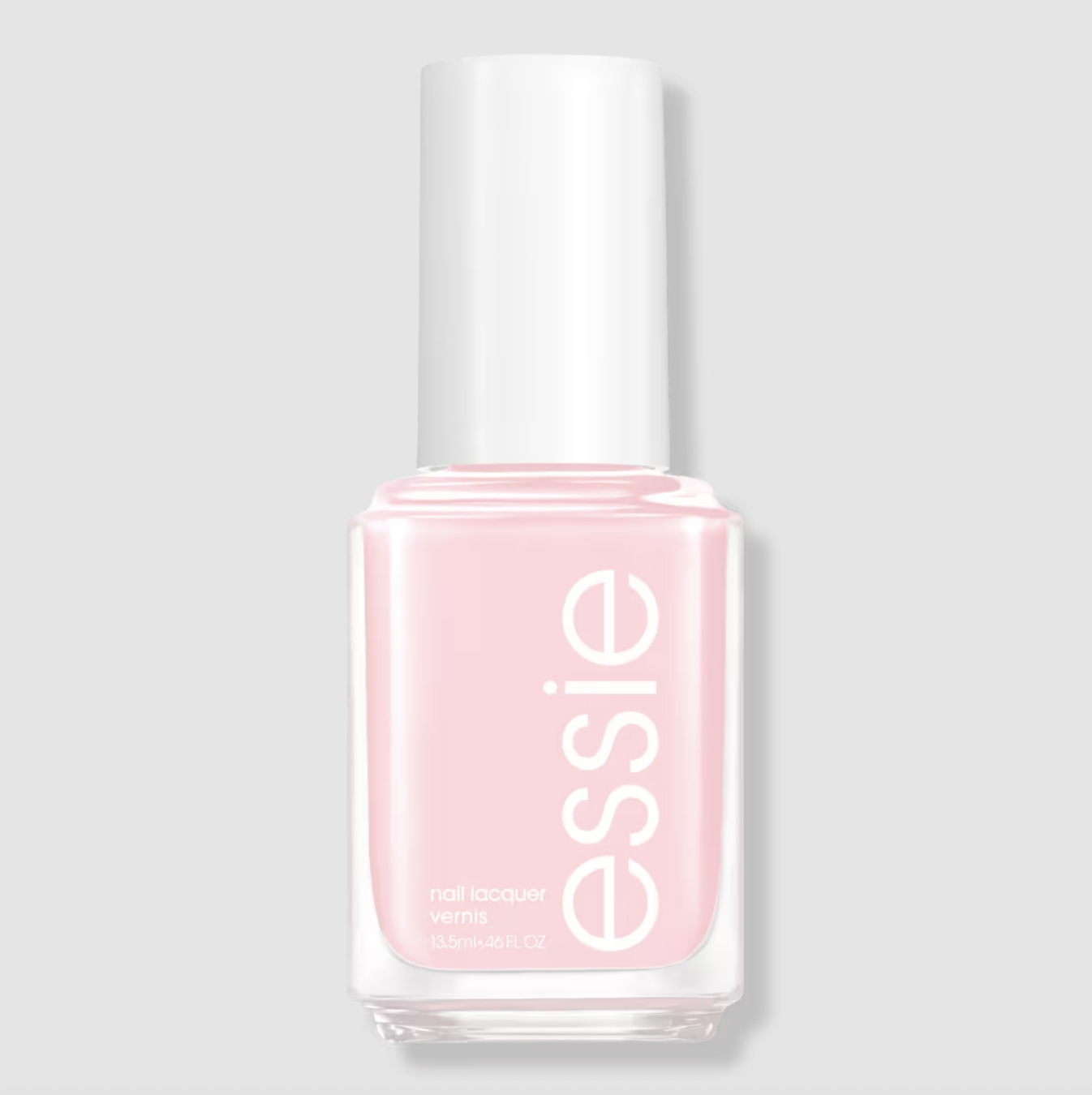
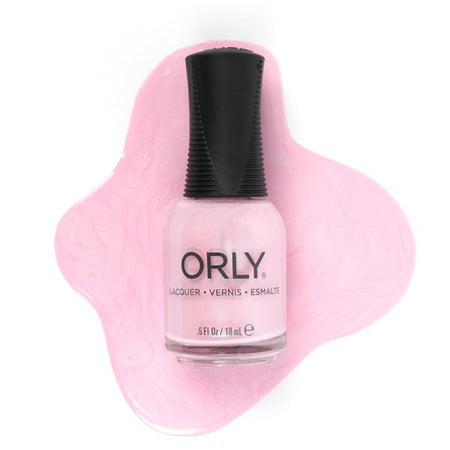
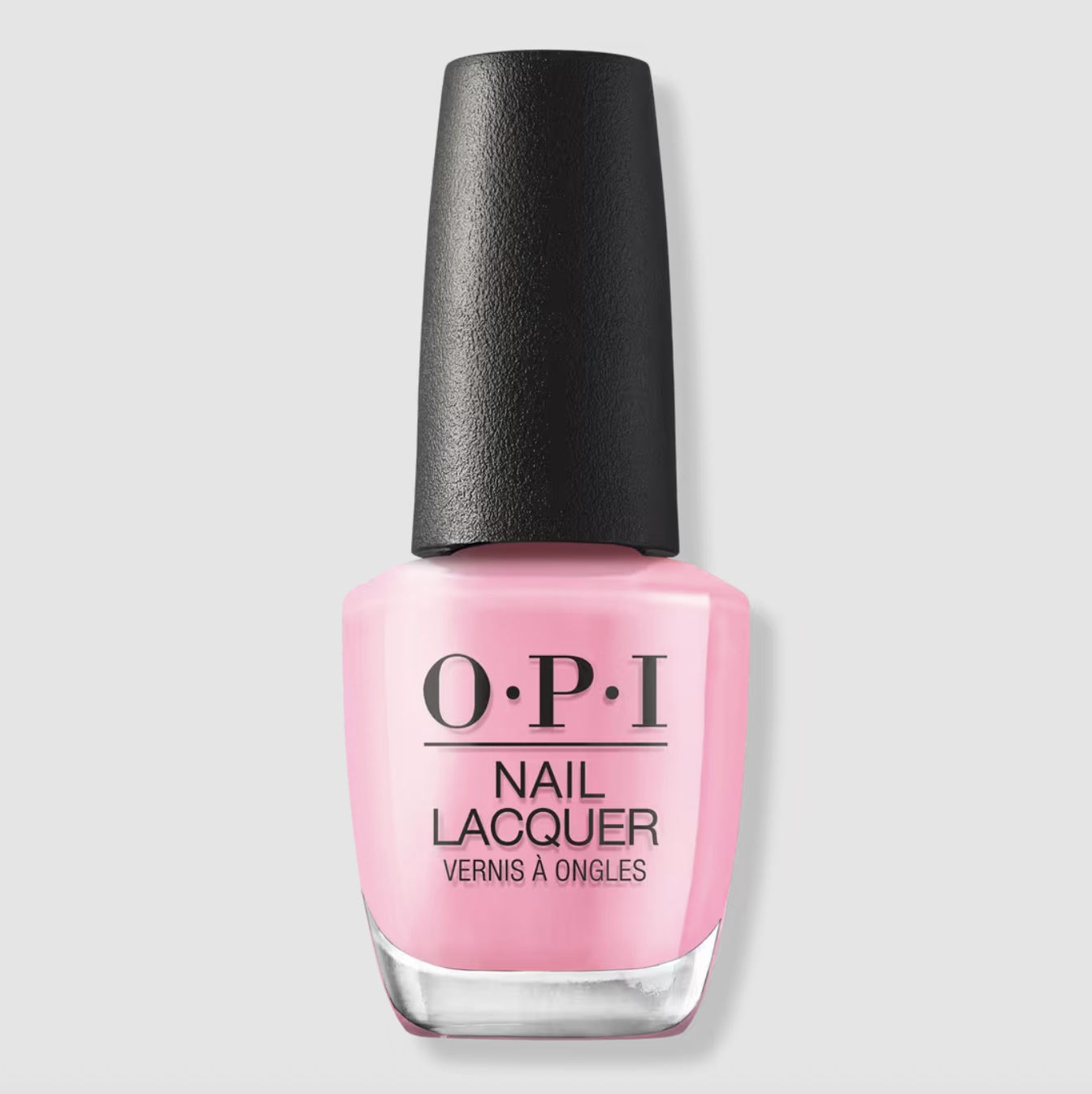
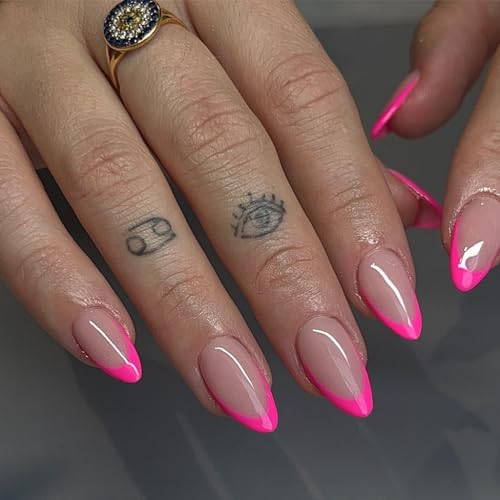
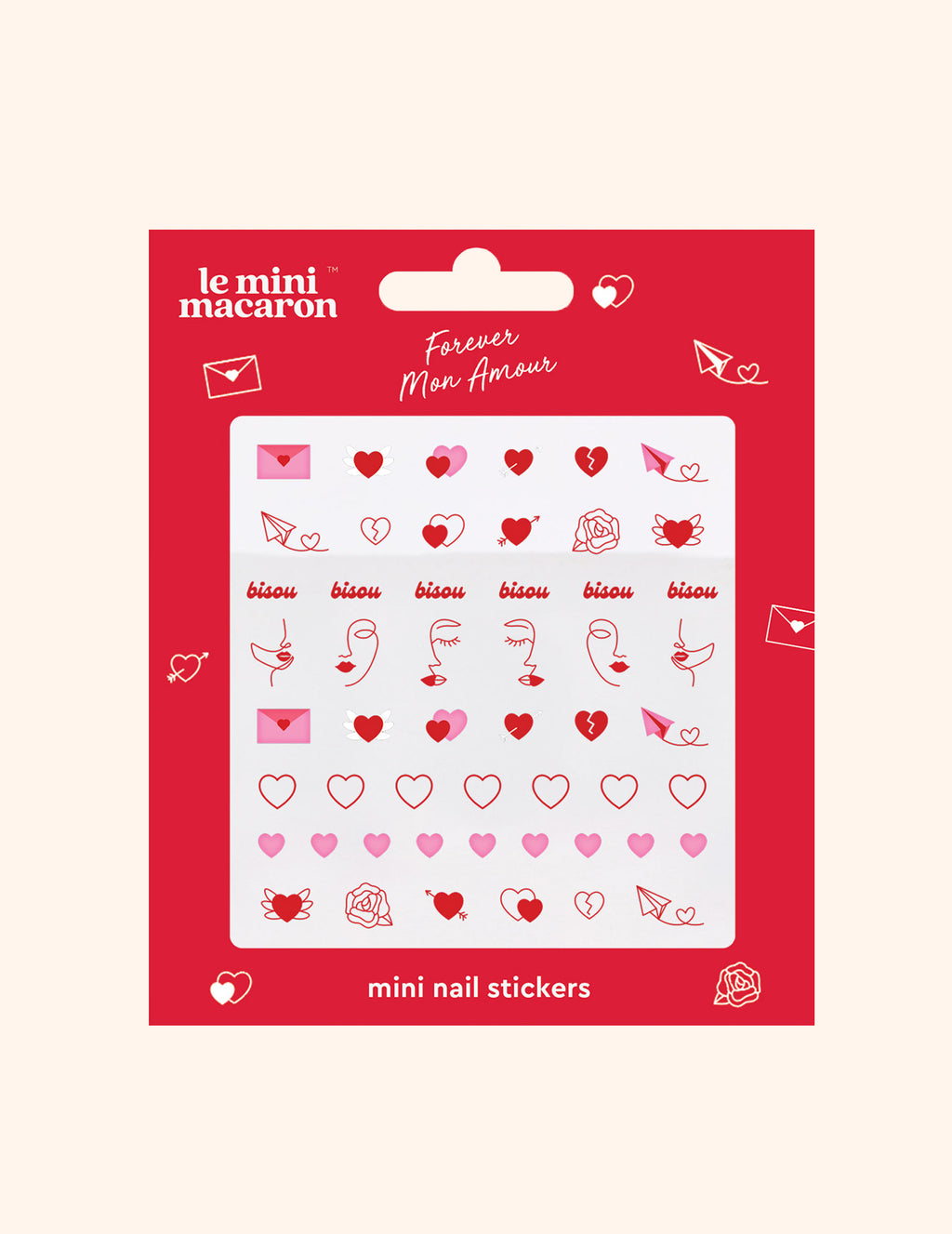
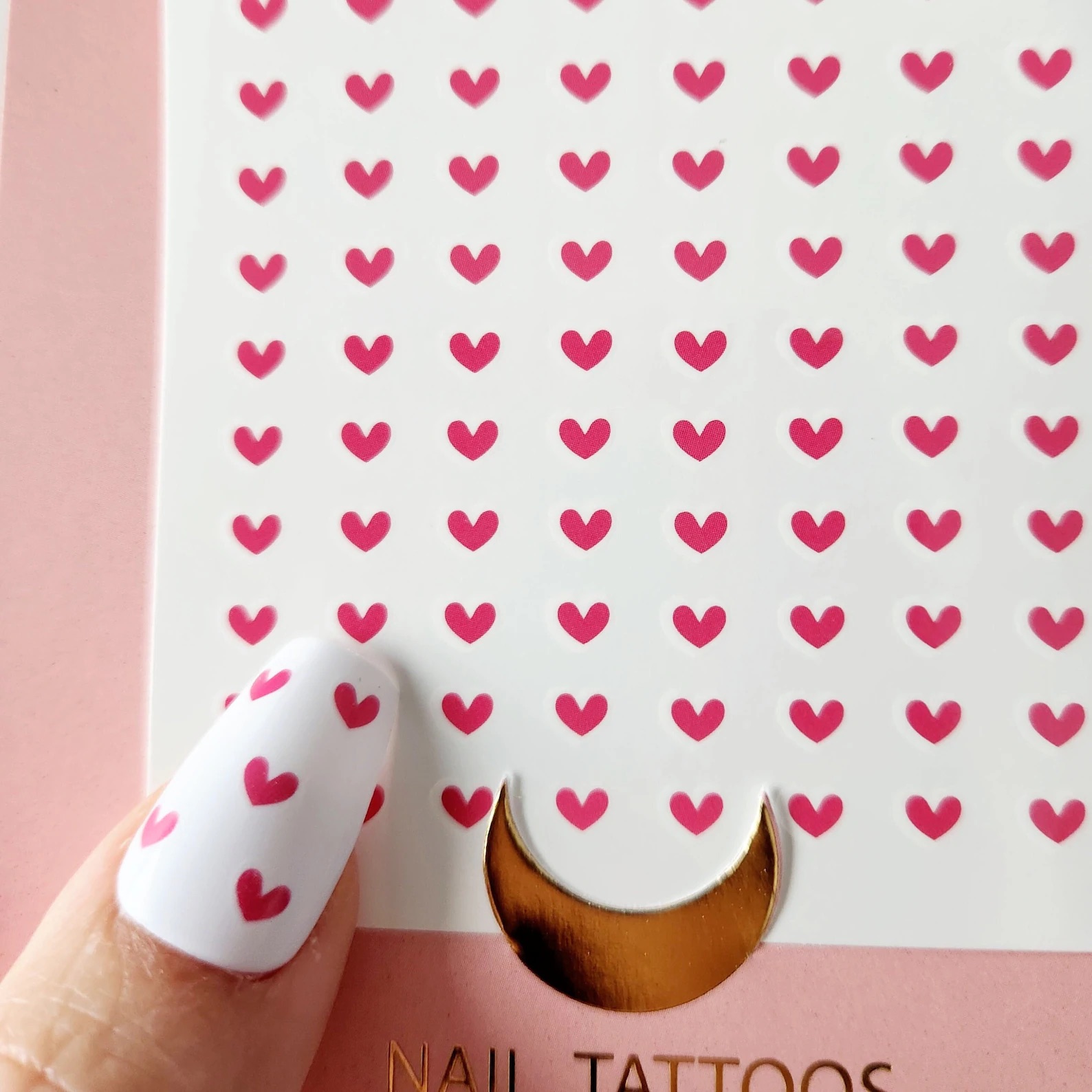
Pink Hearts
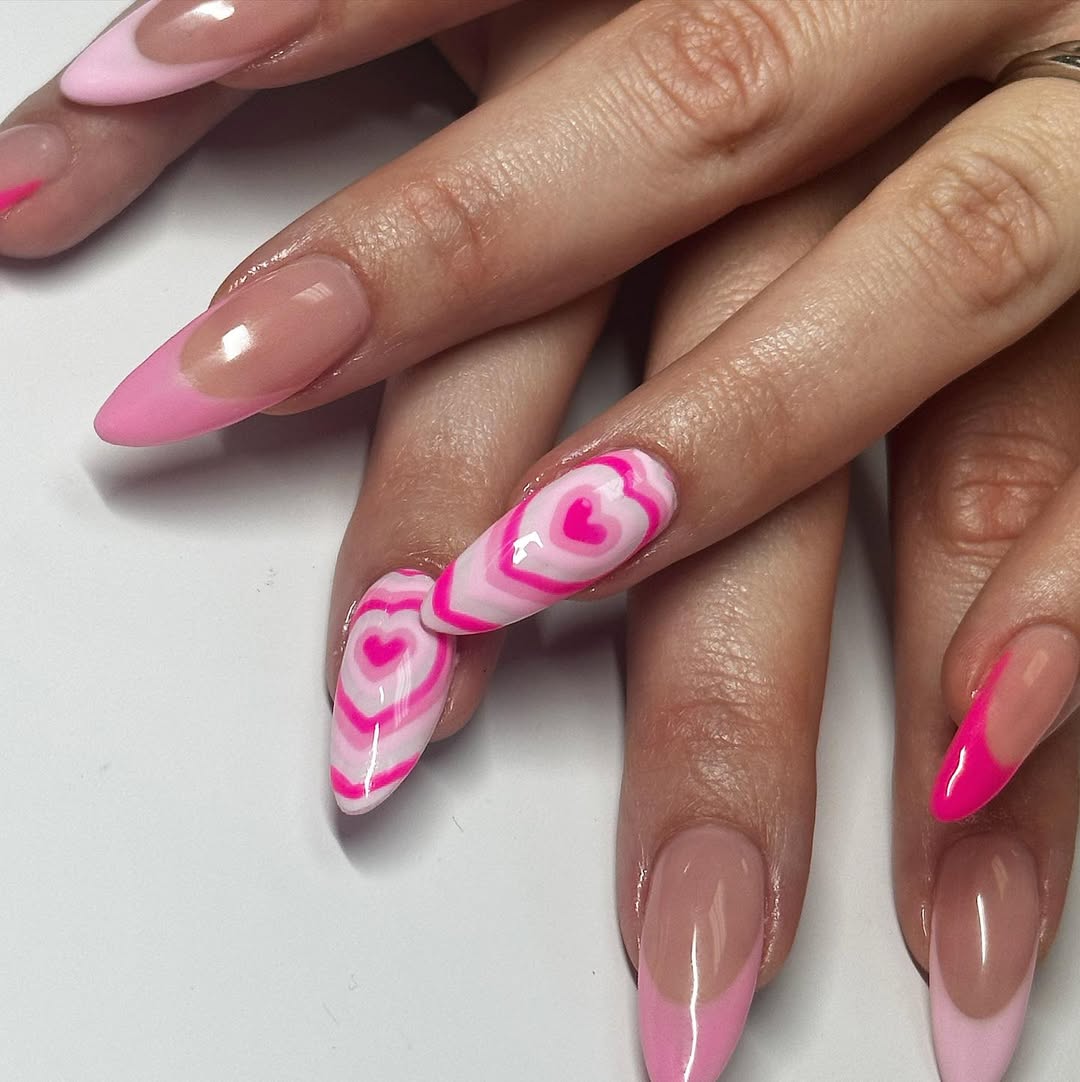
Pink tips are a great way to spice up a manicure, but to some people, they can feel a little boring. If you want to go even harder, add a little something extra—like a heart!—to an accent nail.
Pink Ombré
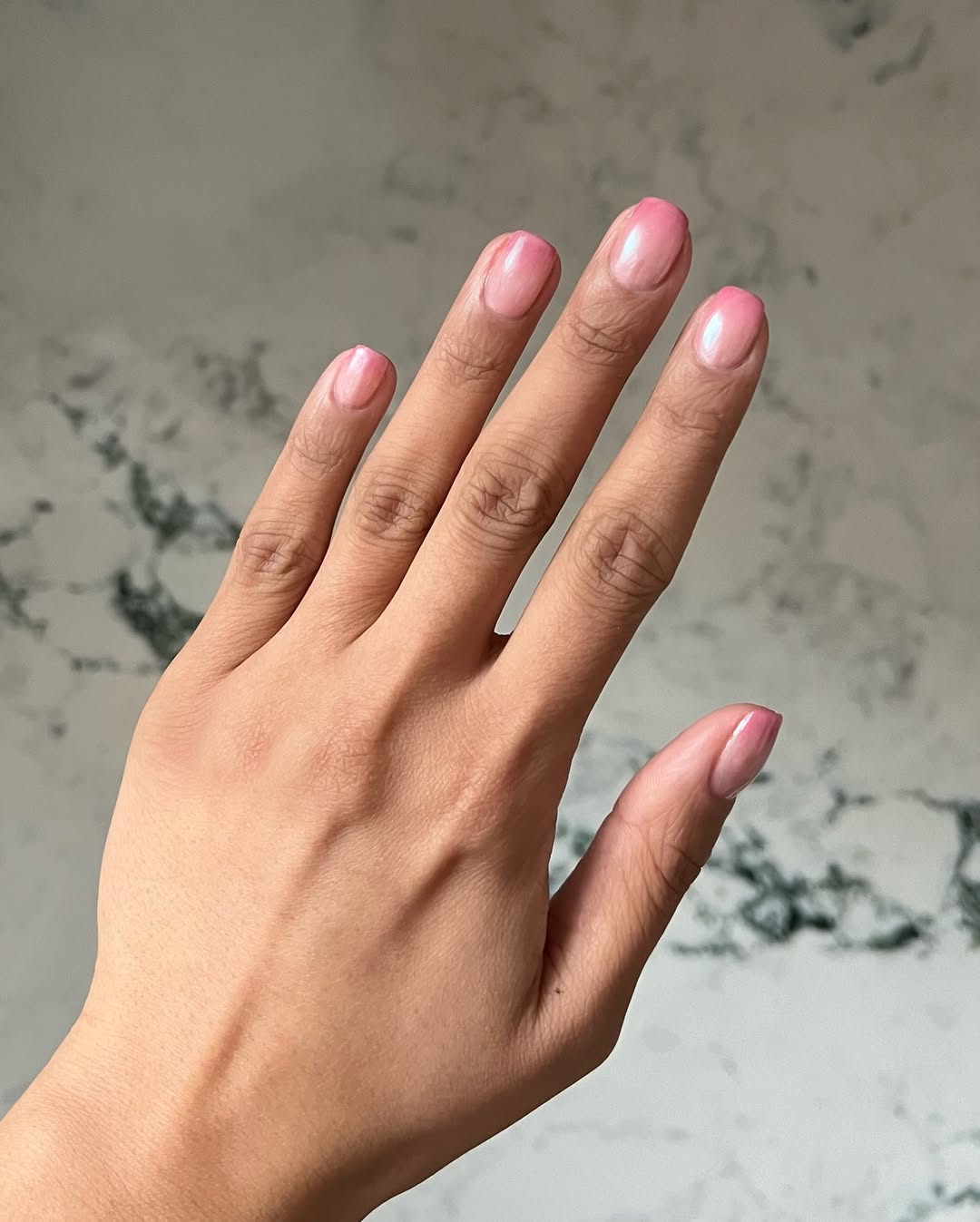
The great thing about ombré nails is that, depending on the colors and style you choose, they can be as subtle or as dramatic as you want them to be. This one falls on the subtle side, combining two light shades of pink to create a design that flows together perfectly.
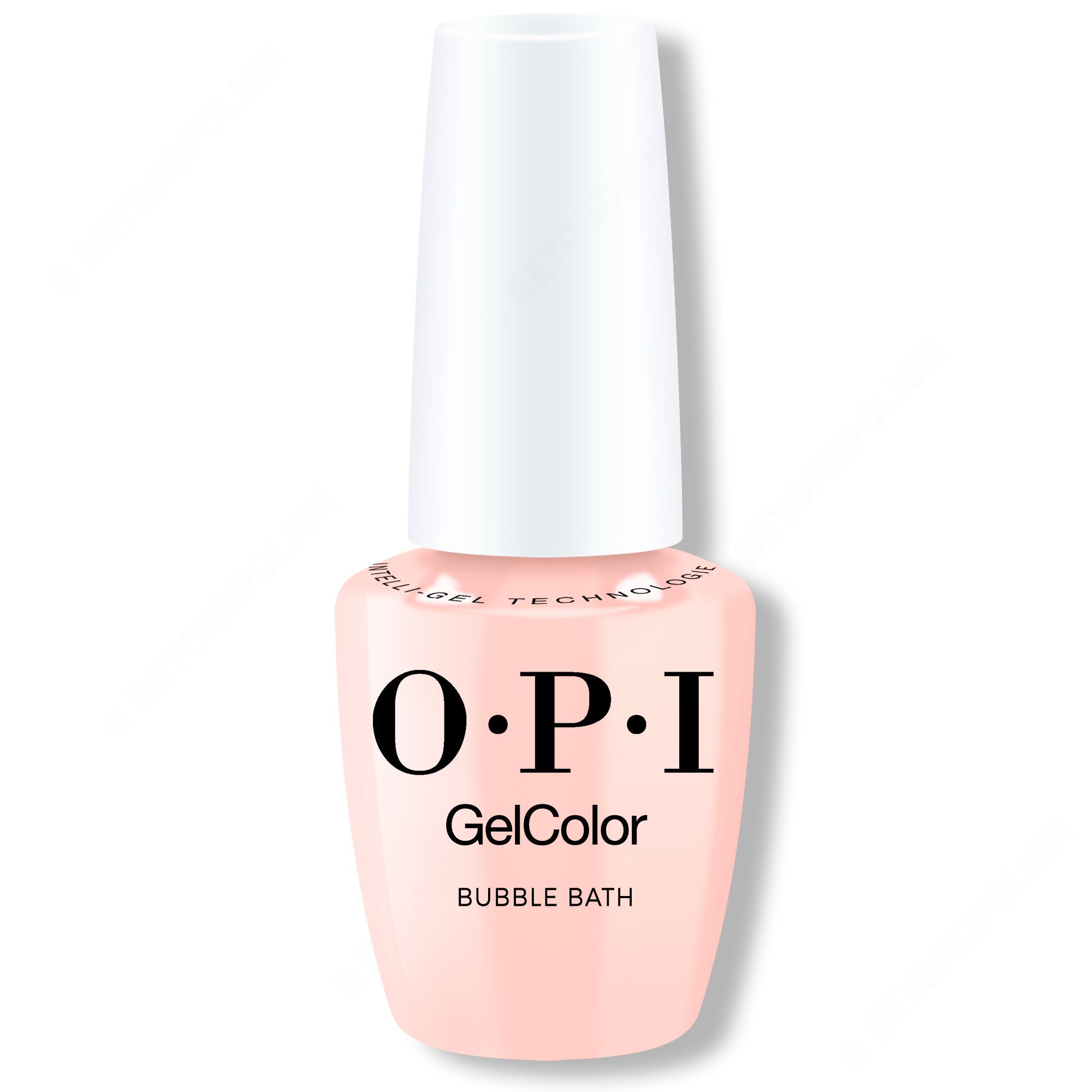
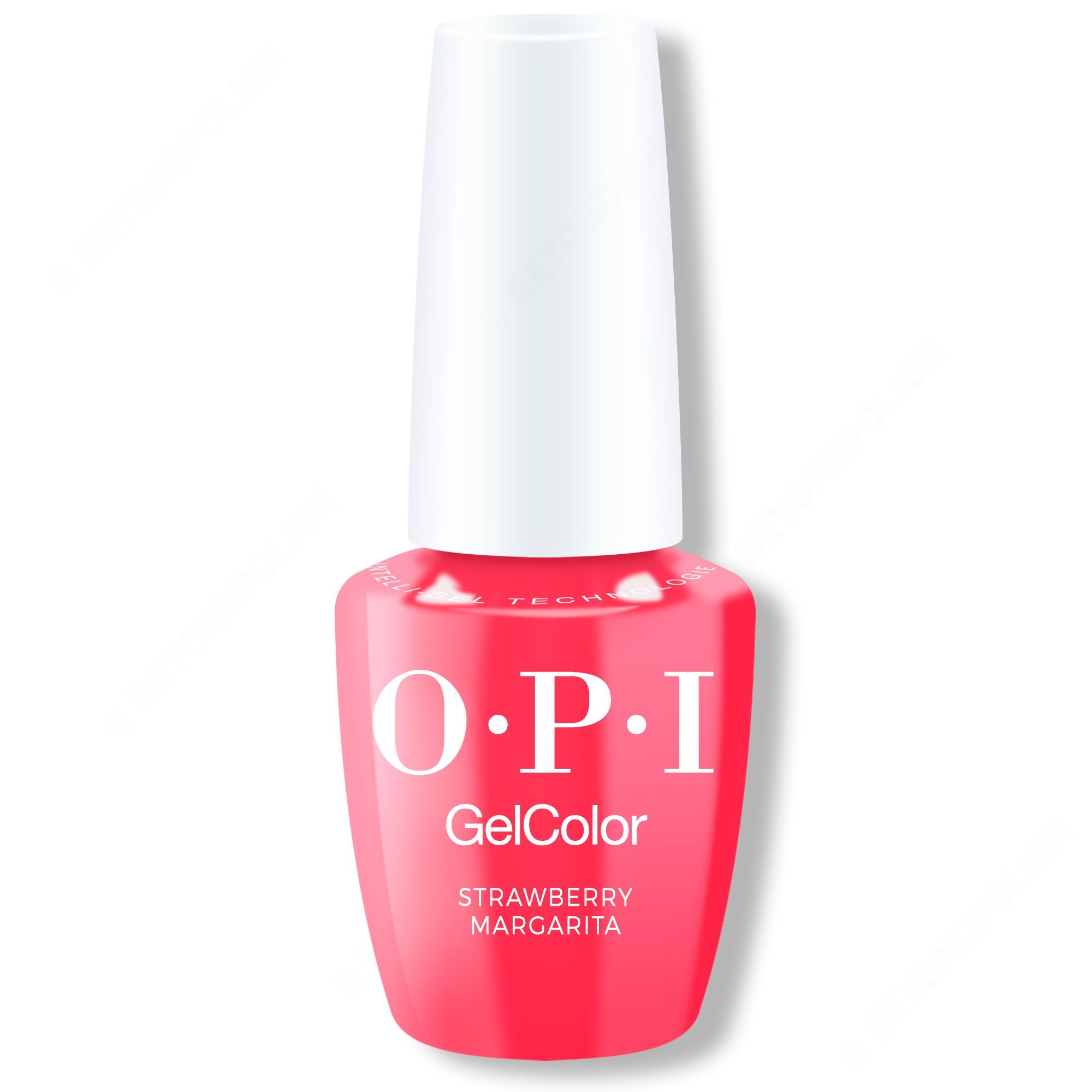
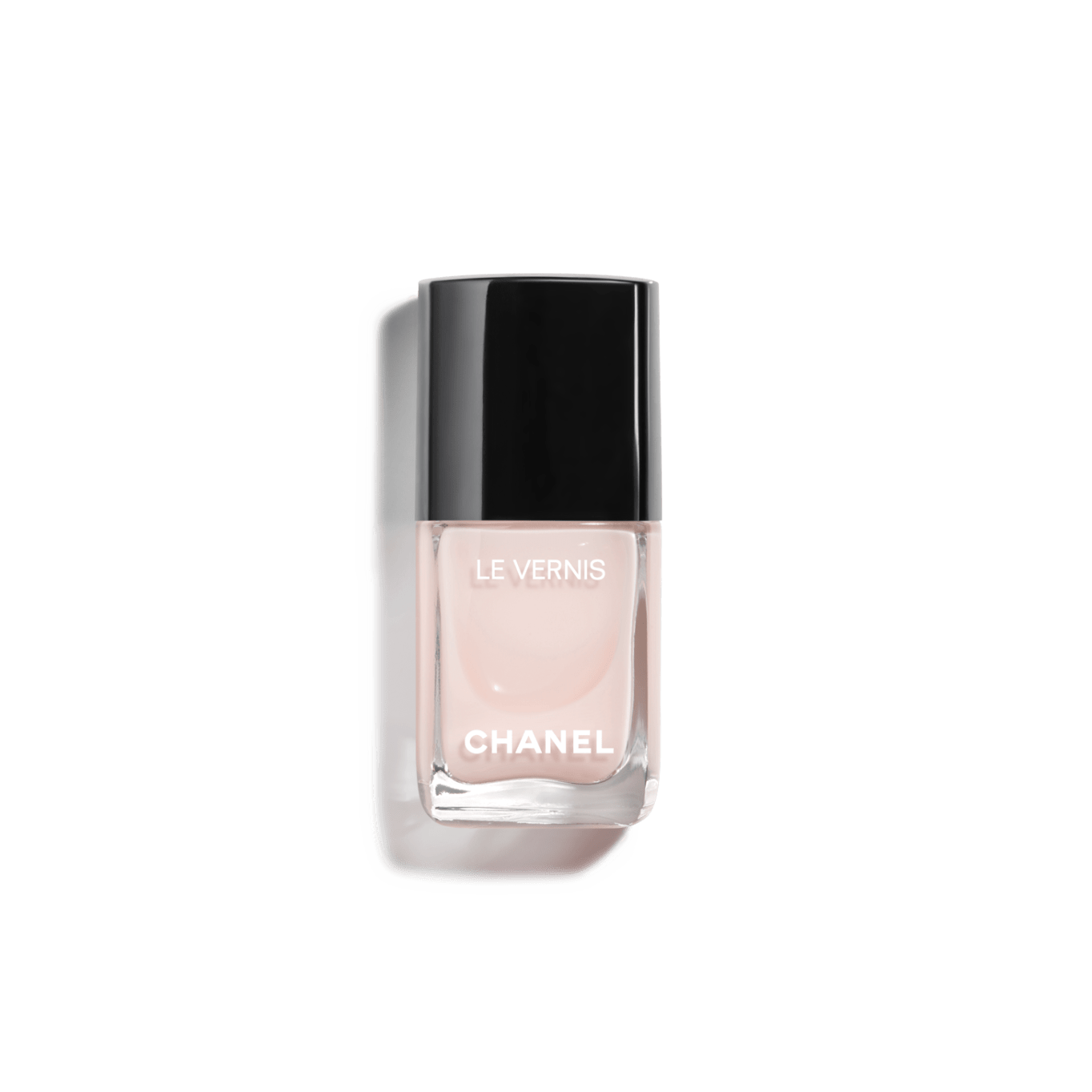
Checkerboard
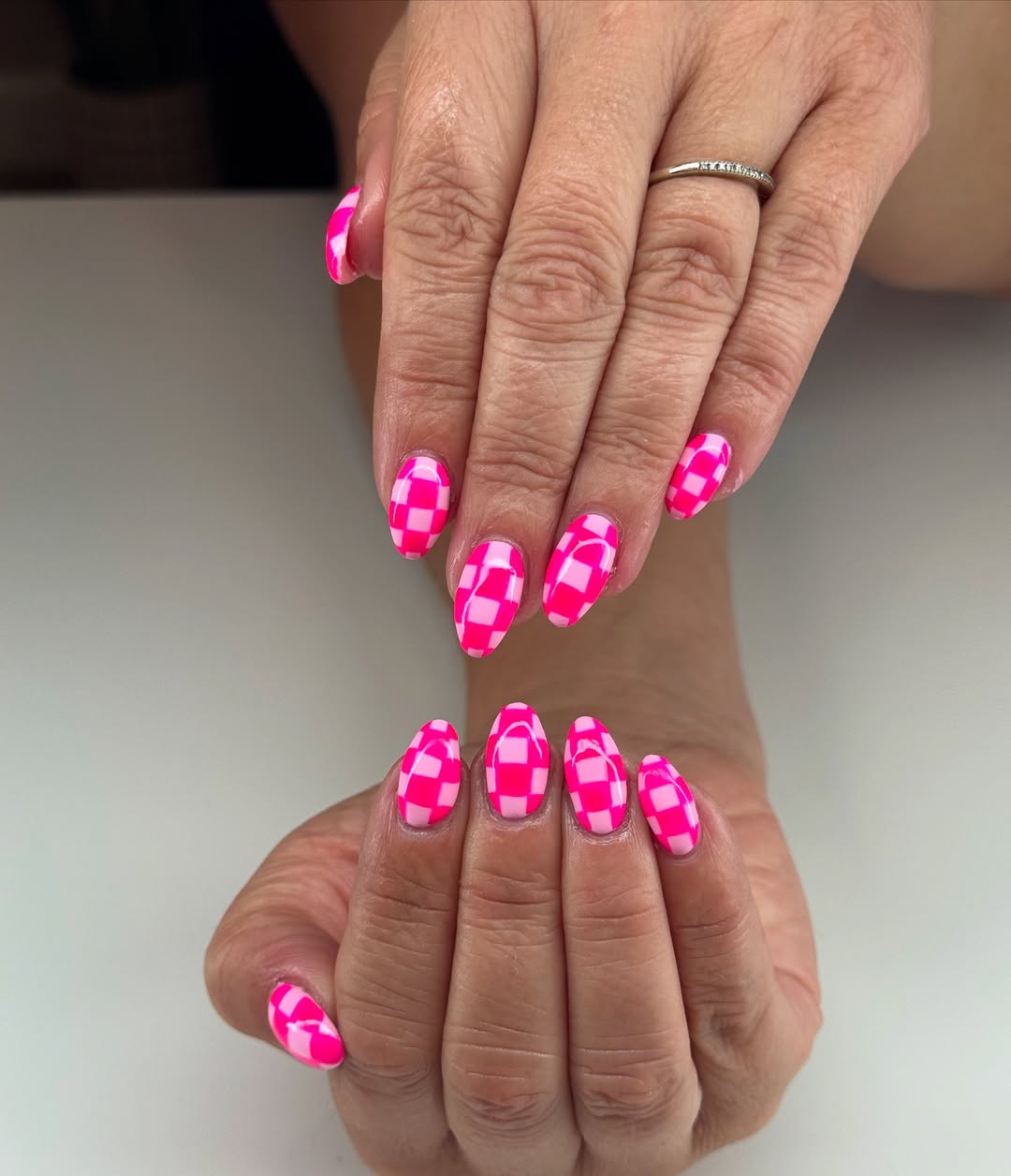
Want to get creative with prints? Try your hand at a checkerboard design like the one in this manicure.
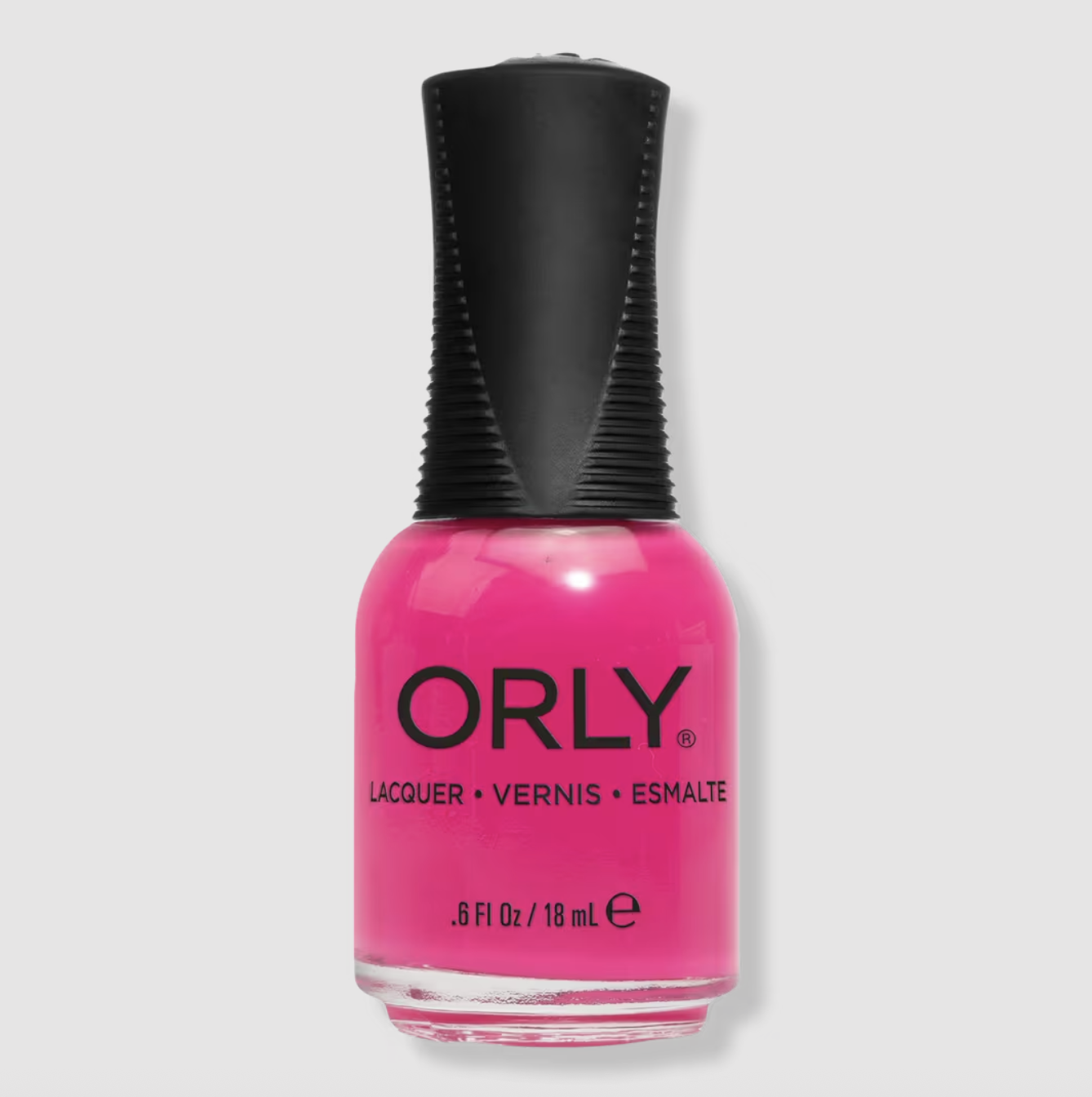
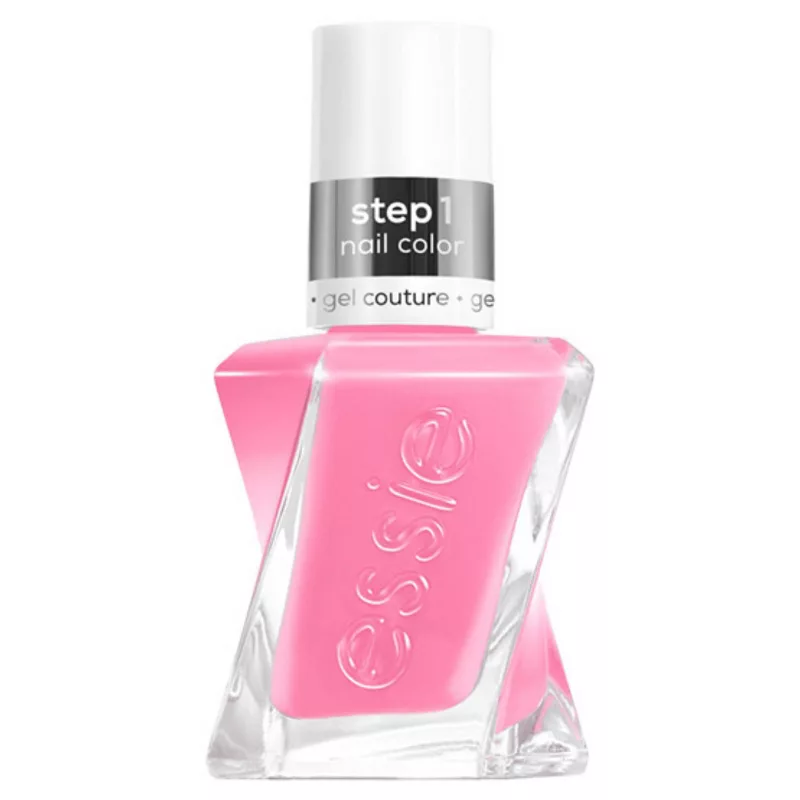
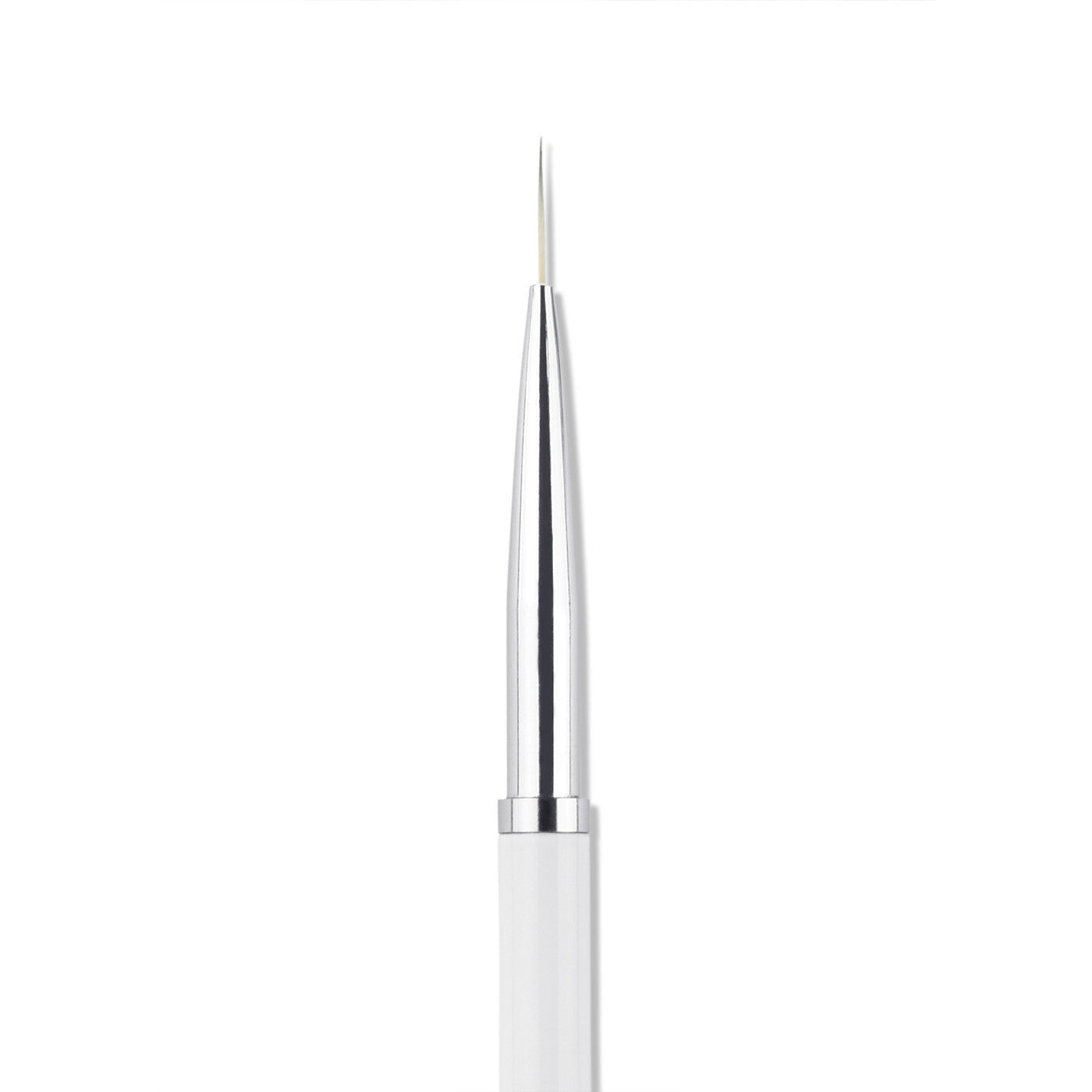
Squiggly Lines
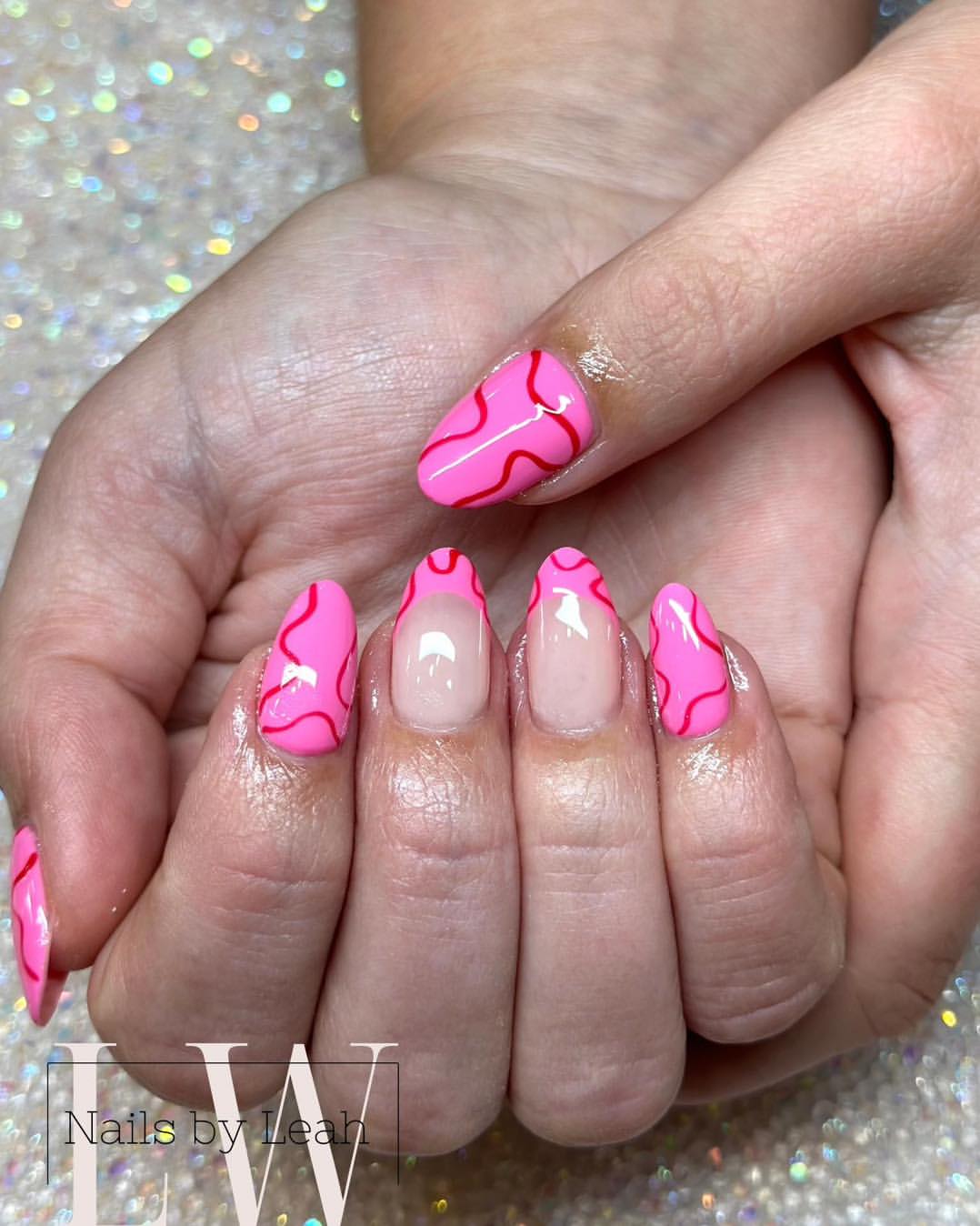
Dark pink squiggly lines add a playful element to this half-French, half-block color look. Get ready to practice drawing with a steady hand if you plan on doing this one at home.
Multicolored Stripes
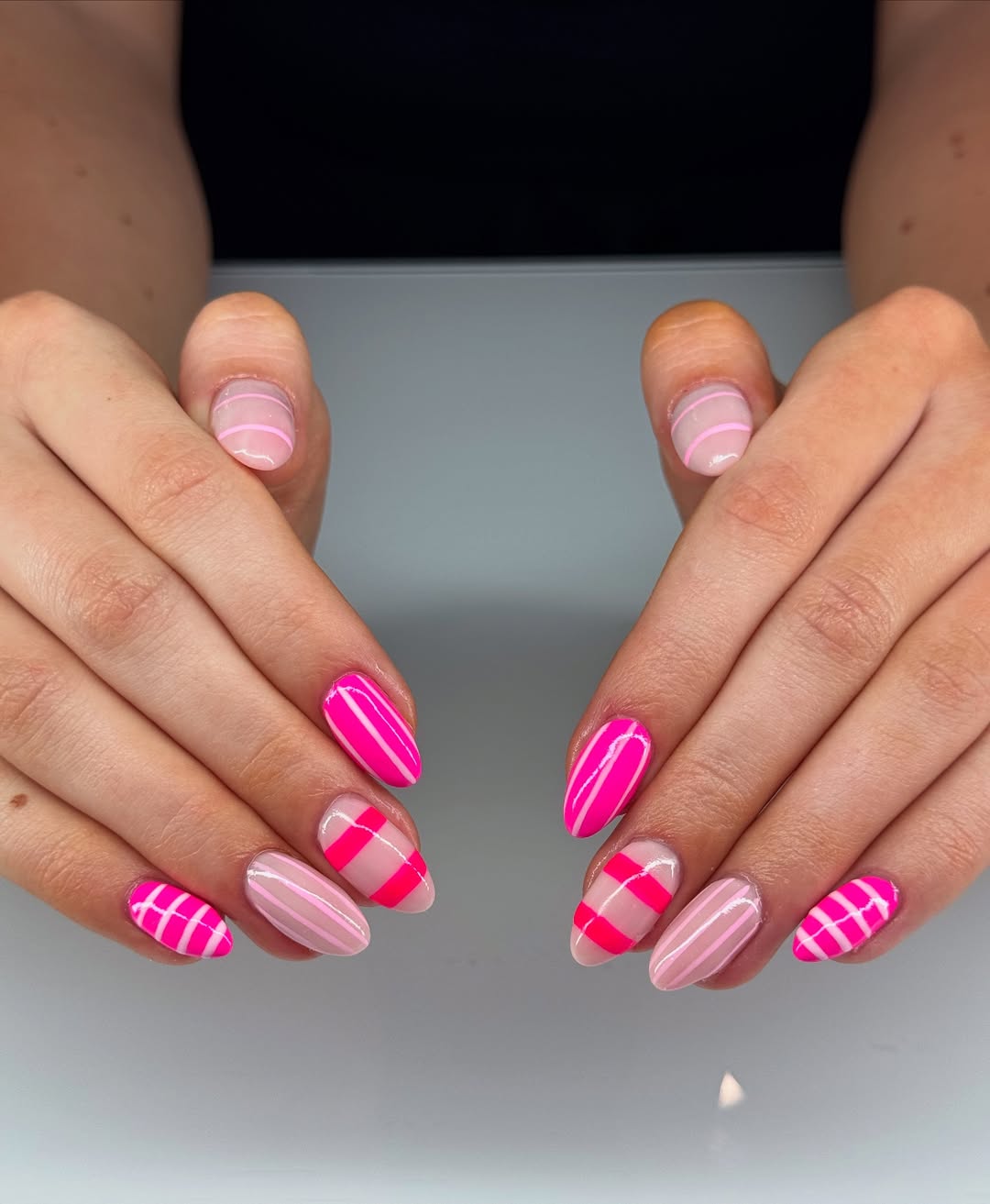
Stripes are already a really unique design element to add to a manicure, but if you really want to get funky, you can play with different kinds. This design features vertical and horizontal stripes as well as skinny and thick ones, but everything still manages to work well together.
Hand-Painted Bows
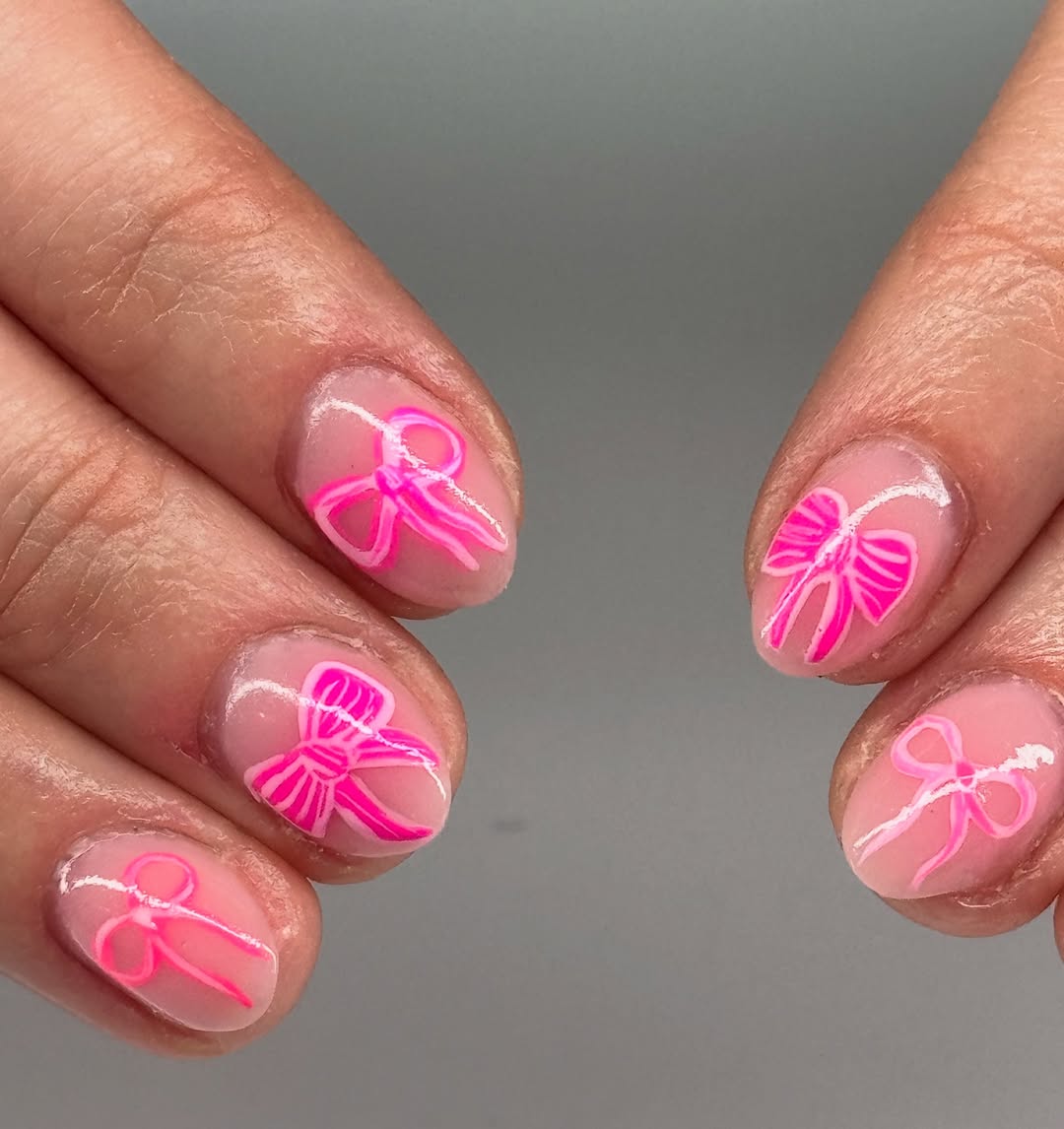
A hand-painted ribbon can add the perfect touch of girliness to your manicure. If painting one on each nail sounds like too much of a challenge, try just adding one to an accent nail.
Polka Dot Tips
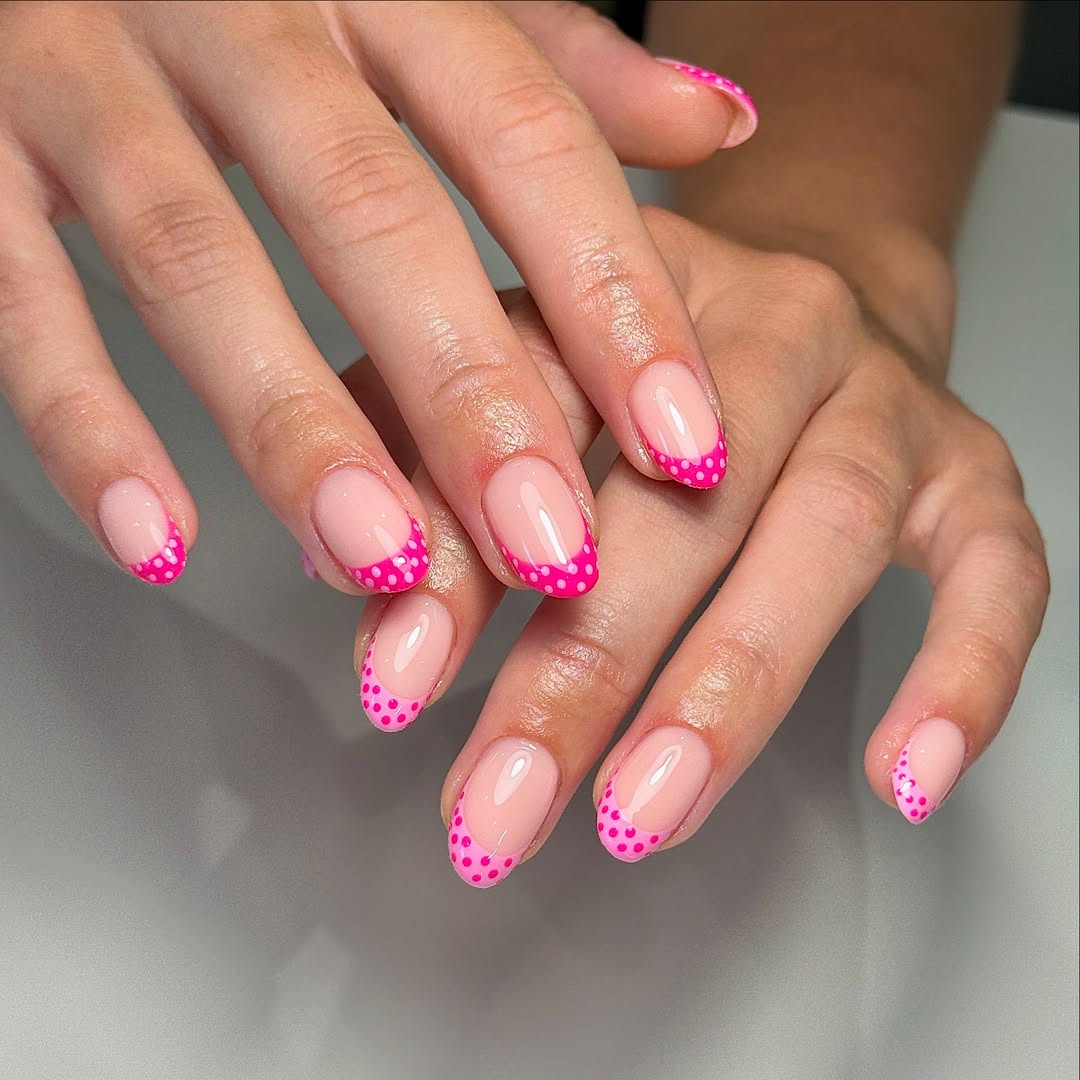
Again, polka dots don't have to be boring. This manicure features a two-toned French design with tiny pink polka dots on the tips to add a touch of sparkle.
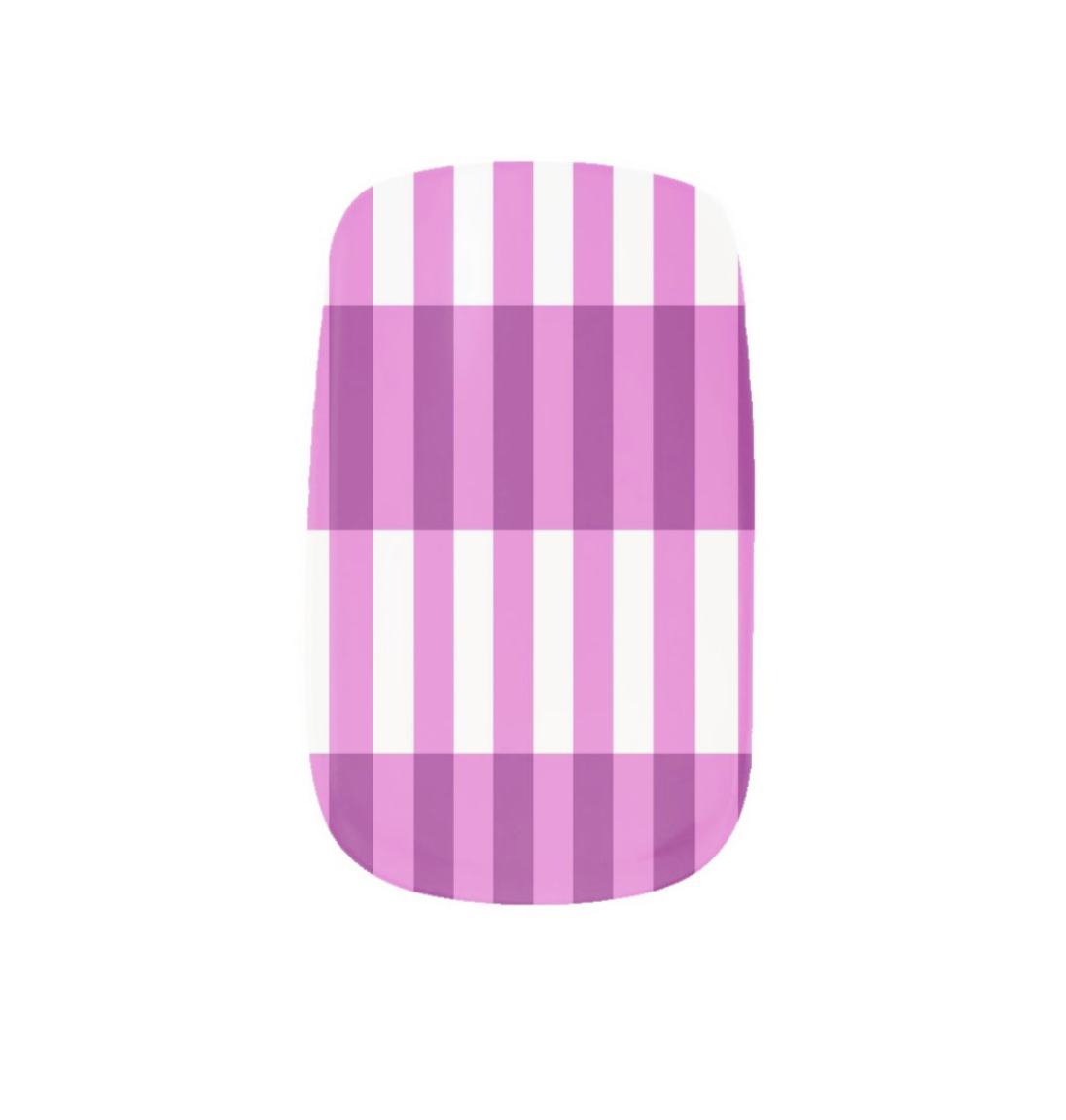
Pink and White Stripes
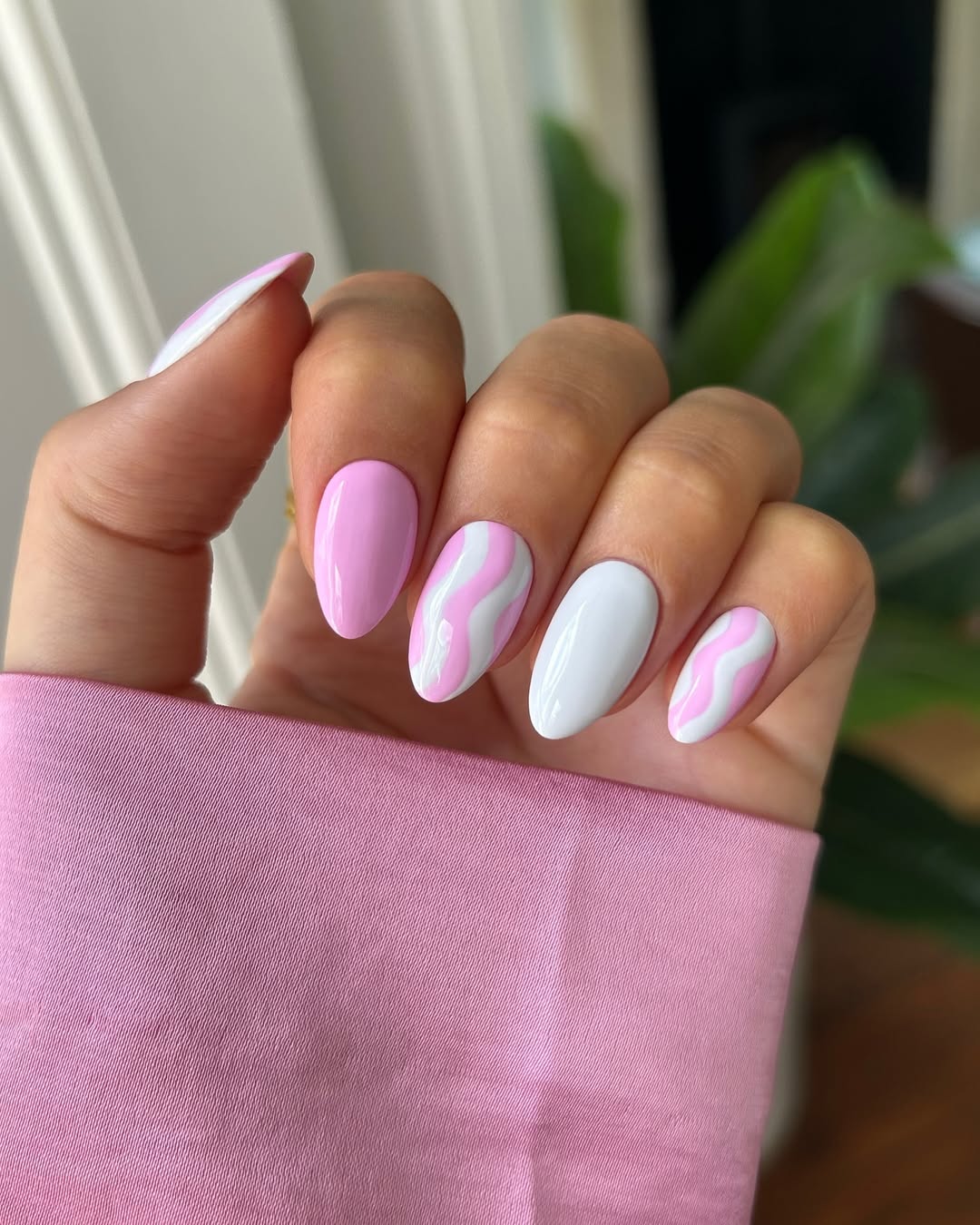
Don't forget about pastels. A pastel pink is bold but still fresh, and adding a striped or squiggle element like this design will allow you to play with fun designs without getting too dramatic.
Baby Pink Croc
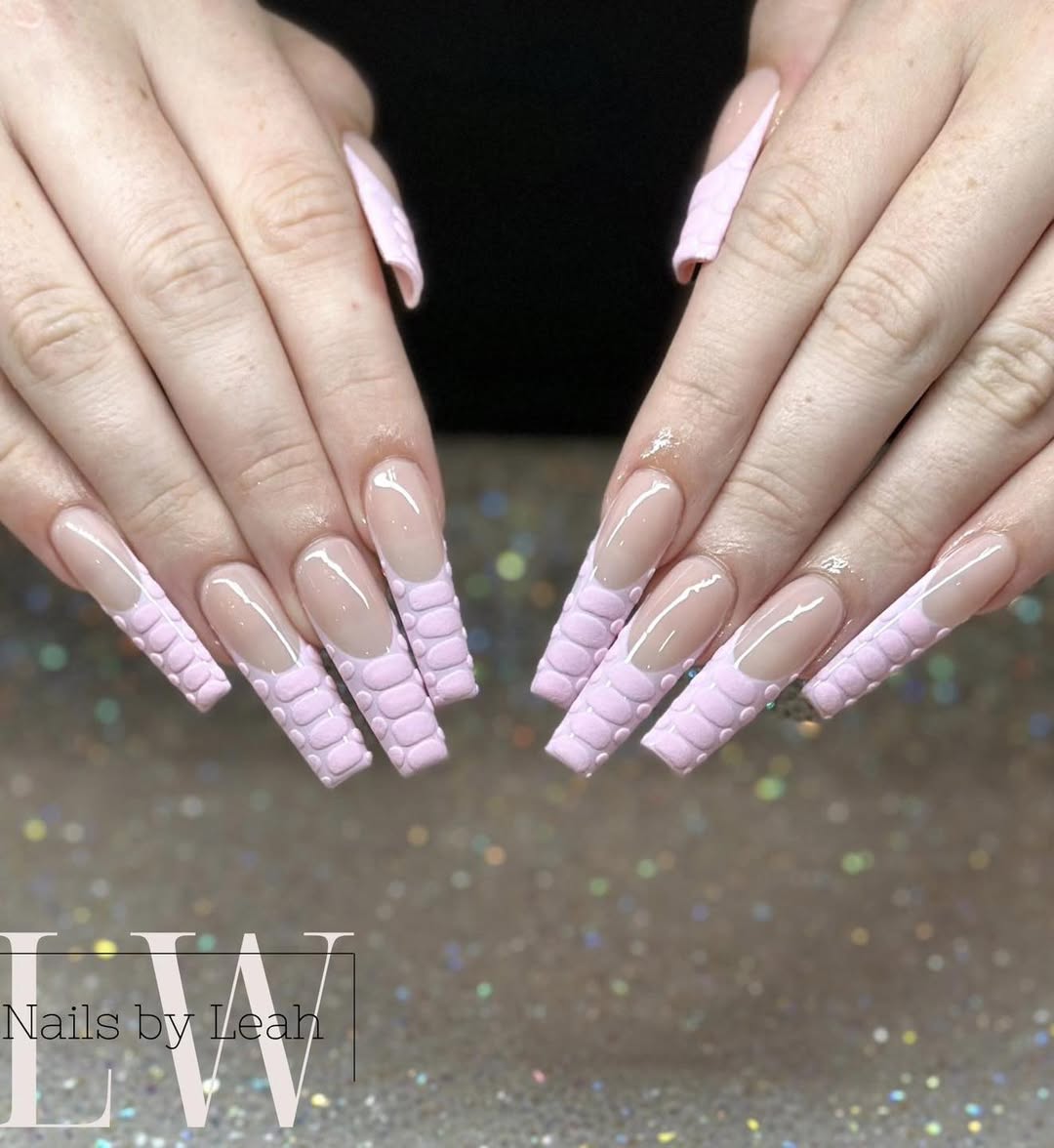
Animal print nails have been everywhere lately, but croc print designs seem to be what most people are gravitating toward. This scaly print is already edgy on its own, but adding a baby pink color to the look can soften it up.
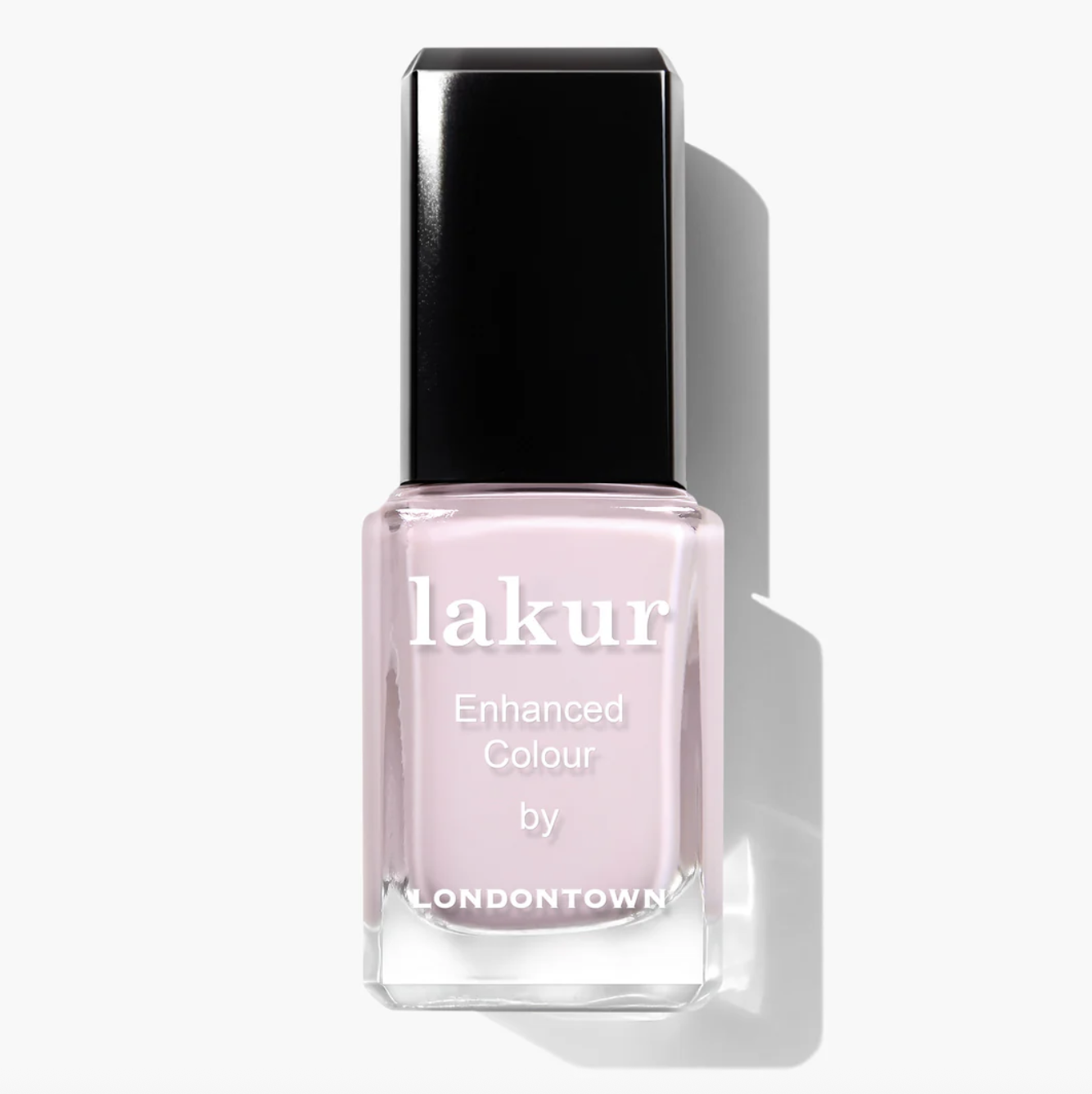
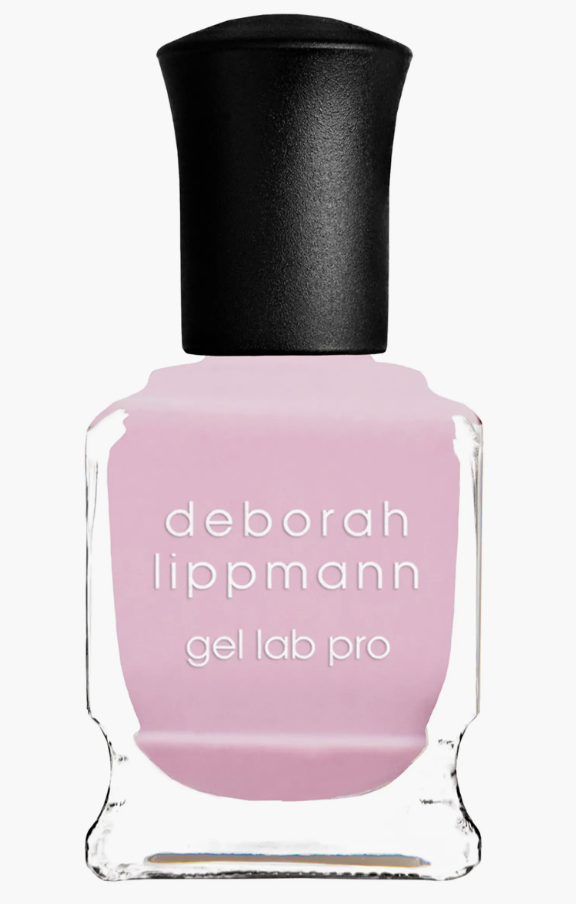
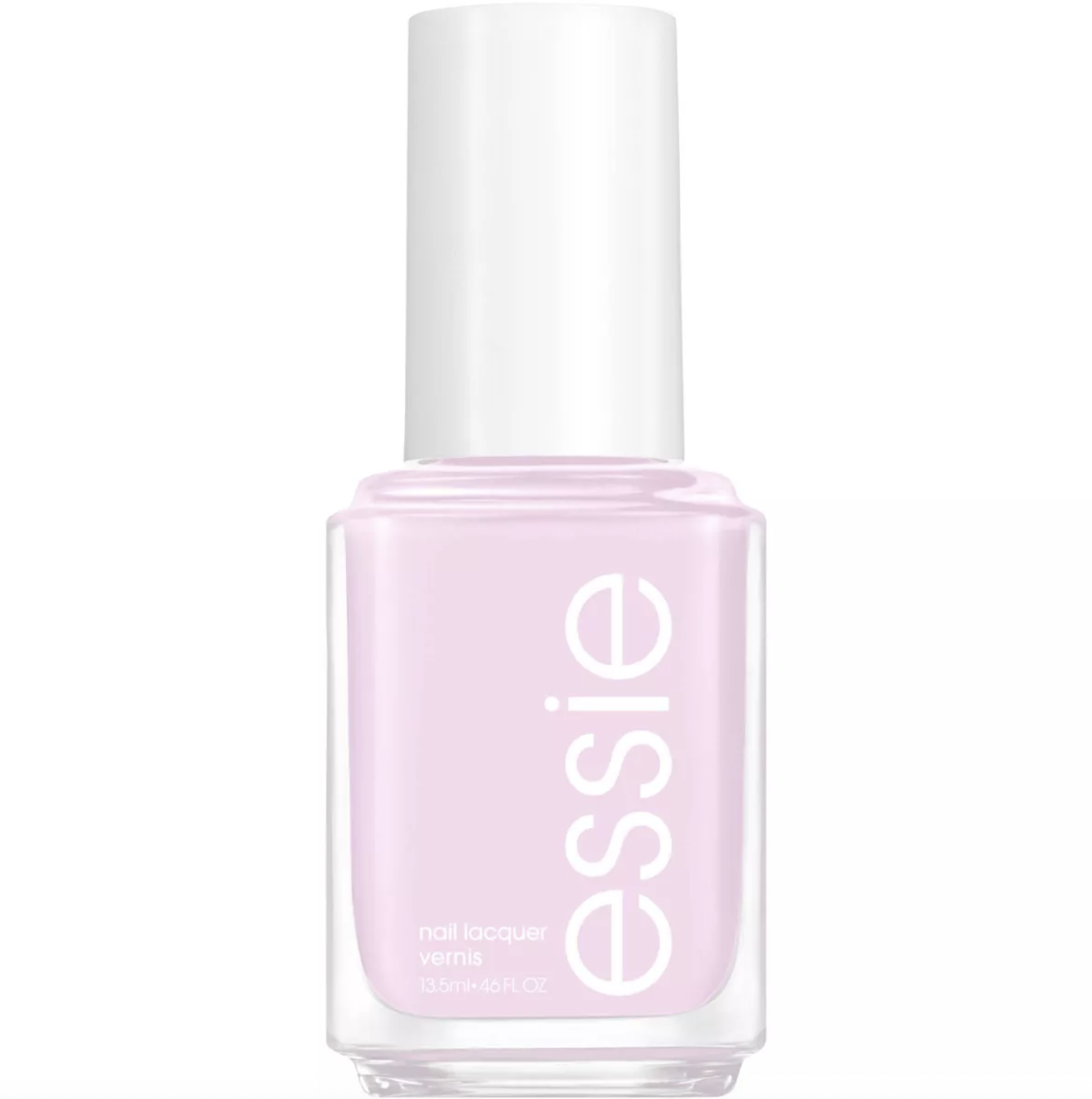
Pink Venom
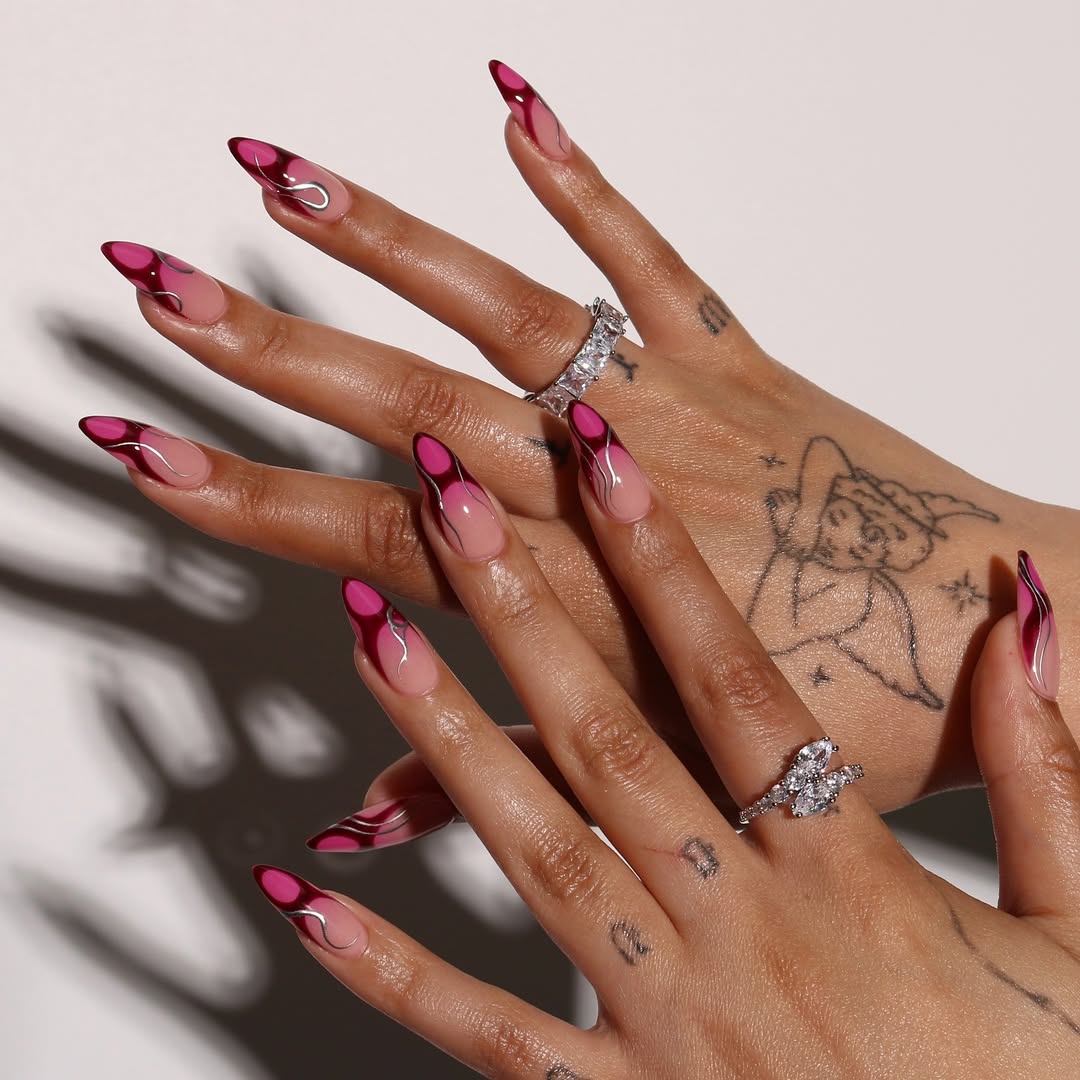
This manicure seamlessly blends two pink hues into one another while adding a slight 3D element.
Pink Reverse French
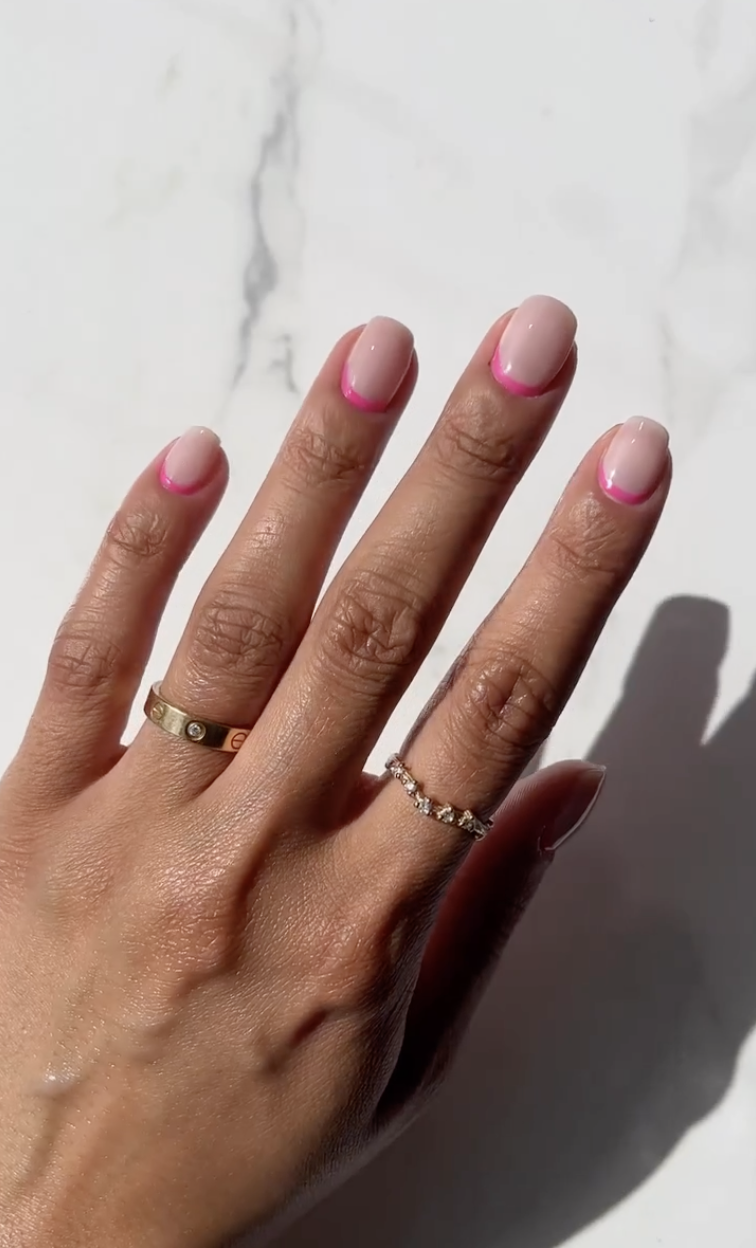
Tired of boring French manicures? Switch things up by painting the "tip" at the base of your nail. I Personally also find this much easier to DIY as your nail bed serves as the guide.
Why Trust Marie Claire
For more than 30 years, Marie Claire has been an internationally recognized destination for news, fashion and beauty trends, investigative packages, and more. When it comes to the products Marie Claire recommends, we take your faith in us seriously. Every product that we feature comes personally recommended by a Marie Claire writer or editor, or by an expert we’ve spoken to firsthand.
]]>As a New Yorker (I’ve been here for almost 10 years, so I feel entitled to the claim), I’m frankly never going to be persuaded that any place has better beauty opportunities than the city. (Save Paris, of course.) That being said, a big chunk of Manhattan packs up to head Out East every June through August—with some of the best talent in tow. That means exclusive aesthetician pop-ups, seasonal shopping opportunities, and hairstylist residencies get scattered throughout the Hamptons. If you’re really immersed in the beauty scene, you also know the concierge doctors who will bring cutting-edge facials to your Airbnb and the spray tan artists who travel to you.
Whether you spend all summer in a Hamptons house, going in on a share house, or you are just taking a long weekend to survey the scene, chances are you’re going to want to treat yourself to a facial, blowout, massage, or manicure at some point. I’ve been out a few weekends already this summer, so I’ve had the lucky chance to pay a visit to a few Hamptons's hot spots. My favorites—along with some local recommendations—ahead.
Best Facial in the Hamptons
Pietro Simone
With clients like Leah Michelle, Gwyneth Paltrow, and Sarah Paulson, a facial with Simone is a luxury experience. His West Village outpost is HQ, but for the second year in a row, you can pay him a visit at the East Hampton studio. He’s known for blending Italian hospitality with highly effective, cutting-edge treatments that leverage exosomes, microneedling, and energy-based lasers. Choose from a range of hyper-specific facials, some of which address rosacea and redness, dull skin, or fine lines and wrinkles.
Dewy Reboot Facial: 60 minutes
Cost: $365
A Studio Spa
A popular medspa located in East Hampton, A Studio is a no-fuss in-and-out style spot that is efficient and effective. Pop in for a quick 30 to 60-minute treatment, and choose from a curated menu of options, including Hydrafacials, microcurrents, LED, and chemical peels. Aestheticians use exclusively Eminence skincare and treatments, and while most come at a flat rate, they can be customized with a handful of add-ons. Fun fact: they also have a teen facial if you’re looking to make the outing a family affair.
Biodyamic Facial: 55 minutes
Cost: $295
Dr. Hamptons
Dr. Hamptons, also known as Dr. Alexander Golberg, has been servicing the Hamptons area for decades with his concierge practice. The biggest pro: he’ll come to you, with NAD+ drips in tow. As for his facials? You’re looking at more medical options, with PRP, Botox, and filler in his arsenal.
Cost: By request
Best Massage
Baker House Hotel
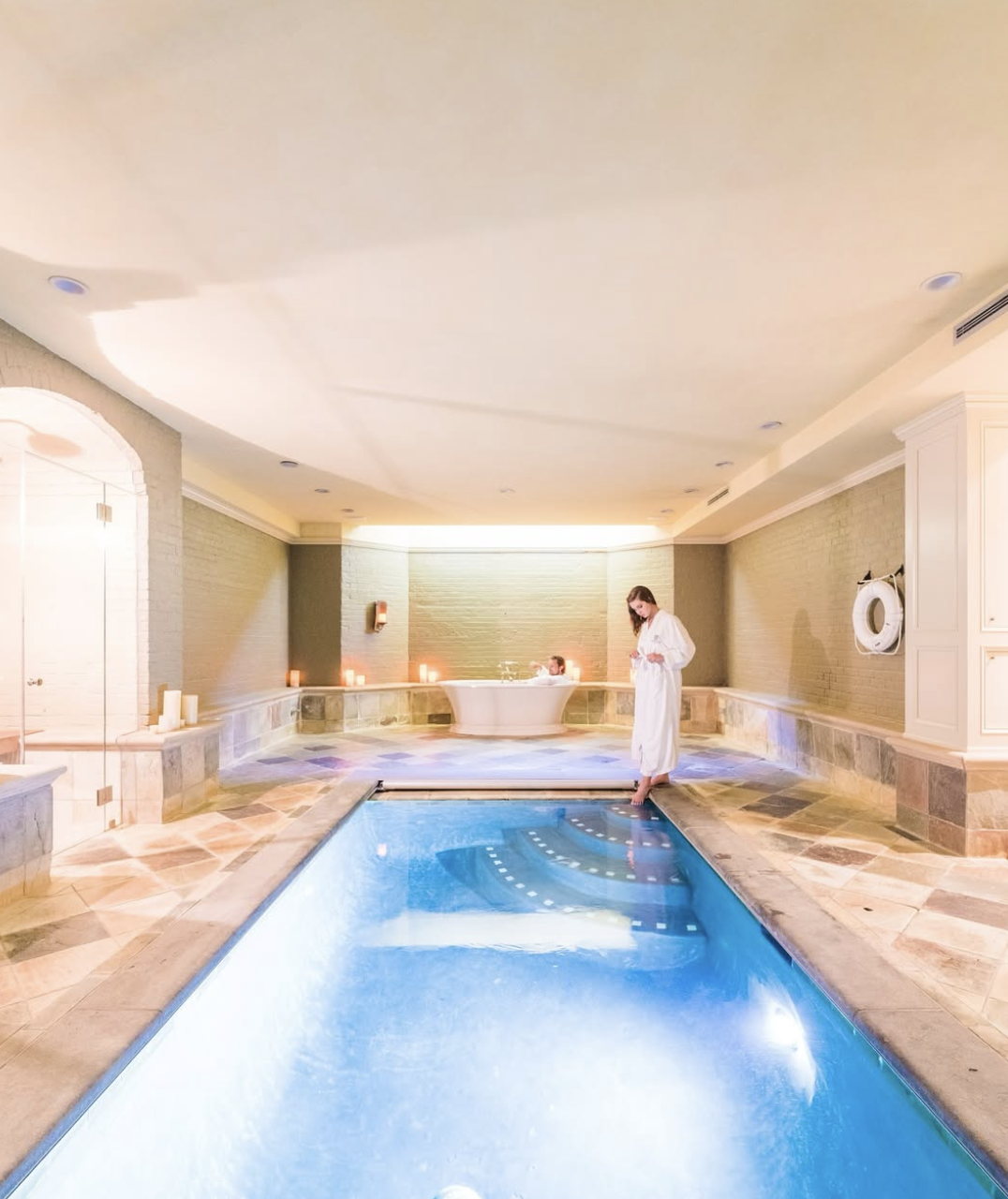
Nestled in East Hampton, this luxury bed and breakfast boasts unmatched exclusivity. Get this: only two people are permitted in the private spa at a time, giving access to a full pool, sauna, and steam room. The romantic space lends itself perfectly to a couples massage—but you can also choose a solo Swedish massage, hot stone massage, CBD massage, and more.
Couples Massage: 60 minutes
Cost: $380
J&G Enjoy Feet
Hear me out: sometimes you just need a really good foot massage. You can book via Classpass or directly through the business and sign up for an array of bodywork and reflexology sessions. The prices are very affordable, you can always get an appointment, and I promise you’ll leave feeling incredibly relaxed.
Customizable: 60 or 90 minutes
Cost: Varies
Gurneys Seawater Spa
One of my favorite spas Out East for just about any beauty treatment, you can’t go wrong spending a day here. Looking for a rec? The Salt Stone Massage is my personal favorite. You’ll be camped out in the beautiful Salt Room, which harnesses the healing elements of sea and salt. Think of it like a traditional Swedish massage, with a mineral-infused twist.
Therapeutic Fusion Himalayan Salt Stone Massage: 60 Minutes
Cost: $330
Best Spa
Shou Sugi Ban House
Easily my favorite place in all of the Hamptons, Shou Sugi is like a little oasis. It’s tucked away in East Hampton, but stepping on the property could easily transport you to a spa abroad. It’s a gorgeous and luxurious sanctuary that feels like an escape from the rest of the world. You can pop by for a massage, facial, or plunge pool—or do an overnight stay complete with delicious, organic meals, sound healing classes, and of course, spa treatments. Just make sure you book in advance—they fill up quickly.
Sisley-Paris The Wellness Cabana at Montauk Yacht Club
What’s chicer than a spa on a boat? If you find yourself at Montauk Yacht Club for dinner at Ocean Club or a day at the pool, treat yourself to a treatment or two at Sisley’s summer pop-up. They’ve taken over the cabana and are offering a wide range of their signature treatments, from facials to massages. Book an express for just 30 minutes or indulge in a 90-minute treatment for some true downtime.
Naturopathica Spa & Healing Center
I’m a big fan of the Naturopathica spa in Manhattan, so it’s no surprise that I have the same affinity for the Hampton’s outpost. Situated in East Hampton and Bridgehampton, it offers just about everything you could want during a spa day: microcurrent, lymphatic drainage, cryotherapy, and more. My personal favorite is the Hydraperk treatment, which basically mimics the look of lip filler and is perfect before an event.
Best Manicure + Pedicure
Angel Tips
If you didn’t have time to get your nails done in the city before heading Out East, consider getting a manicure at Angel Tips in Bridgehampton. It’s a go-to spot for locals. They offer acrylic manicures (in addition to regular), pedicures with massages, and gel X—for a relatively affordable price point (think: $60-80).
Hampton’s Mobile Beauty
Think of this like GlamSquad: Hampton’s Edition. With hundreds of specialists and dozens of treatments from treatments to choose from, this is the best in-a-pinch option out there. Book online, a provider will show up to your home (with all the sanatized tools necessary) and give you a quality mani-pedi from the comfort of your couch.
Gorgeous Guli
With one salon in Flatiron, Manhattan and another in East Hampton, Gorgeous Guli is the only spot Out East I’d trust to do a Russian manicure. The TLDR: Russian manicures, while expensive and time-consuming, last for nearly four weeks and are focused on removing your entire cuticle for a finish that looks damn near flawless and looks fresh all month.
Best Blowout
Eddie and Arthur Salon
With a sister salon on the Upper East of Manhattan (and talent that travels), you know this salon is going to be good. Arthur, one of the co-owners, trained under Oscar Blandi in NYC for years, and then opened his own shop. It has a luxe feel, talented pros, and is a go-to for cut and color among native New Yorkers.
Valerie Joseph
Based in Bridgehampton (and with a spot on the Upper West Side), Valerie Joseph is a luxe destination. It’s pricey, but I promise you can’t go wrong. The team is incredible and friendly, and I’d blindly trust them to cut my hair. For color, you’ll want to make an appointment with the lead colorist Nicole.
Special Effects Unisex Hair Salon
My friend (hi, Natalie), who grew up in the Hamptons, told me about this spot, which is her go-to for an affordable, last-minute blowout or haircut. She also loves their Malibu treatments, which get the green tint out of hair color that’s seen too much chlorine.
Best Beauty Shopping Destination
Beauty Bar at Surf Lodge
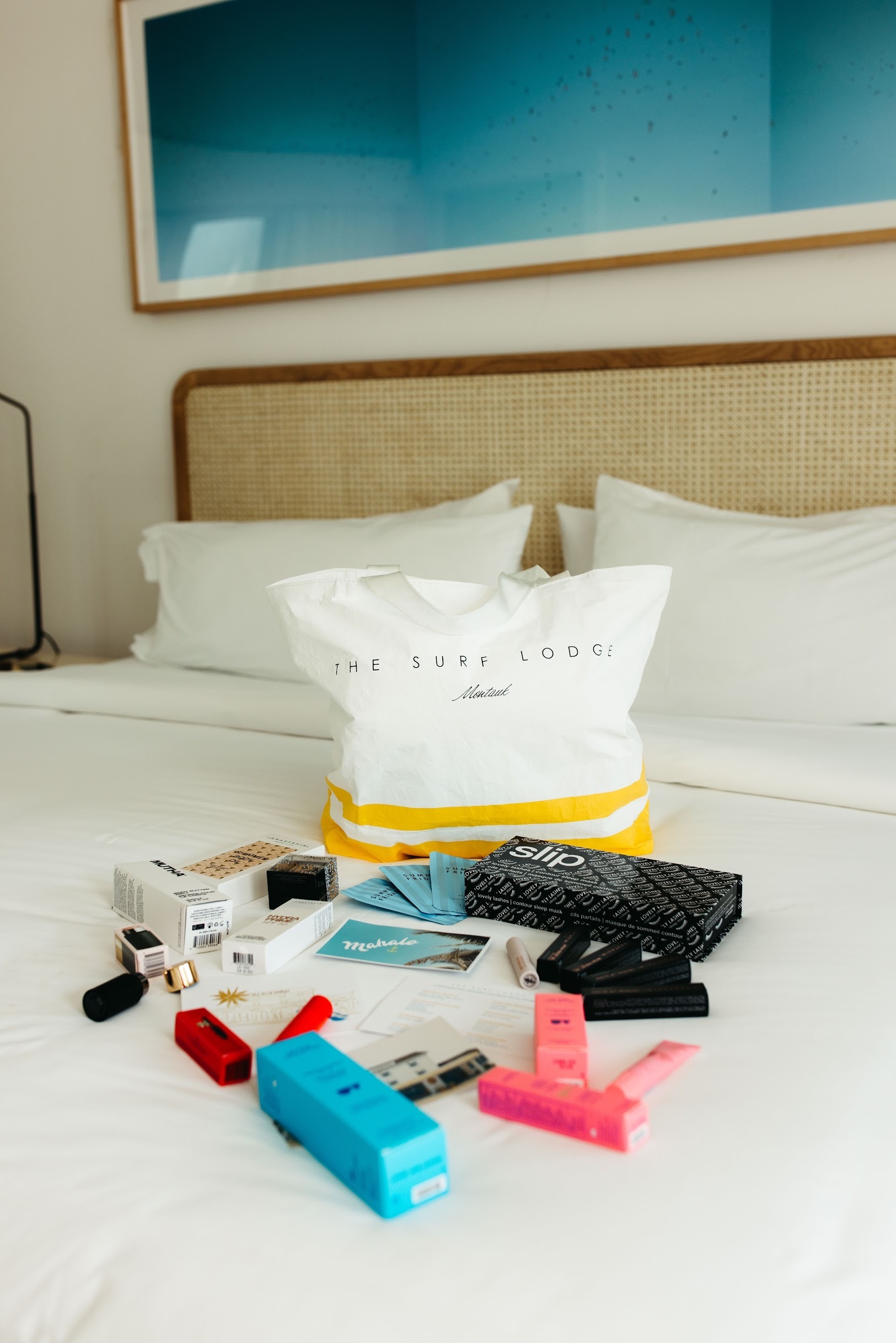
If you need an incentive other than five-star chicken fingers to stay at Surf Lodge: let me introduce you to the hotel’s complimentary mini bar, curated by CGC Global. Your room will come with the ultimate shopping experience. (Seriously, you don’t even need to pack a cosmetics bag.) You’ll be met with goodies from Anastasia Beverly Hills, Mutha, Summer Fridays, Ultra Violette (the best sunscreen in the world, FYI), and Westman Atelier.
Jones Road
Forgot your makeup at home? Stop by Jones Road’s brick-and-mortar shop in East Hampton to restock—or maybe try something new. The Beauty Balm is the brand’s cult-favorite, but don’t overlook the Gel Bronzer, Shimmer Face Oil, and Mascara.
Bluemercury
A classic, and a good one. Pop by Bluermercury’s East Hampton location to get everything you need and still experience the small neighborhood shop vibe. The sales associates are also a wealth of beauty knowledge.
Why Trust Marie Claire
For more than 30 years, Marie Claire has been an internationally recognized destination for news, fashion and beauty trends, investigative packages, and more. When it comes to the products Marie Claire recommends, we take your faith in us seriously. Every product that we feature comes personally recommended by a Marie Claire writer or editor, or by an expert we’ve spoken to firsthand.
]]>Scars are, technically, the body’s repair mechanism in action. But they can also be a very visible reminder of something bigger. I have my fair share of marks from my breast reduction, and even though I’m four years out, I still wonder if they’ll ever fade. There’s absolutely nothing wrong with wearing them proudly—it’s something I’m working on—but it’s equally fair to want them to be less visible. While it’s rare for a scar to fade completely, says board-certified dermatologist Brian Hibler, MD, they can be “camouflaged with the surrounding skin.” The trouble is, when every product and procedure claims miracle results, figuring out what actually works (and for which type of scar) can feel overwhelming fast.
That’s why I went straight to the professionals. I asked board-certified dermatologists to break down the most common types of scars and separate what treatments work from what doesn't. Because if you’re going to spend money, it should be on a product or procedure that actually fades scars. Keep reading for the best in-office and at-home treatments to invest in to help heal and camouflage scars.
What Is a Scar?
Put simply, “a scar is the normal healing mechanism your body employs to repair tissue,” says Dr. Hibler. Beneath the skin, collagen fibers are rapidly produced to close the wound and protect the area. However, unlike normal skin, the collagen is laid down in a more disorganized way. The result? The tissue looks and feels different, and can appear raised, flat, or indented depending on the type of injury and how your body heals, says board-certified dermatologist Dendy Engelman, MD.
Some people are simply more prone to scarring than others, and it comes down to genetics and how each person’s unique skin heals. And a not-so-well-known fact? Stronger inflammatory response or higher collagen production can lead to thicker, raised scars called keloids. Skin tone also plays a role: darker skin tends to be more susceptible to dark marks and keloids. On top of that, how you care for the wound and whether it gets irritated or infected can affect the final look of the scar. And that final look? The scar can keep evolving for up to 12 months after the initial injury—or even two years depending on the degree of the trauma.
Types of Scars
- Acne Scars
- Surgical & Injury Scars
- Raised Scars
- Stretch Marks
Acne Scars
- What They Are:
Not all marks left behind by breakouts are actual scars, says Dr. Engelman. Post-inflammatory hyperpigmentation (PIH) is the dark discoloration that lingers after a breakout; it’s not a true scar, but instead a temporary pigment response to inflammation. These flat spots are especially common in medium to deep skin tones and usually fade over time. “True acne scars, however, involve a change in skin structure, like pitted (atrophic) scars or raised (hypertrophic) scars, where there’s actual collagen loss or buildup,” says Dr. Engelman.
- How to Treat:
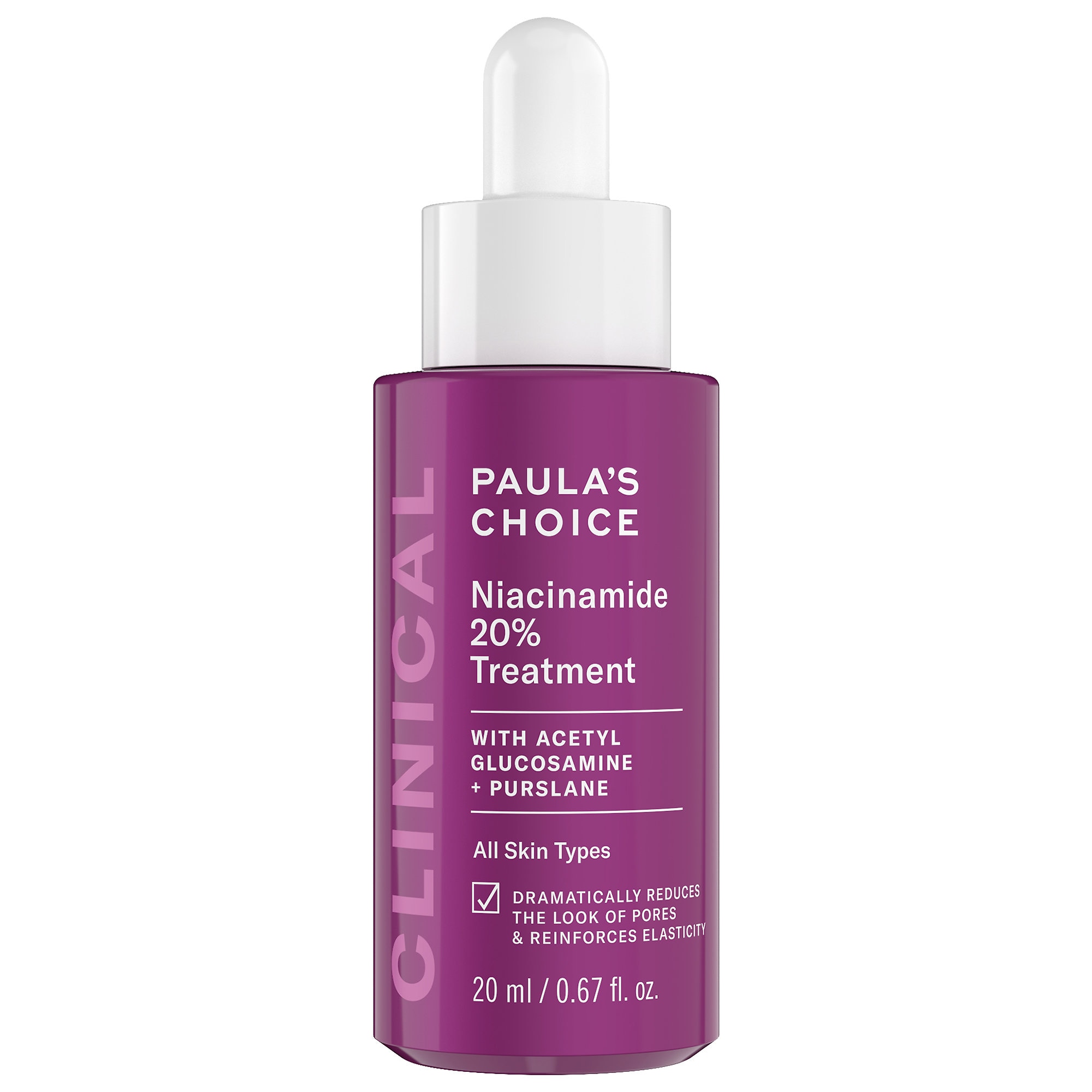
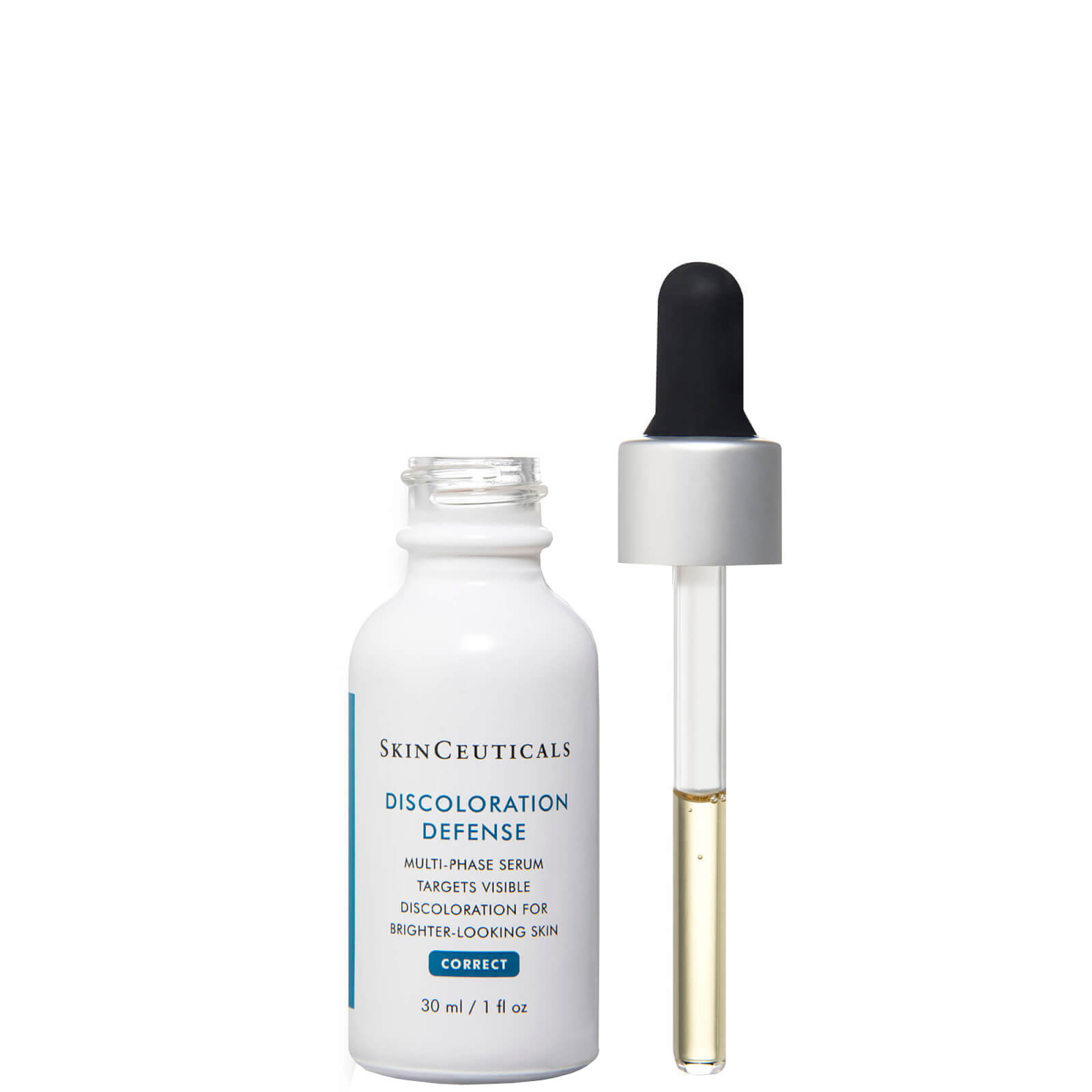
Like all scars, treating acne-specific ones requires a tailored approach depending on the type and your skin tone. For fading dark marks, Dr. Engelman recommends gentle but effective ingredients such as niacinamide, which helps regulate pigment production while calming inflammation, and vitamin C, which brightens and protects the skin from further discoloration. Azelaic acid is ideal for both acne and pigmentation, especially for sensitive skin or those prone to melasma. Retinoids speed up cell turnover, fading marks faster and preventing new breakouts. “And for more stubborn spots, I often recommend tranexamic acid as a newer, well-tolerated brightener that works beautifully on lingering hyperpigmentation,” she says.
For textured or indented scars, in-office treatments vary. Dr. Engelman points to microneedling with radio frequency as a go-to treatment—it works by stimulating collagen production, gradually smoothing and improving the skin’s texture over time. For deeper scars, fractional lasers like Fraxel or CO2 are super effective, though they require some downtime and are generally best for lighter skin tones to reduce the risk of pigmentation side effects.
Another worth-it investment is subcision, a minimally invasive technique that releases the fibrous bands pulling down the scar, which helps to lift and flatten the area. And for an instant fix, injectable fillers can smooth out rolling scars while also encouraging collagen growth for benefits in the long term.
The Best Acne Scar Products
Surgical & Injury Scars
- What They Are:
These scars result specifically from damage to the skin’s deeper layers, often involving more intense trauma than everyday cuts or injuries. While all scars form through the body’s repair process, surgical and injury scars are often lumped together because they can be larger or more complex.
Depending on the type of surgery you get, the surgeon’s technique, your post-procedure aftercare, and individual healing, these scars can range from thin, faint lines to thicker, larger marks.
- How to Treat:
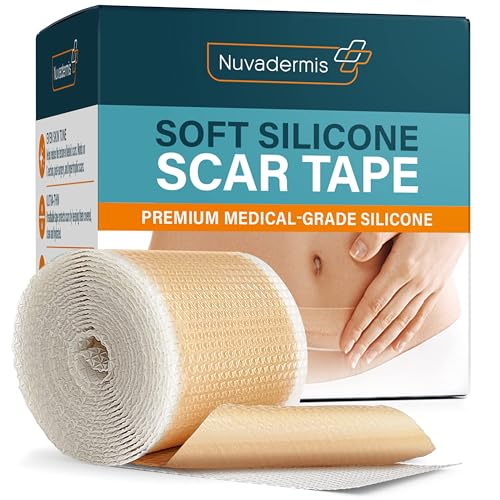
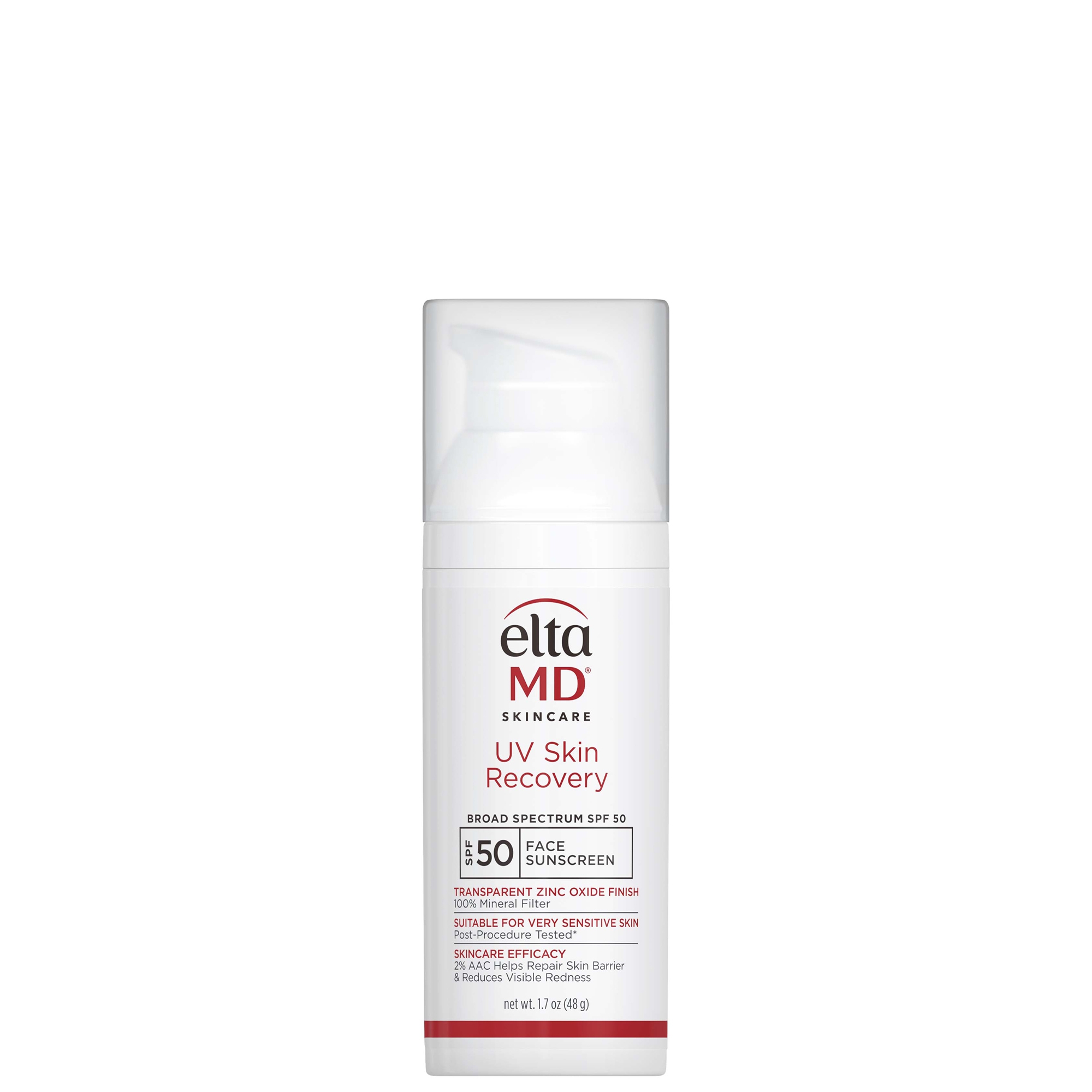
Treating surgical or injury scars starts with prevention. Dr. Engelman emphasizes keeping the area “clean, protected, and consistently hydrated.” However, before applying any topical product to the area, consult with your doctor as infection or irritation is always a possibility. Once the wound is closed, she recommends applying silicone gels or sheets daily, as they “help flatten and fade the scar by regulating moisture and collagen production.” Sun protection is essential, as UV exposure can permanently darken scars, so applying broad-spectrum SPF or covering the area with clothing is a must. Consciously remind yourself to avoid picking, scratching, or using harsh products to prevent inflammation and bad healing.
Beyond prevention, as the scar begins to heal, you’ll begin to see what kind it’s going to be: whether it be a flat thin line, a raised hypertrophic scar, or an indented atrophic scar. Identifying the scar type early on is key to determining the best treatment approach, as every scar is different, so the plan needs to be customized “based on factors like skin tone, scar age, location, and how it’s responding to earlier treatments,” says Dr. Engelman.
The Best Surgical & Injury Scar Products
Raised Scars
- What They Are:
Raised scars can present in two different ways: hypertrophic scars and keloids. According to Dr. Hibler, a hypertrophic scar is “excessive scar tissue that remains confined to the original wound,” while a keloid “extends beyond the original wound edges.” Hypertrophic scars usually develop more quickly, whereas keloids can take weeks or even months to appear. “Keloids are typically harder to treat and more likely to recur, but the treatment options are the same for both types of scars.”
- How to Treat:
If a raised scar is sensitive, itchy, or causing discomfort, Dr. Hibler says the best first step is steroid injections in the office, and he notes that they are often covered by insurance. For some, using steroid creams covered with a dressing or wrap helps the medicine absorb better and can reduce scar thickness. When these treatments aren’t enough, lasers—especially CO2 and Erbium—can be used to remodel the scar by creating tiny controlled injuries that encourage healthier skin growth, he explains.
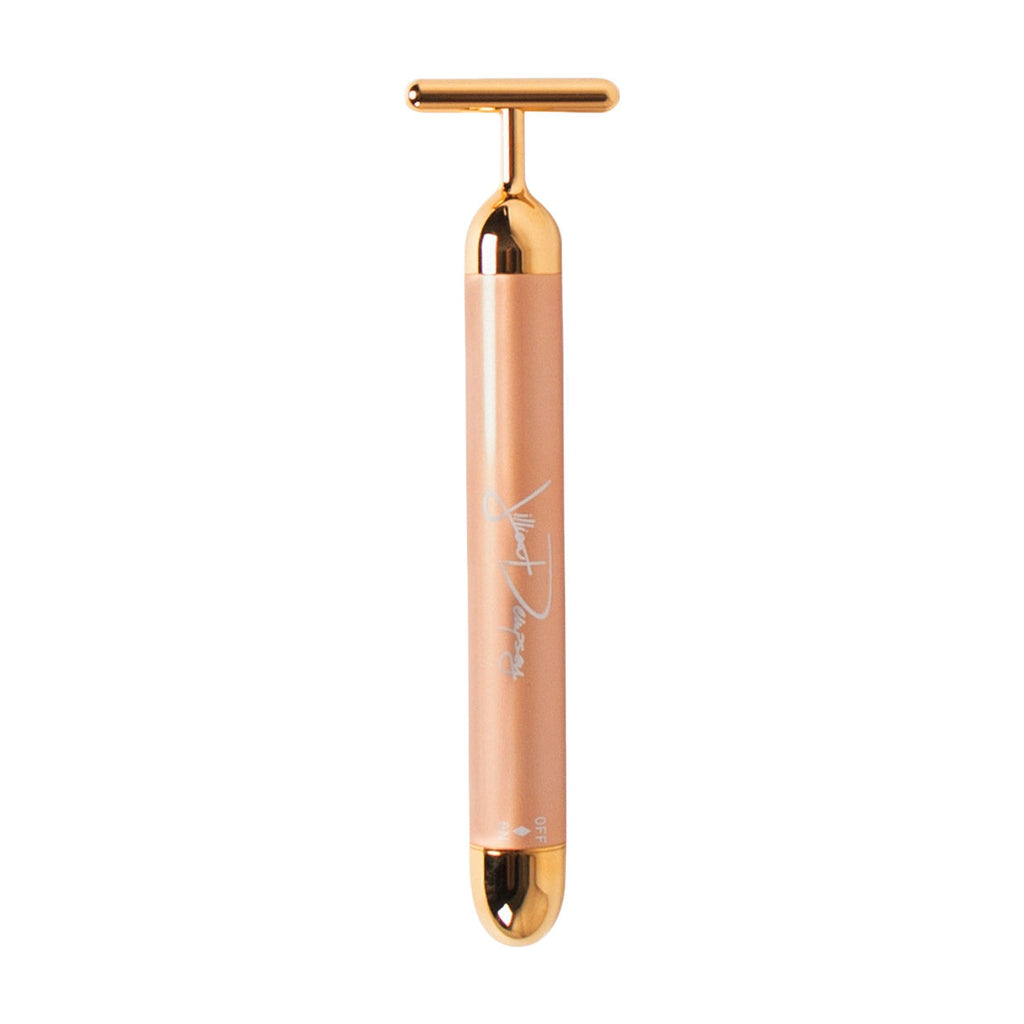
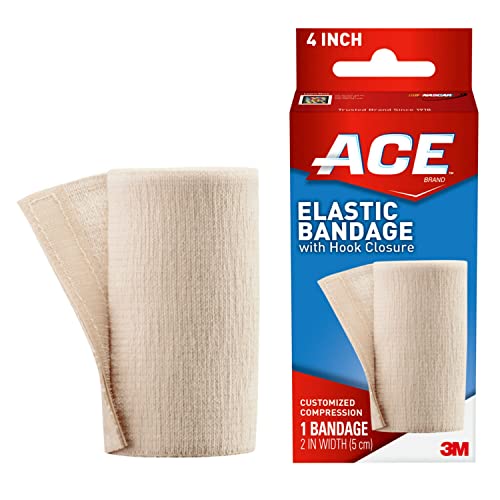
Again, prevention during the healing stages plays a key role, too. Silicone gels and sheets have been shown to help prevent hypertrophic scars when used early, and for certain injuries like burns, Dr. Hibler points to pressure garments or therapy as they can also reduce the risk of raised scarring. Daily massage also helps by gently breaking down excess collagen and improving blood flow—use firm pressure, not enough to cause pain, but enough to feel the scar tissue beneath the skin.
The Best Raised Scar Products
Stretch Marks
- What They Are:
While stretch marks aren’t actually considered scars, they do share similarities. Dr. Hibler explains that they happen when the skin stretches rapidly—like during growth spurts, pregnancy, or weight changes—causing tiny tears in the deeper layers of the skin. This happens because the collagen and elastin fibers that keep skin firm break down during this process. Visually, stretch marks start as red or purple streaks and gradually fade to silvery or white lines that are slightly indented or textured.
- How to Treat:
“Stretch marks are one of the most challenging skin concerns to treat cosmetically,” says Dr. Hibler. That said, there are options. The first-line treatment options include topical retinoids to strengthen collagen and help with texture. For new, red stretch marks (known as striae rubra), early treatment with lasers like PDL (Pulsed Dye Laser)—which targets blood vessels to reduce redness and calm irritated skin—can be helpful. Older or more stubborn stretch marks may benefit from microneedling and laser therapies that stimulate collagen production. However, Dr. Hibler notes that these treatments typically require multiple sessions, and the results can vary.
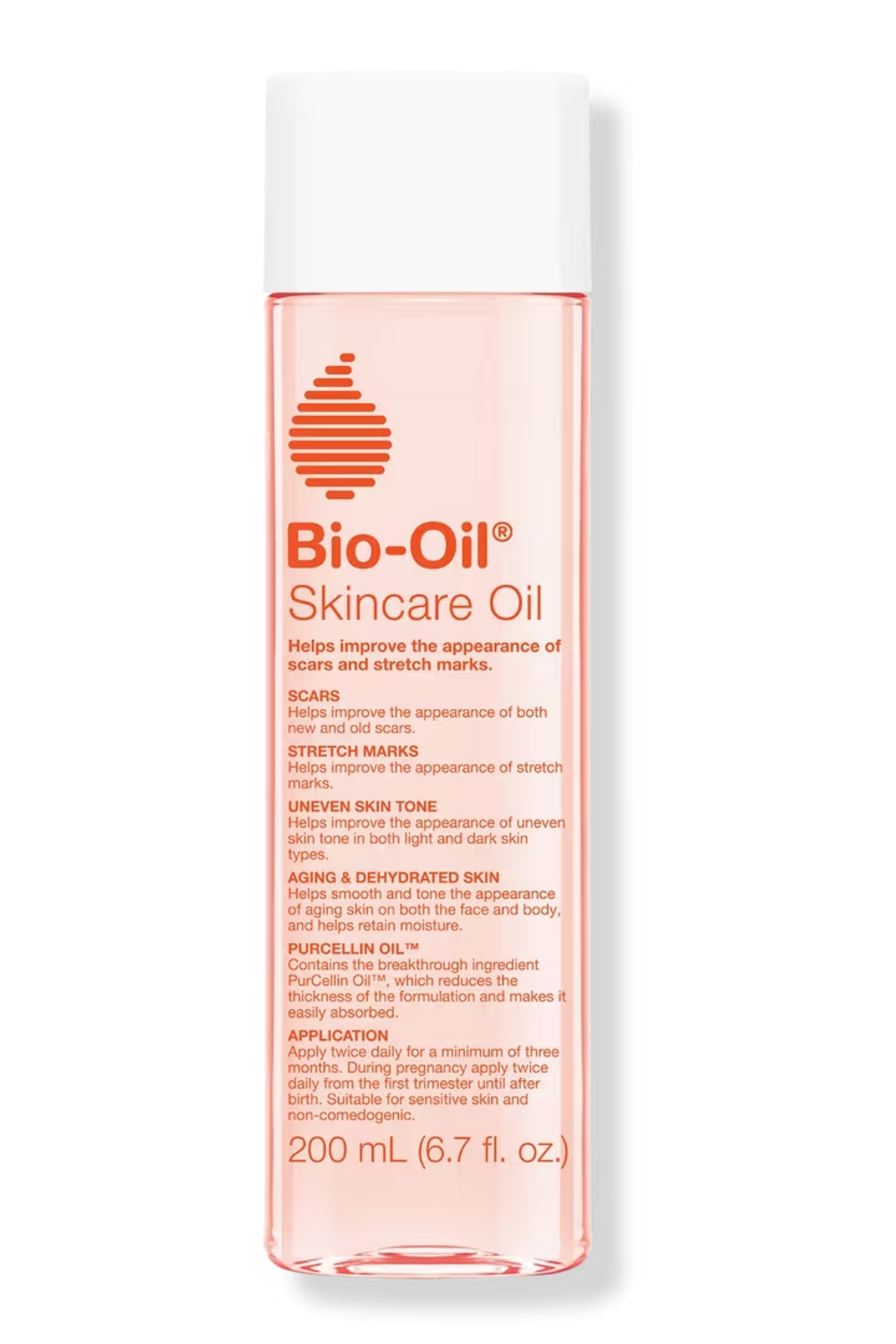
There’s also no shortage of “stretch mark reducing” at-home treatments on the market, though they have limited capabilities. Dr. Hibler recommends hyaluronic acid to plump and hydrate the skin, retinol for collagen production, and vitamin E for moisturizing and antioxidant properties. He also notes that some over-the-counter products contain centella asiatica, and although there isn’t a ton of research supporting the ingredient for stretch marks, “it’s meant to enhance collagen production, reduce inflammation, and improve skin elasticity.”
The Best Stretch Mark Products
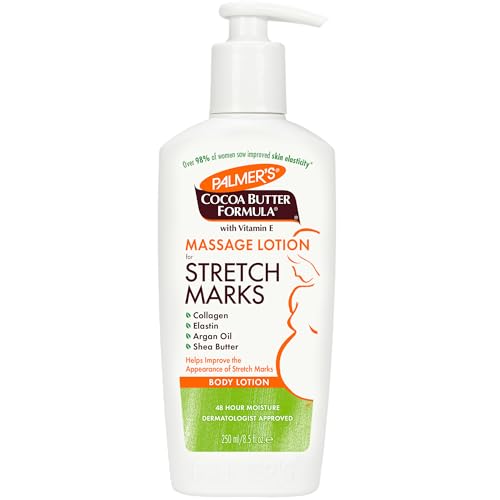
How to Choose the Right Scar Treatment
At the end of the day, when it comes to scars, it really isn’t one-size-fits-all. “It’s all about realistic expectations and a customized treatment plan,” says Dr. Engelman. That’s why consulting with a professional can (a) result in a better outcome, and (b) prevent irritation or infection, which will ultimately have an adverse effect.
As a general rule, once the wound has completely healed and you get your doctor’s OK, begin topical treatments like silicone gels and tape, then work into retinoids or brightening creams. Just remember, these usually need at least eight to 12 weeks of consistent use before you begin to see any improvement. For more severe scars, you’ll need to work with a dermatologist and assess your options.
No matter what, don’t forget sun protection—UV exposure can make scars darker and greatly slow down healing. This means slathering on a proper sunscreen (broad spectrum and SPF 30 or higher!) and wearing UV protective clothing.
The good news? At the end of the day, there are options at every price point and for every scar type, from over-the-counter drugstore creams to minimally invasive, in-office treatments. The trick is finding what fits your specific scar type and your goals.
Why Trust Marie Claire
For more than 30 years, Marie Claire has been an internationally recognized destination for news, fashion, and beauty trends, investigative packages, and more. When it comes to the products Marie Claire recommends, we take your faith in us seriously. Every product that we feature comes personally recommended by a Marie Claire writer or editor, or by an expert we’ve spoken to firsthand.
Meet the Experts
]]>Depending on the highlight idea your stylists execute, you can make your natural color appear richer, add dimension, or brighten up your natural tone. Highlights are also a great stepping stone if you don't feel like changing your shade completely. "Highlights offer that perfect in-between. You can add light, shape, and texture without sacrificing the depth and richness of your natural color. It’s more dimensional, more tailored—and way less maintenance than a full color change," celebrity hairstylist and Schwarzkopf Professional’s U.S. Hair Color Trend Ambassador Jacob Schwartz tells Marie Claire. "Highlights let me customize the brightness to exactly where you want it to go—around the face, through the ends, or just a subtle lift."
2025's hair trends are highlight-friendly, with rich girl blondes (we're calling it vanilla biscotti blonde) no-highlight highlights, brondes, and multi-dimensional chocolates taking over. Keep reading for more than 30 highlight ideas from your favorite celebrities and the brilliant colorists whose salon chairs they visit every 6-8 weeks (I'm betting). It's time to lighten up.
Brightening Highlights
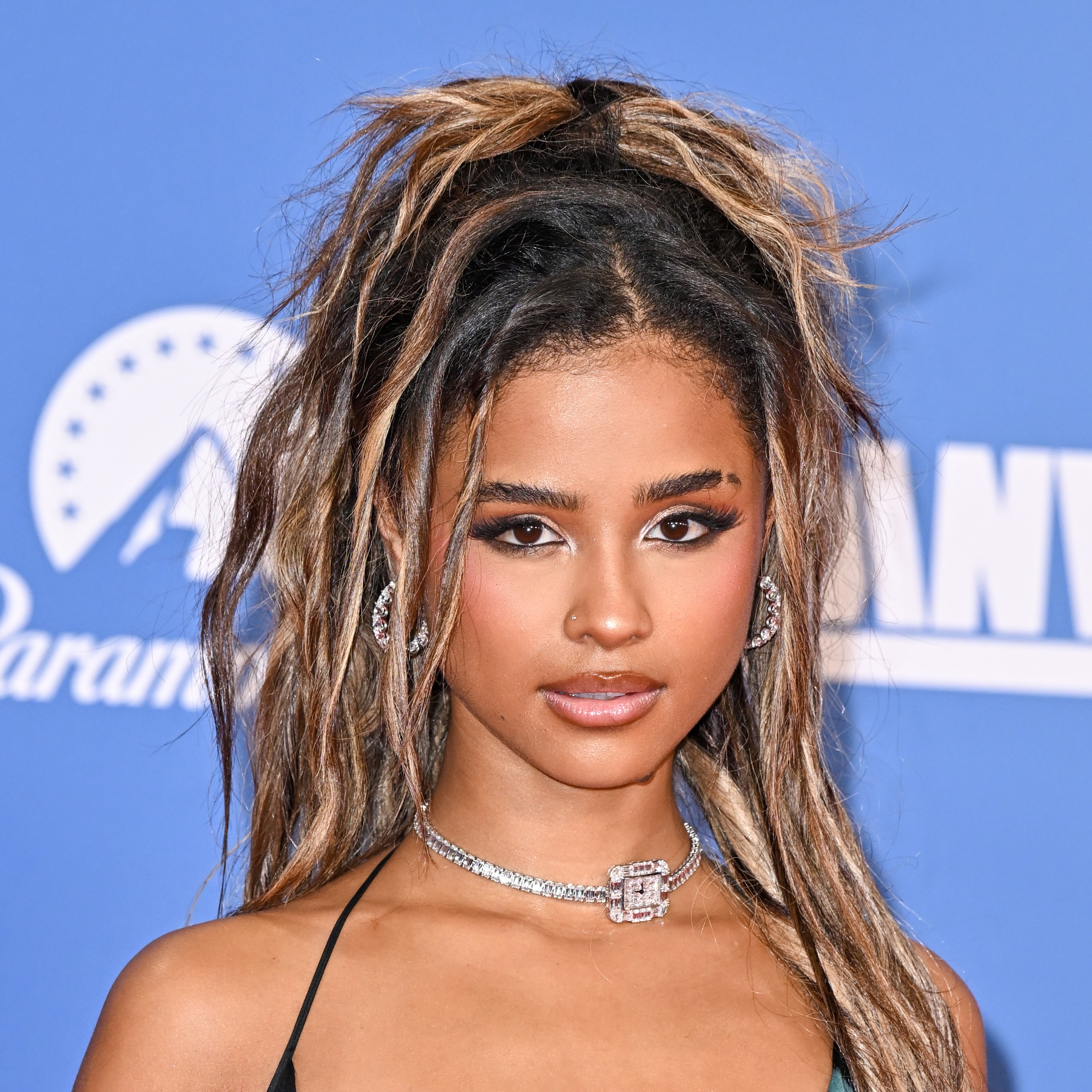
A classic highlight setup offers brightens to an otherwise deep shade. Though Tyla's hair is gorgeous at any color—or with any funky accessory—you can see how the blonde worked into her brunette twists here makes her features really pop. Especially when paired with her shimmery metallic eyeshadow.
Babydoll Blonde Highlights
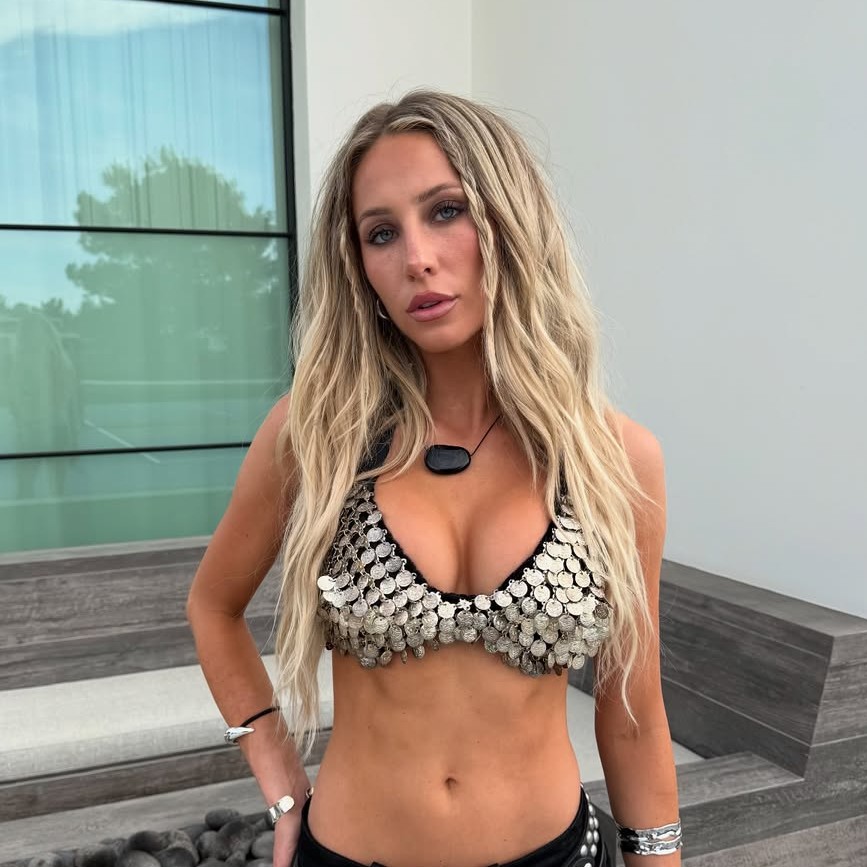
One of Schwartz's favorite highlight creations of recent times was Alix Earle’s “Babydoll Blonde" look. "It’s the kind of bright, glossy blonde that still feels soft and wearable," he explains—and he's even kind enough to give me the formula. "I used IGORA ZERO AMM for the base to neutralize warmth and create a clean canvas, then added pops of brightness with IGORA ROYAL around the face," the expert shares. "For the ends, BLONDME Premium Lightener 9+ gave me that beautiful, controlled lift—it’s my go-to when I want strong results without compromising hair integrity."
Sun-Kissed Highlights
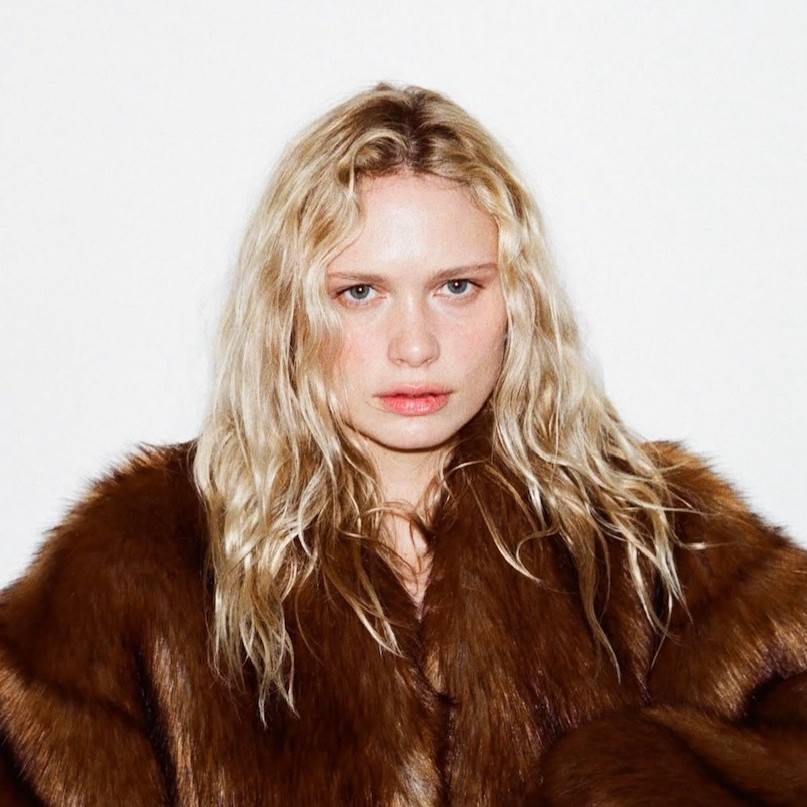
LA-based celebrity colorist Jessica Gonzalez (you can find her on Instagram @jesstheebesttcolor) prefers a sun-kissed look for highlights that enhance the hairline and ends, like the style she created for model Delilah Summer Parillo, above. Her ultimate vision when it comes to a balayage session? "Mimicking children’s sun-kissed hair after a long time in the sun."
"My ultimate inspo is the sun! The way salt and sunlight lighten hair drives my passion for painting highlights," she says. "I look for inspo everywhere. When I’m traveling to beach destinations...most of the surfers and water kids have the best hair!"
Late Summer Highlights
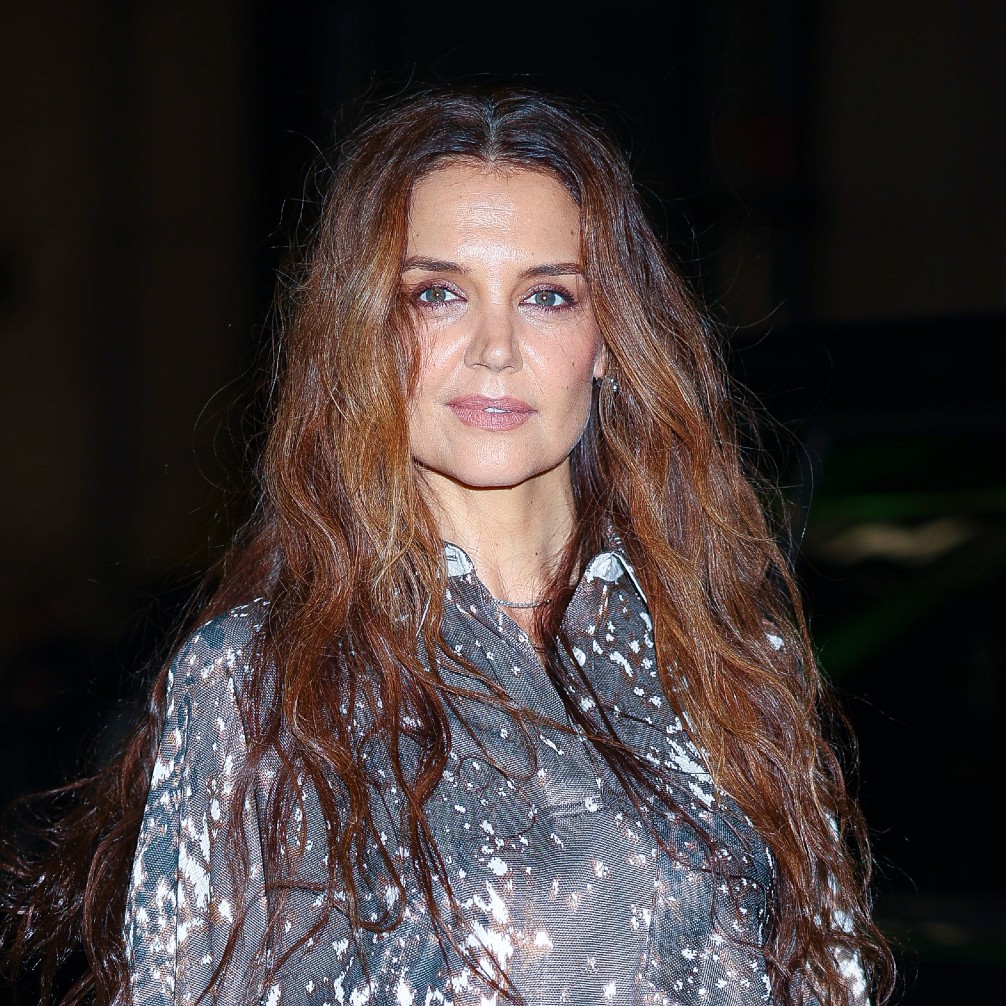
Katie Holmes' warm caramel balayage has a similarly sun-kissed appeal with less blonde. "Highlights can be tailored to anyone, but not every technique is right for everyone," Gonzalez explains. "It’s important to choose the right technique based on the result you are looking for."
For example, if you're brunette looking for some dimension, a minimal balayage is perfect. "If you want a beach-y, effortless, poppy ribbons balayage, that's perfect as well, so you can paint mimicking the sun," she adds.
Thick Honey Highlights
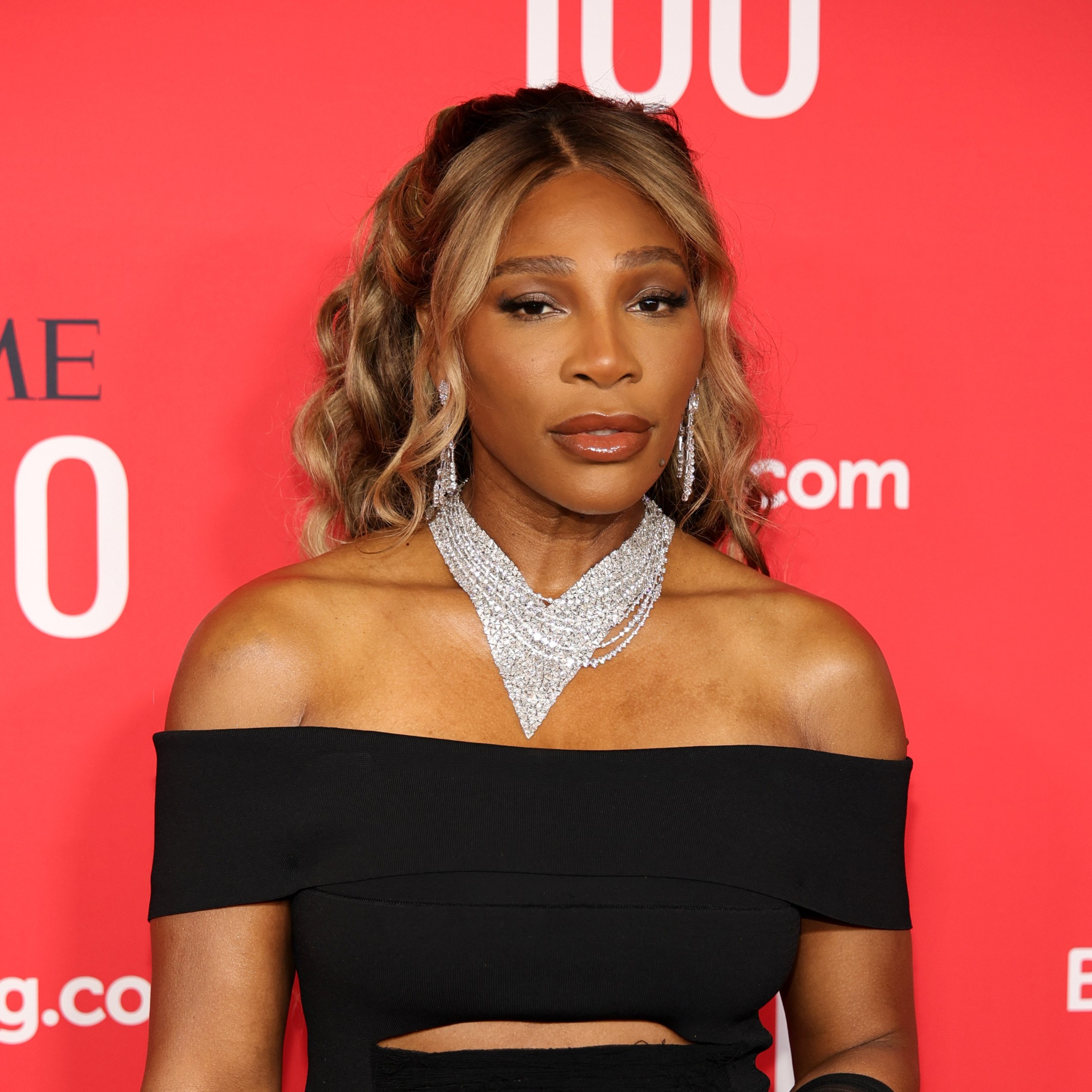
You don't always have to take a super blended approach to your highlights. This Serena Williams look is chunky, but not early aughts chunky (we'll get there in a second). I love how the thick honey pieces frame her face while her dark roots add depth.
Barely-There Face Framing Highlights
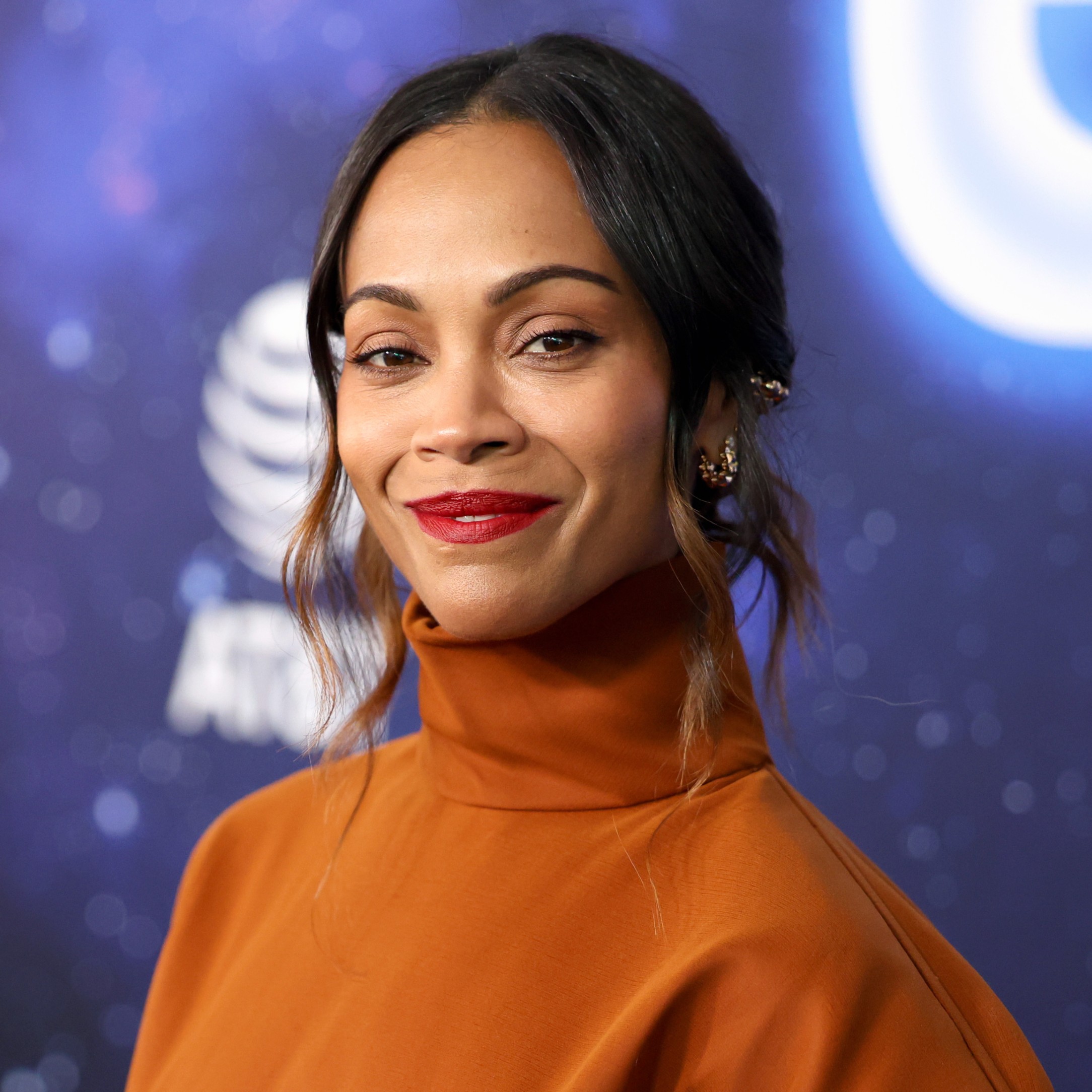
On the opposite end of the spectrum, your highlights can be incredibly understated. Zoe Saldaña's face-framing strands feature just a touch of extra brightness from her mid-lengths to ends.
Velvet Blonde Highlights
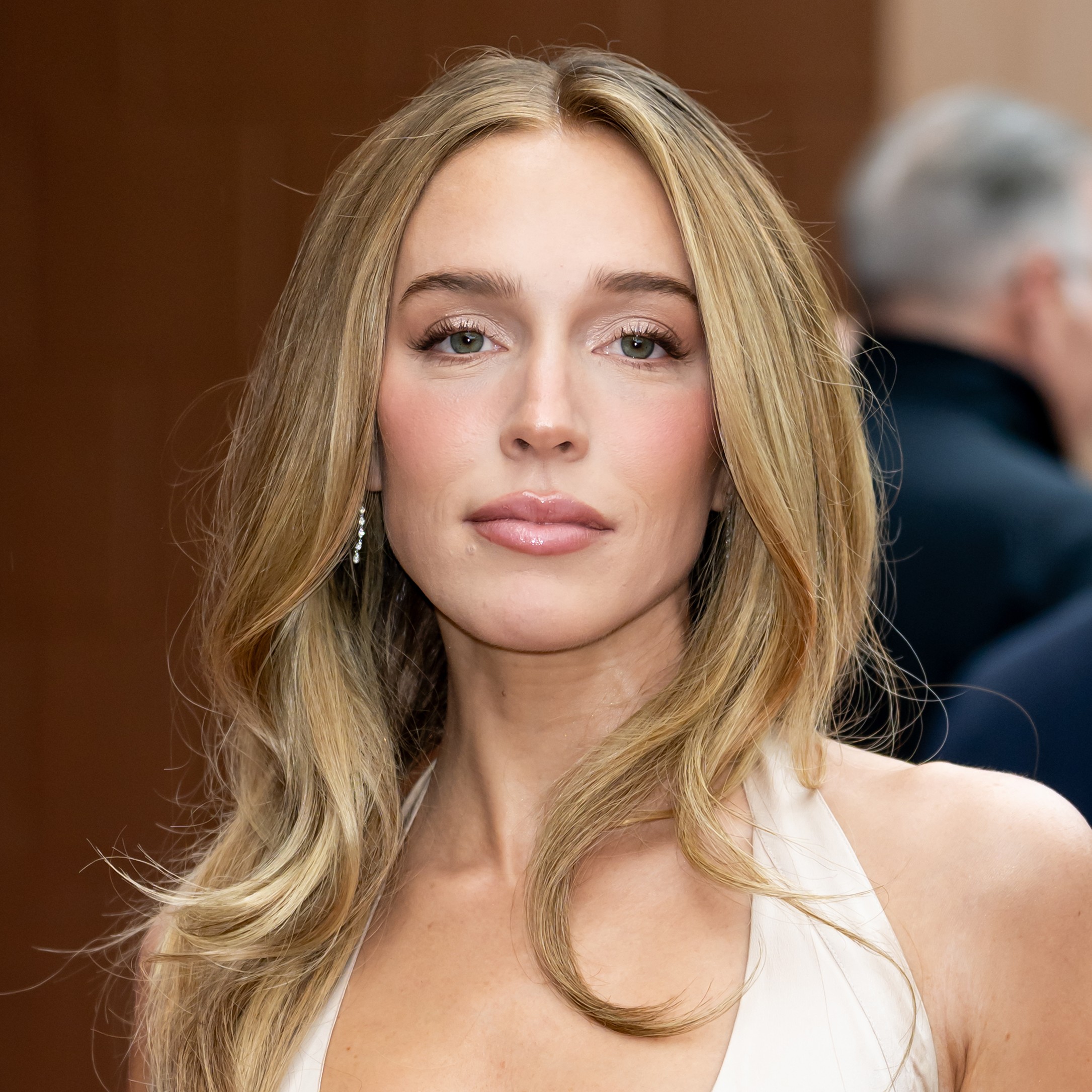
Schwartz was also behind Alex Cooper’s recent “Velvet Blonde” highlights. "It’s a similar vibe [to the Babydoll Blonde], but with a little more depth for that rich, dimensional finish," he says. "I used the same Schwarzkopf Professional products—IGORA ZERO AMM for the base and BLONDME 9+ to lift through the mids and ends, and then went in with IGORA Vibrance to tone everything down into this soft champagne tone that feels expensive and effortless."
Soft Mink Blonde Highlights
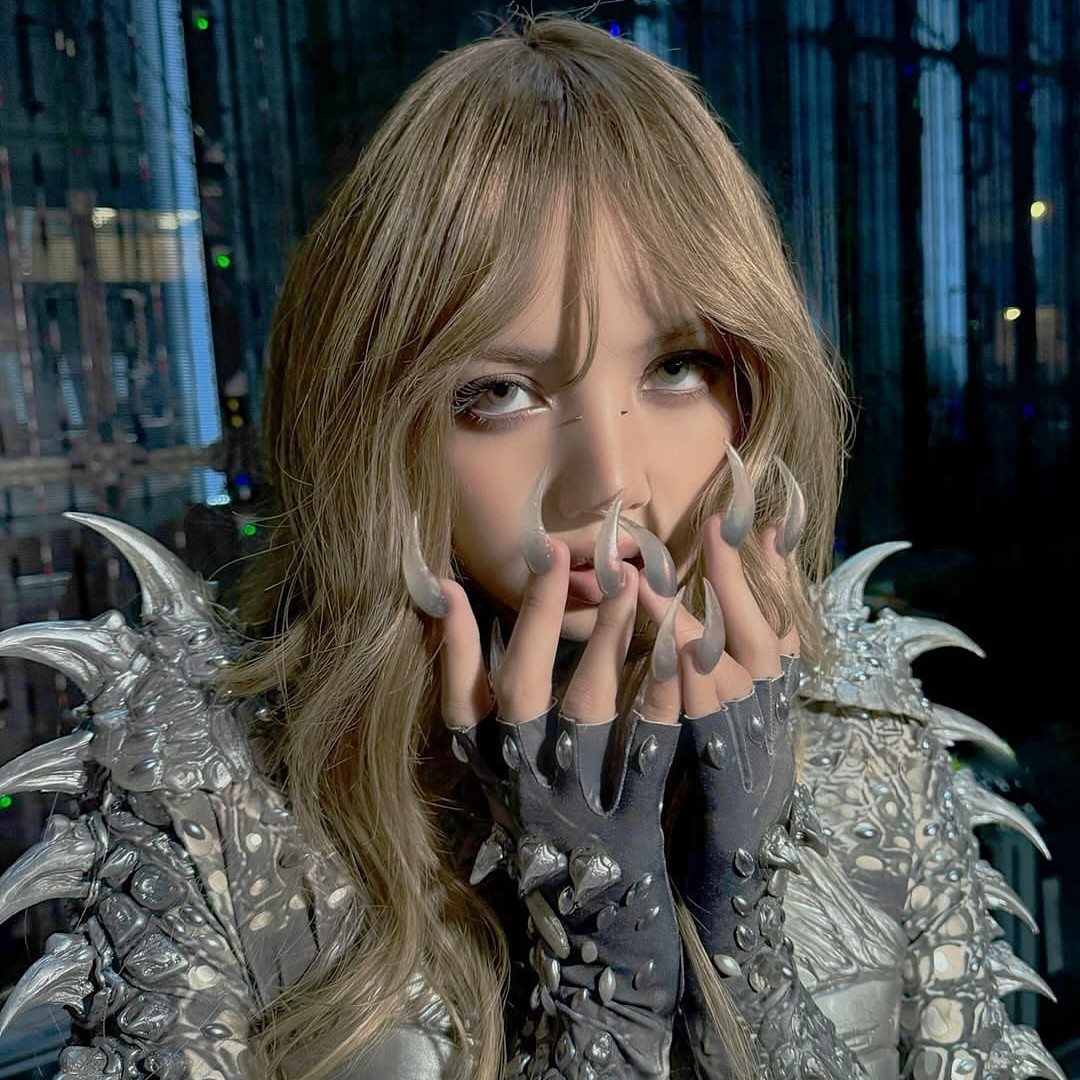
Lisa from BLACKPINK has a 'Soft Mink Blonde' that definitely belongs on this inspo board. "We used VARIO BLOND Super Plus with different volume developers to control lift in specific areas—I love it for achieving bright ribbons while still keeping the hair strong," says Schwartz. "I added in lowlights with IGORA VIBRANCE to build that luxe, mink-toned depth through the midsections, and the tonal layering with VIBRANCE is what made this color feel refined."
Stripe-y Highlights
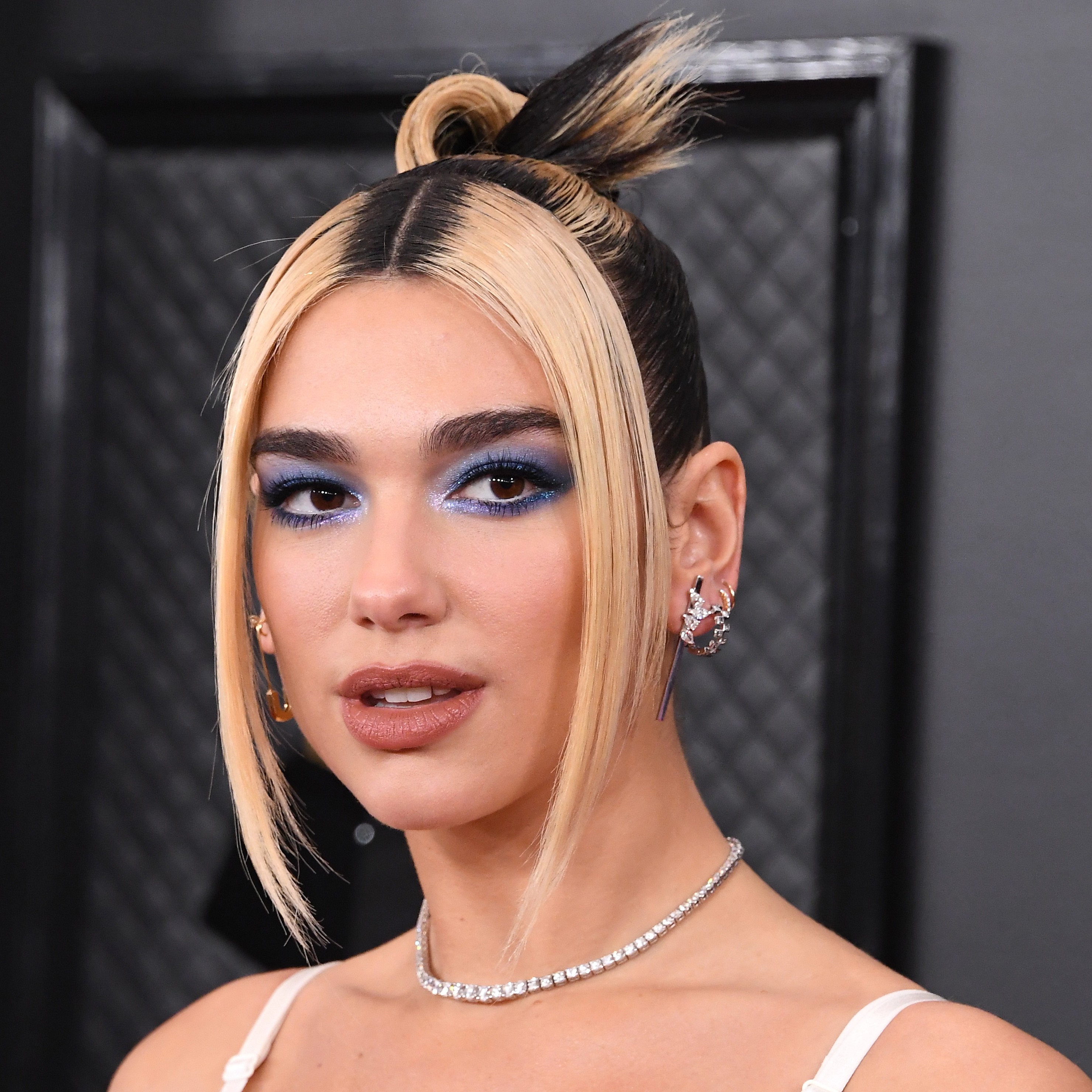
Here's the ultimate Y2K-inspired highlight. Though Dua Lipa tends to stick to a single color these days, it's hard to forget the stripe-y blonde highlights she wore circa 2020.
Golden Beige Highlights
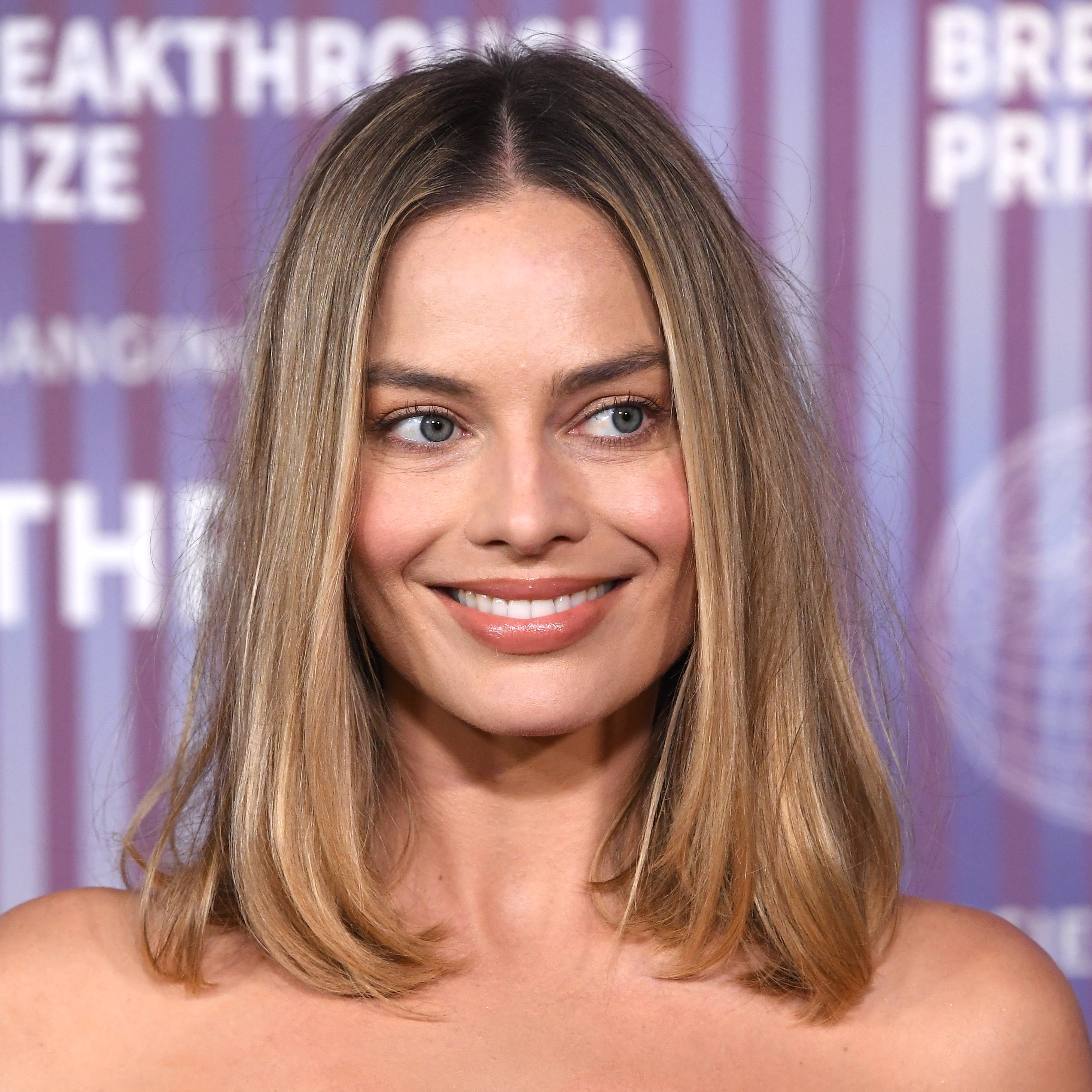
I know we've seen Margot Robbie with full platinum Barbie highlights in the past, but this sweet, more natural-looking golden beige blonde look is something special. "Warmer, dimensional blondes are definitely having a moment. Think golden beiges, honey tones, and soft caramel melts," explains Schwartz. "It’s less about icy perfection and more about this soft richness."
Supermodel Blonde Highlights
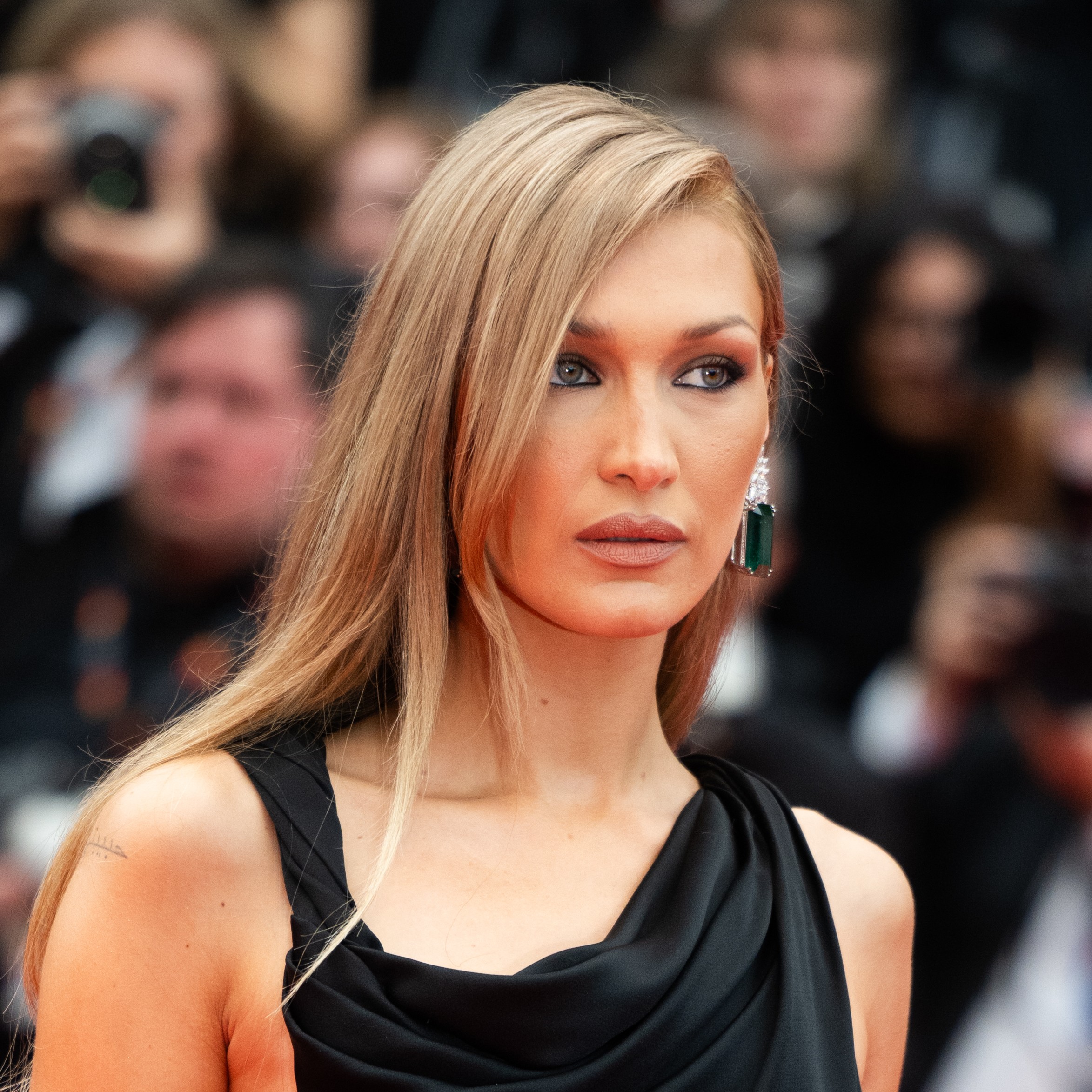
Schwartz has been seeing a lot more layering in current hair highlight techniques, "like combining foils and root smudges to create multidimensional blends that look more organic and less processed." Take Bella Hadid’s “Supermodel Blonde," for example.
"That one was all about high-contrast dimension," he says. "We used VARIO BLOND Super Plus for the highlights and layered in IGORA VIBRANCE lowlights for that high-gloss, supermodel finish. The blend of warm and cool tones, created the perfect neutral blonde hue."
Iconic Blonde Highlights
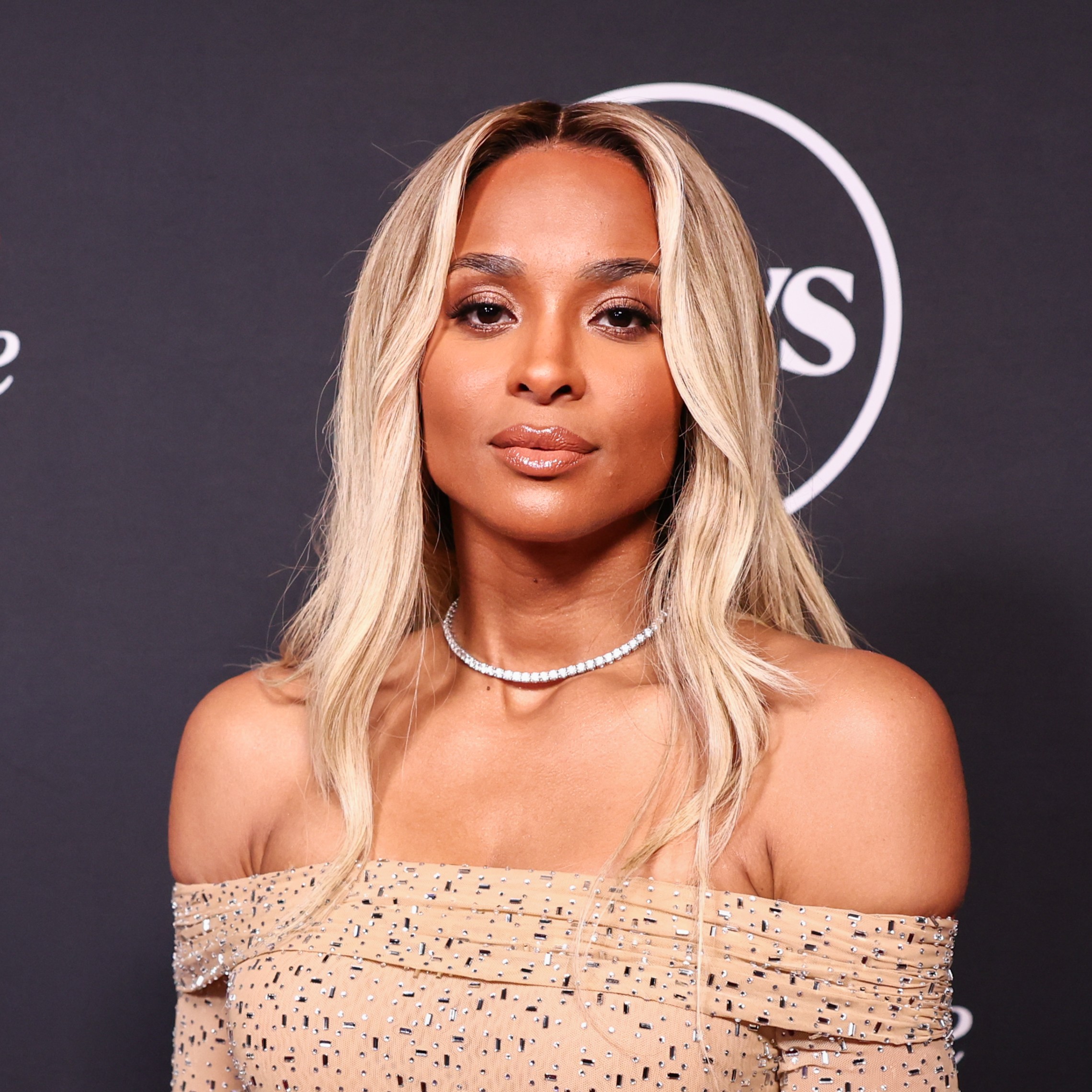
Hairstylist and color educator Carly Zanoni recently created a look she's calling "Iconic Blonde." She's obsessed, and so am I. "It’s soft, dimensional, and effortless—complementing the natural hair color while giving your client a low-maintenance, long-term grow-out," explains the artist. "For the lift, I started with BLONDME Premium Lightener 9+, mixed 1:1.5 with 7 volume, then gradually bumped up to 20 volume to build brightness while keeping the hair super healthy. For the root melt, I toned with IGORA VIBRANCE 6-0 + 7-1 using 6-volume lotion developer, which gave that perfect soft blend without dulling the pop. On the ends, I finished with IGORA VIBRANCE 9.5-4 + Clear using 6-volume gel developer for that creamy, glowing finish."
Caramel Honey Highlights
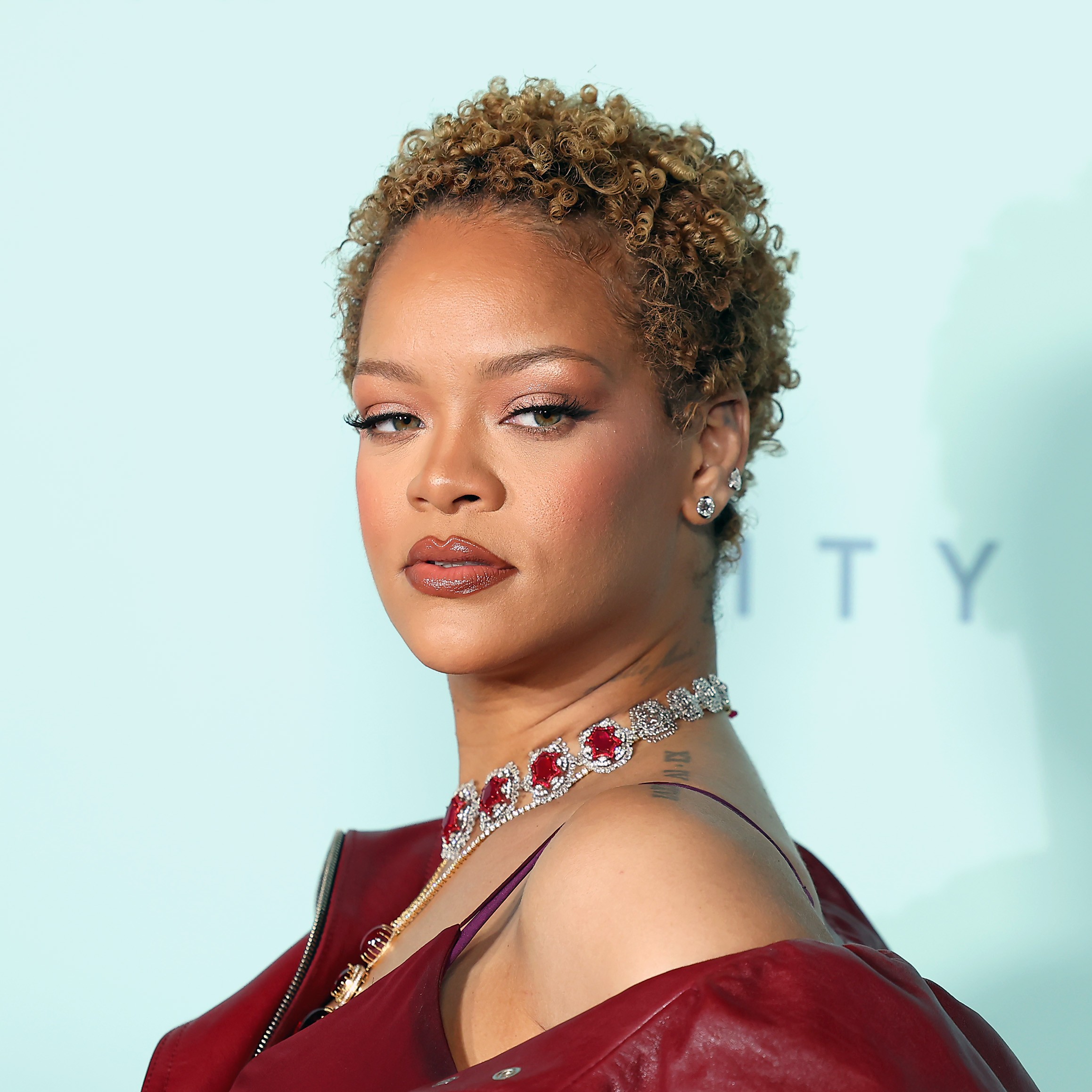
Schwarzkopf Digital Artistic Team colorist and educator Brendnetta Ashley recently created a highlight look she calls "Caramel Honey Curly Pop." The "super dimensional and curl-friendly" look is super '90s and also reminiscent of 2024 Rihanna with her natural curls. You can see the full vision come to life on her Instagram.
"For this look, I used BLONDME Premium Lightener 9+ with 7 vol just to add in some highlights to create that pop for her curls, but still maintain their health," explains the artist.
Golden Brunette Highlights
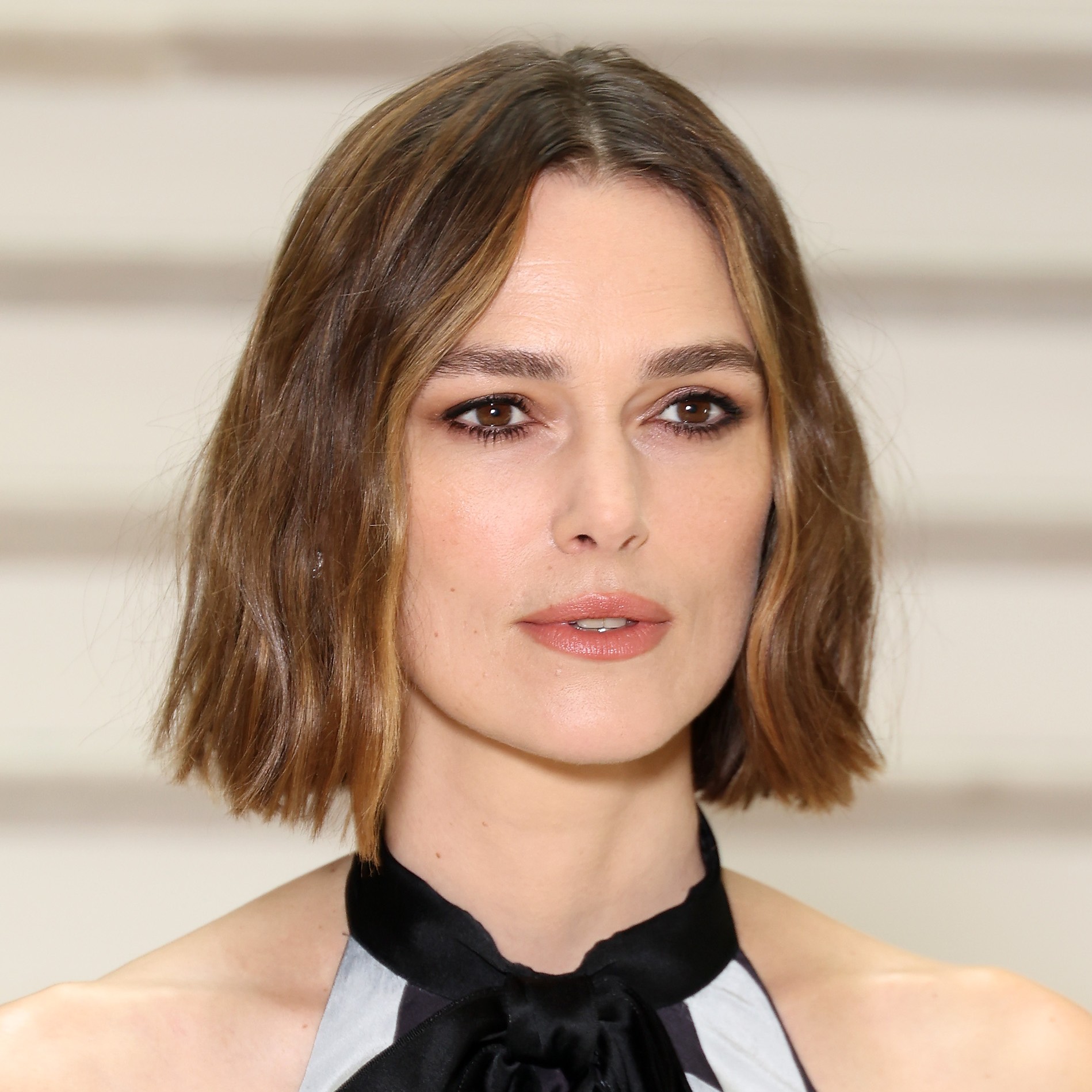
"Highlights are a perfect choice when you're looking to create dimensional color with both highs and lows. While all-over color has its place, it often lacks the subtle depth and contrast that highlights can provide," notes Zanoni. "Thoughtful highlight placement brings light exactly where it’s needed, allowing the natural color to fill in the rest—whether your goal is to create contrast, add softness, or build structure." Keira Knightley has a little bit of all of that going on here, but let's focus on the word light. Doesn't this color give off a golden glow?
Soft Copper Highlights
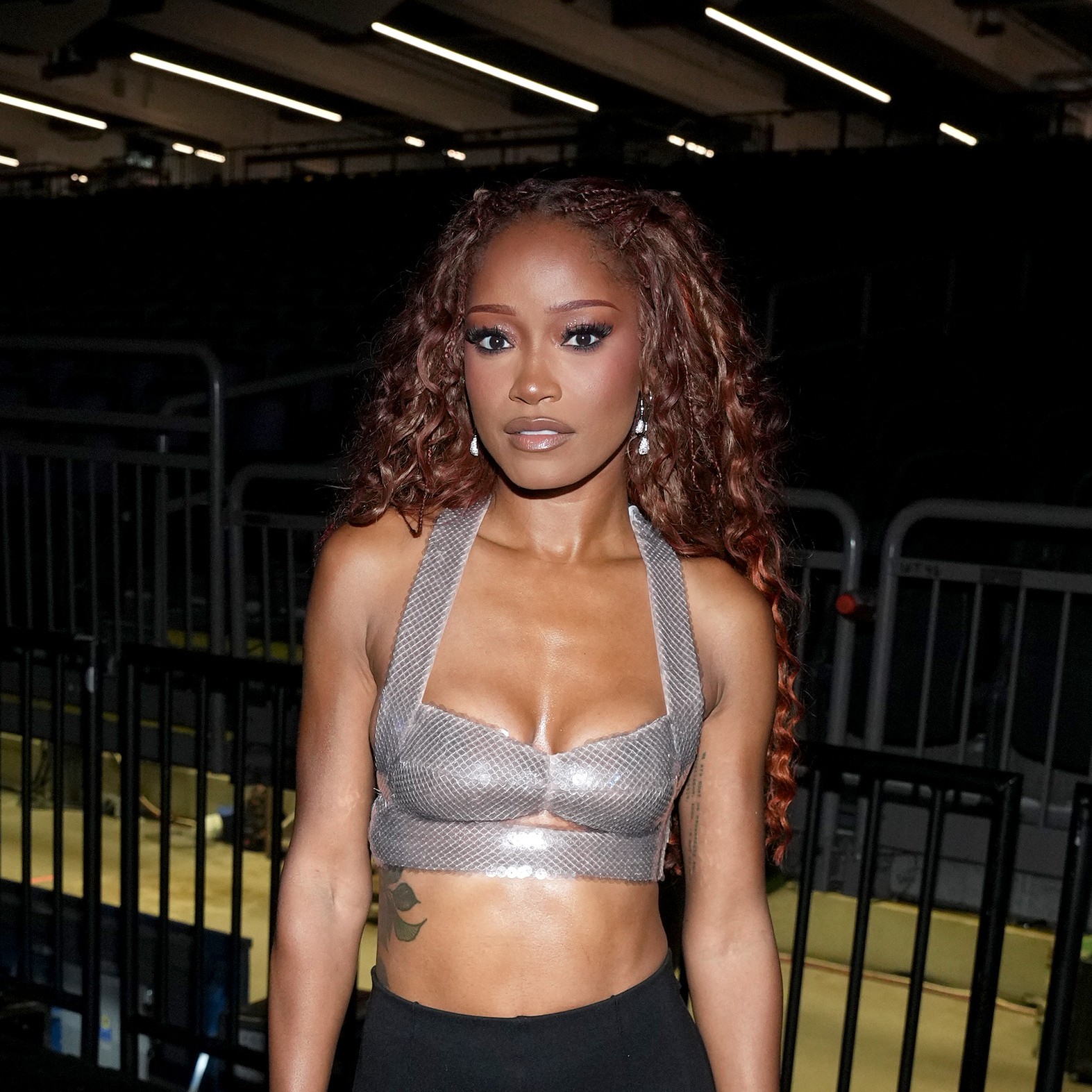
It's our girl! Keke Palmer has rocked so many fun hair colors over the years, but I'm especially fond of this dynamic red shade. While it shows up as a perfect soft copper, I suggest zooming in to see all the colors and textures at play.
A-Lister Highlights
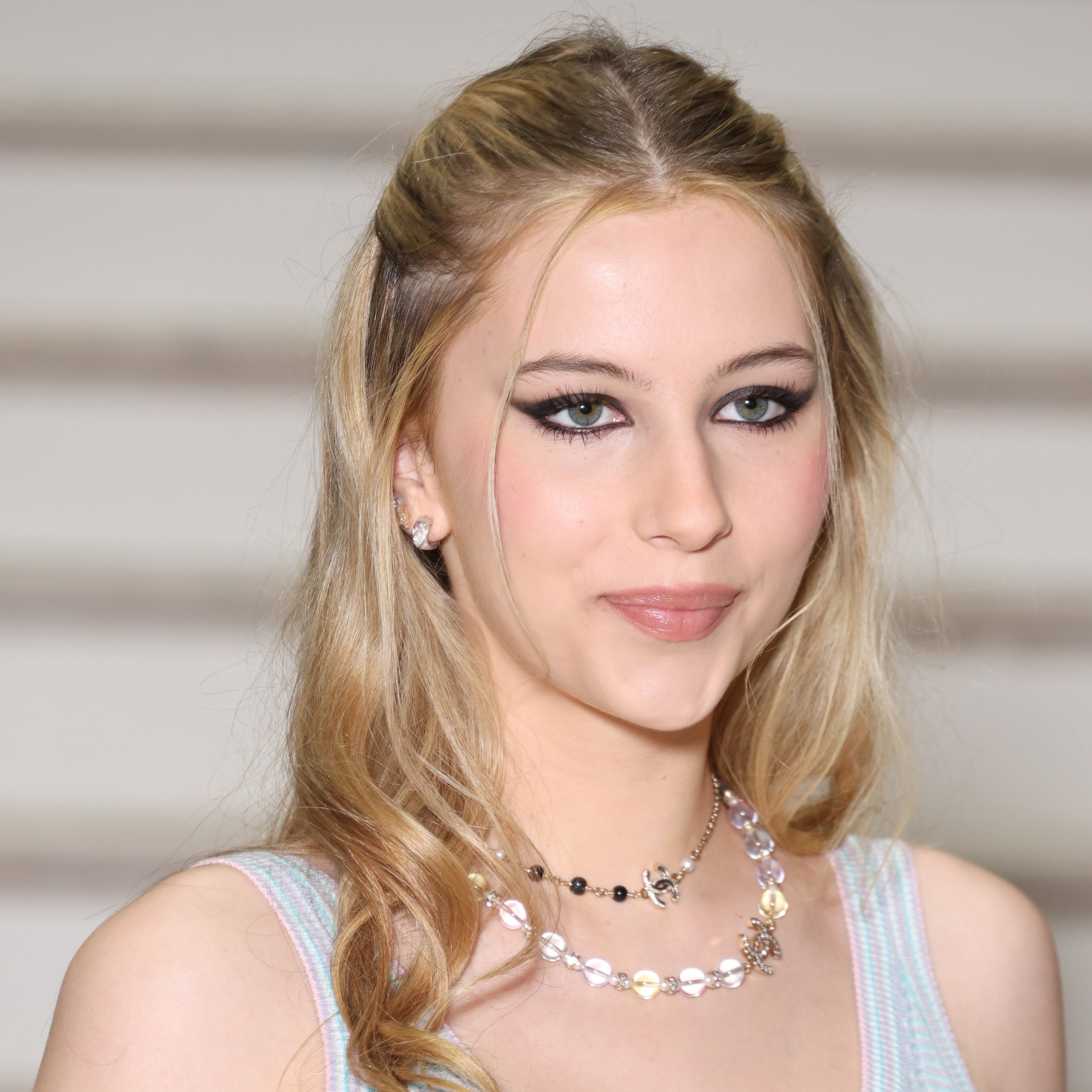
Like this Romy Mars color, Schwartz thinks highlights should feel natural and effortless. "I always aim for a seamless blend that mimics how the sun would naturally lighten hair. I’m drawn to soft dimension and that signature 'lived-in' glow—color that moves and catches light without ever looking over-processed," he explains. "Whether it's a subtle face frame or full highlights, it should feel intentionally placed and beautiful at every stage of the grow-out."
Golden Blonde Highlights
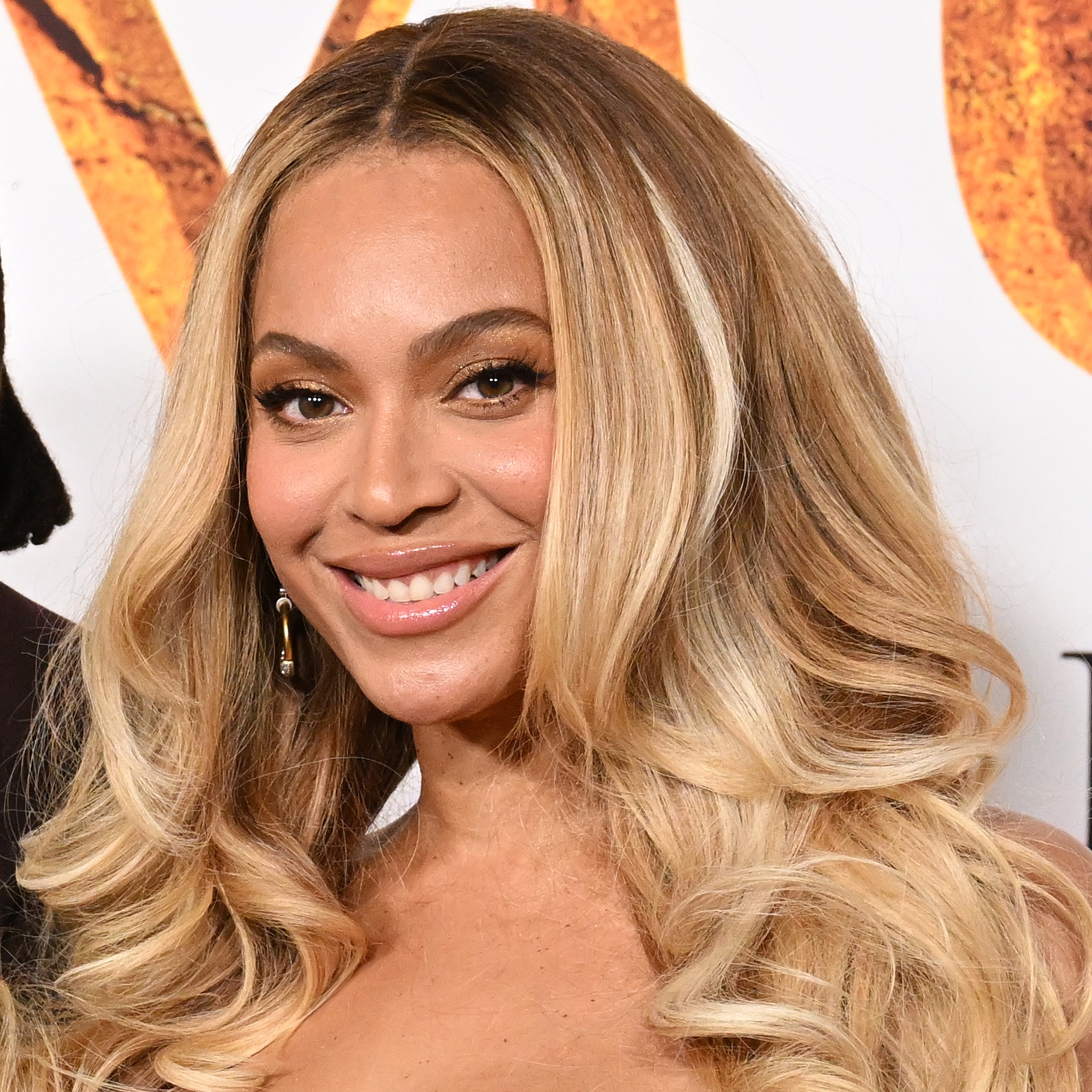
There's nothing like a Beyoncé announcement, whether it's a surprise album drop or hair color change. This gorgeous, buttery blonde color featured some platinum worked in—just enough to keep things interesting while not overwhelming her famous head.
Side-View Highlights
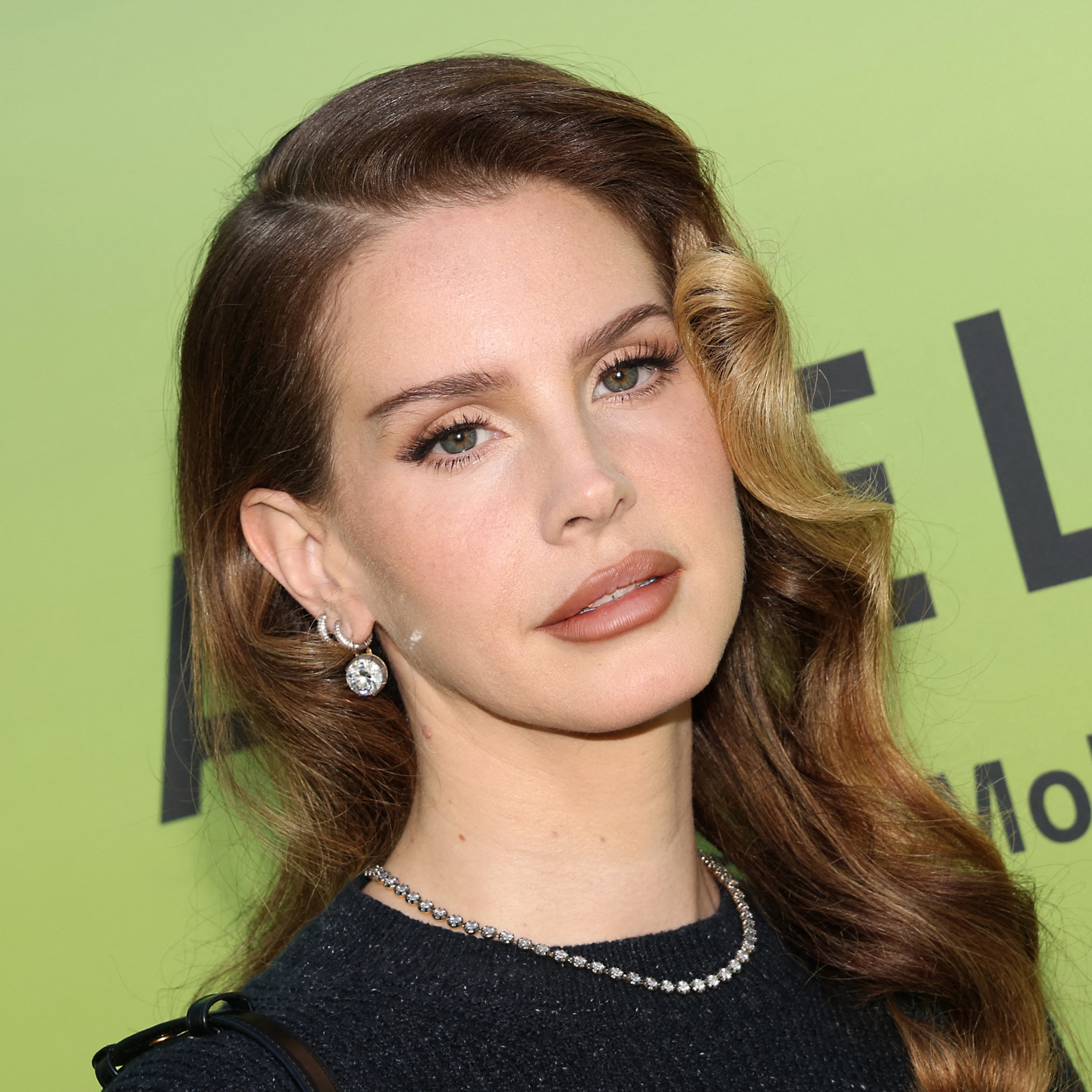
Lana Del Rey is an expert in the vintage-inspired beauty department, and this piece-y golden goodness worked into her teddy bear brown hair is no exception. I might go so far as to call this a dramatic interpretation of honey-dipped brunette, one of Marie Claire's favorite summer hair color trends.
Naturally Textured Highlights
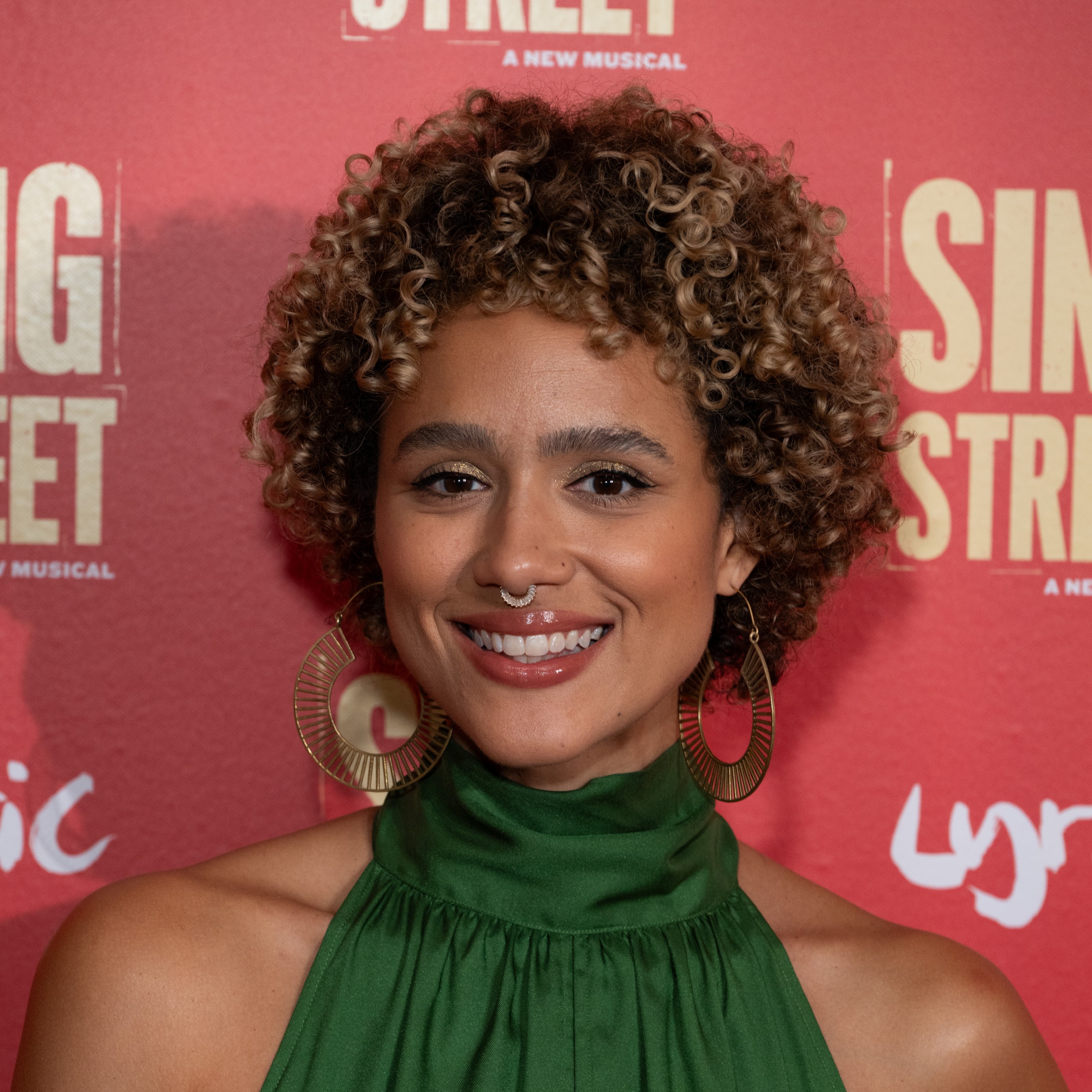
When highlighting textured hair, Ashley is all about keeping the curl pattern intact. She wants the color to work with the hair's natural movement, like Nathalie Emmanuel's ever-so-softly blended shade above. "I’m placing brightness where it makes the shape pop — not where it’s gonna mess with the texture. For my clients with textured hair, highlighting their hair is a marathon, not a sprint," she explains. "Slow, steady, and controlled lift is the name of the game. It’s about keeping my client’s hair healthy, their curls bouncy, and making sure their color works with the movement, not against it."
Subtle Ombré Highlights
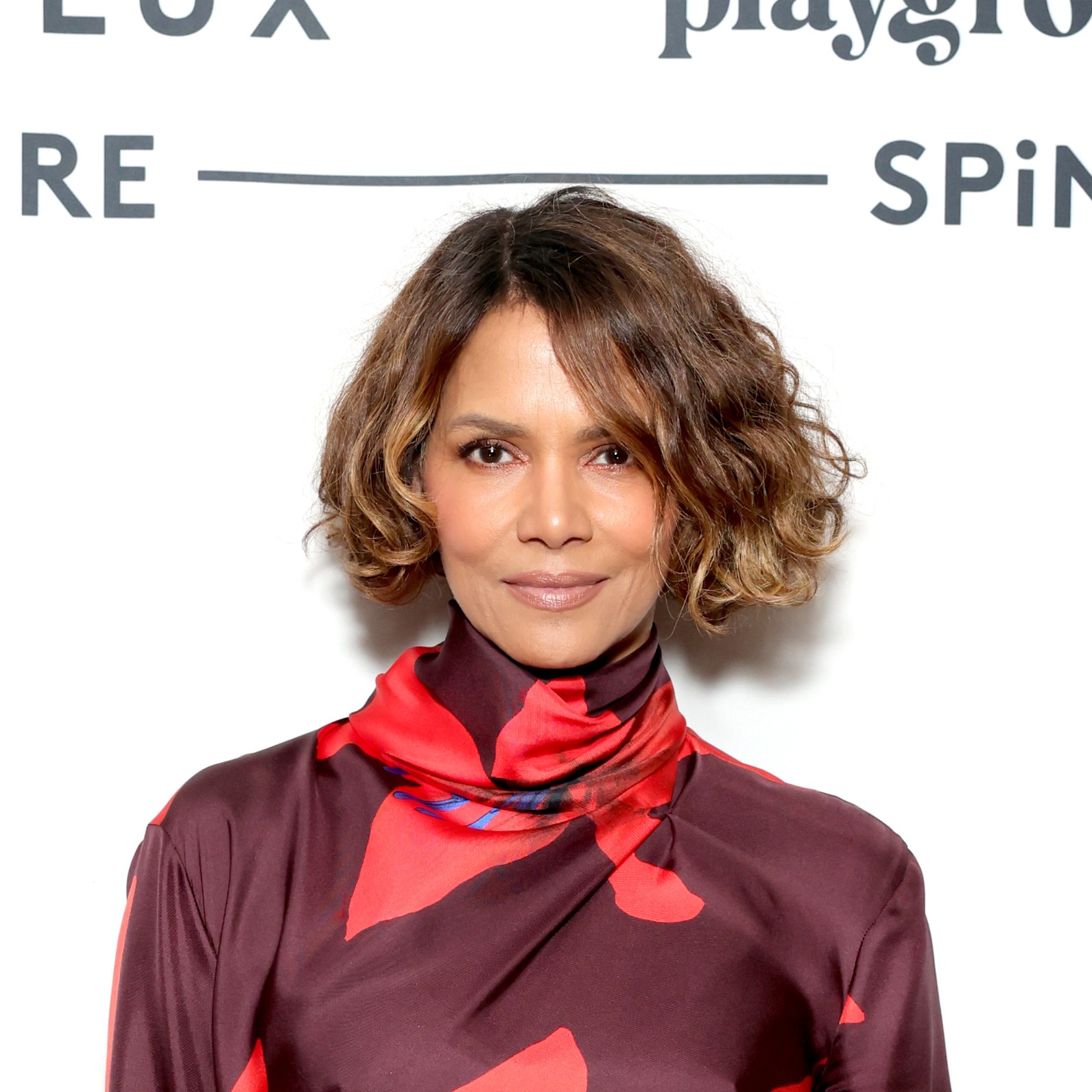
Halle Berry has had the chance to rock plenty of shades in her career. Still, there might be a reason she returns to a subtle ombré highlight setup time and time again. "Highlights are my go-to for adding intentional dimension and brightness. They help define coils, bring out texture, and frame the shape without overpowering it," Ashley adds. "With textured hair, all-over color can flatten things out or be too drying. But when you place highlights intentionally, you get lift and depth while keeping the bounce."
As for where the actress—and everyone else—might go next with their shade? "I’m really loving where color is headed right now," the hairstylist adds. "Clients are loving soft pops of color that are made to move with the hair, but still add some dimension and excitement. It’s all about placing those subtle ribbons of color that highlight the curl pattern, not fight it."
Caramel Drizzle Highlights
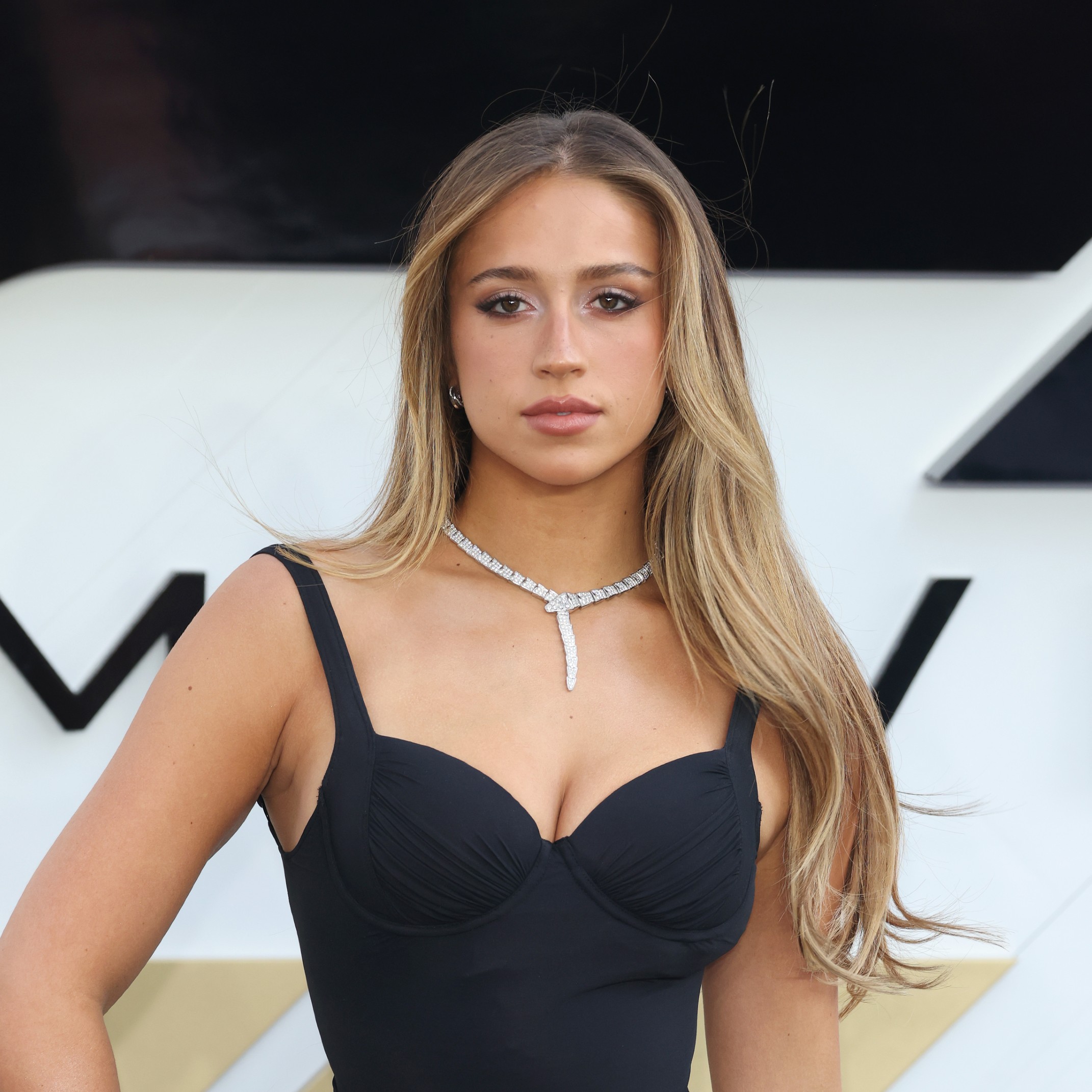
"Highlights give you dimension and movement—it’s like natural light is hitting your hair at the perfect angles all the time," hairstylist Jacob Sirianno notes. If he's "done his job right," Sirianno says his clients will get "a cool grow-out." You can tell Tate McRae's color is fairly fresh here, but you can also tell it'll look good in a few weeks' time—do you see how that caramel drizzle face framing is already working so nicely with the root? "Most of my clients come in every 12 weeks, sometimes longer," the expert adds. "The key is smart placement and tone."
Soft Mushroom Highlights
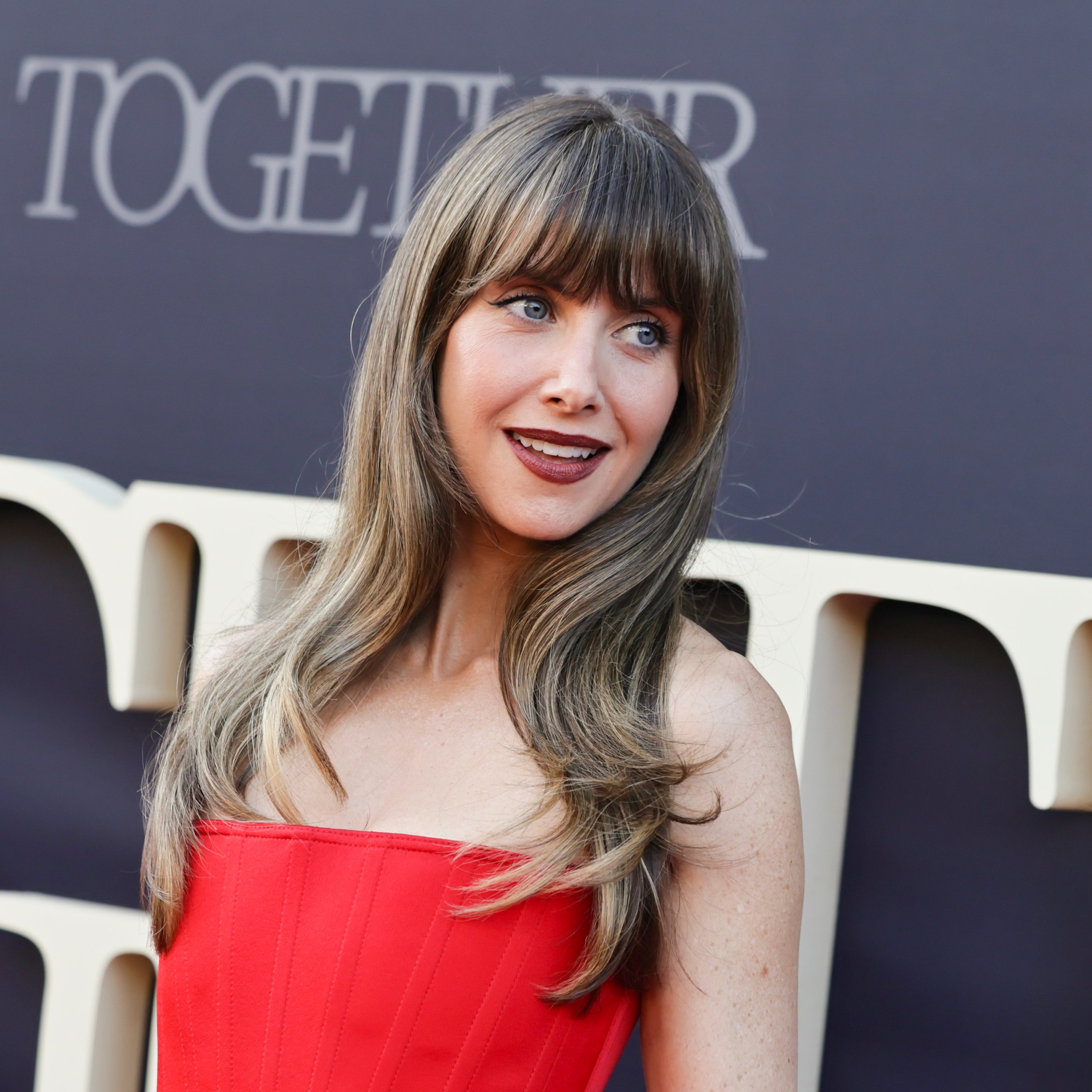
Mushroom brown is one of the trendiest brunette hair colors. The muted shade is cool, earthy, and super wearable, playing tribute to your natural hair color with a little extra...something. In this case, that something is Marie Claire cover star Alison Brie's expertly blended champagne highlights.
Honeycomb Bronde Highlights
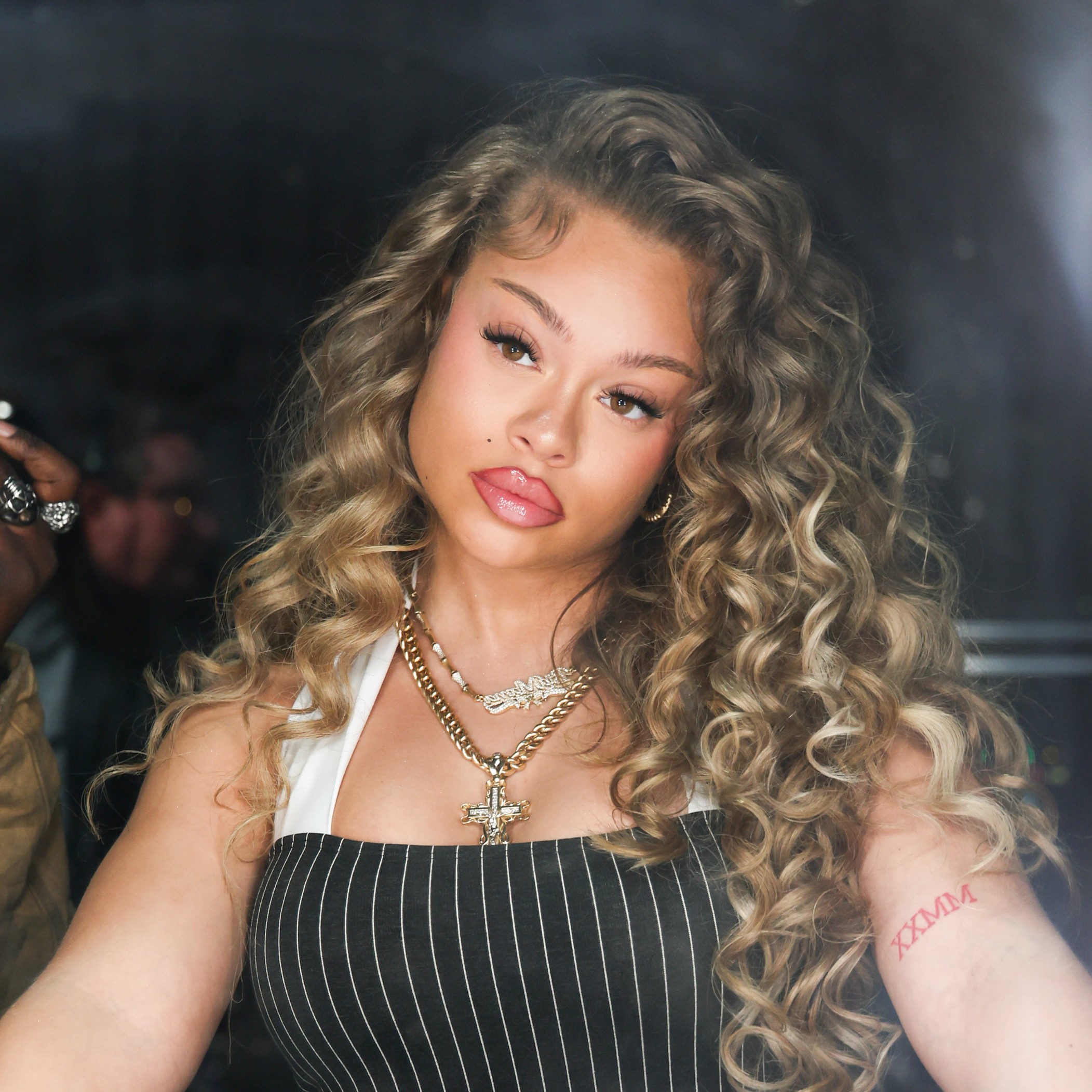
Another trendy hair color to consider: honeycomb bronde. Per the "bronde" moniker, this pretty shade marries two classics that are just perfect for each other: blonde and brown. But instead of just growing out your natural roots or finding somewhere in the middle to land, it favors some special highlight placements for an individualized hue.
Cool Girl Highlights
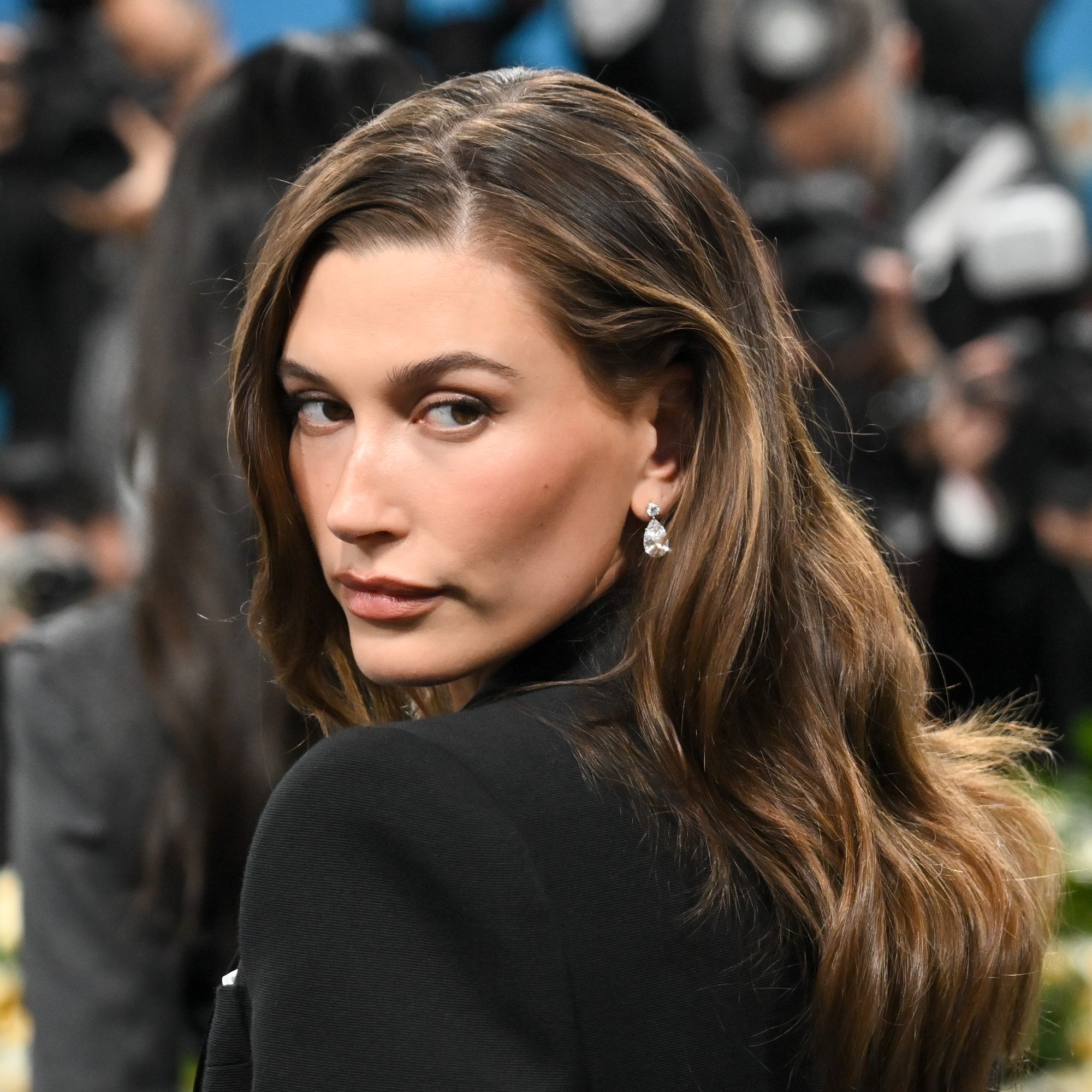
Sirianno points to Hailey Bieber's hair as an example of forever cool girl hair color. (For what it's worth, his other muses are Margot Robbie "I love every shade she has done, from rooted and natural to bright and blonde), Jennifer Aniston ("always an icon for hair color"), and Rosie Huntington-Whiteley ("the chicest hair color to ever exist").
Unlike the famous blondes, Bieber tends to stay uniformly brunette, changing up her formula depending on the season and making sure her look appears natural with just enough brightness worked in around the face.
Subtle Money Piece Highlights
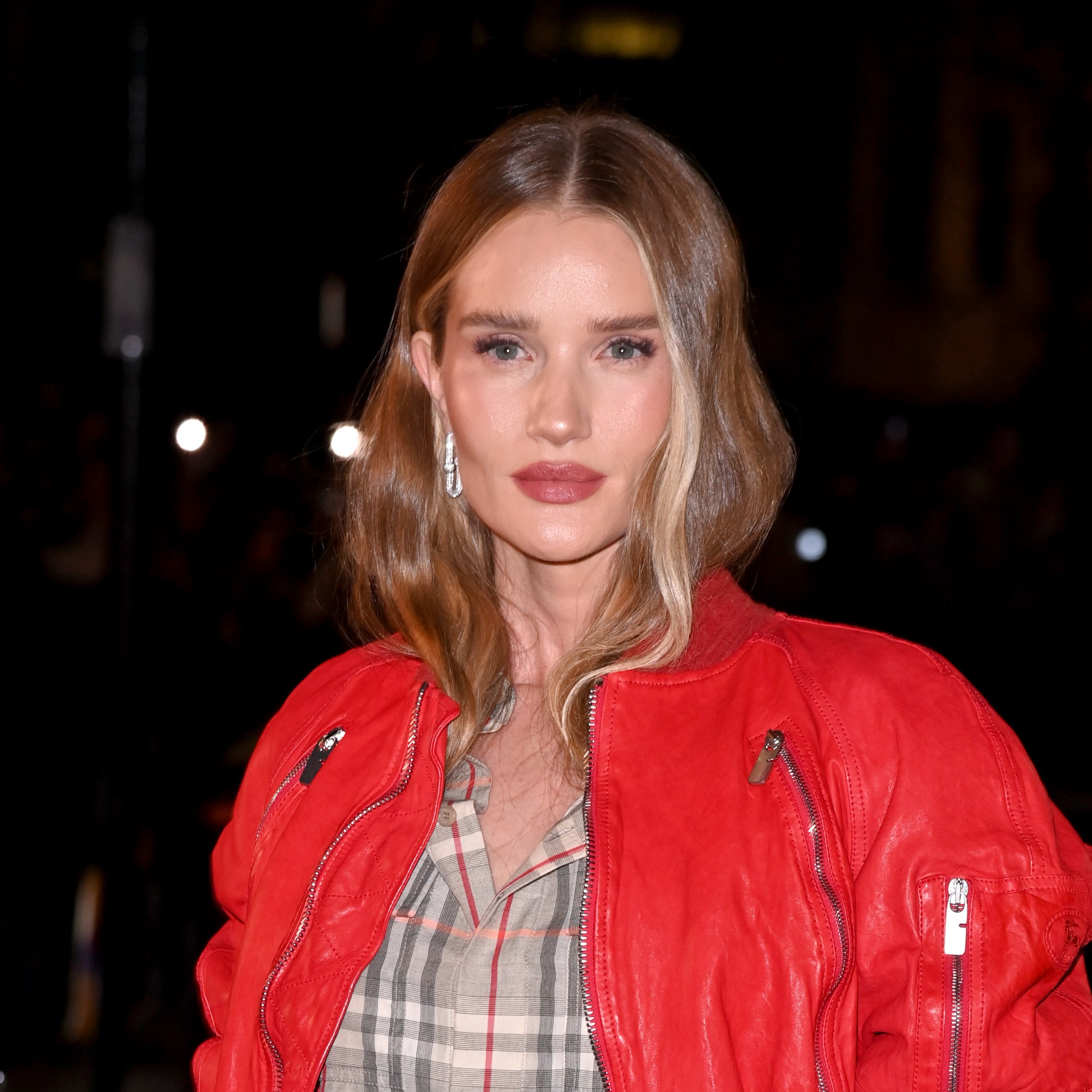
See what Sirianno means? Huntington-Whiteley has always had the best highlight ideas. Currently, she's wearing her blonde locks with a soft, sun-kissed money piece up front. "I only wash my hair two or three times a week. It’s out of complete laziness. I'll get a good two days, and then on the third day it's scraped back in the bun," the model previously told Marie Claire. And guess what? Slicked back or blown out, the color works.
Stick of Butter Highlights
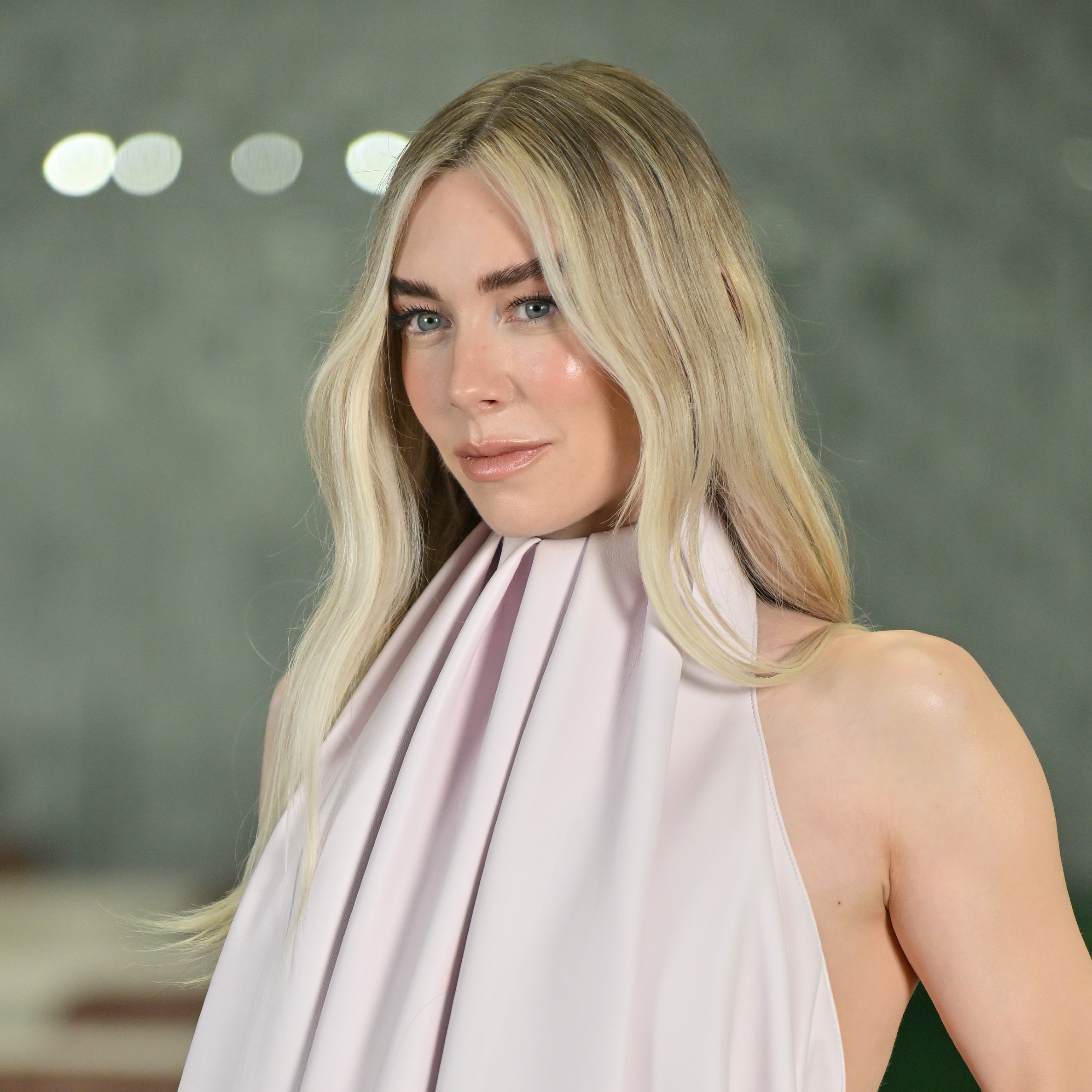
One reason Sirianno loves doing highlights? They’re so personal. "I can place brightness exactly where it flatters your face, your haircut, your skin tone. It’s sculptural. It’s storytelling. With blondes especially, I love creating that high-end, undone vibe—the kind that looks expensive but not trying too hard," he says. Take Vanessa Kirby and this platinum face-framing, for example. It looks expensive but not try-hard, and you know her strands are healthy if they're picking up tone like that.
Root-y Highlights
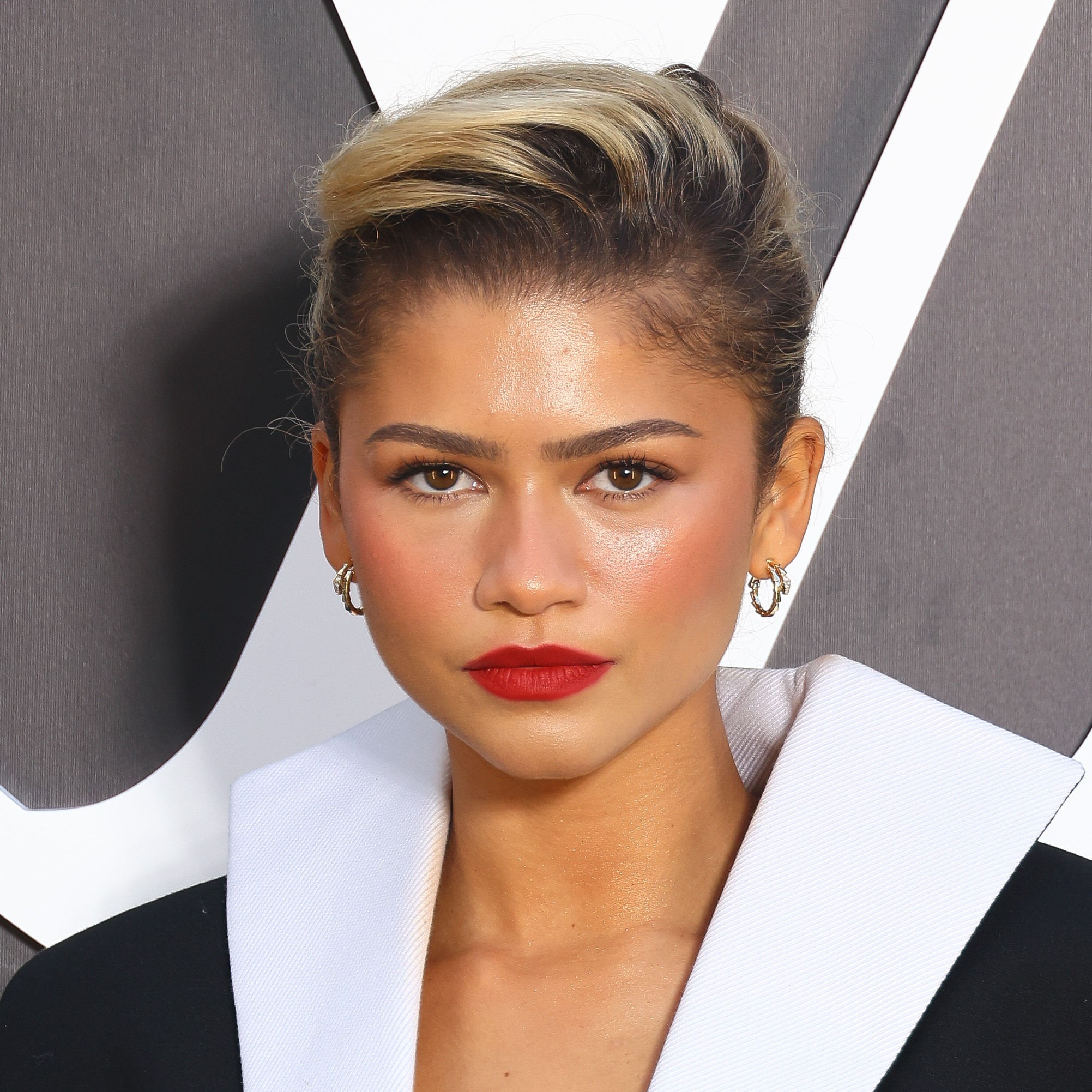
Zendaya has rocked so, so many great hair colors over the years, but this platinum blonde and espresso situation is special because it shows how a grow-out can be planned ahead of time to work with your natural shade. Her dark roots aren't an afterthought against the platinum blonde strands—they're part of the whole experience.
Surfer Girl Highlights
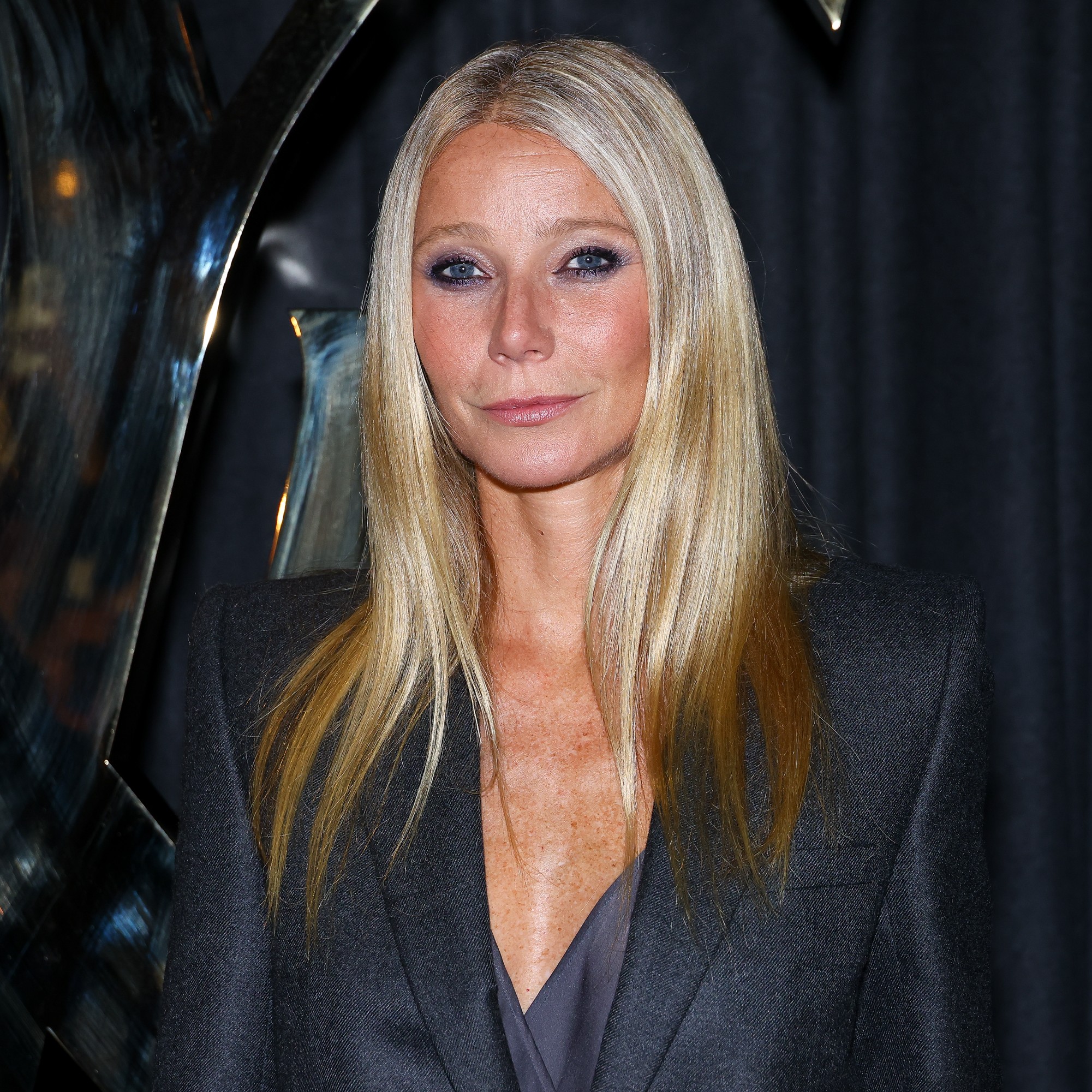
Falling right in line with Gonzalez's highlight philosophy, quintessential California girl Gwyneth Paltrow is forever showing off the ideal water baby/sun-kissed/surfer girl highlights. Is it all natural, or is it the work of an excellent colorist? I bet you can guess.
Romantic Heroine Highlights
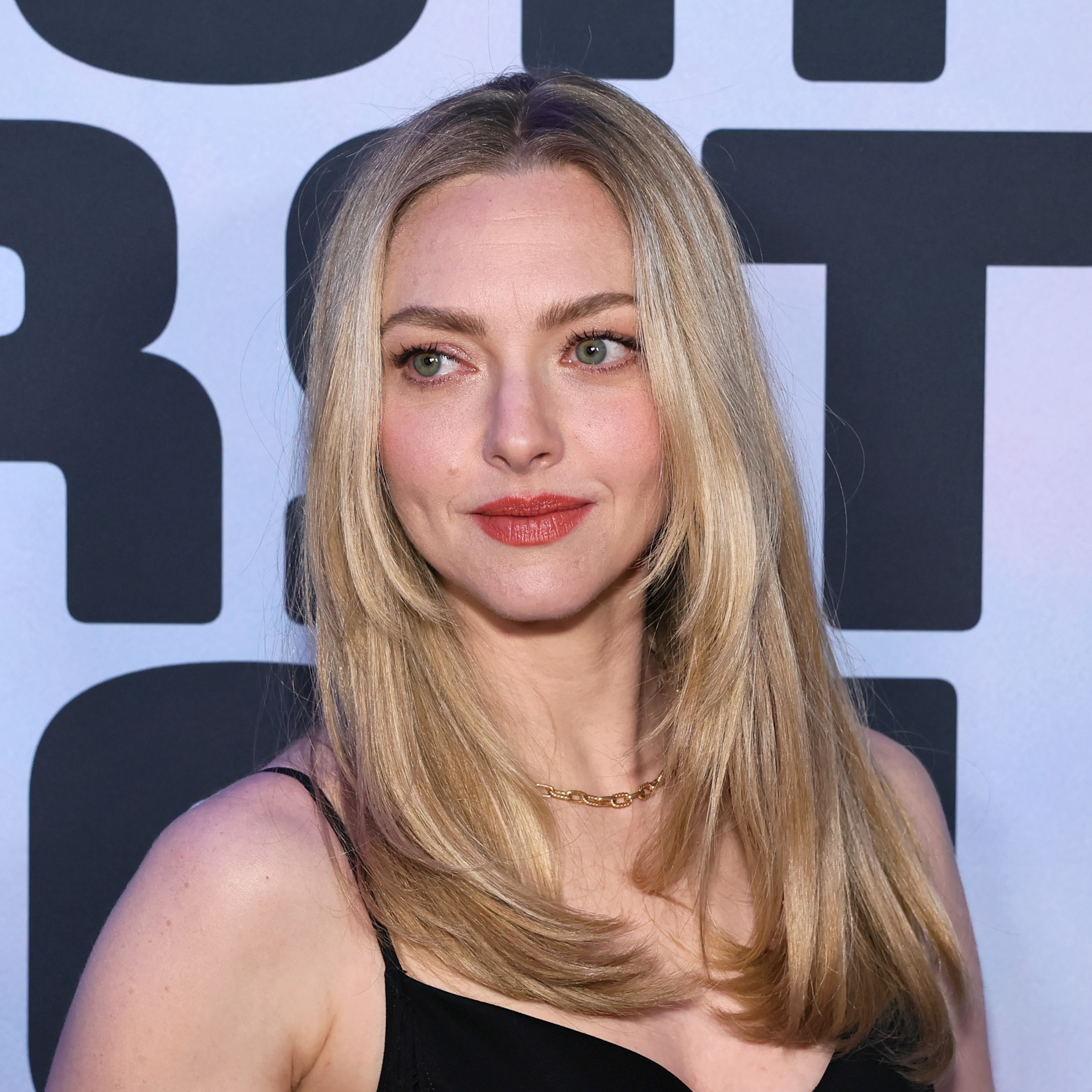
Don't Amanda Seyfried's soft blonde highlights give '90s romance heroine? They're just so soft, I half expect her to pull a felt cap out of her pocket and go strolling through Central Park with a love interest.
Honey-Dipped Brunette Highlights
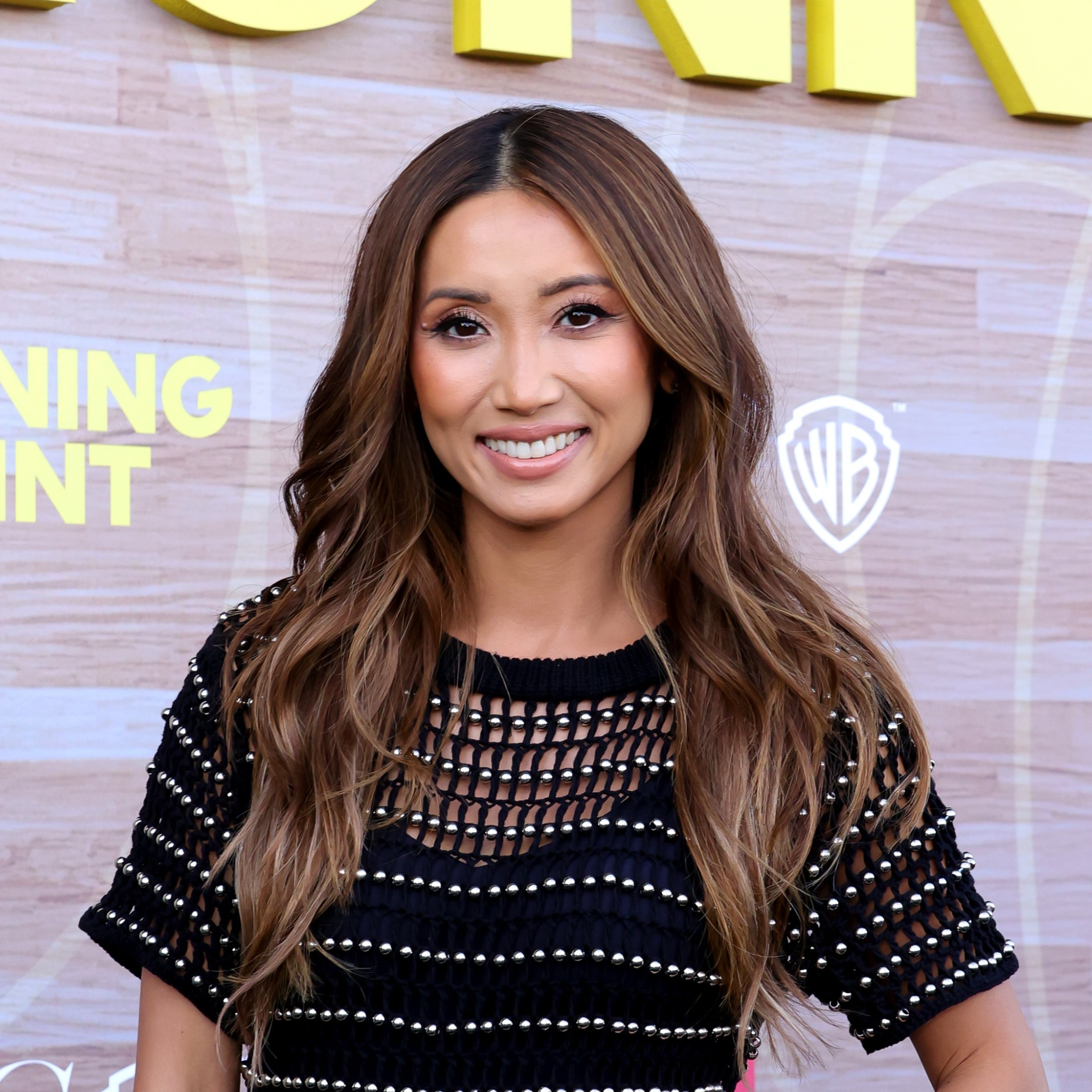
For anyone who's been obsessed with Brenda Song's dark hair since her Disney Channel days, take comfort in the fact that you've always had good taste. This shade is especially bright, with strands the color of whipped honey worked into her long, warm brown locks.
Milky Espresso Highlights
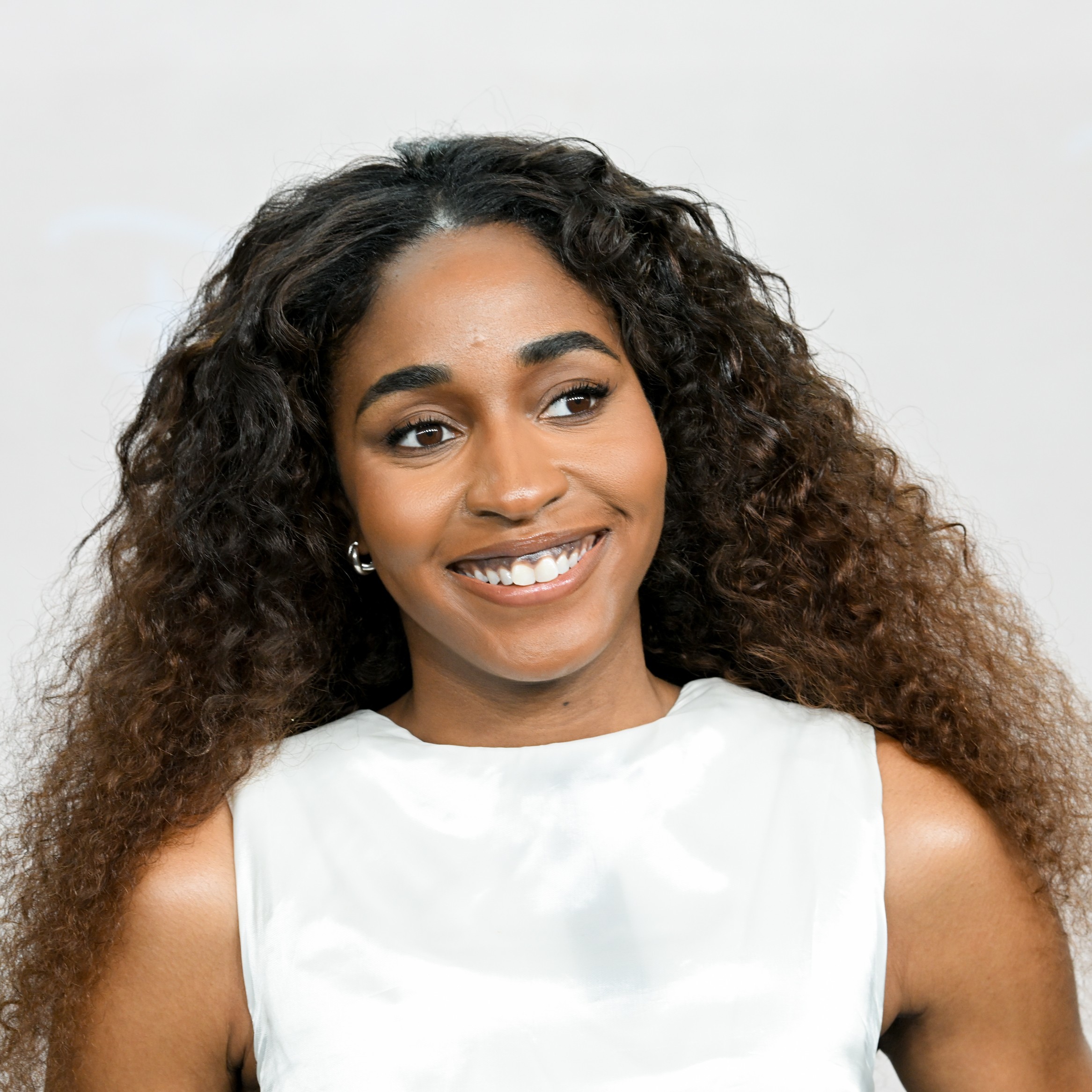
By now, you probably know the concept of balayage: a freehand hair-dying technique that lends to a natural, soft, and blended dye job. Ayo Edibiri's light-at-the-ends to dark-at-the-roots transition is no doubt the work of a great colorist—and couldn't be prettier.
Toasted Coconut Cream Highlights
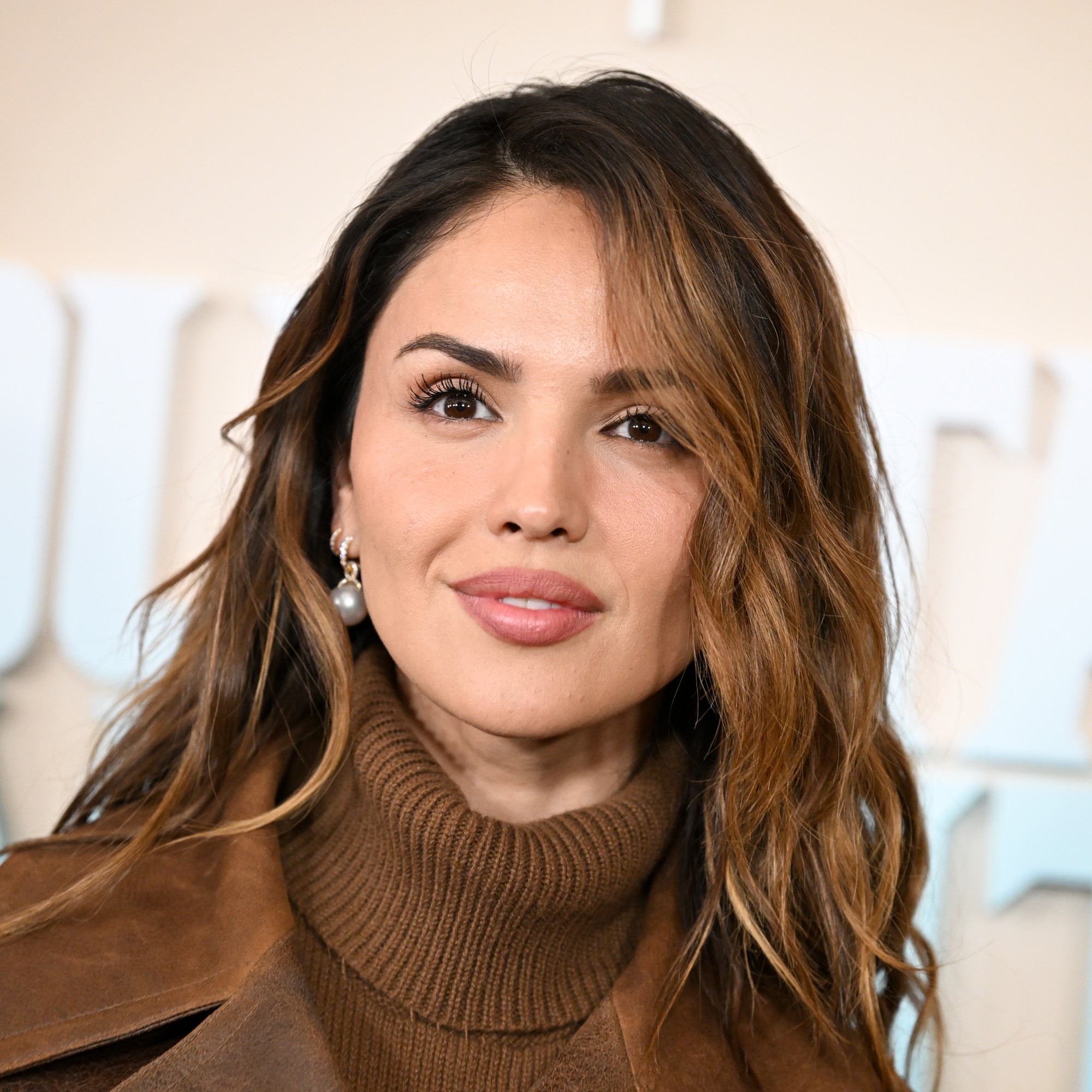
This toasted coconut cream color, another of Marie Claire's favorite trends, is all about warmth. The brunette shade features finely woven caramel highlights (you could also do a warm brown or honey) for an especially cozy, lived-in look.
Mocha Mousse Highlights
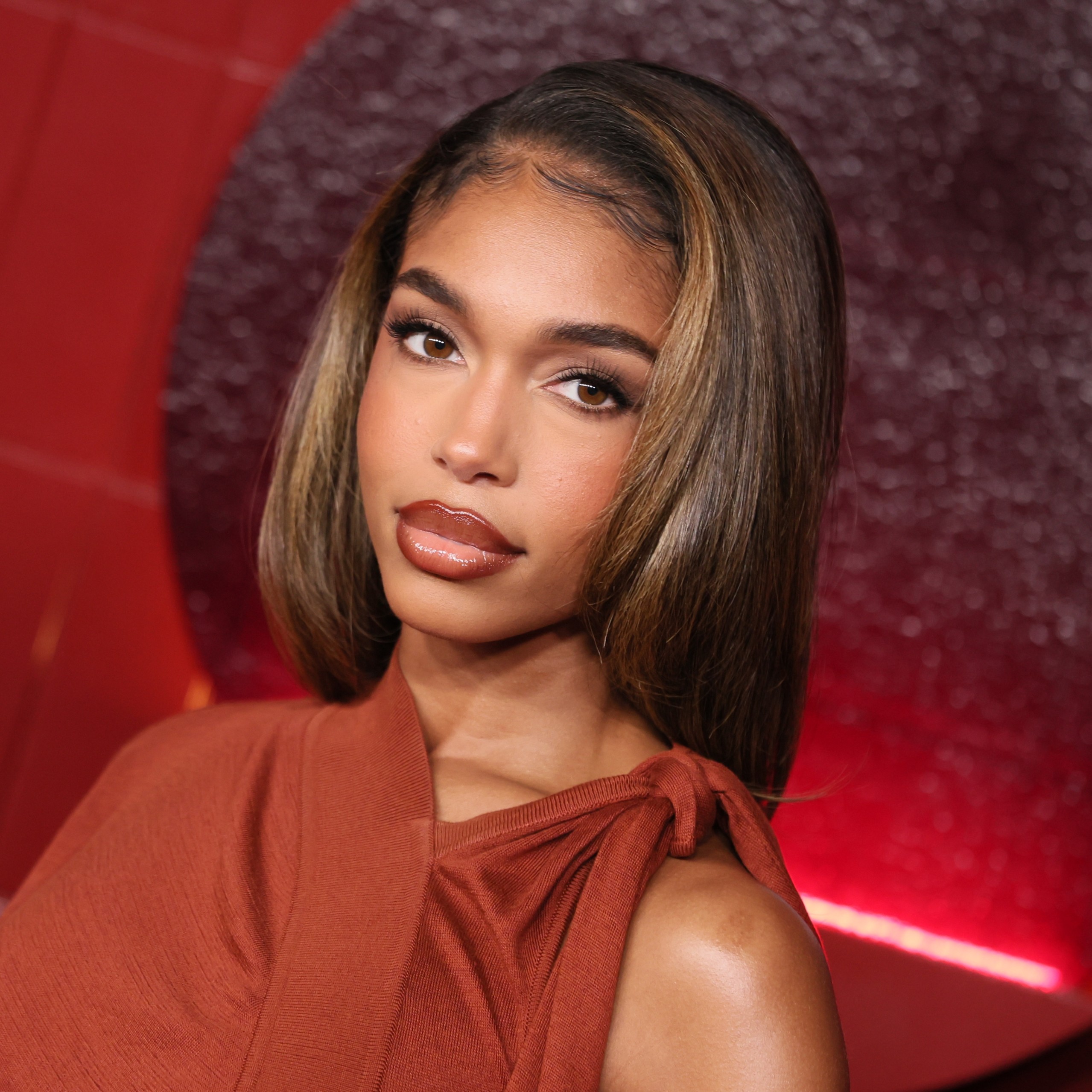
Pantone's 2025 color of the year, mocha mousse, has unsurprisingly been it since crowned. The shade has stolen the scene in every world: luxury fashion, manicures, home decor. Here, the gorgeous Lori Harvey shows how you can even make the shade work in the hair color realm. The shade is concentrated around her face, with smaller sections worked in all over.
How Do I Choose the Best Highlight For Me?
When deciding what direction to go with your highlights, Sirianno recommends starting with what you want your hair to feel like. Do you want it sun-kissed and subtle, or bold and bright?
Then, ask your stylist some questions. “Where should we place the lightness to bring out my features?" “What tone works best with my skin and natural color?" and “How can we make this look chic and natural?” are his best recommendations.
"And always bring inspo—not just for color, but vibe," adds the artist. "Hair speaks in references."
Highlights and Hair Health
It's no secret that the bleach bowl is tough on your hair. Gonzalez says that when you go in for highlights, it's always important to consider the integrity of your locks. "Also, take into consideration how often you want to come into the salon for touch-ups," she says. "Making sure you have the right products at home to take care of your hair is very important."
Ashley adds that, when working with textured hair, especially, you want to make sure you're retaining as much moisture as possible.
Highlight Upkeep
Schwartz says that clients going for a rooted, lived-in blonde can usually stretch anywhere from 12 to 14 weeks between appointments. If it’s a cleaner blonde or more of a high-contrast look, he suggests touch-ups every four to six weeks. "But with proper toning and home care, the goal is always to have clients love the way their growth looks," he adds.
As far as products go, Sirianno recommends focusing on adding moisture back into your hair by using a moisture mask. "A gloss every six weeks keeps the tone luxe and shiny and re-melts your root so your color can go even longer," he adds. "And always, always a heat protectant—K18 Molecular Repair Oil is my current obsession." With proper at-home maintenance, your highlights should look dazzling—at least until your next color appointment.
Why Trust Marie Claire
For more than 30 years, Marie Claire has been an internationally recognized destination for news, fashion and beauty trends, investigative packages, and more. When it comes to the products Marie Claire recommends, we take your faith in us seriously. Every product that we feature comes personally recommended by a Marie Claire writer or editor, or by an expert we’ve spoken to firsthand.
Meet the Experts
]]>

This is one Caribbean destination where the resorts are the scene—happily so. On Provo, favorites like Grace Bay, The Shore Club, and Rock House are standbys, while Como Parrot Cay adds that “boat ride away” exclusivity. And then there’s the reset everyone whispers about.
Set within a protected nature reserve on Providenciales’ west coast, Amanyara feels purposefully apart, yet it’s a quick 20-minute drive from the airport. You’ll arrive via a private road, and suddenly the mood changes: low-slung pavilions stud the property over tranquil waters, and multi-bedroom villas sit on the beach, or around private pools. Days find an unbothered rhythm—an early swim, lunch beachside, a zen spa treatment, and the perfect setup for that summer read you’ve been meaning to finish.
Like many classic Aman destinations, Amanyara's design leans toward minimalist luxury, featuring open-air restaurants and serene spaces for a good night’s rest, as well as cocktail hours. The centerpiece is an expansive waterfall pool overlooking the ocean, accompanied by quiet yet attentive service that anticipates your every need. Book an Ocean Cove pavilion for stunning turquoise ocean views, a Pool Pavilion for privacy and swimming, or a full villa —complete with staff—if you’re traveling with a group. It’s a rare resort that’s close to everything yet still feels secluded.
Polished but not overly precious, many resorts here are genuinely family-friendly, offering calm, shallow waters and a relaxed, all-ages-can-play vibe, so sandcastles and early bedtimes are well-suited. But Amanyara is also a save-it moment: a honeymoon, milestone birthday, or babymoon are all great moments to celebrate here—and they'll make sure it's done right—down to the tiny details.


The island comes with a choose-your-pace paradise—equally great for doing everything or almost nothing. At Amanyara, the beach is at your fingertips and blissfully uncrowded; build the day around relaxation: a massage or facial at the spa, a guided snorkel or scuba session at the nearby Smith's reef (easy for beginners, and equally satisfying for pros), squeeze in some pickleball or tennis on clay or an intimate pilates session, and a bike ride through the surrounding nature reserve. There’s no guilt with an itinerary that comes with a swim, lunch, and nap on repeat, but if you’re itching to roam, you can keep it scenic and straightforward: glide a kayak or paddleboard across the electric-blue stillness of Chalk Sound National Park (go early for glassy water); book a sunset cruise for golden hour; hop a boat to Iguana Island (Little Water Cay) to meet native rock iguanas and claim a quiet crescent of beachfront.

Start at the property. Amanyara’s west-coast sunset is the nightly headliner—best with a cocktail or a pretty mocktail in hand. Follow it with dinner at the Beach Club, where themed evenings (such as Caribbean Night, featuring live music and grilled seafood) make “staying in” feel like an event. The Restaurant in the main dining room is also a good choice, offering super-fresh sushi alongside vibrant Asian-fusion dishes like larb and fragrant curries (steak and fries are also excellent options). Service is quiet, the pace relaxed, and the dress code reads: linen.
If you’re in the mood to roam, make it an evening out and head to Grace Bay or Turtle Cove. Amanyara is intentionally secluded, so plan on 30–40 minutes each way for off-site dinner. Book a car through the resort and go to Coco Bistro, a well-known restaurant serving local seafood under a canopy of palms; think coconut-crusted mahi-mahi and conch in various forms. For toes-in-sand dining and some background music, da Conch Shack offers cracked conch, fritters, and the cult-favorite Pirate’s Pot with a breezy, beach-bar vibe.
Alternatively, skip the drive and linger around sunset at the bar, Beach Club by torchlight, enjoying a nightcap under the stars—arguably the island’s best table to snag.
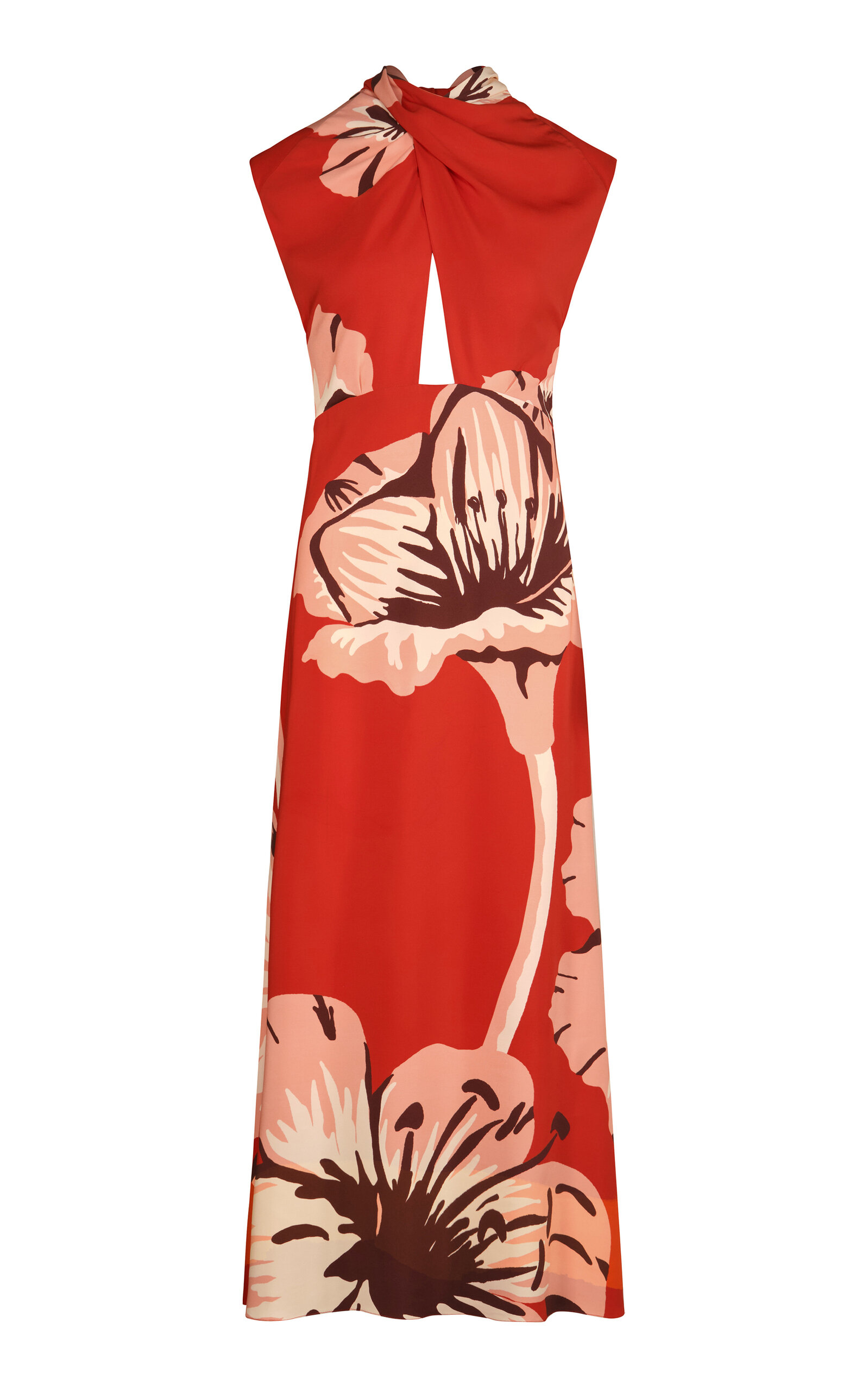
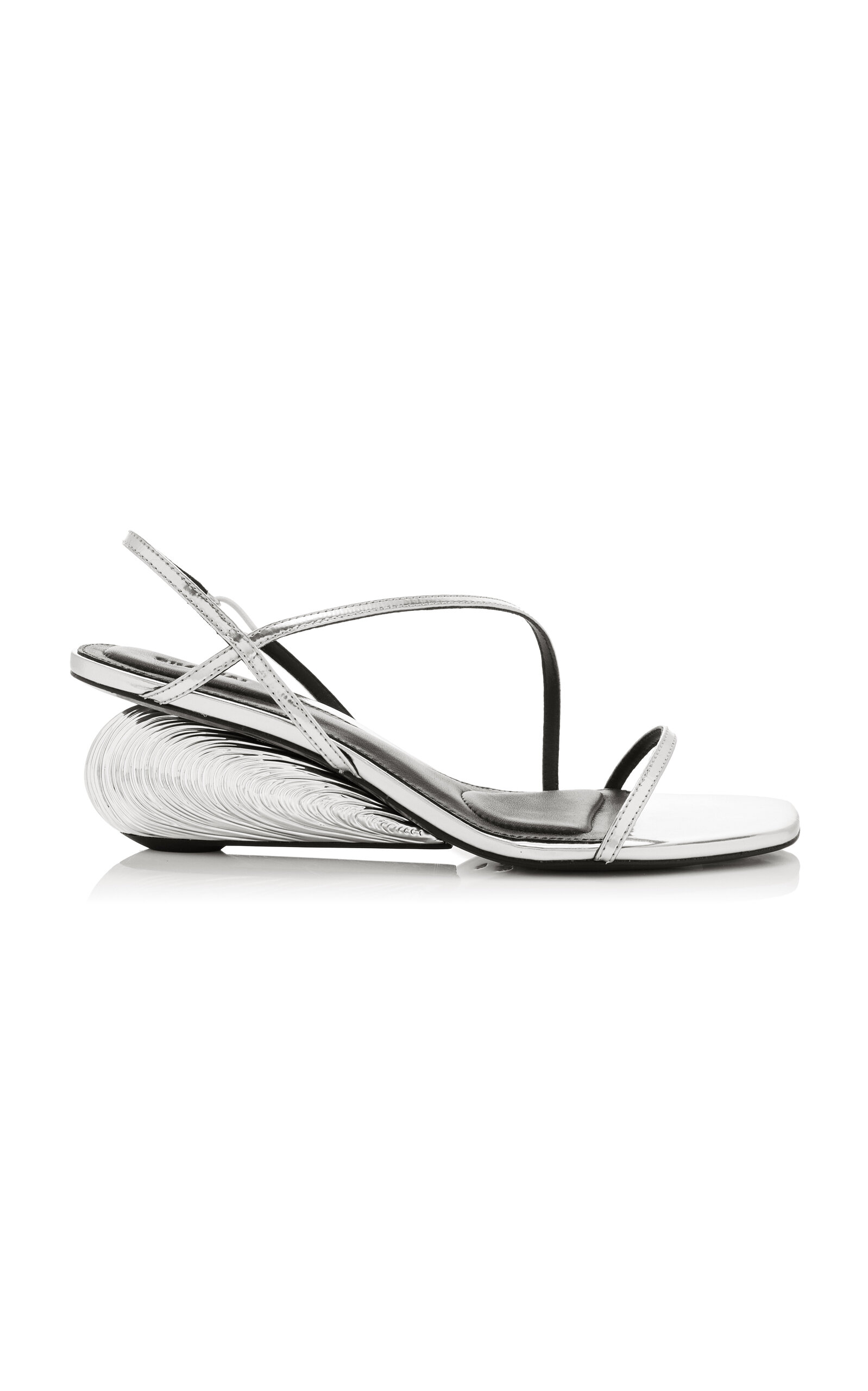
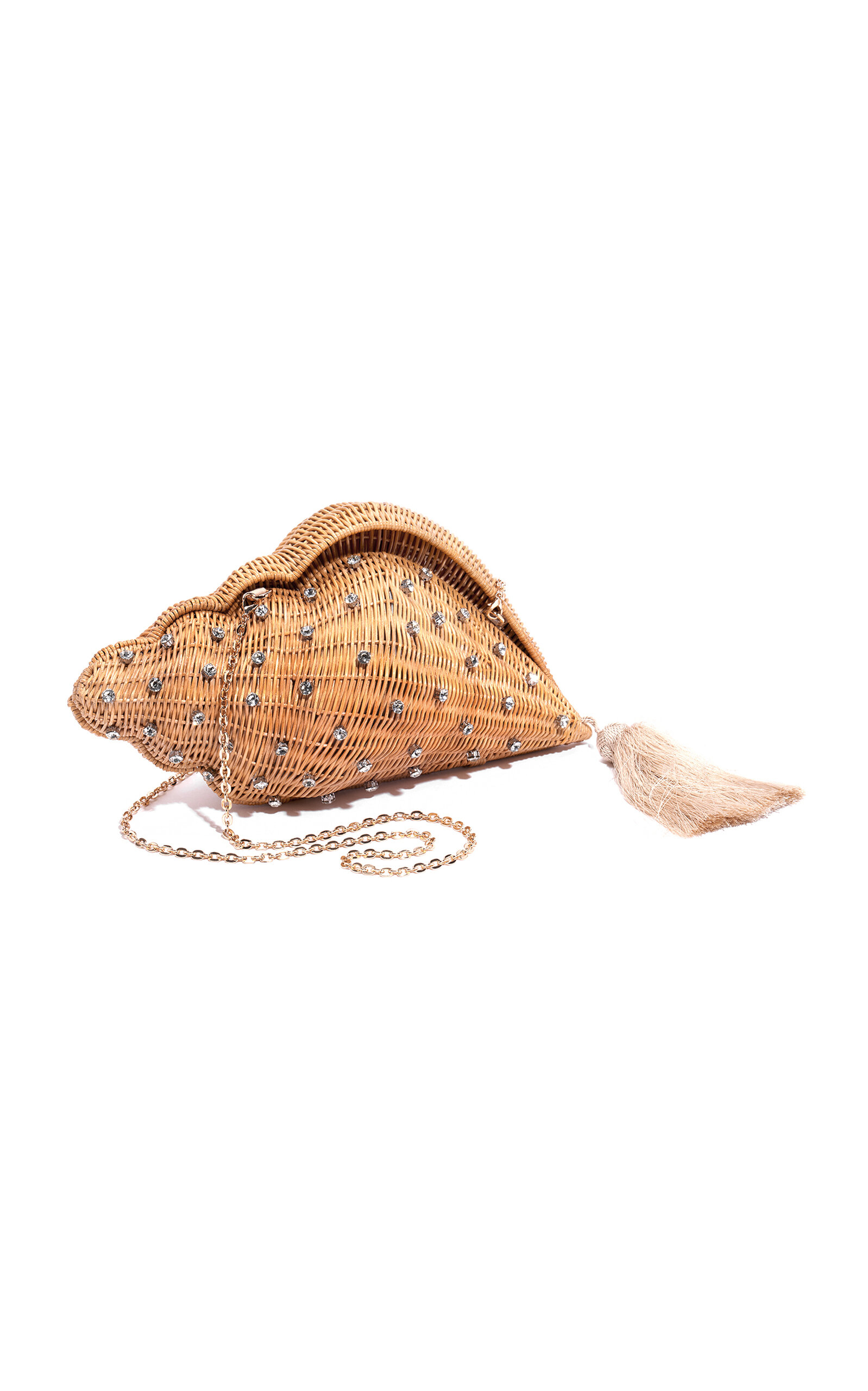
It seems that fans of reality dating series have reached their maximum limits for toxic drama, after a year where producers couldn’t find the love. For as many Reddit posts as there are tracking reality stars’s every update and examining who’s mad at who, there are tweets and threads about how insert-upcoming-show is coming to claim whatever peace fans have found while taking a reality TV break. It’s enough to make you wonder whether fans are close to changing the channel altogether.
Months before it debuted, Perfect Match season 3 promised a love story. The series—which produced one failed engagement and zero long-term relationships in its first two seasons—spoiled itself during Love Is Blind’s season 8 reunion in March 2025, when Amber “A.D.” Smith and Ollie Sutherland announced their engagement after meeting while filming the dating competition. However, fans who tuned in expecting to see a meet-cute and honeymoon period between the financés (and expectant parents) instead saw a rehash of the typical reality dating mess: After he and A.D. were split up due to an arbitrary gameplay twist in episode 6, Ollie quickly moved on and made out with Justine Ndiba. When A.D. returned the next day during the boys’s mixer, Ollie lied directly to A.D.’s face. Though she eventually forgave him, Ollie’s many red-flag behaviors left viewers much less enthused about Perfect Match’s one fairytale couple.
I won’t go as far as to call this a bait-and-switch. Anyone who’s seen an episode of Perfect Match (or any other Netflix Reality Universe show) should be used to fights and crash outs superseding actual love stories. Each season so far has received love-hate criticism for being overly chaotic and full of manufactured conflict, while season 3 flew too close to the sun by having its one confirmed couple’s storyline hinge on breaking up the house’s two strongest pairings. Sure, the change-up provided novelty, but it also betrayed fans who were tuning in for the parasocial feels A.D. and Ollie’s story could’ve provided. There’s a difference between seeing Ollie self-sabotage organically—which undoubtedly would’ve happened at the boys’s mixer if A.D. wasn’t there—and watching him fail a producer-planted test.

It also didn’t help that the episode 6 twist followed a trend that reality TV fans had already gotten their fill of by the time Perfect Match aired. Unlike previous years, season 3 debuted after Love Island USA season 7 had concluded—racking up over 18 billion minutes watched, per Peacock—and sucked up most reality viewers’s energy and goodwill. After season 6’s breakout year, season 7 failed to replicate its mix of authentic yet heightened drama, genuine friendships, and romances. Instead, producers prioritized chaos via fan votes over traditional recouplings, creating an environment where playing the field was mandatory and promising relationships were punished. One of the final couples, Huda Mustafa and Chris Seeley, broke up during the finale—a first in franchise history that showed how far season 7 strayed from the ethos that made the series an international phenomenon. Meanwhile, the most popular out of the season by far, Nicolandria, is the stuff of fan theory come to life; though they’re a charming couple, it’s concerning in a season where fans were arguably given too much power.
As summer 2025 comes to an end, the future of the dating show looks bleak. Love Island USA isn’t technically over, since the season 7 reunion special isn’t until August 25, but its notoriety, fueled by cast member racism scandals and toxic fandom, will loom over season 8’s production. Bachelor in Paradise has undergone a total makeover that has divided fans over its brand-new location and the addition of a cash prize. The U.S. iteration of Love Is Blind returns in October for its whopping ninth season, following its most boring installment yet earlier this year. And Love Is Blind: UK’s second season begins two days before the Perfect Match season 3 finale, as Netflix reaches a peak of unscripted-TV saturation. As someone who watches reality TV for a living, it feels like the genre could face a turning point: Will producers course-correct, or will future seasons only give fans dread in the pit of their stomachs, with no room for butterflies? Is this the beginning of reality TV’s enshittification?
It’s time for mainstream American reality TV to press pause and invest in low-stakes drama and slow-burn relationships. It would mean a return to reality’s roots; many of today’s most-watched franchises grew their popularity by balancing jaw-dropping storylines with fan-favorite romances. Love Is Blind didn’t grow into a behemoth without Lauren and Cameron; Bachelor Nation survives off couples like Sean and Catherine and Trista and Sutter. American shows can also take a note from series that have found popularity with much lower stakes. International shows like The Boyfriend and Better Late Than Single are breaths of fresh air that suck viewers in despite their slower pacing.
Despite the trend of 2025’s dating shows turning up the conflict, people don’t watch reality TV just for the drama. Whether their viewing is prompted by an attachment to their favorite cast members, voyeuristic observation as an escape from day-to-day life, or meta analysis of unscripted editing and cultural tropes (okay, that last one may be just me), viewers of these shows don’t want or need wall-to-wall misery when we can get that elsewhere (like the news). Producers need to remember that if they continue to take the fun out of reality TV, fans can easily stop watching.
]]>“Many of them are repeat customers,” says the self-taught artist, whose clients include Real Housewives of Atlanta star Porsha Williams, soca icons Destra Garcia and Alison Hinds, and publicist Yvette Noel-Schure (yes, Beyoncé’s publicist). This year, she’ll see about 60 people over just a few days, and around 30 percent of her annual income comes from Carnival season.
While most masqueraders are thinking about costumes and the latest soca hits, Layne is focused on one thing: making sure their makeup lasts from sunrise fetes to midnight parades. “Carnival makeup artistry does not get the recognition that it deserves in the global beauty industry, and we have a long way to go,” she says.
Carnival is big business in the Caribbean, generating millions in revenue and visitors each year. In the seven days leading up to Carnival, the Grenada Tourism Board reports a 33.3 percent increase in international visitors this year compared to 2023. The season kicks off with Saint Kitts Sugar Mas in mid-November and continues into early January, but Trinidad’s February celebration really sets the tone for the year. No matter the island, one thing stays the same: the demand for glam that doesn’t budge.
If it can survive Carnival, it can survive anything—weddings, festivals, and yes, even August in the NYC subway. Ahead, three Caribbean makeup artists share their must-have tips, products, and pro tricks to achieve a sweat-proof, transfer-proof look that lasts all day (and all night).
Start with Skin Prep
“Makeup always stays better on skin that’s been well prepped,” says Melissa Deane, a Trinidad-based makeup artist with over a decade experience. She tells clients to cleanse, tone, treat (with a targeted serum), moisturize, and apply SPF daily.
Making sure your skin is adequately moisturized is key for helping your makeup sit smoothly. Layne recommends a hydrating face mask, like Dr. Althea Aqua Blue Hydration Mask, before going in with your base makeup. Kai Forde, owner of Simply Beautiful studio in St. James, Trinidad, also recommends drinking plenty of water to hydrate the skin from the inside out.
Clean skin is a must prior to makeup, so reach for a gentle cleanser—yes, even for acne-prone skin. La Roche Posay Toleriane Hydrating Gentle Face Cleanser is a go-to option. Follow with a hydrating toner, like TIRTIR Milk Skin Toner and a serum rich in humectants like hyaluronic acid or glycerin. This helps to keep your skin supple and plump, allowing your makeup to lay more smoothly and evenly. Deane swears by Embroylisse Lait-Créme Concentré because “it adds hydration without feeling heavy.” She notes that there’s also a matte version, which is great for oily skin.
Layne adjusts the moisturizer to account for skin type: “Use a formula that’s water-based for oily skin, like Peach & Lily Glass Skin Water Gel Moisturizer, and oil-based for dry skin—my go-to is Nivea Creme. It’s a water-in-oil emulsion that deeply hydrates.” As for the best SPF, choose a lightweight, no-white-cast formula, SPF50+, like IT Cosmetics Hello Sunshine Invisible Hydrating Serum Sunscreen SPF50, to protect the skin during a daytime celebration.
The final (and most important) prep step is primer. For mature, dry skin, Layne doubles up on primers, and uses a hydrating formula around the eye area and by the nose “where makeup is more prone to separate in the heat.” However, Layne shares a secret Carnival priming tip: calamine lotion. “It gives you a matte finish and also helps if you have any type of irritation.” She applies it lightly and evenly with a brush, focusing on the t-zone. “I’ve tried other primers but nothing else really gives me that long-wear. Living in the Caribbean, it’s very hot, and this keeps your makeup from slipping.” When she doesn’t use calamine lotion, Layne turns to One/Size Secure The Blur Makeup Magnet Primer, adding that “not only does it grip your makeup, you instantly see the difference on textured skin.”
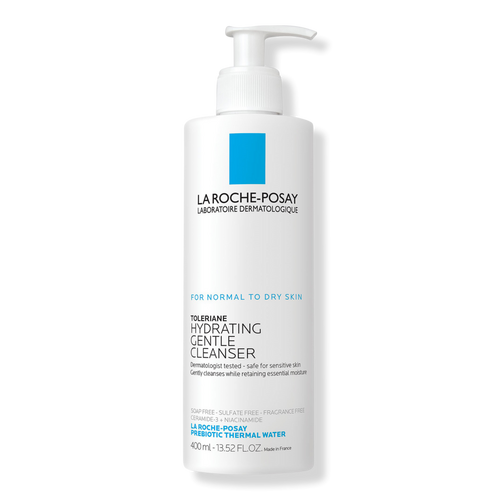
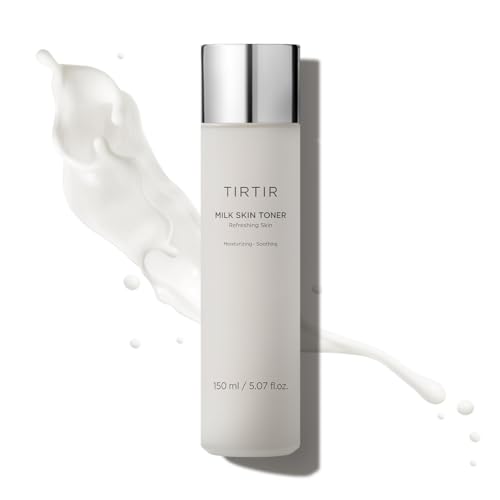
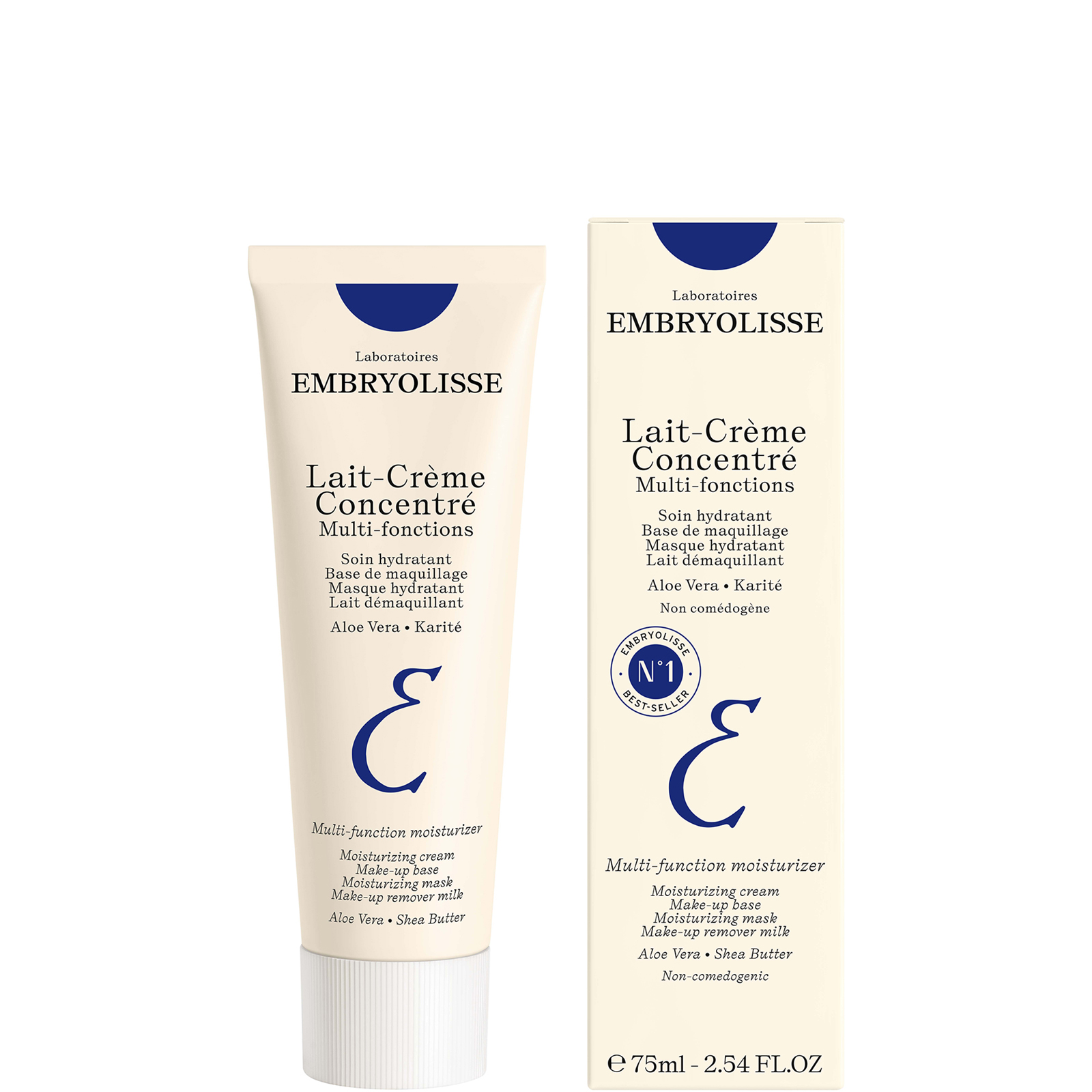
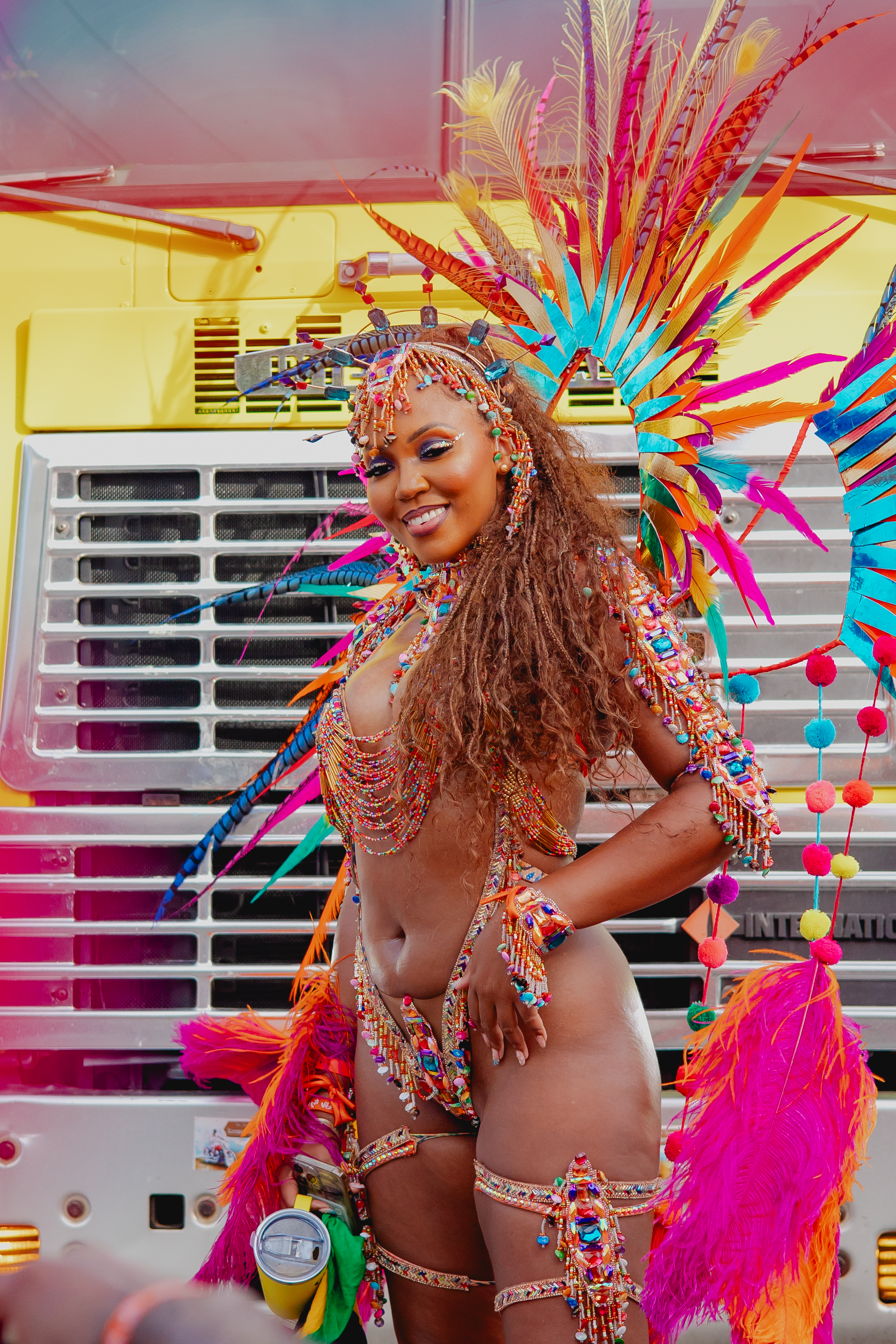
The Carnival Product Playbook
- All three artists start with eyes. Layne suggests using an eye primer and prefers MAC Prep + Prime 24 Hour Extend Eye Base, but when it’s hard to find in the Caribbean, she swaps in L.A. Girl Lightweight HD Pro Creamy Concealer, “it really doesn’t move and keeps your eye makeup in place.” Deane likes Too Faced Eye Shadow Primer for glitter-heavy looks. Pat eyeshadow onto the lids versus swiping for better pay-off and stick to powders in hot weather. Layne’s go-tos include Juvia’s Place Culture and Culture 2 palettes because they are highly pigmented and look great across skin tones. She calls Pat McGrath Labs Eyeshadow Palettes her “holy grail.”
- For eyeliner, Deane uses Urban Decay 24/7 Glide-On Eyeliner in Perversion, “it’s very dark, very long-wearing, and great for a smoky eye.” She also likes Inglot AMC Eye Liner Gel in 77, noting that “it won’t come off unless you use eye makeup remover.”
- Before foundation, Layne applies Too Faced Born This Way Super Coverage Multi-Use Concealer and color corrector only if needed. Let the concealer dry slightly, then pat in for maximum coverage. If you see any lines, use a concealer brush and buff up and out to remove them.
- For foundation, Layne uses NARS Natural Radiant Longwear Foundation while Deane likes the NARS Soft Matte Complete Foundation. Many Caribbean makeup artists swear by Estée Lauder Double Wear Stay-in-Place Foundation. Application matters most—Layne recommends pressing the foundation into skin with a sponge or stippling brush instead of swiping to avoid streaks and caking.
- For Deane, blush is all about dimension. She builds color with a cream base—either Pat McGrath Legendary Glow Color Balm or Rare Beauty Stay Vulnerable Melting Blush—then adds a sweep of Rare Beauty Soft Pinch Luminous Powder Blush for a soft-focus finish that lasts.
- After your “base face,” lock it in with setting spray to help makeup withstand heat and humidity. Deane mists MAC Prep and Prime Fix Setting Spray with a brush for a lighter, more even finish. Once it’s fully dry, Layne uses a “triangular sponge to layer powder for maximum coverage.” Deane then sets the undereyes and T-zone with Laura Mercier Translucent Loose Setting Powder, and seals everything with a theater-grade setting spray like Kryolan Fixing Spray or Ben Nye Final Seal Matte Setting Spray. Don’t be afraid to be heavy handed with the setting spray, let it dry completely, and use a mini fan to help speed up the process.
Even with the best prep, Carnival conditions can test your glam. Heavy humidity and scorching temperatures are going to put the pressure on your most long-lasting formulas. Deane warns against heavy powdering: “Too much powder makes the makeup look cakey.” For a long-lasting, flawless look, layer lightly and build.
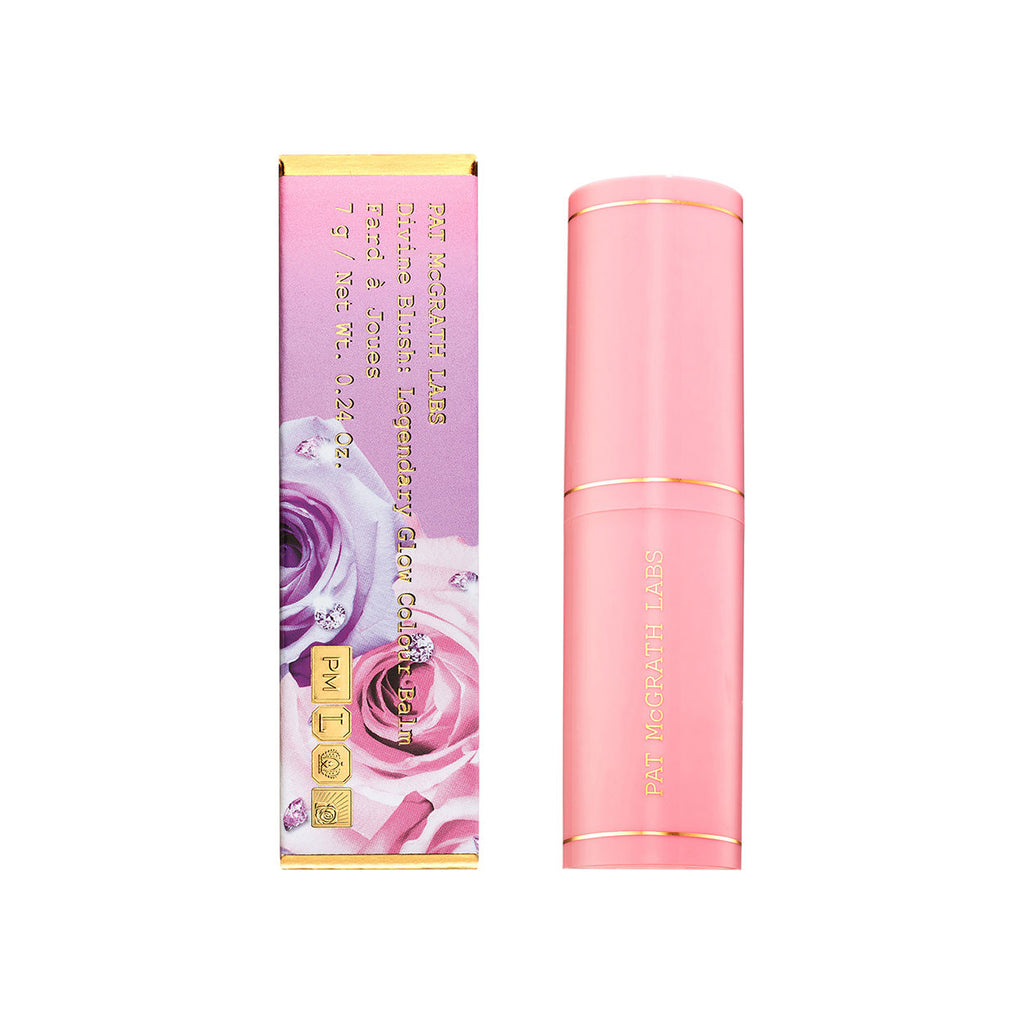
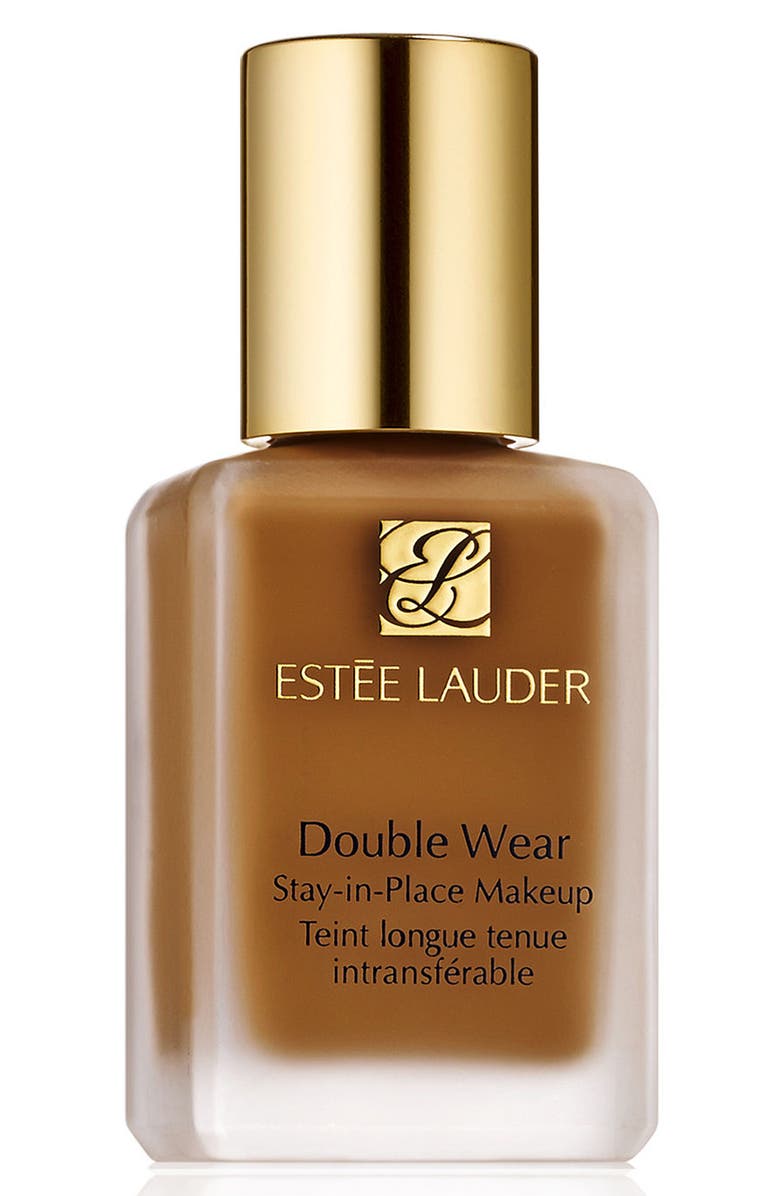
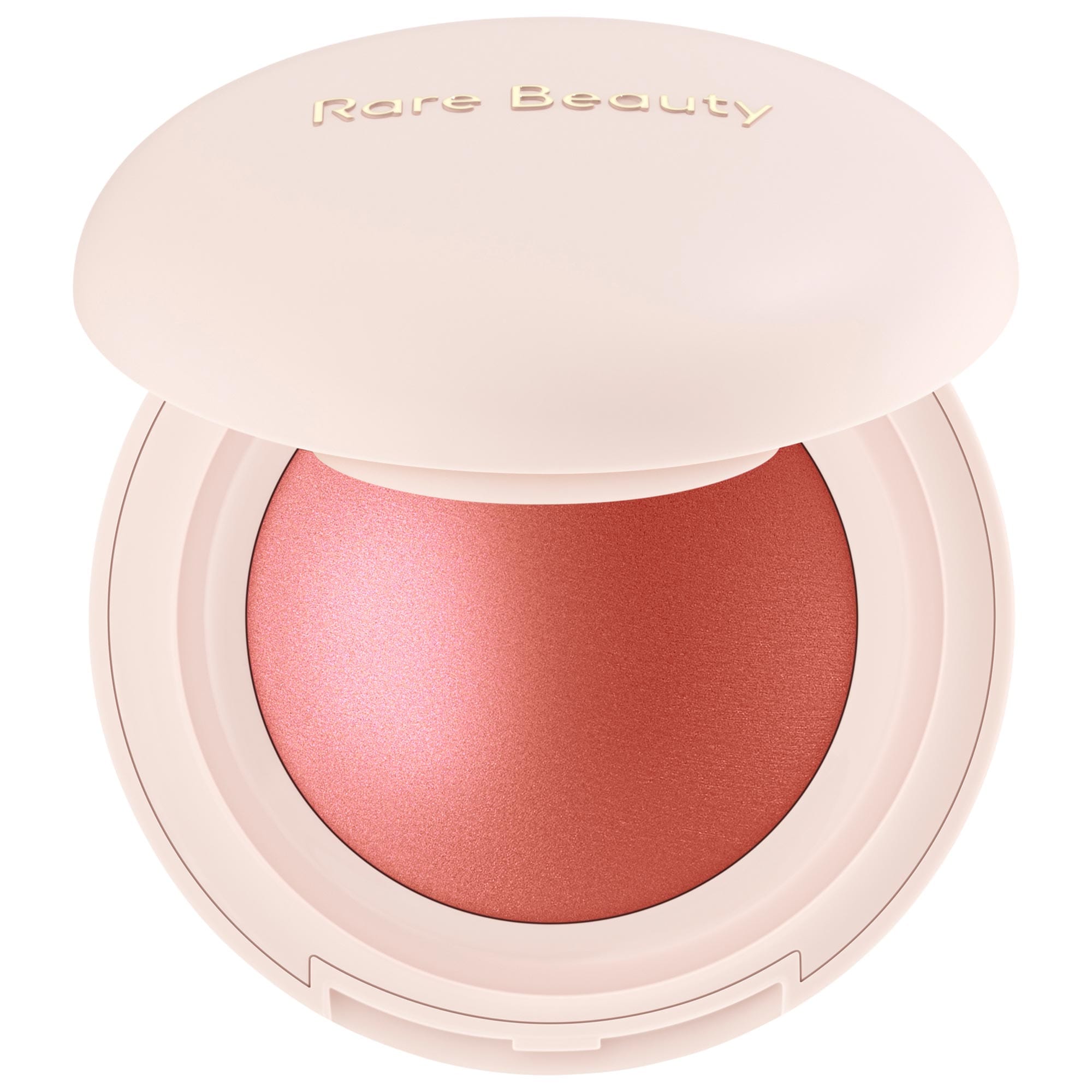
Expert Tips for Long-Lasting Makeup
Forde’s best tip for makeup that looks flawless for hours, regardless of the heat? Never wipe away sweat. “Pat your face or use a personal fan,” she says. “Fan drying is the most effective means of keeping your makeup in place.”
Just remember—looking good on the road is part of the Carnival experience. “It instills a sense of confidence that sets the day right,” says Forde.
“Historically, makeup was reserved for the Queens of the bands, but now with social media, everyone wants their makeup done,” adds Deane. Knowing how to prolong your makeup look like a pro will allow you to focus on the joy of the day. But Carnival glam is about more than longevity; it’s about showing up fully and being present in the moment. You’re not supposed to be worrying about if your makeup is slipping off your face—and with these tips and tricks, it won’t! So test them out, and you might just find that your glam can go the distance, even in boiling temperatures and while celebrating the night away.
Meet the Experts
]]>Speaking of: my fall mist collection is—humble brag—incredible. I’ve assembled a mix that takes into consideration all the big, buzzy autumnal trends: boozy options that are perfect for a sexy date night; my go-to gourmands; and fruity mists for that tricky end-of-summer-early-fall transition period. Plus, some woodsy and clean choices for good measure.
GO FOR GOURMANDS
If you think gourmands and vanillas smell like a children’s candy store, think again. This fall’s fragrances are mature and sophisticated with subtle hints of sweetness. I don’t want to smell edible, but I do want to smell delicious. These get the job done.
The L’Occitane Almond Shimmer Body Oil is my holy grail for summer. Seriously, my legs have never looked so sexy. I was over the moon when I got word that the brand was bottling the almond-vanilla concoction and turning it into a hair and body mist. It’s soft and flirty, but has a warm and cozy edge that’s perfect for early September.
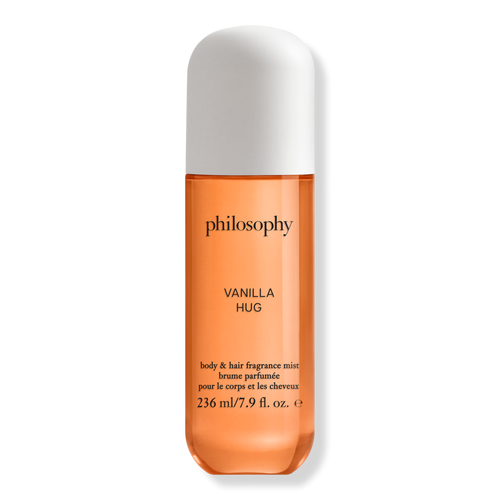
A woodsy-vanilla combo is my personal go-to—it adds a little edge to the sweetness. But what I love most about this guy: It’s formulated with good-for-my-skin ingredients like niacinamide and glycerin.
WOODSY AND WHIMSICAL
Nothing gets me in the mood for a cashmere sweater and the lake cabin I don’t have (yet) than a woodsy fragrance. I’m a big sandalwood girl, but I’m an equal opportunist when it comes to smoky, earthy, grounding notes. A woodsy mist is never too heavy, so I find spritzing them therapeutic, like a warm hug.
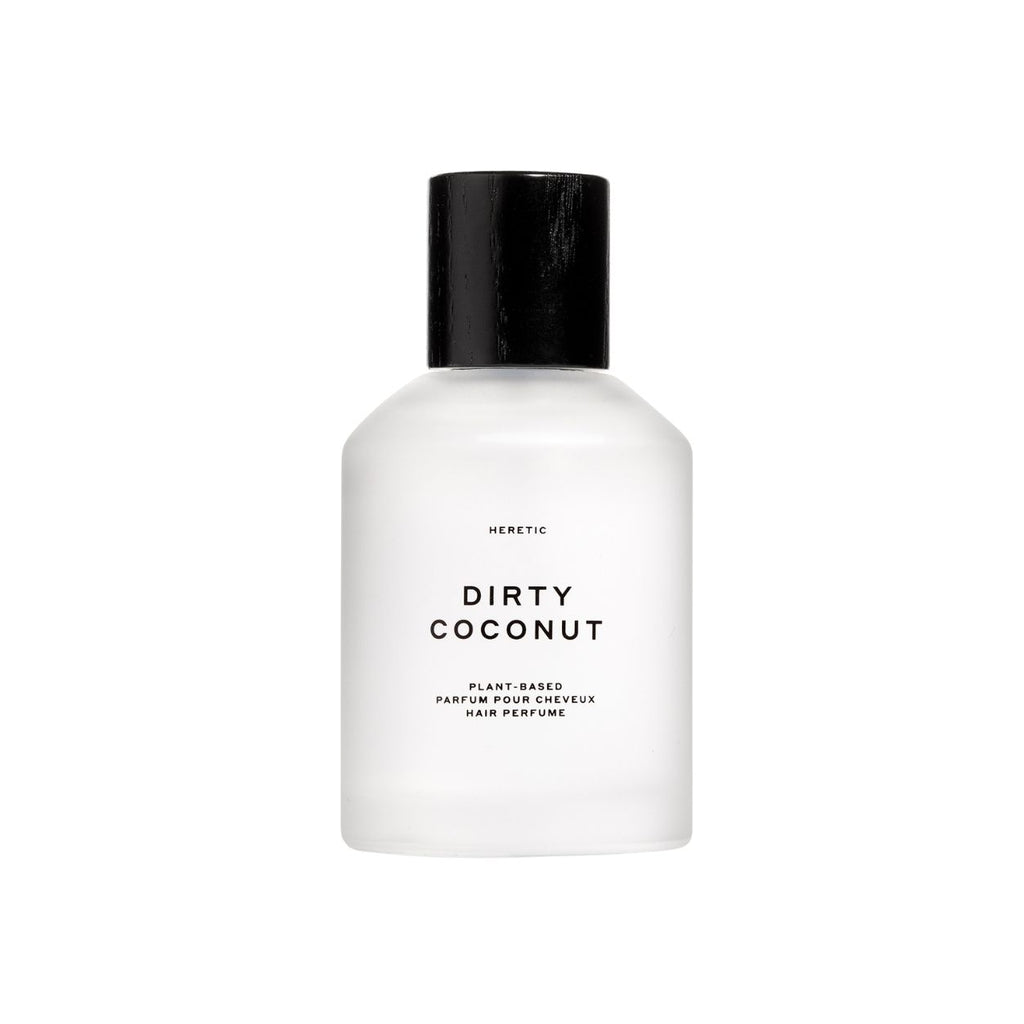
Coconut can lean a little sunscreen-y, but not this one. Its flavor profile comes from the meaty interior, so it’s less saccharine, more sophisticated. It’s balanced with a creamy sandalwood for a finish that reminds me of a luxe rainforest retreat.
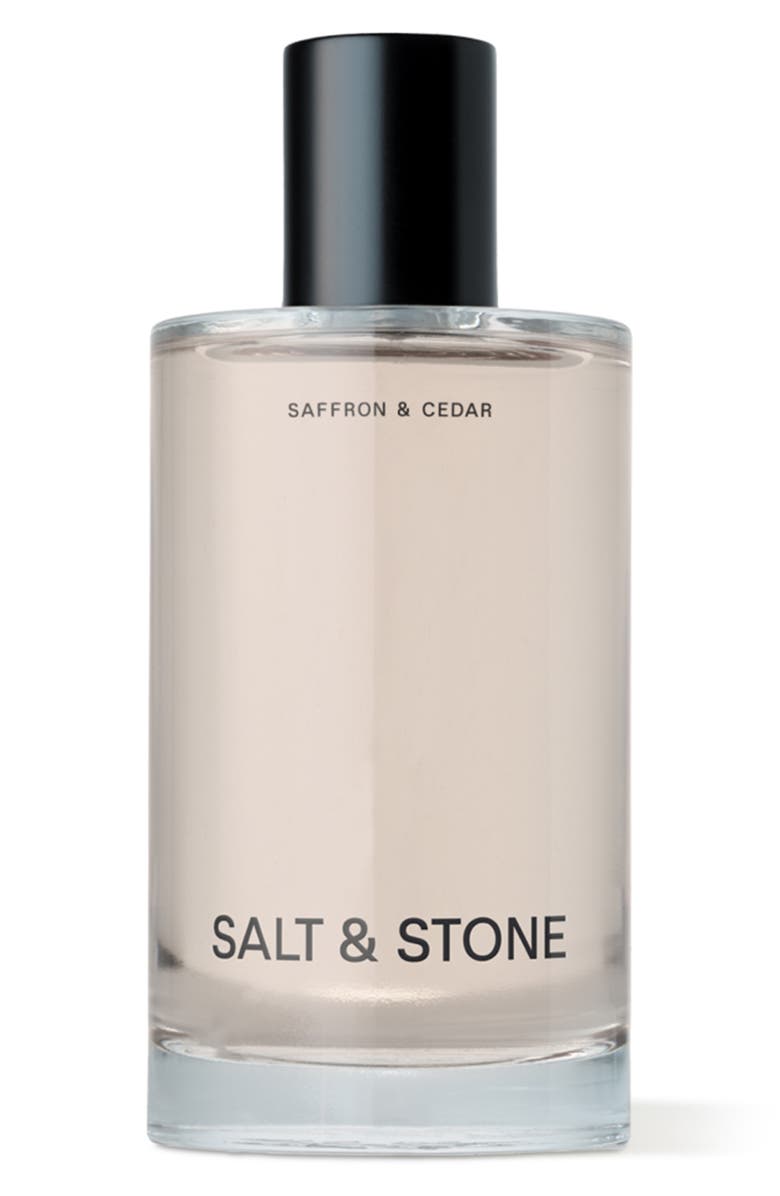
While body mists are supposed to have a shorter wear time, this baby lasts all day long—especially when I pair it with the matching body wash, lotion, and deo. It’s heavier on the santal than vetiver, and I get compliments every time I wear it.
KEEP IT CLEAN
Fresh fragrances are the perfect entry point for a perfume newbie—and when they come in the form of a mist, they’re very budget-friendly. These are safe bets for the office because they’re unoffensive and overwhelmingly pleasant, but still provide that fine fragrance finish.
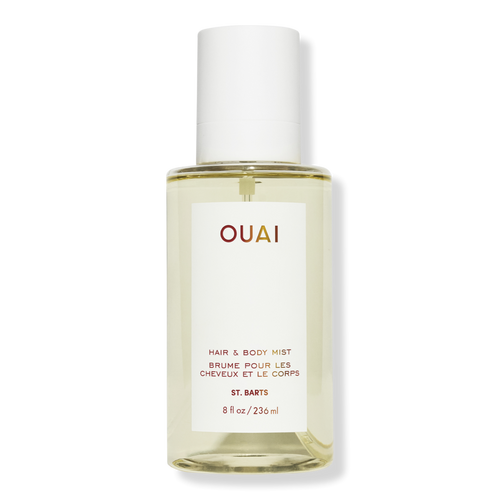
I’m a longtime user of this St. Barts leave-in conditioner (it has a sweeter, fresher profile), so you bet I got my hands on this ASAP. It’s pretty strong, though; one to two sprays is plenty to get me through the morning and early afternoon. It gives golden hour at a five-star tropical resort courtesy of notes like orange blossom and dragon fruit.
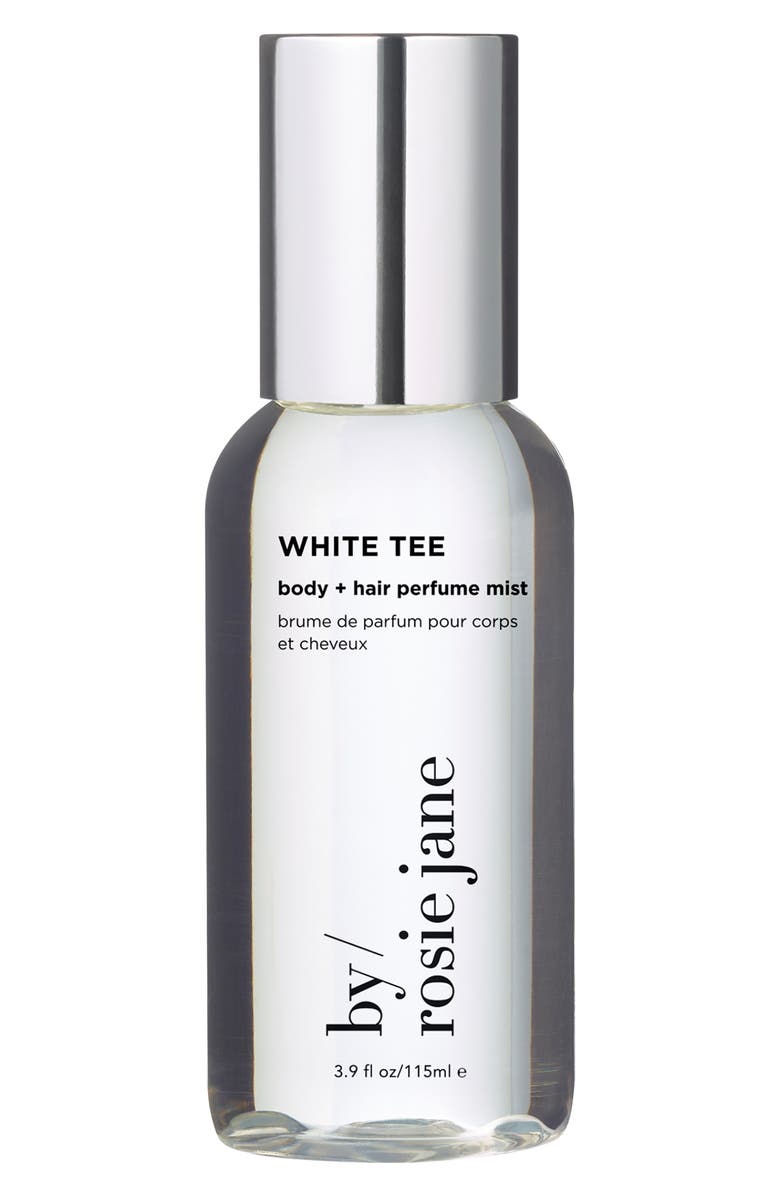
As the name suggests, this guy is basic (but in a good way!). Imagine you just did laundry in the French countryside with rose-scented detergent and left your cotton basics out to dry on a clothesline. That’s this mist in a nutshell.
A BOOZY BOOST
The boozy fragrance trend started late last year, but it’s going full steam ahead this fall. I’m seeing notes of cognac, rum, and bourbon make their way into luxury fragrances and body mists. Sometimes the notes aren’t so explicit, but the scent itself gives a brooding cocktail bar energy.
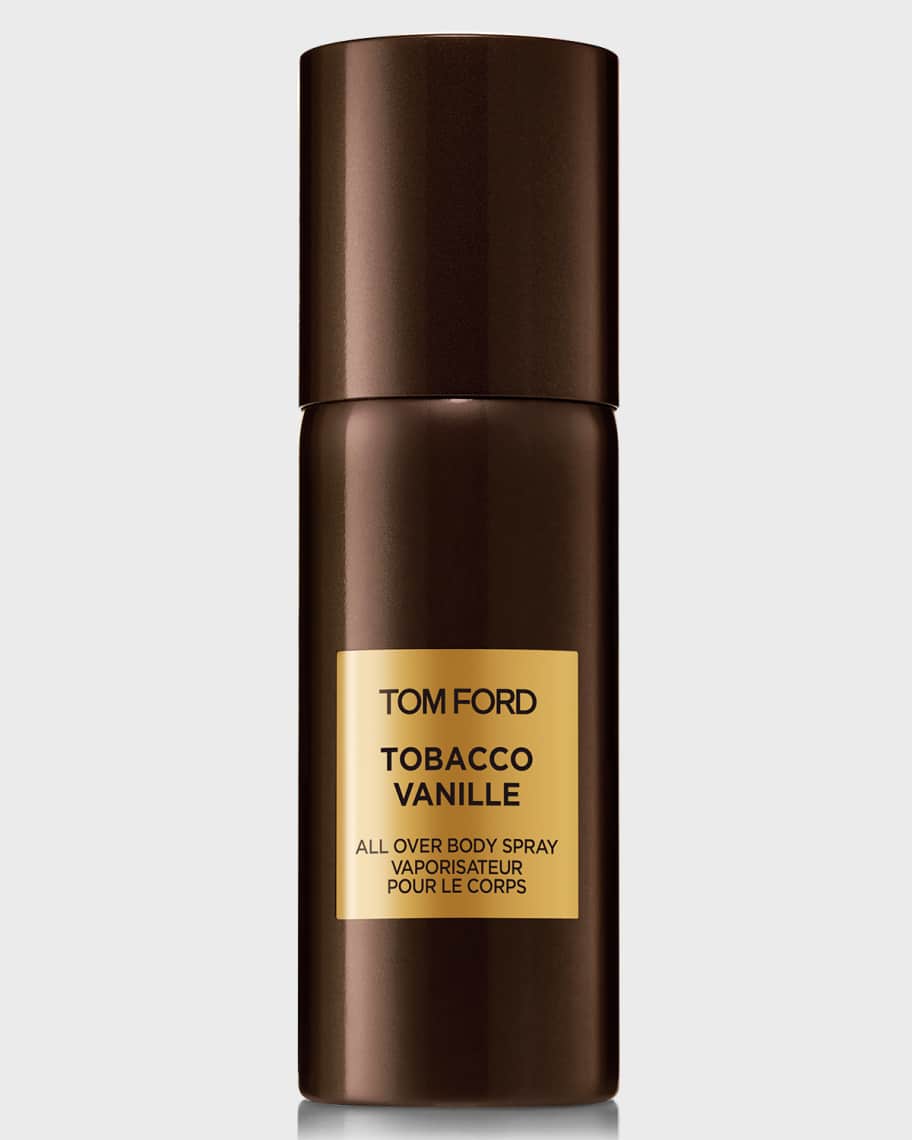
I save basically $100 when I buy this body spray as opposed to the actual fragrance. And not for nothing: they smell identical and last almost the same amount of time on my skin.
Newness is exciting and all, but nothing hits quite the same as this classic. Its mix of cognac liquor and caramel results in a smooth, creamy, and slightly cinnamon scent that’s ideal for a night out.
FRUITY TUTTI
Fruity fragrance had a major moment this summer, with cherries, mangos, berries, and bananas all getting attention. As the weather gets colder, we’re seeing the next-gen fruits, with a crisp finish, step into the spotlight.
I have been obsessed with this mist since it landed on my desk a few months ago. Its sillage is strong, so a little really goes a long way. For fall, I plan on layering this with a nice gourmand to warm it up a bit.
Phlur can do no wrong. Never did I ever think I’d want to smell like a Granny Smith apple, but this mist is a tart, sour, and sweet treat for my senses. It’s my current favorite hair perfume.
Why Trust Marie Claire
For more than 30 years, Marie Claire has been an internationally recognized destination for news, fashion and beauty trends, investigative packages, and more. When it comes to the products Marie Claire recommends, we take your faith in us seriously. Every product that we feature comes personally recommended by a Marie Claire writer or editor, or by an expert we’ve spoken to firsthand.
Don't gatekeep our newsletters from your friends. Subscribe to Face Forward here.
]]>At the beginning of season 3, Farmiga’s Gladys Russell is a sweet, naive teenager hellbent on marrying for love instead of status, despite her mother Bertha’s machiavellian plans to wed her to the Duke of Buckingham. Bertha (Carrie Coon) trumps Gladys, and by the end of the season, the 18-year-old has been sent to Sidmouth, the Duke’s estate in England; found empowerment by showing her sister-in-law who’s boss; and become sort of smitten with the Duke. Oh, she also ends the season pregnant—and happy.
Guess Bertha was right.
It’s a thrilling arc for any actor, and one that Farmiga was delighted to learn about during a conversation with series creator Julian Fellowes and executive producer David Crockett before filming began. “It's been a fucking emotional rollercoaster,” she tells Marie Claire of the season.
Speaking excitedly about the series from her home in the South of France, Farmiga shares her admiration for her “powerhouse” co-stars who make up the Russell family (Coon; Morgan Spector, who plays her father George; and Harry Richardson, who plays her brother Larry), the show in general (“It's history books and cotton candy. It's incredible”); and the costume department (“These are masters of their craft”).
On the heels of Sunday’s season 3 finale, Farmiga explains how Gladys becomes “Mini Bertha,” how finding her freedom might mean embracing her mother’s sensibilities after all, and what she hopes to see for Gladys in season 4.
Marie Claire: Throughout this season, we see Gladys go from a lovelorn girl to a devastated bride to a confident duchess and soon-to-be mother. How did you calibrate your performance as you moved through those roles?
Taissa Farmiga: When she starts season 3, she feels like she has power over her mother. She's learned how to navigate her with the help of her brother, Larry. They have that sibling dynamic with the winks and the smiles and the sneaky glances, like they know how to maneuver around Bertha Russell. But in the end, they really don't.
MC: No one does.
TF: No one does, not even her husband. But you see she's feeling on top of the world. You see her talk back a bit to her mother. Then her whole world comes crashing down, and that's the divot in the middle of the season [when she gets married]. At the end, things start to work out. Gladys will never admit that Bertha was right, but maybe she wasn't 100 percent wrong. The writing is there, the character arc is there, and I get to work with phenomenal actors.
MC: What have you learned from working with Morgan and Carrie, and how do you approach working with them?
TF: I'm a person who loves to observe, and these are two actors who are so intelligent and so cool. The Russell family dynamic really clicked immediately. When I'm there, and I'm looking in their eyes, and I'm feeling all the despair and the sadness and the loneliness and the betrayal that Gladys is feeling, and it's just Morgan's there looking so heartbroken as George, you don't have to play pretend that much. Obviously, it's hard work, but when you really connect with another actor, you fall into it and all of a sudden you kind of forget what's happening between “action” and “cut,” because you're just so immersed. And Carrie is so good at being a cunt. Pardon my French.
MC: This is a unique ensemble in that there are so many different women from different generations. I'm curious if that has affected your experience filming?
TF: You can feel the experience. You can feel the history. You can feel the knowledge and the talent when you walk in the room. I'm not sure if it's due to the fact that a lot of our cast is theater actors, but there's a different sort of core you have as someone who's based in the theater. There's more camaraderie. There's appreciation for the familial aspect of it. There's no battle for, I'm head bitch or I'm the one who's supposed to be number one on the call sheet. There's no cattiness.
MC: In the second half of the season, Bertha comes to visit Gladys in England, and that’s when Gladys’s fortune starts to change. For one, she and her mother have a new dynamic. They’re in cahoots together. One of the best scenes is when Gladys gets the courage to tell her sister-in-law, Lady Sarah, to sit down and wait for her to finish her meal. You get a glimpse that perhaps there is a little bit of Bertha in Gladys.
TF: Look, Gladys is a Russell. There's no way she doesn't have the genes of George and Bertha, whose love language is ambition. No matter what people say around them, they're going to trust their gut instincts more than anything. They're going to push for what they believe to be the best for their family, even if the other family members don't fully see or agree with the plan.
This is the first time in three seasons that we're seeing Gladys and her mom link and connect in any way. All Gladys has been fighting for the past three seasons was freedom and liberty and not being under her mother's thumb. She didn’t want to be a mannequin or a doll for her mother to dress.
But what's funny is that Gladys finally finds her freedom by becoming like her mother, by embracing the skills or the personality traits of Bertha. In that moment, I'm sure there's still leftover rage and trauma from being forced to marry, but what are parents if they don't give you trauma? She finally catches a glimpse of Maybe my mother does love me. She starts to understand. George's love has been a bit more about Gladys's present-day happiness, and Bertha's has been about her future happiness.
MC: So many stories that depict arranged marriages during this time period are about beautiful, naive ingenues who end up marrying abusive, evil men. I was waiting for that to happen and was so pleasantly surprised when the Duke proved me wrong.
TF: Hector is not a dick. They're just two people who hadn't really had a moment to get to know each other. Of course, she would be scared to marry a stranger, but she really never gave him a chance. I thought it was beautiful when she asked him before the wedding, "Is it okay if I don't love you?" And he was just honest. That was the first moment they connected.
They're two people, both lost in different ways. During the negotiations, George offered more money to Hector through the means of an allowance for Gladys. That really tilled the soil to be able to plant the seed for partnership, because Hector has to rely on his wife. Hector is just a bit aloof, and is content with "My sister does everything." When Gladys comes in, she’s like, Well, hold on. Mini Bertha can come in and grow to be big Bertha.
Gladys is a Russell. There's no way she doesn't have the genes of George and Bertha, whose love language is ambition.
MC: At the end of season 3, Gladys tells her mother she’s pregnant. What do you think Gladys will be like as a mother?
TF: I think she will be more inspired by George's parenting than by Bertha's parenting. I think she's going to want to give more of the emotional comfort that Bertha doesn't give, even though we know Bertha loves her children. She loves them so much, but sometimes a child needs a hug and a gentle smile, not like a firm guiding hand. Sometimes it's just acknowledging their feelings.
MC: When Gladys set sail for England, I was a little worried that we weren't going to see much of her. If there is a season 4, what do you hope we'll see from her? [Editor’s Note: Since this interview, HBO renewed The Gilded Age for a fourth season.]
TF: What sets us apart from Downton Abbey is that it's American history, and I'm curious how much they [will] show Gladys in England, or would she be able to come back and, I don't know, bring some English manners and chaos to New York? I hope I don't have to play pregnant too long. I don't want to have to wear a corset with a pregnancy belt. Let's just throw this out there—maybe Julian reads this. But also I'll do what I have to do!
MC: All the costumes in the show are exceptional. Did you notice a shift between American Gladys and English Gladys?
TF: There was a huge shift between American Gladys and Gladys arriving in Sidmouth. The fabrics changed. There was a bit more of this flat and softer stuff, whereas she wore more satin in New York. New York is definitely more showy. In England, everything has to be more subdued. The costumes are absolutely, absolutely insane. What's wild is that they had to cut the wardrobe budget this season.
MC: You could never tell.
TF: It feels like they've stepped it up. It feels like they had more money.
MC: What was your favorite scene of the season to film?
TF: I love the scene that you mentioned when she's in Sidmouth and Bertha's there, and it's the first time you see Gladys become a mini Bertha. Speaking of the wardrobe, they had put a different dress in my trailer for that scene. It was this lilac purple flowy dress, which was very emblematic of previous season Gladys. It was the first time in three seasons that I was like, I don't agree. I don't feel like this is the right dress.
This is the moment that Gladys puts her foot down. She takes her place and she uses her title. She's the Duchess in that moment. I asked for one of my favorite outfits of the season—the dress I wore in that scene. It was this darker blue, a bit lacy. It felt a tiny bit sexy for the time period. It felt more mature, it felt lady-like.
I was so humbled that they allowed me to express my feelings about the character and be like, "Can we change it?" I felt more confident and in the moment, and it was a very triumphant moment for Gladys.
What's funny is that Gladys finally finds her freedom by becoming like her mother, by embracing the skills or the personality traits of Bertha.
MC: What was the most difficult scene to film?
TF: I feel like the wedding lasted three weeks. If you look at my career, you’ll see that maybe 70 percent of my projects have been genre or genre-adjacent. Everything's so heightened in genre pieces, and you feel things so much more. That’s why I love Gladys’s arc this season. The high was super high and the low was super low. You really get to feel everything so intensely. Maybe it's exhausting and you have to calculate how much water you're drinking to make sure that you still have enough tears to keep doing this crying part for seven hours a day, but whatever. So even though it was the hardest scene, it also was one of my favorites as well.
I'm grateful to spread my wings a bit and get some nice meaty scenes and see this girl grow. We've seen her journey, but she's always kind of been an accessory to even the big moments in her life, like her coming out ball. She was an accessory to Bertha's moment. This time she got to shine.
]]>Available for $299 (notably less than its competitors), it comes with all the fixings. It’s able to serve as a blow drying, straightening iron, and curling wand—so basically it’s the only hot tool I now need in my routine. The main allure: it has StyleLock Tech that balances the air-to-heat ratio so my hair doesn’t get damaged in the styling process (I’m on a hair growth journey in case you didn’t know) and provides three times the volume of its competitors. Oh, it also has a pause button that makes transitioning between wet and dry sections so much easier. Sounds good—so let’s put it to the test, shall we?
What It Comes With
She’s a heavy girl. The main barrel is pretty weighted (I wouldn’t necessarily recommend this for travel), but it is adaptable with four different attachments. Here’s the breakdown:
- Dual-Sided Concentrator: This can be used for a rough dry (I typically like to get my hair at least 80 percent dry before styling) or to smooth flyaways after styling.
- Two-Inch Round Brush: For a more traditional, bouncy blowout, this is for you. It gives incredible volume, swoops in the ends, and is a great for refreshing day two hair.
- Flat Iron: You can blow dry your hair straight with this attachment and targeted airflow (similar to Dyson’s Airstrait) or use it as a standard flat iron. Regardless, it does the job.
- 1.25-Inch Curling Iron: This is my personal favorite and my most-used of the bunch. I actually prefer to style dry hair with the airflow option (as opposed to the heat) for added volume, but either way, it’s sleek, smooth, and doesn’t give me any crimping with the clamp.
How to Use It
I have fairly thin, slightly wavy hair, and my biggest concern is my blowout looking flat and limp (le sigh). Styling will differ depending on your hair type and texture, but here’s a peek into my process. I’ll take it from the top.
I start off with a volumizing shampoo and conditioner (I’m currently loving LolaVie and Crown Affair), then I’ll prep with a root lifter (Roz is my go-to). I turn on my All-Inclusive and use the Dual-Sided Concentrator to get about an 80 percent rough dry. If I want mega-volume, I’ll flip my hair upside down.
Then, I’ll swap out the attachment for my pride and joy: the 1.25-inch curling iron. I section my hair into three levels, starting with the bottom layer. I grab a section of hair, clamp at the top, drag down half the shaft, and wrap up with the hair turning away from my head. Once the hair is secured around the barrel, I’ll turn on the air function and blow dry it in place, twisting out once the hair is dry. Then, it’s rinse and repeat until my whole head is done.
I brush everything out with my fingers for a more relaxed look, add some hair oil to finish it off, and voilá.
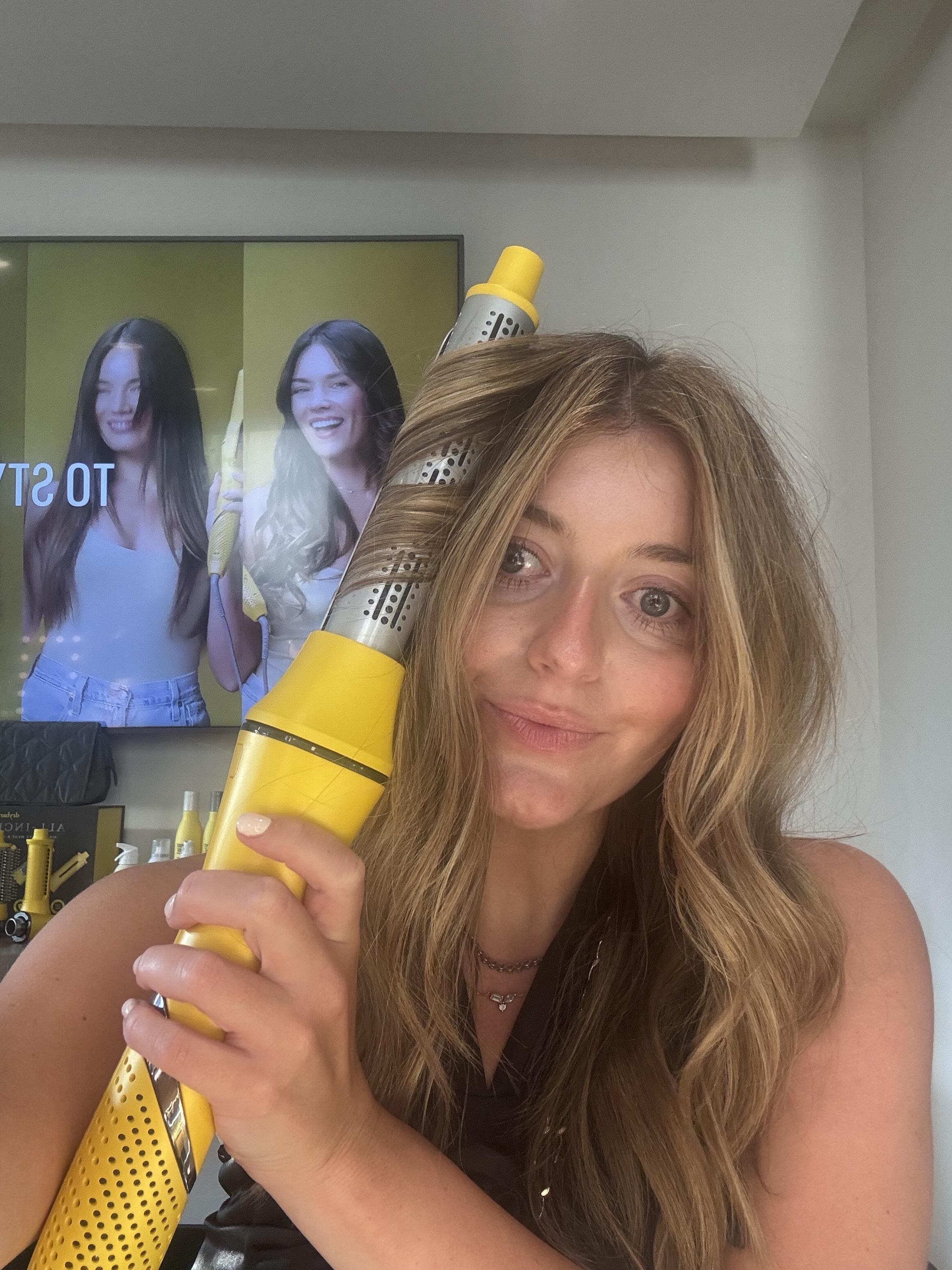
The Hold
The volume!! The lasting power!! To me, these two factors put this multi-styler in a league of its own. My hair looks fuller and more voluminous, without any crunchy styling balms or texturizing sprays. But the biggest tell is that it stays that way all day long. My curls don’t fall or unravel, and my roots remain lifted, which is a result I’m unable to achieve with any of the comparable devices on the market.
The Takeaway
I’ve already recommended this to 10 of my closest friends—that’s how much I love it. Of all the hot air curling stylers on the market, I genuinely think it’s the only one to actually to get curls to hold without extreme heat. I will say it is heavy and I would not recommend it for a weekend trip or big travels (it’s going to put your bag over the weight limit), but for an everyday, at-home tool, it’s definitely worth the investment. And given how much time I spend doing my hair, I’ll certainly be getting my money’s worth.
Shop My Routine
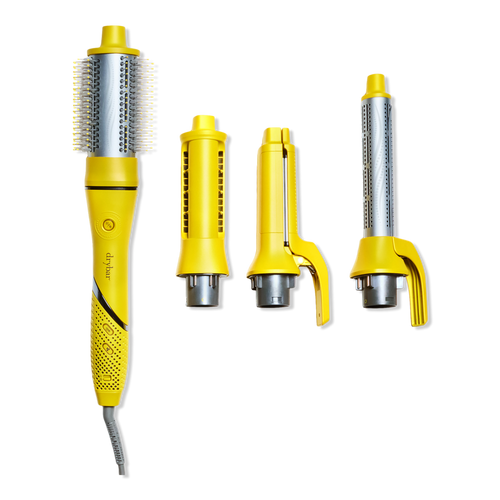
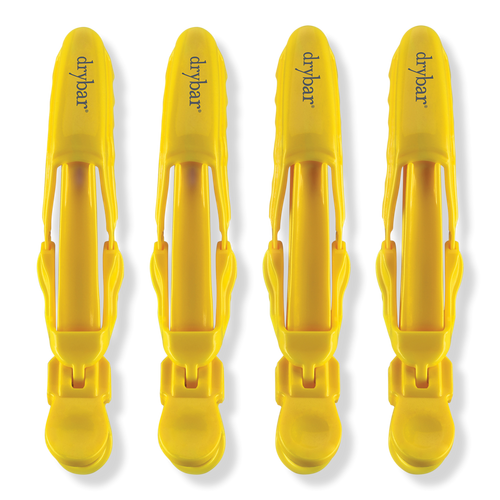
Why Trust Marie Claire
For more than 30 years, Marie Claire has been an internationally recognized destination for news, fashion and beauty trends, investigative packages, and more. When it comes to the products Marie Claire recommends, we take your faith in us seriously. Every product that we feature comes personally recommended by a Marie Claire writer or editor, or by an expert we’ve spoken to firsthand.
]]>A spritz or two of my favorite perfume, or even my go-to layering combination, genuinely sets the tone for my day and is such an easy way to make me feel a little more confident in my skin, while putting some pep in my step as I scope out fellow commuters on my way into the office. Seriously, though, just the idea of someone getting a whiff of my fragrances of the day or even chatting about my favorite formulas provides a rush of excitement that I can’t even describe.
As any beauty obsessive does, I change my products according to the season. As my blushes and lipsticks get darker and more vampy, the fragrances that I gravitate toward become more sensual, woody, and even a little resinous—plus my long-standing love affair with gourmands returns with a vengeance.
That being said, summer is officially on its way out, so I’m looking ahead to fall. As such, I’m swapping out my collection of go-to scents for the formulas that will get me through the upcoming cold weather months. From my favorite aromatic perfume to the unisex option that makes me feel like I’m a part of the one percent, keep reading for the fragrances that are taking center stage in my (very large) collection this fall.
Gourmands Are Back
When the weather gets hotter, my beloved gourmand perfumes tend to take a back seat in favor of fresher, more aldehydic fragrances. However, as soon as the weather dips below 65 degrees, I will be bringing some of my favorite mouth-watering formulas to the front of my collection.
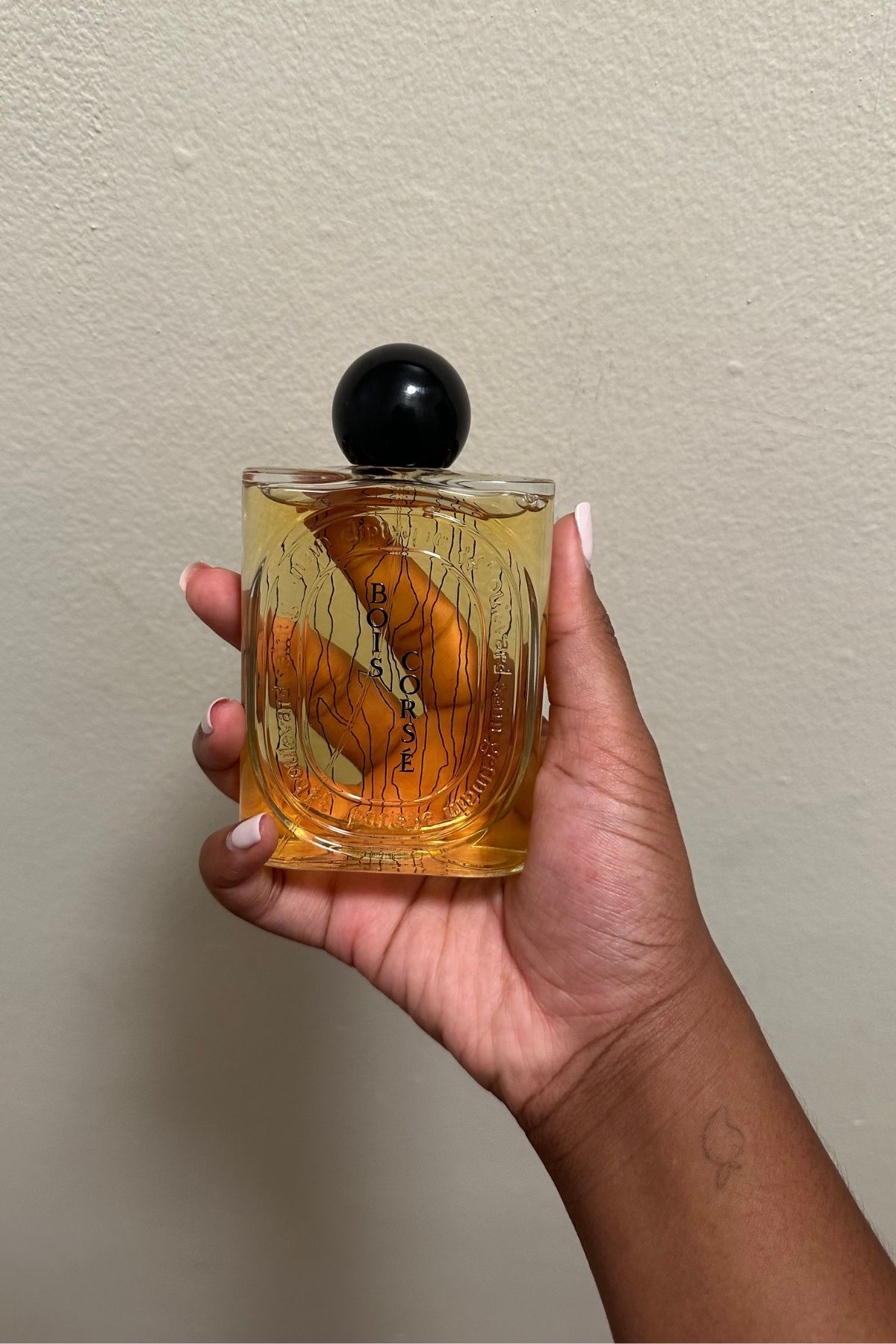
I thought I was over my coffee perfume phase, but I hadn’t yet smelled Bois Corsé from Diptyque. Black coffee absolute, sandalwood, and tonka bean combine to create a scent that awakens the senses (kind of like you’ve just inhaled a fresh pot of joe), but the additional ingredients round it out to avoid it from becoming cloying.
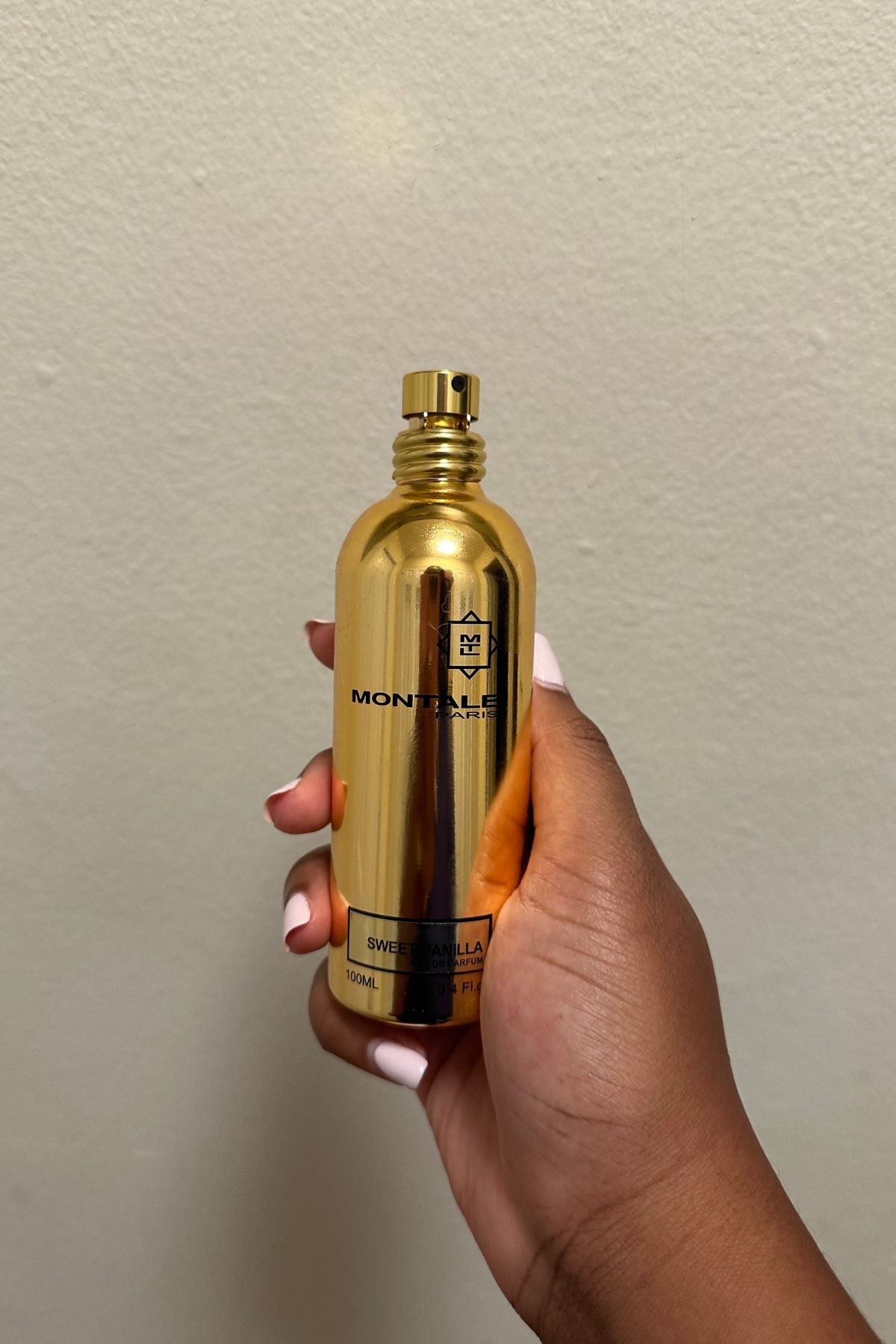
As the name suggests, Montale’s Sweet Vanilla will have you smelling like you just opened a vanilla bean pod and proceeded to dump vanilla syrup right into it. While this perfume doesn’t necessarily have the slight aromatic facet that a real vanilla pod does, it’s everything any true gourmand lover can truly ask of the note: sweet, candy-like, and a little lactonic in the best way possible.
Best Musky Perfume
To know me is to know that musk is one of my favorite notes in perfumery of all time. So, of course, I’ve gone through my collection with a fine-toothed comb to bring out (and recommend) some of my favorites for the upcoming fall.
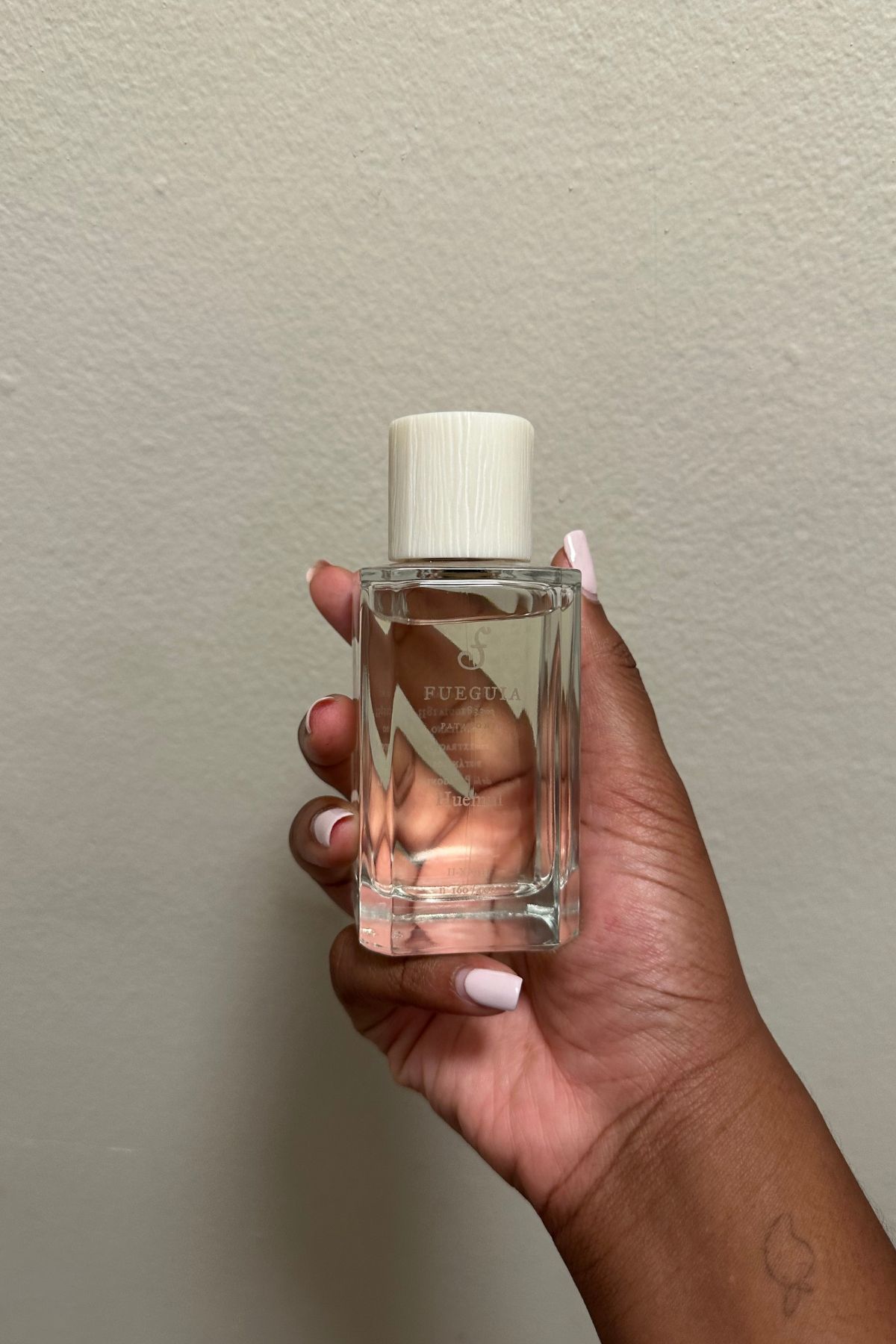
A clean-smelling musk perfume that I recommend to anyone who will listen is Huemul from Fueguia 1833. Jasmine, tonka, and sandalwood are a few of the notes that stick out to me whenever I first smell this perfume, but it has an almost fresh quality to it that I believe may come from the fact that the musk used in the formula is plant-based. This is a unisex delight that truly is one of those scents that is timeless and can be worn year-round.
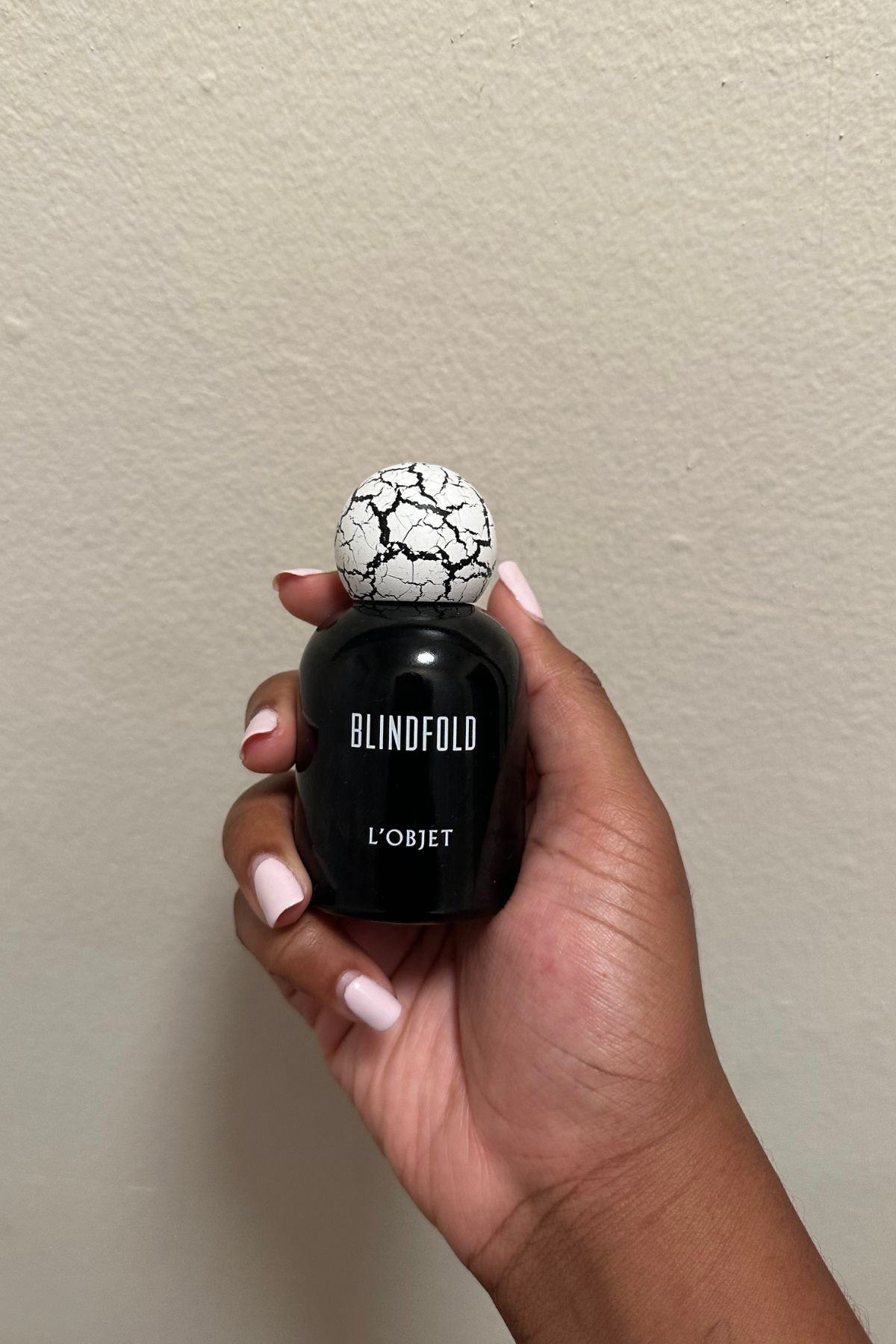
If the genre dark academia had a scent, it’d be Blindfold from L’Objet. Tobacco, saffron, amber, musk, and animalic notes are a few of my favorites in this formula, and the result is a perfume that is complex, sexy, smoky, and sits fairly close to the skin, but projects just enough to draw someone in.
Best Woody Perfumes
One thing about me? I’m going to wear a woody perfume in the fall and winter months. I love smelling like resinous sap from a tree, especially when layering with my favorite vanilla scents.
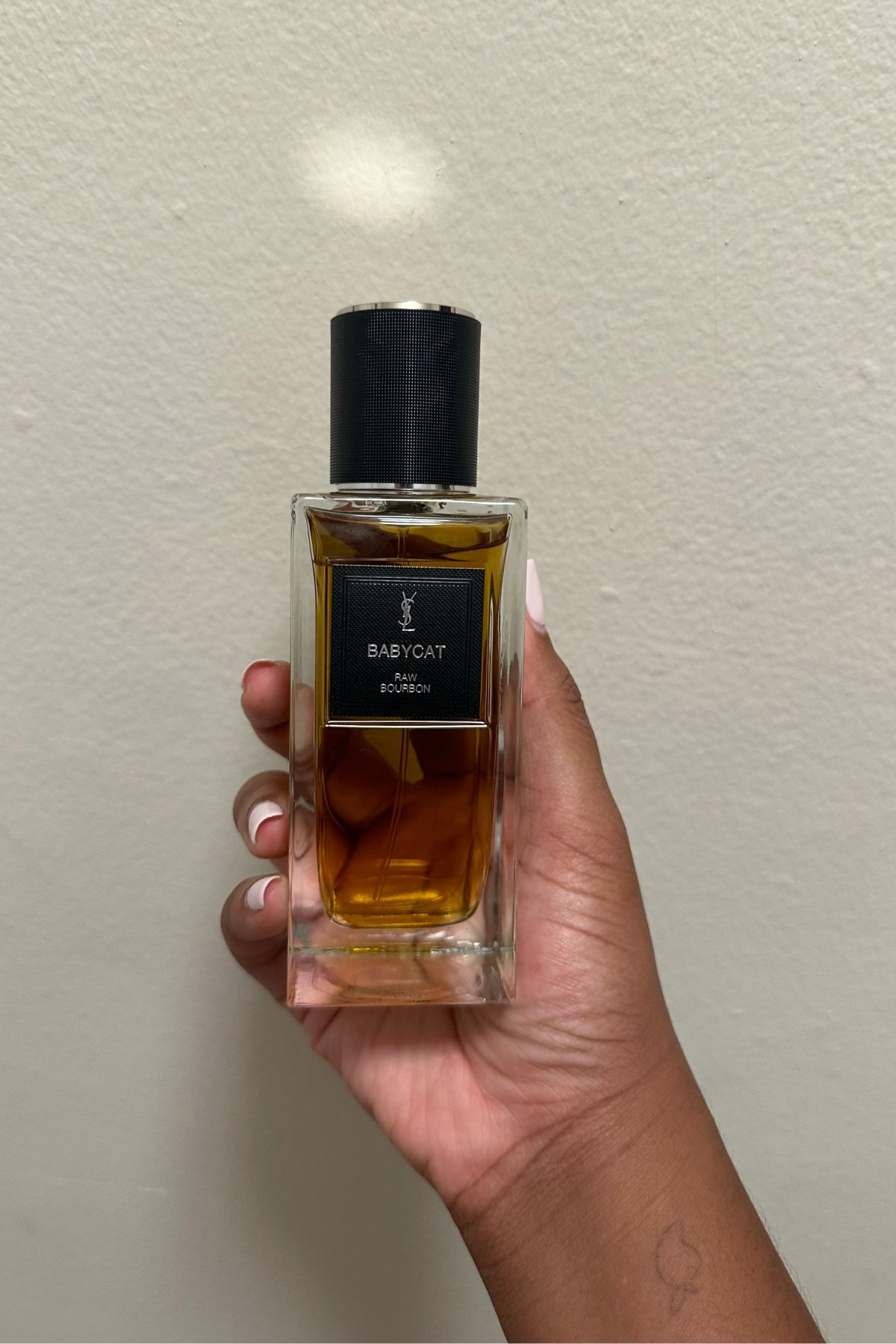
Equal parts spicy, woody, and sweet, YSL’s Babycat feels like an amalgamation of some of my favorite notes in perfumery. Pink and black pepper essence, saffron accord, vanilla, and cedar wood are a few that you’ll encounter after a few spritzes onto the skin, and the result is a sweet, heady scent that will be empty by next fall if I’m not careful.
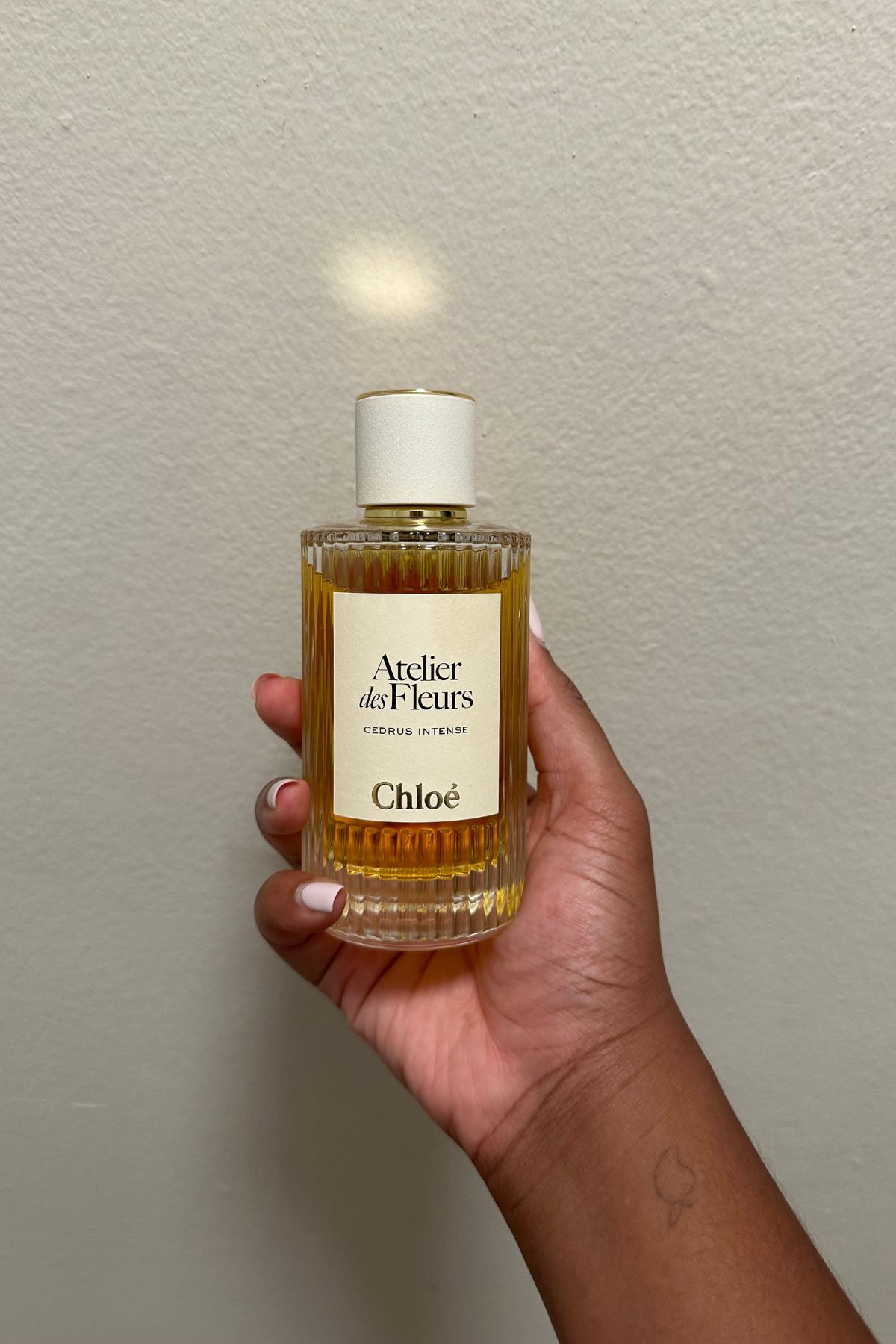
Lemon isn’t a note I thought I’d find in a woody perfume, but Chloe’s Cedrus Intense starts with a healthy dose of the fruity profile, before settling down and revealing the rose, cedarwood, akigalawood, and more in the formula. The result is a scent that is deep and so so sexy, perfect for snuggly fall date nights in.
Best Fresh Perfume
Though I tend to gravitate toward fresh perfumes in the summer, my love for them can never truly be contained to just one season. So of course, a few of my favorites snuck onto this list, and I refuse to be judged for it.
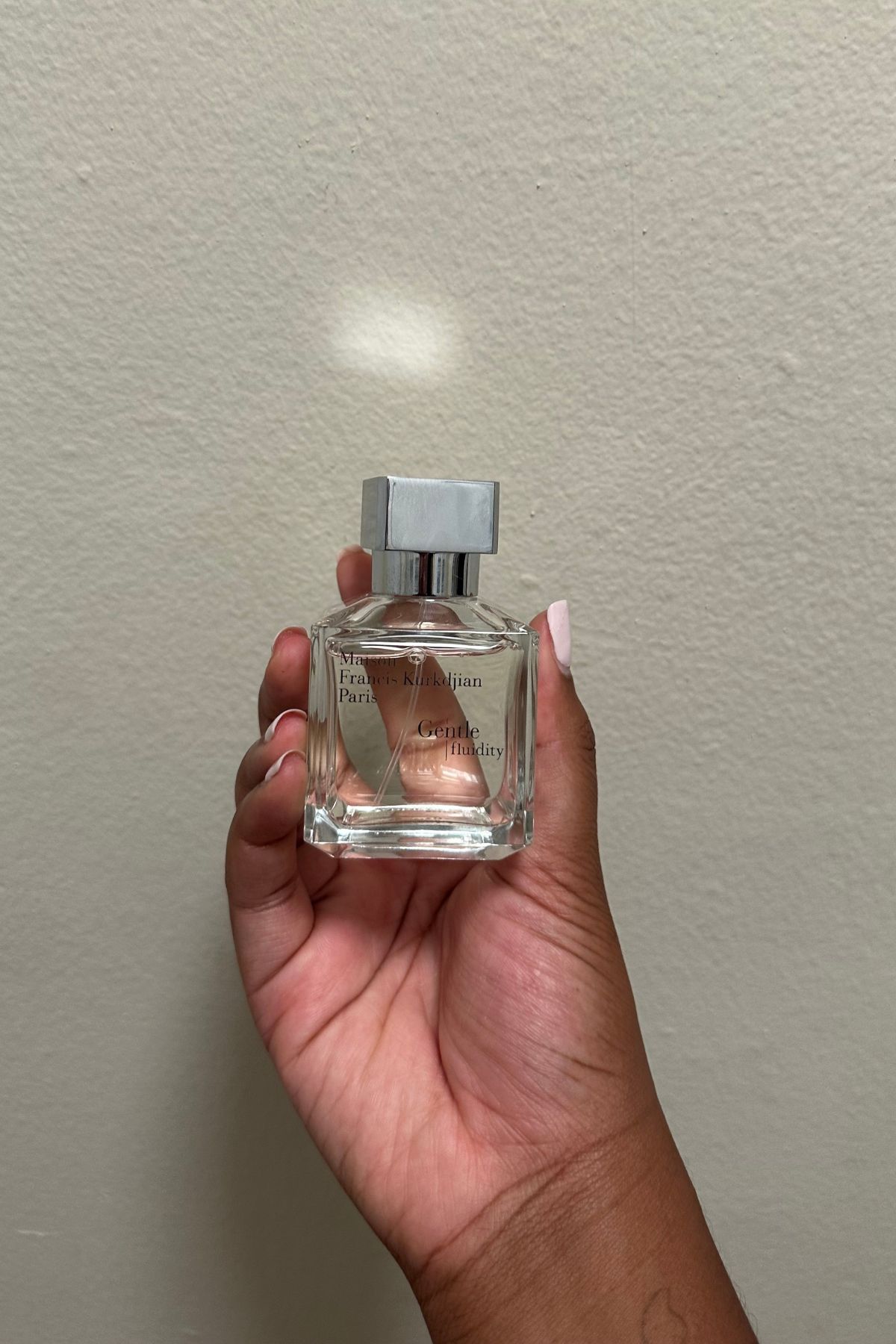
We all know and love Baccarat Rouge 540, but Maison Francis Kurkdjian has an underrated gem in its collection, and it’s called Gentle Fluidity Silver. Juniper berries, coriander seeds, and ambery woods somehow combine to create a perfume that toes the line between feminine and masculine, but all I can think about when I smell it is fresh laundry that was washed with the fanciest detergent that I own. It’s clean, airy, and a little musky, and it feels as versatile in my collection as a white T-shirt is in my wardrobe.
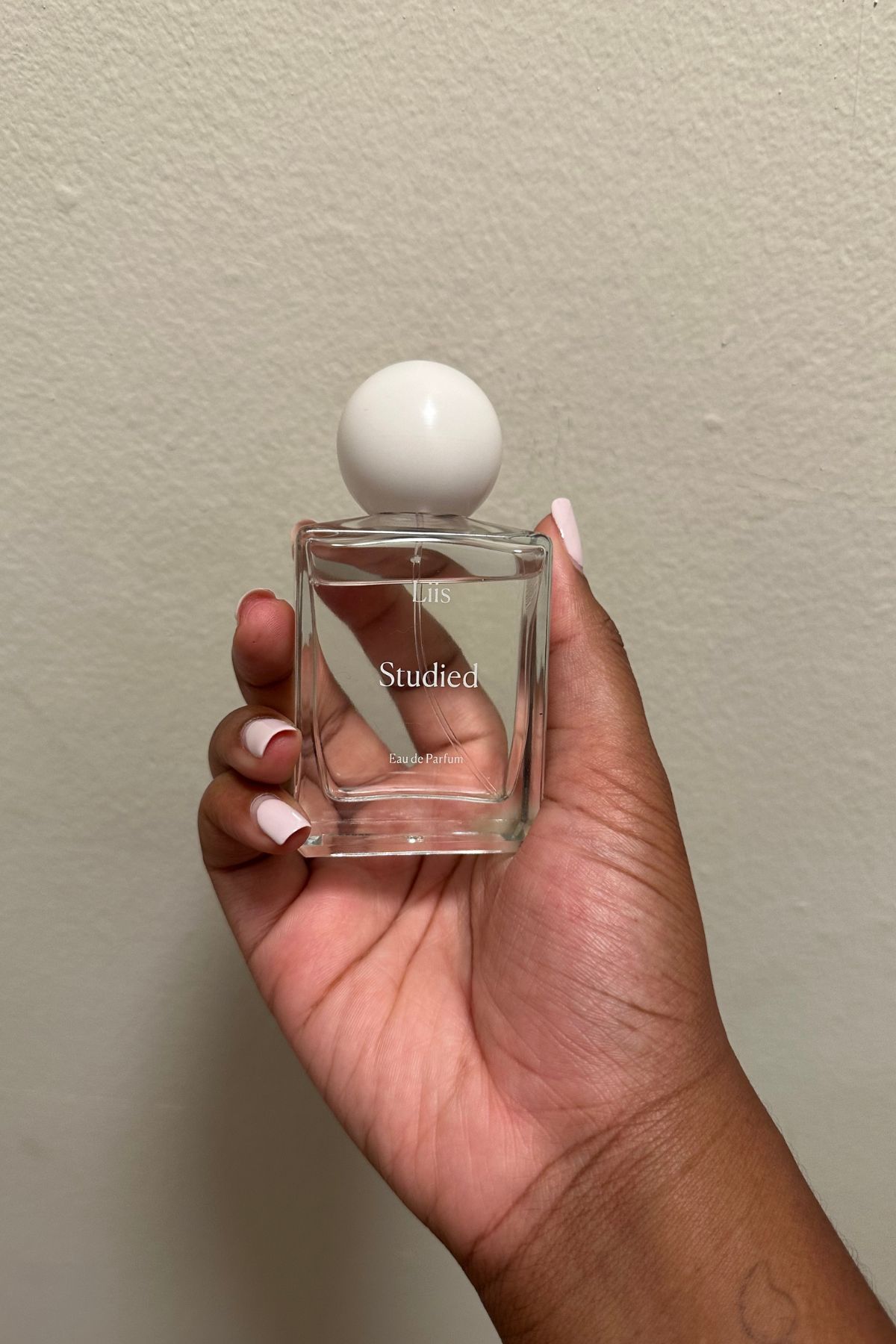
Pear has become one of my favorite fresh, cozy perfume notes, so I wasn’t surprised to see it in Liis’ Studied. It’s flanked by others like carrot, orris, and ambroxan, and the result is a formula that smells like sweetened, freshly-washed skin. It’s like an everything shower in a bottle.
Best Skin Scent
A skin scent is my secret weapon for feeling sensual and sexy. Even though they tend to sit a little closer to the body, I find that the cooler months allow them to project beautifully. With how good the perfumes below smell, you’ll be wanting as many people to smell them as possible.
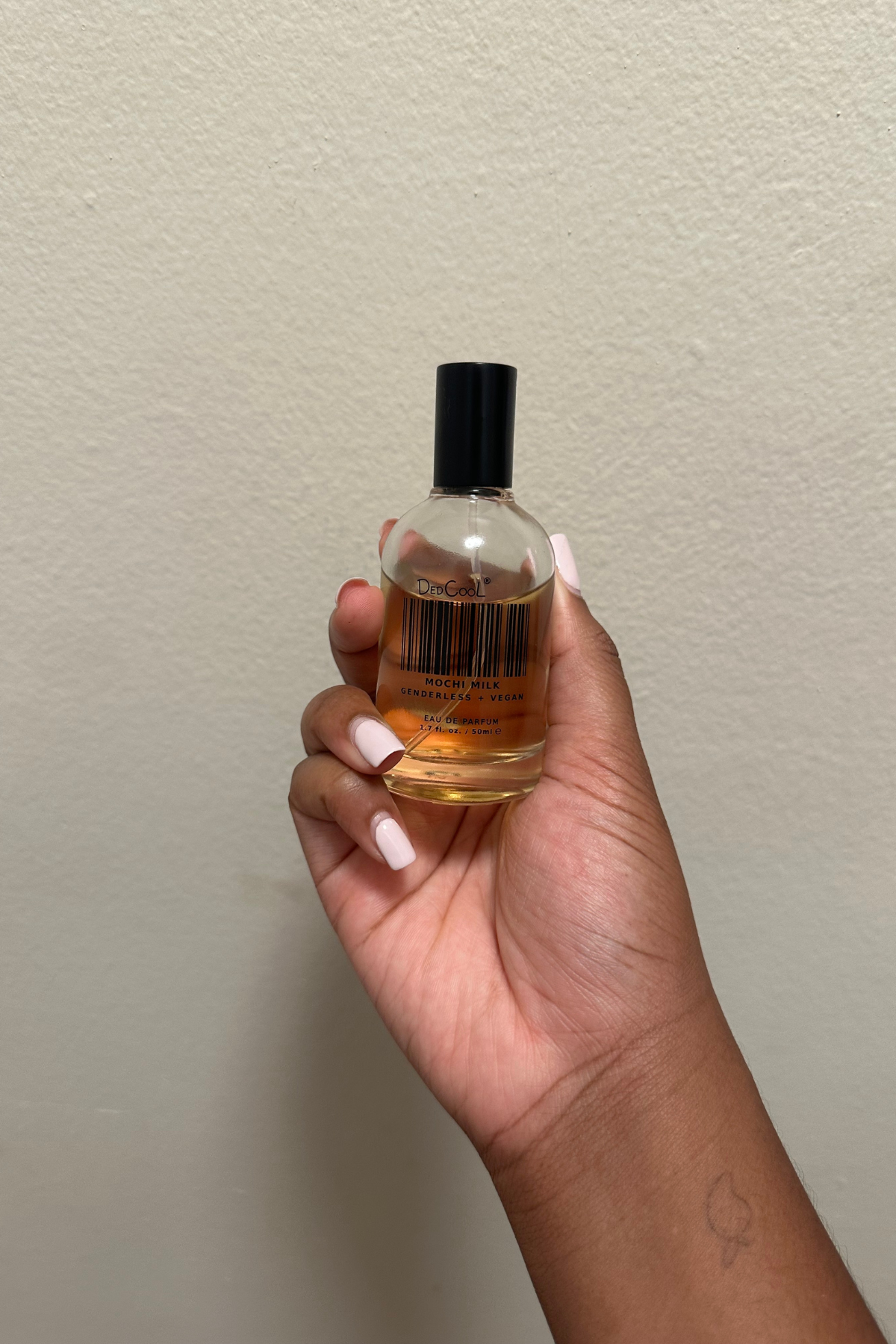
From the creators of the viral “Milk” perfume comes Mochi Milk, it’s cooler, more gourmand, older sister. One of my favorite notes of all time, marshmallow, is flanked by vanilla bean and sweet rice milk, making me smell like I’ve just applied my favorite vanilla lotion—except this perfume has much better lasting power.
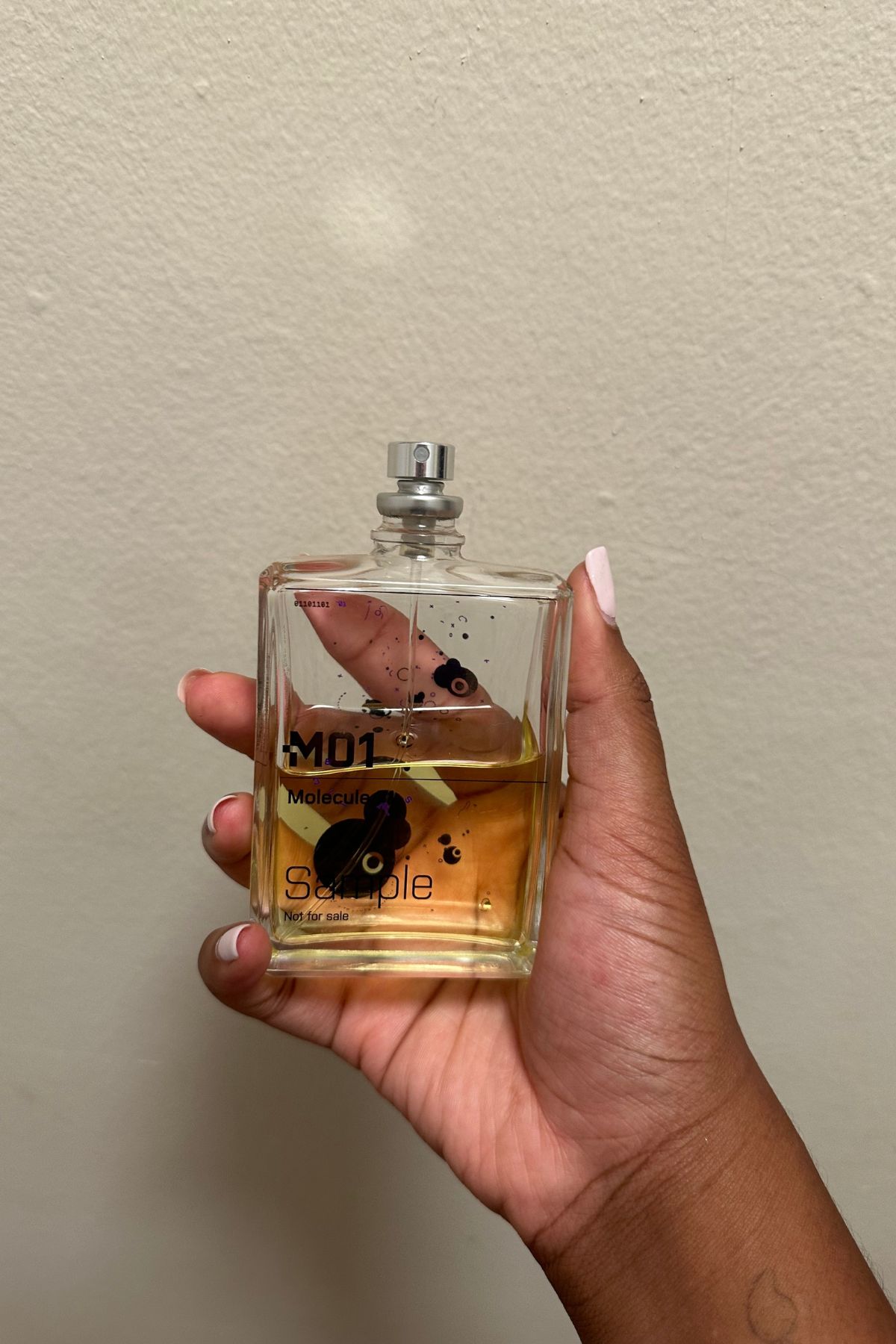
For a skin scent that screams “I’m the coolest person in this room right now,” look no further than Eccentric Molecule’s Molecule 01. It’s comprised entirely of Iso E. Super, a smooth, woody, amber scent that adds a smoothness to any other perfume that it’s layered with. That being said, it also wears beautifully by itself, so prepare for the compliments to roll in regardless of the manner in which you add it to your fragrance routine.
Why Trust Marie Claire
For more than 30 years, Marie Claire has been an internationally recognized destination for news, fashion and beauty trends, investigative packages, and more. When it comes to the products Marie Claire recommends, we take your faith in us seriously. Every product that we feature comes personally recommended by a Marie Claire writer or editor, or by an expert we’ve spoken to firsthand.
]]>“The outfit-watching at Copenhagen Fashion Week is always a treat, but I'm most obsessed with dialing in on fellow attendees' hair accessories,” says Marie Claire’s senior fashion news editor, Hailey LeSavage, who is currently on the ground at Copenhagen Fashion Week. “This season felt delightfully practical, as only the Danes can be.” LeSavage reports seeing everything from functional ponytail cuffs (sat atop sleek, low buns), silk hair scarves and bandanas keeping flyaways out of guests' faces, and even crocheted swim caps and netted hairpieces over elegant, boho waves.
In addition to accessories du jour, there has been a bevy of eye-catching haircuts and colors. Think: floor-length pink braids, Jellyfish cuts, curled pixies, and more. We’ve also been seeing the classics with a twist. Bob haircuts with an added flair, sleek ponytails with unexpected details, and even the resurgence of the bow trend, updated to 2025’s standards, of course.
Copenhagen’s festivities act as a kick-off to Fashion Month internationally, so if you want to be ahead of the curve when New York, London, Milan, and Paris Fashion Week all roll around, keep reading for the hairstyles and accessories that all the it-girls will be wearing. Plus, shop a few of my favorite brands to get similar looks.
Unexpected Hidden Details
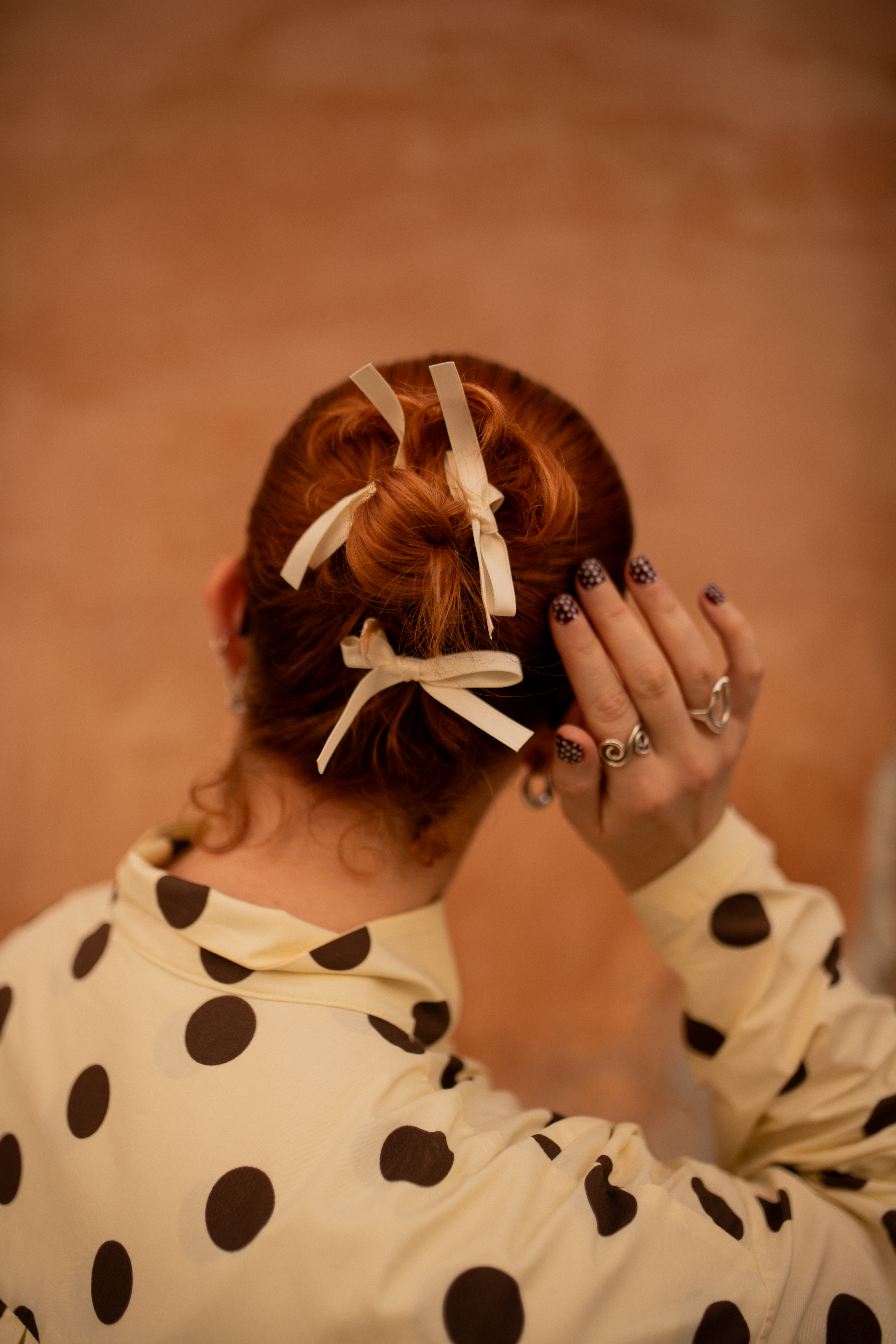
One of my favorite hair trends to come out of Copenhagen Fashion Week is the unexpected hair detail. From a certain angle, you may think you’re looking at a regular half-up, half-down hairstyle or a traditional ponytail braids. Have your subject turn around, however, and you’ll be greeted by giant flower clips, oversized scrunchies, and tiny bows positioned just so around a gorgeous updo.
Bob-o-Mania
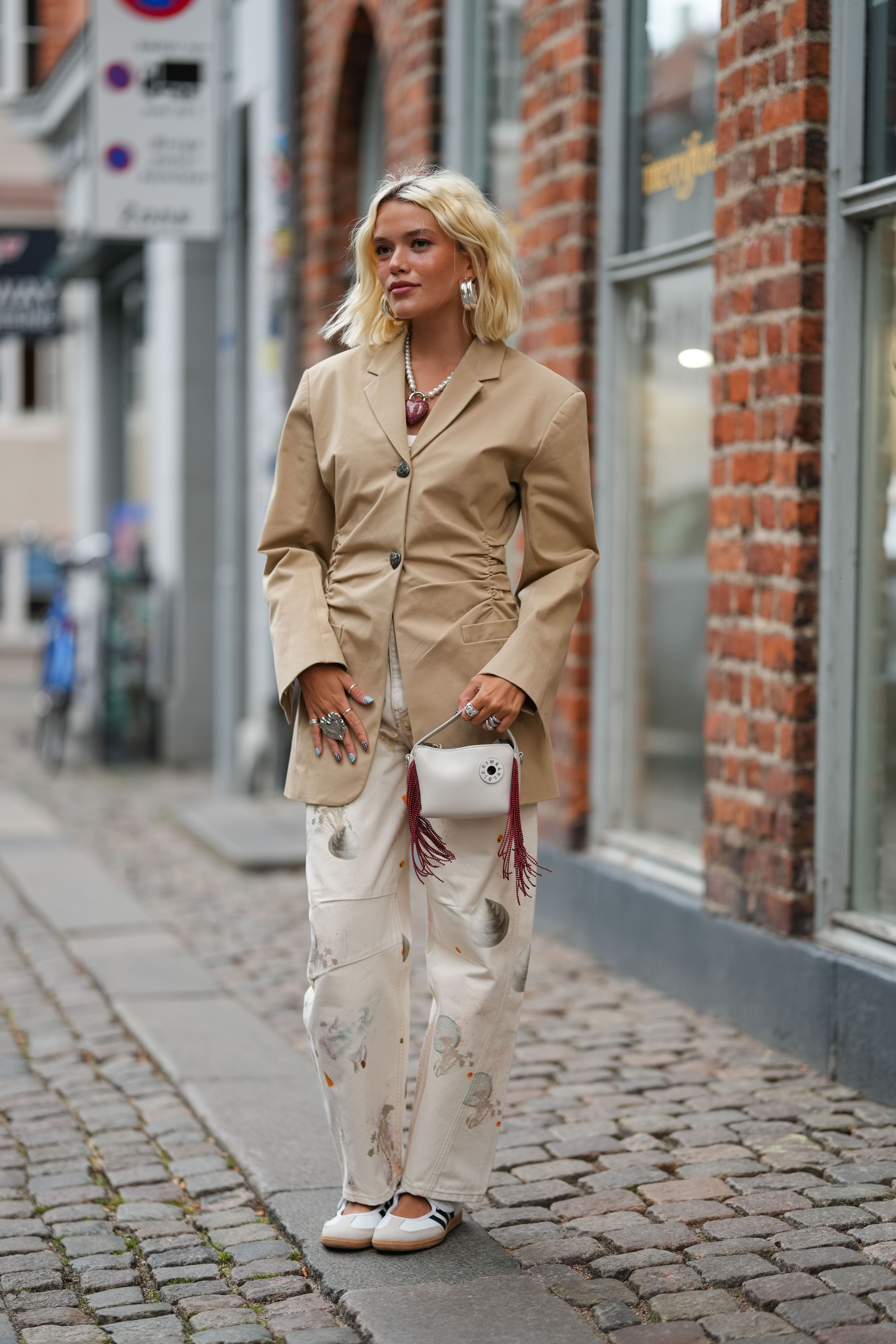
If you thought the bob haircut trend was going anywhere, think again. Everything from tucked bobs to curled styles has been making the rounds during Copenhagen Fashion Week. What differentiates these versions from their predecessors is that people are no longer depending on the cut itself to make the statement, but they are styling their new shorter haircuts to fit their personal styles, a key element to consider when thinking about a hair makeover. Think interesting curl positions, tons of volume, or again, a good accessory to elevate the look.
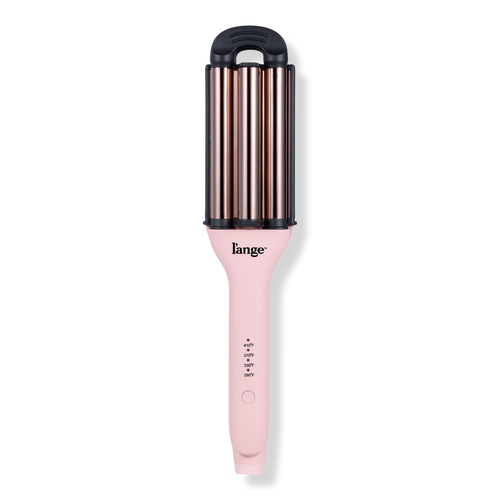
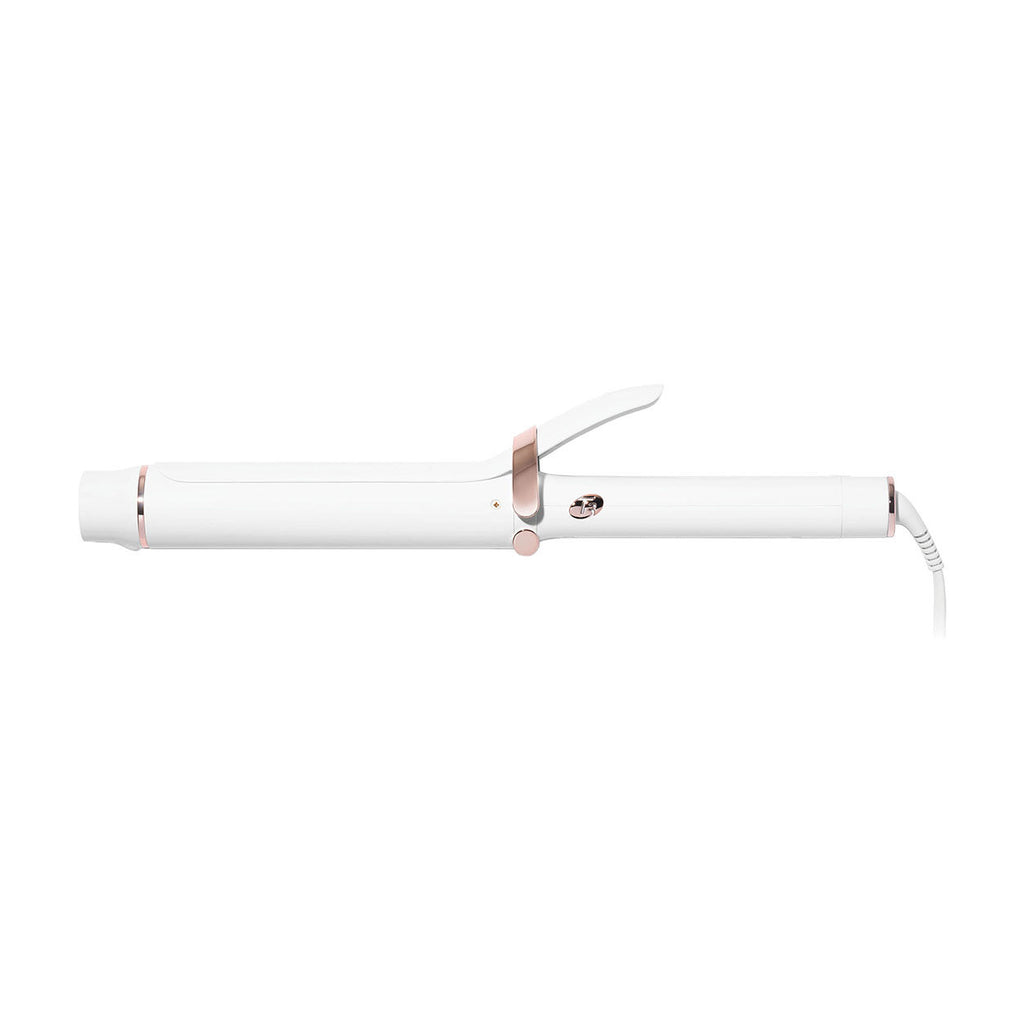
Cool-Girl Braids
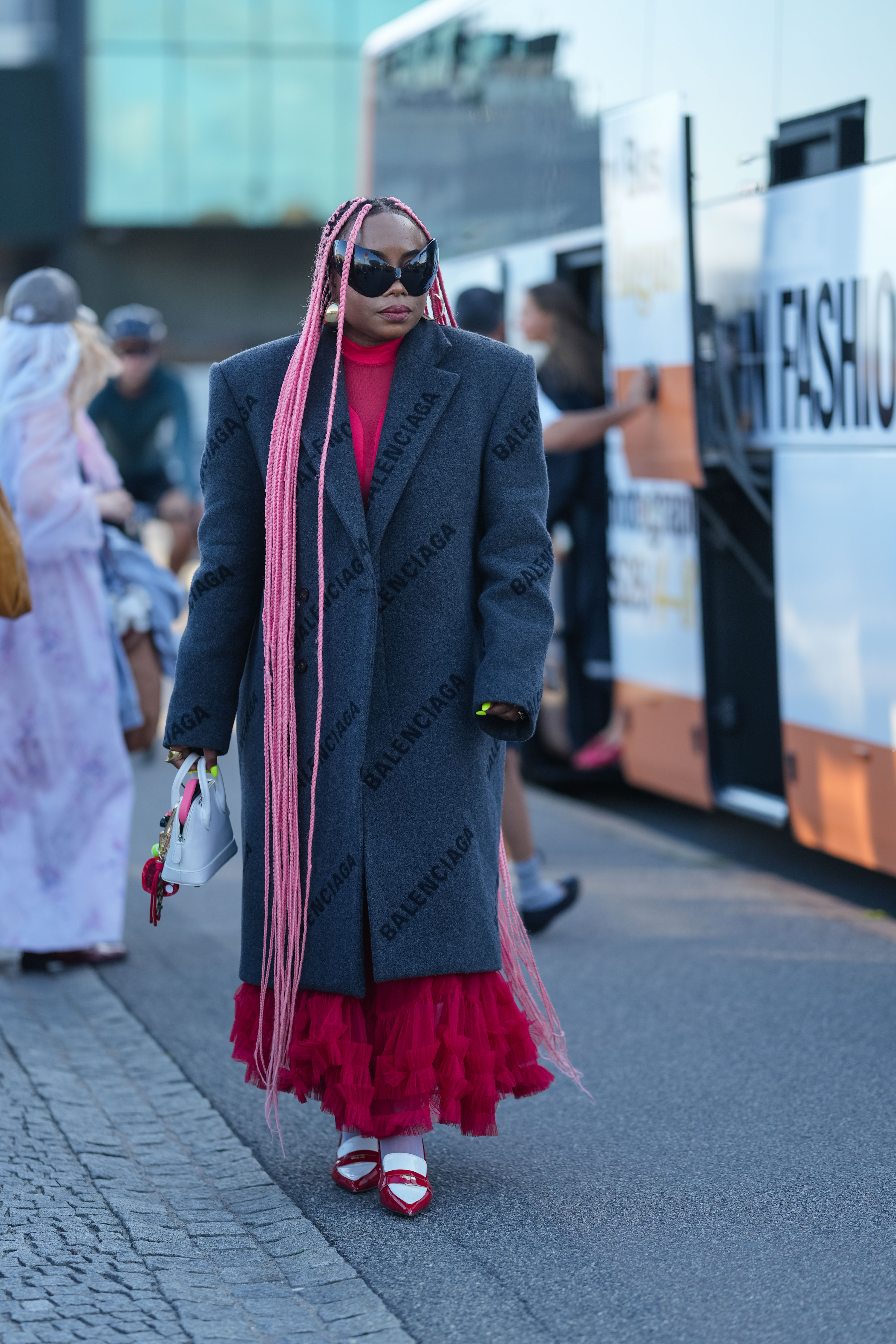
Yes, braids have long been touted as one of the best protective styles that offer low hair manipulation and easy styling options for daily wear. However, the braids at Copenhagen Fashion Week aren’t just functional; they’re pieces of art in and of themselves. From bold hues and dramatic lengths to intricate, almost royal-looking styles, the braids of 2025 deserve a mood board all of their own.
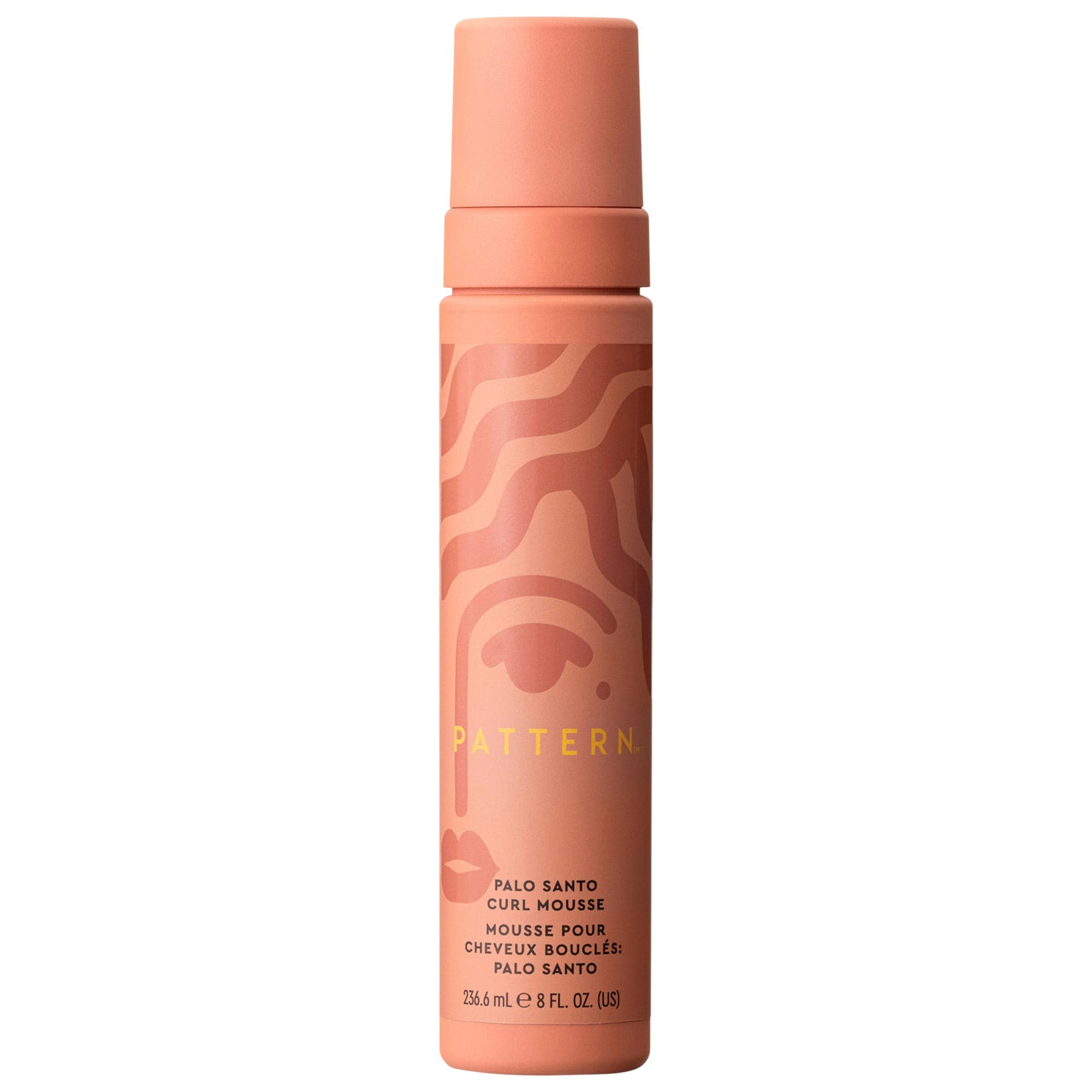
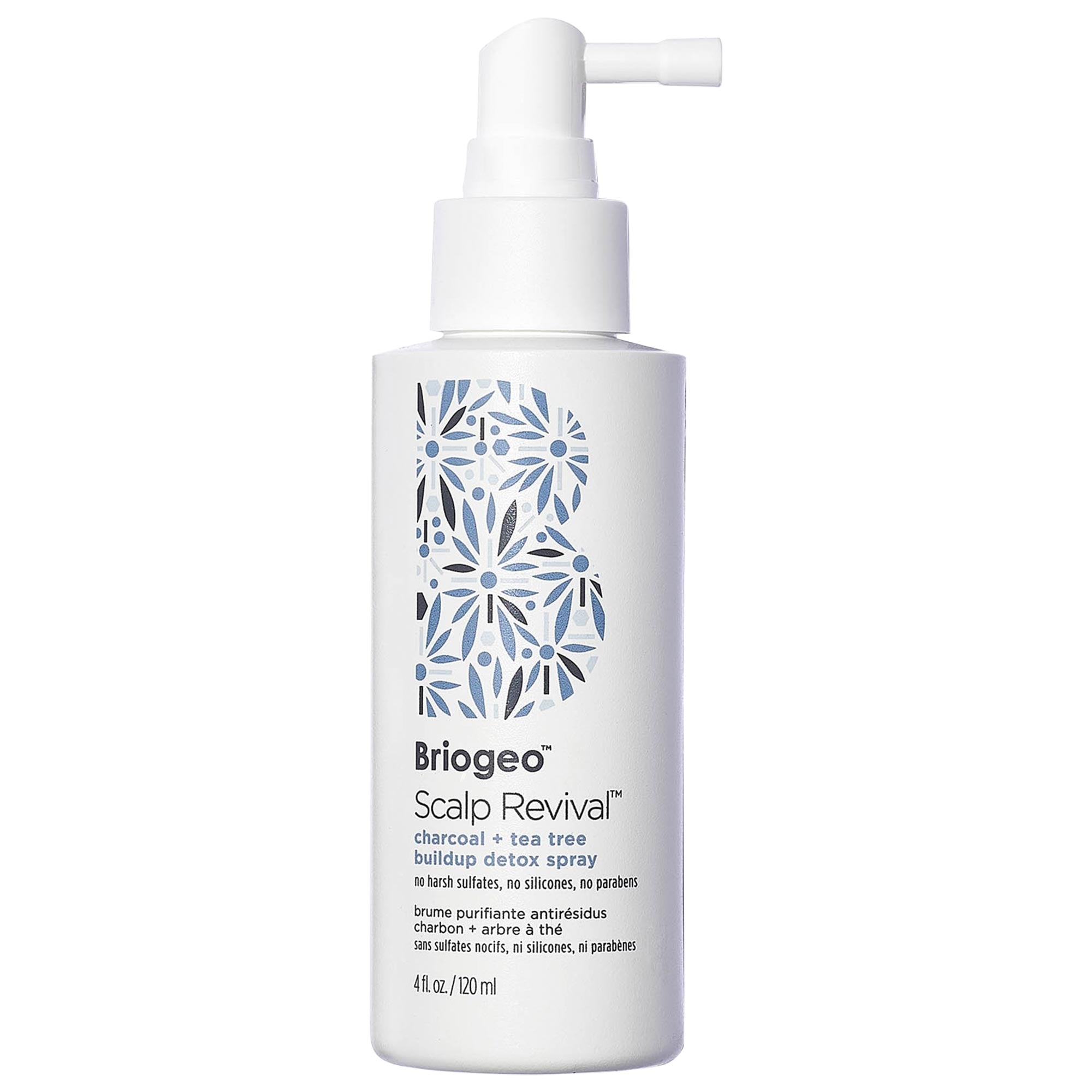
Pixie Princesses
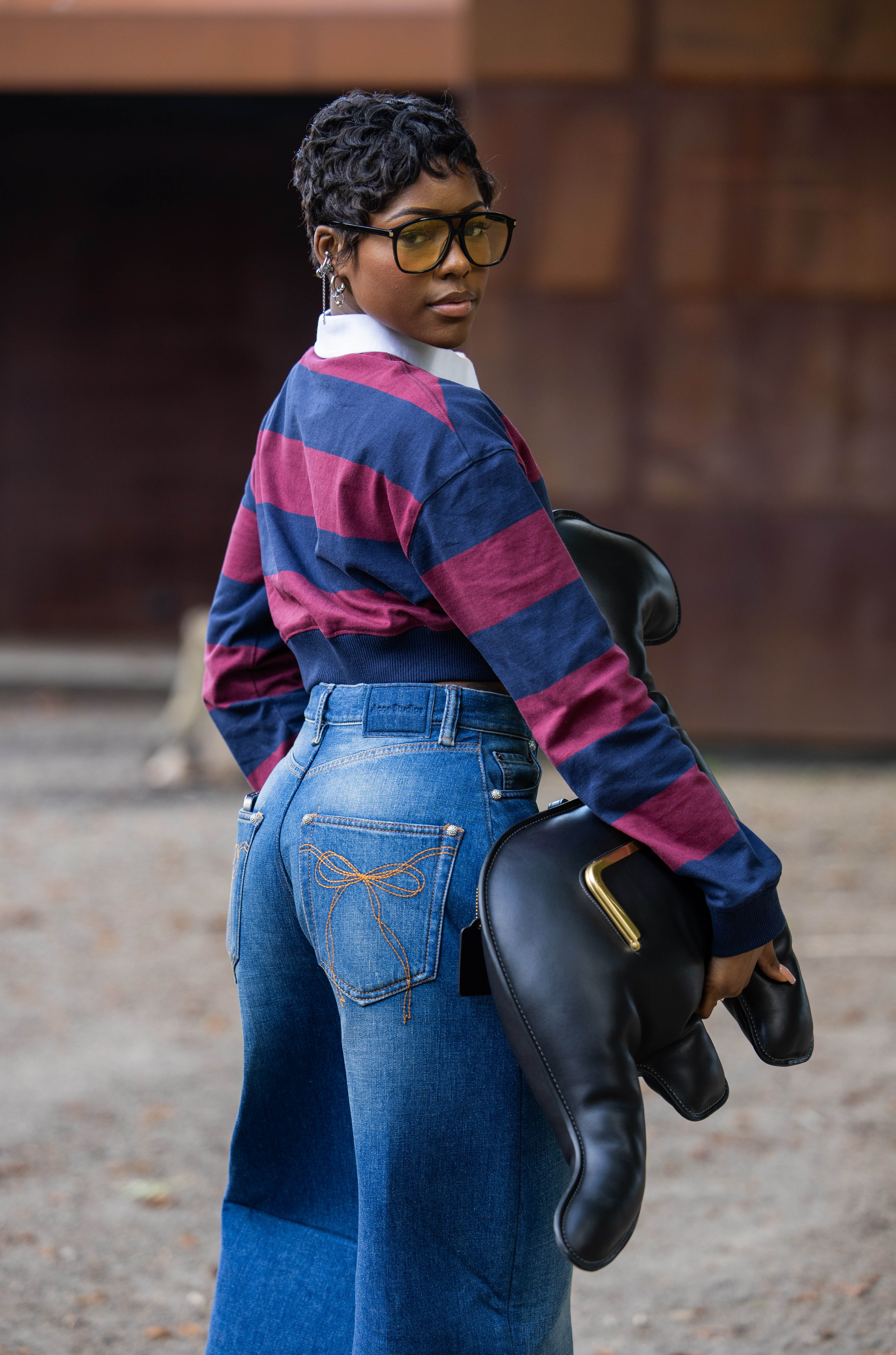
Bobs aren’t the only short hairstyle reigning at Copenhagen Fashion Week. Pixies are also having a moment, with street-style aficionados adding texture and color to the popular haircuts. Some are even combining the two styles for a bixie moment, a nod to the trend from 2023 that’s slowly making its return to the zeitgeist.
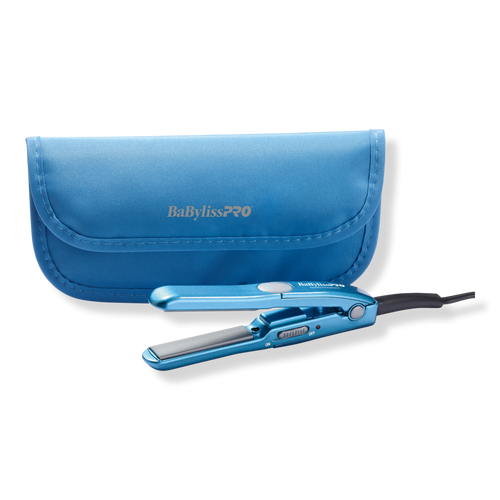
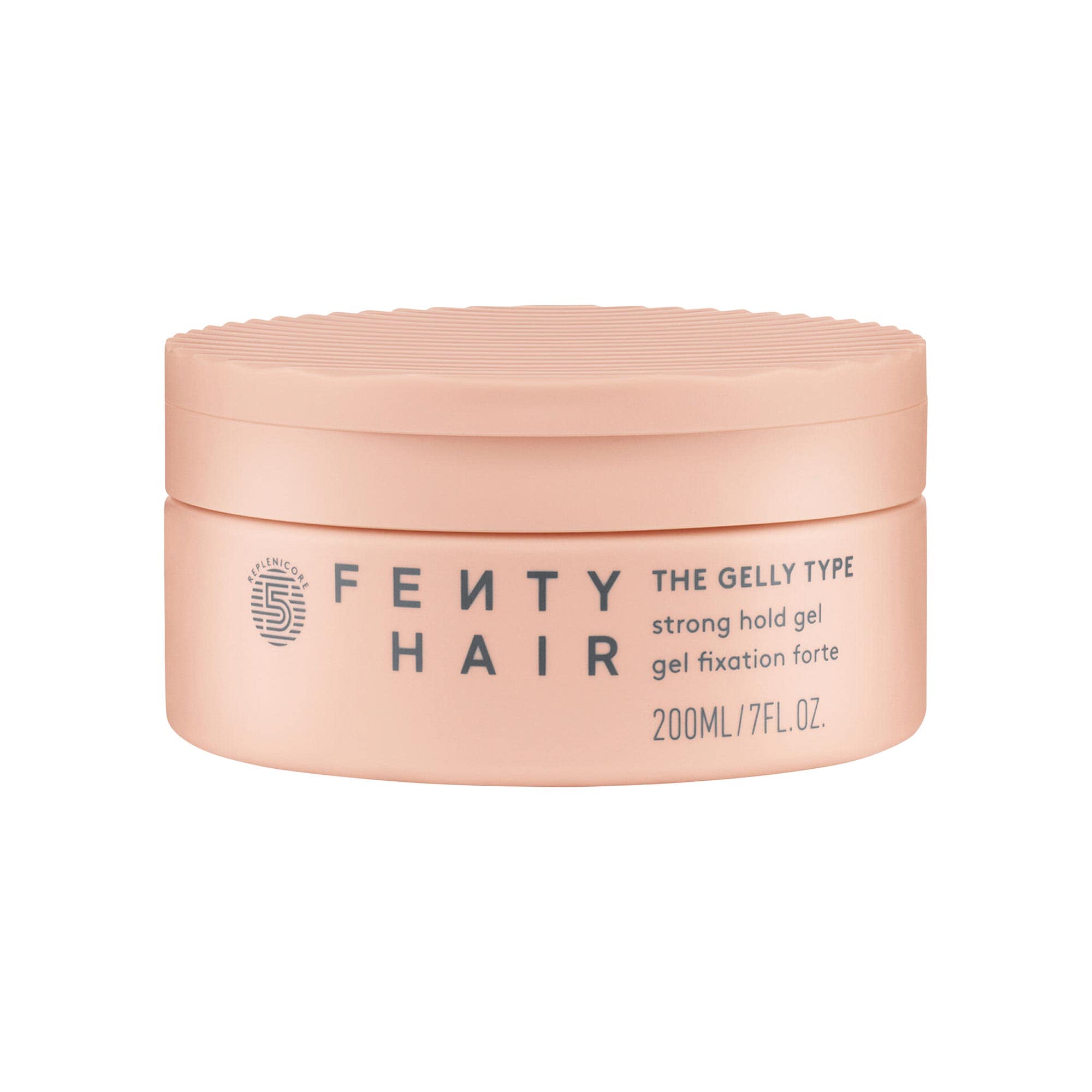
Jellyfishing, Anyone?
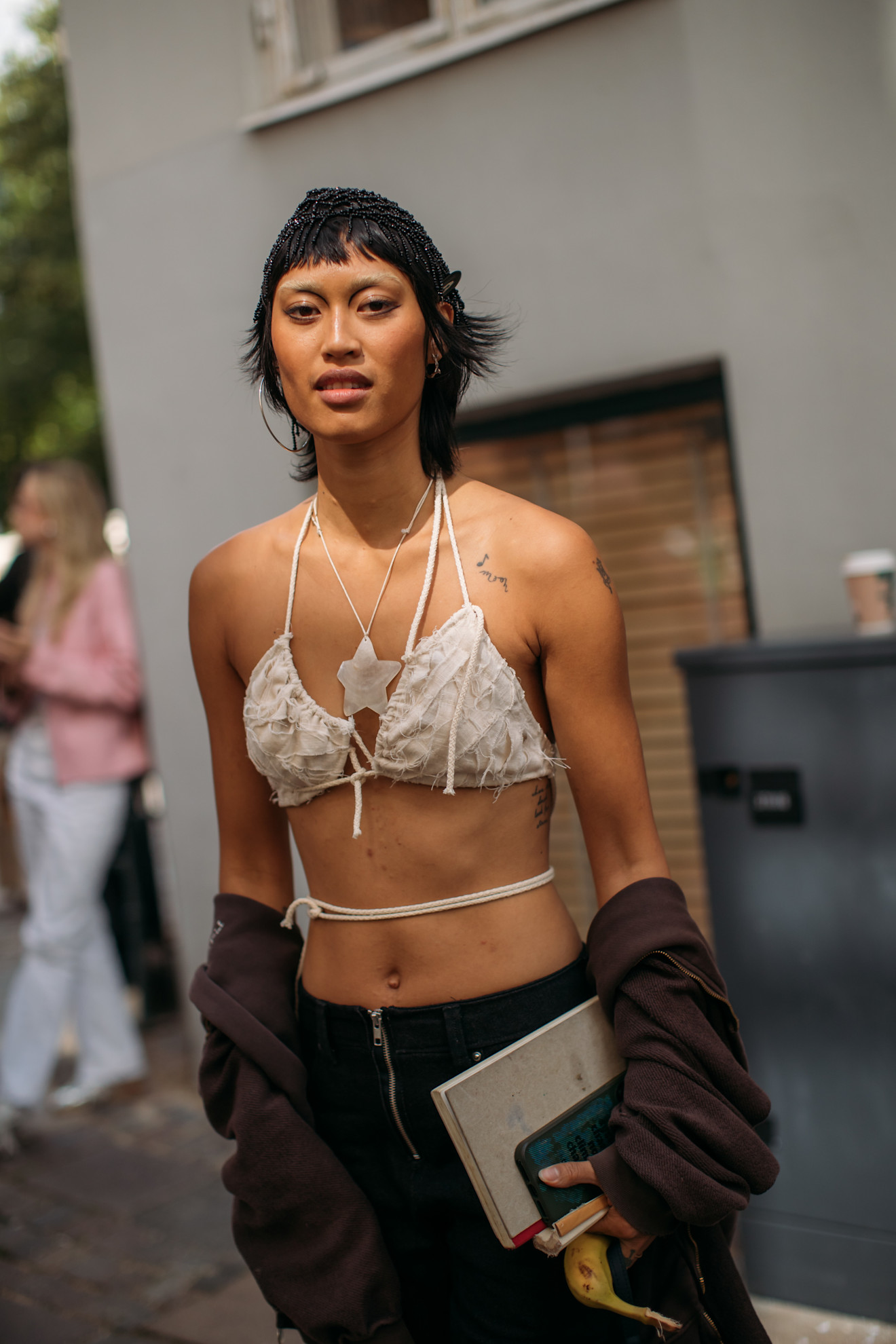
Jellyfish cuts have returned with a vengeance, and Fashion Week attendees are enthusiastic supporters of the trend’s resurgence. Across hair types, colors, and lengths, people are embracing the animal-inspired cut, adding unique elements like rhinestone accessories or a fun color to the style to give it a healthy dose of individuality.
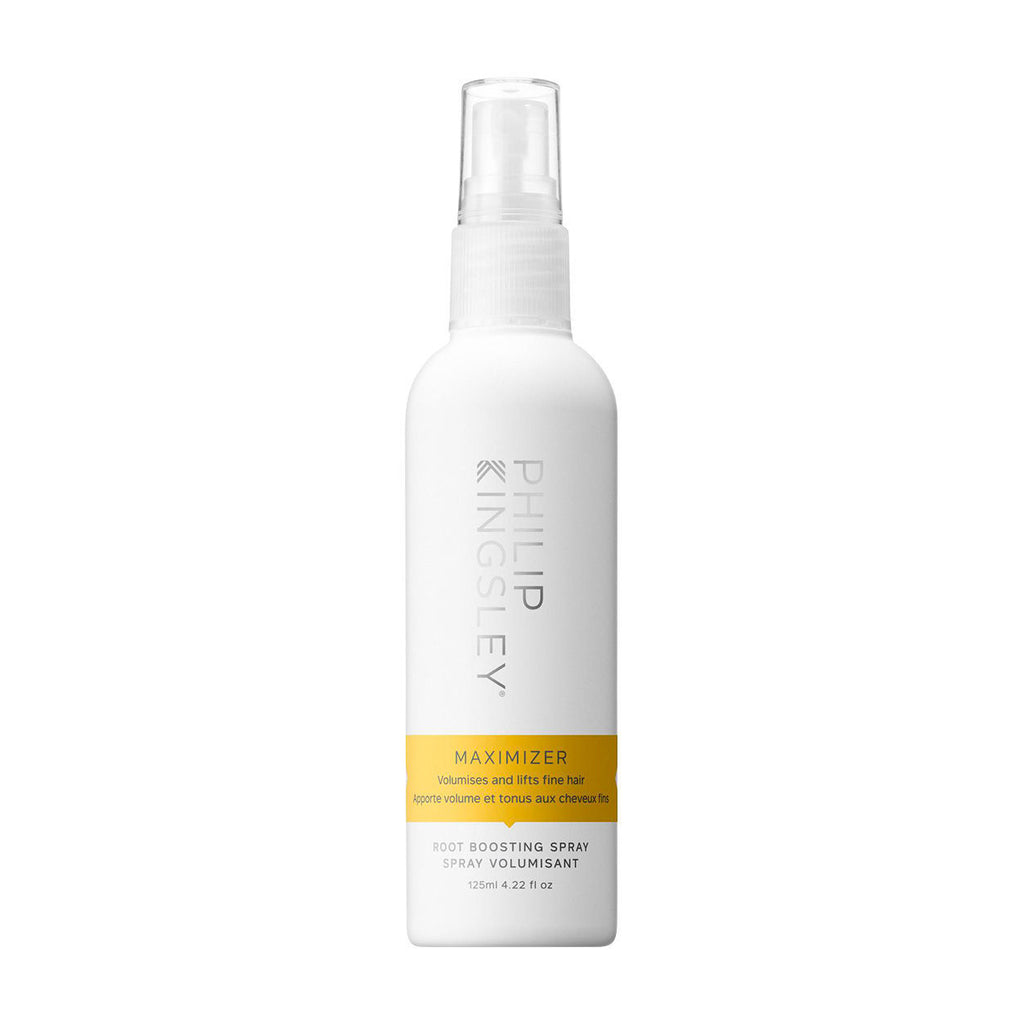
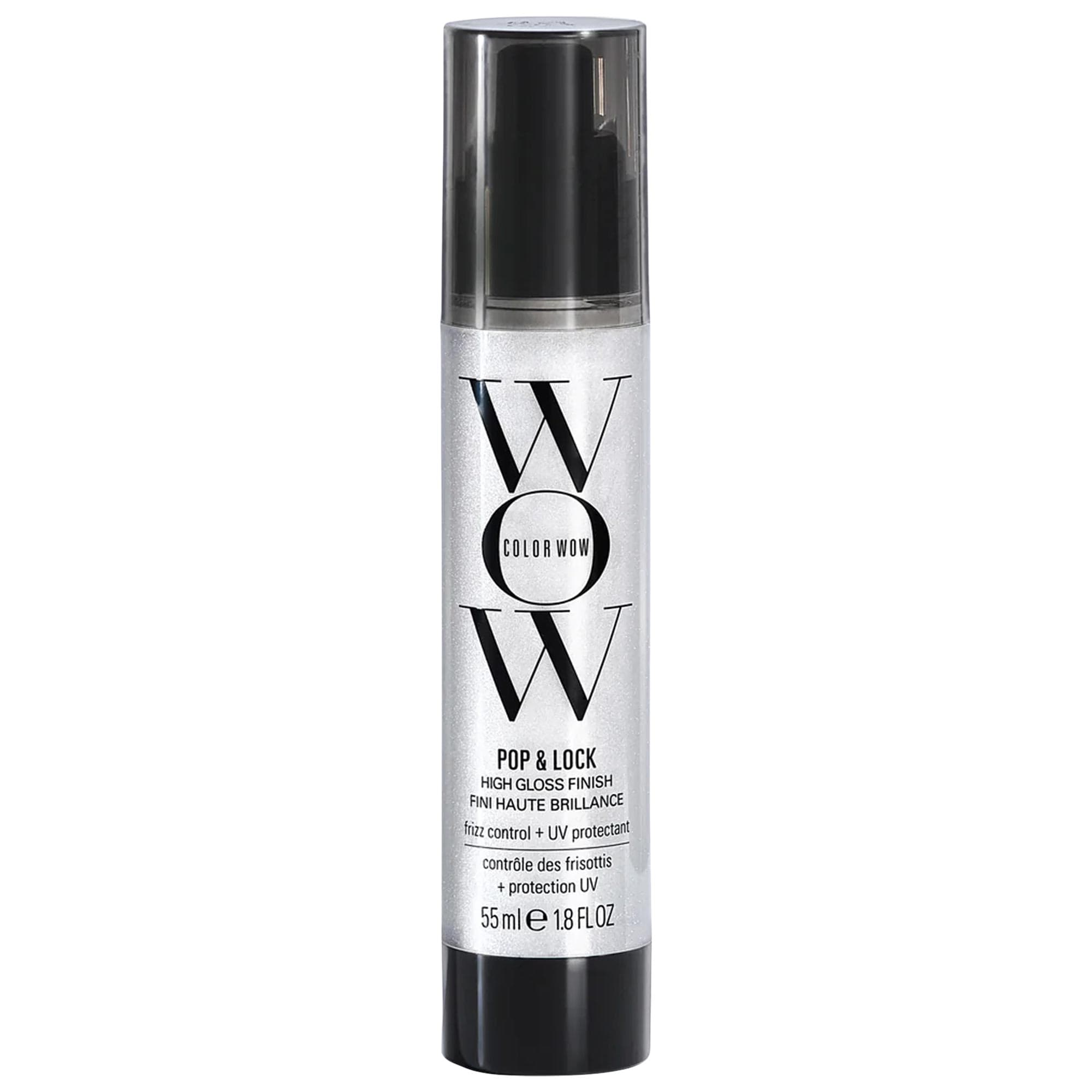
The Fisherman Aesthetic
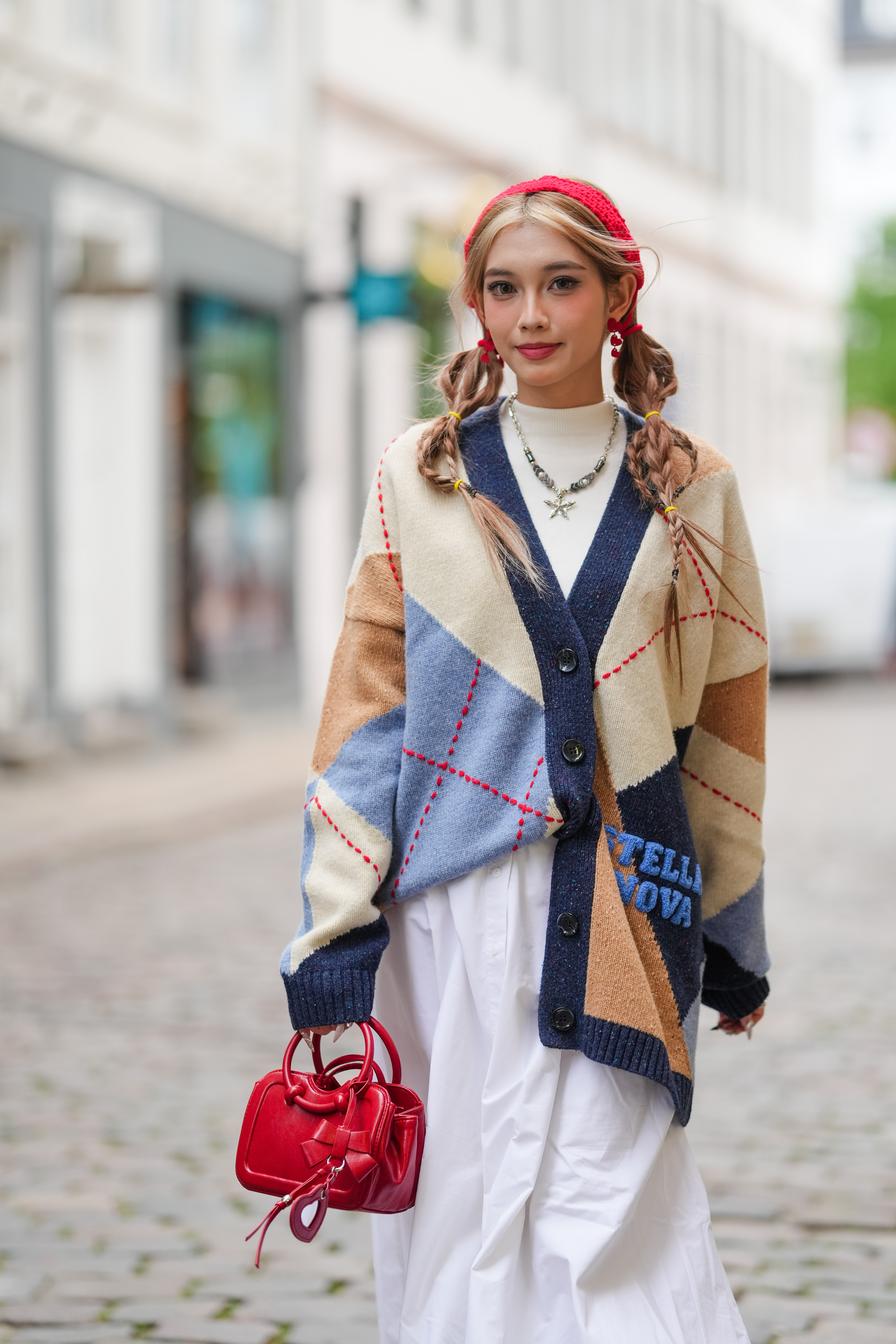
Netted hairpieces have been all the rage this week, with people using strips of crocheted fabric as headbands, clips, scarves, and more. My favorite iterations of the trend have all provided a pop of color to an outfit, for an accessory that is as fashionable as it is functional.
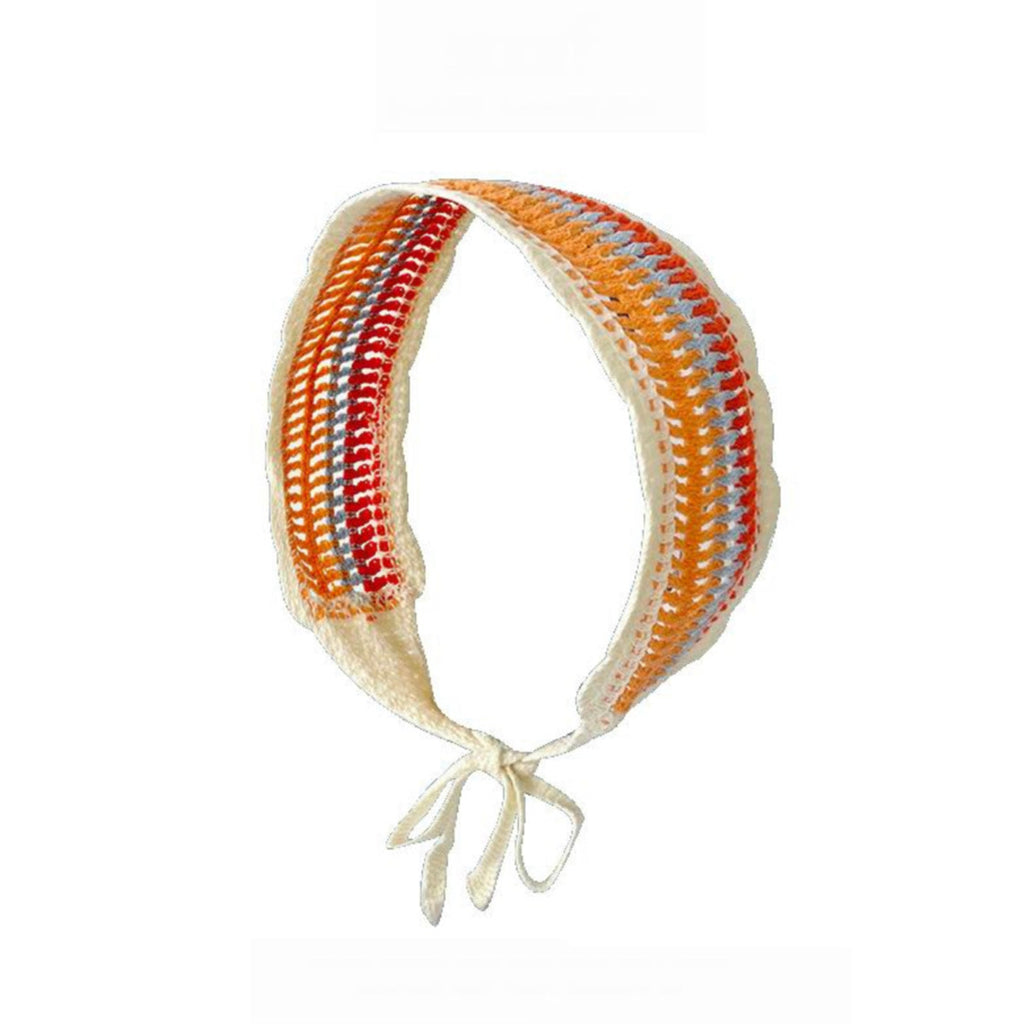
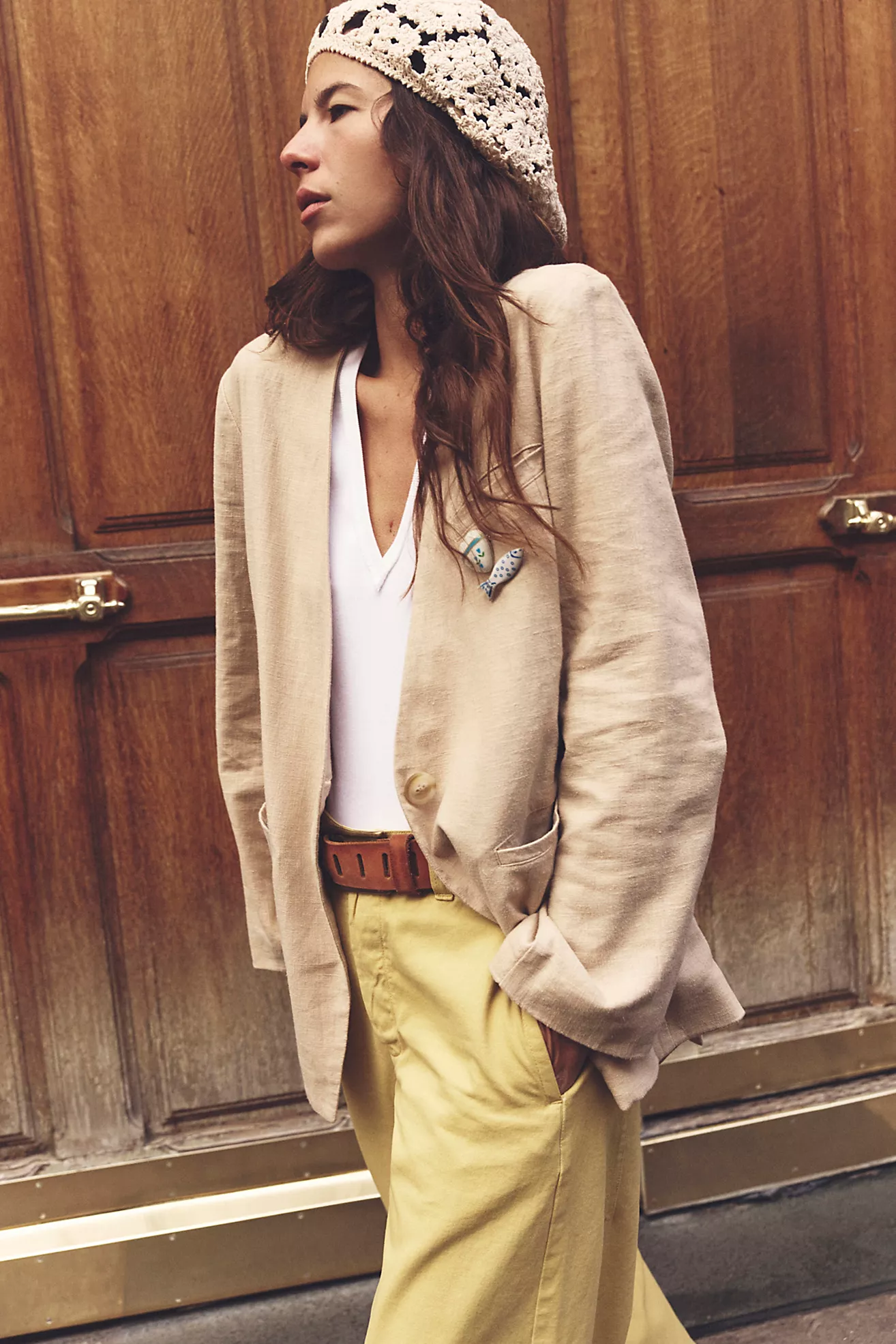
Why Trust Marie Claire
For more than 30 years, Marie Claire has been an internationally recognized destination for news, fashion and beauty trends, investigative packages, and more. When it comes to the products Marie Claire recommends, we take your faith in us seriously. Every product that we feature comes personally recommended by a Marie Claire writer or editor, or by an expert we’ve spoken to firsthand.
]]>The results of the post-facial high had me hooked, but it was something Dr. Hamdan said that really stuck: she does lymphatic drainage every single day, with simple hand strokes, no matter where she is. That was my lightbulb moment. I realized my entire body could feel as de-bloated and sculpted as my face with this simple addition to my routine. It didn't have to be complicated or time-consuming, just consistent.
Scientifically, it makes sense: The lymphatic system plays a crucial role in clearing toxins and reducing inflammation, and daily stimulation—through movement or massage—keeps it flowing. For me, incorporating a few minutes of lymphatic habits has become the easiest, most effective way to de-puff and reset. Here's exactly how I do it, along with the products that go along with it.
Quick & Easy Lymphatic Massage Motions
I have done this simple massage all over my body—using just my hand—consistently for the past week. I can do it sitting or standing still, and it takes just a few minutes. The best part? It requires no tools or a major time commitment.
I start by placing my hands lightly on my neck, near the back of my ears, and sweeping downwards toward my collarbones and shoulders to open drainage pathways. Next, I move to my underarms and gently massage them, moving on to my groin with the same technique. For legs, I focus on the area behind my knees. For an in-depth visual, Jannell Roberts makes a great tutorial.
De-Puff & Sculpt
Morning face massage is my non-negotiable. It wakes up my skin, carves out my cheekbones, and boosts circulation—all before my caffeine even hits. It initiates the drainage of pooled lymph fluid, making it the perfect first step before the rest of my skincare routine.
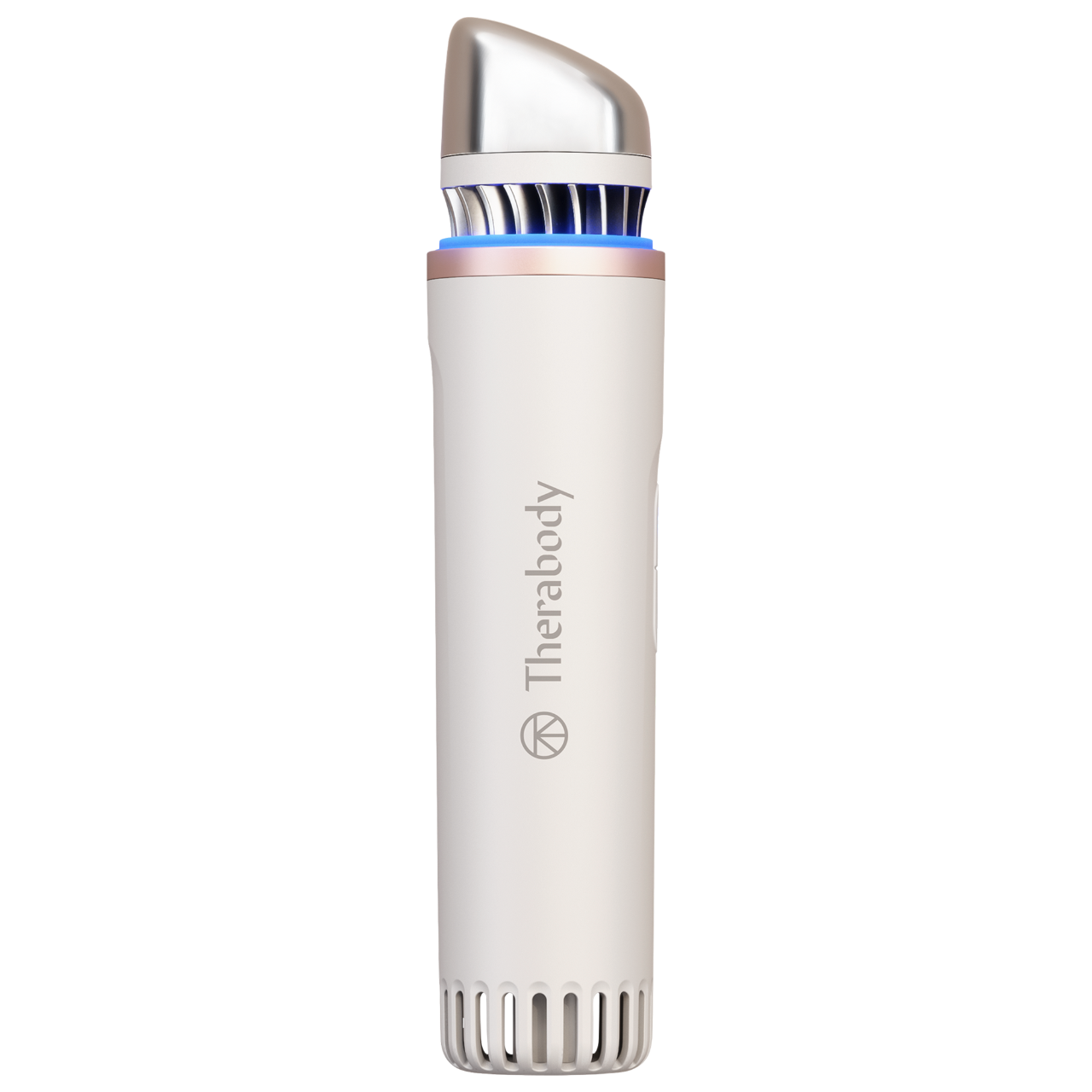
The high-technology on this device basically takes all of the guesswork out, and instantly de-puffs undereye bags and reduces the appearance of tired eyes.
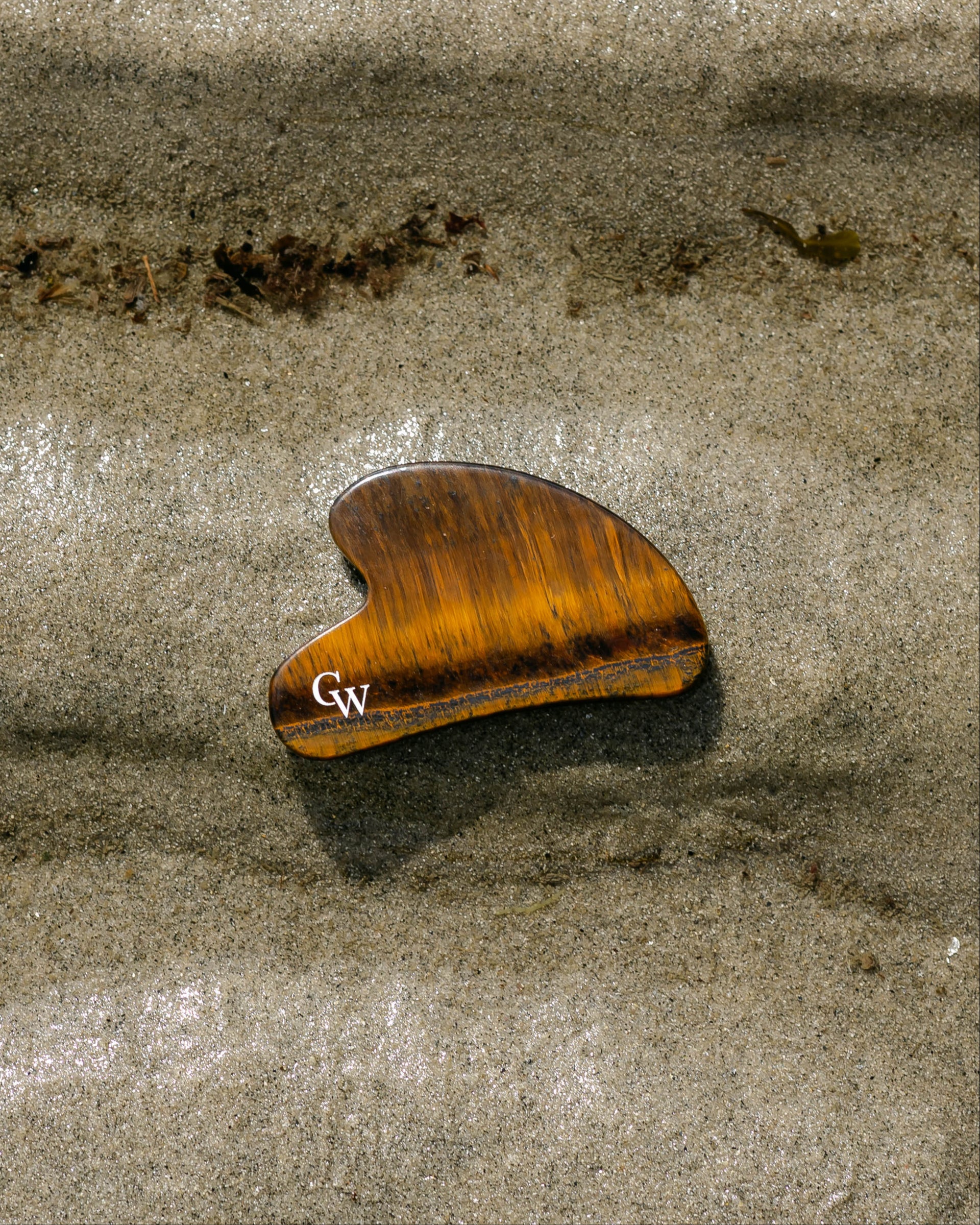
Return to the basics with this aesthetically pleasing gua sha that works just as well for sculpting my face as it looks sitting on my vanity.
Dry Brush Time
Before I started using one, I thought dry brushing was something only pilates girls used on TikTok. I incorporated it into my routine pre-shower to stimulate lymph flow and exfoliate my skin—and it's been especially helpful when I self-tan or have been traveling and snacking on one too many salty treats. I do long strokes, always toward the heart.
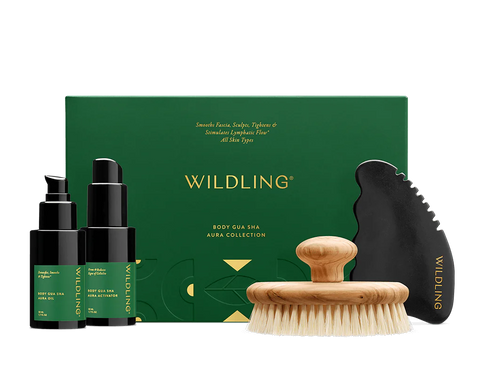
Don't know what products to get for your lymphatic drainage body routine? Easy. Pop this kit in your cart that includes everything from a body gua sha, a dry brush, and two skincare treatments.
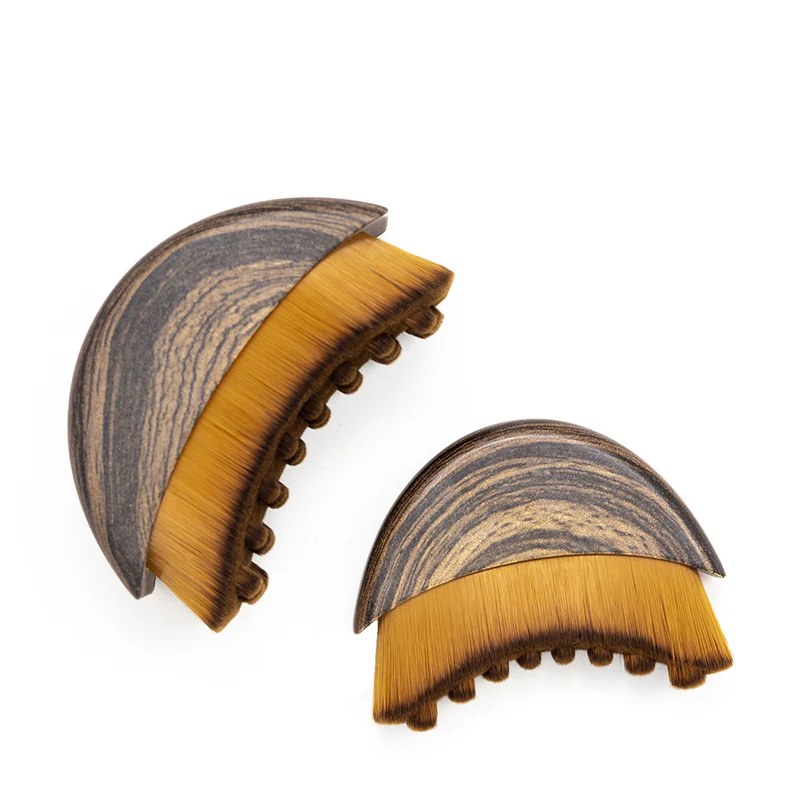
Famous massage educator and esthetician Cecily Braden created these ultra-luxe dry brushes that are softer than their counterparts and made to last. The set includes one for your face and your body.
Smooth It All On
Post-massage and dry brushing, I seal in all that sculpting with hydrating products. I like body serums or firming lotions with ingredients like caffeine, which can tighten skin and improve tone and texture. While the effect is only temporary, it adds an extra boost to my lymphatic routine and leaves my skin feeling silky smooth.
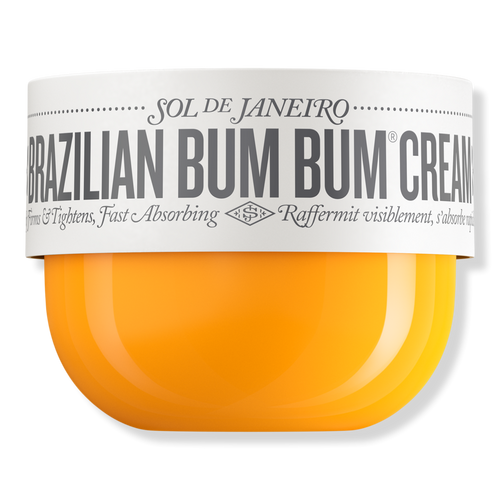
This cult-favorite body cream contains its hero ingredient, caffeine-rich guaraná for smoother, tighter-looking skin. Plus, it smells absolutely delicious.
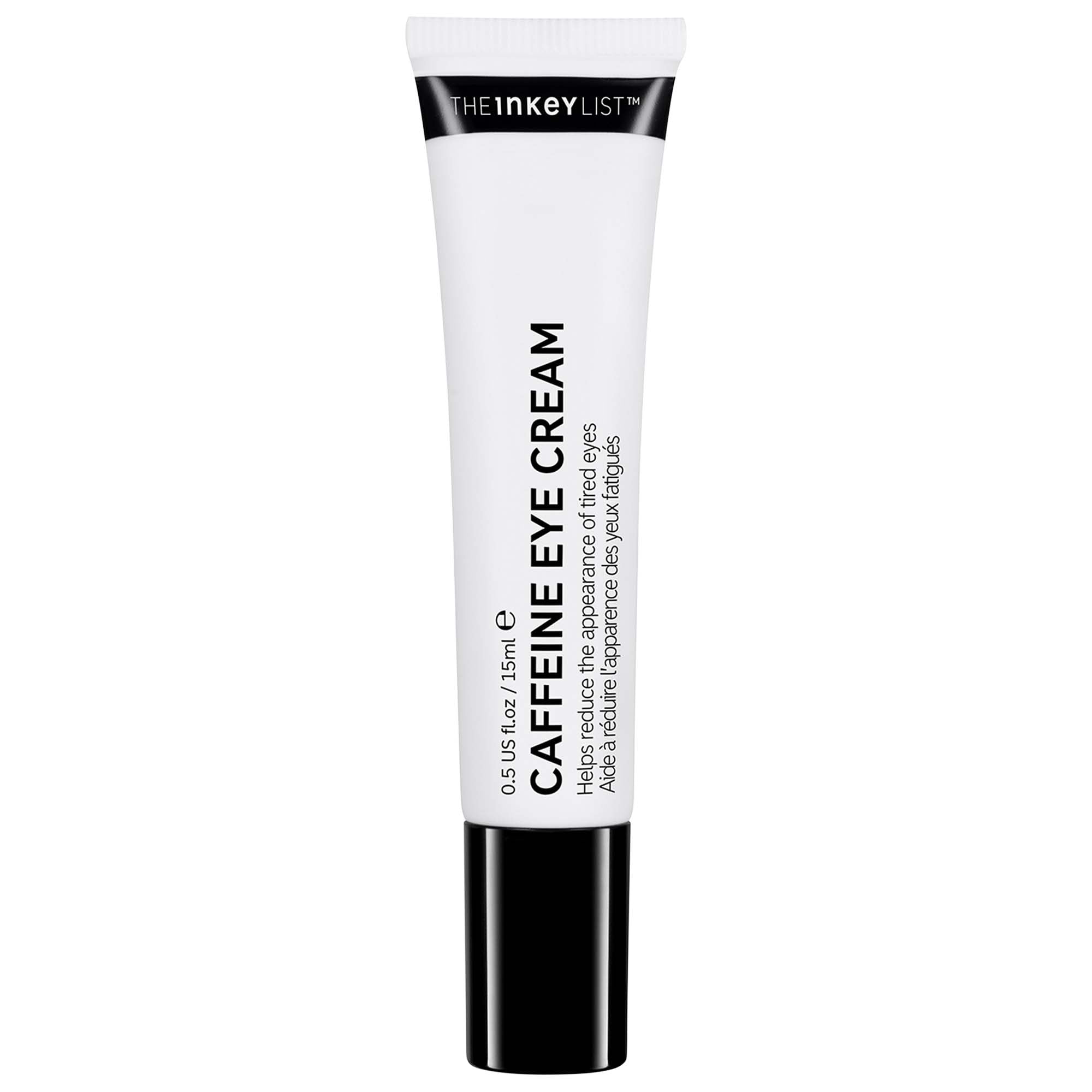
My eyes are the dead giveaway that I haven't had any sleep. This affordable caffeine eye cream from Inkey List instantly solves that problem.
Ingest to De-Bloat
My approach to well-being isn't just topical. I love to take supplements with anti-inflammatory and digestive benefits—especially around my menstrual cycle or after travel, when I'm super prone to bloating.
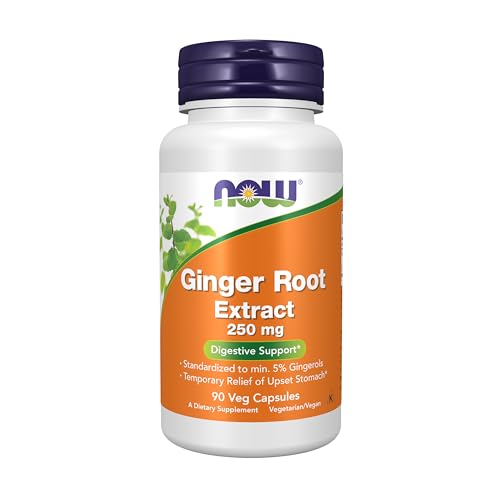
Ginger root remains one of the best natural ingredients to combat nausea. I always keep a few from Now Foods on hand.
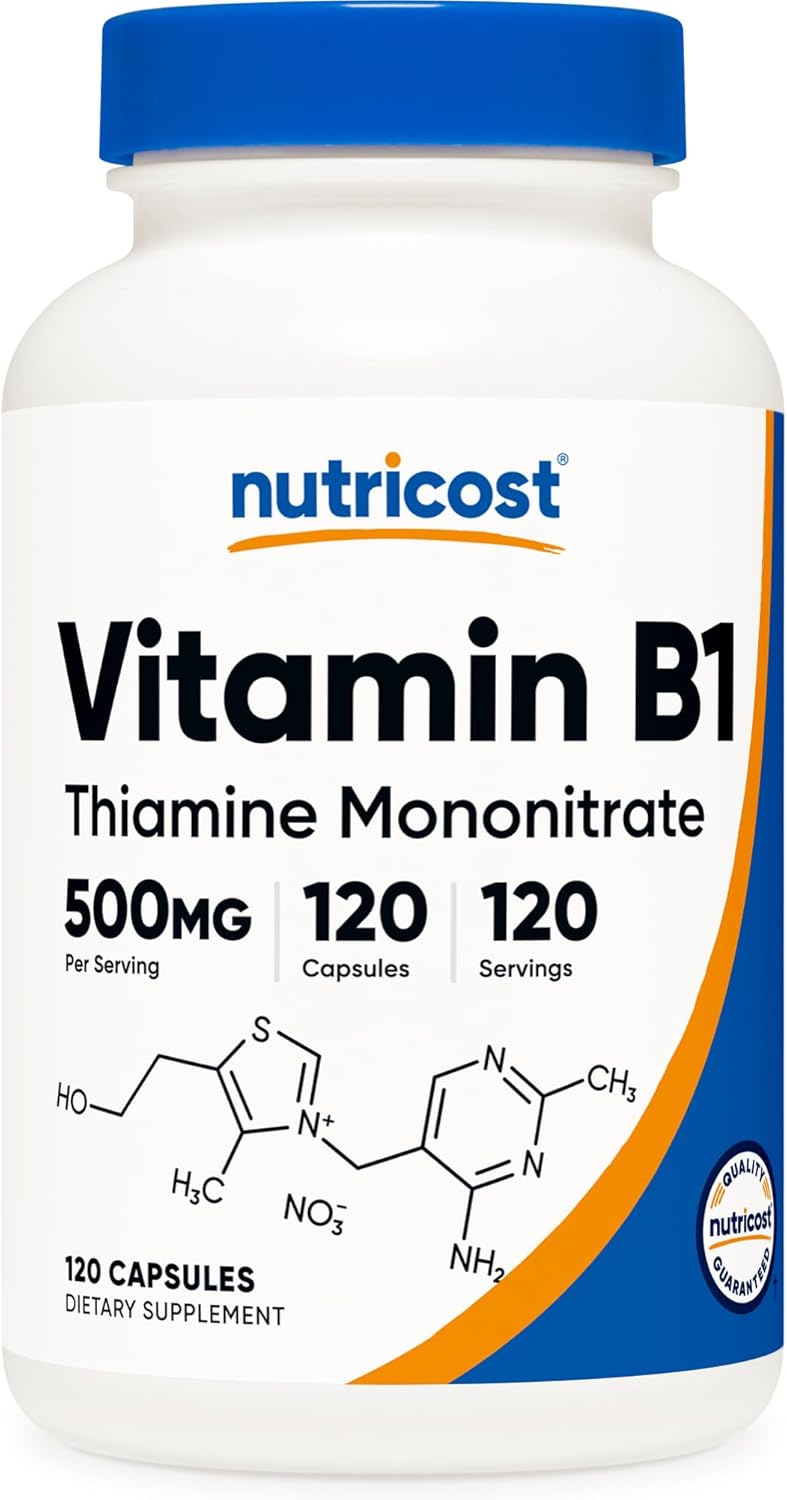
Vitamin B1 improves menstrual cramps, says the National Library of Medicine, so when I start to notice signs of pain during my cycle, a dose of thiamine relieves everything.
Drain While You Sleep
My routine doesn't just stop when I go to sleep. In fact, during deep sleep, the brain's glymphatic system flushes out toxins via cerebrospinal fluid, according to the NIH. At night, I wind down with calming sleep supplements and overnight skin treatments to keep my skin in tip-top shape before morning.
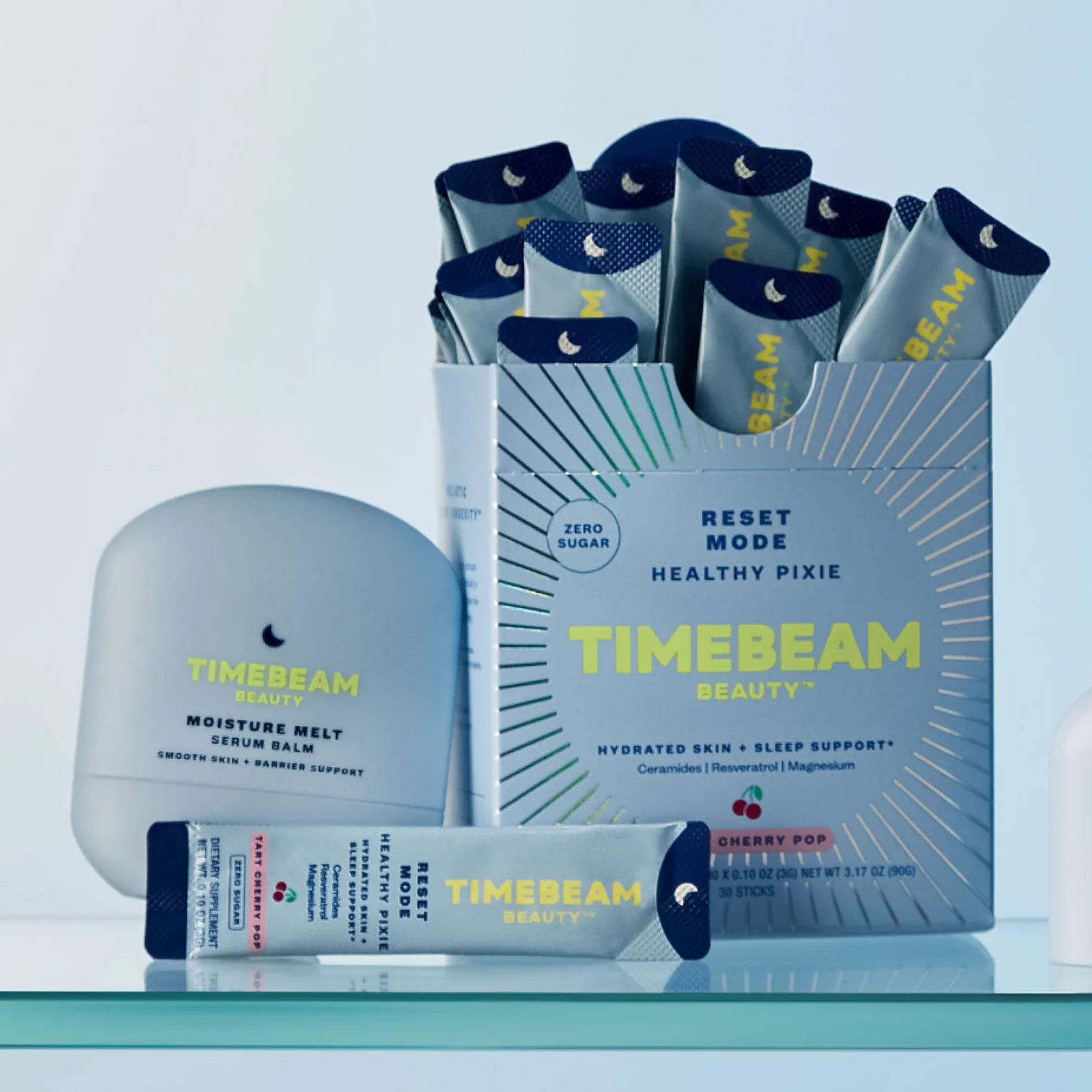
These supplements, powered by magnesium, promote relaxation during sleep and are yummy to take, which helps me get a restful night's sleep. This set also comes with the brand's Moisture Melt serum, which is a balm loaded with ceramides and emollients for super-soft skin in the AM.
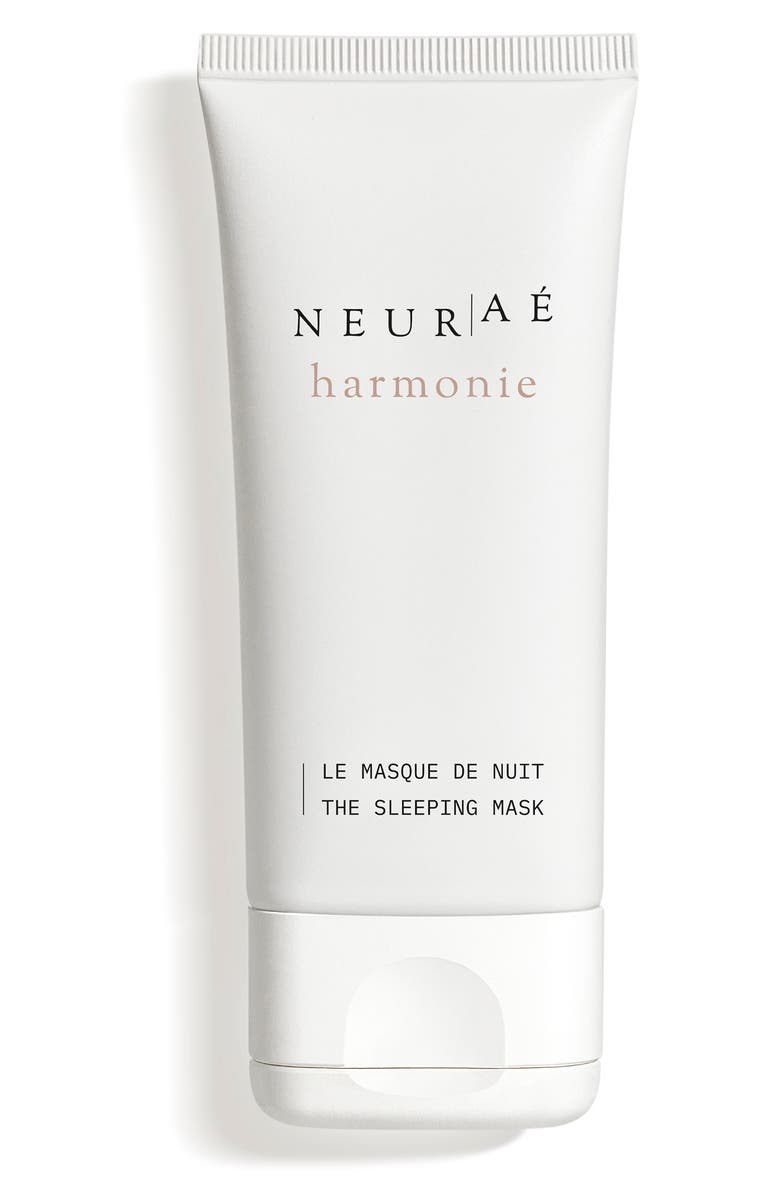
It's a melatonin-boosting sleeping mask that deeply moisturizes your skin, ensuring restful sleep and a soft complexion. What more can you ask for?!
Why Trust Marie Claire
For more than 30 years, Marie Claire has been an internationally recognized destination for news, fashion, and beauty trends, investigative packages, and more. When it comes to the products Marie Claire recommends, we take your faith in us seriously. Every product that we feature comes personally recommended by a Marie Claire writer or editor, or by an expert we’ve spoken to firsthand.
]]>“One of the reasons we’ve had major success is because we questioned how things were traditionally done and did the opposite of what everyone else was doing. Instead of painting a picture-perfect life—running through a field and meeting Prince Charming—our visuals started more as I’m broken, I’m lost, I’m empty,” she exclusively tells Marie Claire. “People can relate more to vulnerability and realness and authenticity.” The brand’s DNA—and Lim’s secret sauce—is precisely why the brand was such a sought-after sale.
In case you missed it: Phlur was acquired last week by TSG Consumer Partners, a private equity firm specializing in consumer brands, for an undisclosed sum, but is projected to generate over $150 million in sales this year, according to chief executive Elizabeth Ashmund. The response has been overwhelming (and highly emotional), according to Lim, who plans to remain on as Creative Director. Even though Phlur finds itself under new ownership, the goal remains the same: create fragrance that the everyday person can wear on their own terms.
Here, Lim gets candid about building Phlur’s reputation, plans for expansion, and making noise in the fragrance industry.
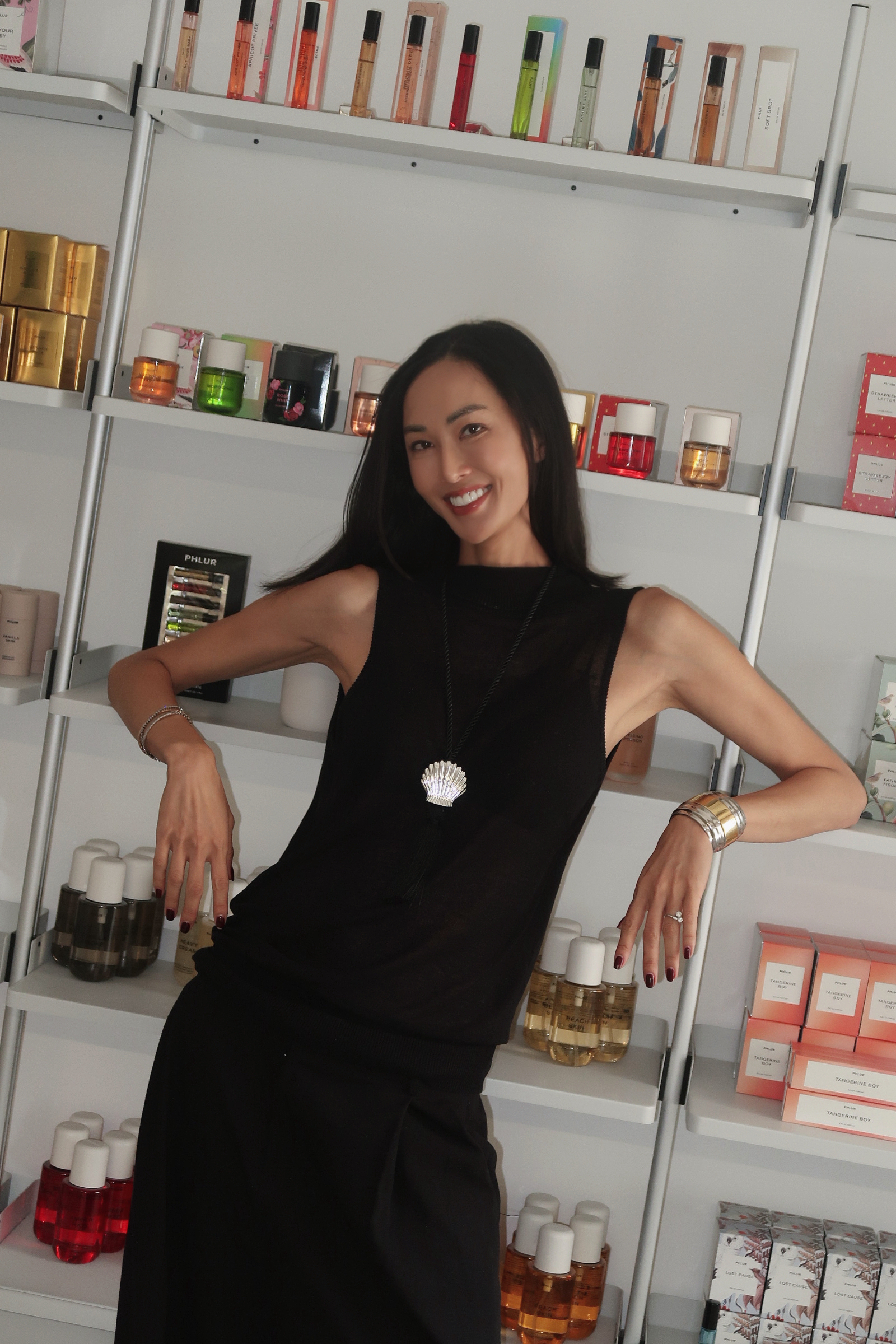
Samantha Holender: Congratulations on the acquisition! Was this part of the plan when you bought Phlur five years ago?
Chriselle Lim: When I first bought the brand with my business partner Ben Bennet, who is the founder of The Center, we were really just excited to give Phlur new life. At the time, it was a very transitional period in my life—I had just gone through my divorce—and I really wanted to throw myself into something where I could grow and learn. It was initially a passion project; we never had the idea that someday we would think of an acquisition, and we certainly never imagined in our wildest dreams that it would happen this fast.
Getting acquired is really like entering a relationship or a marriage. First and foremost, we had to find a partner that really aligned with us in our vision and how we want to grow the brand. And TSG really understood that the Phlur narrative is successful through storytelling, through emotionally-led scent, and building out the fragrance wardrobe. I knew immediately after meeting them that they were the right fit for us.
SH: What’s the most emotional part of this sale for you?
CL: It’s all been an emotional rollercoaster. Phlur started from a very painful place for me. The early days were such a blur because it was an emotional war in my heart and in my mind. Now that I’m from the outside looking in, I think that maybe all that pain was the reason I could pour so much into Phlur. It was my therapy and creative outlet. It always gets me super emotional because I realize that Phlur saved me and helped me more than I could ever imagine. I was able to lean on the business, and Phlur was able to lean on me with my stories. It’s been the greatest partnership I never knew I needed.
SH: What are you hoping to accomplish now that you have more resources at your disposal?
CL: It’s really important to me that we keep the indie energy. I come from startups, and I just love how we all feed off of each other. That being said, my team’s day-to-day is going to stay the same. From a global standpoint, they’re going to help us accelerate in ways that we wouldn't have been able to do ourselves as a small indie fragrance brand. Globalization is top of mind. Currently, we’re only in three countries—the US, Canada, and the UK. We haven’t even scratched the surface.
I’m also excited to go deeper into specific categories and build out this Phlur lifestyle. We’ve been honing in on body mists and fine fragrance, but there's so much innovation that I've been sitting on. We just haven't had the bandwidth or the resources to do that.
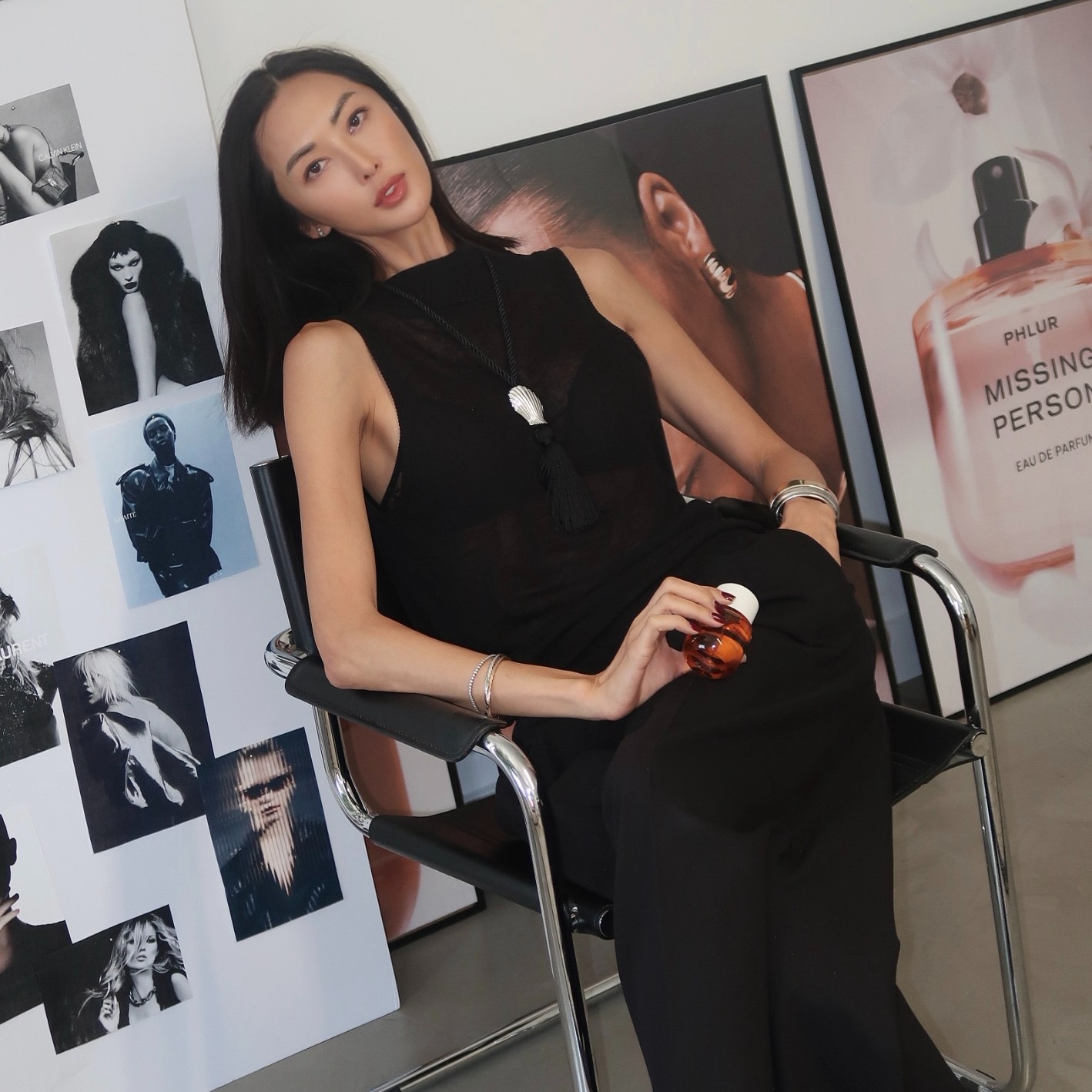
SH: Can you give me any hints on what these new categories will be?
CL: We’ve dabbled a little in bodycare with our deodorants, and they were a huge, huge win for us. We were not expecting that. But it gave the brand and myself the confidence that we could really own not just body, but also lifestyle and home. That’s all I’m going to say for now.
SH: Expansion is so exciting! But one of the biggest concerns consumers have during an acquisition is that the formulas they love will change. Is this something you’ve thought about?
CL: I’m so aware of this because it’s something that I’ve experienced with brands that I love. My job as a creative director is to keep the vision and the quality that our customers are used to. Nothing's going to change. The formula is not gonna go down—if anything, they will get better. It’s something that I feel very strongly about because the product always comes first. It’s why we create—so we can put the best product on the market. The quality has to be the best of the best.
SH: What about the fragrance industry continues to excite you?
CL: I love the fact that indie fragrance brands are taking the reins and redefining what it means to be a fragrance brand. I think fragrance typically has this notion of exclusivity, of luxury. But we’re pushing a narrative that fragrance is for everyone. It’s not about the brand telling you how it should make you feel, but about how you want it to make you feel. We've learned that this new fragrance consumer loves layering not just for the purpose of layering, but because it makes them feel like they’re creating something special that’s unique to them.
We’re shifting into this place where there aren’t rules anymore. People are mixing gourmands with fruits and florals with woody notes. You can’t judge someone for liking something they created on their own. I’ve had Phlur fans come up to me and say they mixed Father Figure with Heavy Cream and Somebody Wood. I don’t how that smells—I’ve never tried to know—but you do you. Fragrance isn’t just for elitists, it’s for everyone.
SH: What advice would you give to someone who is starting a business a little outside their comfort zone?
CL: What do you have to lose that? That's my question. I'm a risk taker at heart. That’s where I live and that’s where I thrive. A lot of people don’t even know how many times I’ve failed; the ventures and businesses that I just slid behind the curtains, but you have to try it. That's not really advice, but it is the question I always ask myself when I'm at a fork in the road. I have more to lose if I don't try it out, because it will haunt me for the rest of my life.
When it comes to advice—like proper business advice—I would say have an awareness of self and understanding of what your strengths and weaknesses are. And I know that sounds obvious, but I think that has been my superpower. I know I need to find a partner or a team member who can compensate for my weaknesses. I am a creative. I was only focused on bringing this creative vision to life. But I had a very strong business partner, who supported me with logistics.
Shop Phlur
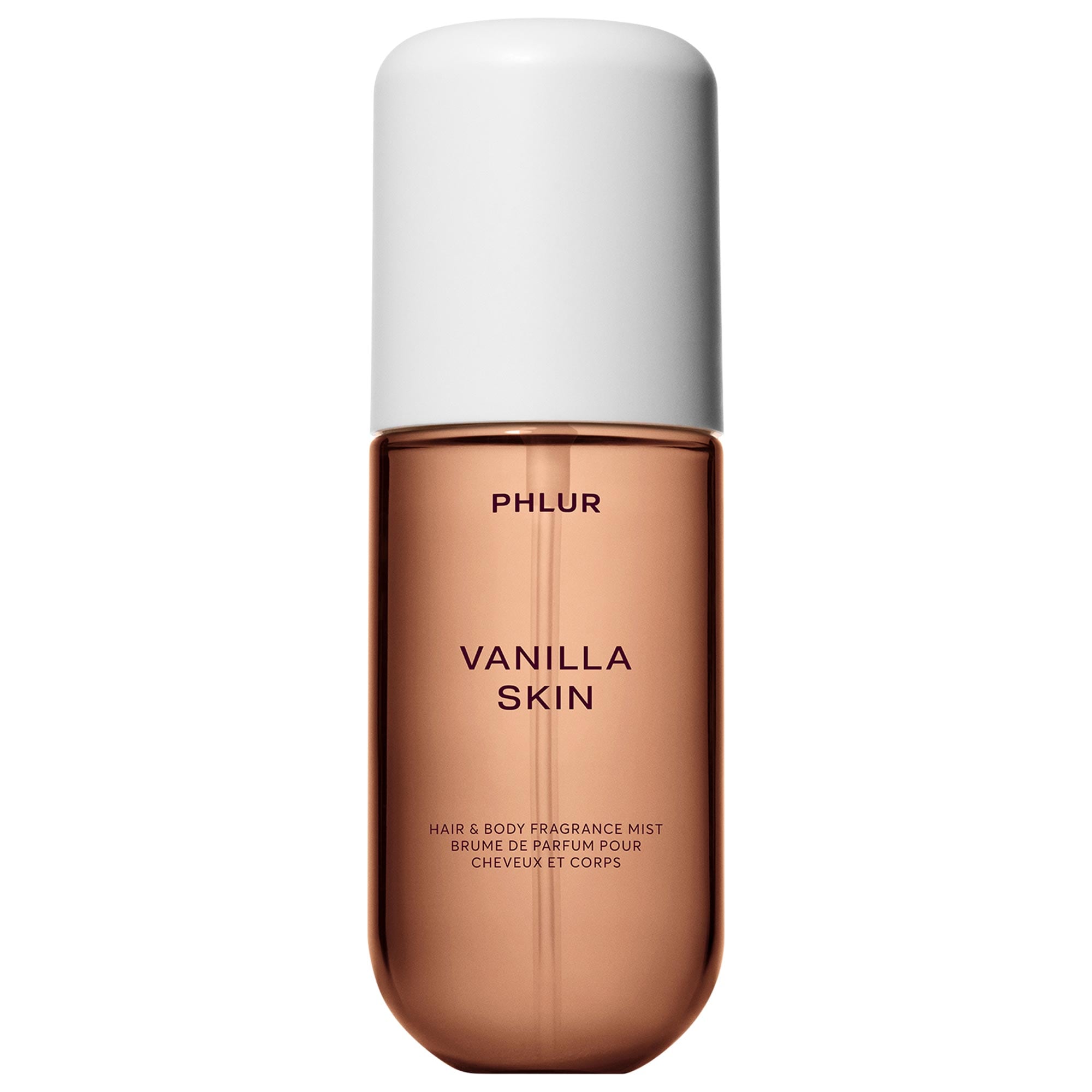
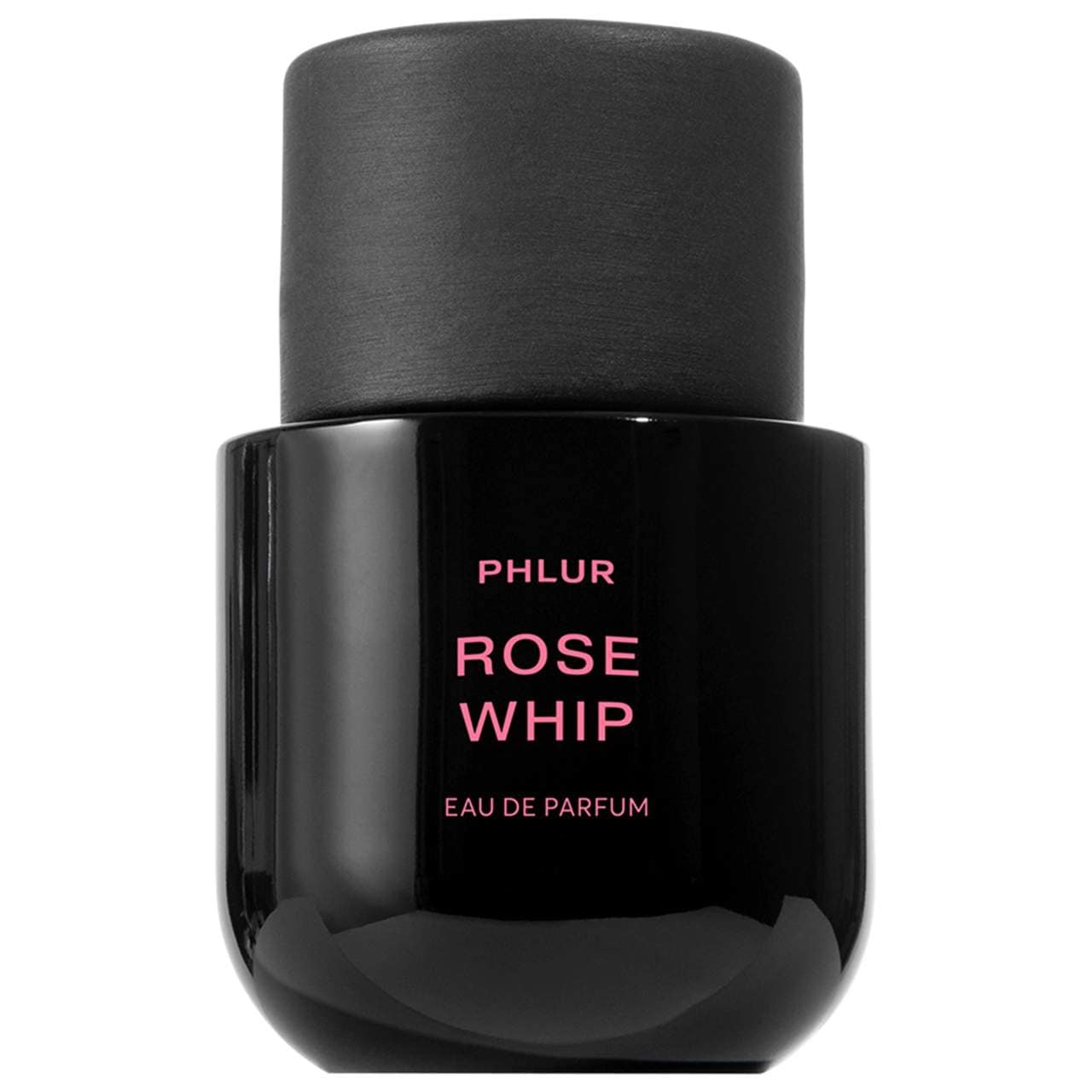
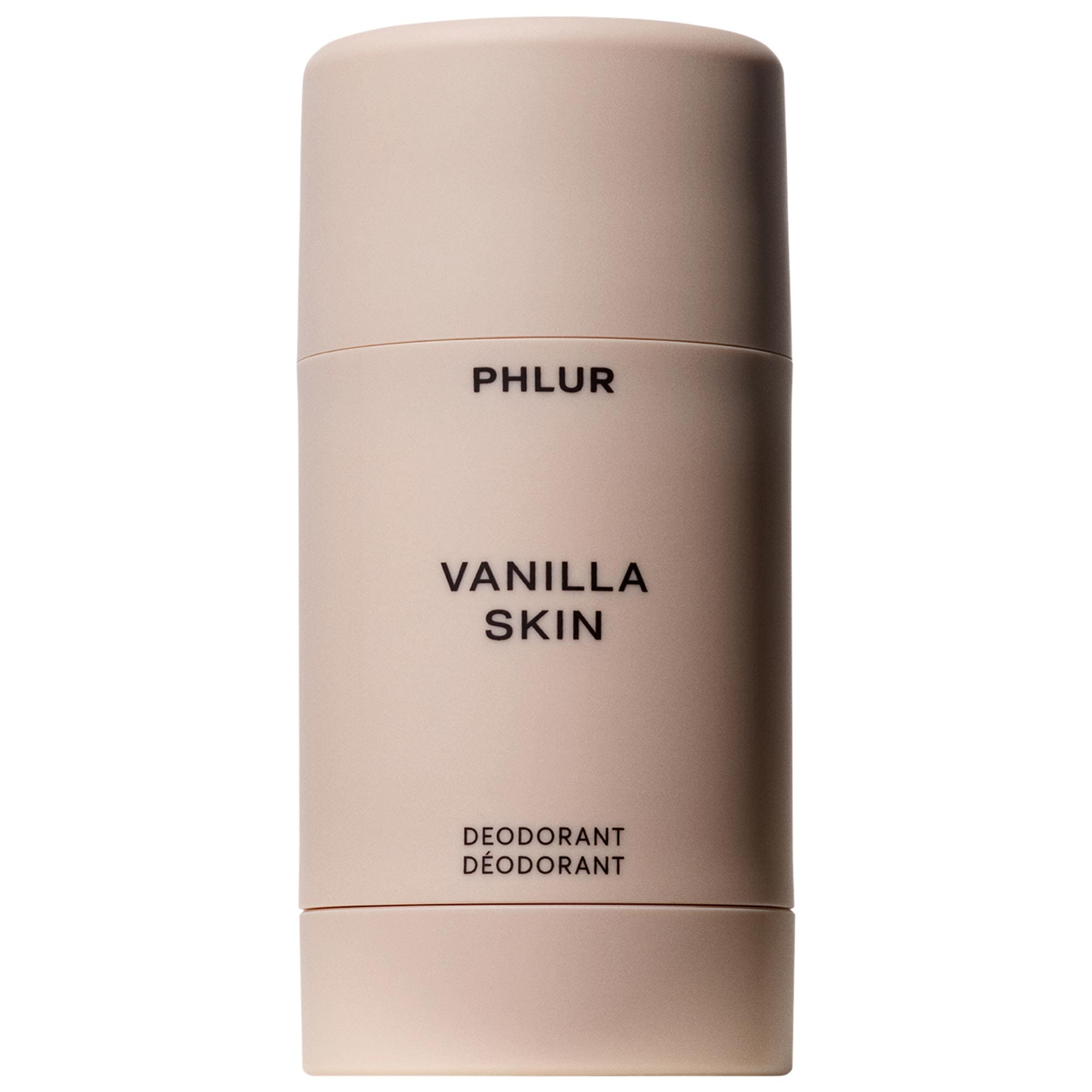
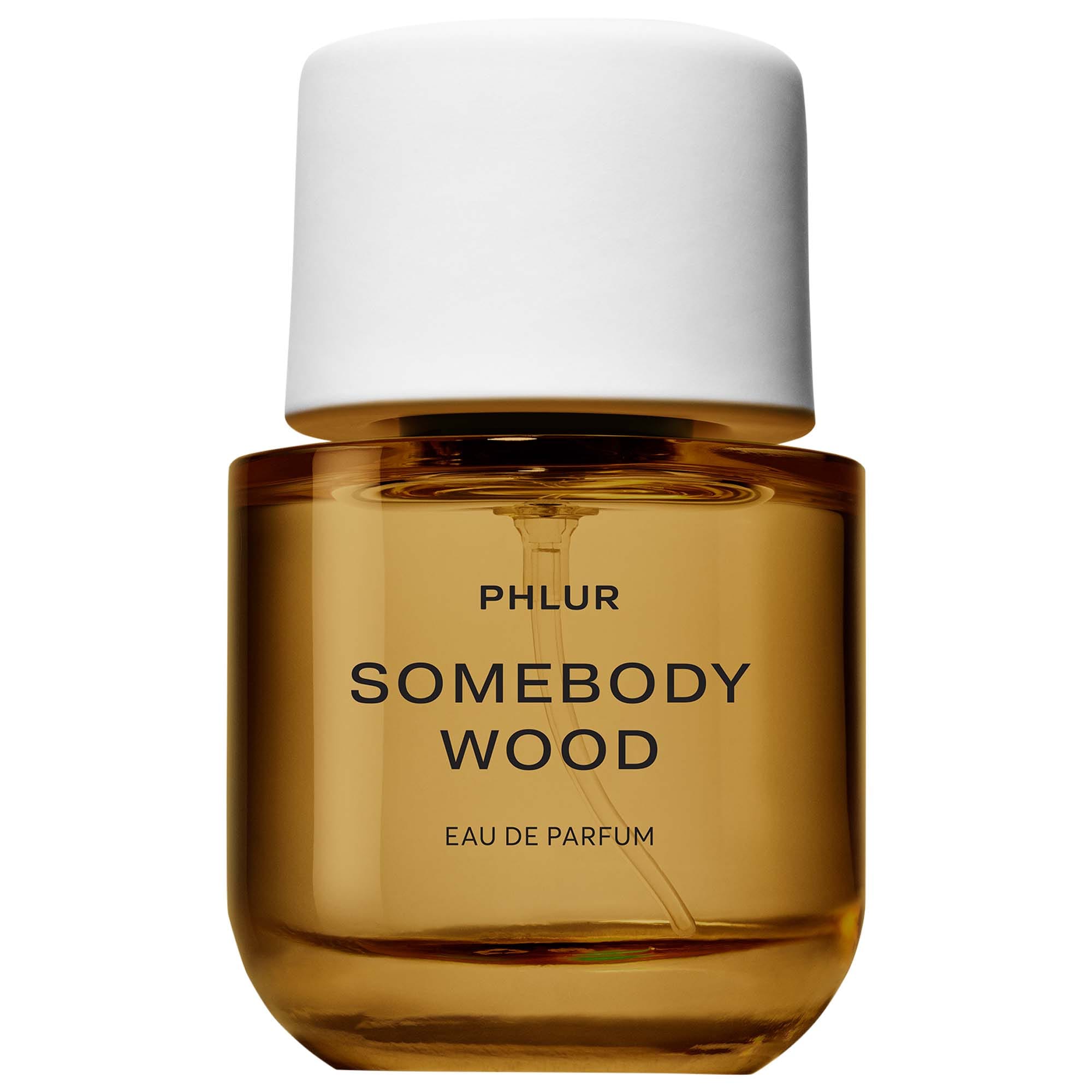
Why Trust Marie Claire
For more than 30 years, Marie Claire has been an internationally recognized destination for news, fashion and beauty trends, investigative packages, and more. When it comes to the products Marie Claire recommends, we take your faith in us seriously. Every product that we feature comes personally recommended by a Marie Claire writer or editor, or by an expert we’ve spoken to firsthand.
]]>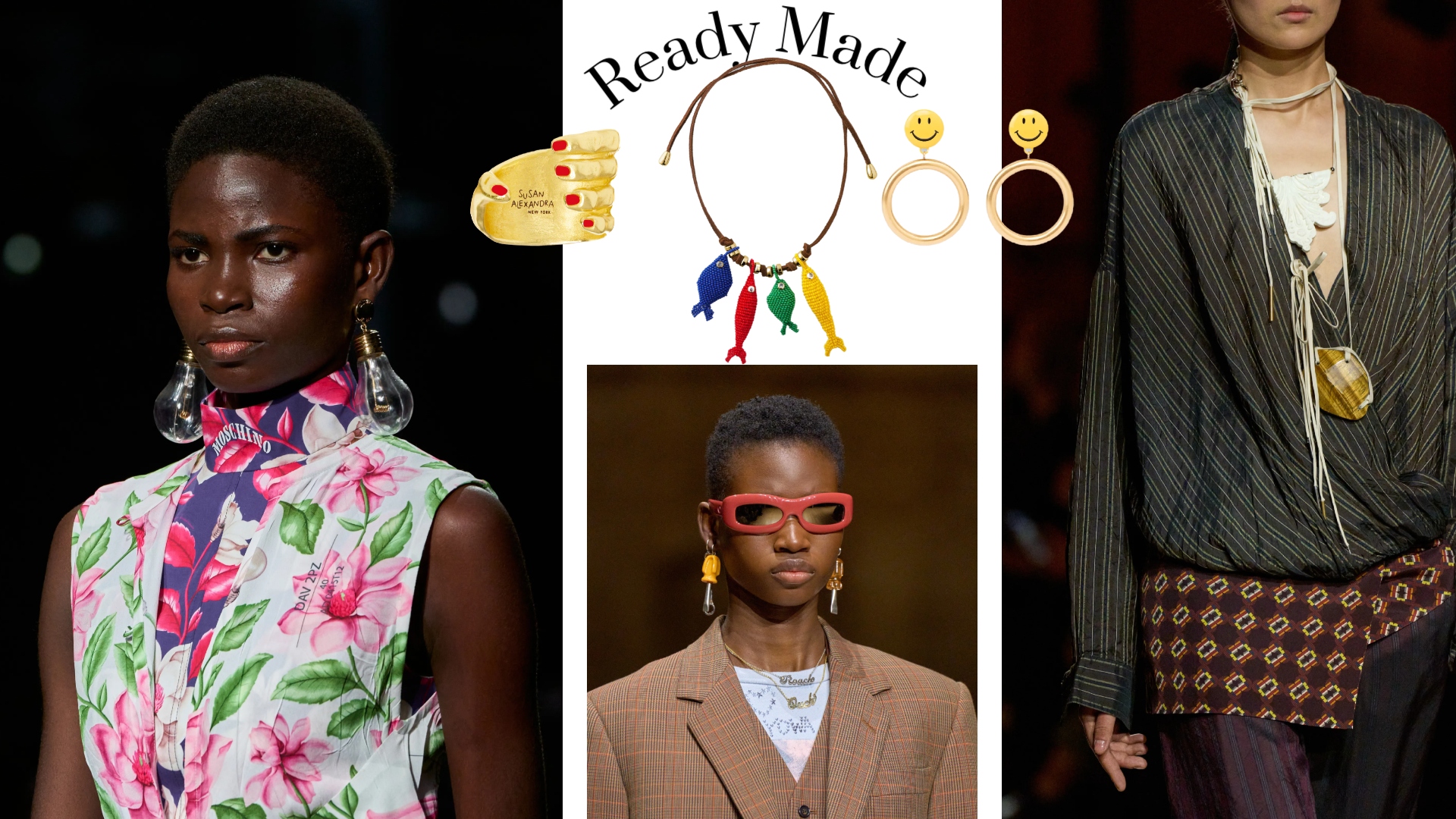
The Fall 2025 runways embraced a new kind of ornamentation—one that favored irreverence over rarity. At Coach, sculptural earrings were crafted from chrome screwdrivers. Moschino also transformed light bulbs into chandelier styles, while Dries Van Noten layered knotted shoelaces into intricate neckpieces. Collectively, these designs suggest that jewelry needn’t signal status to make a statement. When the materials feel incidental—or even improvised—the result is playful, self-aware, and refreshingly unbound by the rules.
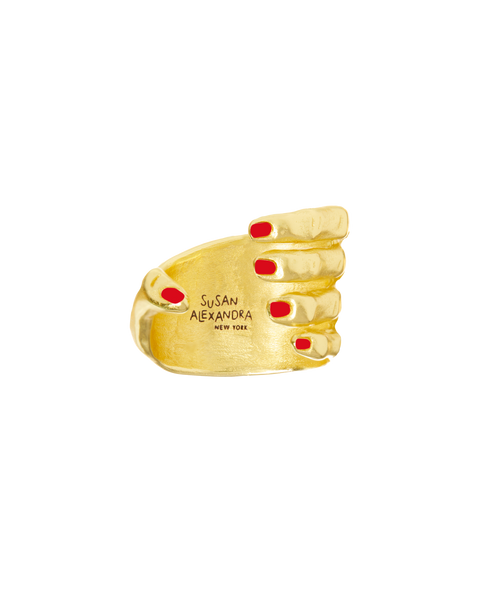
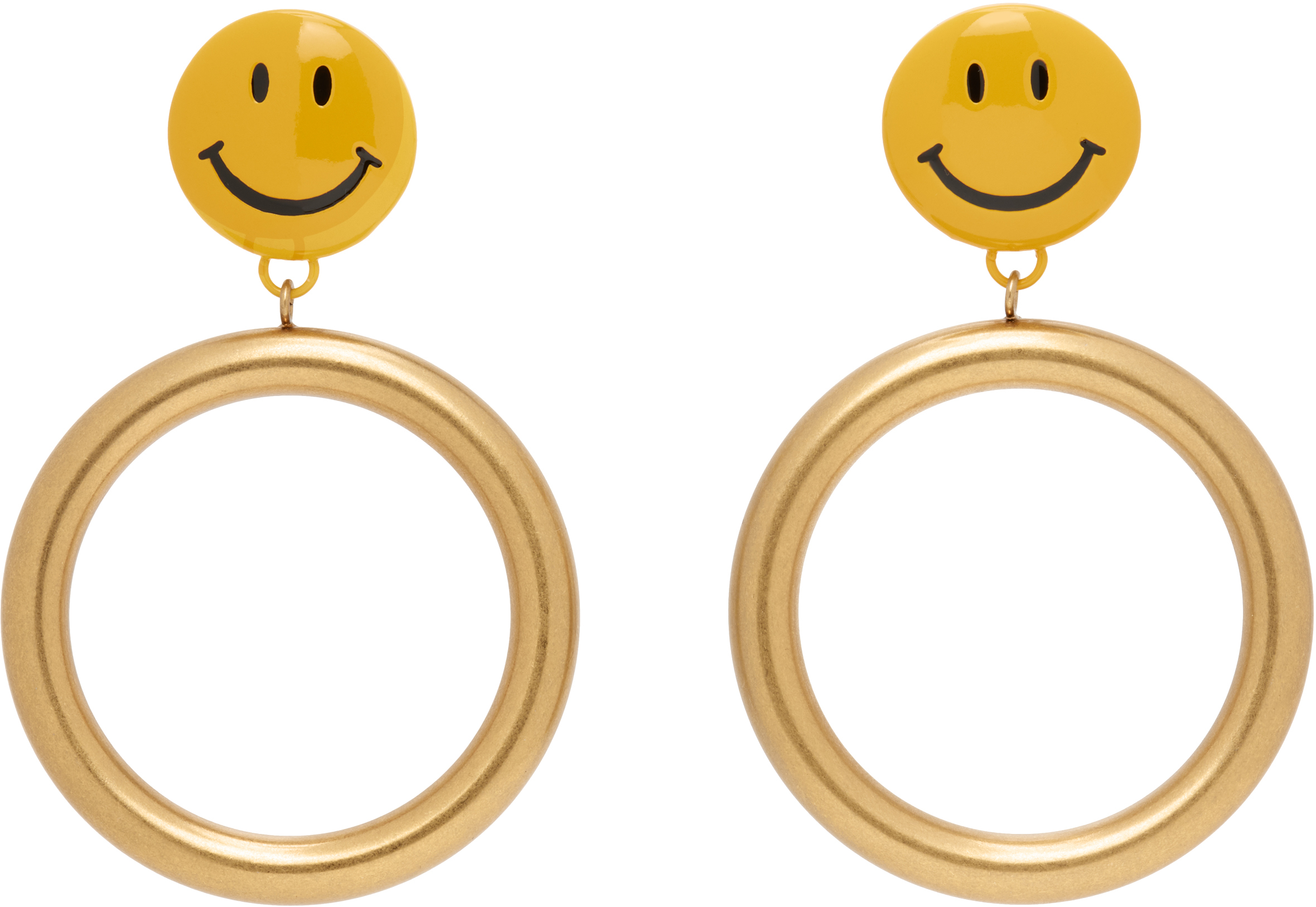
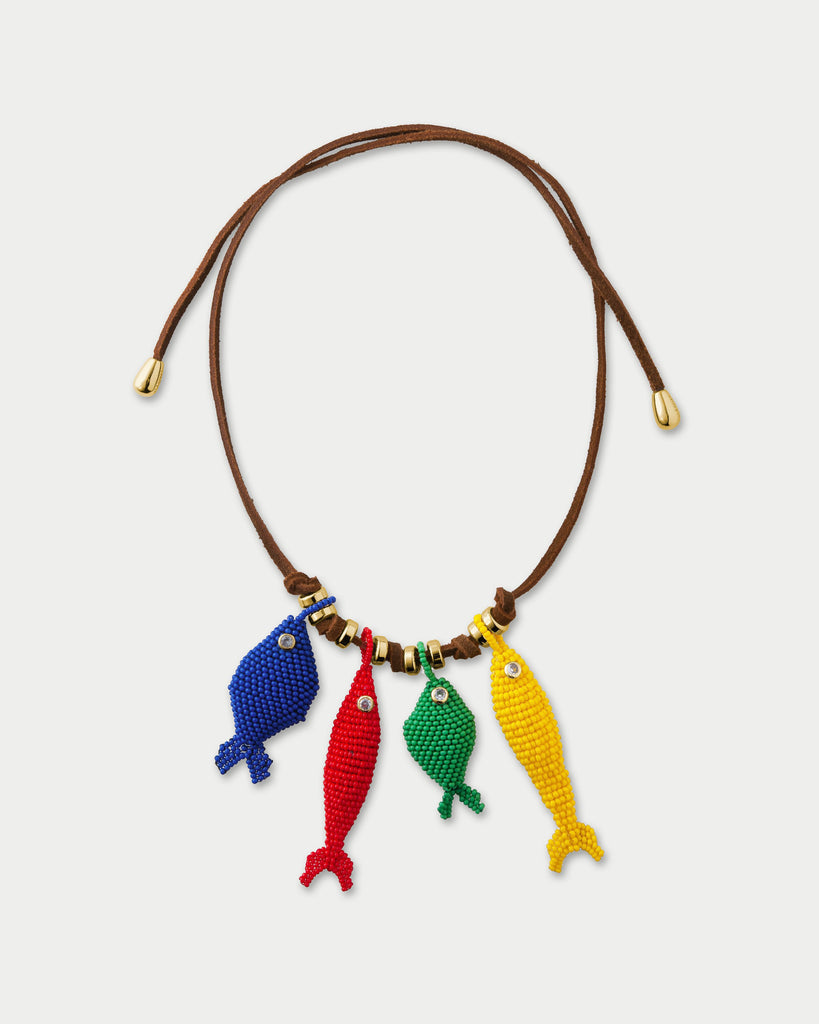
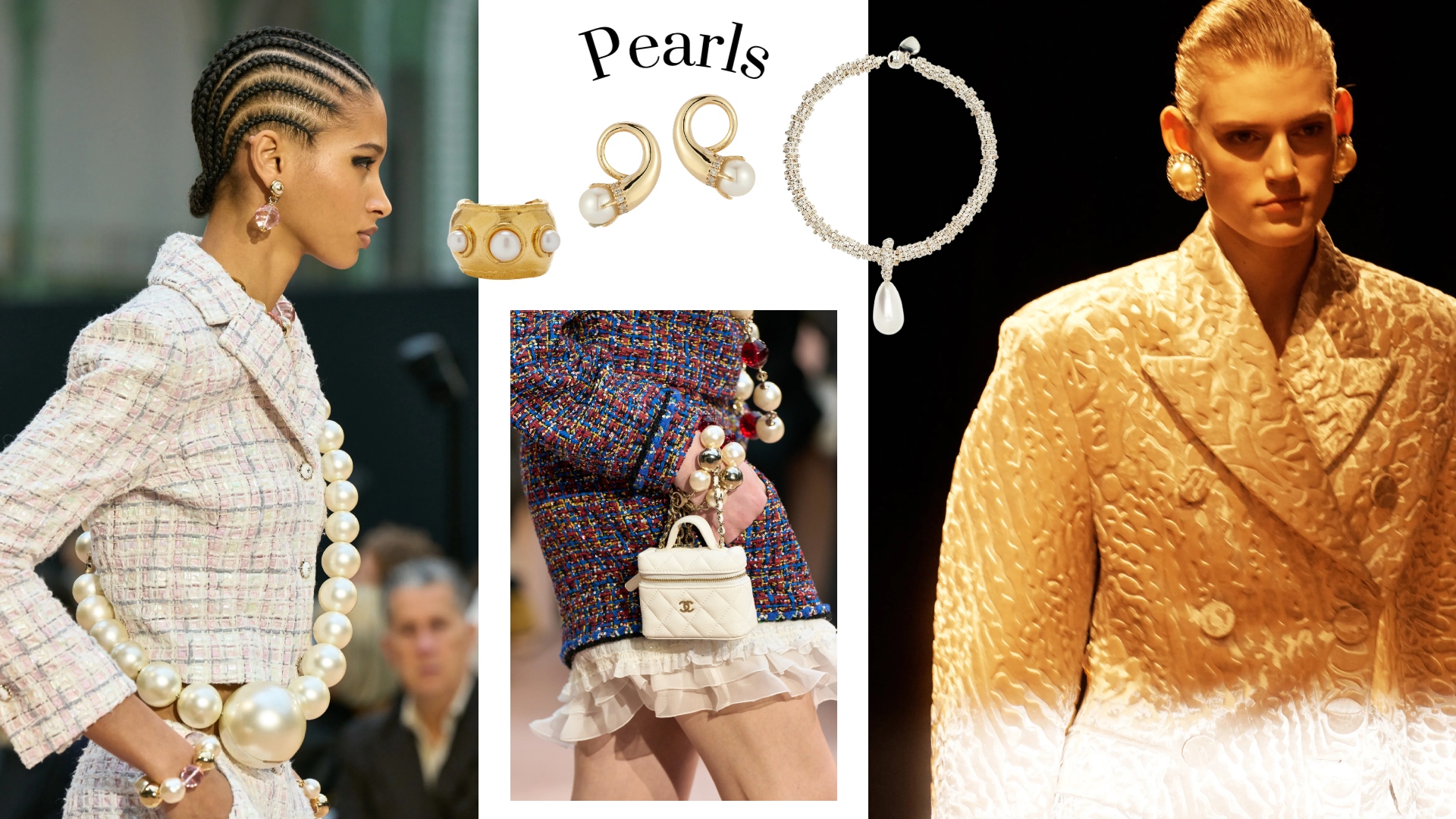
These are not your grandmother’s dainty mother-of-pearl strands. This season, the classic got a dramatic rewrite. Here, oversized pearls reclaimed old-world glamour in unapologetically bold proportions. At Chanel, they were strung into exaggerated bracelets and handbag chains, while at Schiaparelli, voluminous pearl studs recalled the oversized audacity of the '80s.
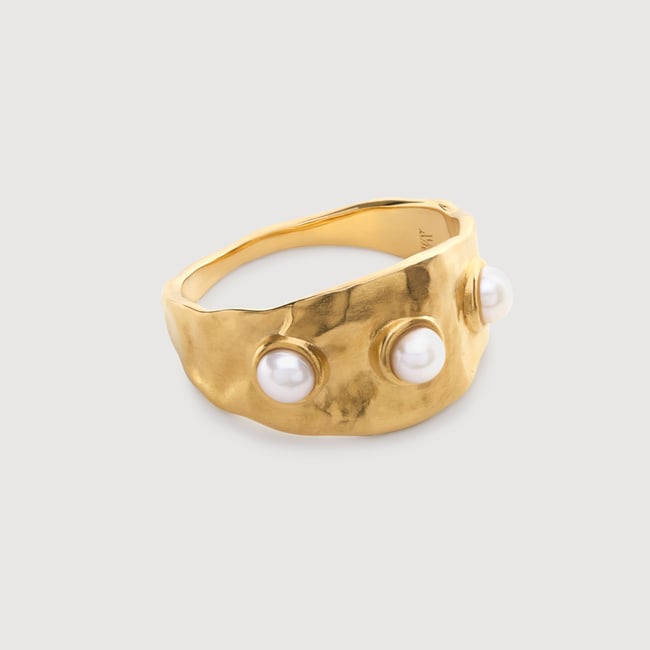
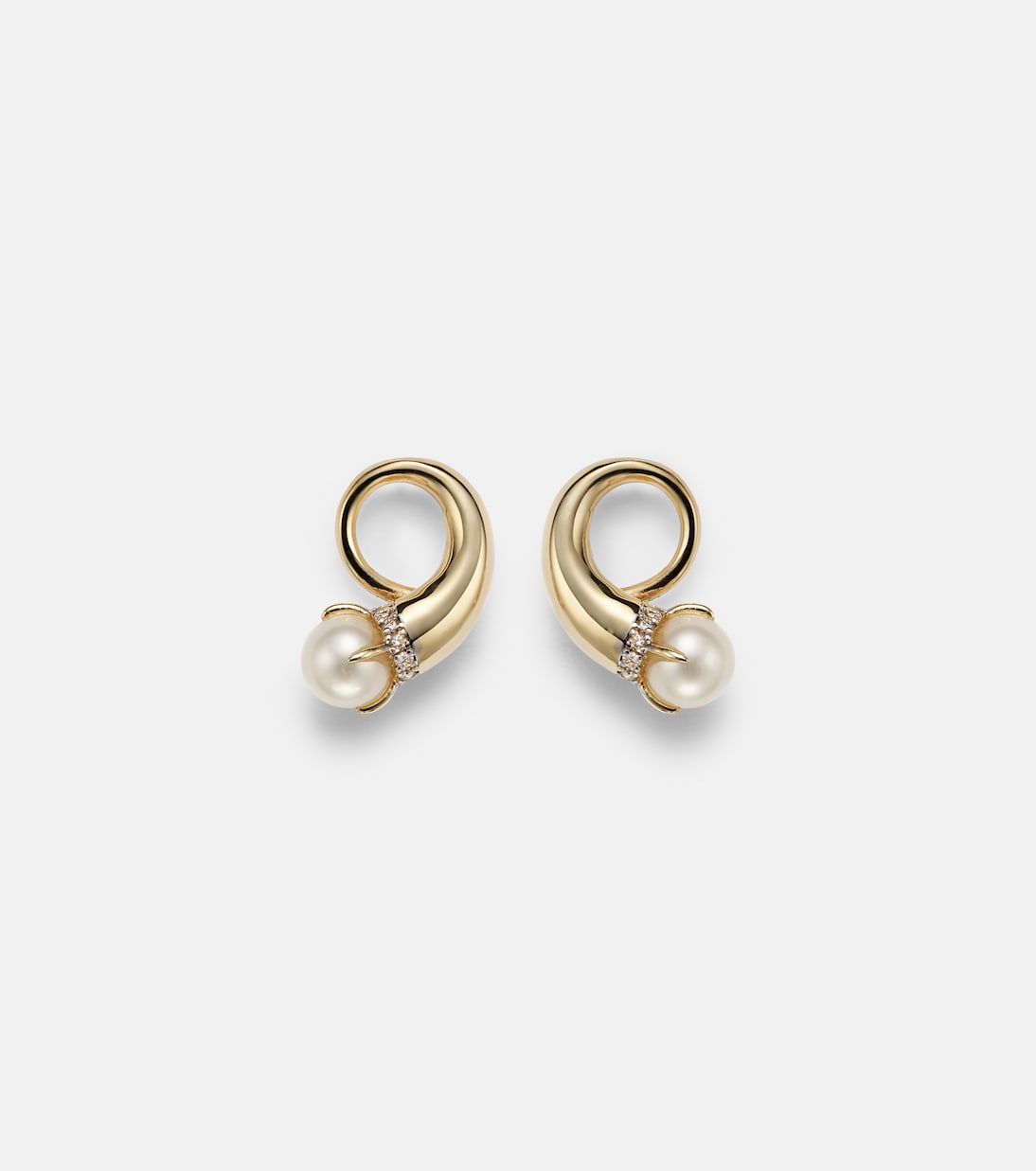
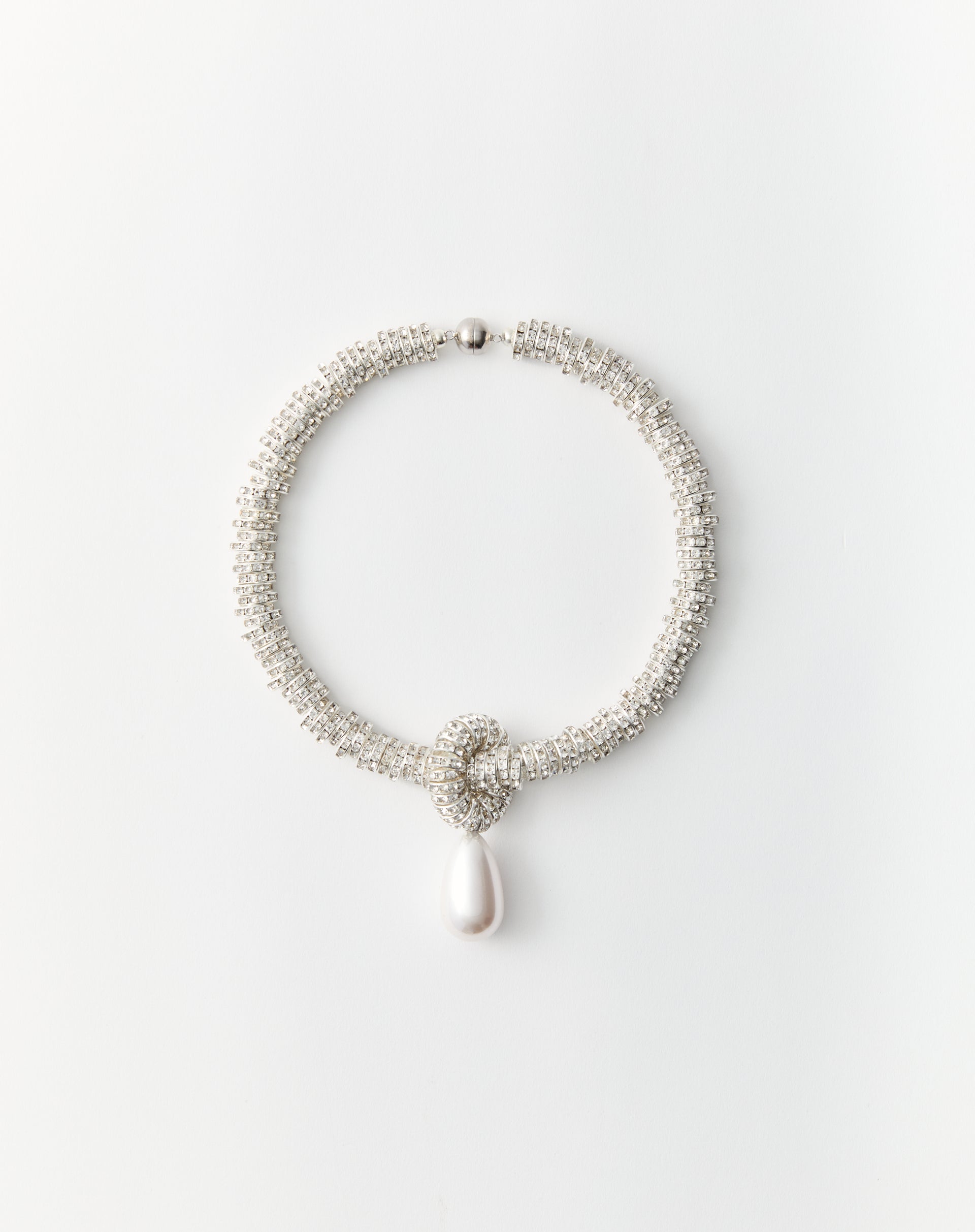
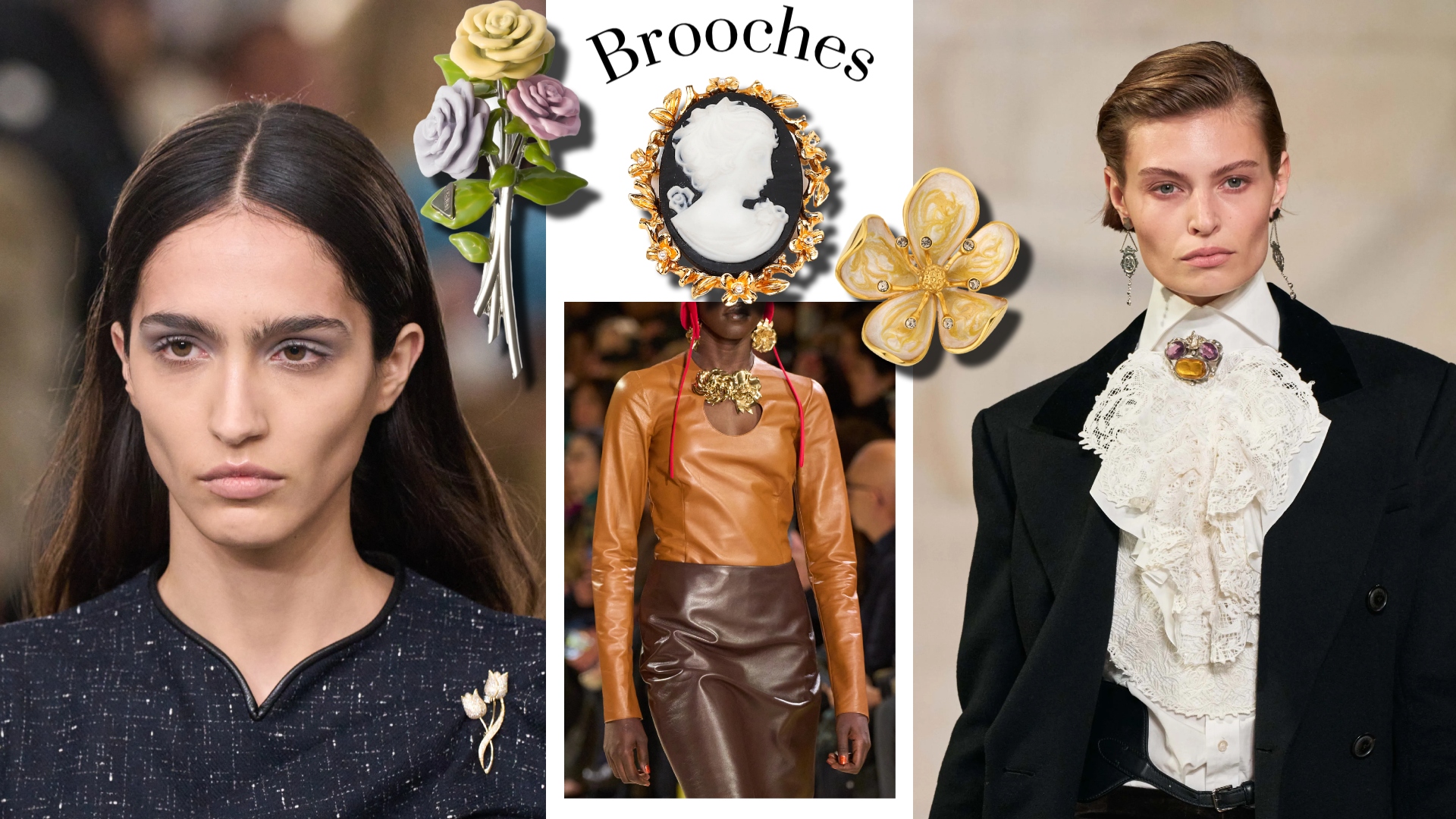
The jewelry world has been "broaching" this subject for a while now—pinning brooches to blazers, bags, and even swimwear. But this season, the Fall 2025 runways made it official: statement pins are everywhere. At Miu Miu, Tom Ford, and Tory Burch, brooches became defining details, affixed to coats and dresses, bold and deliberate. Some leaned toward classic styles—think equestrian motifs at Ralph Lauren—while others embraced the surreal, such as Schiaparelli’s oversized, abstract fish shapes. These aren’t quiet embellishments—they’re meant to be seen and heard.
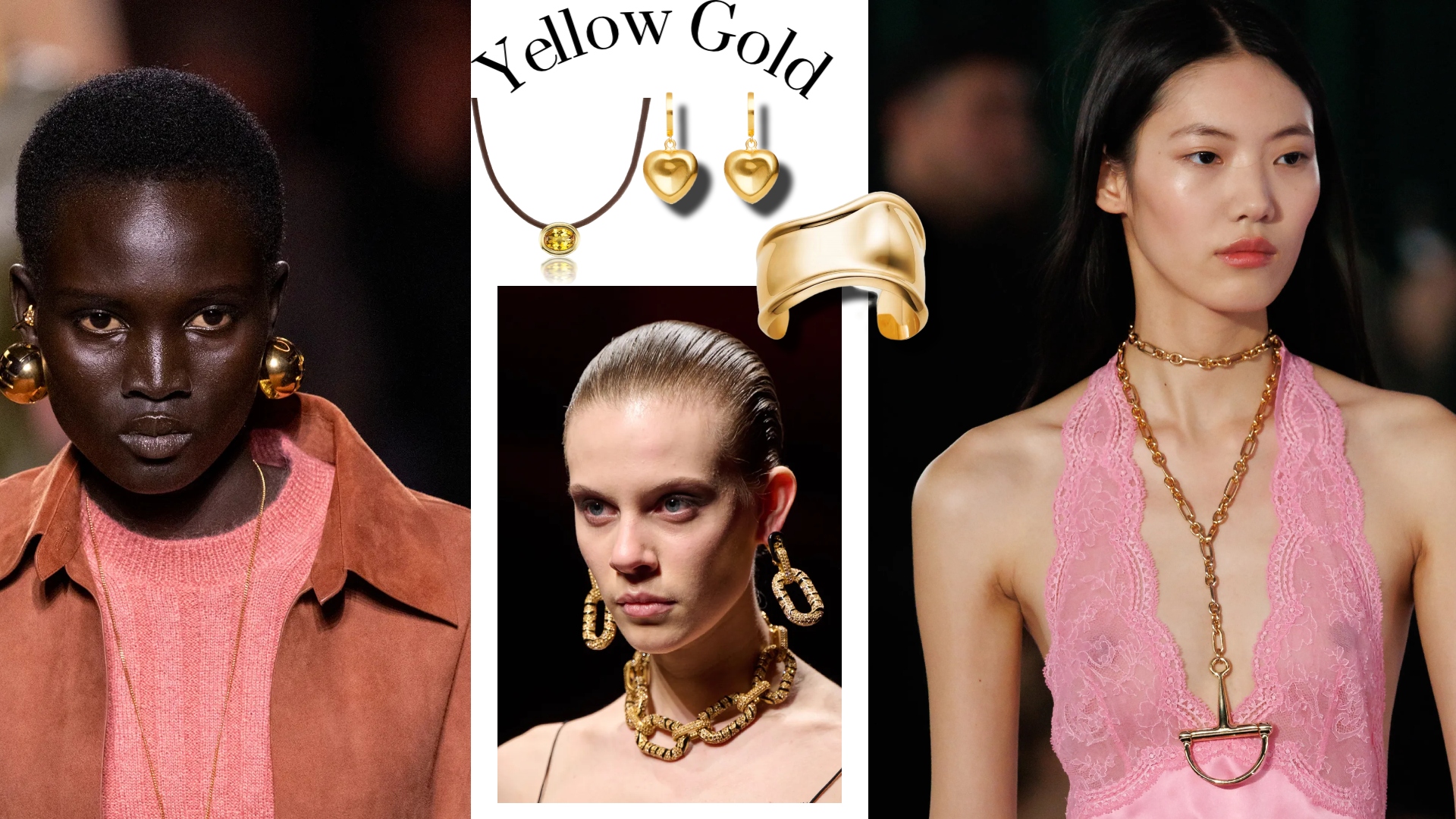
Everyone has their gold preference—some gravitate toward rose tones, others swear by white. But this season, the Fall 2025 runways made a strong case for the return of bold, sun-drenched yellow gold. After seasons dominated by silver and the pared-back palette of “quiet luxury,” designers re-embraced warmth. The kind of gold that once felt gauche suddenly looks right at home.
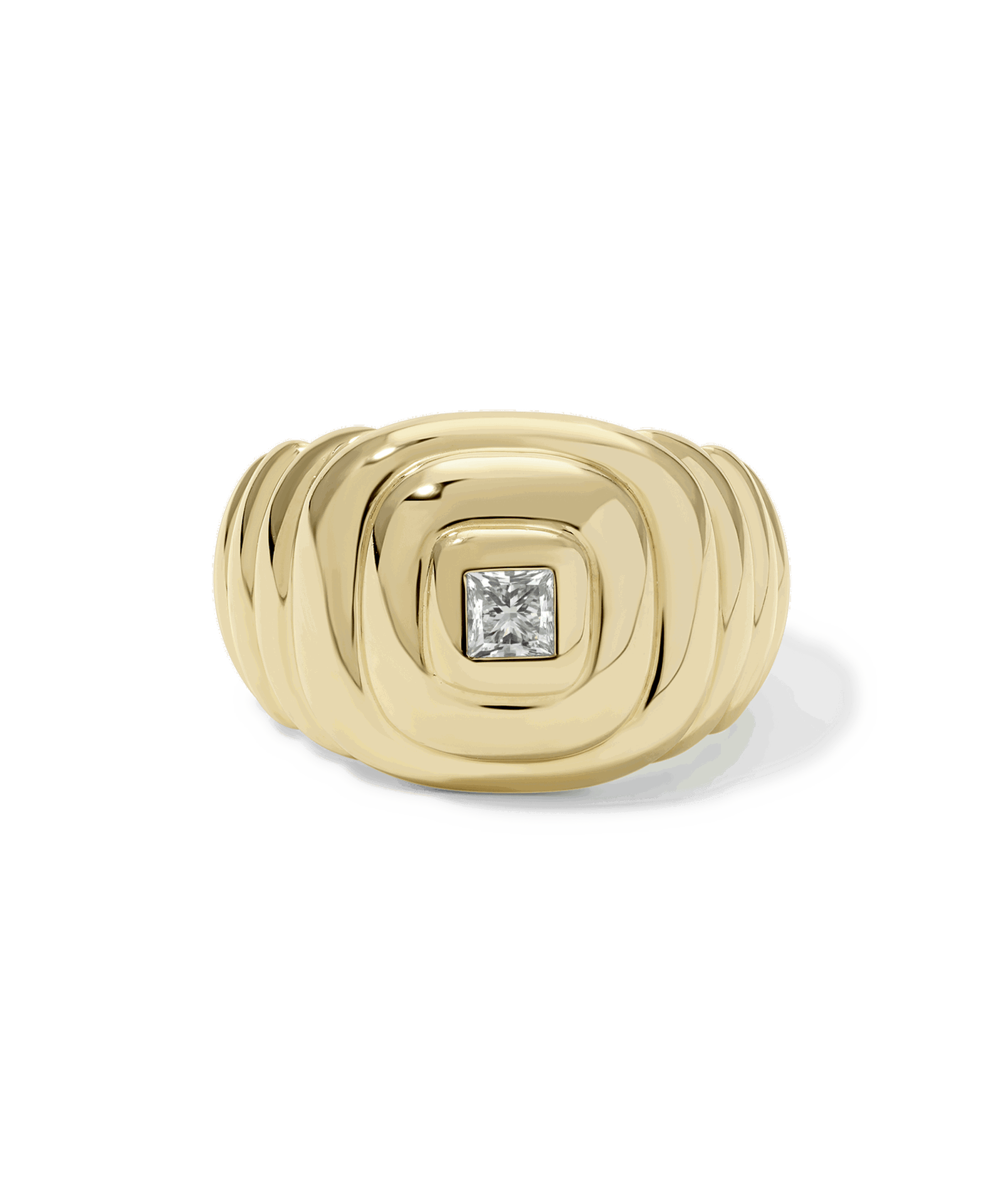
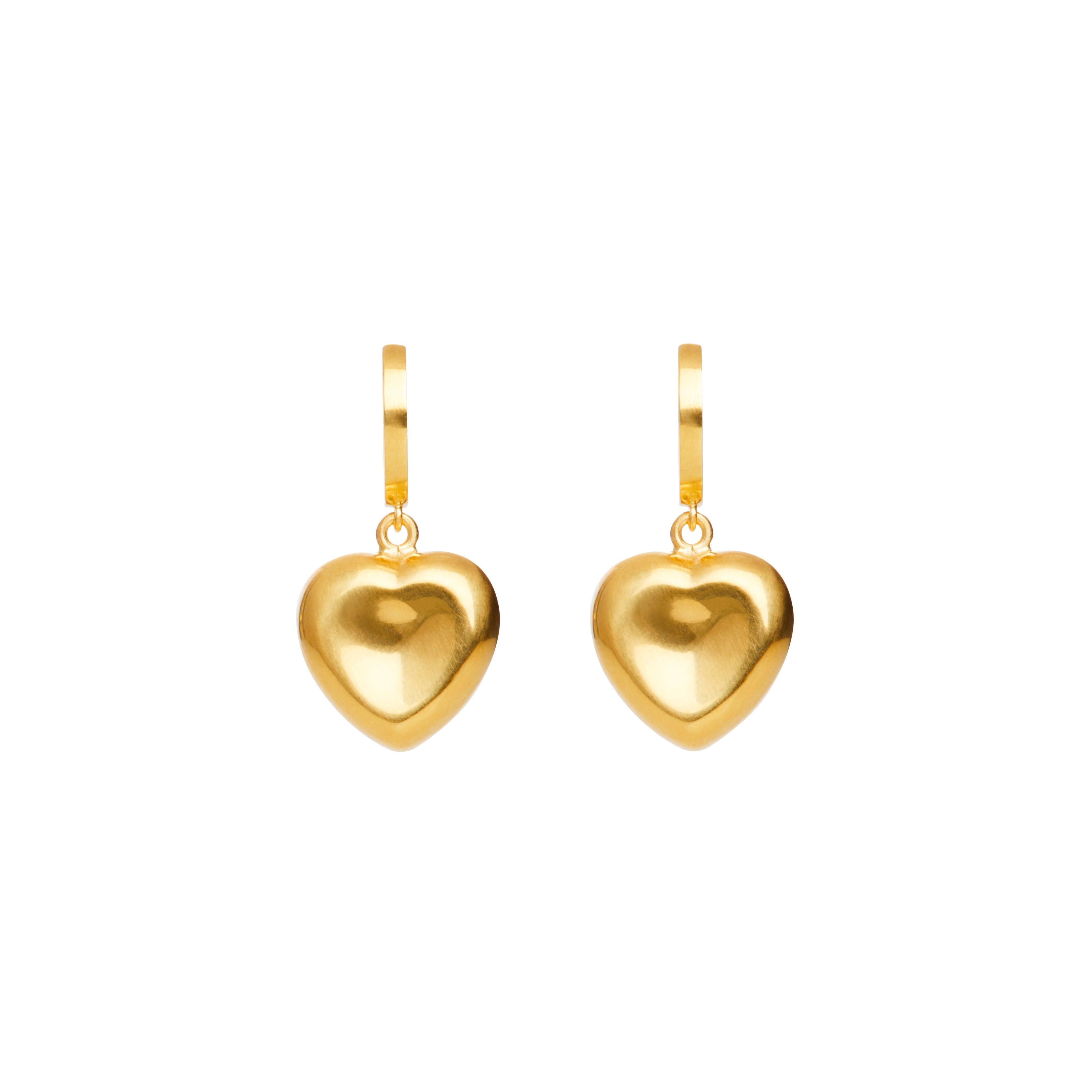
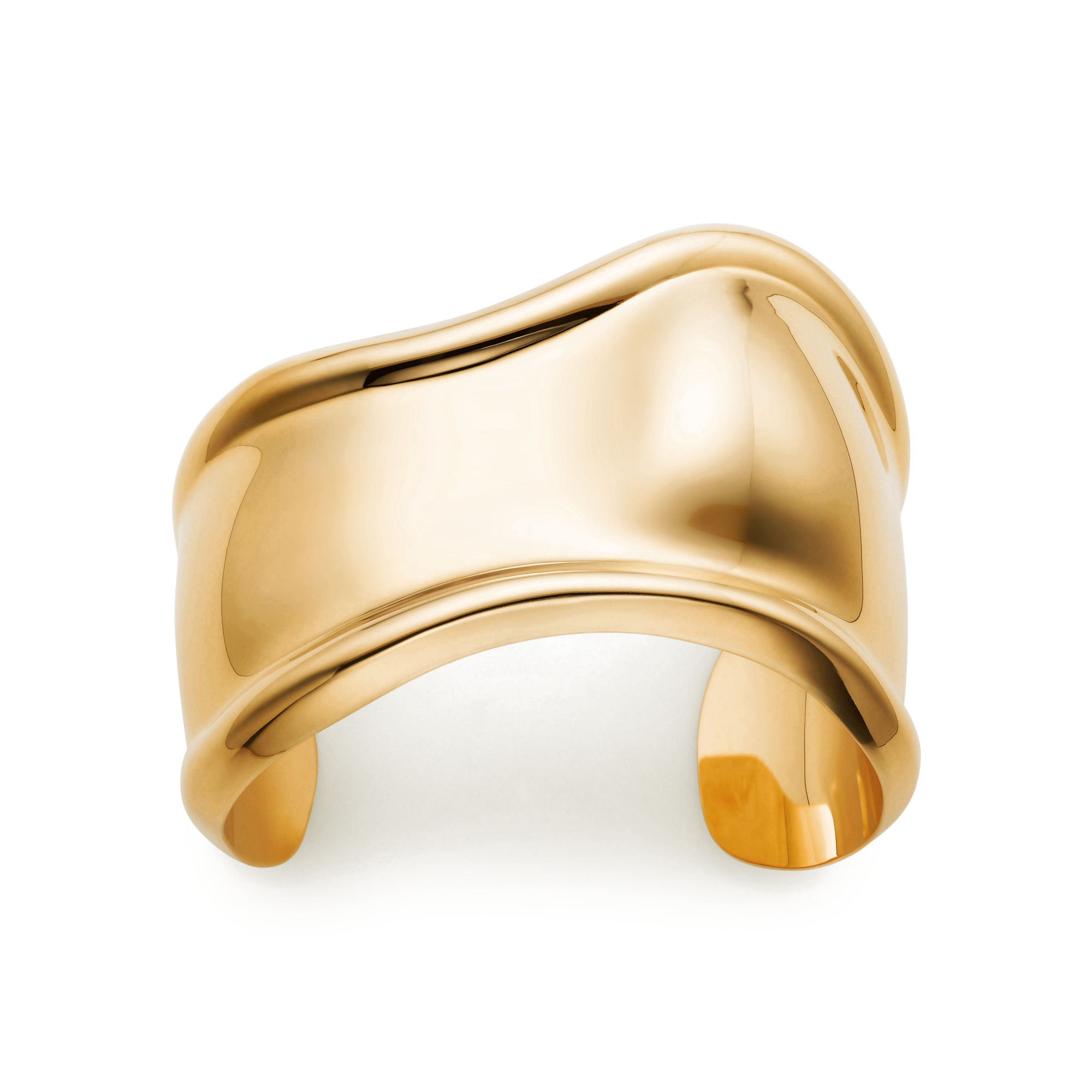
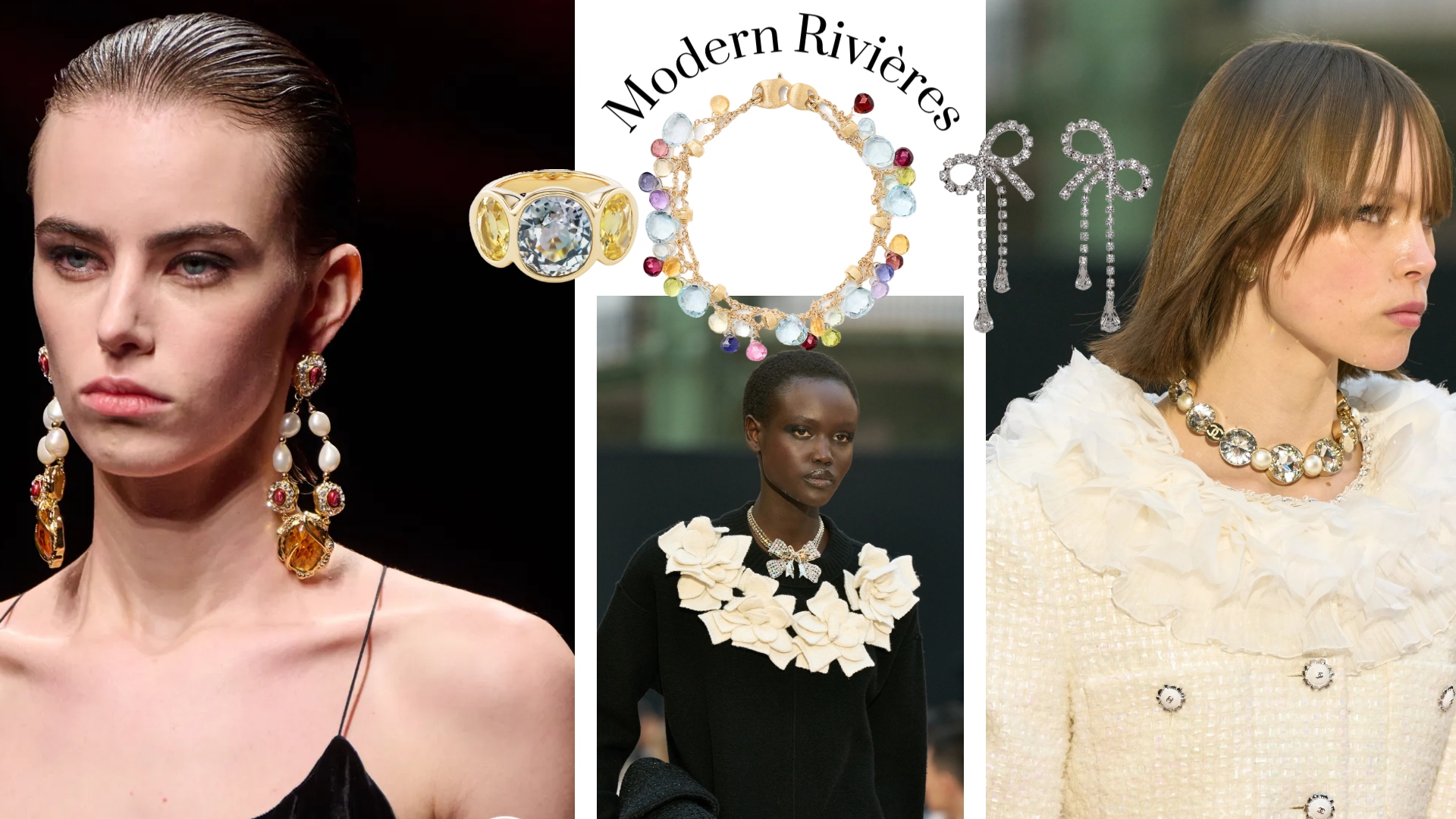
A conservative tennis bracelet or diamond-line necklace isn’t for everyone. This season, designers proposed alternatives in saturated stones—emerald, sapphire, and other off-classic choices. The silhouettes remain familiar, but the effect is anything but. These are pieces with personality, designed to feel both enduring and entirely current. Jewelry that resists nostalgia, even as it’s made to last.
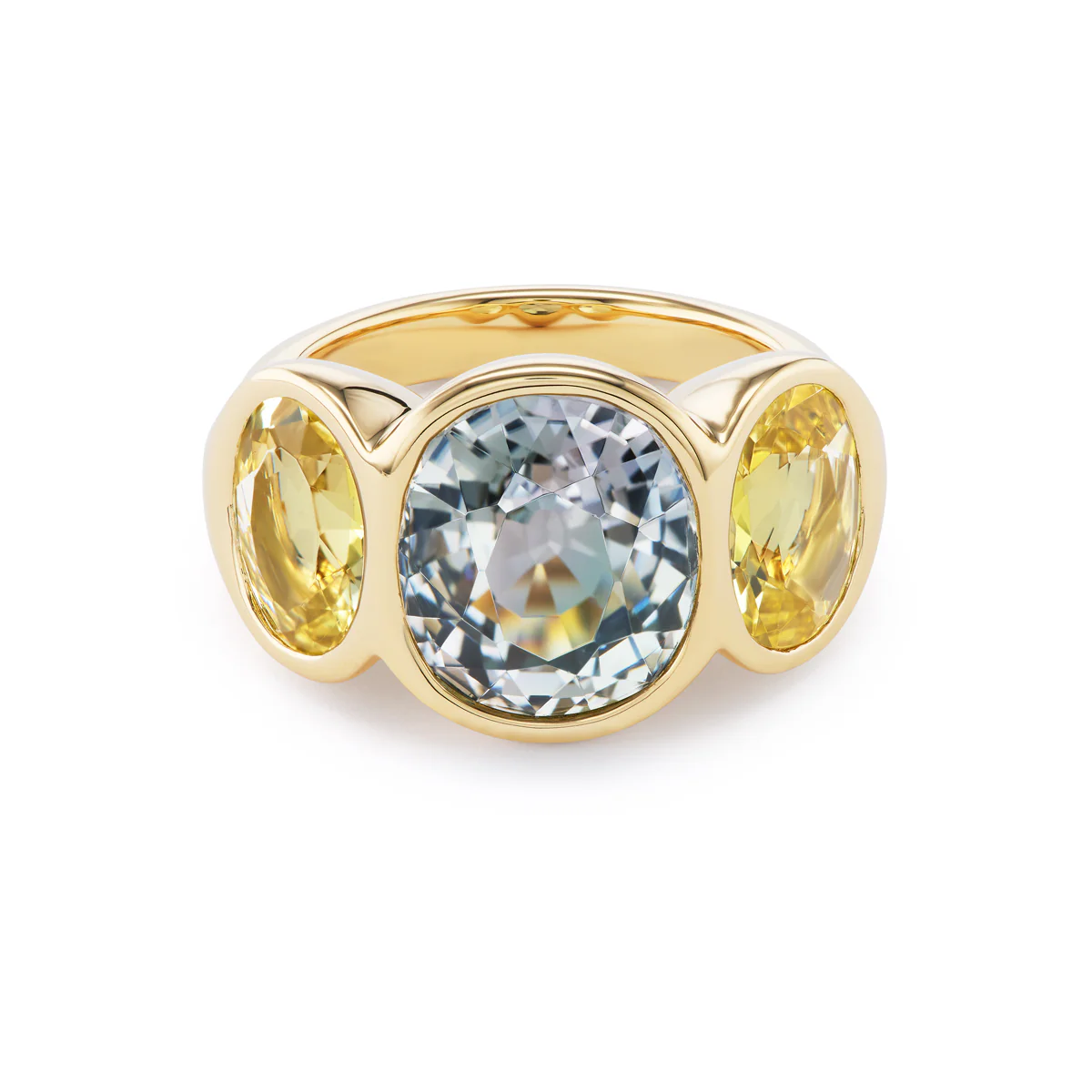
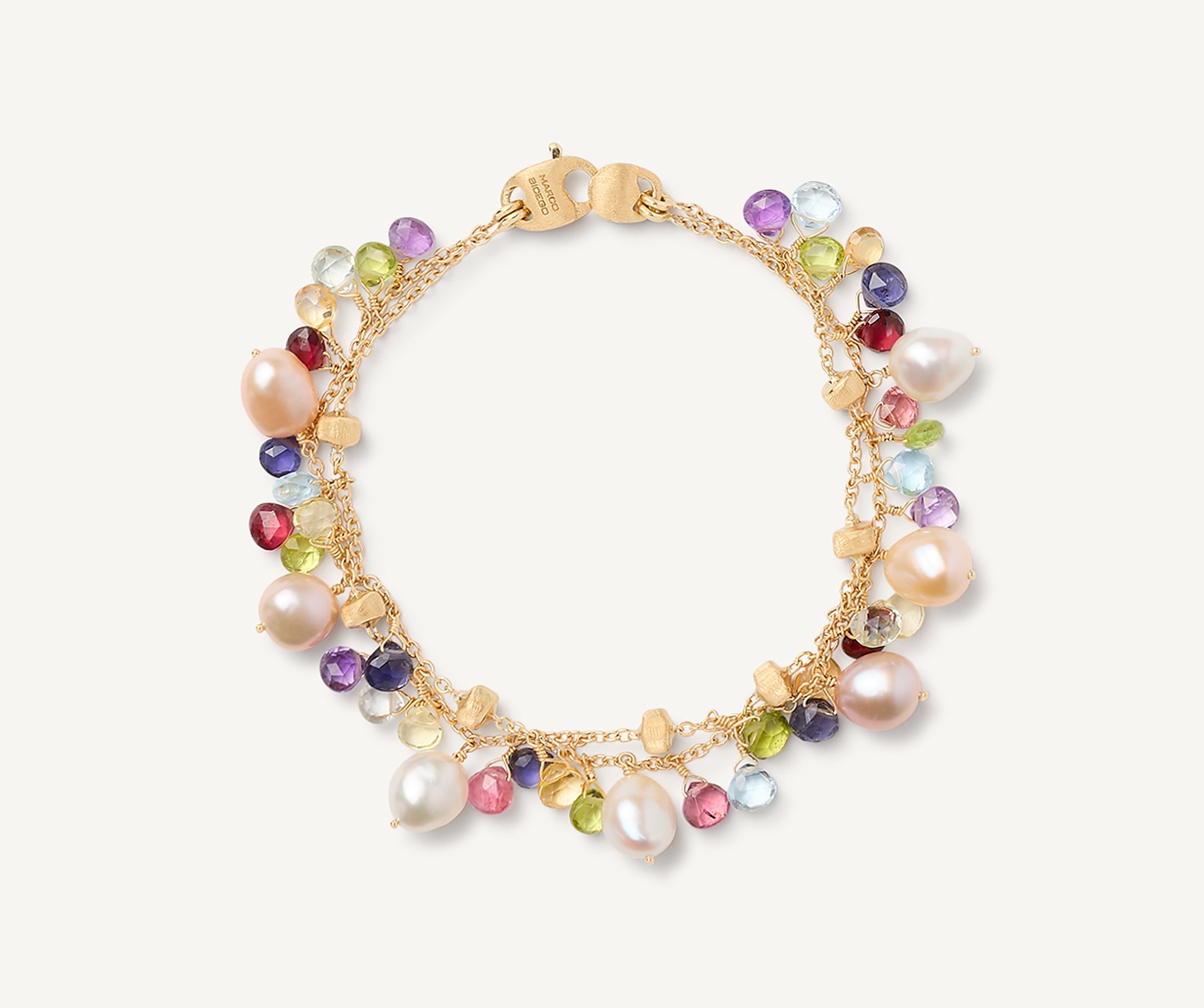
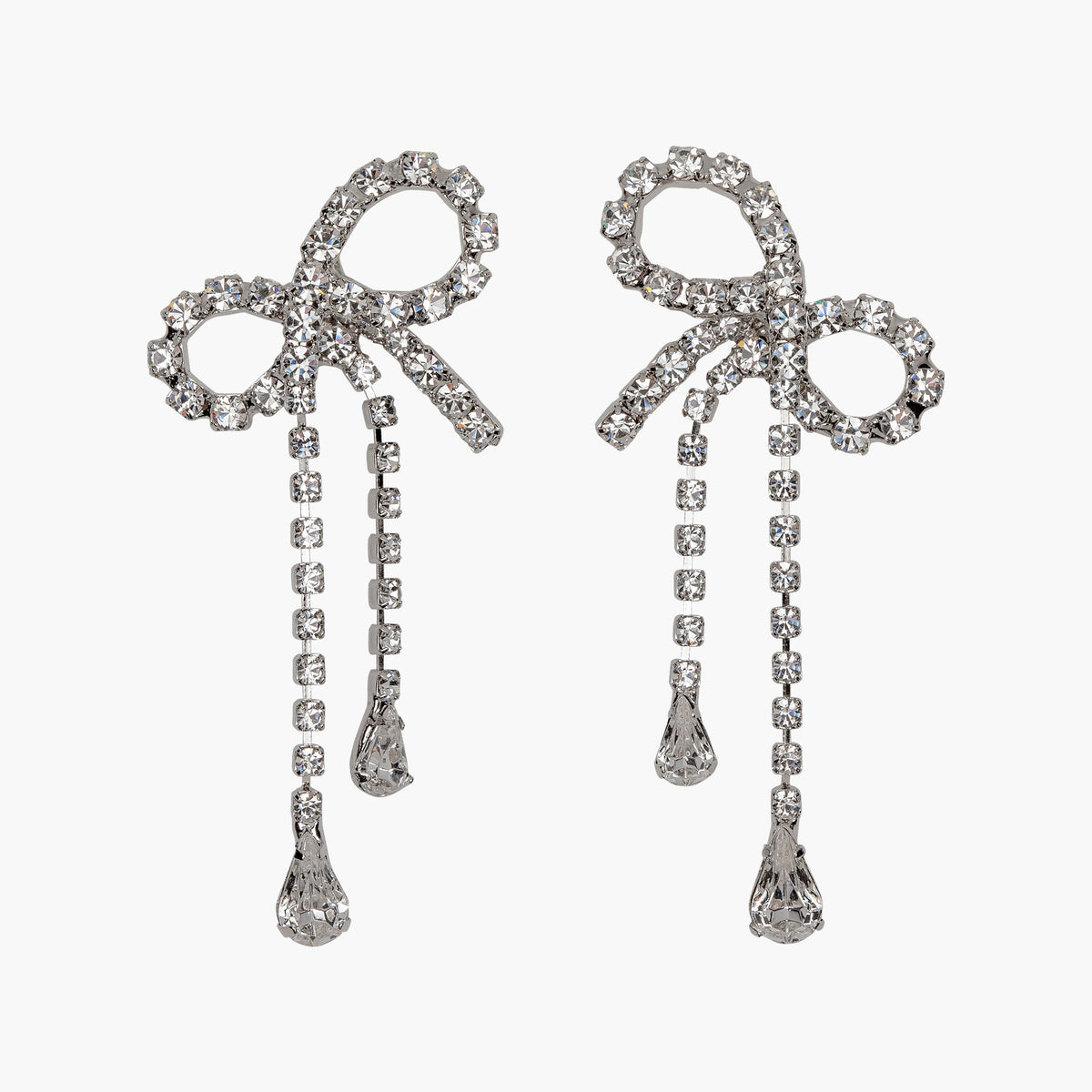
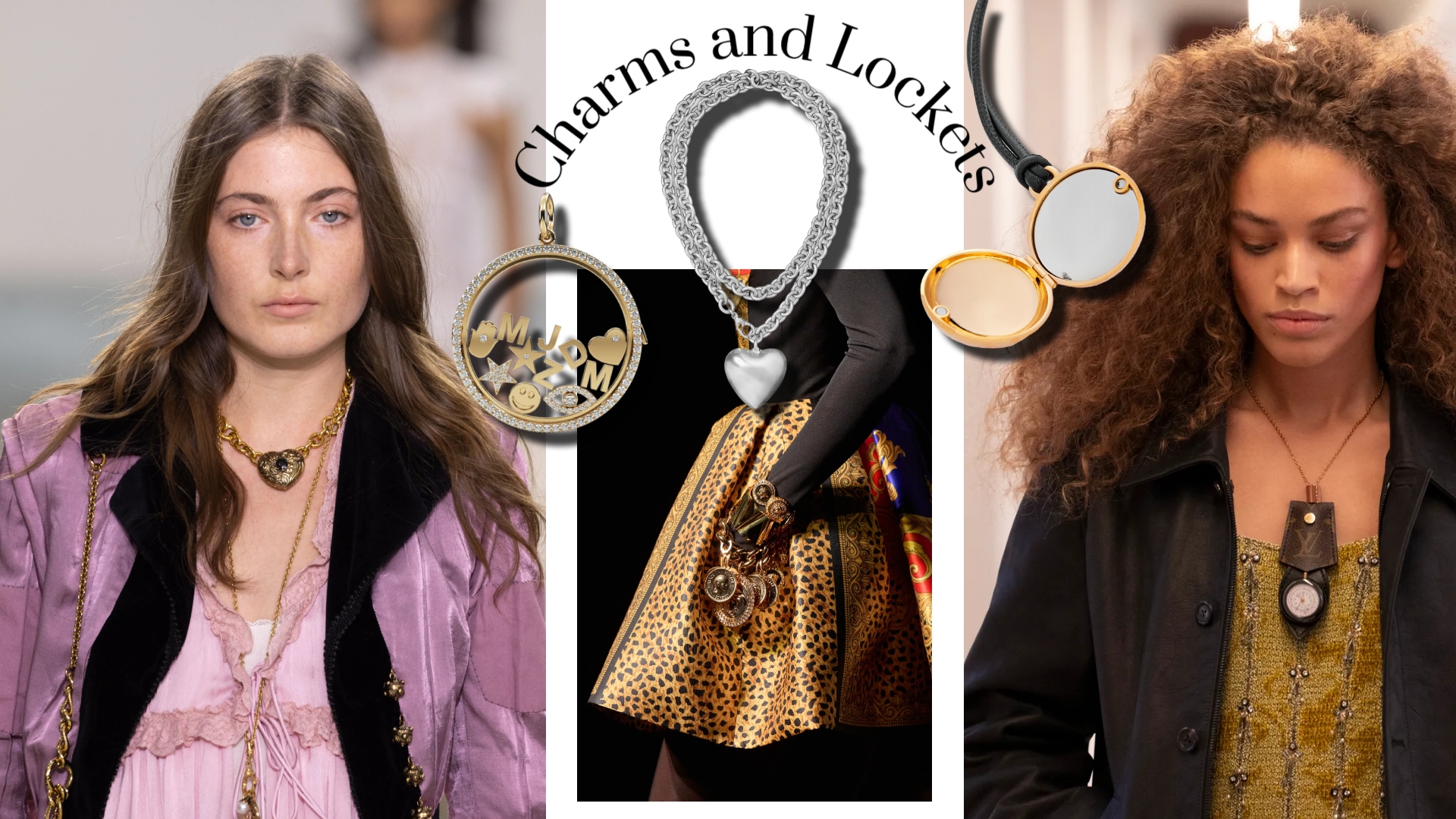
Just as Bohemia has quietly reentered the fashion scene, jewelry is reflecting that mood with a subtler type of sentimentality. At Chloé and elsewhere, mini lockets and charm bracelets reappeared not as costume-y throwbacks, but as personal, modern keepsakes. These aren’t maximalist memory boards—they’re sophisticated nods to personal storytelling, designed to be worn daily—less about nostalgia and more about grounding your look in something that feels specific—and yours.
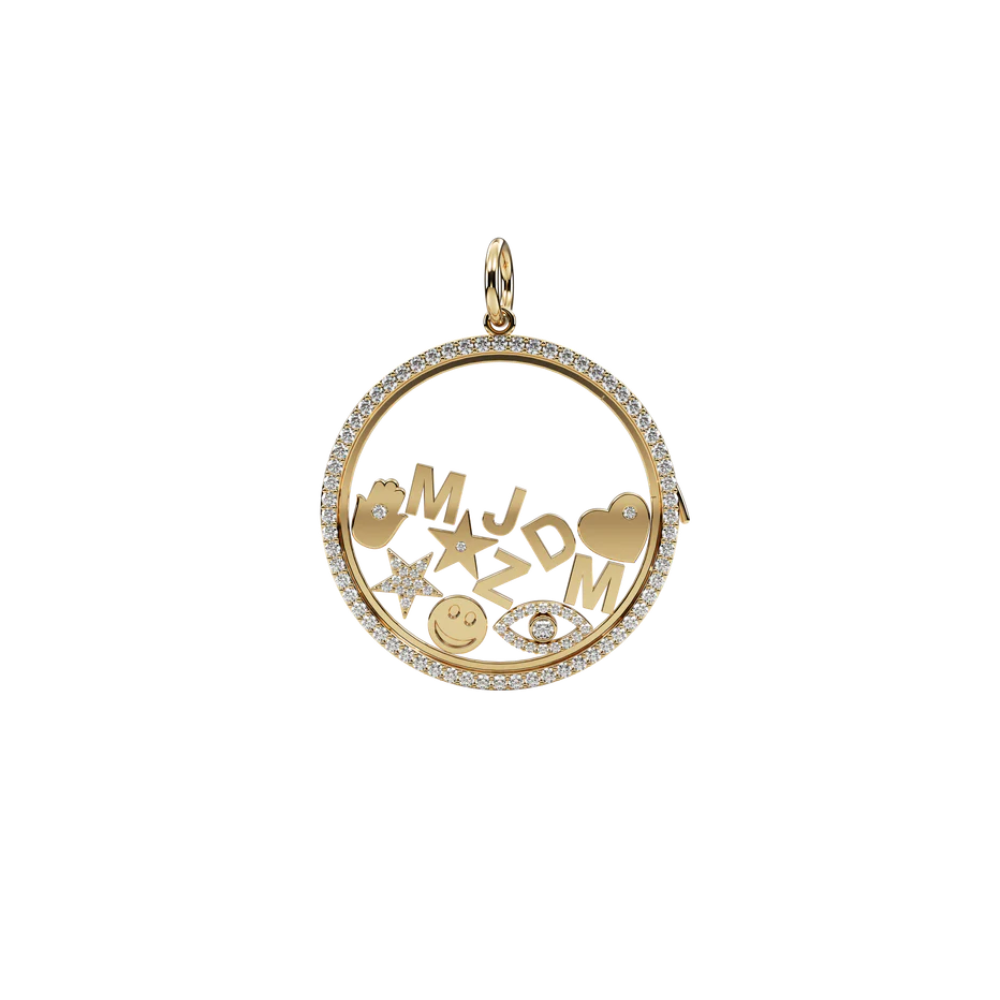
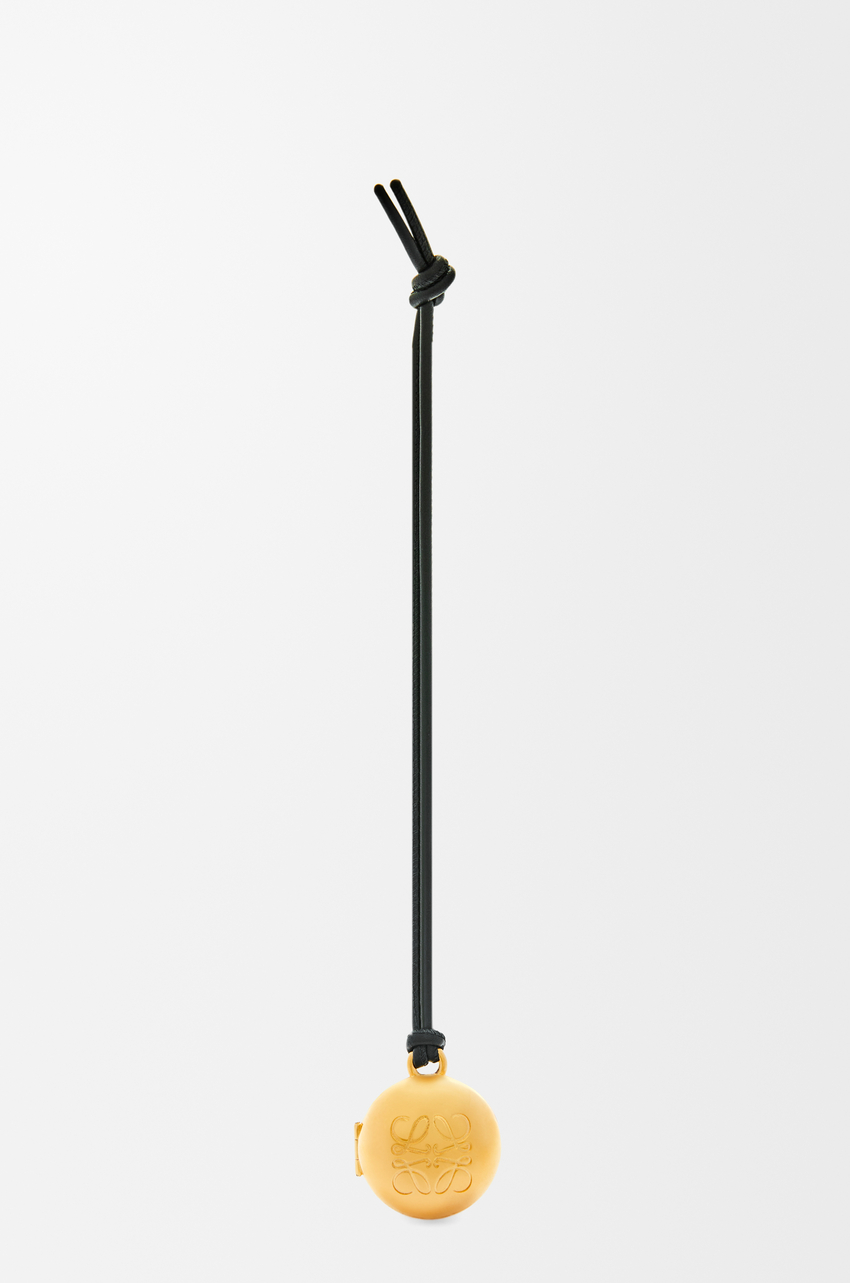
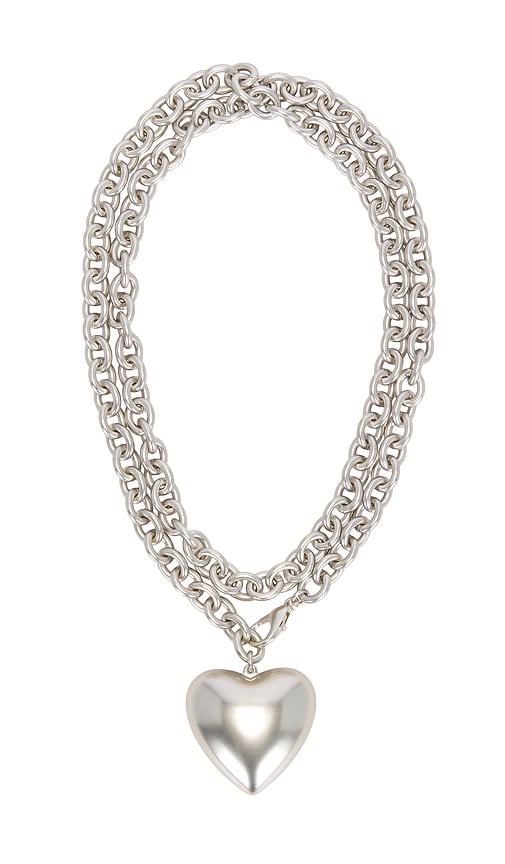
By August, the pace doesn’t slow—it intensifies. There’s a final push to savor it all: every golden-hour dinner, every farmers’ market haul, every salty swim and post-beach glass of wine. Tables are still fully booked, the boutiques still bustling, and everyone is chasing that one last weekend that might just be the best of the season.
While new shops and pop-ups debut each season, the heart of the Hamptons remains unchanged—quietly appreciated by those who skip the scene and return for the unflashy, unforgettable places they’ve known for years.
To do it right, you need more than a map—you need a few names whispered over dinner. The trusted haunts, the just-opened gems, the stylish pit stops worth pulling off for on the way in or out (because, let’s face it, the traffic rarely shows mercy) to grab a linen set or a last-minute hostess gift before the final stretch east. Around here, word-of-mouth is everything—and knowing where to go makes all the difference between a good weekend and a great one.


The Hamptons may sprawl across towns and beaches, but those who return year after year know: where you stay shapes how you experience it. From low-key motels in Montauk to designer-drenched guest houses in Bridgehampton, there’s no shortage of places to hang your hat. But for a stay that’s quietly elegant, grounded, and central to it all, LDV at The Maidstone is the perennial favorite.
Tucked into East Hampton’s historic district, the hotel has been a fixture on the East End for more than 150 years—and while the interiors have been thoughtfully refreshed, it hasn’t lost its soul. Morning coffee in the garden feels like something out of a Slim Aarons photo, and its 19 guest rooms—done in sandy neutrals, warm ambers, and soft peaches—channel the kind of effortless coastal calm that defines the region. From here, you can walk to town, bike to the beach, or hit 27 to explore the rest of the South Fork without ever feeling too far from home base.
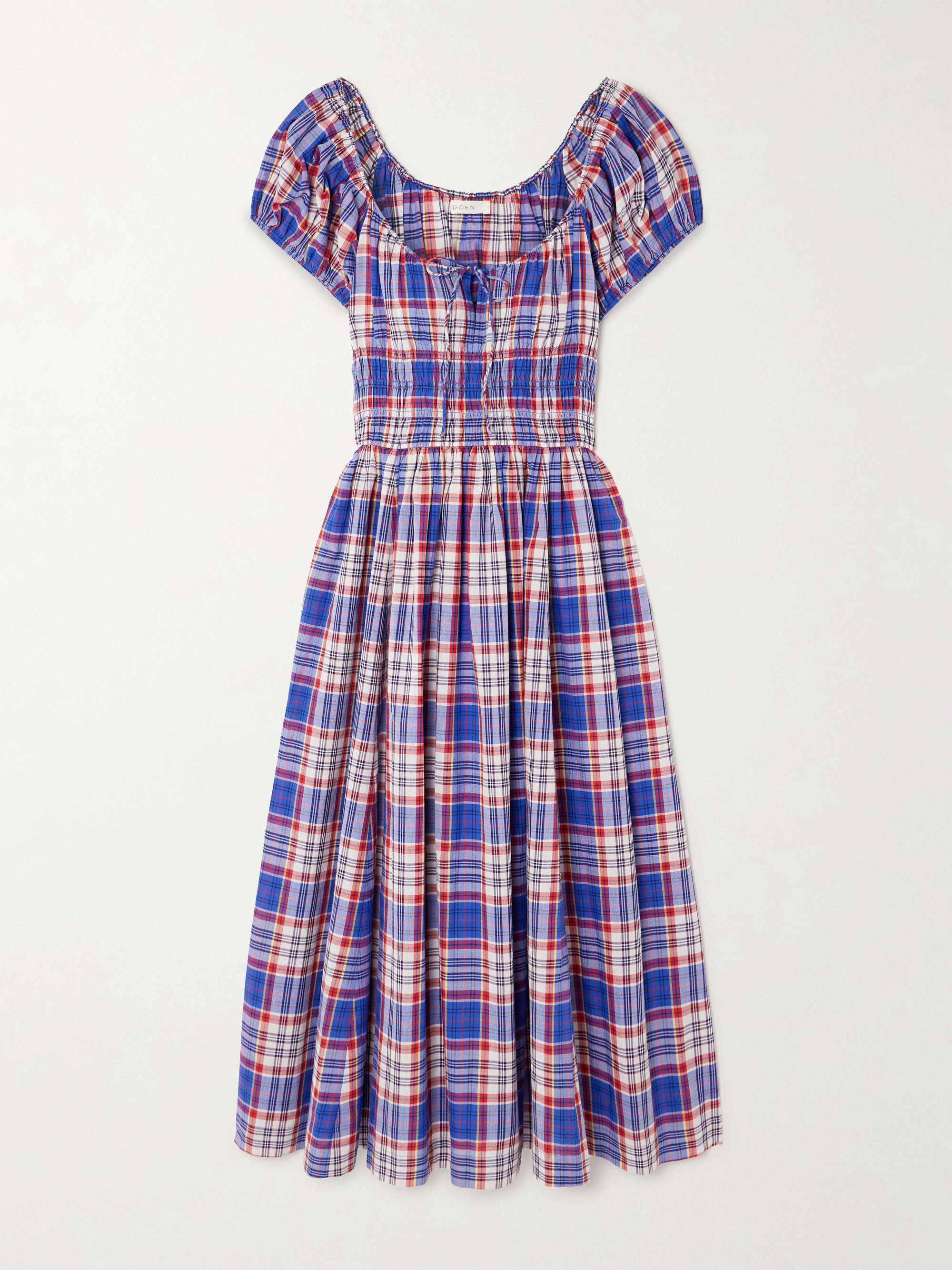


The Hamptons isn’t a place that demands an itinerary; it encourages the opposite. Long breakfasts, beachy afternoons, and unplanned stops at flower stands or wineries are part of the rhythm. Still, a little foresight goes a long way, especially when it comes to arrival and departure. Weekend traffic has its own agenda, and the savviest travelers know to turn the drive into part of the experience. That might mean timing your trip around a smart pit stop. Just off the highway, Belmont Park Village has quietly become a go-to among in-the-know travelers. The open-air luxury outlet is a welcome surprise on the way to—or from—the South Fork, especially if you're in the mood to pick up something new for the weekend. A Missoni set, for instance, that works just as well for a day on the beach as it does for dinner later. Or a classic Orlebar Brown linen shirt. With stores like Valentino, Vivienne Westwood, and Thom Browne, plus good food from restaurants like Hundredfold, (a rarity on the Long Island Expressway), it’s the kind of stop that you look forward to and makes the weekend feel like it’s already started—and hopefully, a well-timed shopping stop that pays off in the form of the perfect summer bag.
Once you’ve made it out East, start the day with a visit to Carissa’s, then head to Main Beach before the crowds arrive. Spend an hour or two wandering Main Street in East Hampton, where Prada, Loewe, Gucci, and Rolex blend into white-shingled storefronts showcasing the newest summer collections. Tenet Shop offers a carefully curated edit, and The Monogram Shop is always a good choice for a cheeky gift or a custom beach towel. If you're in the mood for culture, a trip to the Pollock-Krasner House and Study Center in East Hampton offers a rare, intimate look at the former home and studio of Jackson Pollock and Lee Krasner—complete with splattered floors that still bear the marks of mid-century masterpieces. For something slower, book a few hours at Shou Sugi Ban House in Water Mill, a wellness retreat offering holistic spa treatments in a serene, cedar-scented setting. Or if you prefer ocean views with your deep tissue massage, the spa at Gurney’s in Montauk remains a classic. The trick is not to do too much. The Hamptons rewards the unhurried—whether you’re spending the weekend on the sand, in a sauna, or just stretching the drive home a little longer.


When it comes to eating and drinking in the Hamptons, it’s all about knowing where to go—and when. Lunch at Duryea’s in Montauk is a must: order the oysters and the viral lobster cobb salad as yachts drift by and the breeze rolls in off the harbor. It’s a see-and-be-seen spot, yes, but the view alone is worth it—and your Missoni beach set won’t be out of place. For dinner, LDV at The Maidstone offers a romantic garden setting surrounded by blooming hydrangeas. The menu leans Italian with a coastal spin: burrata, gnocchi with clams, and market-fresh seafood served with just the right amount of ceremony. And no visit is complete without a reservation at Nick & Toni’s, the East Hampton institution where fried zucchini, their signature romaine salad, roasted chicken, and steak are as essential to summer as SPF and a nice glass of rosé,
But contrary to what every non-toxic label might suggest, “cleaner” isn't always synonymous with better. Somewhere along the way, "natural" was equated with safe, and "chemical" became a dirty word. But the truth is that the idea has zero basis in chemistry. Yes, some chemical or synthetic ingredients can be harmful in high doses (you wouldn’t want to use an intense concentration of fragrance or alcohol on your face) but cosmetics go through rigorous testing and safety protocols to ensure that they aren’t dangerous for humans.
Trusting science is and will always be the gold standard. “The ingredients are safety tested, and they are among the safest consumer products people can buy,” says cosmetic chemist Perry Romanowski. This fear-based narrative is not grounded in science. We bought into greenwashing, and clever marketing has outpaced education. "Clean” became a hollow buzzword, and the research behind the safety of synthetic ingredients took a backseat.
As a beauty editor (and self-proclaimed chemical girlie), that logic doesn’t track for me. Natural ingredients can be great, but they’re not inherently better or safer. Case in point: poison ivy is natural, but you wouldn’t put it anywhere near your face. "Nature is a pretty brilliant chemist," says cosmetic chemist Kelly Dobos. "But not always a gentle one." It's a myth that won't die: that a natural label means a safer product. But in reality? "The safest, most effective ingredient is the one that’s been rigorously tested, regardless of whether it came from a plant or a lab," says Dobos.
Now, with the help of chemists and medical experts, let's break down the most misunderstood ingredients, and how the beauty industry coined "chemical" as a catch-all for "bad," and why that's not only misleading but oftentimes inherently wrong.
There’s No Such Thing as Chemical-Free
In scientific terms, a chemical is any substance made up of matter with a defined molecular composition, "whether that's an element like oxygen, a compound like caffeine, or a mixture like an essential oil," says Dobos. In short, the word "chemical" doesn't imply anything about a product's safety or origin; it simply refers to what it is on a molecular level.
Still, the beauty world has long misused "chemical" to mean something dangerous, explains board-certified plastic surgeon Joshua Korman, MD. But the reality is, everything you touch, eat, or apply is made of chemicals: this includes the salt in your food, the retinol in your serum, and even the air that you breathe. "Chemical-free" doesn't exist, because chemicals are the building blocks of all physical substances.
In large part, this fear stems from a misunderstanding of hazard versus risk, which is a key distinction in toxicology and product safety. As Dobos explains, a hazard just means something that could cause harm. But risk is about the actual chance that it will cause harm based on how much you’re exposed to and how you’re using it. In short, something can technically be hazardous, but still be safe if it’s found in regulated, trace amounts.
Ingredient dosage, delivery, and context matter.
Siena Gagliano
Romanowski points to retinol: It’s skincare’s gold standard ingredient for everything from acne care to minimizing signs of premature aging, and is safe at low levels. However, “high concentrations can lead to skin irritation, peeling, and increased photosensitivity,” he says, adding that systemic absorption can also cause birth defects during pregnancy. That doesn’t make it unsafe—it remains one of the most effective skincare ingredients on the market—it just means dosage, delivery, and context matter.
Even water can be dangerous if consumed in excess. And on the other end of the spectrum, an ingredient with a long, hard-to-pronounce name may be completely safe at the correct dose. Dobos explains that the safety assessments of a cosmetic are not one-size-fits-all. Rather, it comes down to the formula's intended use, the concentration of each ingredient, and the way the product is applied, not whether it's labeled "natural" or "chemical."
Debunking Ingredient Myths
Today, much of the ingredient alarm begins with fear-mongering claims that are amplified by social media. Like a game of telephone you played as a child, misinformation spreads quickly and distorts the truth.
So let’s break down some of the most notorious ingredients. While this is a good start, many other ingredients also get unfairly demonized. If you are concerned about others, Romanowski recommends checking the Cosmetic Ingredient Review database for reliable supporting data. And keep in mind: “We know that an ingredient can technically be hazardous in large doses but still be safe in trace, regulated amounts,” Romanowski says.
The Truth About Aluminum
The global organic and aluminum-free deodorant market is projected to reach a value of $316 million by 2030, a not surprising development given how aluminum has become the default villain. Despite the widespread belief that aluminum antiperspirant can be carcinogenic, research hasn't found a conclusive link between aluminum and diseases like breast cancer or Alzheimer's. “Aluminum compounds are generally safe for cosmetic use because systemic absorption through intact skin is minimal,” says Romanowski. He adds that there have been no “extensive toxicological reviews” that have established a causal link at approved levels. Even the National Cancer Institute has addressed the rumor head-on to keep people informed and debunk fear.
The thing is, natural deodorants can mask odor, but they can’t stop sweat. Only an antiperspirant can do this, a product category that primarily features aluminum as the active ingredient to temporarily block sweat glands. And while I love some of the aluminum-free deodorants for a lazy day around my apartment, you best believe on a humid NYC day, or heated yoga class, I’m reaching for the stuff that can actually minimize sweat.
My Favorite Antiperspirants
The Deal With Parabens
Parabens have also gotten a bad rap in the beauty space. Put simply, they’re preservatives that are used to prevent bacteria and mold in all of your favorite face creams, serums, shampoos, and most of the cosmetics in your daily routine. The catch: they've been accused of causing everything from hormone disruption to cancer. Who wants to slather a moisturizer on their face when that narrative is out there?
Despite the rumor mill, studies have shown that while preservatives can have a mild effect on estrogen in very high doses, the ones most commonly used in cosmetics are not strong enough to affect hormones. And to further solidify these findings, agencies around the world—including the FDA, the European Commission, and Health Canada—have all deemed them safe at low and highly regulated levels.
We know that an ingredient can technically be hazardous in large doses but still be safe in trace, regulated amounts.
Perry Romanowski
Even though they’re approved for use and have been studied significantly, many brands have pulled them from formulas anyway, not because of science, but from consumer pressure. “Paraben-free” labels and “safer” preservative alternative headlines may sell more products, but the shift has consequences.
“As the use of safe and effective preservatives has become limited, we’re seeing more recalls and microbial failures in the market,” says Dobos. And she emphasizes that this is only the stuff that actually reaches stores; many products don't even pass factory-level safety checks. Case in point: the 2020 recall of a concealer from the now-discontinued Becca Cosmetics, following reports of mold on its applicator. Or the recall of a Suntegrity tinted sunscreen for “higher than acceptable levels” of mold, per the brand’s announcement.
And look at the viral beef tallow products that blew up all over social media: they’re unregulated and totally natural, which means they’re preservative-free. With that comes an added risk of contaminants that can cause infection, board-certified dermatologist Robert Finney told Marie Claire. “Even if it’s pure, it can spoil easily and cause an infection later.” Dobos explains that synthetic ingredients are often "more stable, pure, and consistent" than natural ones, which can vary from batch to batch.
The Case for Petroleum Derivatives
Petrolatum, most commonly known as petroleum jelly, is one of the most effective moisturizers in skincare, as it forms a barrier on the skin to prevent water loss. (Shout out Vaseline and Aquaphor.) But because it’s derived from petroleum—the same chemical used to produce gasoline—it’s become a target in beauty marketing.
“This is a perfectly safe ingredient, which is great for skin moisturization,” says Romanowski. But the fact that it is derived from petroleum, he says, and happens to sound very much like it, adds more fuel to the fire (no pun intended). A common myth is that petrolatum contains cancer-causing chemicals like PAHs, but that only applies to unrefined, industrial-grade versions. The white petrolatum used in skincare is highly purified and strictly regulated.
Mineral oil, another petroleum-derived ingredient, has been safely used in skincare since your grandmother’s childhood to soften skin and prevent moisture loss. Myths linger that it clogs pores, suffocates skin, or creates a dependency where your skin no longer “moisturizes itself”. Yet, these claims aren’t backed by science. While regulations weren’t as strict 50 years ago, today, the FDA, EU, and other regulators confirm that it poses none of these supposed health risks.
My Favorite Petroleum Moisturizers
The Story on Sulfates
Sulfates are some of the most commonly used ingredients in the cosmetic space, particularly in body wash and shampoo, because they’re extremely good at what they do: cleanse. There are over 60 approved sulfates used in cosmetics, with sodium lauryl sulfate (SLS) and sodium laureth sulfate (SLES) being the most common. They’re “excellent detergents, create bubbles that are highly effective at cleaning, and have been the basis for most shampoos,” says Romanowski. I love a good foam (my hair doesn't feel clean without it), so I've always opted for shampoos that include sulfates.
The one downside? They can be too cleansing, especially on curly, color-treated, or dry hair types. They often get blamed for damage or irritation, but sulfate-free doesn’t automatically mean better. Despite beauty’s constant advertisement and push for sulfate-free formulations, there is zero solid research proving sulfates are harmful. Whether or not a sulfate formulation makes a good addition to your hair care routine ultimately depends on your hair, skin, and the entire formulation.
Any narratives supporting the idea that sulfates are dangerous to your health are “unfounded,” says Romanowski. The fear stems from confusion around 1,4-Dioxane, an unintended byproduct that may form during the manufacturing process. While this ingredient is linked to cancer in animals at high doses, it is tightly monitored and regulated by the FDA. Plus, manufacturers even go through extra steps to reduce the levels.
Not to mention, the products that include sulfates aren’t meant to sit on the skin for an extended period—they’re rinsed away. This means the potential for absorption, and therefore any associated suspected risk, is extremely low. In short, your shampoo isn’t trying to harm you; it’s just cleaning your hair.
The Takeaway
Don't get me wrong, the clean beauty movement was a vital step toward ingredient transparency, product safety, and even made sustainability an essential part of the beauty conversation. But despite its benefits, it also came with a few side effects. Misinformation spread like wildfire, and the science behind it all was overlooked.
Now, we're in the midst of a shift. Gen Z and Millennials aren't just looking for a clean label anymore. Instead, they're becoming more informed: they're questioning the formulation, scrutinizing marketing claims, and seeking validation from real experts to separate myth from truth. Brands and formulators have begun to notice. They've responded by dropping alarmist messaging and leaning on experts like chemists and dermatologists for branding and education.
The new era of beauty isn't about fear-mongering, rejecting chemicals, or even looking down upon clean ingredients, either. It's about cutting through the noise, becoming educated, and assessing what works, based on research and real-life results. At the end of the day, consumers should no longer be deterred by ingredients that could genuinely improve their skin due to a misguided fear.
For me, as someone who’s seen both sides of the beauty conversation, it’s refreshing to watch this change in real time. More informed conversations—where education and expertise matter, and buzzwords aren’t taken at face value—help people to stop avoiding ingredients and start understanding them. When we move past fear and focus on facts, it becomes clear that knowledge beats hype every single time. And trust me, our skin feels and shows the difference, too.
Why Trust Marie Claire
For more than 30 years, Marie Claire has been an internationally recognized destination for news, fashion, and beauty trends, investigative packages, and more. When it comes to the products Marie Claire recommends, we take your faith in us seriously. Every product that we feature comes personally recommended by a Marie Claire writer or editor, or by an expert we’ve spoken to firsthand.
Meet the Experts
]]>Coffin nails strike the perfect balance between square and almond. They're similar to a stiletto-shaped nail, but instead of a sharp point at the tips, they're squared off (think: the shape of a ballerina's pointe shoe). Coffin-shaped nails will give you a "sleek, bold, and unapologetically polished look," says Morgan Haile, nail expert and brand ambassador at Morgan Taylor and Gelish. They work best on a longer, natural nail, but you can always opt for gel extensions if you want to test out the shape.
I'm not the only one who's into coffin nails lately. Khloé Kardashian paired two summer manicure trends together—coffin nails and pastel nails—for her birthday last month, and Jennifer Lopez added a designer flair to her own birthday coffin nails as well.
To help you choose your new manicure, I rounded up my 16 favorite coffin nail ideas to try at your next nail appointment. Read on for all the inspo, and get ready to screenshot to show your nail artist.
Floral Coffin Nails
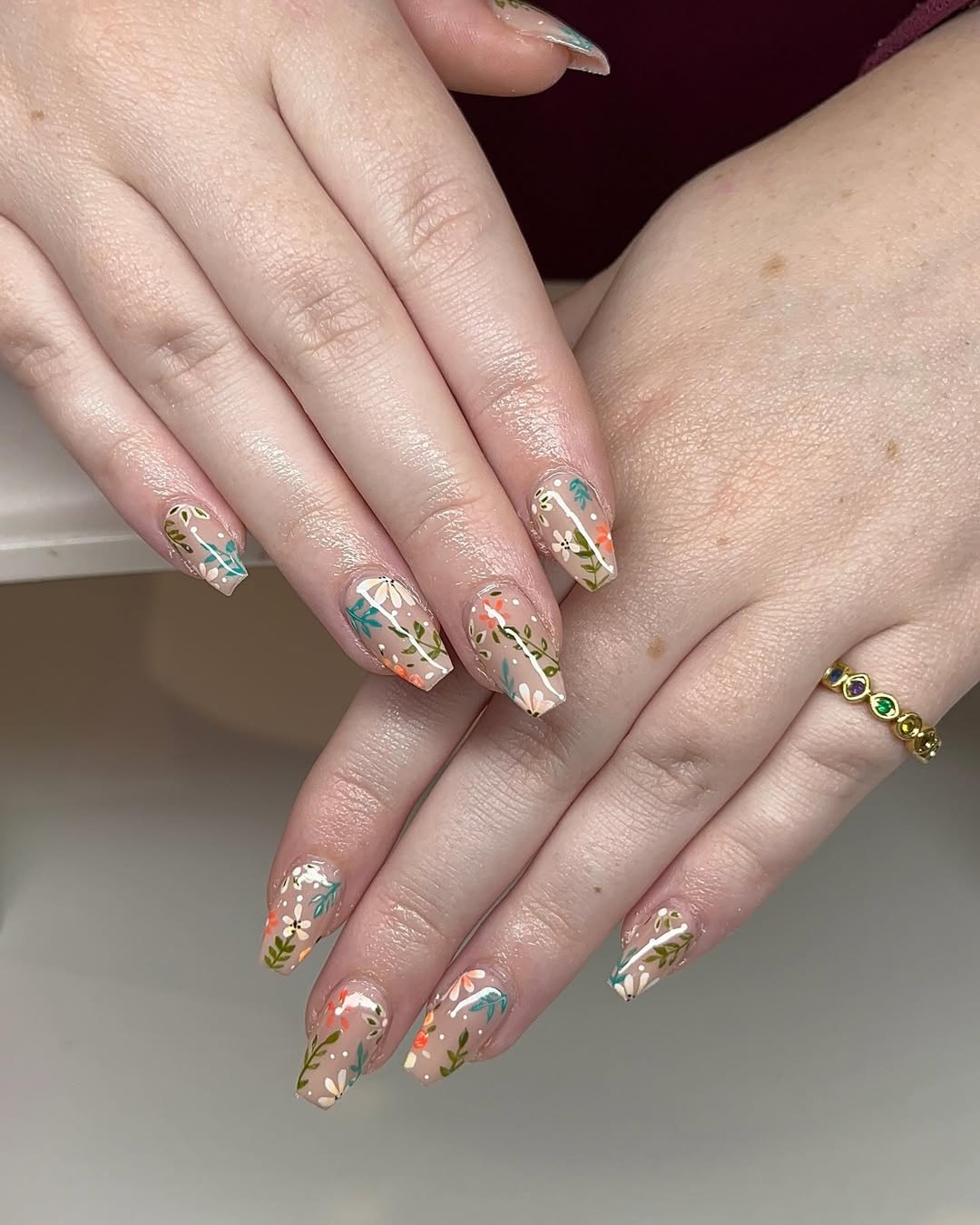
Floral manis are flattering no matter the time of year. These intricate, multi-colored flowers pop against a nude polish base. If these feel too summery, choose fall nail polish colors for the floral designs.
Chrome Coffin
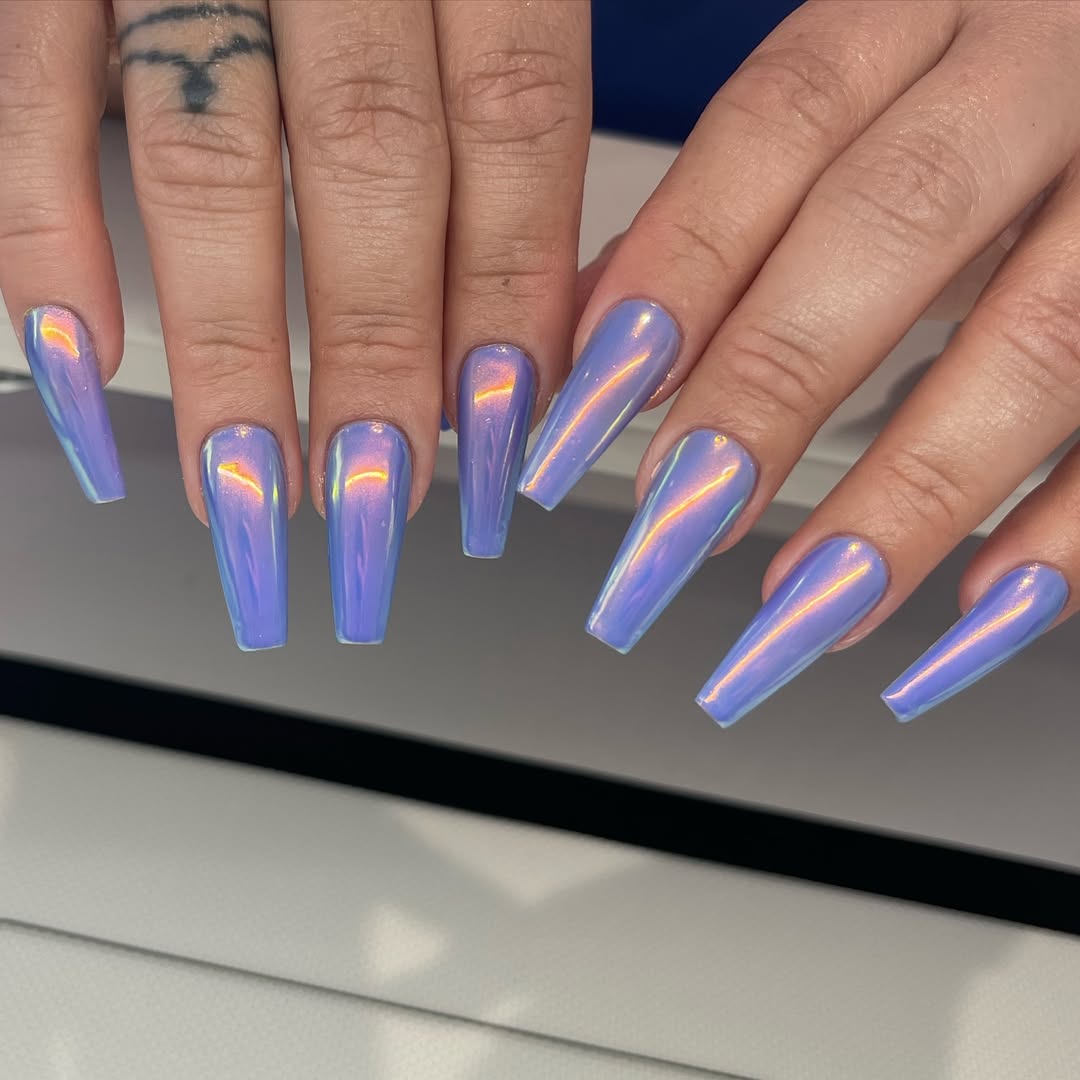
Long coffin nails paired with a simple design will forever be chic. The periwinkle polish topped with chrome powder is proof that a glazed donut manicure looks stunning with any shade.
Golden Coffin
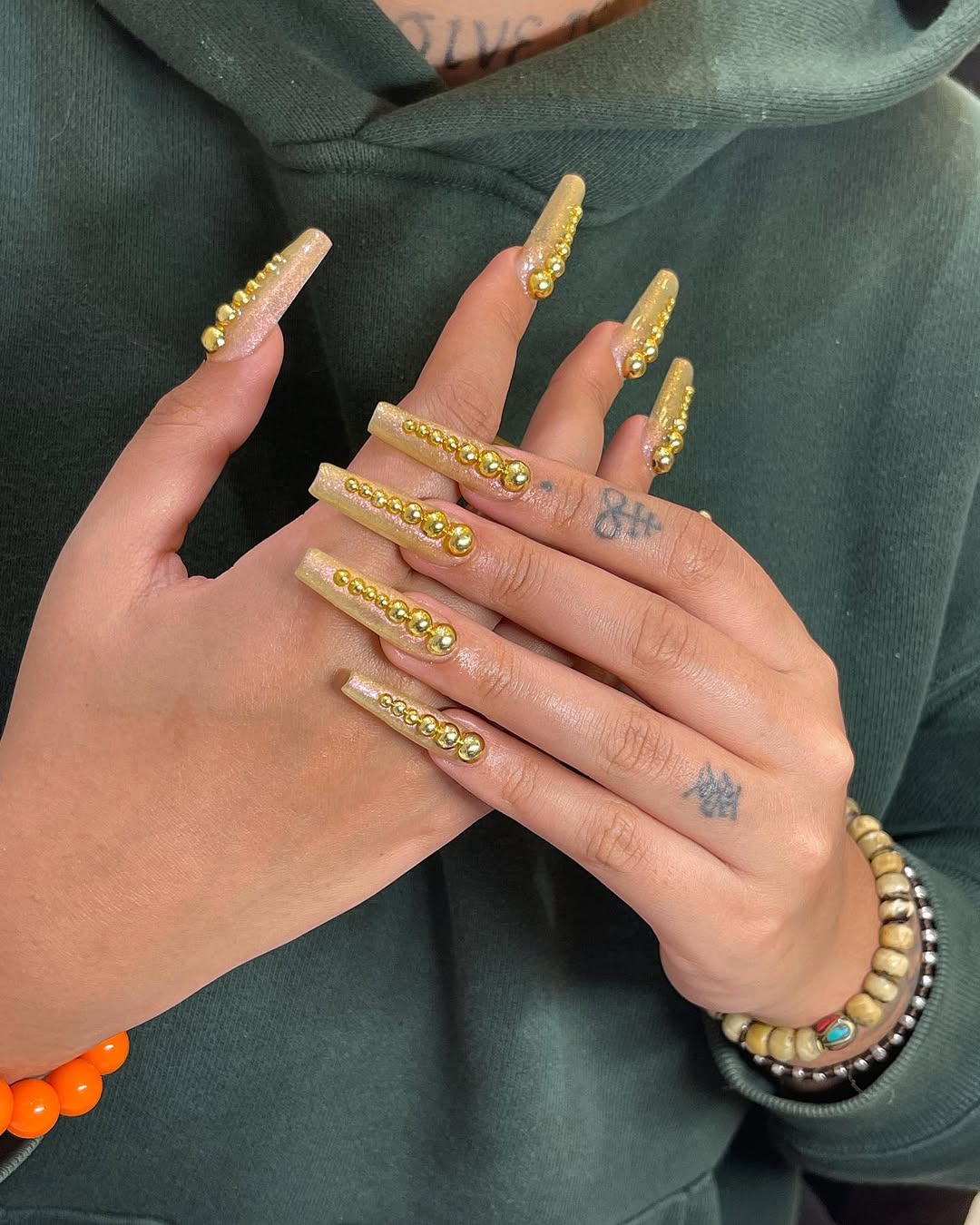
Super long coffin nails were a mid-2010s staple that nail fanatics still love today. If you love this gold-on-gold look, try a sparkly gold nail polish and top it with golden nail decals. Nail art beginners can opt instead for just the sparkling base coat and still get major wow factor.
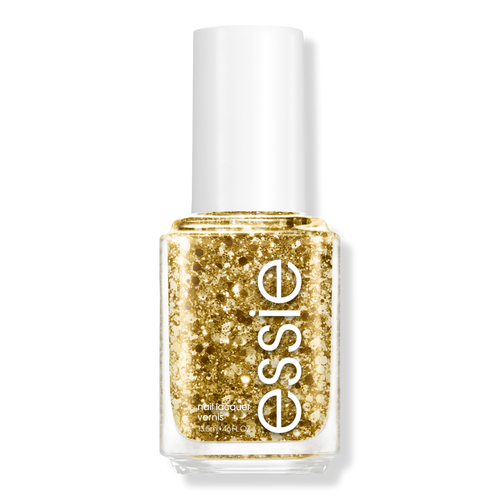
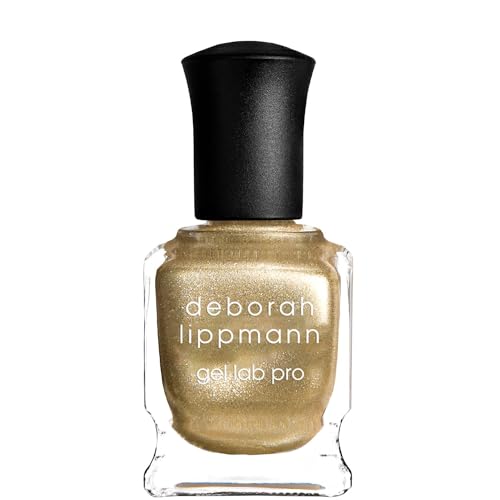
Smoky Frenchies
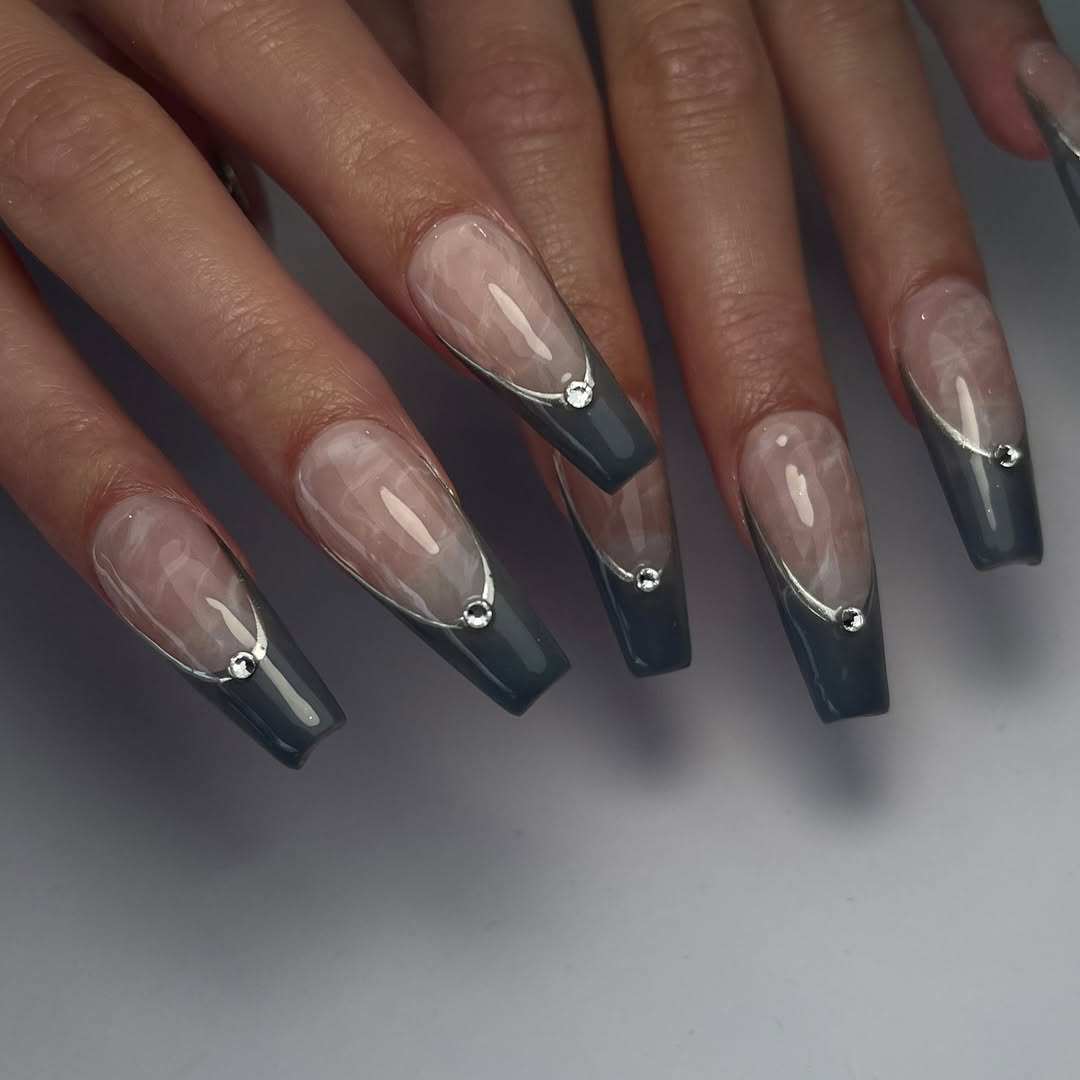
Coffin nails are a dream shape for super classic French manicures. Dressing up your Frenchie for a black tie event or just a moody moment? This design combines a subtle smoky marbling design along with gray tips and nail rhinestones for a formal look.
Rosy Coffins
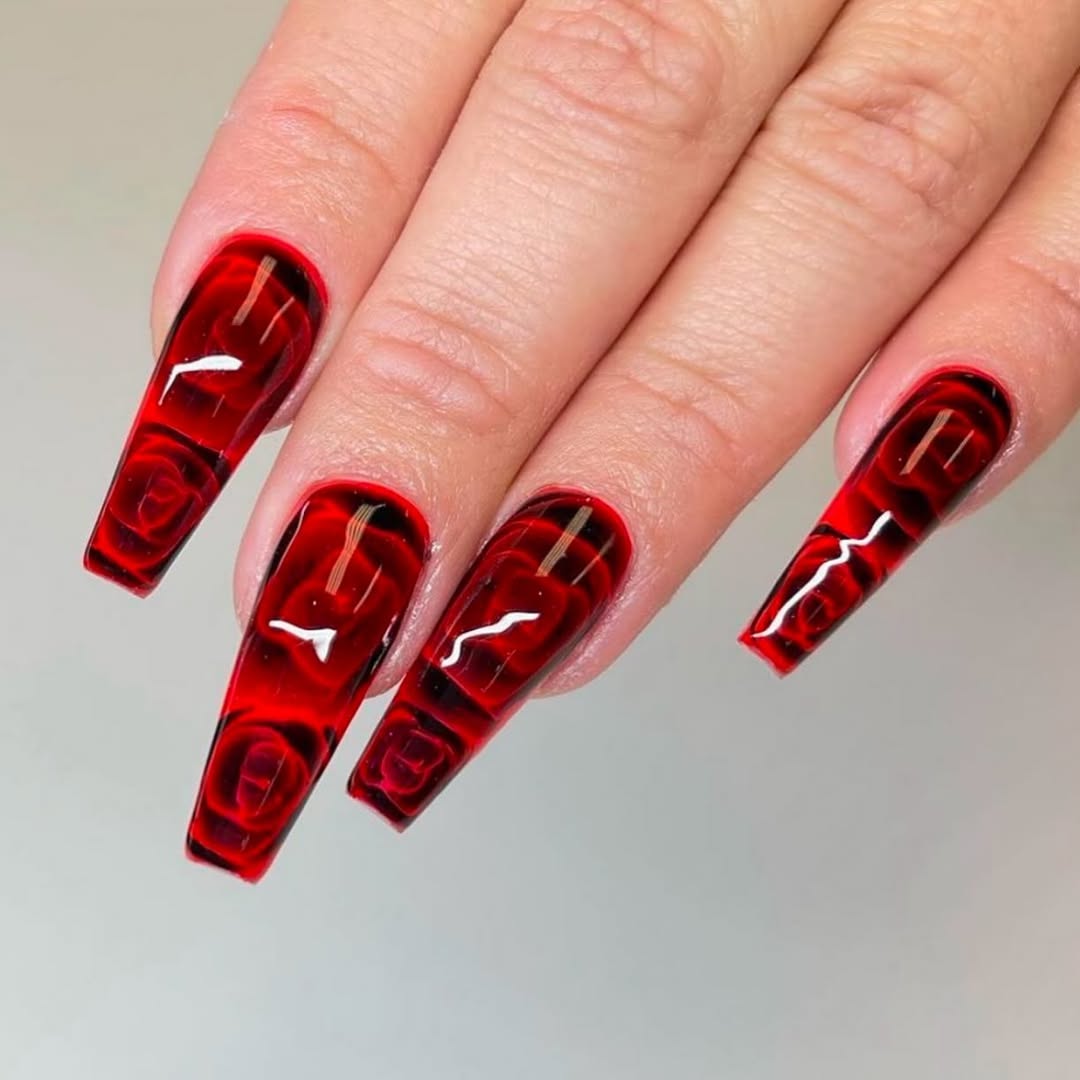
Roses are red, violets are blue, rosy coffin nails are perfect for you. (Sorry, I couldn't help myself.) These hyper-realistic roses work well on a longer coffin-shaped nail extension to accommodate two flowers instead of one.
Milk Bath Coffin Nails
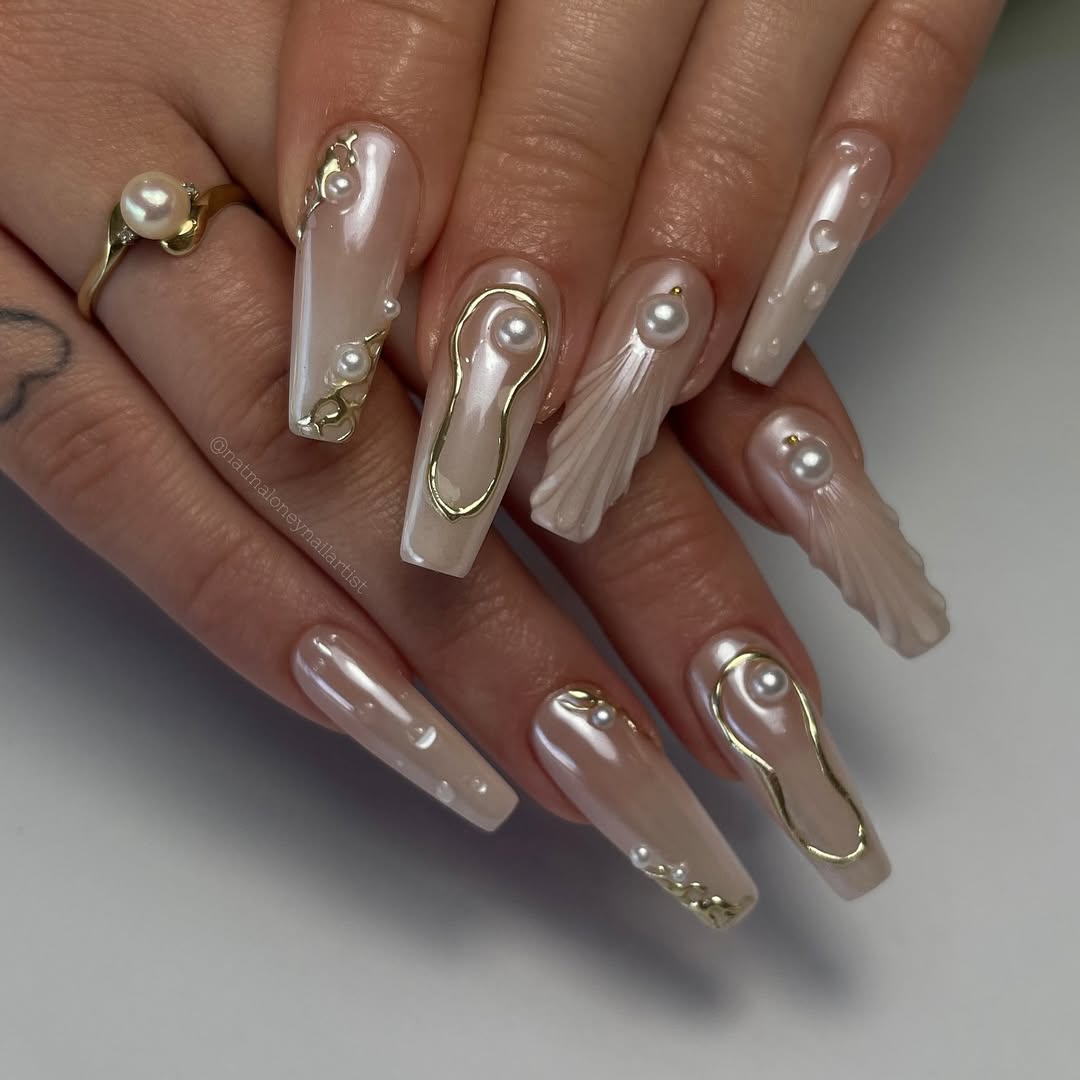
Milk bath nails have been a simple go-to for mani minimalists all year long, but adding some 3D builder gel and metallic accents is a creative way to zhuzh them up.
Color Pop Coffin
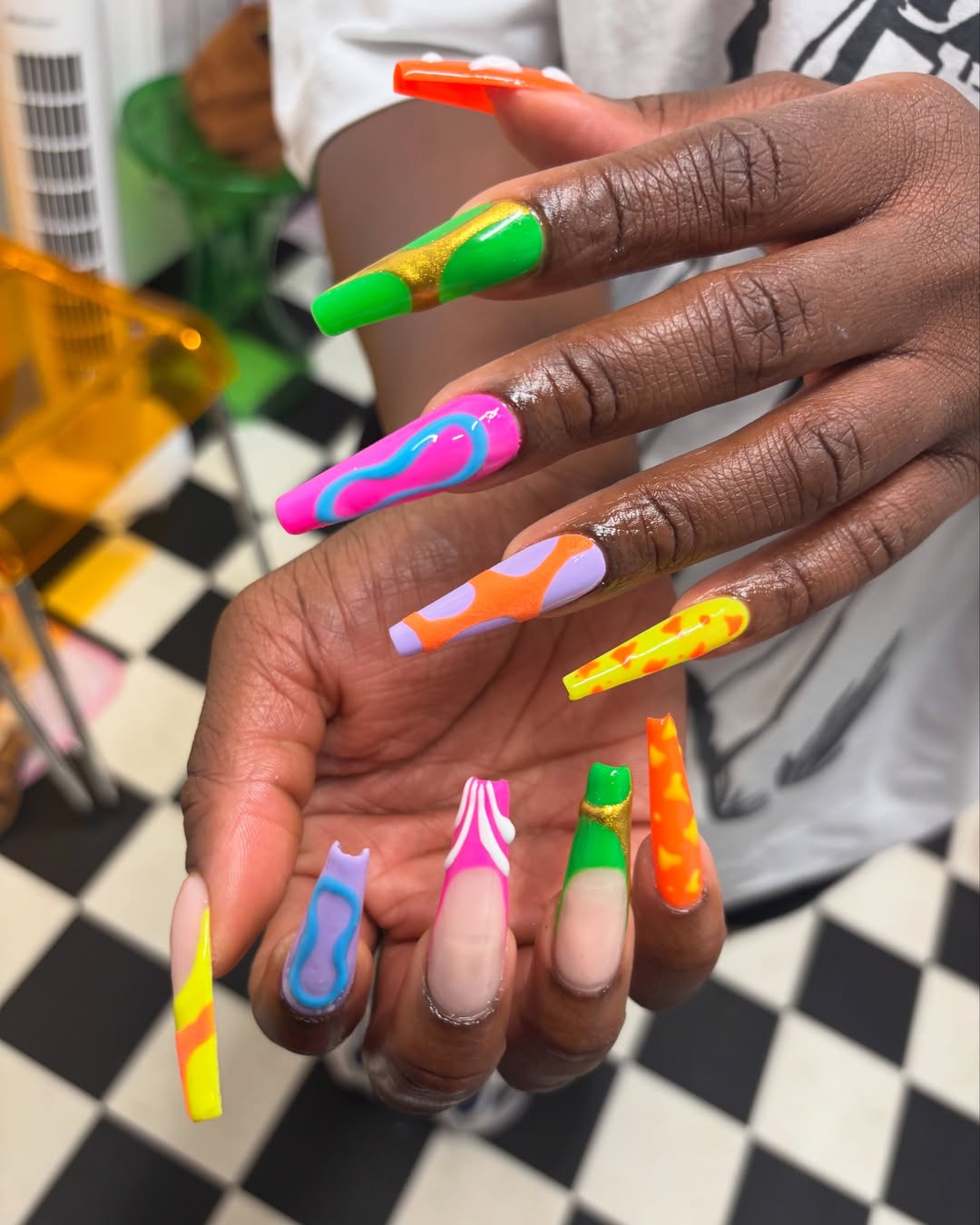
There's nothing like a vibrant pop of color on my nails to make me smile, especially in the warm summer months. If you're feeling bold, lean into multiple colors like these super long coffin nails, or stick to one bright color for a simpler take.
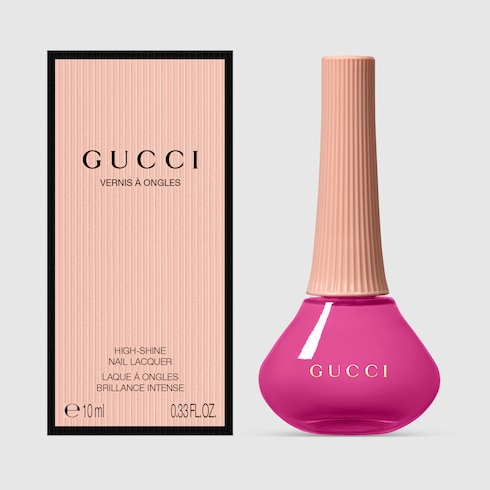
Seashell Coffin Nails
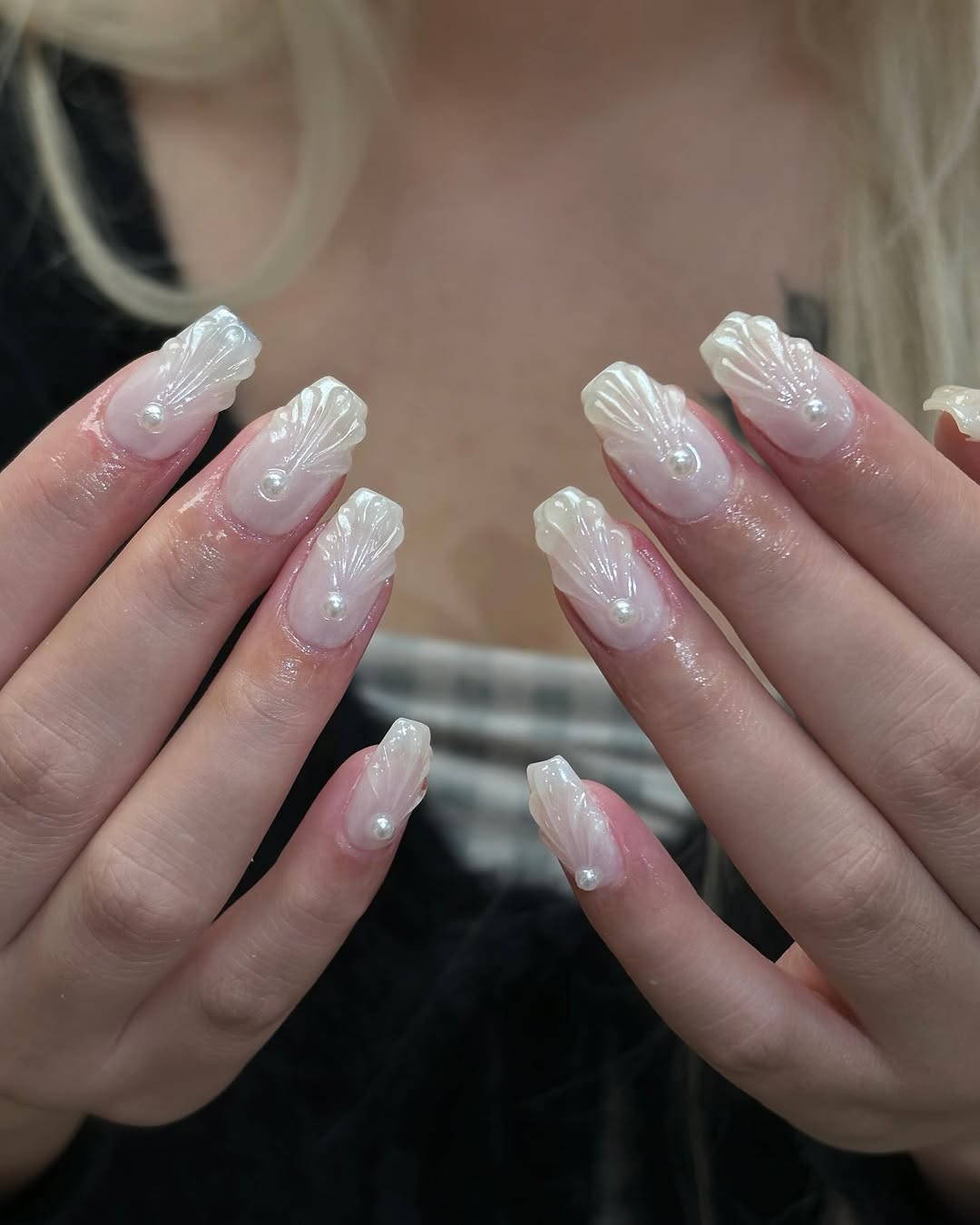
Seashell-like nails are equal parts dreamy, intricate, and mermaid-esque. If you have long natural nails, use strengthening structural gel to support them for this look. Otherwise, opting for a medium-length soft gel coffin nail extension will be your best bet.
Moody Aura Coffin Nails
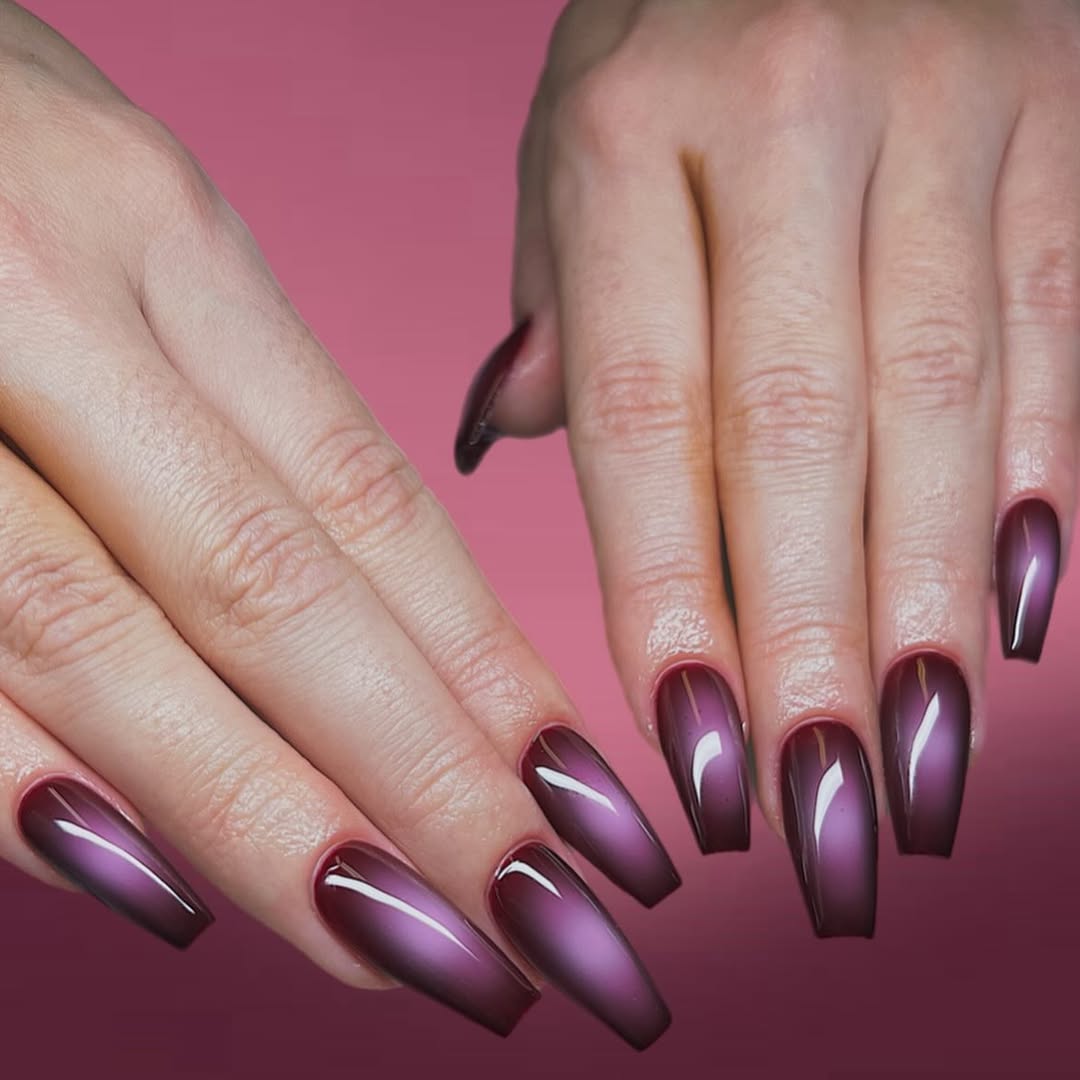
Aura nails are one of my favorite simple nail art design ideas. I usually go with a dark color as the base, like this deep plum shade, and then my nail artist airbrushes a lighter color in the middle, like this lilac shade, to create the aura effect.
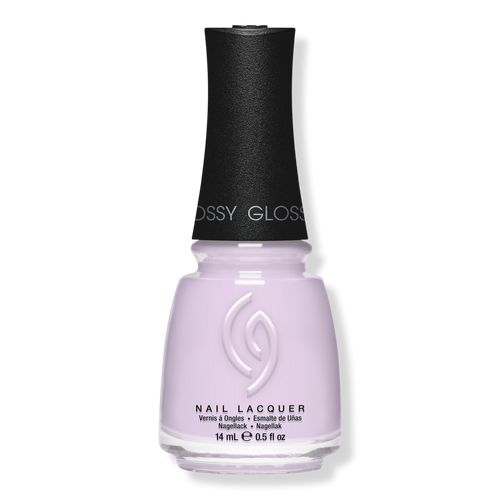
Rose Quartz Coffin Nails
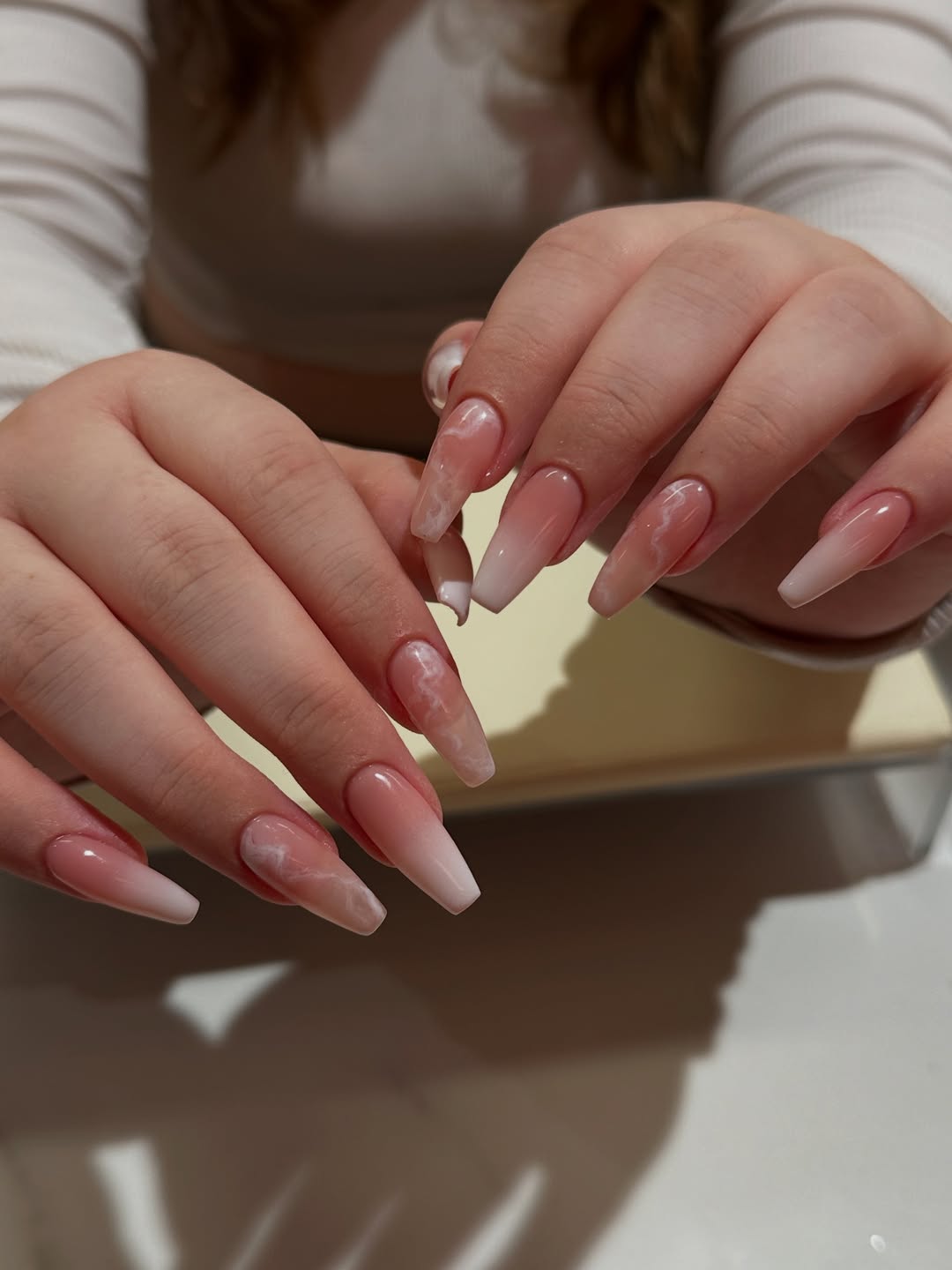
More really is less sometimes, especially when it comes to coffin-shaped tips. Pink and white will always be a classic, and this mani takes things to the next level with simple yet stunning ombré and rose quartz marbling designs.
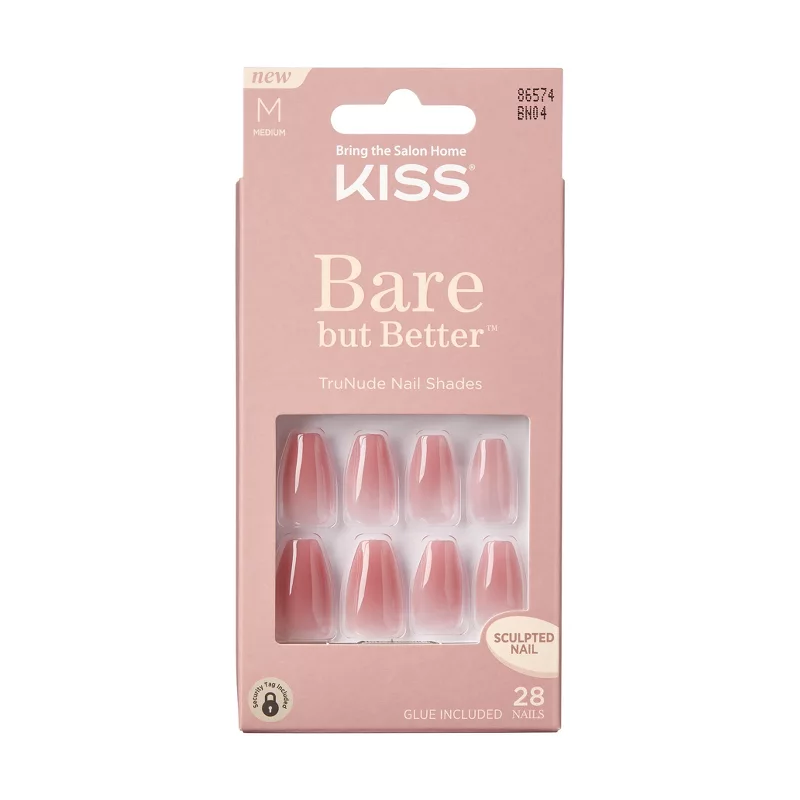
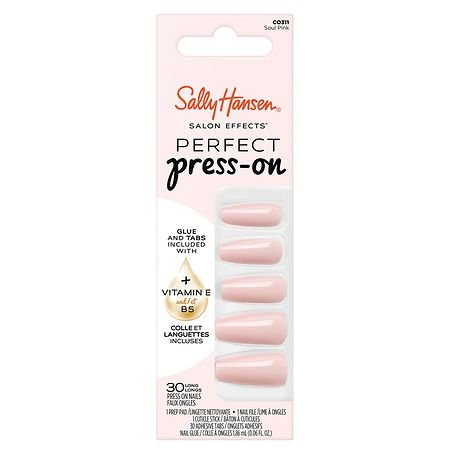
Lemon Drop Yellow Coffin Tips
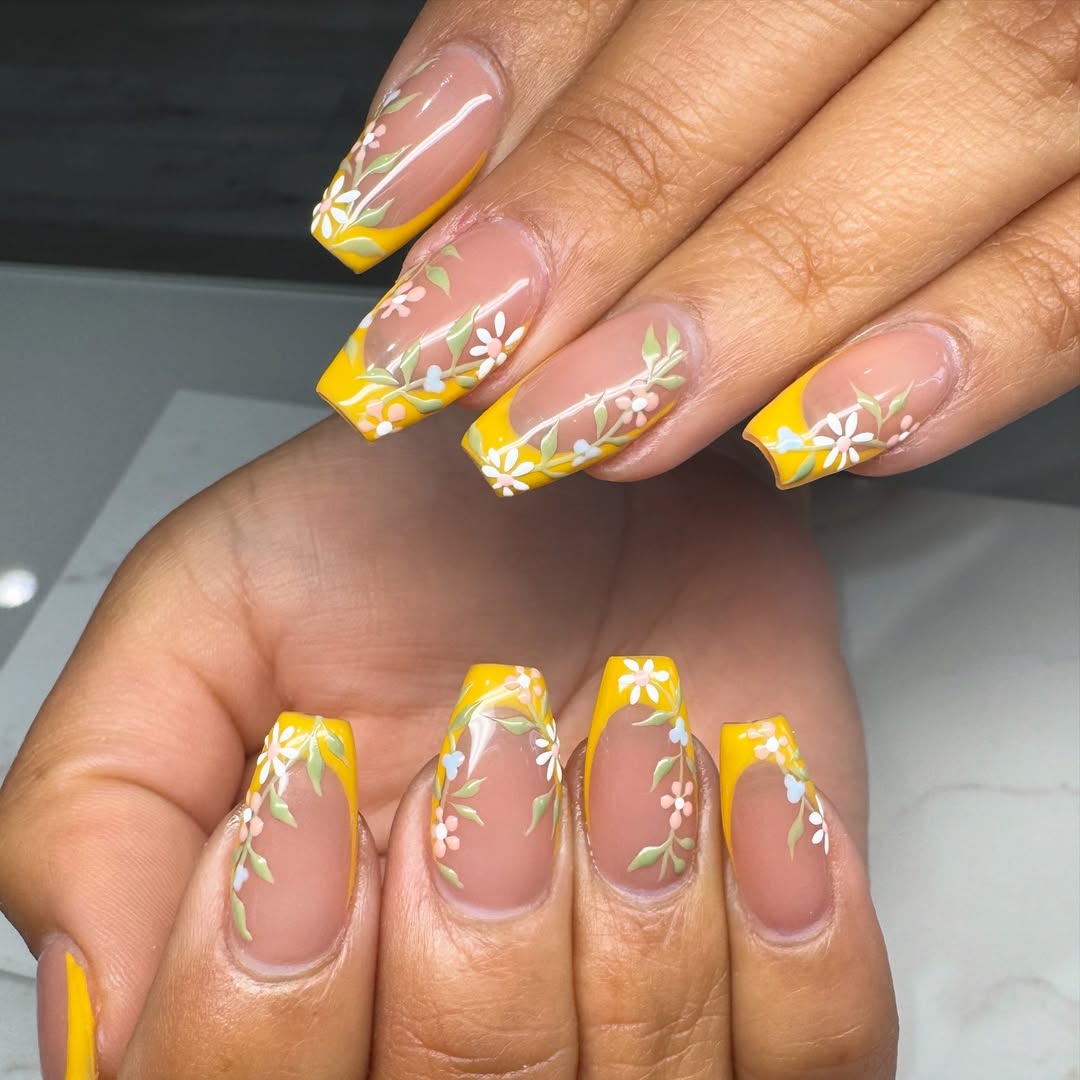
I know I'm not the first person, and I doubt I'll be the last, to tell you that yellow is beauty's favorite color right now. From butter yellow to lemontini nails, it's the hottest shade this season. If you're not ready to go all in on yellow, simply go for a French tip featuring the joyful color.
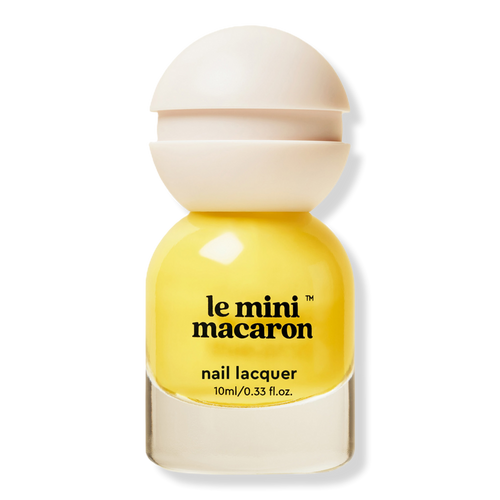
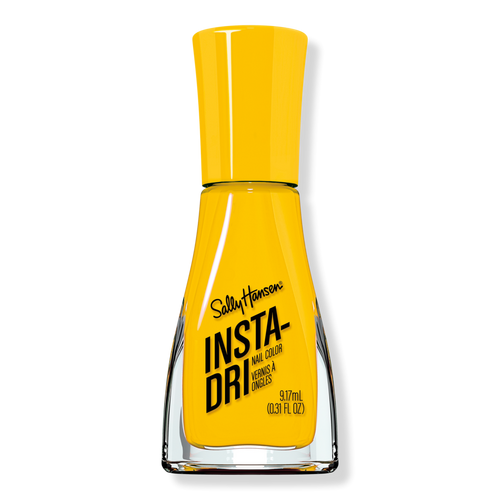
Underwater Swirls Coffin Nails
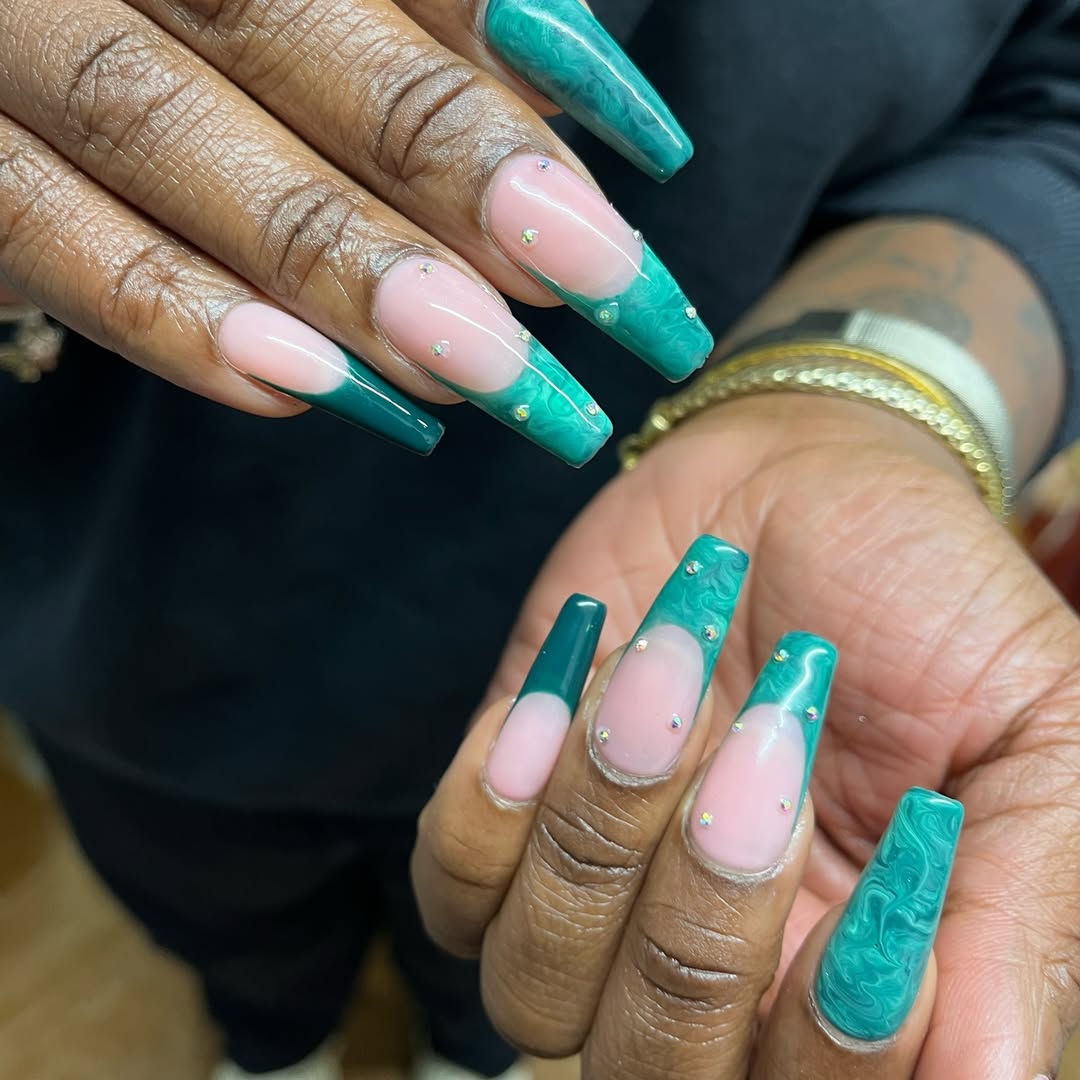
Summer's not over yet, which means I'm still dreaming of weekends at the beach. These seaside swirly nails bring my dreams to life with a turquoise marbling technique and dainty silver caviar-like nail beads.
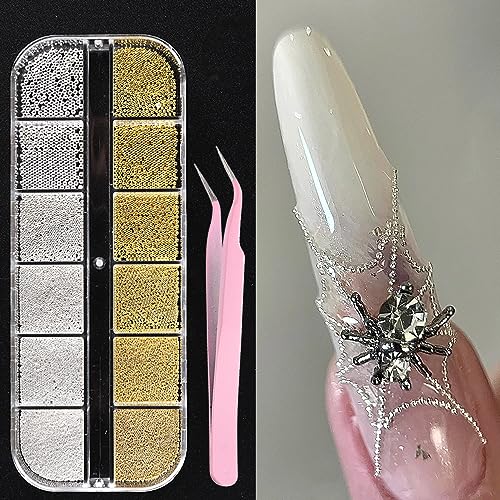
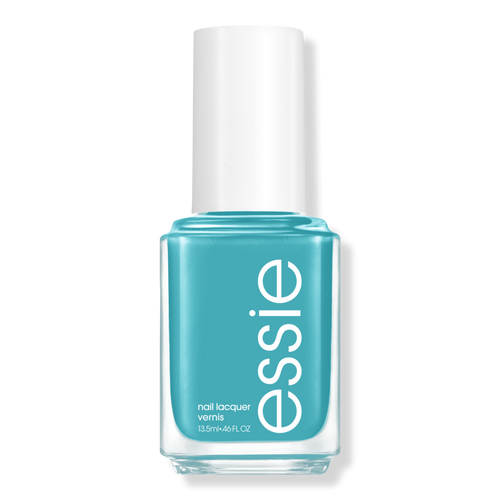
Animal Print Coffin Nails
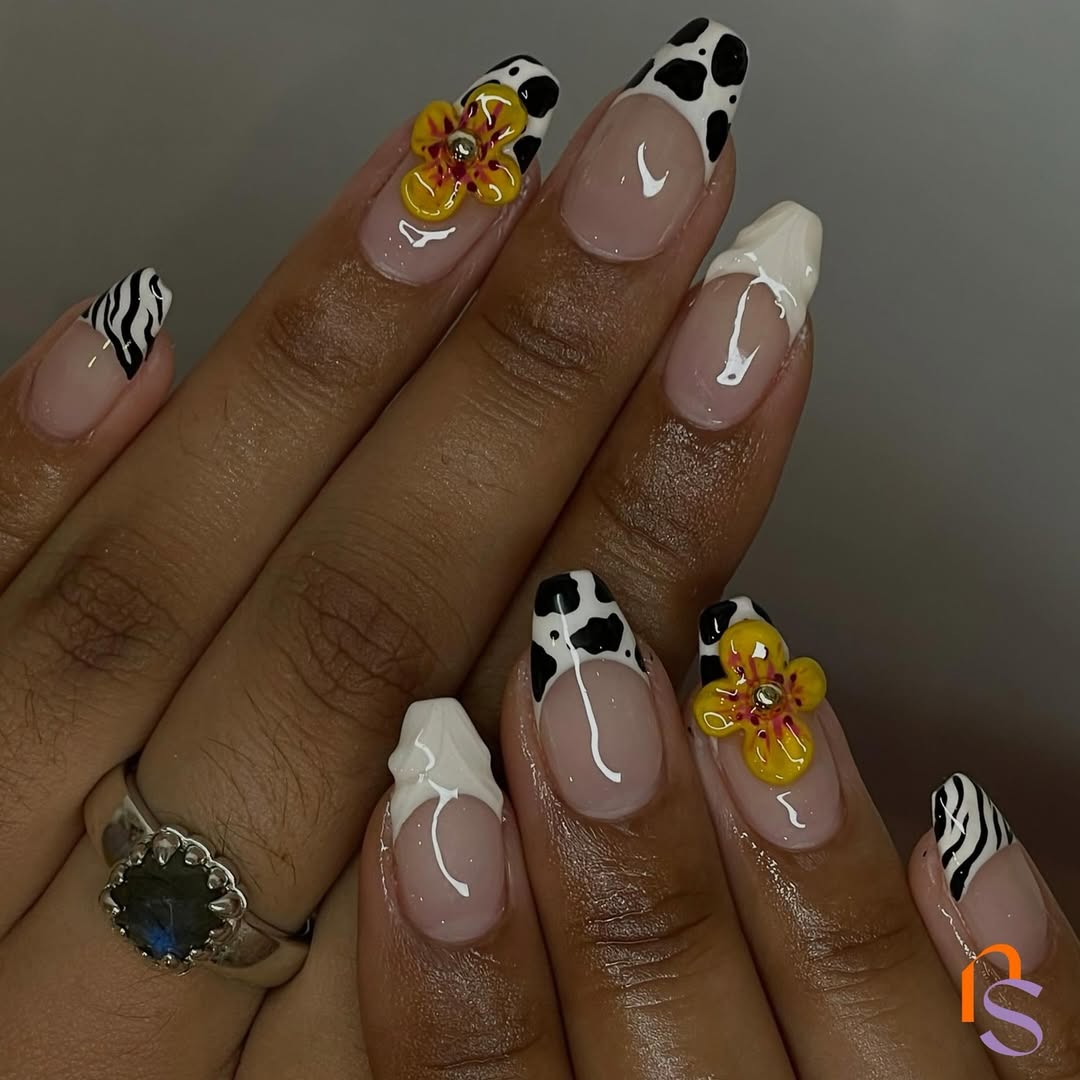
Animal print manis have been popular with celebs and nail enthusiasts alike. These zebra and cow print short coffin nails are next-level with the addition of yellow flowers, and they can be created at home with the help of some nail art brushes and 3D builder gel. Not ready to try builder gel? Adhere nail wraps or decals to get a similar look.
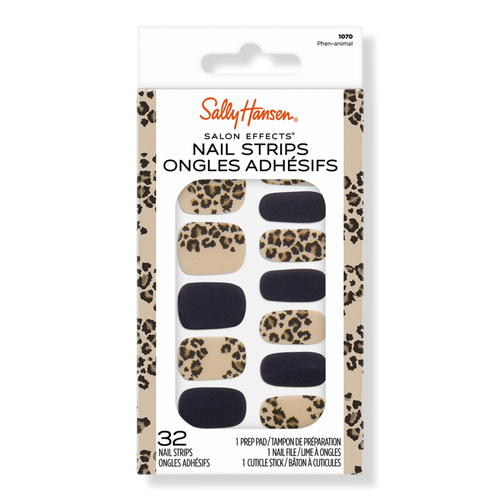
Ornamental Coffin Nails
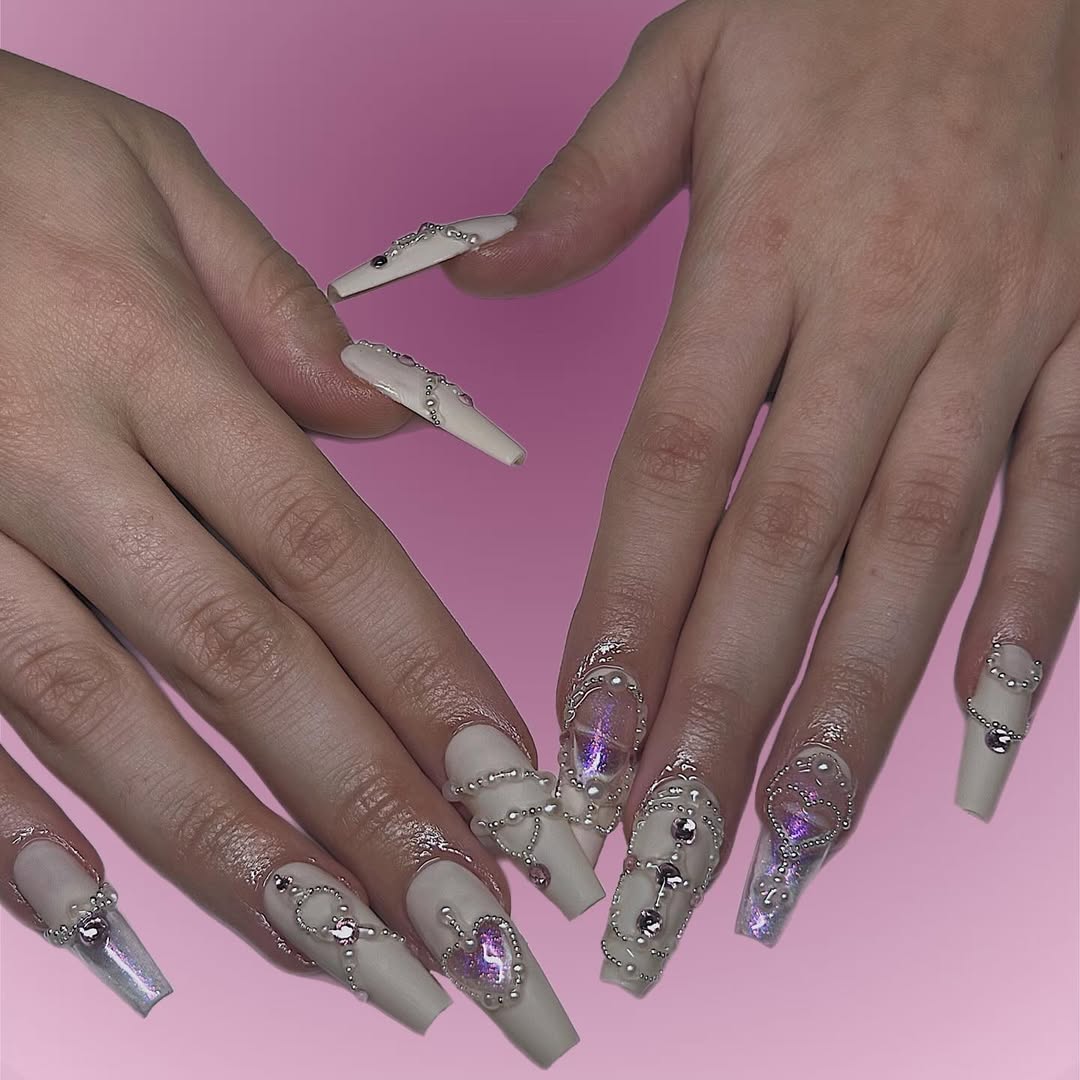
Manicure maximalists, this one's for you. These silver and pearl decorations atop a cream-colored matte mani are chunky, fun, and fit for a princess.
Brown French Mani
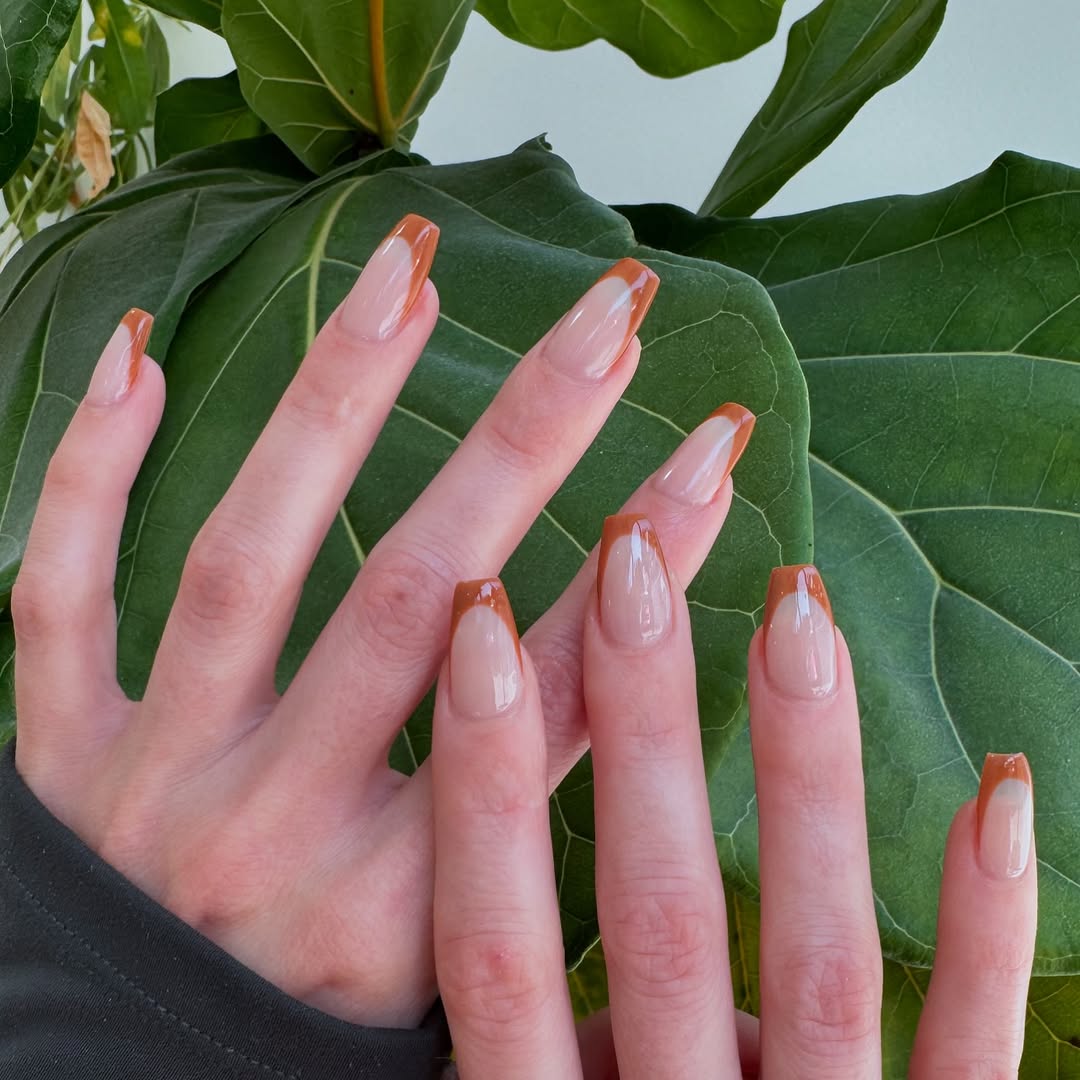
Brown is that perfect transitional shade that can take you from season to season. As summer begins to wrap up, thinking about more autumnal shades is going to be top of mind. If you aren't ready to fully leave summer behind (I'm not!), add a touch of brown to your French mani tips.
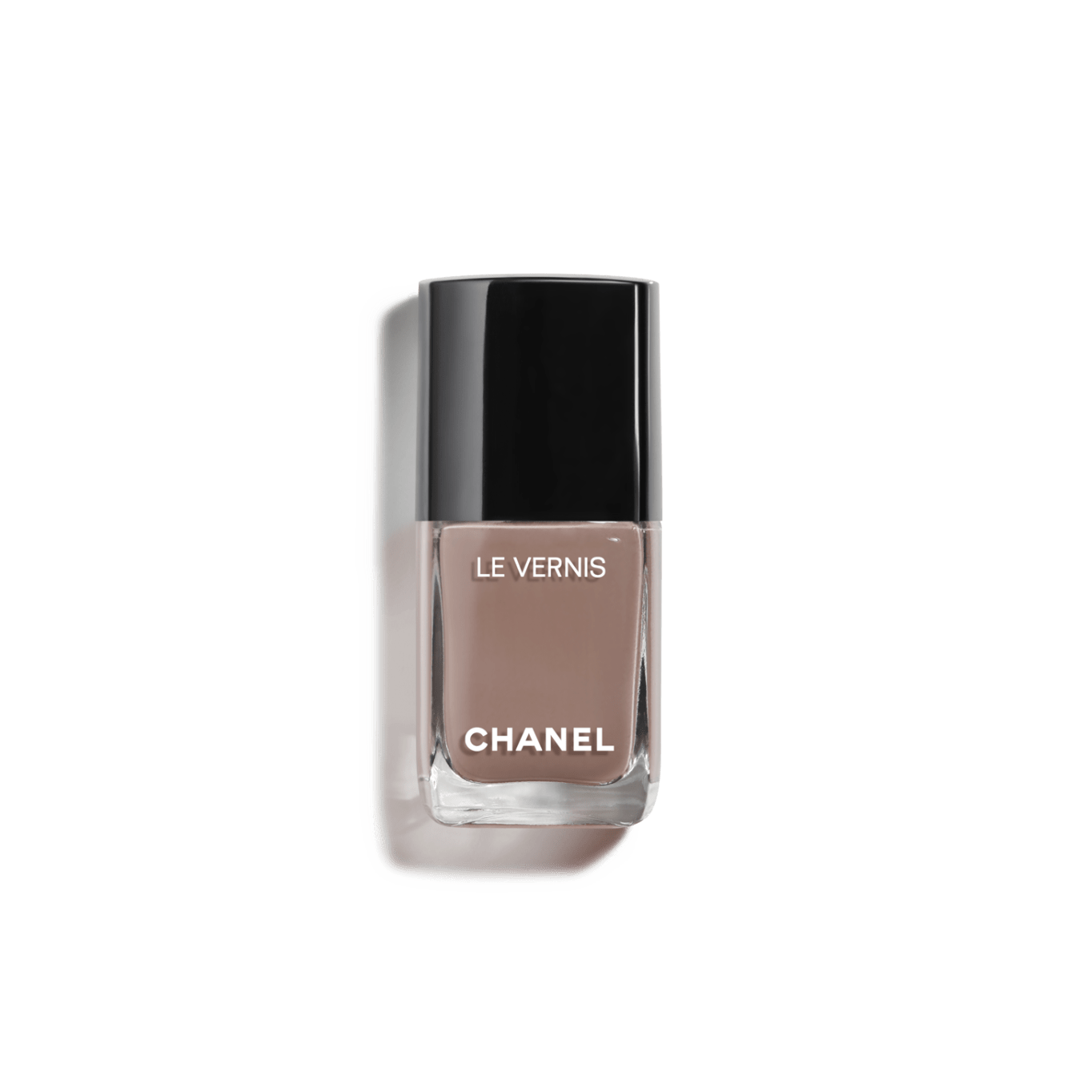
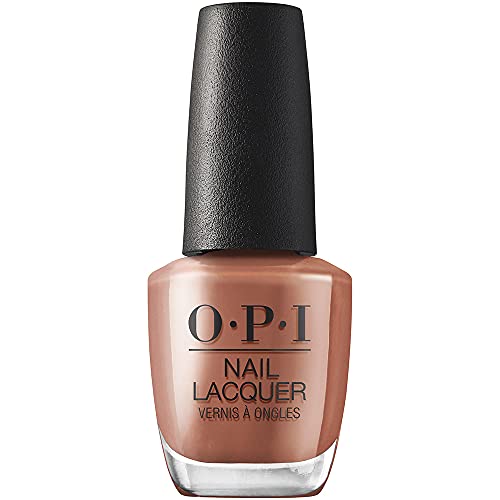
Blue Splash Coffin Nails
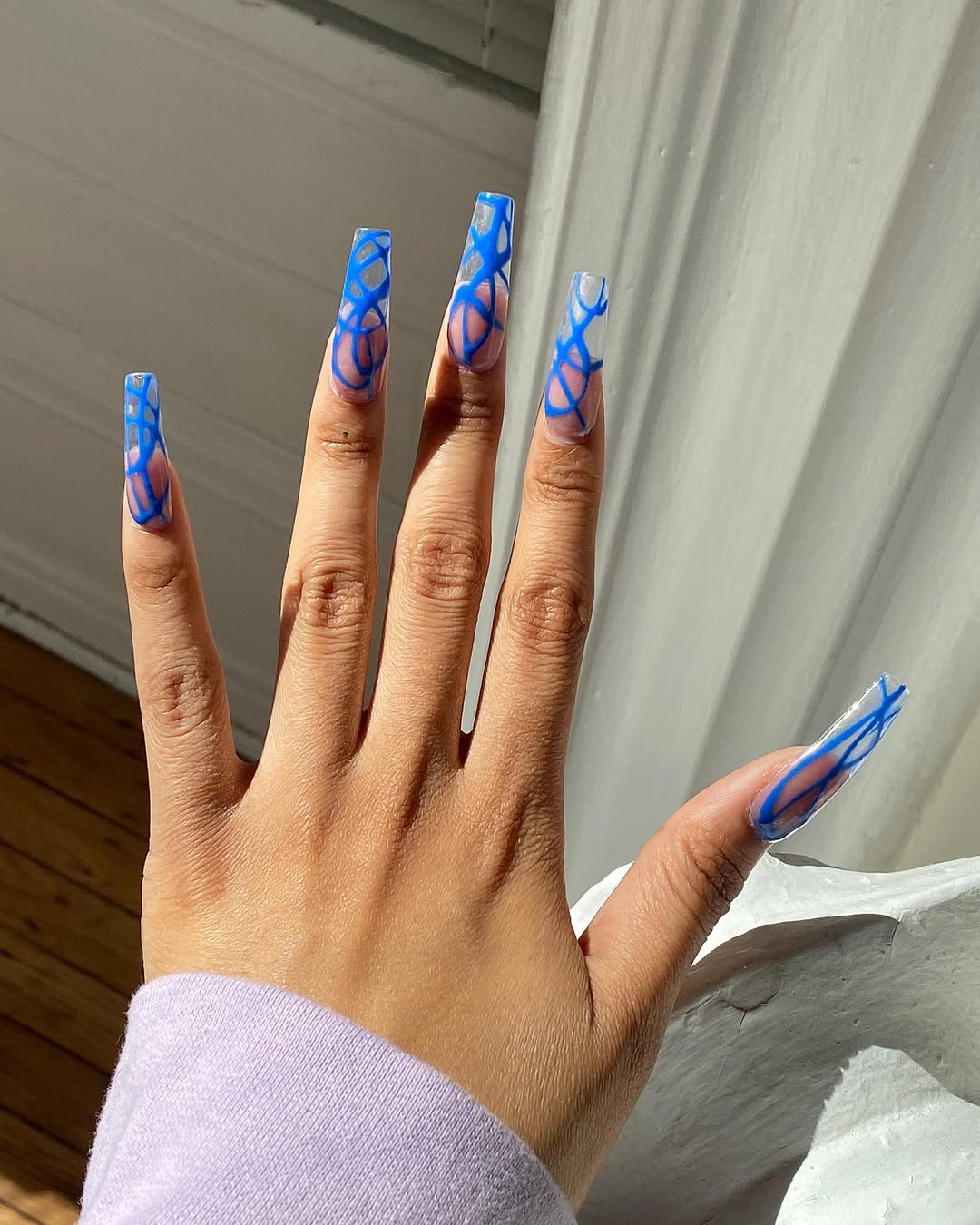
With celebs like Selena Gomez and Anne Hathaway co-signing on the naked manicure trend earlier this year and showing off nails with nothing but clear polish, you can get in on the trend with clear gel coffin extensions, too. Add some splashes of cobalt blue nail polish to dress it up a bit.
Why Trust Marie Claire
For more than 30 years, Marie Claire has been an internationally recognized destination for news, fashion and beauty trends, investigative packages, and more. When it comes to the products Marie Claire recommends, we take your faith in us seriously. Every product that we feature comes personally recommended by a Marie Claire writer or editor, or by an expert we’ve spoken to firsthand.
Meet the Expert
]]>So, if you’re looking to ease out of the pastel and rainbow French manicures of the steamy summer in favor of a fresh, transitional weather look, here are my top five predictions for fall 2025’s most in-demand nail polish colors.
Wine Stain Red
Red nails are a perennial favorite, but the cooler season calls for a richer tone than summer’s cherry shades. Look for deep berry, wine-coded colors.
I’m so deeply obsessed with this shade. It just needs a glass of burgundy to finish off the look.
For the best of the best fashion-forward colors, always turn to JINsoon. This shade is so positively luxe it hurts.
Moody Dark Blue
Never overlook blue nails. While a powdery, robin’s egg-blue dominated summer, expensive-looking dark blues will reign in the fall.
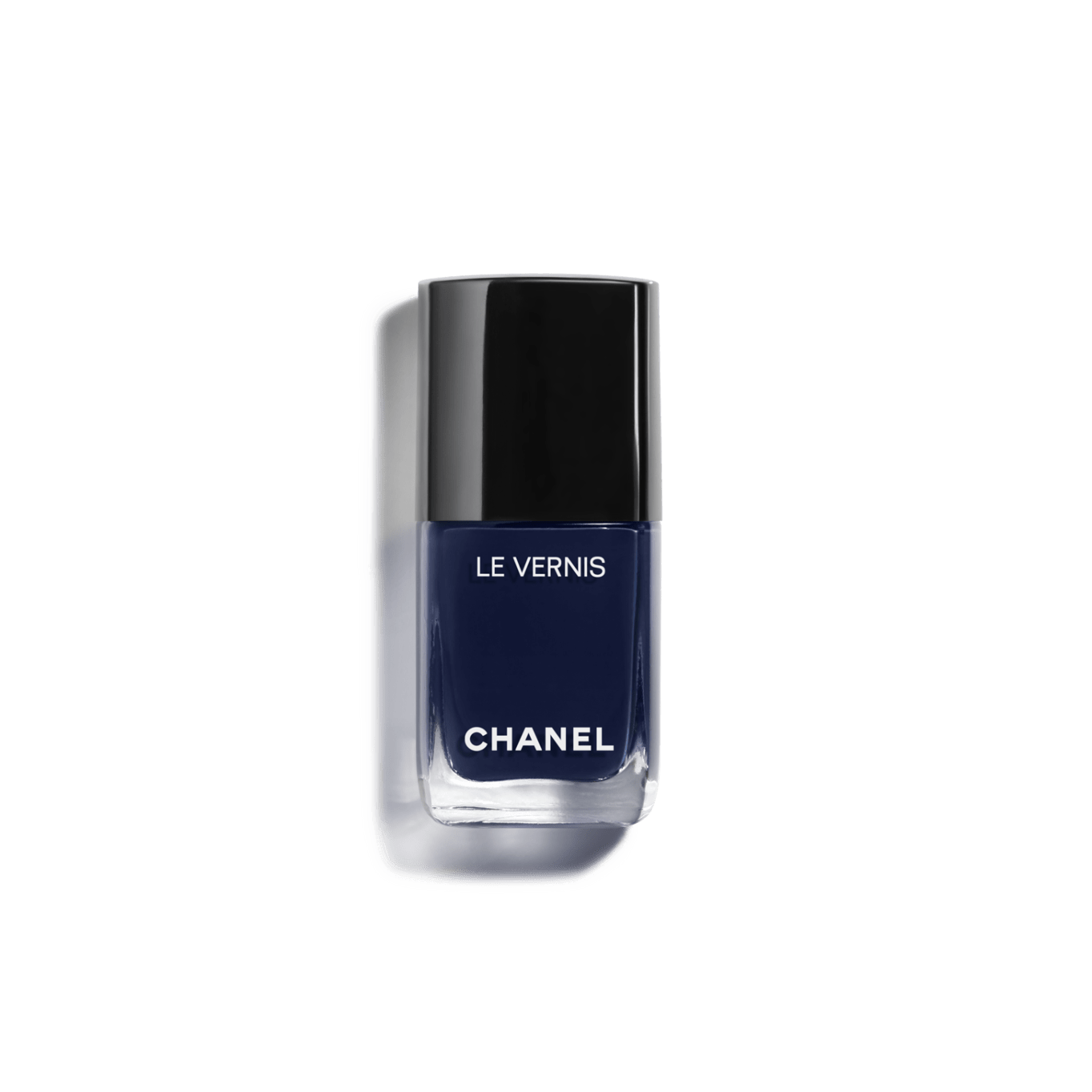
So dark it’s almost black, this ridiculously gorgeous dark blue lacquer is just begging for a spot in your fall nail rotation.
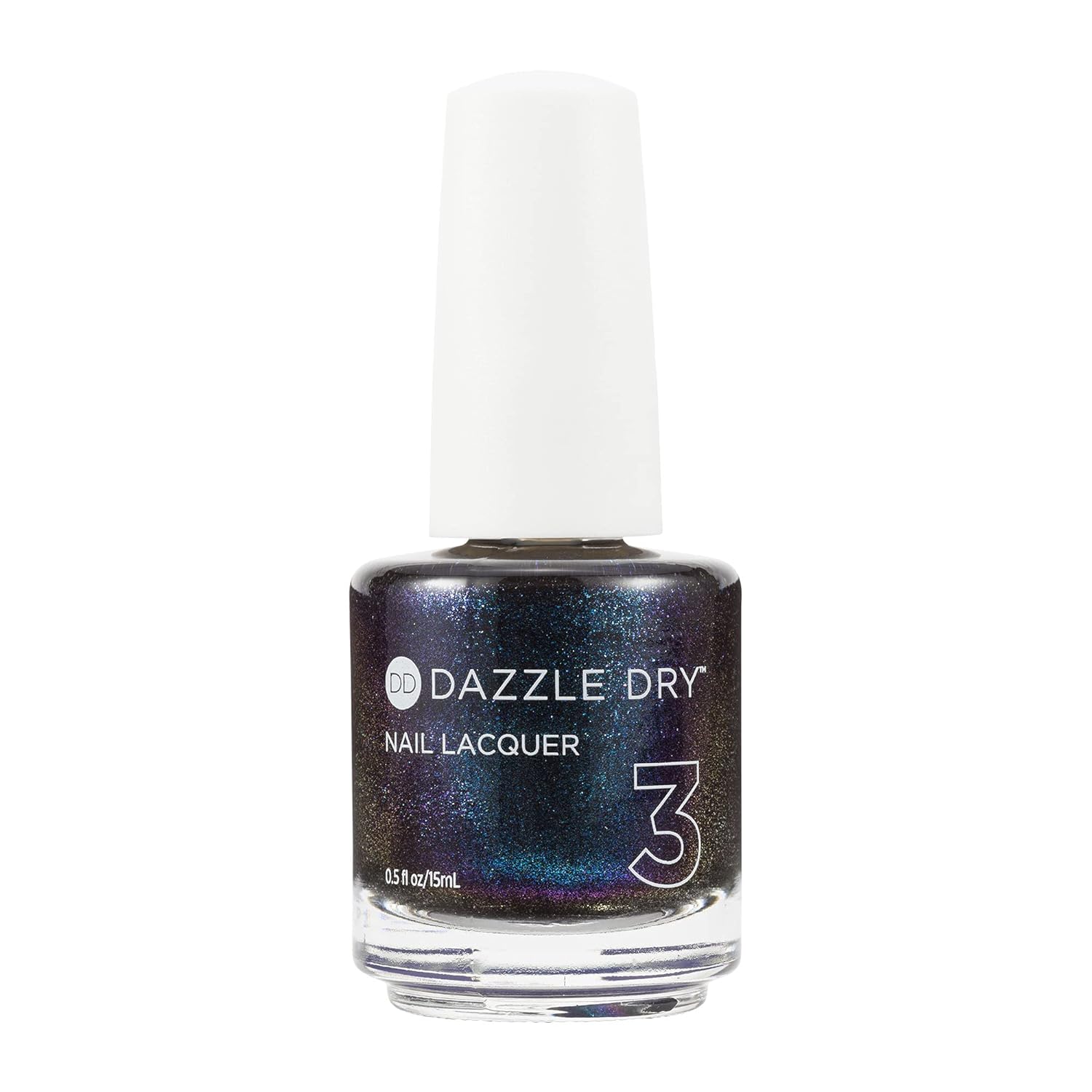
Add a little sparkle to your dark blue mani for an eye-catching midnight sky effect.
Luxe Chocolate
Chocolate brown tones are going to be everywhere for fall, from your closet to your nails.
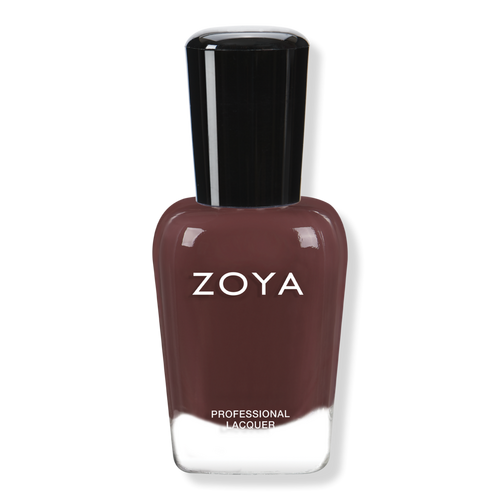
I always return to this cult-classic brown polish and it never fails to make my nails look crazy expensive.
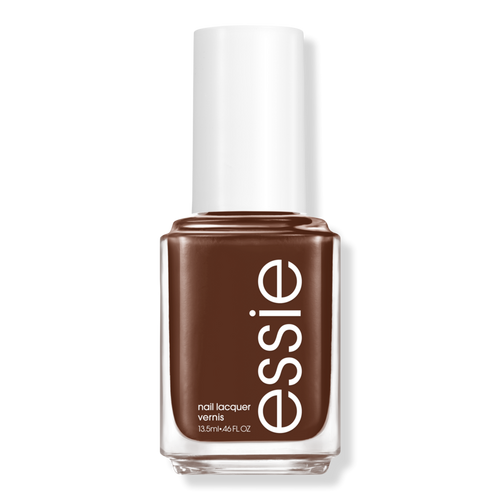
From the brand’s Rodeo Collection, this almond brown shade is drop-dead gorgeous.
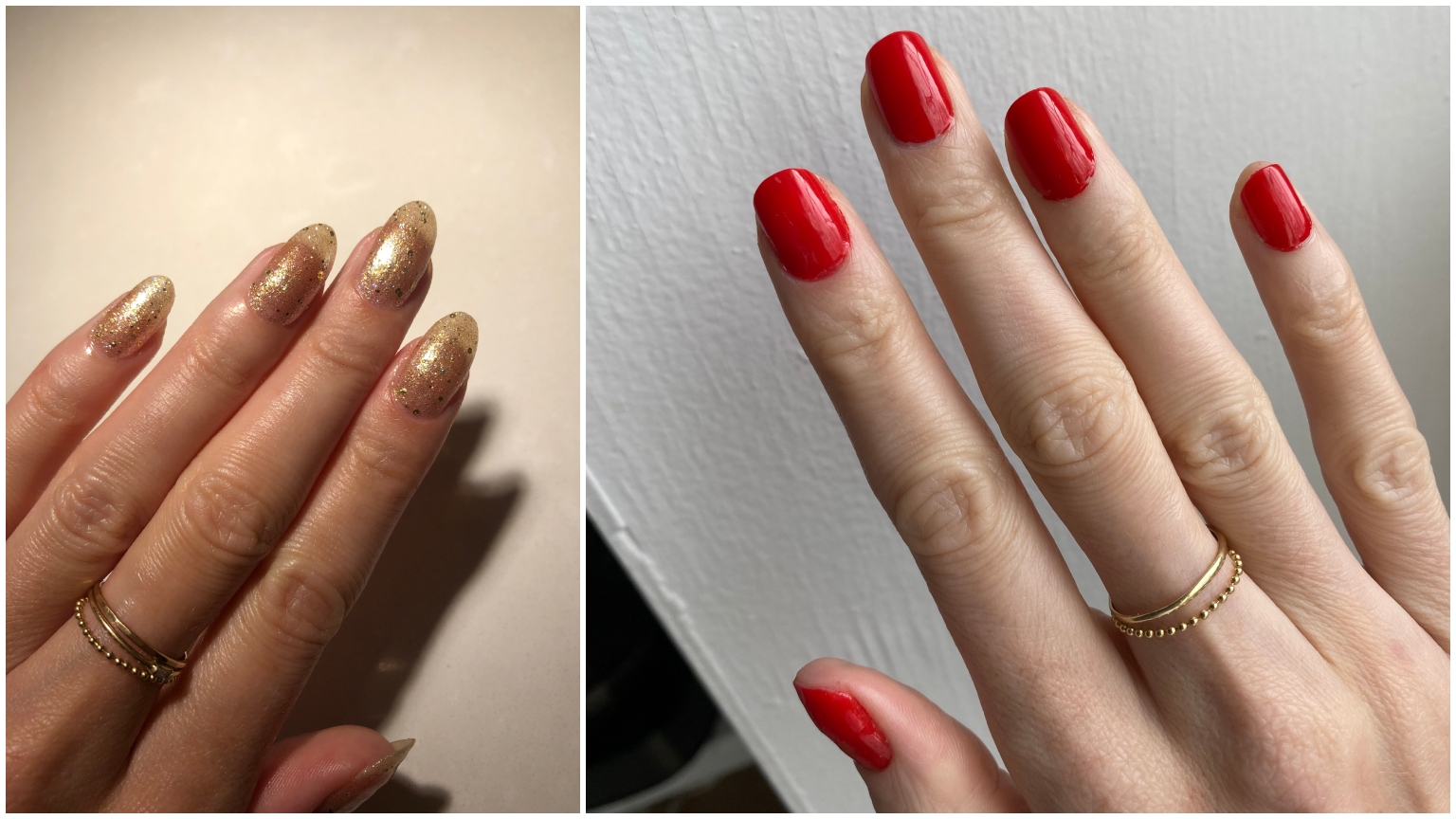
Rich Emerald
I adore green nails for an unexpected manicure that feels like a true accessory. A luxury emerald shade is ideal for the upcoming season.
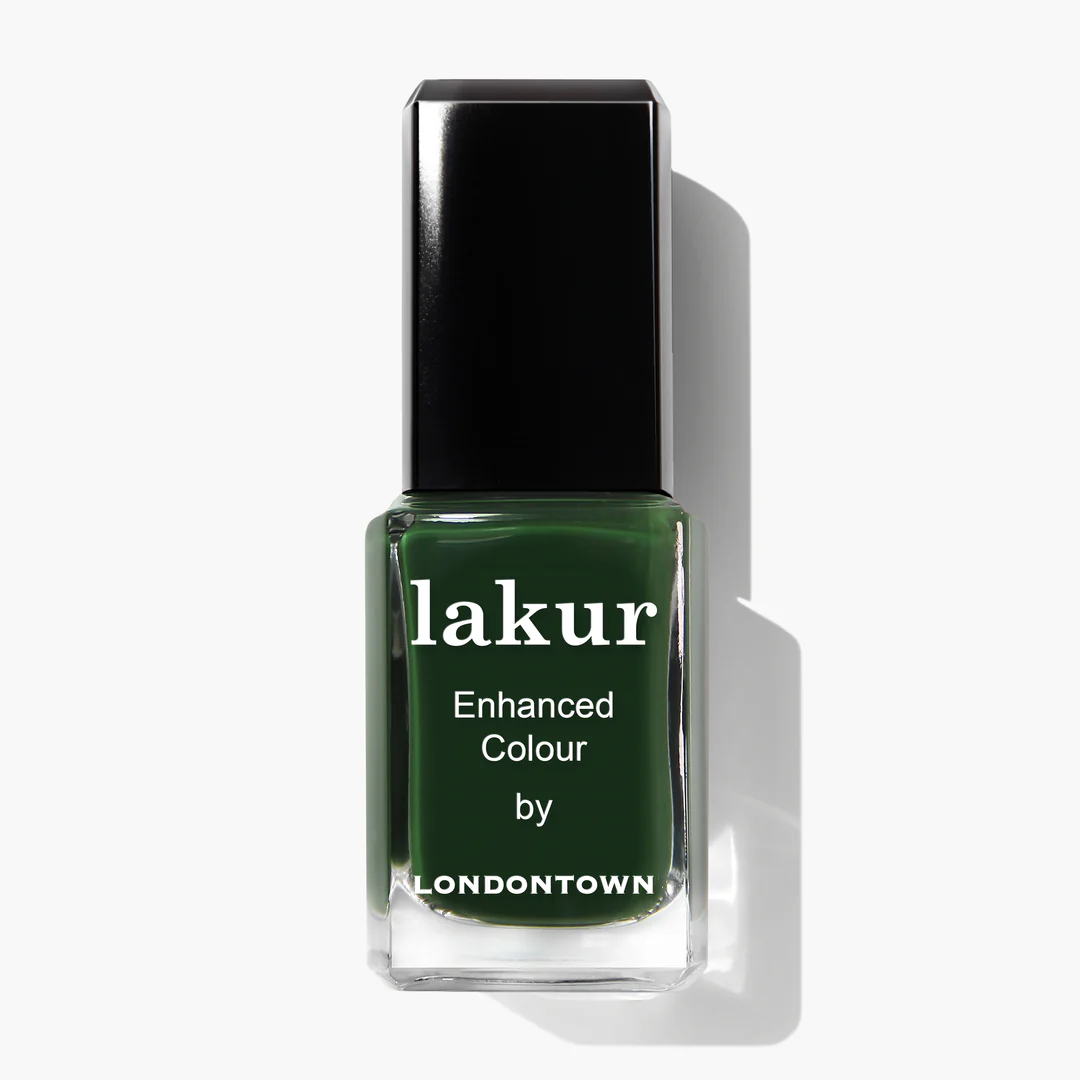
The name of this polish is spot-on. It’s a mysterious vibe best paired with your best suede jacket and a lot of attitude.
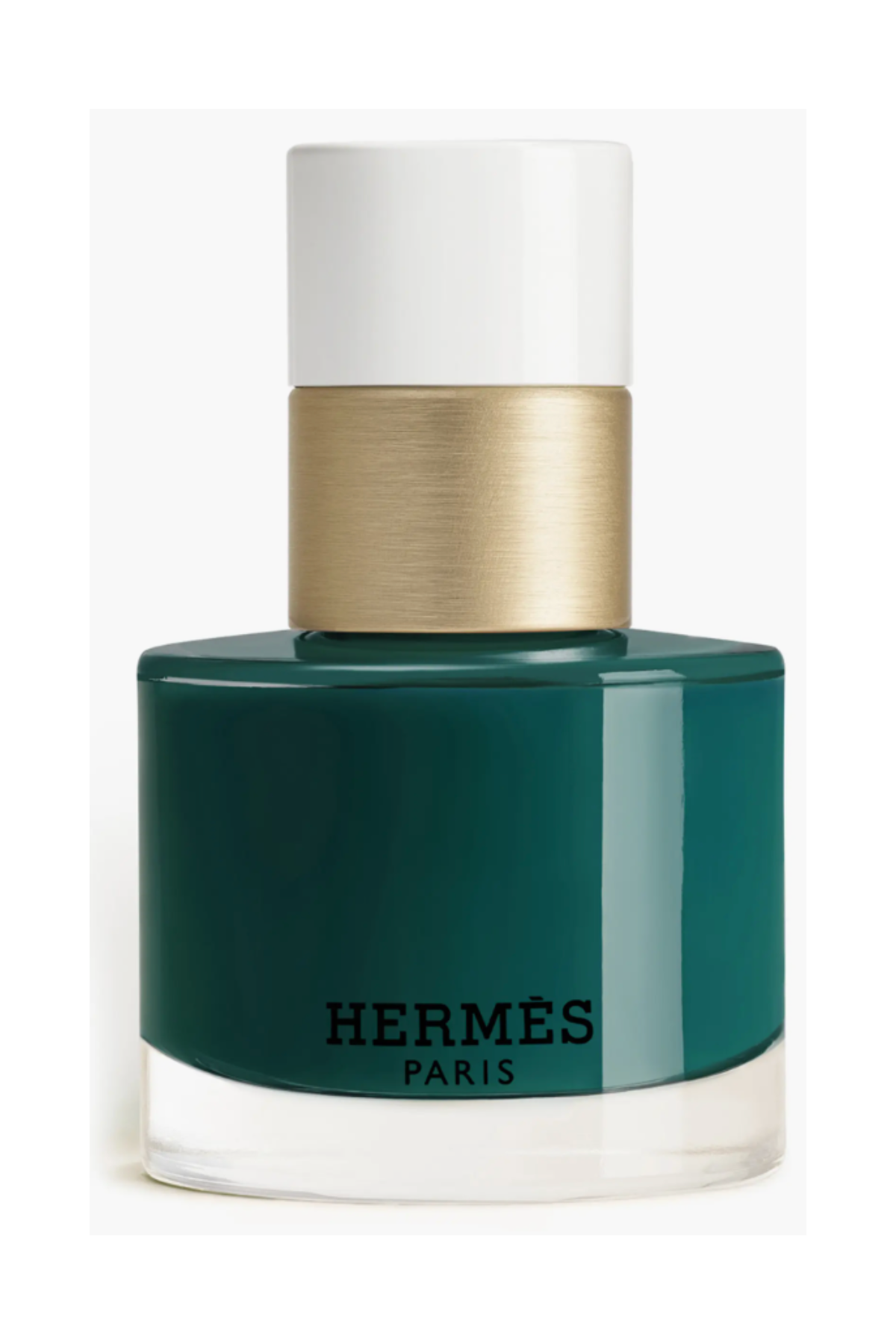
The only thing better than how chic this bottle looks on your vanity is the stunning cool green shade.
Come-Hither Bronze
Metallic and chrome nails are nothing new to serious mani fans, but I predict that warmer bronze tones will take over once the weather turns chilly.
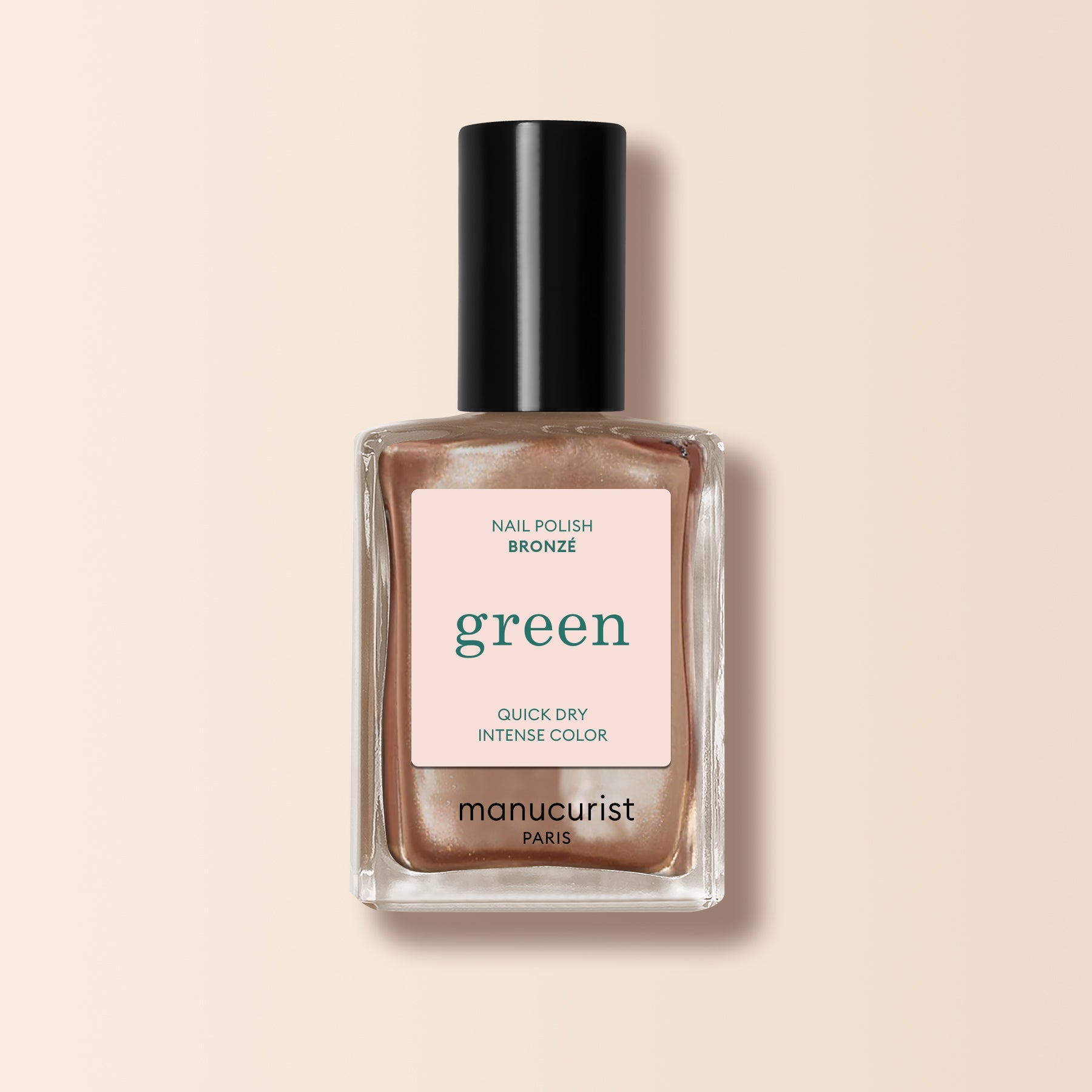
The glow on this non-toxic nail polish is so mesmerising, I think I need it on my next pedicure as well.
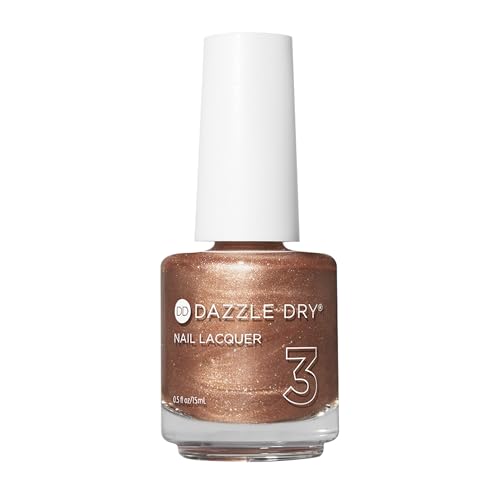
This stunning quick-dry nail polish is ready for your next night on the town in five minutes flat.
Why Trust Marie Claire
For more than 30 years, Marie Claire has been an internationally recognized destination for news, fashion, and beauty trends, investigative packages, and more. When it comes to the products Marie Claire recommends, we take your faith in us seriously. Every product that we feature comes personally recommended by a Marie Claire writer or editor, or by an expert we’ve spoken to firsthand.
Don't gatekeep our newsletters from your friends. Subscribe to Face Forward here.
]]>"Minoxidil is thought to prolong the anagen (growth) phase, decrease the telogen (resting) phase of hair follicles, and increase the size of follicles that have already been miniaturized," says nurse practitioner Jodi LoGerfo, DNP, FNP-BC. "This enables hairs to become thicker and grow longer."
That said, using a hair growth product like minoxidil is a commitment, and you'll only see results if you're using it consistently. You may have heard that withdrawing from use will cause you to experience even worse hair loss and shedding than before, and while that's not exactly the case, there are some side effects worth knowing about.
Read ahead to learn what really happens when you stop using a hair growth product.
Why Might Someone Have to Stop Using Hair Growth Products?
Wanting thicker, fuller hair is totally normal, as is using a topical product to help you get there, but there are actually a variety of reasons why someone may choose to withdraw from using a hair growth accelerator. Per Dr. LoGerfo, minoxidil can sometimes make the hair feel sticky or tacky, or worse, it can cause scalp irritation. "You could also discontinue minoxidil if you developed an irritant or contact dermatitis, severe dryness, flaking or scaling," she says.
There's also the possibility of experiencing side effects like unwanted hair growth in areas other than the scalp (especially if you're taking oral minoxidil), which would also be a valid reason to withdraw from the medication. Dr. LoGerfo adds that, in rare cases, people can experience dizziness, lightheadedness, a rapid heartbeat, or palpitations as side effects. "This would be a reason to discontinue the minoxidil as well," she says.
Lastly, if you don't see significant results after consistent application, then cutting use may also be necessary.
What Happens When You Stop Using Hair Growth Products?
If you've used a hair growth product like minoxidil or finasteride for shedding or bald spots, and you've seen improvement, it's important to know that continuous use (think twice a day) is necessary to maintain said growth. It's for this reason that discontinuing the use of a hair growth product can likely cause the new hair to stop growing.
"Physiologically, when minoxidil is discontinued, the blood vessels that were dilated by the effects of it go back to what they were before," says Dr. LoGerfo. "Blood flow to the hair follicles becomes decreased, as will the nutrient and oxygen supply that was delivered to the follicles by the increased blood supply. The hair follicles that were under the influence of minoxidil return to how they were pre-treatment state."
That being said, if you have to stop using a hair growth product for whatever reason, don't expect your hair to begin shedding immediately. Dr. LoGerfo says that any results that occur while you're using the product (like growth or density) can revert gradually over the period of a few months after you stop using the product. This means that if you've seen significant growth in an area that didn't see progress before starting the drug, the hair will likely stop growing gradually after you stop.
Is There a Right Way to Stop Using a Hair Growth Product?
In short, yes. Should you have to stop using any medicated hair growth drug, trichologist and hair loss expert, Shab Caspara, recommends "weaning off" of it instead of quitting abruptly or cold turkey.
"Begin by using it every other day for a few weeks, then slowly decrease frequency one day at a time to not shock and dramatically deprive the hair growth system," she says. The rapid increase in hair loss after quitting minoxidil is known as minoxidil withdrawal shedding, which Caspara says is a type of rebound shedding from a sudden change in follicular stimulation. "Weaning off will allow for a more natural transition without abrupt hair loss," she adds.
It's also worth noting that once you stop using a hair growth product, the shedding you experienced beforehand won't get worse, as some myths might have you believe, it'll just return to its "baseline," as Dr. LoGerfo puts it.
Topical and oral hair growth products can do wonders for people experiencing issues like shedding, breakage, and loss, but whether you're considering starting a medication or stopping one, just be mindful that it's always helpful to consult with a dermatologist or doctor first.
To see which hair growth products are actually worth the investment, read ahead.
Hair Growth Products to Consider
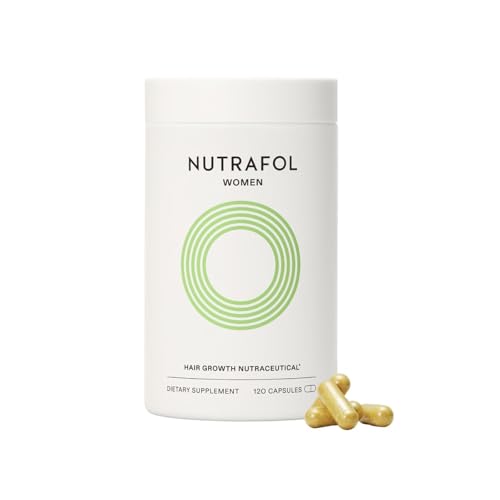
Of all the oral hair growth supplements on the market, these are probably the most popular and highly-recommended. That's because they're made with a blend of vitamins (A and D) and biotin, which can support healthy hair growth and increase density. Just be mindful that you'll have to take four pills daily to see consistent results.
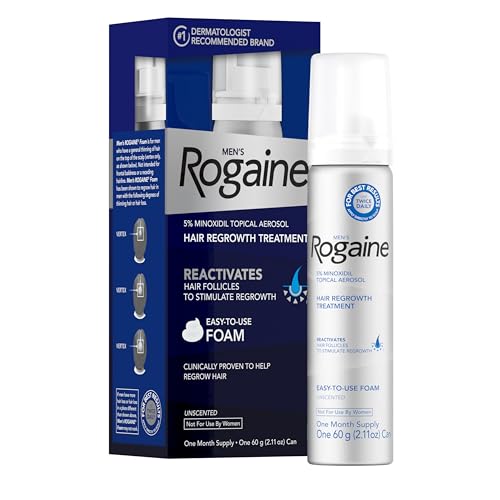
Rogaine is a topical product with minoxidil that's meant to promote hair growth. Foam products in particular are great for people who want a non-messy alternative to liquid products that have potential to drip and make contact with other areas of the body (and potentially cause unwanted hair growth there).
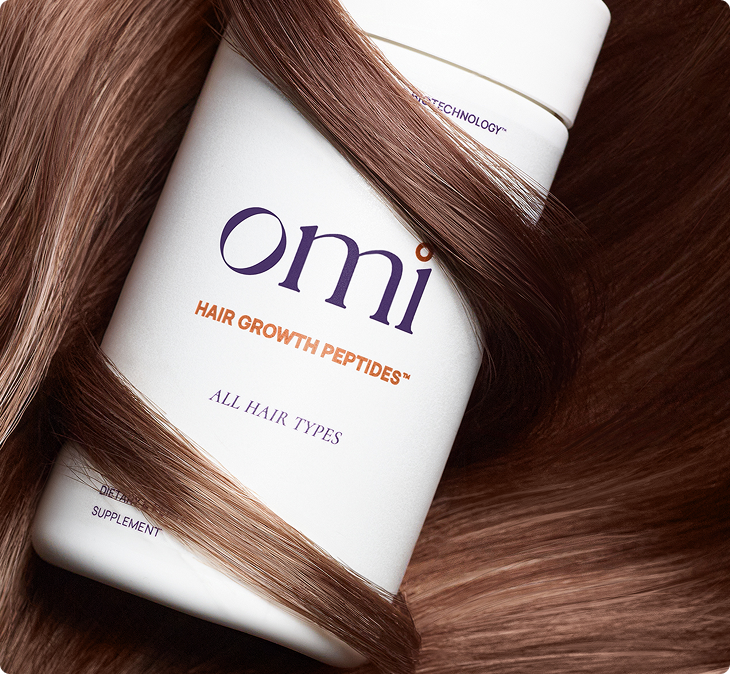
Another oral solution, these supplements are made with biotin, vitamin B, and peptides to support follicle reparation and the growth cycle. Just take two a day consistently to see results within 90 days.
If supplements and topical products are a bit too much of a commitment for you, you can always opt for a hair growth shampoo. This one from OGX is super-affordable, and it includes biotin and hydrolyzed wheat protein to strengthen the hair in addition to supporting growth.
This lightweight serum addresses thinning, dryness, and flakiness on the scalp, and it's made with ingredients like hyaluronic acid and aloe vera that promote hydration and get rid of buildup that could be affecting growth. Apply it to wet or dry hair and just massage it into your scalp.
Why Trust Marie Claire
For more than 30 years, Marie Claire has been an internationally recognized destination for news, fashion, and beauty trends, investigative packages, and more. When it comes to the products Marie Claire recommends, we take your faith in us seriously. Every product that we feature comes personally recommended by a Marie Claire writer or editor, or by an expert we’ve spoken to firsthand.
Meet The Experts
]]>Looking at the fall 2025 collections, Mother Nature was once again a powerful muse. Creative director Sarah Burton's debut at Givenchy featured garden fresh evening gowns stitched with wildflowers and swallows. Meanwhile, Prada topped its coats with faux Sable pelts, and Brandon Maxwell showed silk dresses hand-painted to resemble the fur of an Arctic wolf. Even looks that went in a more avant-garde direction were grounded with natural components: Ferragamo presented a feathered midi dress in one of the top fall 2025 color trends, cardinal red, which was reminiscent of the birds chirping outside your window.
The incoming fall fashion is a reminder for us all to, as the kids say these days, "go touch grass." Ahead, Marie Claire breaks down the nature-inspired themes we'll see unfurl in the coming weeks, including lots of faux furs, feathers, and trendy fall bags in understated color palettes that look like what you'd see on a desert hike.
Pelt It
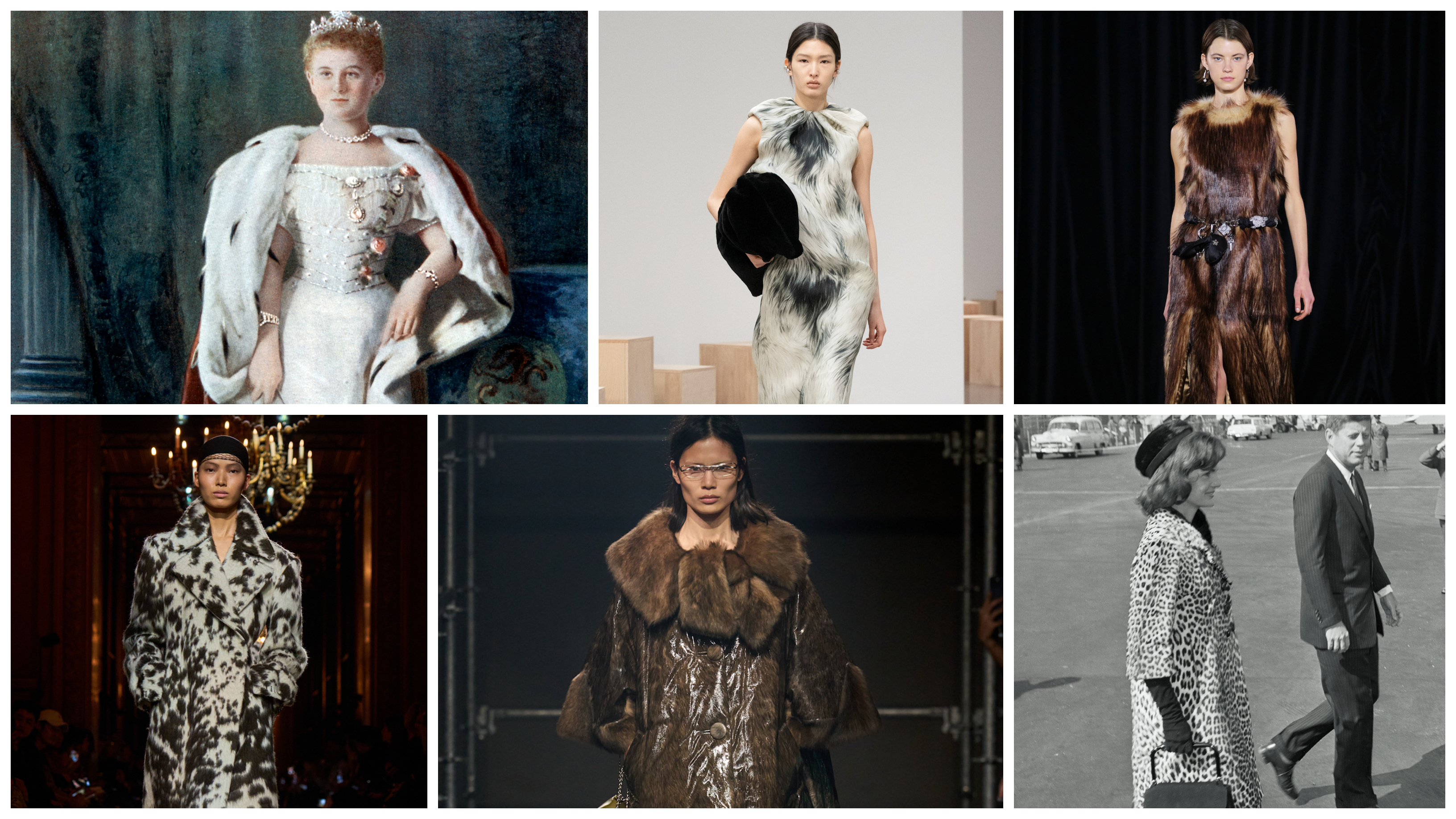
Animal hide, from cheetah spots and tiger stripes to ermine fur, has long been an influence on fashion. Often to detrimental effects: After Jackie Kennedy wore an Oleg Cassini top coat made of a natural leopard pelt in 1962, demand for the cat hide soared so high that the US Congress passed a 1973 act prohibiting the importation of all leopard fur.
But by and large, no animals were harmed by fall 2025's take on furs. Brands like Prada and Simone Rocha incorporated fuzzy faux fabrications, while Dries Van Noten and Brandon Maxwell opted for printed imitations of hairy hides.
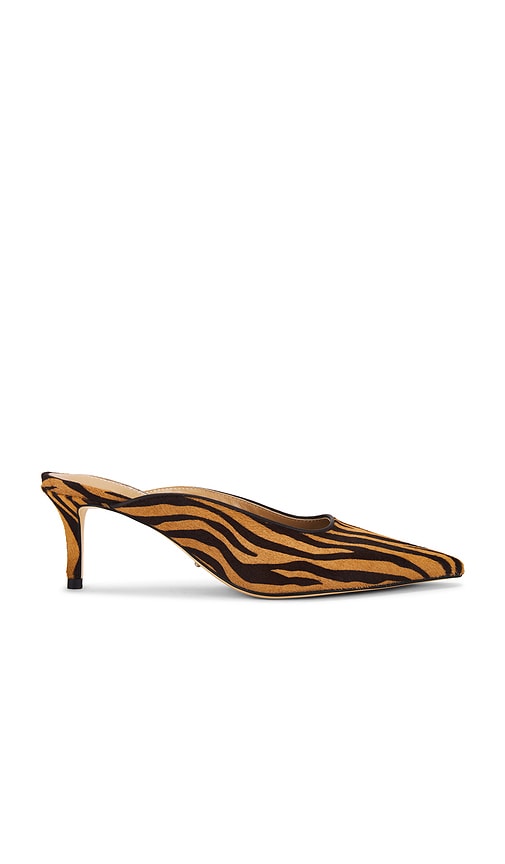
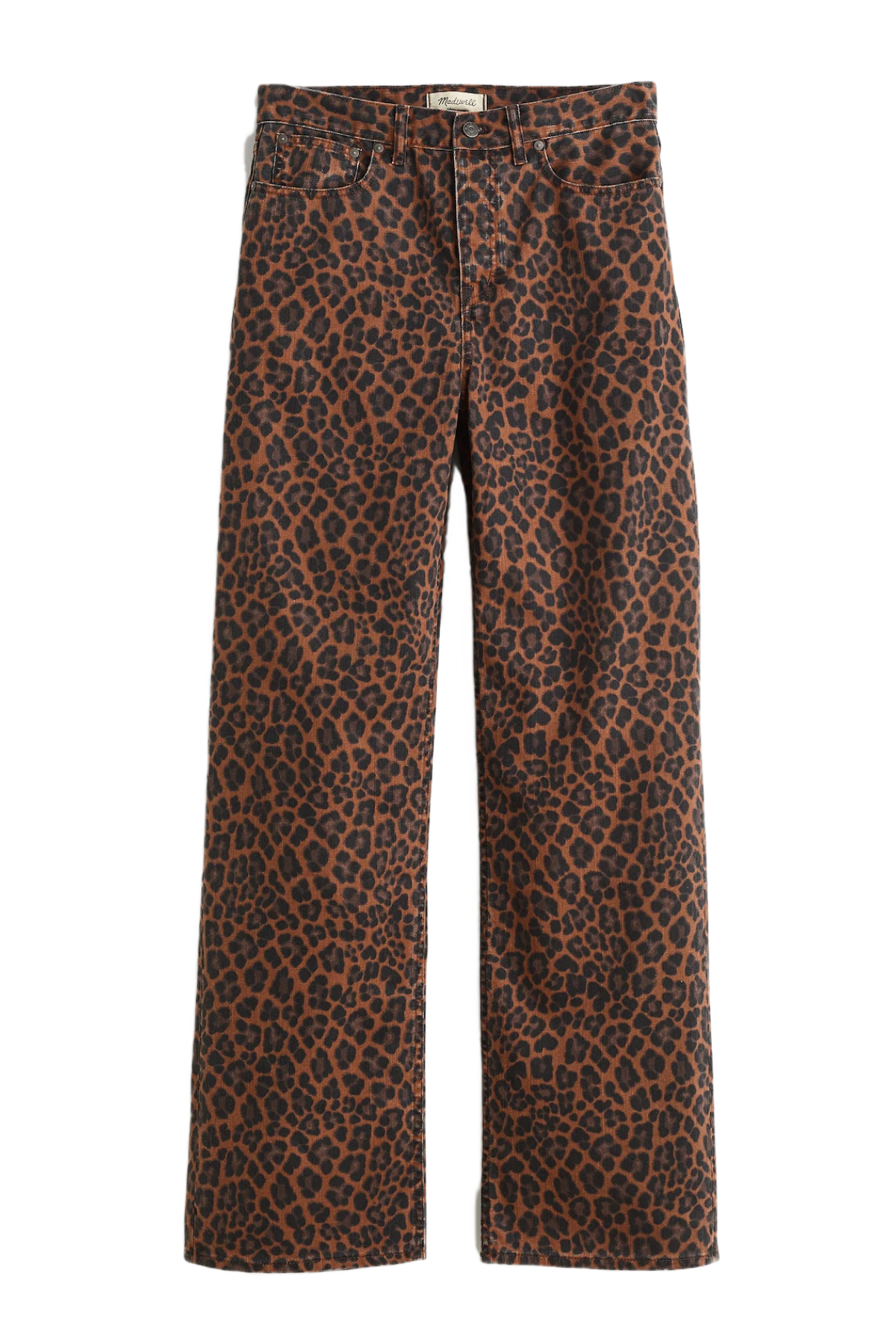
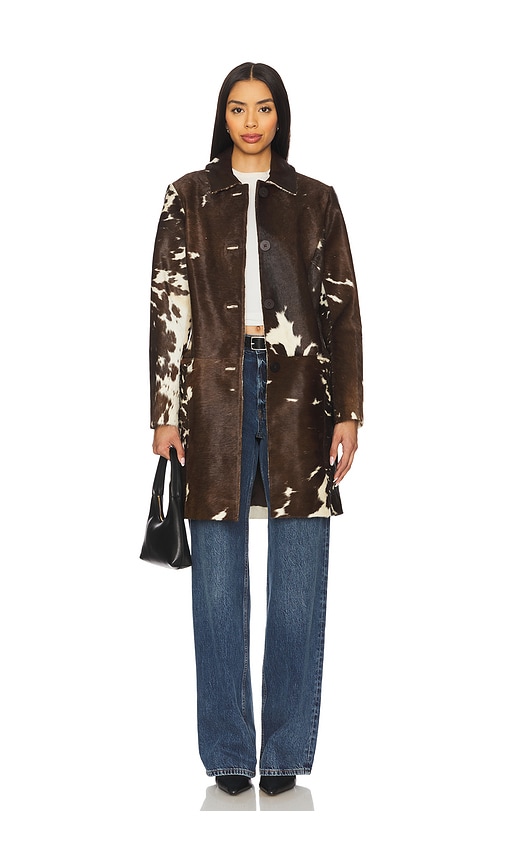
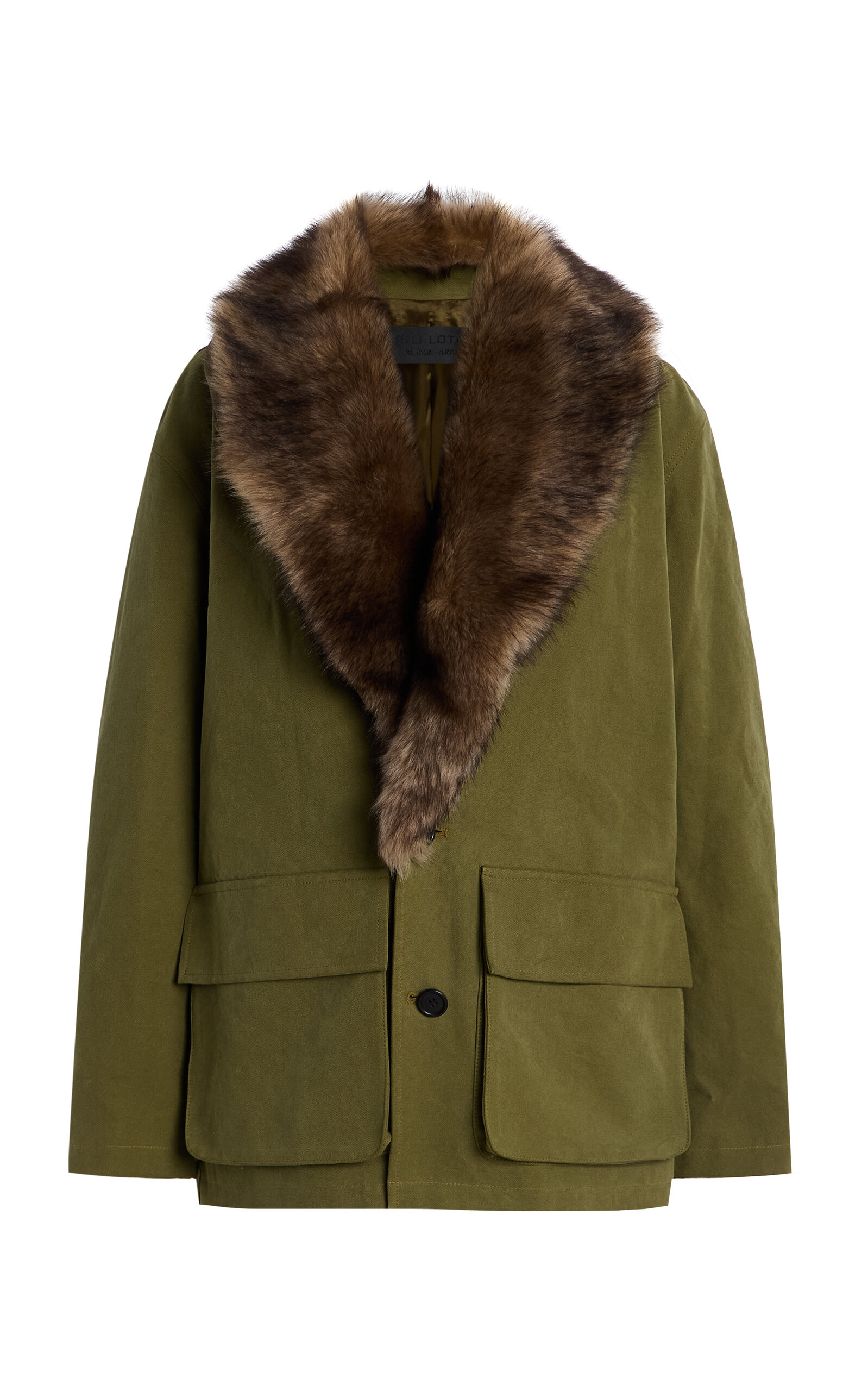
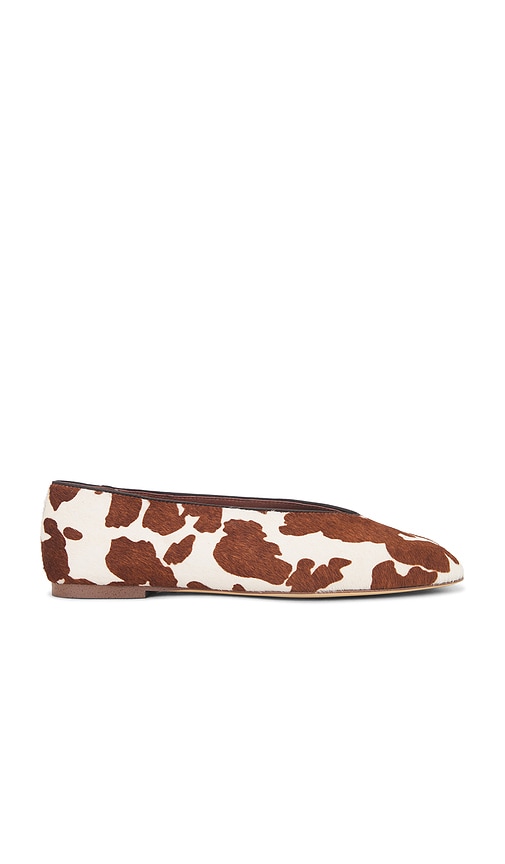
Earthy Tones
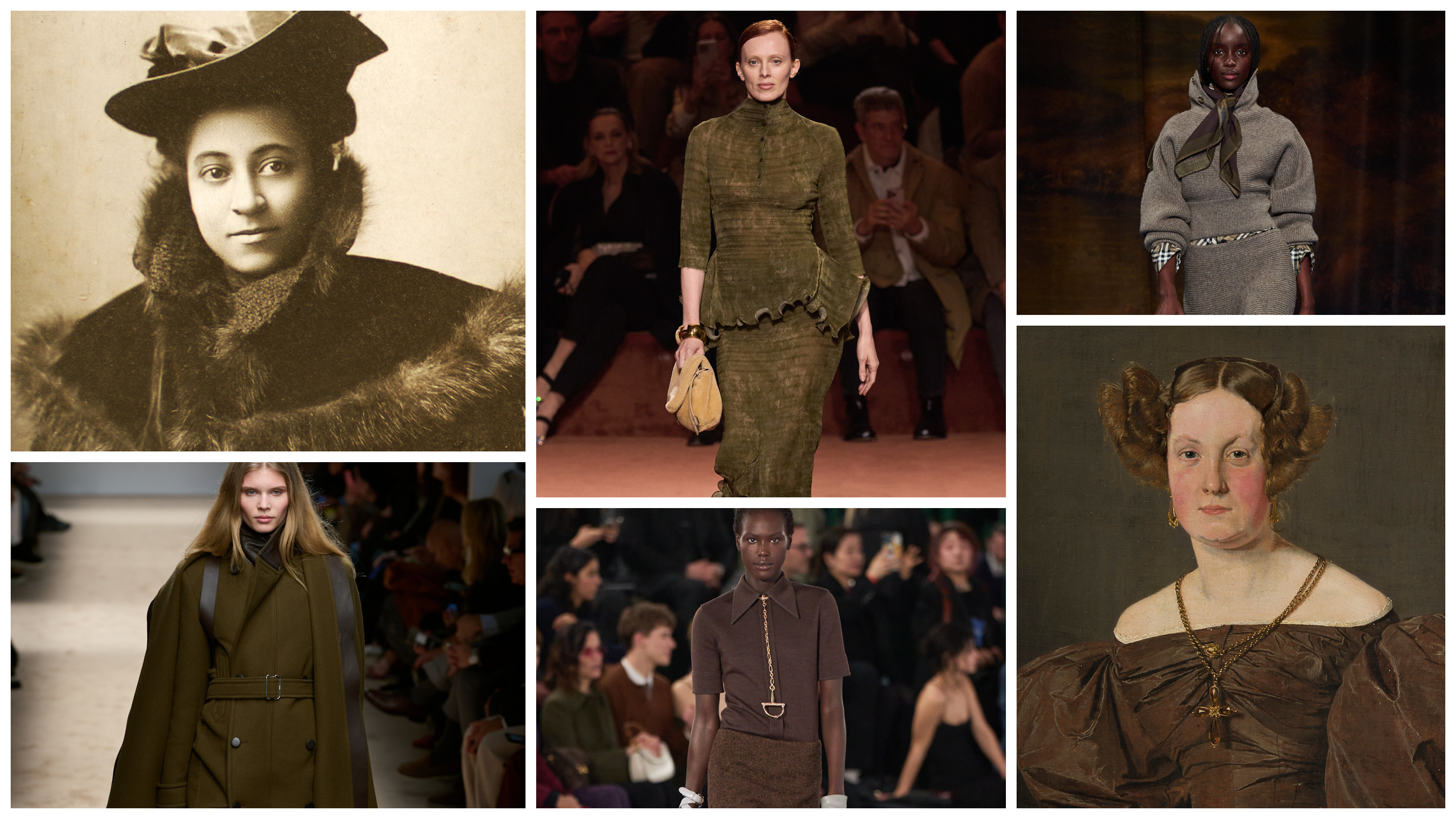
Dating back to ancient civilizations and medieval Europe, long before "butter yellow" and "tomato girl red" came into existence, colors created from natural vegetable dyes were the mainstream because they were inexpensive to produce. The regal purples and shocking reds were reserved for the royals and nobility who had the coins to afford such rich shades.
Fast forward to the present, where earthy colors align with the quiet luxury look—like Fendi's olive greens, Gucci's rich browns, and the other fall color trends that pull from a tonal palette you'd spot on a nature hike. Consider picking up a brown sneaker, a top fall 2025 shoe trend, to ground yourself even further.
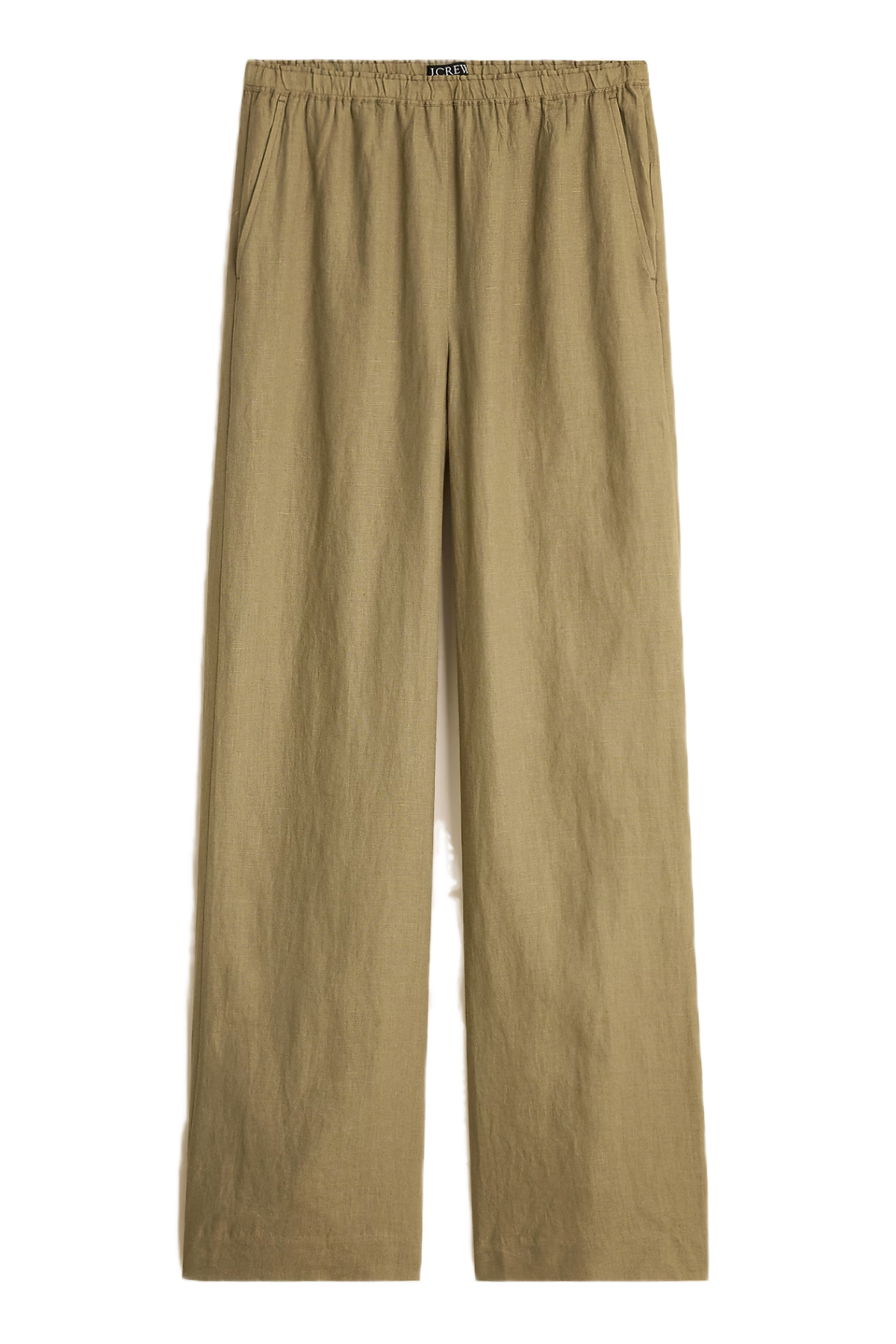
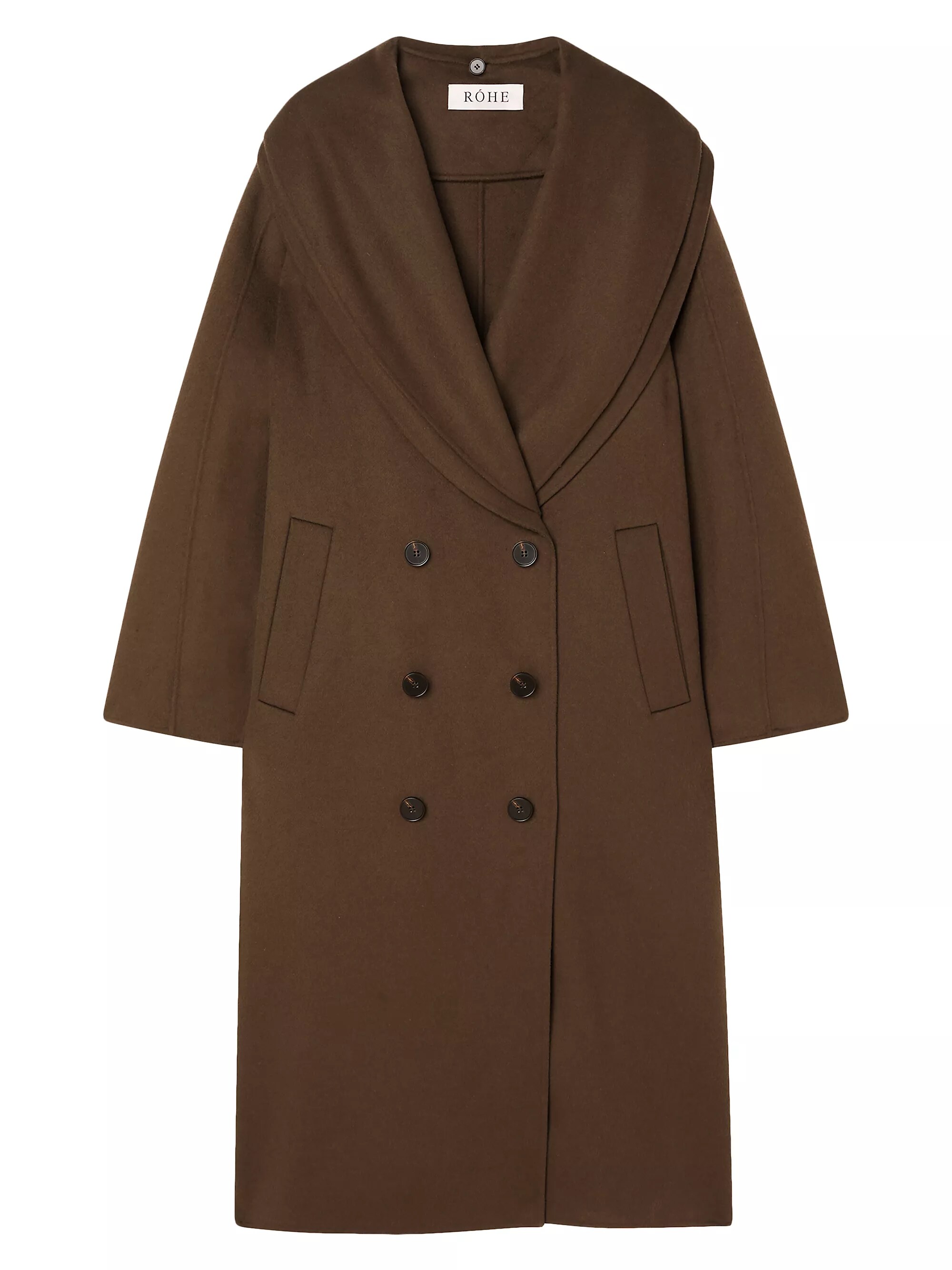
Garden Motifs
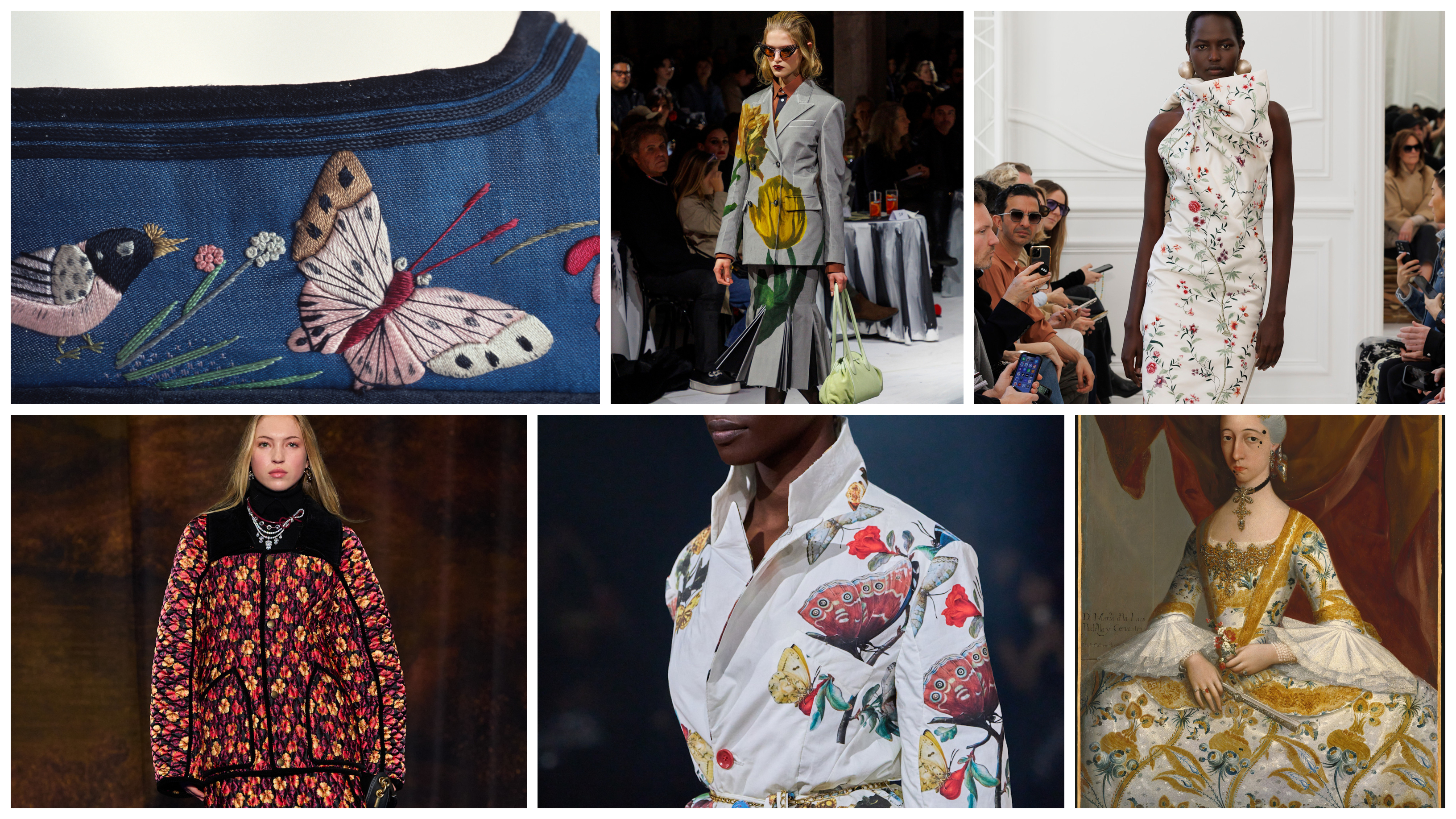
Across time, artisans have taken inspiration from the creatures and beings who populate—and pollinate—the natural world, dating back to 17th-century crewelwork embroidery and ancient Chinese handicrafts. Now, brands like Marni, Givenchy, Burberry, and Undercover show their appreciation for nature's beauty via photo-realistic butterfly motifs, carnation prints, and hand-painted tulip decals.
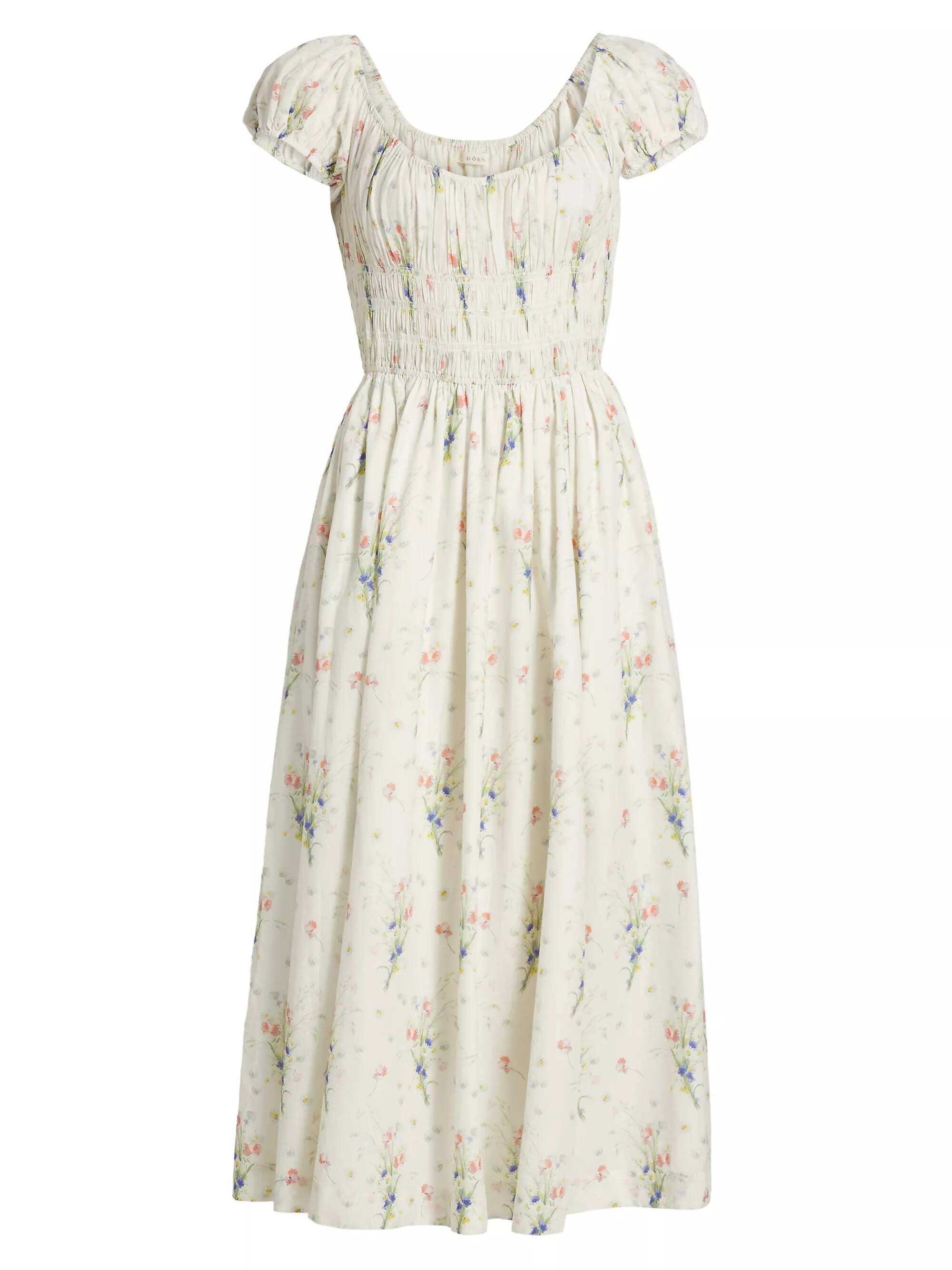
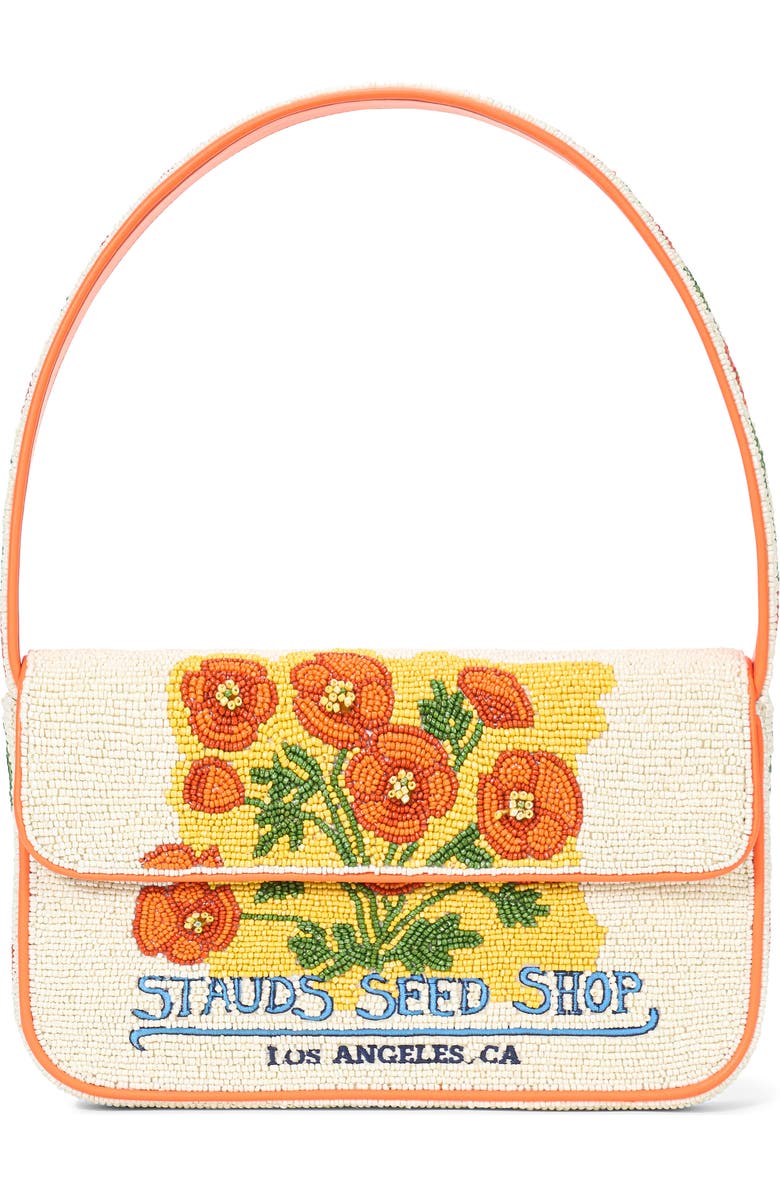
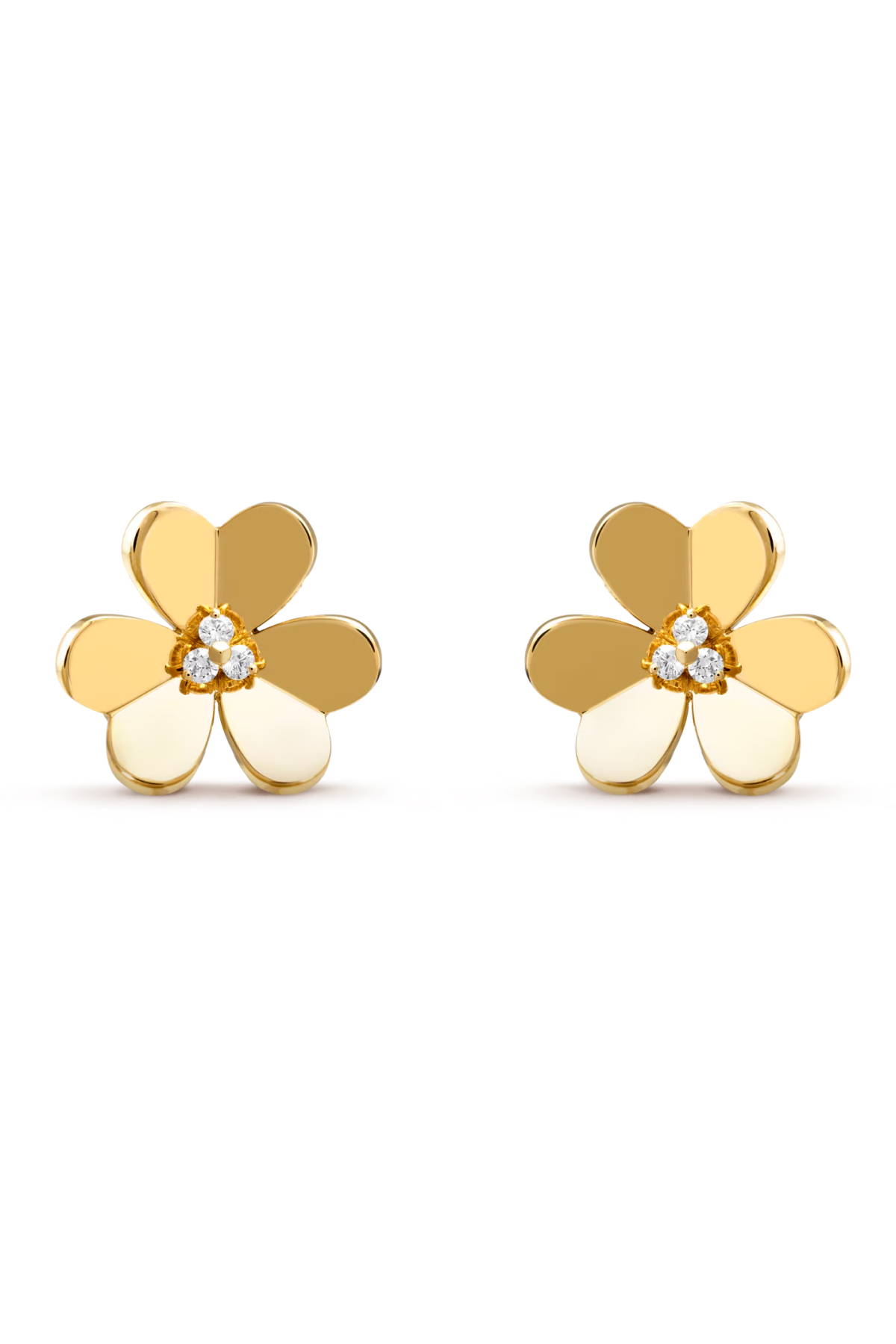
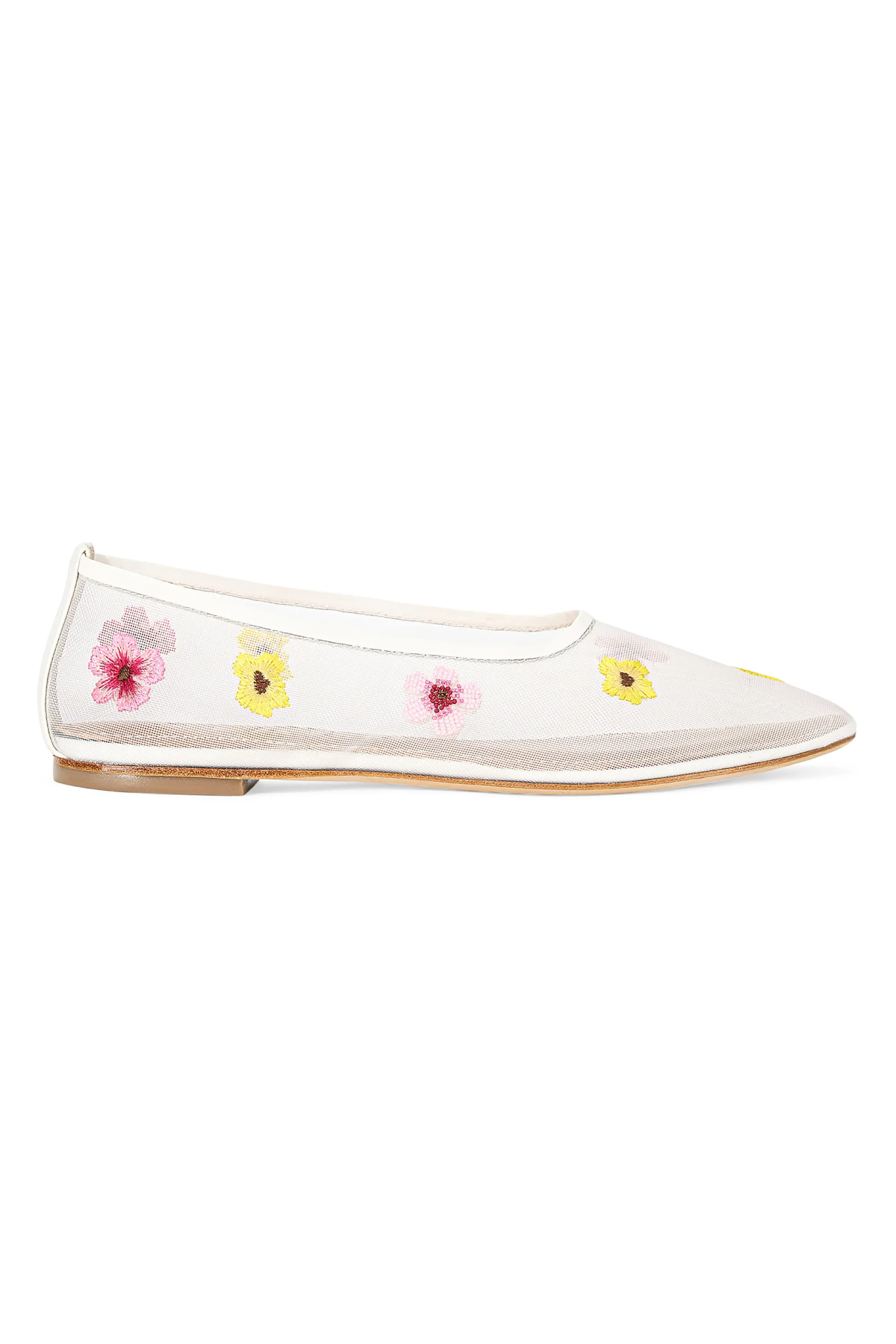
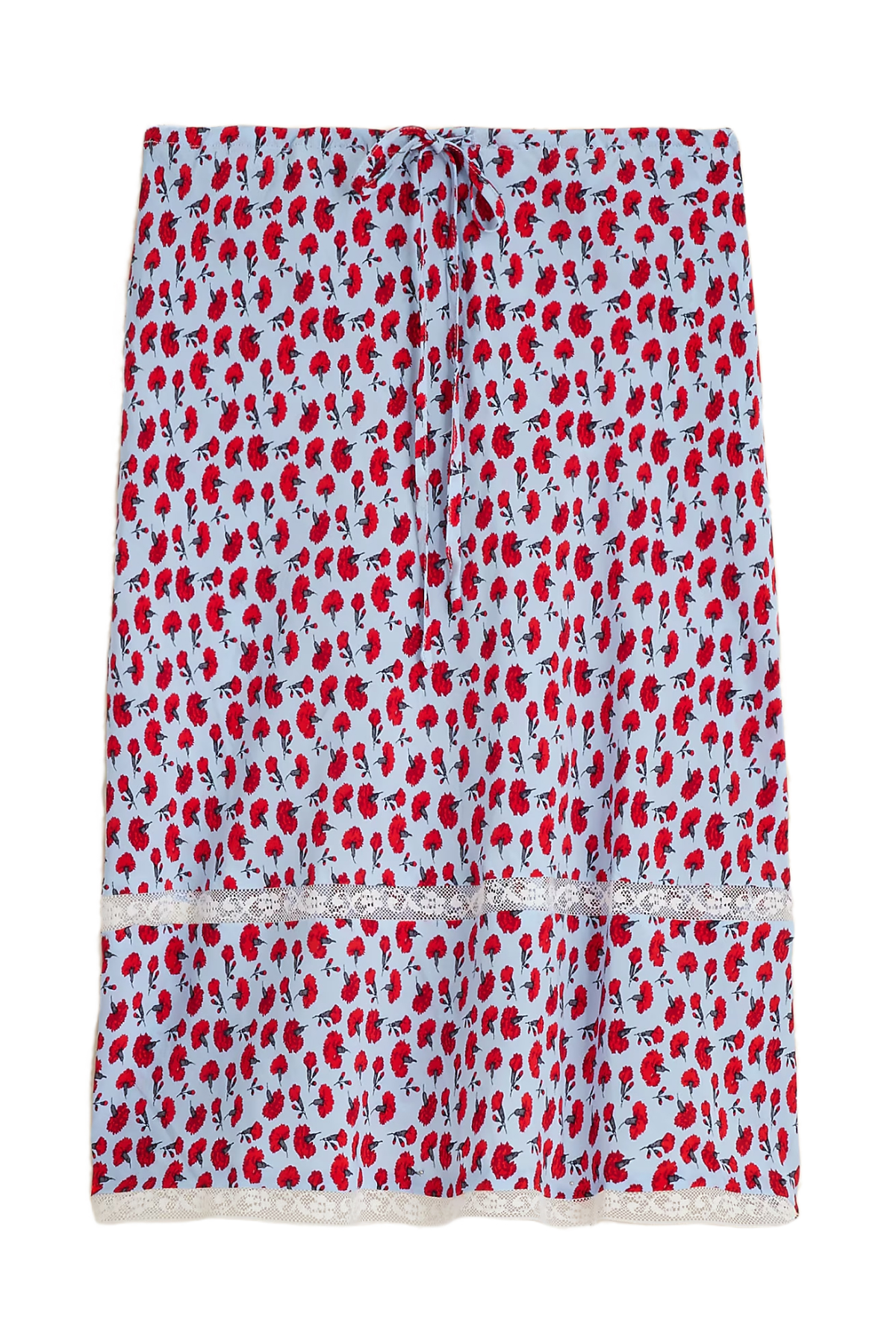
Avian Inspired
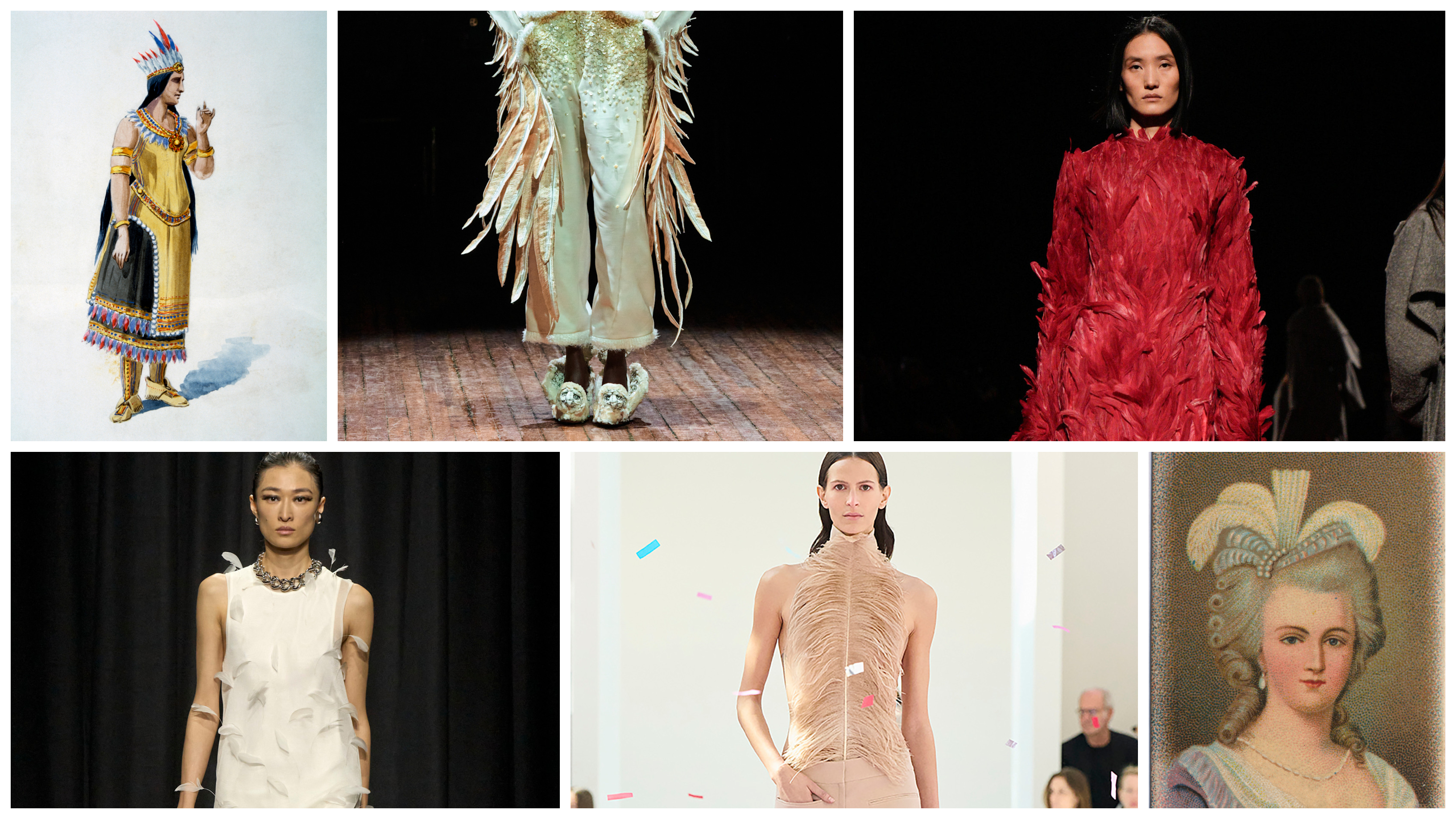
A deeply sacred symbol tied to spirituality in Indigenous American cultures, as well as a calling card of the elite and noble during Marie Antoinette's heyday, feathers have a long-standing and expansive relationship with fashion. Come fall 2025, they're a sign of craftsmanship and avian influence, like Underover's pants with plumage and Courrèges' feather turned into a turtleneck top.
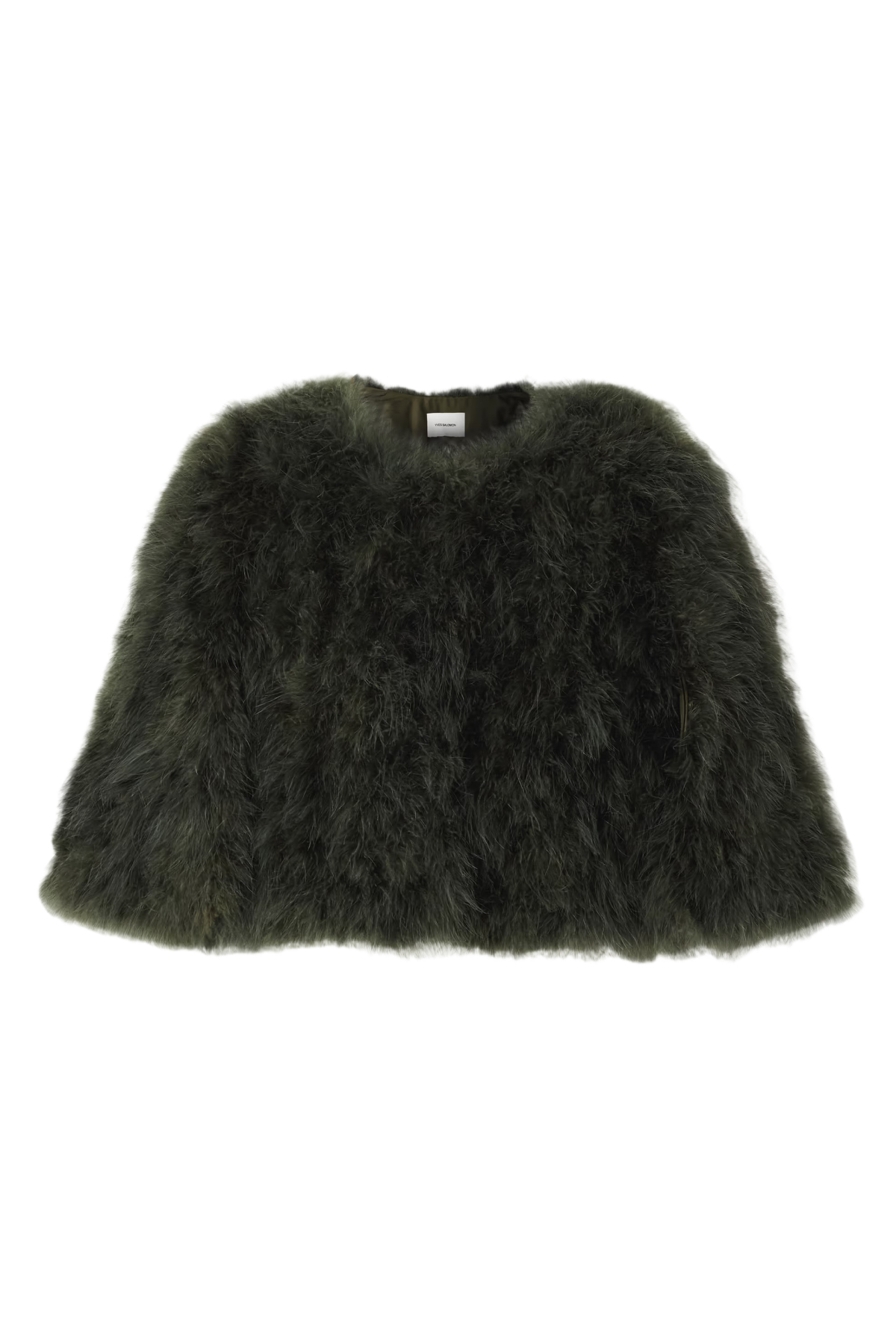
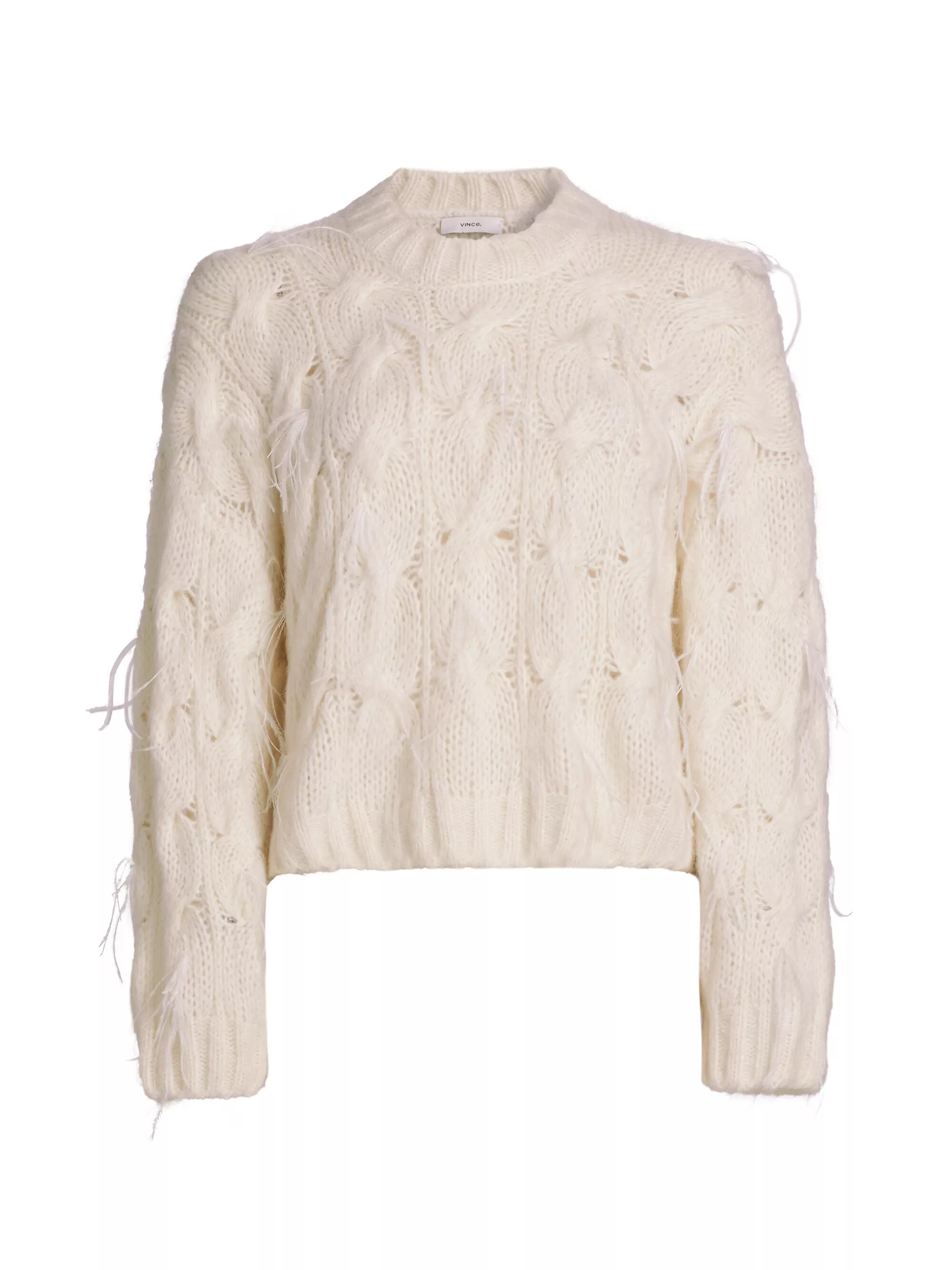
Zootopia
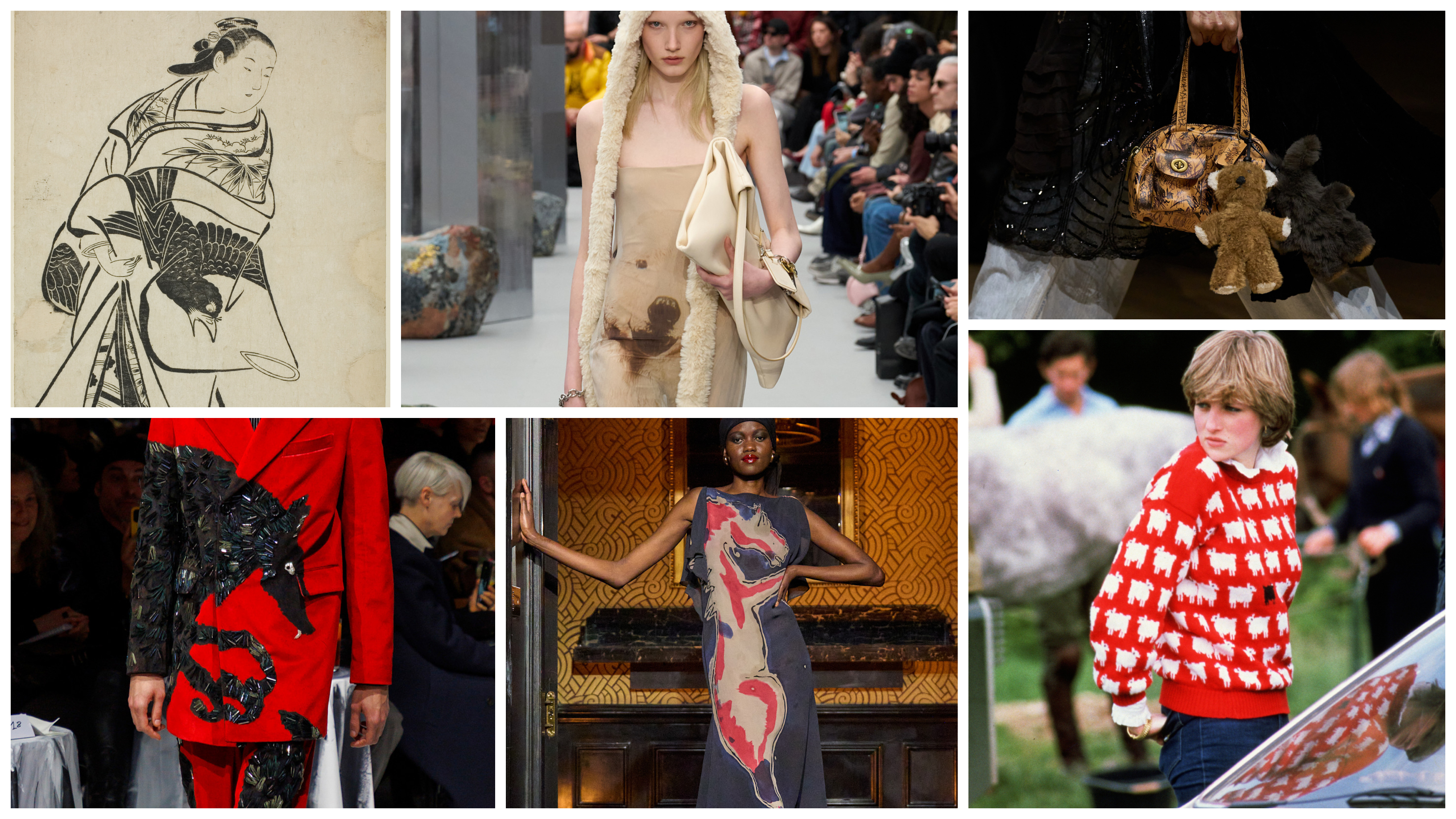
Seen on kimonos stitched with cranes in 18th-century Japan to Princess Diana's black sheep sweater from 1898, animals have and always will find their way into our closets. Whether it's an emotional support animal keychain from Coach or a polar bear-printed slip dress by Acne Studios, you can have your pick of the zoo this season.
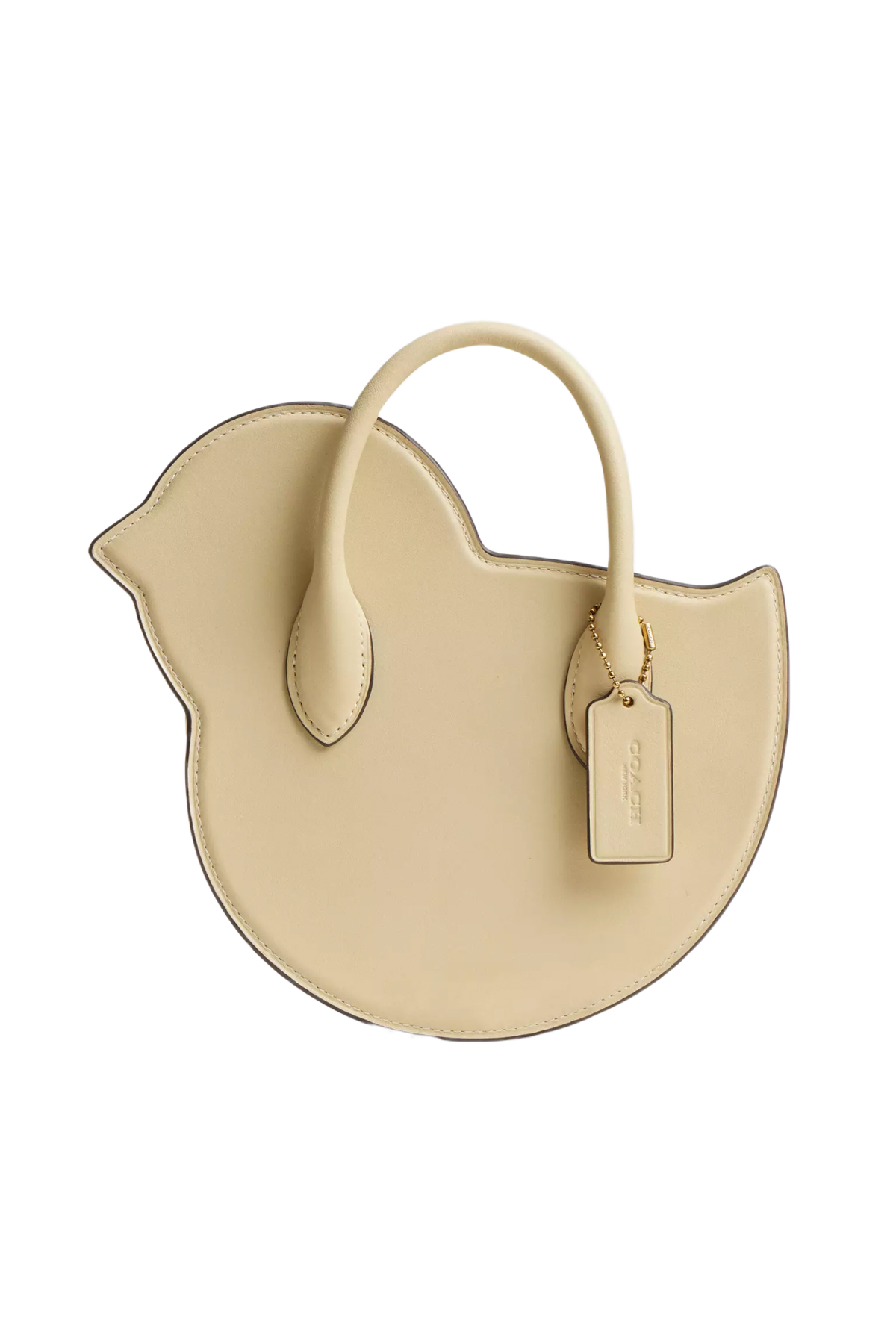
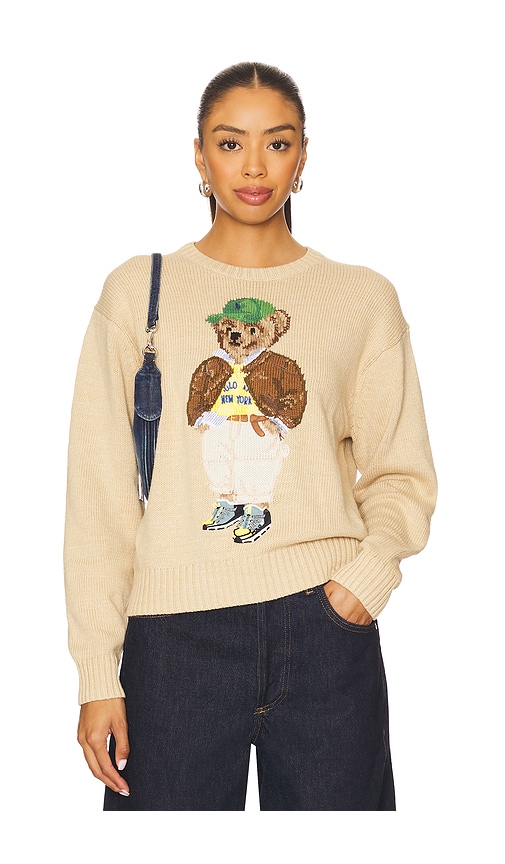
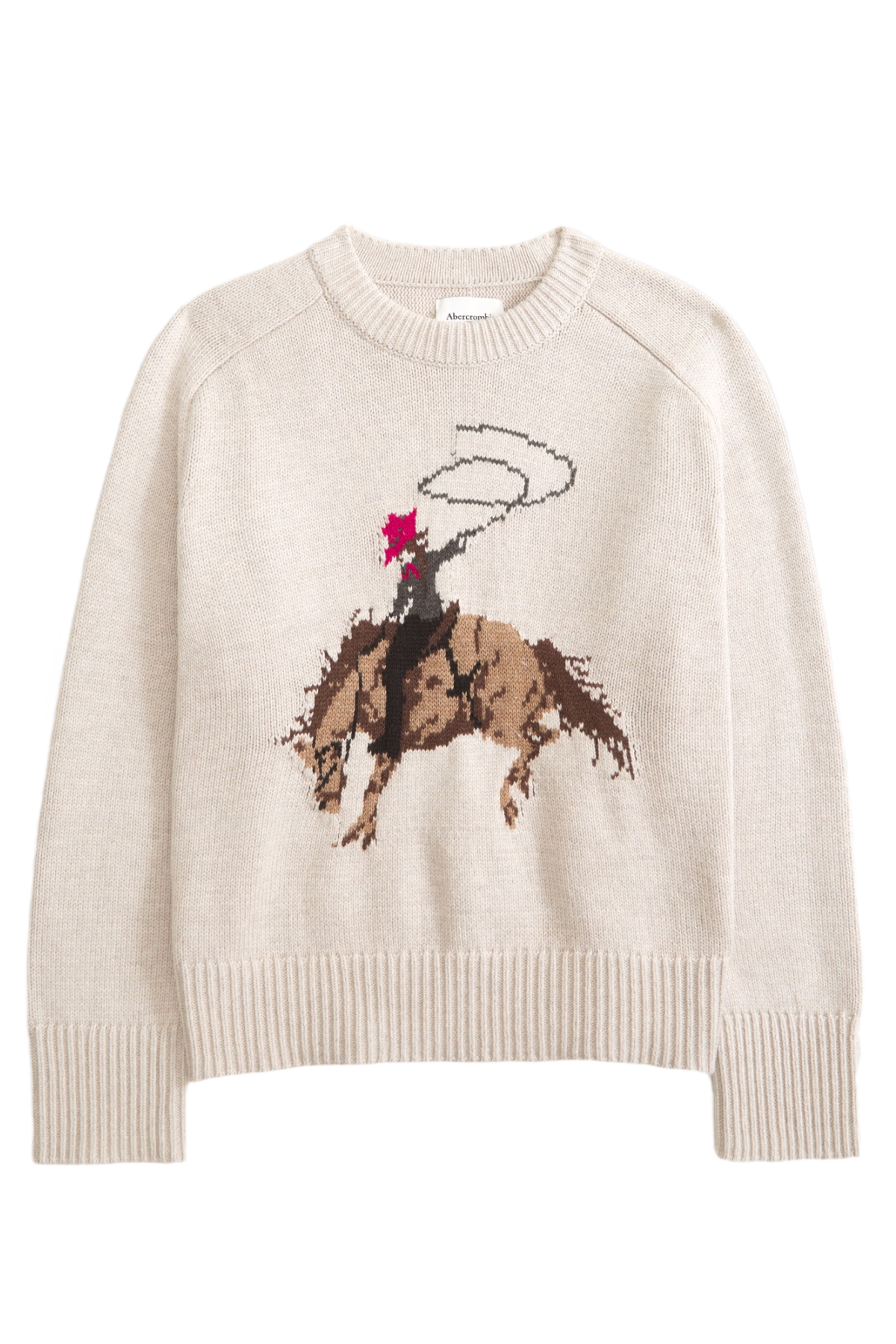
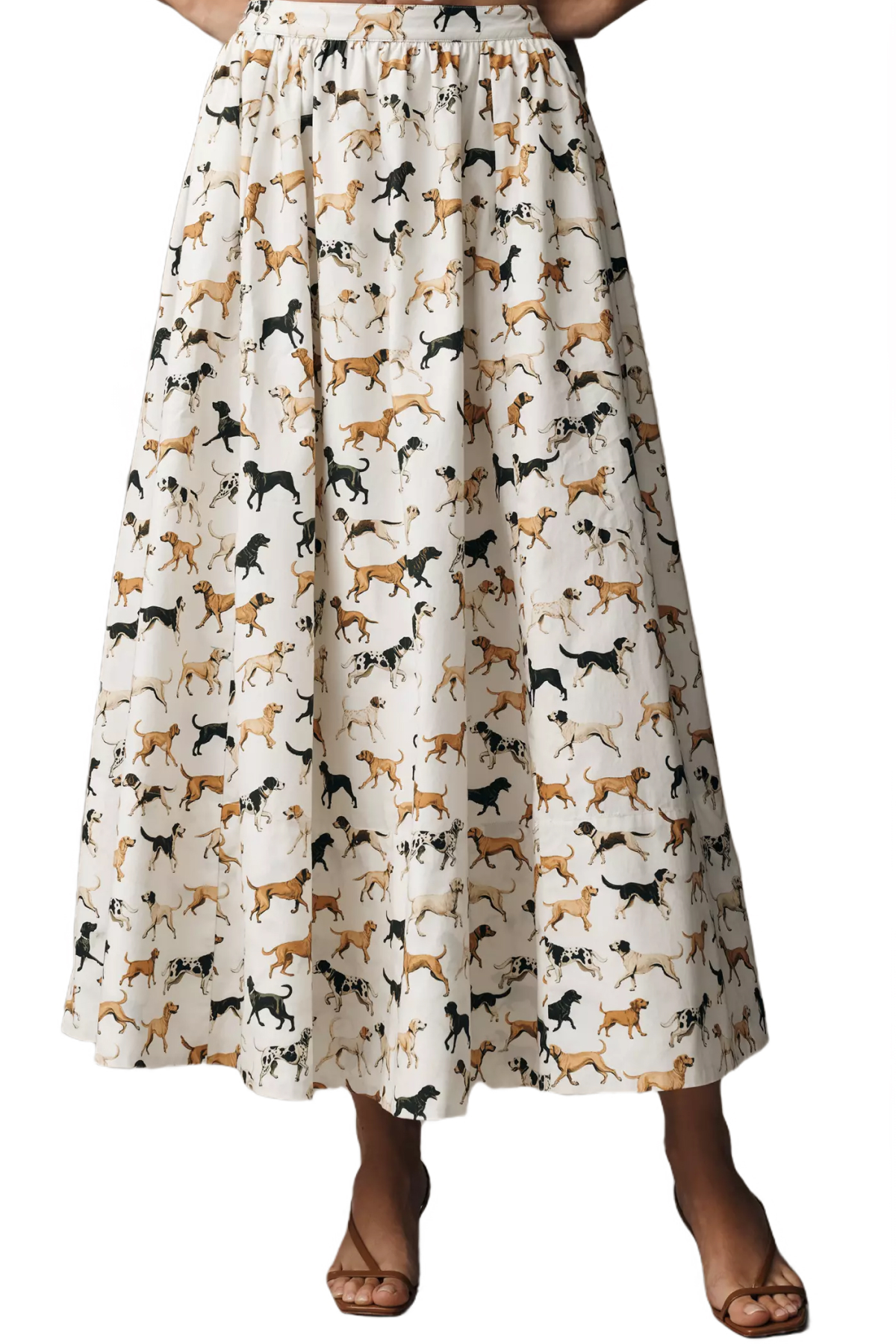
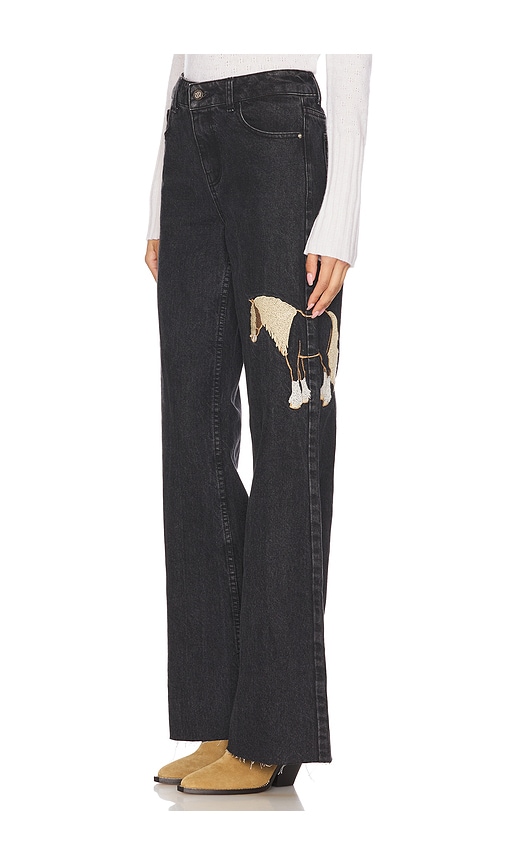
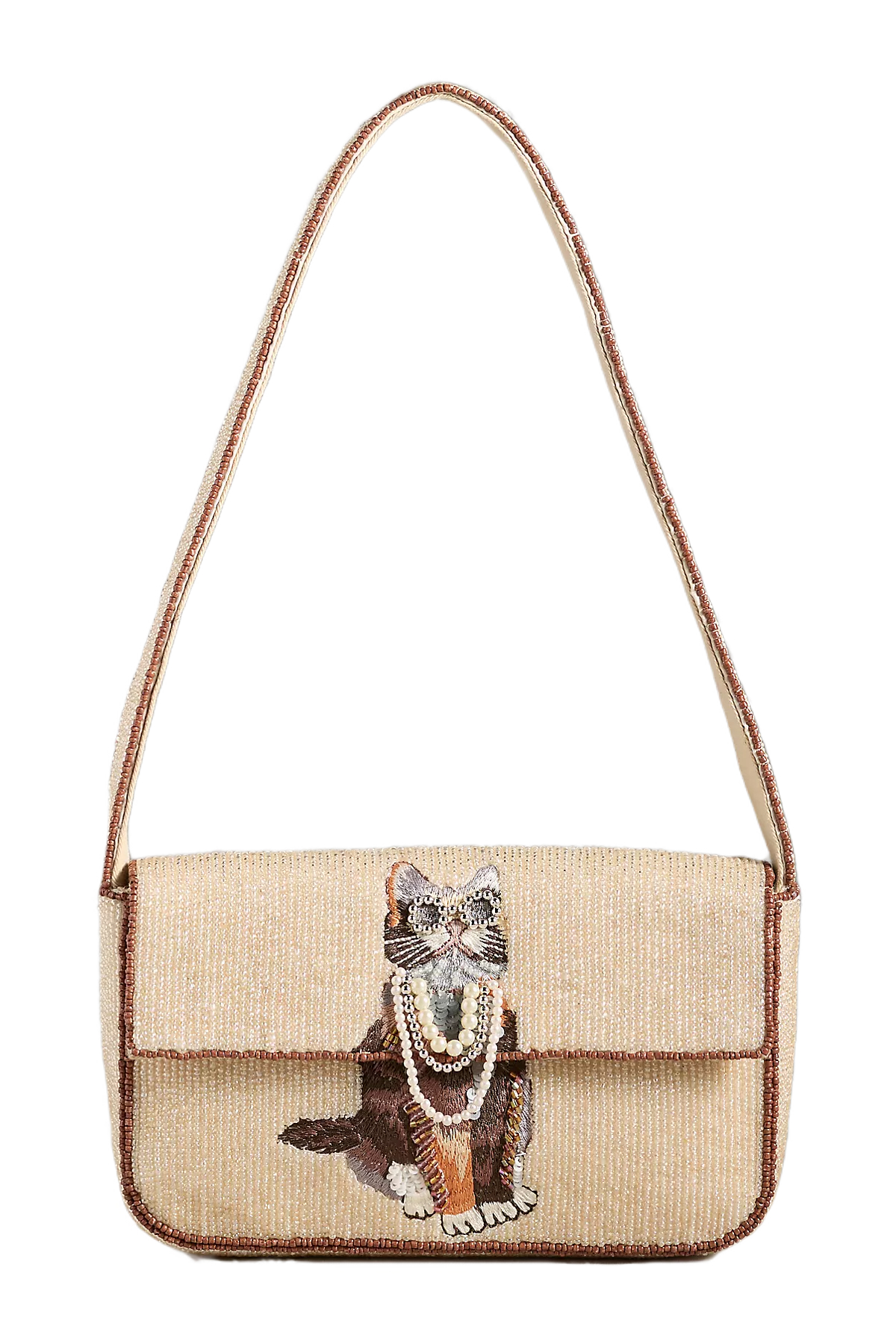
If you’re chronically online (guilty), chances are you’ve found yourself in almost every pocket of internet subcultures, including but by no means limited to: BeautyTok, #steamybooktok, and Serena Kerrigan/Let’s F–cking Date’s channels. The genius minds at Neutrogena had the lightbulb moment to combine all three—in the name of self-care, of course. And so a series of short, very sexy stories penned by Kerrigan and designed to give skin an I-just-had-a-really-good-time kind of glow was born.
While the MC Beauty Team will certainly be putting the just-launched book to good use (it’s available on Wattpad, FYI), I also took this little opportunity to scoop up some beauty tips and tricks from the Queen of Confidence herself. From the vitamin C serum she swears by to her emphatic belief that all men need clean toes, read ahead to learn the products, habits, and rituals that help get Kerrigan In the Mood.
I’m Serena F–cking Kerrigan.
There’s a regular shower, an everything shower, and a sensual shower. An everything shower—it’s like there’s work to be done. You have to get yourself prepped and ready to go. But the sensual shower is more enjoyable. It’s less about preparing and it’s more about a mood.
I love to set the vibe with a few chapters of a spicy book or an audiobook. It helps me shift my mood and visually encompass what I want to feel. That’s exactly the type of energy I poured into the Water Bank Glow Short Story series. But obviously, the real magic happens after the shower. I always say, don't skip the follow-up. It's amazing if you have a great first date, but if there's no follow-up text or follow-up plan, it doesn’t matter. While my skin is actually still a little damp and my pores are open, to me, that's the best time to apply my skincare. It helps the product sink in and do its thing.
Probably the Neutrogena Collagen Bank Vitamin C Serum. It’s not the sexiest, but what I will say is that the glow it gives me is very sexy. It makes my skin dewy, bright, and feel, you know, hot.
It’s probably Parfums de Marley Valaya. It’s next level, it’s so good.
I hired a professional makeup artist for a date once—never again. It didn’t go anywhere, and I couldn’t believe I just spent all that money. Moving forward, I do my own makeup for all date nights, whether it’s with my boyfriend or before that, when I was single. I love a winged eyeliner or a cat eye look—it’s very sexy and smoldering. Always a little lip and liner. Otherwise, my vibe is just about enhancing my natural features.
I love a slick back. It snatches up your cheekbones—maybe because it’s painful—and really just opens up your face. There’s something so sexy about being confident and having your face open to the world.
Everyone loves a red polish, but I really like to keep it bare with a Ballet Slippers color. I used to do this heart French manicure; it was my signature. But men, women, whoever is listening: you need to get your toes in order. My boyfriend gets pedicures now. Men need to get on board. Do you not want clean feet? Feet are everything.
I went to Rufus De Soul the other night, which was so fun. I got home at like two in the morning and went straight to the bathroom, and I did my entire routine. Isn't that insane? When I was in my twenties, I obviously fell asleep with my entire face on and woke up to a face on my pillow. But as you get a little older and more responsible—when your prefrontal cortex develops and you see the consequences of your actions—you realize there’s nothing better than waking up glowy.
It’s funny—it was my mom’s birthday yesterday. I always ask her, what was your favorite age of mine? She said: Every year just gets better. I feel like she's really given me a mentality that doesn’t fear aging. My grandmother is 90 years old and she loves her age. She always says that aging is a privilege denied to many. Every year that I age, I just keep getting older, hotter, and wiser. But if you’re really asking me, I’m just looking forward to having more money.
It wouldn’t be washing my face now, would it? It’s probably always to wear SPF. I have rosacea, and my skin is very sensitive. I’ve always thought the sun was poisonous, and I’m determined to look as hot as my grandmother at 90.
Shop Serena's Favorites
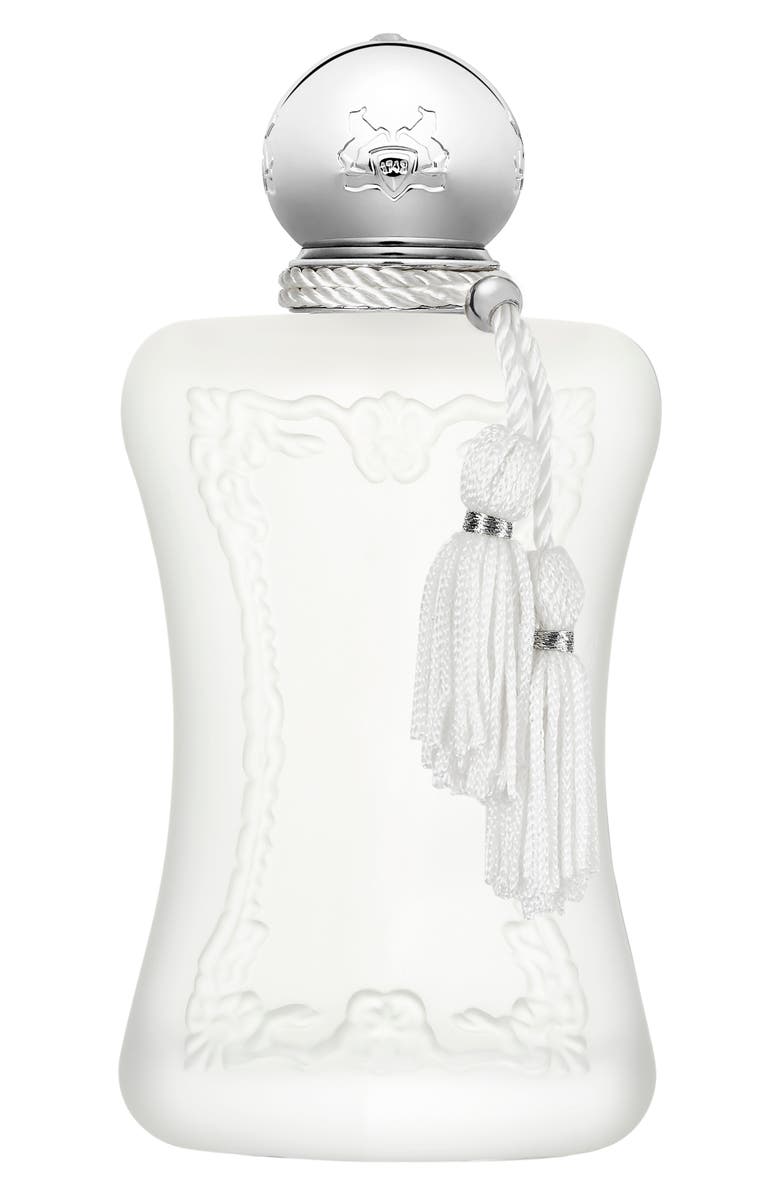
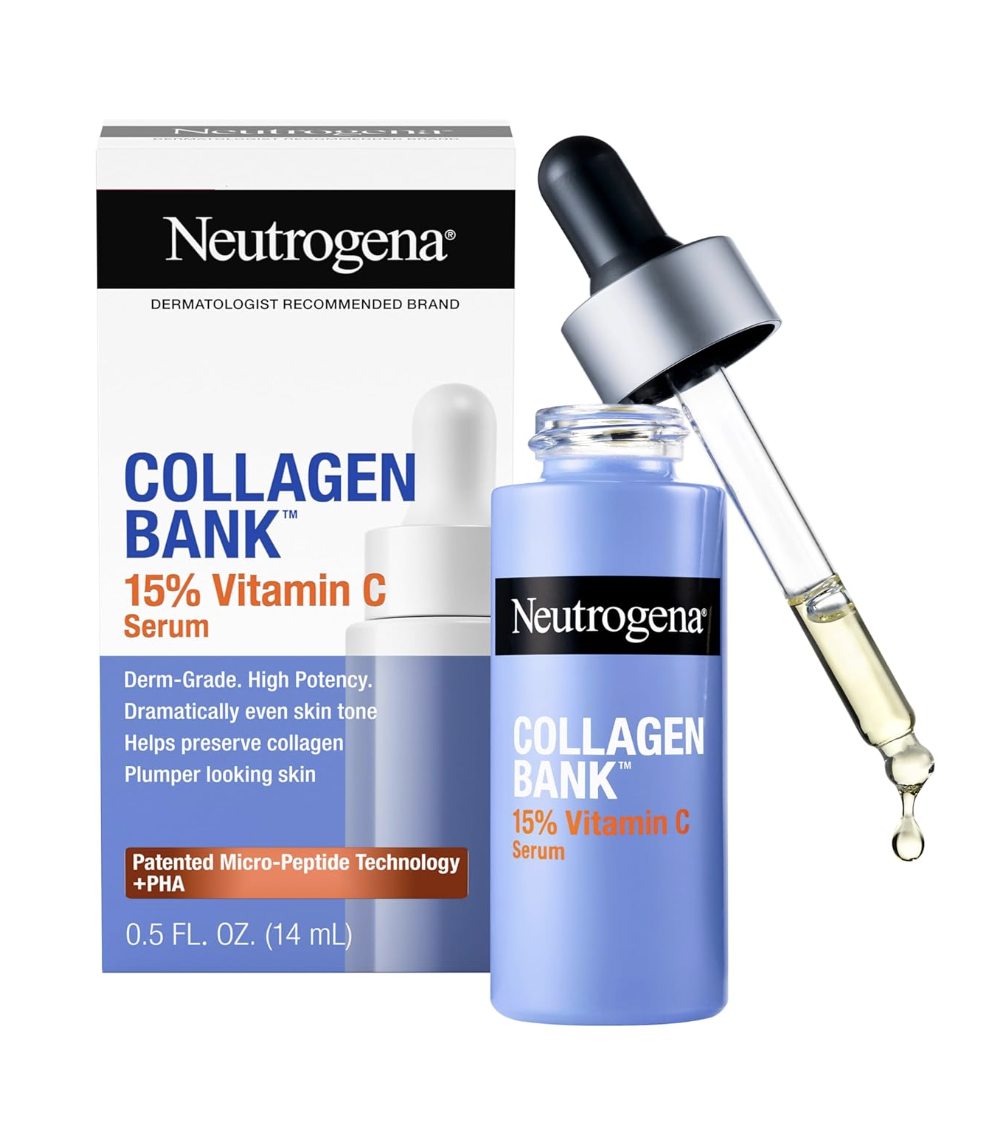
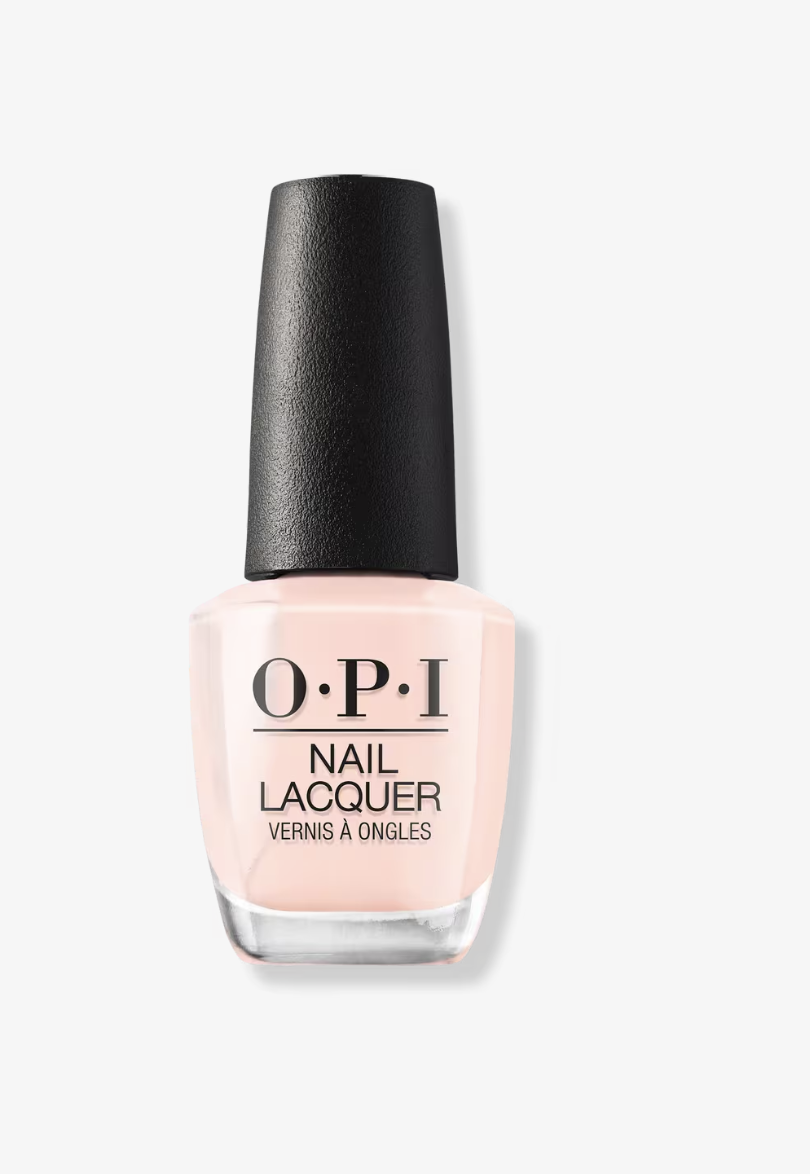
British electronic phenom PinkPantheress knows how to keep a party going. The hitmaker has a penchant for DJing when she’s out with friends, whether she’s at home in London or elsewhere. “There was one night in Bristol where I ended up playing some 2-step classics off my phone in this tiny kitchen at like 3 a.m.,” she tells Marie Claire. “Everyone was too tired to dance but still stayed to listen to the tracks—almost like, Don’t let the night end.”
That feeling is all over the 24-year-old’s frenetic new mixtape, Fancy That. The surprise release, which dropped in late May, is arguably PinkPantheress’s most certifiably British project to date. It's inspired by iconic DJs like Fatboy Slim and ‘90s U.K. garage, while also featuring the Y2K flares that captivated her Gen Z fans and made her an electro-pop musician to watch. She’s quickly become the frontrunner for the song of the summer crown since the album’s third single, “Illegal,” inspired a cheeky TikTok trend.
“It’s been kinda weirdly peaceful,” the recording artist says of her stratospheric climb up the charts. But she’s still learning how to strike the right balance between being an experimentalist and being a pop star. “It’s like arguing with yourself over whether to be mysterious or catchy. But the reward is when someone tells me they listened to a song on repeat and still felt like they hadn’t fully cracked it. That layered feeling makes the overthinking worth it.”
Here, PinkPantheress shares which other famous Brits inspire her as an artist, what Avril Lavigne song makes her cry, and who she’s eager to collaborate with.

Lily Allen or M.I.A. They made sounding like yourself feel cool. I was obsessed with how casual they sounded while saying the most cutting things.

Late '90s U.K. garage in real time—not just watching grainy footage on YouTube and romanticizing it from afar.

When they used “Only You” [by Yazoo] in The Office (U.K.). Not a movie, but still gut-wrenching.

I saw Paramore once and left feeling like I’d been in a dream. Hayley [Williams]’s presence onstage feels like she’s floating above time or something.

A faded Burial hoodie that’s definitely not aesthetic anymore, but I still wear it because it makes me feel cool, TBH.

“Hide and Seek” by Imogen Heap. It’s so simple, but kills you if you’re in the right mood.

Clairo would be nice. Our sounds are quite soft, but something about that contrast of our usual instrumentation could be fun.

Pet Shop Boys, Lady Gaga, Kelela, M.I.A., and then someone unexpected like Solange, at sunset.

I weirdly go back to early Avril Lavigne. “I’m With You” still hits.

Anything that sounds like it could’ve played at a MISS SIXTY afterparty.
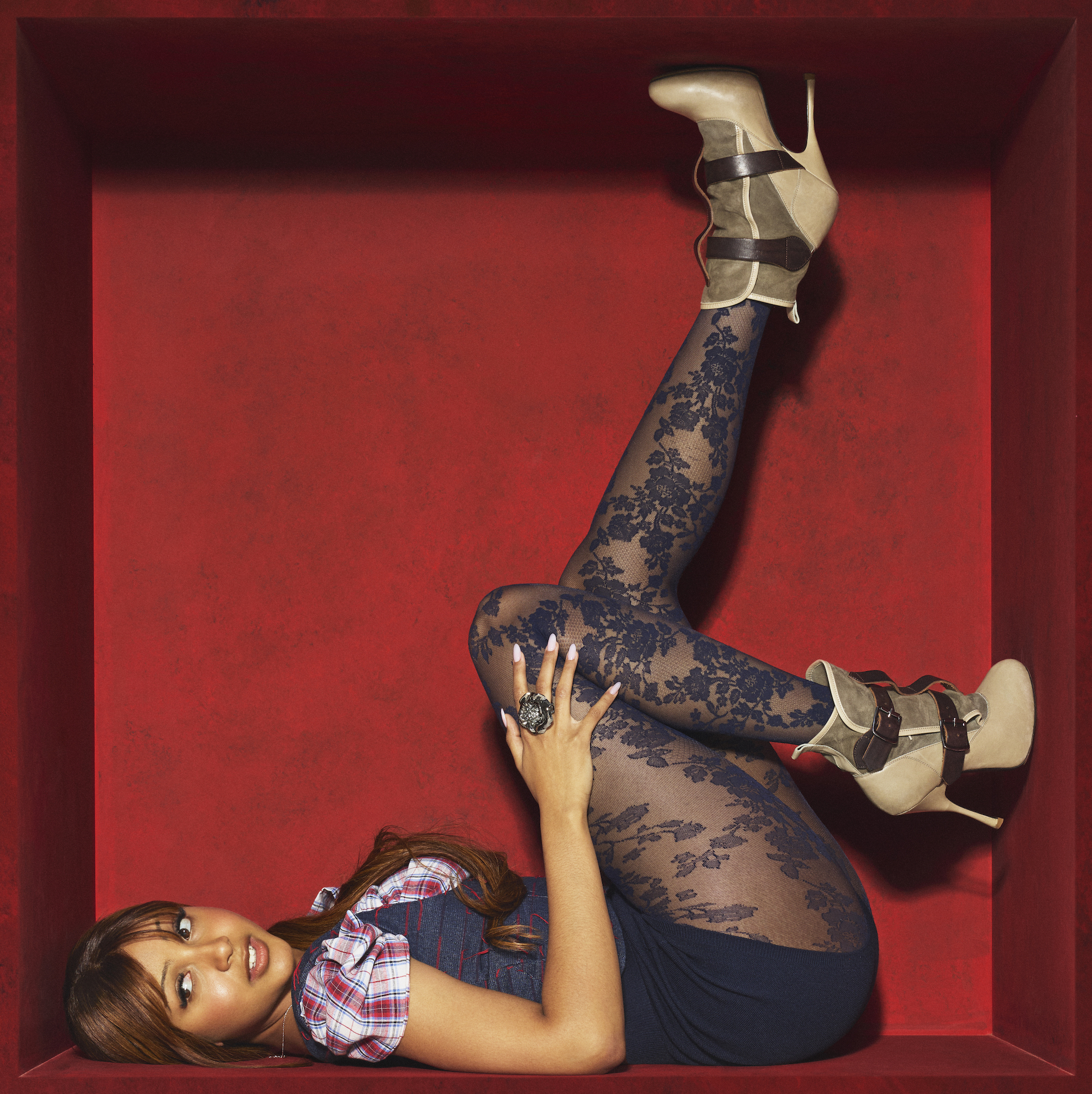

Some weird mix of trance, anime intros, and myself. It keeps me alert!

Something that makes everyone go, “Wait, what is this?” but still dance. Probably a deep cut from Fancy That.

“As I descend, I see my life flash again” [from “Ophelia”]. It’s dramatic, but in a way that felt true at the time, and it’s such a me way to say, “I was in over my head.”

“Motion Sickness” by Phoebe Bridgers—but only if you made it D&B.
This interview has been edited and condensed for clarity.
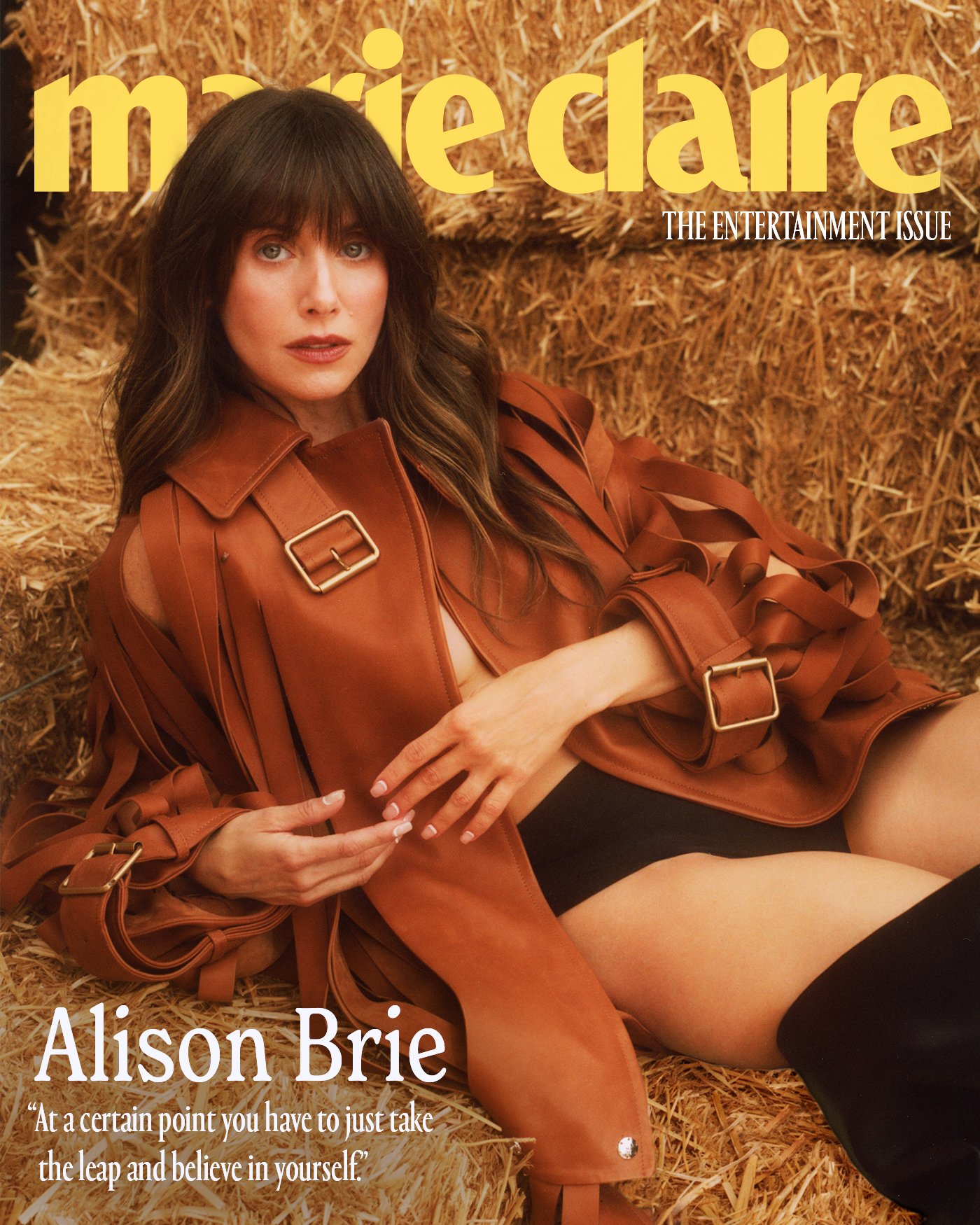
In this author-curated rendition, Bolu Babalola —screenwriter, pop culture journalist, and bestselling author of 2022’s Honey and Spice—shares her favorite romance books, specifically those about finding a second chance at love, the subject of her upcoming novel, Sweet Heat.
Author Bolu Babalola is a self-described “romcomoisseur.” Meaning, she’s seen just about every rom-com film under the sun and understands what stories—be it enemies-to-lovers or fake relationships—make audiences swoon.
But for her forthcoming book Sweet Heat, the British-Nigerian writer explored one of her most adored tropes: second-chance romance.
“I love second-chance romances because grace—a key component of love, I feel—is folded in; we are forced to excavate ourselves and the aspects of our growth (or lack of) and question if love can grow with us,” Babalola tells Marie Claire. “It's a beautiful thing to explore.”
I love second-chance romances because grace—a key component of love, I feel—is folded in
So, for her new book, publishing September 2, she revisited the characters from her debut novel, Honey and Spice; now, Malakai and Kiki are exes forced to reconnect at their best friends’ wedding. Babalola explains that she “wanted to see how their love would bloom” by continuing their story.
“Malakai and Kiki met when they were in university, and whilst I absolutely believed their love was real and strong, it was also born in the bubble of university,” she says. “I love the characters so much and wanted to test their love in the outside world when real-life struggles and dynamics and growth would interact with it.”
Here, Babolala curates a list of her favorite books that also feature second-chance romances, from a classic by Jane Austen to a recent hit by Emily Henry.
“This sexy, sweet story revolves around Michelle and Gabe, childhood best friends whose close relationship fractured when Gabe moved away, leaving Michelle heartbroken. Now, as adults, their paths cross again when Michelle is hired to help with the N.Y.C. expansion of Gabe's gym. Both characters carry past hurts and unresolved feelings from their previous relationship, which they must confront as they work together closely. Sparks fly, tensions rise, and hearts pound. It's a steamy read that also pulls at the heartstrings.”
“Listen, whenever Kennedy Ryan releases a new book, I am sat! This is a moving tale of love, loss, and resilience, whilst also managing to be grown and sexy and warm. It explores the journey of exes (married with children!) Yasmen and Josiah, rebuilding themselves after heartbreak.
I love this book because it's a truly grounded love story whilst being achingly romantic. Josiah and Yas discover themselves again and heal, and allow each other grace through true tragedy. Have I mentioned it's sexy? Because it is sexy. It celebrates second chances that are embraced with wisdom and learning, family bonds, and healing. This is about a gritty, sexy, sturdy love that grows and transforms through life's seasons.”
“Emily Henry's Happy Place gives us a double whammy rom-com treat. It's a second-chance romance, forced proximity, and fake-dating rom-com. As somebody who once wrote a fake-dating/friends-to-lovers rom-com (cough, Honey and Spice!) I am a big fan of the hybrid rom-com. Happy Place is a warm tale of exes pretending to still be together at a friends’s getaway. There's a quirky, funny gang you want to be part of, alcohol-fuelled confessions, and buckets of romantic tension. It's a love story about friendship and re-discovery and tells us that love always needs honesty at its heart.”
“This is one of my favorite novels of all time, and though it isn't technically thought of as a second-chance romance, I believe it is in the best way possible. We follow Dex and Emma in a 20-year will-they-won’t-they saga that mixes heartbreak with hilarity, their friendship blossoming from an awkward (but somehow lovely) non-one-night stand. From messy student days to adult mishaps, they orbit each other, their connection pulling them to collide and confront truths about themselves and their relationship. It's about growing up, growing up with someone, love revealing itself in increments till it's undeniable. Whether it has a happy ending is up for debate, but in my mind, the happiness is that the love existed and that they experienced it—that their love happened.”
“Perhaps one of the earliest second-chance romances! A formative text, by my all-time rom-com fave, my girl Jane Austen. Anne Elliot, a quietly brilliant heroine, allows herself to be convinced to let her taciturn but dashing sailor, Captain Wentworth, go. Eight years later, he’s back—richer, maybe a little grumpier, and still dreamy. Throw in meddling relatives, awkward reunions, and strategic letter-writing, and you’ve got Austen proving love can survive bad advice and worse parties.
It's sweet, and I love how strong Anne's conviction grows with her love; love empowers her! This is a second-chance story about forgiveness, grace, and being brave enough to listen to your heart.”
“Love Island fans, assemble here! Londoners Temi and Wale seem to have a perfect relationship, then disaster ensues. They break up, and Wale does what anyone would surely do after a devastating split: go on a reality TV show called Love Villa. Temi, a writer, tries to heal herself by working on a novel, but this seems to be going disastrously, so she takes up a celeb autobiography ghostwriting job to pay her bills…only she finds out too late that the celeb in question is her ex. A fun second-chance romance that homes in on the importance of emotional honesty.”
“My literary soul-sister, Tia Williams! This book swept me up! The novel follows Eva Mercy, a successful author, who reconnects with her teenage sweetheart, Shane Hall, also a writer, after a chance encounter at a literary event. Their reunion is set against the backdrop of a steamy Brooklyn Summer, and within it, they confront the hurt and trauma that came from their separation, whilst getting to know each other again. Eva is a sparky heroine, a single mother with a troubled past and a strong heart, and Shane proves worthy of her, committed to growth, smart, warm, and kind.
I love how it's clear that though these characters are strangers as adults; they know each other's cores fundamentally, they understand what matters. What's hotter than being known? I loved this sexy N.Y.C. romance. This book is so sensual, so emotionally taut, full of love and healing, so funny. and shows how love can evolve and take a new, brighter form as we do, too.”
Sweet Heat by Bolu Babalola will be published on September 2.
In contrast, the summer of 2025 may as well be dubbed the season of the anti-rom-com. From horror-influenced takes like Together and Oh, Hi!, to dark break-up comedy The Roses and the tonal sterility of Materialists, we are, as one seasoned producer I spoke to put it, in a season of "rom-coms by way of misery.”
So how did Hollywood get from 1997—when My Best Friend's Wedding was considered subversive for its untraditional “happy ending”—to now when nearly every major movie billing itself as a rom-com is dark and twisted from start to finish? Perhaps it’s because Hollywood as a whole is flailing. I've seen it myself, as a screenwriter regularly pitching rom-coms to studios. In 2025, the genre has splintered into something messier and more self-aware, shaped by cultural fatigue, shifting expectations around love and dating, and a growing appetite for stories that reflect just how bleak modern romance can feel. Now, studios are guessing at what people will venture out to theaters to see—and what stories a populace deadened by our current cultural climate can actually relate to. The result is a wave of films that trade twinkle lights for discomfort, and happy endings for something more complicated.

Consider July’s Oh, Hi!, starring Molly Gordon and Logan Lerman as the infatuated Iris and Isaac, who embark on their first romantic weekend away. Afternoon delights and firelit vulnerability take a turn, however, when Iris comments on the surprising ease of their new coupledom. She does not get the reply she expected, and their adorable upstate romance quickly devolves into a horror movie by way of situationship. The female lead holds Isaac captive, spending the bulk of the movie trying to convince the commitment-averse young man to see her value—and acting out the existential dread so many have experienced upon realizing their beautiful blossoming relationship is a farce.
Given all of the above, Oh, Hi! is hardly a traditional romantic comedy—but its writer-director, Sophie Brooks, still very much sees her film as fitting within the genre. "I think the purpose of rom-coms is to relate and feel ultimately amused…I think we're in a moment, in a beautiful way in our culture, where we're really craving freshness and originality and to feel seen," Brooks told me over Zoom in early July. "I'm a very romantic person and I really believe in love. I've also been a single woman dating in my thirties and been like, 'This is a hellscape.'"
Brooks seems to point to a growing trend in the industry: In search of the more grounded, the more searingly "real," filmmakers and execs alike have leaned on the sardonic, the sarcastic, and the skeptical that reflect their own less-than-ideal relationship experiences. (And in doing so they’ve earned praise within a genre that’s historically slept on by critics. The Hollywood Reporter said of Oh, Hi!: “The film is sure to attract young fans and find its audience. At its root, this is a surprisingly sensitive commentary on uniquely millennial romantic loneliness.”
Celine Song, too, mirrored her own life with this summer’s Materialists, pulling from her short stint as a matchmaker. And like Brooks, Song also sees her newest movie as a romantic comedy despite Song approaching the themes of her movie with a candor that can be rare for the genre. In my theater, the air drained from the room when Dakota Johnson's character, Lucy, finds out that a matchmaking client of hers was assaulted on a date. "Has something like this happened before?" Lucy asks her boss (Marin Ireland). "Of course," the boss replies. "This is dating."
Set against a posh New York City backdrop, the film's characters treat each other like lists of traits on a sheet of paper—no shorter than 6’2”; no incomes less than six figures; "no baldies"—a means to an end for their social and economic ambitions. It tracks, within that narrative, that Lucy would be forced to face the bleakness of her own world by someone taking its very concept too far.
From Song's perspective, that subversion brought Materialists closer to its audience. And ultimately it paid off: The film earned an estimated $12 million at the domestic box office in its opening weekend, making it the third-largest opening for an A24 film ever. “We’re not just showing up here to be in love and beautiful and get to be in a rom-com,” Song told the Los Angeles Times. “We’re also going to take this opportunity to talk about something. Because that’s the power of the genre.” It's worth noting that, among the 2025 fare described so far, Materialists is the most earnestly optimistic of the bunch. Spoiler alert: Lucy chooses love over her list, kissing her love interest on a stoop straight out of an Ephron movie.
"I think we're seeing it in books and in features that people, even underneath these movies that might otherwise feel a little frothy, are trying to really say something," says the producer I spoke to. (They requested anonymity to speak candidly about internal studio dynamics.) “We're getting more drama in a way. The classic '90s rom-coms were about a big idea, but not necessarily a heavy topic.”
Many of this summer’s films follow that lead, often starring A-listers better known for dramatic roles—actors capable of digging into more layered material. In The Roses (out August 29), Olivia Colman and Benedict Cumberbatch play a couple whose charming meet-cute slowly curdles into decades of resentment. The film presents itself as a sun-drenched romance, only to reveal itself as a deeply cynical satire of marriage—one where irritation and disappointment seem inevitable. Splitsville (September 5) follows suit with a messier, more absurdist tone: Dakota Johnson and Adria Arjona star in a polyamorous entanglement between two couples unraveling through open relationships and retaliatory affairs. (And an eight-minute standing ovation at Cannes Film Festival signals audiences appreciated the premise.)
Together, these films reflect a recurring message: the modern romance movie isn’t just skeptical of love—it’s steeped in emotional exhaustion.
That disillusionment isn’t just creative—it’s commercial. The entertainment industry has always been a messy blend of the artistic and the aggressively corporate, with both sides shaping what gets made and how it’s sold. These days, rom-coms are often seen as a risk no one wants to take. “Directors really stay away from this genre, because even if you make a great one it’s not a genre that’s super well-respected in terms of filmmaking,” says producer Alex Saks, whose credits include No Hard Feelings and It Ends With Us. “If a rom-com doesn’t work—and most of them don’t—directors go to director jail.”
And without a boldface director attached, attracting an A-list cast becomes even harder. “To do a traditional rom-com you need a [certain level] of movie star,” Saks says. “The stars that we used to have—the Sandra Bullocks, Reese Witherspoons, Julia Robertses—they liked doing these movies. And now we don’t have a generation of stars that can really uphold them.” That casting crunch, she adds, is pushing financiers toward more genre-blending, subversive projects: “They’re choosing to throw something else into the mix to protect potential downsides.”
The other producer I spoke to is inclined to agree. As a development exec who’s worked with multiple A-listers and still champions the genre, she’s noticed a clear shift in studio appetite. “You need a different hook these days,” she said. “And honestly, I think you need more of an edge. We’re at a point where we’ve decided that romance doesn’t seem edgy.” Even Nancy Meyers couldn’t secure the budget she’s long commanded, ultimately scrapping a Netflix project mid-development.
Still, the producer believes the genre continues to sell in Hollywood, just not in the form many audiences grew up loving. The more "traditional" rom-coms—the sunnier, more aspirational fare of the '90s and 2000s—are largely being adapted from existing IP. "Basically every Emily Henry book is in development," she says. As of July, Henry, whose books all include the classic happily-ever-after, has one film (Beach Read) and one television show (Happy Place) headed to Netflix and five of her six published novels somewhere in the process of adaptation.
That, too, is part of the shift. The genre hasn’t vanished so much as split along tonal and commercial lines. This summer’s theatrical slate—marked by sarcasm, emotional fatigue, and narrative risk—caters to an audience that craves realism and edge. Meanwhile, the formulaic, lower-budget Hallmark-style rom-coms and IP-driven adaptations are still quietly thriving elsewhere, offering a familiar fix.

In some ways, the rom-com has adapted to survive, meeting different audiences where they are: some nostalgic for comforting structure, others looking for stories that reflect their messier, more skeptical realities. The genre hasn’t chosen a single direction—it’s fractured, yes, but also expanding.
But even if the genre is splintered, it’s far from dead. Maybe there’s room for all of it—the jaded, the joyful, and everything in between. Hollywood, after all, loves to ride a wave. Remember 2024, when three major movies centered on women over 40 dating guys in their 20s (two of them starring Nicole Kidman)? Or 2011’s dueling fuck-buddy rom-coms? Now, Celine Song is developing a sequel for My Best Friend's Wedding. Which suggests that even now, the genre might still pull off its signature trick: bringing two seemingly incompatible things—twinkle lights and subversion—together in the end.
During Pistotnik's 2021 hunt to build a client roster, she stumbled across a "story time" post from lifestyle influencer Mayci Neeley. After reaching out and hitting it off with her, she was referred to Taylor Frankie Paul, and eventually the rest of the #MomTok clan. Right away, Pistotnik could tell that their dynamic was perfect for reality TV—and that their posts only showed off a sampling of their “explosive” personalities offline.
“I liked them as people. I knew there was something bigger there," the now-executive producer tells me in her Beverly Hills office on a June afternoon. "I'm this Jewish gay woman from Los Angeles talking to these Mormons from Utah, and it feels like people I grew up with...We all have girlfriends who are like, 'Oh my God, we need a reality show about our lives,’ and it's like, well, everyone thinks that way. So when I met them, and my thought was, These girls should have a reality show, it was significant.”
Attending high school and college in the 2010s, Pistotnik noted the crossover of social media and celebrity; already, BuzzFeed creators and Beauty YouTubers were becoming brands in their own right. A decade later, Hollywood is learning what Pistotnik has known for years: Spend enough time online, and you'll find the future of pop culture.
To this day, Pistotnik is chronically online. Fourteen hours of screen time per day, a feed of “dudes making sandwiches, people lifting heavy weights, and for some reason, a shirtless photo of Nathan Fielder on a heart cake"—and, of course, everything to do with Mormon Wives. Her constant scrolling is what success looks like in entertainment's next frontier, where influencers lead the cultural touchpoints everybody's talking about.
On the heels of The Secret Lives of Mormon Wives season two's success and with a third installment on the way, Pistotnik discusses pitching the reality show after years of no’s, filming in Utah, and the digital creators taking over Hollywood.
In recent years, there has become a pipeline of reality stars becoming influencers off their shows. What made you consider the opposite?
When I started, it was so obvious to me that [digital creators] were the future of entertainment, and that people were just not catching on. My thought was like, These are the people that are going to drive viewers to television. [Why] are we not utilizing it? Eventually, they did, but the first four years I did this, if you wanted to bring an influencer into a traditional project, you got laughed out of the room. I think it was for no other reason than status quo and egos, and a lack of comfort in adapting to this new world. But then, slowly but surely, these tiny steps started happening. I think podcasting has a lot to do with it. We watched podcasting take over mainstream news media, and that was a really good first example of: This is the future.
These people have built-in audiences. It's so expensive to make shows, especially in L.A., so why would you not take these people that will automatically give you viewers, who don't cost a hundred million dollars to cast in your movie because they're not Zendaya? And I was right.
How do you find creators?
With the nature of my job, I'm chronically online. It's a mix of that, plus being in this industry and hearing what people want or who people are having conversations about. The combination of those things leads you in the right places.
SLOMW is your first time working in unscripted TV. Did you have any concerns about what that work would entail?
We got lucky with the Hulu side and Jeff Jenkins Productions, who are partners on this. If a girl's crying and has a bad day, it's like, Go home. Get a massage. We'll talk about this tomorrow. If their mental health is in danger, if they are in physical danger, if we're worried about anything, we're not poking the bear. We're like, Let's take a minute. If my coordinator was having a hard time, I would give her a week off work. We all get along really well. It's like a party. When we're on set, we're all going to the one bar in Utah that closes at 10:00 p.m. and having a good time.
What was the most unbelievable day you’ve had on set so far?
Oftentimes, the cameras start rolling and you don't think you're going to get anything, and you get the most insane scene of your life. It's always unexpected. Sometimes you question, Is it even worth getting cameras out? Is it even going to be anything? And then you get the scene that makes the episode, and none of it is scripted. That's the thing people don't understand; everyone says, ‘Reality shows aren't real.’ This is 100 percent real, zero-scripted. I don't think any of us could have expected everything to organically blow up this much.
I'm this Jewish gay woman from Los Angeles talking to these Mormons from Utah, and it feels like people I grew up with.
Some critics argued that season two felt different from the first in the sense that the cast became more aware of the need to manufacture drama, even if it didn’t seem natural. How will the show continue balancing that?
There are a lot of meta moments in the show because we break the third wall. Half of the time, we're talking about the brand deals and negotiations, and all the things with Hulu. As opposed to a lot of shows where someone disappears or someone acts a certain way because they're protesting [something off-screen], we're addressing things head-on. So much of the drama of a reality show is the deals and money, the behind-the-scenes of, she got this and she got this. A lot of times, it goes unaddressed, and then people disappear and things fizzle out. So we discuss it, and I think that’s the best way to keep things moving forward.
I also think we empower women to have salary transparency and talk about their real experiences, especially in entertainment, where no one actually knows who gets what or what's realistic, and no one talks to each other about it. [By talking about it], the audience feels like, Okay, well she's not here because of this, and they're fighting because of this, instead of some mystery reason that everyone can assume is behind the scenes.
One thing about this cast is [that] there are issues and a lot of animosity at times, but they know that they're coworkers. No matter what goes on between the two of them, they're like, 'Well, we work together and we will show up to work together.' That's never been an issue. They're very professional.
In previous interviews, you’ve emphasized that as you were developing the show, you made sure that it wouldn’t be disrespectful to Mormonism. How do you balance that respect with the inherent need for reality TV to be sensational?
We're not manufacturing this idea of sensationalized religion, because the show isn't about the religion. It's about these people who grew up in the religion. As long as we stay true to the subject of the show is this group of women, not the Mormon church, then that will never be an issue. The second that we start trying to dive into the church, we're going to completely lose the plot of what the show is about, and all the sincerity is going to completely go out the window.
Influencers have made gains in the traditional media space, but there still seems to be a level of spectacle towards them. When do you see the transition from influencer to traditional celebrity becoming normalized?
Right now. Turn on your TV and look at the four biggest shows. It's like The Secret Lives of Mormon Wives, Benito Skinner's Overcompensating, Brian Jordan Alvarez's English Teacher, and then Adults on Hulu. Everyone woke up in the past year and was like, We have to do this.
I don't think a lot of people become influencers now because they want to be social media stars. I think we're seeing people who are writers, actors, directors, standup comics, and they realize, I could get an agent and go to auditions and get spit in the face, get a waiter job, do this, this, and this. Or, I can showcase myself online, build an organic audience, and have some leverage to then take that audience into traditional media. I think that's a better path. One, it shows initiative. Two, you have a proof of concept. Networks are not having to take risks anymore because they see that people are so engaged with this work.
How does the rise of creator-influencers affect your job, since you’ve worked more often with traditional influencers?
There's a nature that everyone who does my job has, where you're constantly searching for novelty and excitement and something different. I think people become managers, to be honest, because we couldn’t have normal jobs. I don't think I could sit at a desk and work from nine to five and do the same thing every day. I think that our brains are wired to want to close deals and try something new, and outdo the thing you did before, because then you're not going to get that beautiful dopamine hit of success anymore. So, for me, I don't think it's easier or harder. I am just more excited about it. I love this world. It's so much more fun.
This interview has been edited and condensed for clarity.
The actress, 42, had gone on a walk that morning with her mom. She’d spent some time collecting and cutting videos from friends and family for a surprise virtual birthday card that “Davey”—as in Dave Franco, as in her husband, as in her co-star in many movies, including their latest codependency freakout Together—will open on his 40th the following week. Later that night, they’ll meet up for a dinner date.
But first, a game of pick-up bowling with me. I wish the hostess had given us the lane the young family is using—for the extra hint of privacy, and also for the bumpers. But we’re here. We should at least give bowling a shot; for the bit. We don’t even have to try. We can be a little silly, check the box, and move on to the actual agenda: digging into the jumpscares and scarily realistic resentment that made Together the “fucked up date night movie” everyone will see this summer; how she really felt about playing a dependent but bitter partner alongside her actual husband of eight years; what all her genre-hopping and hyper-productivity says about her talent.
To be fair, Brie is all upbeat energy. In her white tank top and wide-leg jeans, she moves with a bounce that is more than just her Salomon sneakers at work. She orders a Coke, even though she doesn’t drink soda, “but we’re in a bowling alley and it just feels right.” There’s chit-chat about how she used to come here as a teen with her drama club friends and a fake ID to belt out Pat Benatar's greatest hits on the nights the spot doubled as Mr. T.’s Bowl karaoke bar. She’s excited to talk, yes, but maybe not to bowl.
I consider that perhaps we should have resorted to one of those Beverly Hills Hotel lunches in so many celebrity profiles, when Brie steps up to the lane, tells me with a laugh to back up and give her room to roll. She brushes her chocolate brown hair over her shoulder, takes a few strides, and dips in a deep curtsy lunge while swinging the ball behind her. It sails out of her outstretched fingers and rolls—straight down the lane.
“That's my long con,” she says as she turns back to me, victorious. “I'm like,”—she takes her voice up to a girlish falsetto and blinks innocently, “I've never done this!”
Cut to forty-five minutes later, when the matter of breaking a tie feels as imperative to Brie as ensuring she says everything she wants to about staying hungry and working hard. Or maybe, this is her saying it. If she’s here, she’s going all-out.
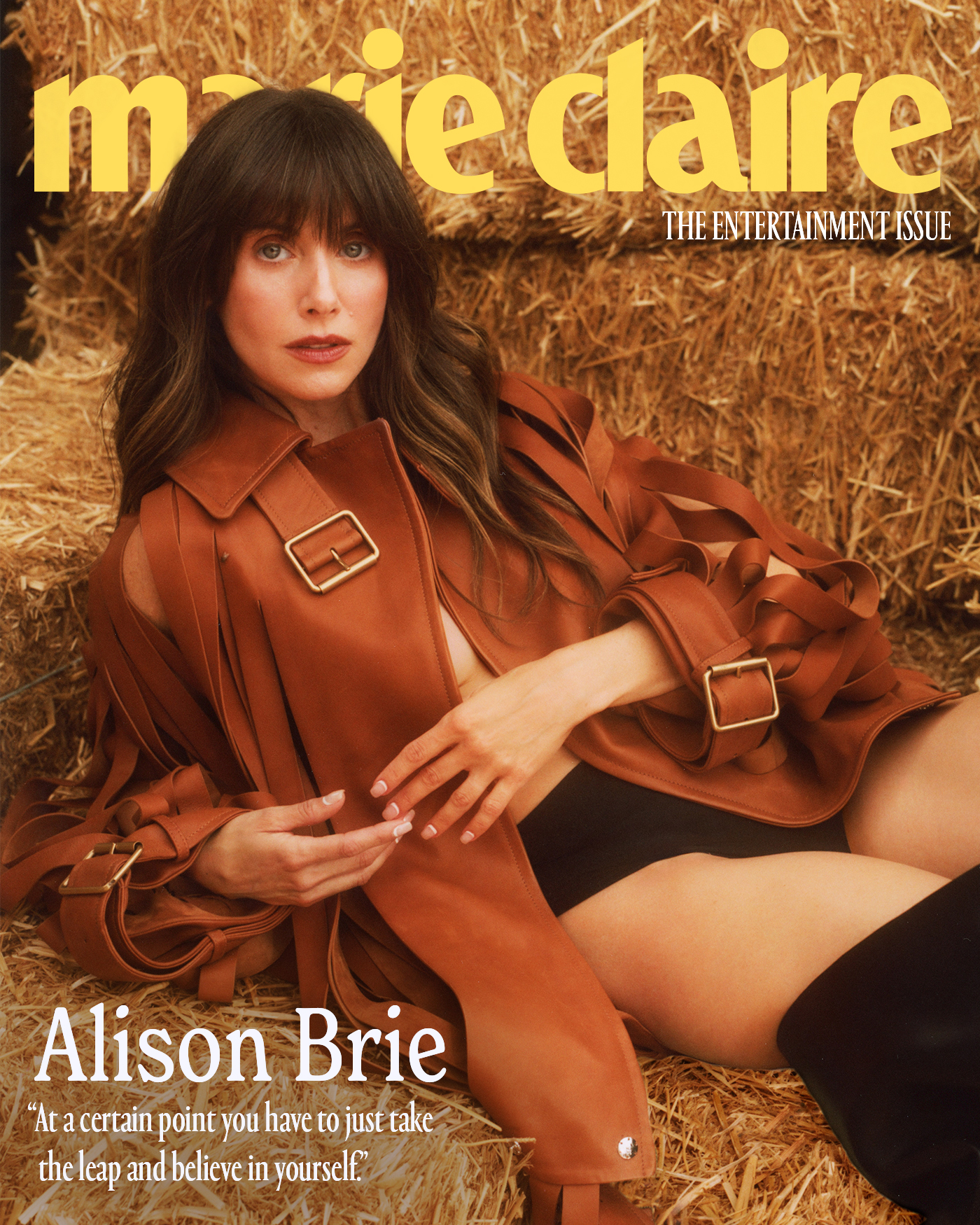
The Alison who knew Highland Park Bowl by another name was a striver. Growing up in ’90s Pasadena, “I was not playing, like, ‘bride’ or ‘mommy,’” she remembers. She was auditioning for local theater productions at the Los Feliz Jewish Community Center. Toto in The Wizard of Oz was her gateway role; from then on out, acting was all she wanted to do. “It was wholesome in that I was not like, I'm gonna be a huge movie star, but I also would practice my Oscar speech in the bathroom,” she says.
According to her teenage logic, she could go from theater to a break in indie films or period pieces: “because those are the kinds of movies where they would cast unknowns.” In reality, she’d be auditioning while working as a party clown until her mid-twenties. Short films and a boisterous Hannah Montana cameo finally culminated in a double-booking on Community and Mad Men, sometimes filming one in the morning and the other in the afternoon. Showing her comedic range on the former and dramatic chops on the latter opened doors where Brie gained more recognition and autonomy with each step—a SAG- and Golden Globe-nominated turn on the canceled-before-its time GLOW, to writing her first feature-length script, 2020’s Horse Girl, to independent films and limited series like Apples Never Fall.
From set to set, she built a reputation blending charisma and no-holds-barred dedication, helping her make friends like GLOW’s Betty Gilpin. “I remember wondering, why do I not feel intimidated by someone this strong and confident and relaxed in such an anxiety-provoking setting, like a set?” she says of their early days working together. “Even though she's young, her hours logged in this business are pretty impressive. But I think that to be around Ali is to be really comfortable. I kind of immediately realized this is a person that I'm going to learn from.”
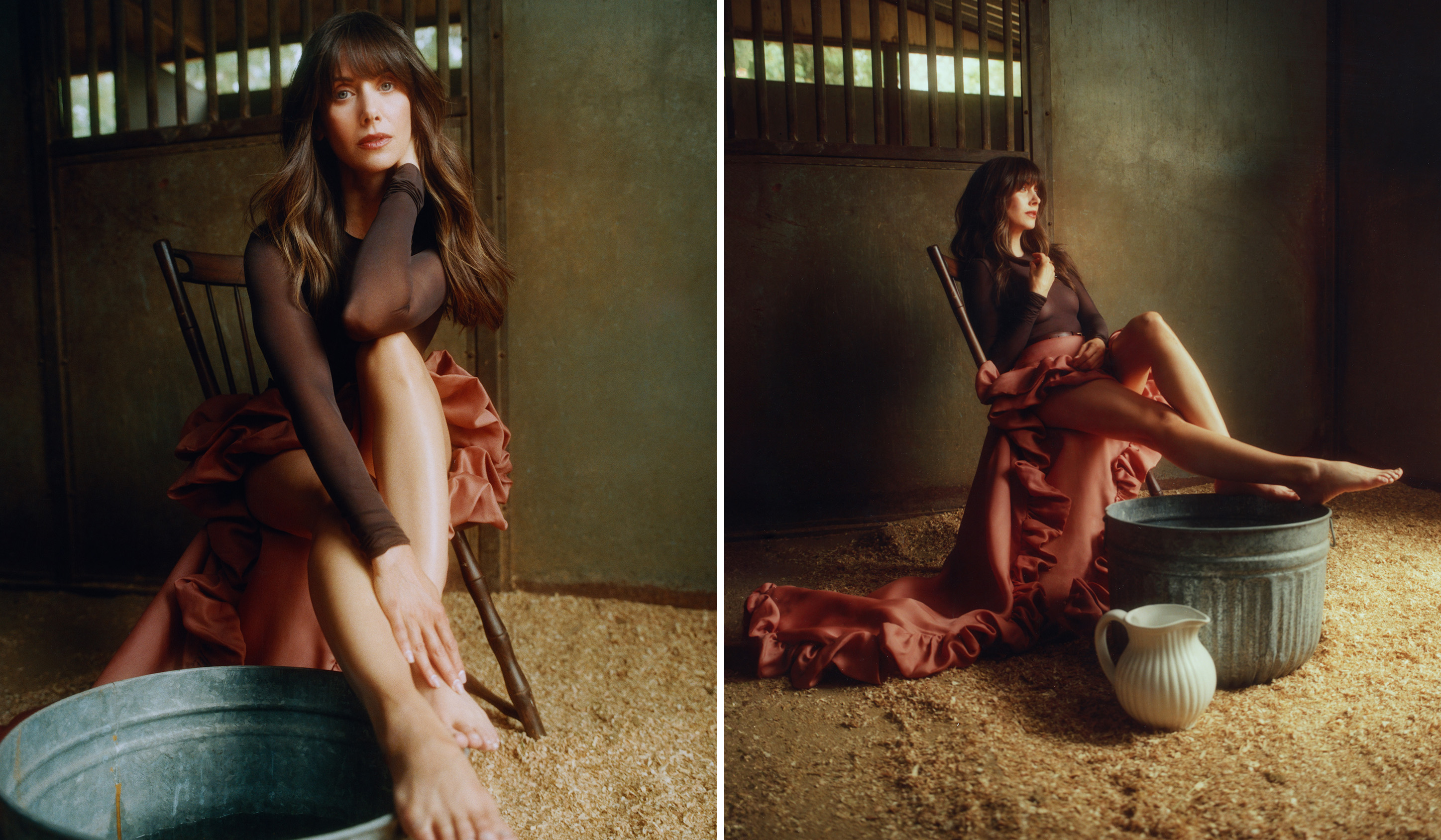
As Brie was working her way up through Hollywood, she was also falling in love with her eventual co-collaborator in life and in work, actor Dave Franco. Their courtship and 2017 marriage went from strictly under wraps to fodder for tabloid relationship timelines and virality-bait videos, like reading each other thirsty tweets and taking couples’ quizzes.
Nothing about their affection is an act. Over a Zoom in late June, Franco tells me—hands clasped over his Hawaiian shirt and a permanent smile for all 27 minutes on the line—that in their 14 years together, every time they’ve been apart, they’ve sent one another a “mini love letter” each night before bed. “It really makes you focus on the other person and let them know in a unique way, every single night, how much they mean to you,” Franco says. He also says that she’s his favorite actress like he’s founder, president, and events director of her official fan club, listing her attributes without a hint of spousal obligation to do so. “She is an incredible dramatic actress. She is so funny. She’s so athletic and can bring that physicality to her roles. There's literally no genre that she can't do,” he says.
The pair didn’t professionally link up until their raunchy 2012 Funny or Die sketch. “I think, actually, early on in our relationship we had no desire to work together,” Brie says, sipping her Coke. “Early in your career, too, you're like, I want to prove myself and make my own name for myself.” But the creative chemistry was undeniable. They’d play a couple for a brief portion of The Disaster Artist in 2017. Franco would direct Brie in a horror for the short-term lease economy, 2020’s The Rental, and then again for the 2023 romantic comedy Somebody I Used to Know.
“We joke about being codependent, but I think we actually are very independent people,” Brie tells me when we hit pause on the bowling and sit down to chat. When they’re working on opposite coasts, or countries, “it's not like,”—here she throws her voice into a mock-yell, “Where's Dave?”
All their mutual public swooning makes their joint turn in Together so bizarrely, jarringly fun. They play Millie and Tim, a genre of couple we all know or have been halves of: They’ve been dating for a decade, but it seems like their shared history is all that’s keeping them together. Their careers are at odds, they know exactly which flaws to bring up in front of company for maximum hurt feelings, and they’re definitely not having sex anymore. When Millie gets a new teaching job, they move from the city to a tiny, secluded town in a bid to hit restart. With no one but each other to lean on and some sinister forces in the woods outside their home, romantic tropes like being totally inseparable and magnetically drawn toward one another are then pushed to their most literal, gasp-inducing interpretations.
Brie says Franco had opened up her appetite for horror, and they’d been looking for a project like Together when director Michael Shanks’s team reached out in 2022. “What's really unique about this movie is that the thing that's trying to get us, is inside of us,” she says. “It was this unique acting challenge to be fighting your own body.” Brie says they were both drawn to how codependency doesn’t just manifest in the script’s horror set pieces. It was also how Millie and Tim would butt heads even in dire circumstances. (If you’ve ever fought with a partner over directions, you might feel personally attacked by an argument over hiking seen in act one.)
The film premiered at Sundance in January to rave reviews and an instant bidding war for distribution rights. Neon acquired its worldwide release for $17 million—the biggest deal out of the festival this year. Shortly after, it faced a copyright infringement lawsuit concerning the story’s originality. According to Brie, in a written statement shared after our interview: "This is a sad reality of the business, unfortunately these types of claims come up all the time. Our screenwriter wrote the first draft of this script in 2019, a year before WME ever received the other script. We have an extensive paper trail, and we look forward to showing the court that these claims are frivolous.”
One thing is for certain: Shanks couldn’t have imagined a better actress to front his project than Brie. Her blend of comedic chops and dedication to the material meant the script sounded more natural— she improvised several lines that made their way into the final cut. She also did as much of her own stunt work as she could manage. When things like a 360-degree body contortion simply weren’t possible, she’d stretch her eyebrows and mouth into macabre expressions for scanning onto the actual contortionist’s body. “The whole time,” Shanks tells me over a Zoom from his office in Melbourne, Australia, “she was throwing herself into so much more of the film than I think would be expected of the lead actors.”
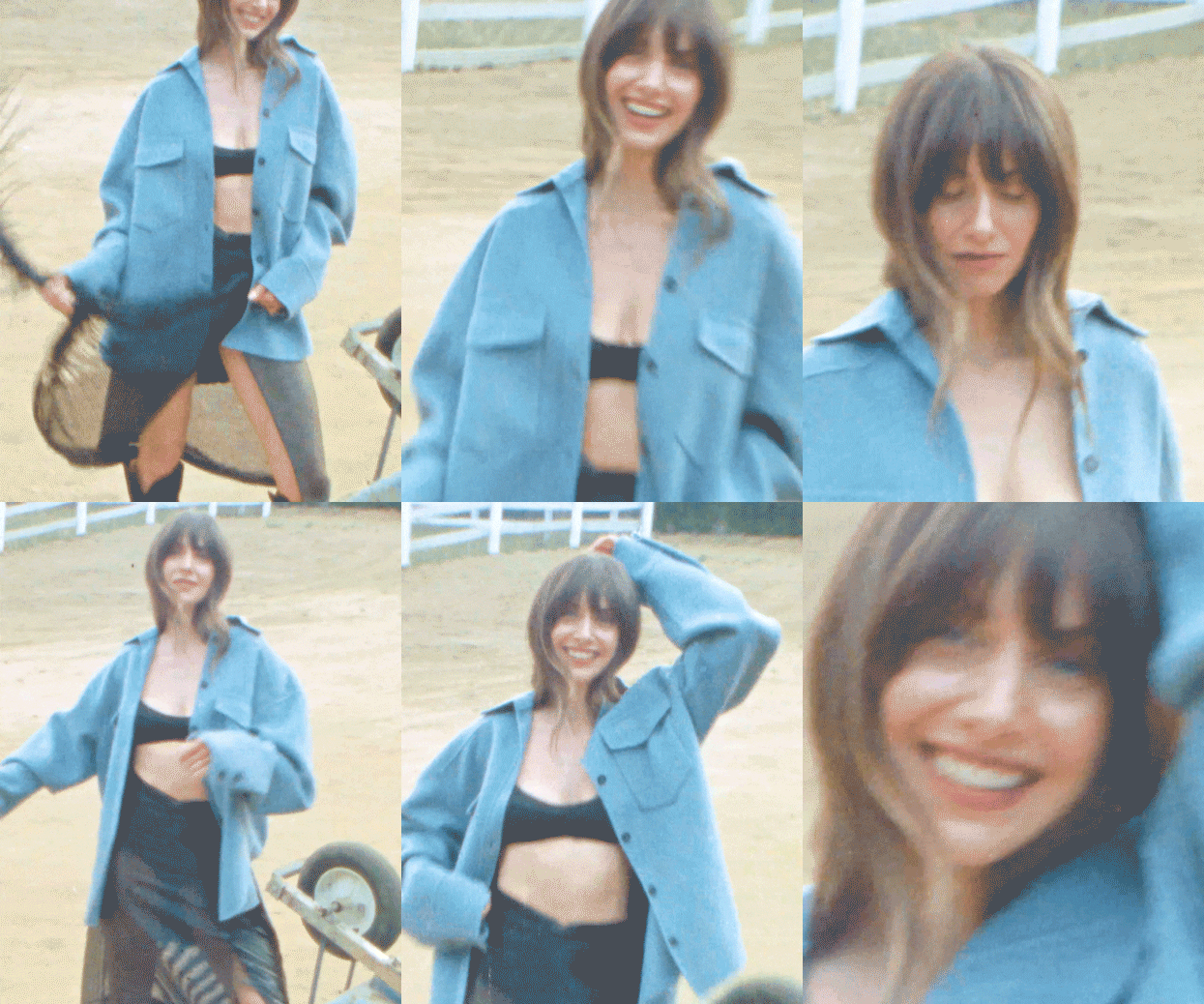
He means “throwing” literally. In one scene, the invisible string tying the couple together yanks on Millie so forcefully, she collides face-first with the glass door to their home office. A stunt double was supposed to handle the crash, but Brie just had to give it a bruise-inducing shot. Her take is what made it into the final cut.
Moments like these earned the project an unofficial title among the cast and crew, according to Shanks: “Torturing Dave and Alison.” Working on their most grossed-out scenes with little room for personal freedom—one day, Franco says, Brie was obligated to straddle him for a leg-numbing twelve hours—only made him more firm in his opinion: his wife is really the best actress. “There's nothing she won't do for the sake of the project to try to make it as great as it could possibly be,” he says.
I ask Brie if spending time inhabiting a couple at odds impacted their dynamic when it was time to wrap. “Dave jokes that the hardest part for this press tour is going to be convincing people that we actually have a good relationship,” Brie laughs. “I think we could not have done this movie if we didn't have a really healthy relationship. That would be its own horror movie.”
Brie ended up having a more positive souvenir from Together’s shoot: a new outlook. The entire film was shot in 21 days, rapid-fire by most studios’ standards. The actress took it as a sign she couldn’t waste a minute doubting herself on set. “Going into this job, I thought, there's no time for that bullshit. You know everything you need to know,” she says. “It was actually really freeing and really fun that I was like, there's no time to overthink anything, so don't. Let it rip, and Dave did the same. That's the mentality I want to have in life now.”

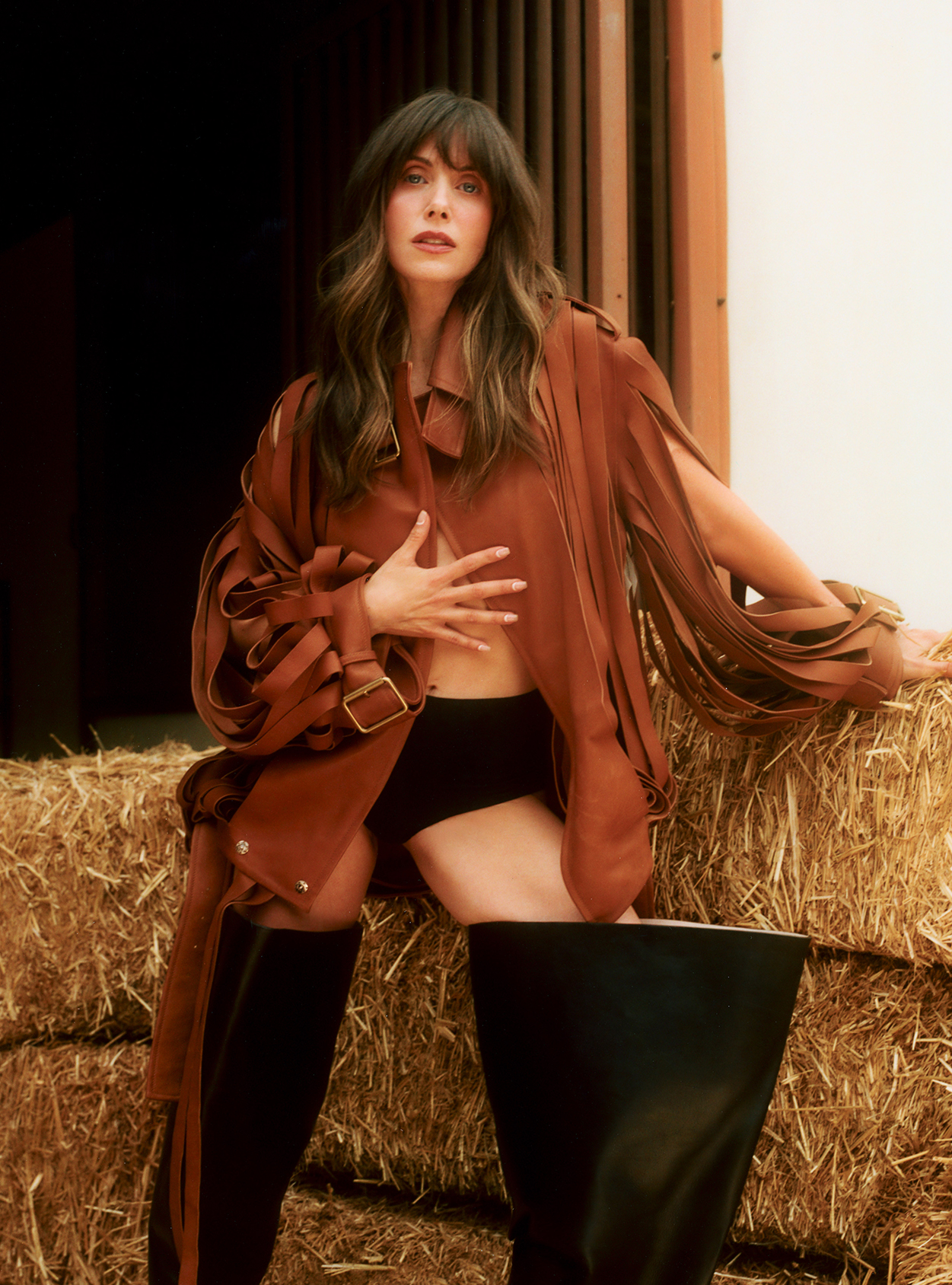
The Brie-Franco household—population: the couple and their two cats, Otis and Max—is currently in a quiet period. “We’re getting to a place of trying to find this nice balance between work and enjoying life together, and getting excited about growing older and getting even more cats together and moving even further into the wilderness,” Franco tells me. “Some people might say it's leaning even further into our codependency.”
But I suspect it would take a total ideas drought for Brie to stop creating—and even that might be a temporary setback. Even in a phase of life she describes as high artistry, lower pressure, she’s finding calls to explore new avenues in unlikely places. Weeks before we meet at Highland Park Bowl, Brie has a short break between Together’s first round of festival premieres and suiting up as the villain Evil-Lyn for Mattel’s Masters of the Universe adaptation shoot in London. She spends it on a stop by New York City, where she’ll cash in one of the most sought-after tickets on Broadway: the Tony-winning play Oh, Mary! where Gilpin is starring for a limited engagement.
Watching her friend inhabit an alt-history Mary Todd Lincoln onstage at the Lyceum Theatre, “I had chills. I was sobbing,” Brie says. Pride in her former costar morphed into inspiration for another “exciting frontier”: theater. I ask if she’s got her sights set on Broadway, should the right script come along. She sits up a little straighter before she answers: “It terrifies me, and it's why I think I should do it.”
To be clear, she doesn’t have concrete plans to go back to her community theater roots yet. She’s tied up with plenty of other film and TV projects as it is. She’ll pull on Annie Edison’s cardigans for a Community reboot film that’s in pre-production. She just signed on to lead Witness Protection, a thriller pilot for FX. She spent two weeks and a half in Kentucky filming The Revisionist, a “talky” indie drama, alongside Dustin Hoffman and Tom Sturridge.

Teaming up onscreen again with her husband isn’t out of the picture, but only when the time is right. “It’s certainly important to me to continue to do work by myself, and it's important to Dave too. I think also when we do work separately, we can bring back anything we learn to the work that we do together.” Brie smiles in the same ear-to-ear, totally smitten way her husband does when he talks about her. “I want to work with Dave for the rest of my life and be in love with him for the rest of my life.”
What about the birds’ eye view of her career? How does she think she’s being perceived? Franco tells me he loves that she’s “universally loved.” She’s a consistent crowd-favorite no matter her project, but I wonder if that reads the same as the industry recognition she earned in her prestige TV era. Brie tells me, “it feels weird to comment on it now, like in the middle of it.” For the first time, she’s addressing the straw of her Coke instead of me. “But also I feel like I've gone through phases of really high highs and low lows and learning who I was, and heartbreak and awkward moments and exciting moments, and now can settle into a lower stakes version of the whole thing.”
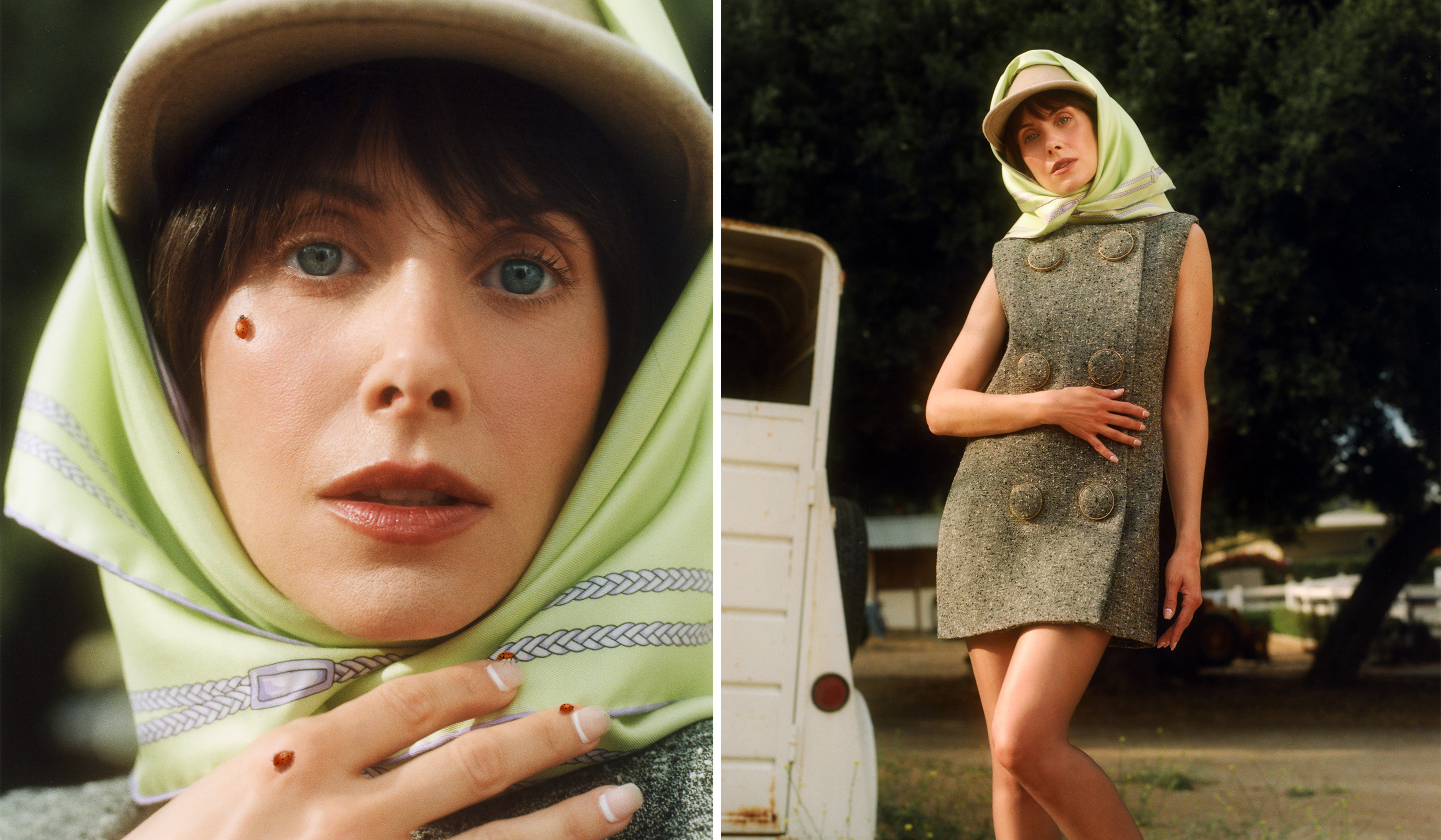
She admits she may have piled on the self-pressure in the earlier years to have a certain type of career—one where she wasn’t just consistently working, but also becoming known. (Gwyneth Paltrow’s 1999 Oscar win was a formative example for teen Alison.) Experience means she can keep dreaming big without worrying who will notice. She says she’s guided more by how it feels to make the movie or the show than whatever the outcome could be. Critical acclaim doesn’t hurt, though: In the lead-up to Together’s release, Brie’s Instagram stories were a near-daily ode to the film’s stellar rating on the review aggregator Rotten Tomatoes.
She’s surprised herself even more by getting involved behind the camera. Writing has become her self-described “secret weapon.” When she produces independent films, she says, she wants to be involved from start to finish from now on. Directing an episode of GLOW morphed into directing an episode of a Disney Plus series. She likens taking the lead of an entire set as a “fear factor” experience. She’d shadowed directors and went to a seminar and read books—but nothing could compare to learning on the job. After she ripped off the proverbial Band-Aid, she says she realized more than she initially thought she knew.
“I think women carry a lot of self-doubt and we have a desire to make everything perfect before we attempt something, or we learn everything we can learn,” she says. “You want to really check the boxes and go, am I prepared for this? And at a certain point you have to just take the leap and believe in yourself.”
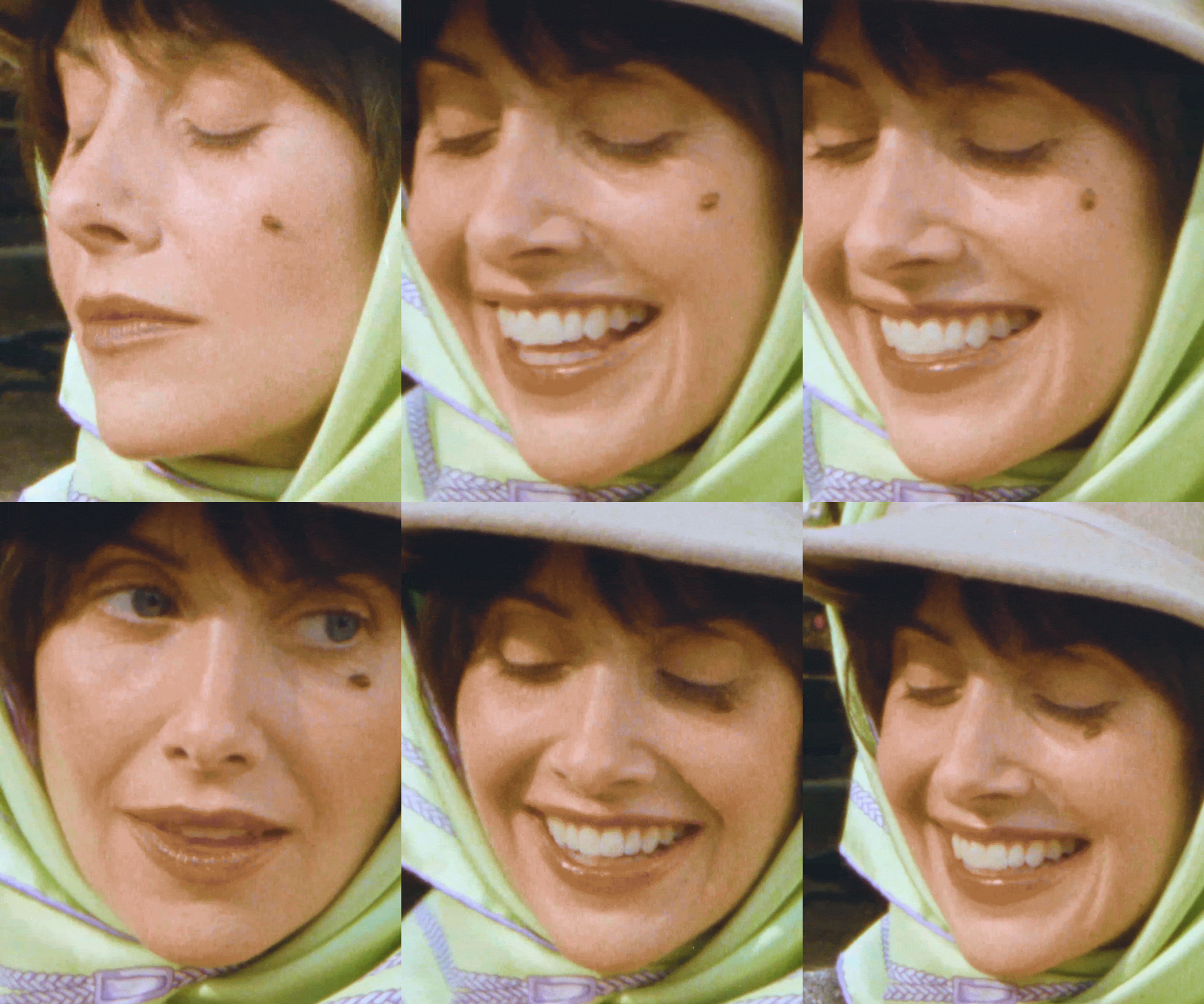
She’d felt ready to jump and hope the net would appear when the COVID pandemic and SAG-AFTRA strikes happened one after the other. They set projects already in production back by months, reshuffled budgets, and pushed Brie’s directing plans temporarily to the side. “It’s taken me five years, basically, to build back up the confidence and desire to want to do that and to find the right thing.”
I waited for Brie to bring up what I suspected would be that right thing. On Together’s Sundance press circuit, she’d sprinkled mentions of working with the “dark bubblegum” writer Alice Stanley Jr. on an upcoming script. Looking around and concluding a random entertainment reporter isn’t embedded in the bowling parties around us, she decides now is the time to make an addendum: She plans on directing the feature-length film, too. “While we were writing it,” she says, “I felt like I was writing it to direct it. I could see every shot in my head.”
As far as I can tell, we’re not at risk of getting scooped, so I press for more. All she’s ready to reveal, in a slightly lower voice, is that she’s still playing in the horror-comedy sandbox, albeit with a “female-forward, very fun energy.” After Together’s trial by entanglement, she recognizes diving head-first into creating her own horror story is a sign of character development. She used to be scared to watch them; now she’s writing one.
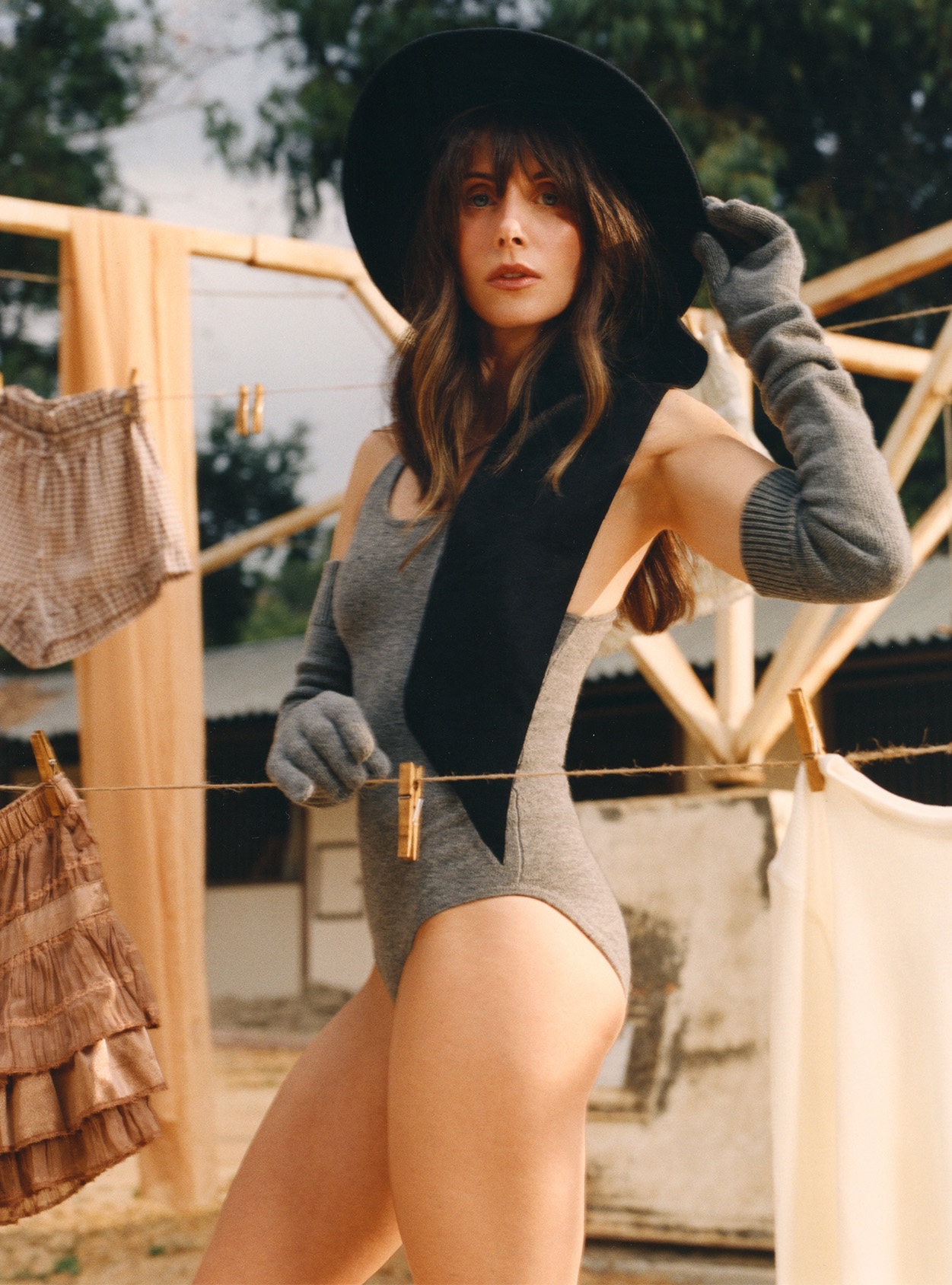
Brie isn’t chasing horror because it’s the fastest-growing film category, and she’s not directing her own because women like The Substance’s Coralie Fargeat are attracting awards-season nods. Earning the sort of pop culture credit bestowed upon actresses with long careers and an atmosphere of underappreciation hovering around them isn’t part of her calculus. “The way I choose roles and things like that, it’s very seldom about the industry’s perception or even the arc of my career,” she says. She’s proud of being a genre generalist and trying several jobs on the call sheet. “The older I get, the more I realize that the heart of everything is just trusting yourself. I’m running at the things that excite me.”
A flashing-all caps alert on our scoreboard tells us we have FOUR MINUTES LEFT. We laugh at the lane’s demand to get back on task, but we agree: Her date with Dave can wait if needed; we’ll keep playing until there’s a winner. I’m not surprised when our momentary tie is broken by Brie’s final turn, where she knocks down eight pins like she knows it’s the best ending for my story. She is a writer, after all.
Photographer: Jonny Marlow | Stylist: Sue Choi | Hair Stylist: Clariss Rubenstein | Makeup Artist: Molly Greenwald | Manicurist: Stephanie Stone | Set Design: Isaac Aaron | DP: Sam Miron Creative Director: Alexa Wiley | Entertainment Director: Neha Prakash | Producer: Lindsay Ferro | Video Producer: Kellie Scott
That's where my hybrid approach comes in: a classic razor and shaving when I need it, some longer-term methods, like laser and wax, when I can plan ahead, and a few key body skincare steps that keep everything calm and soft in between—because nothing is worse in the summer than ingrowns and razor bumps. And when the time comes and my friends text me to have an impromptu beach day, I'm slippery-soft and ready to go. Here's the routine I use to stay smooth and hair-free throughout summer.
Prep Is Key
I'll be honest, I used to think exfoliating before hair removal was unnecessary because shaving itself was already exfoliation in the first place, right? Boy, was I wrong. I learned that the more consistently I scrubbed my body during the week, the quicker and closer my shave could be.
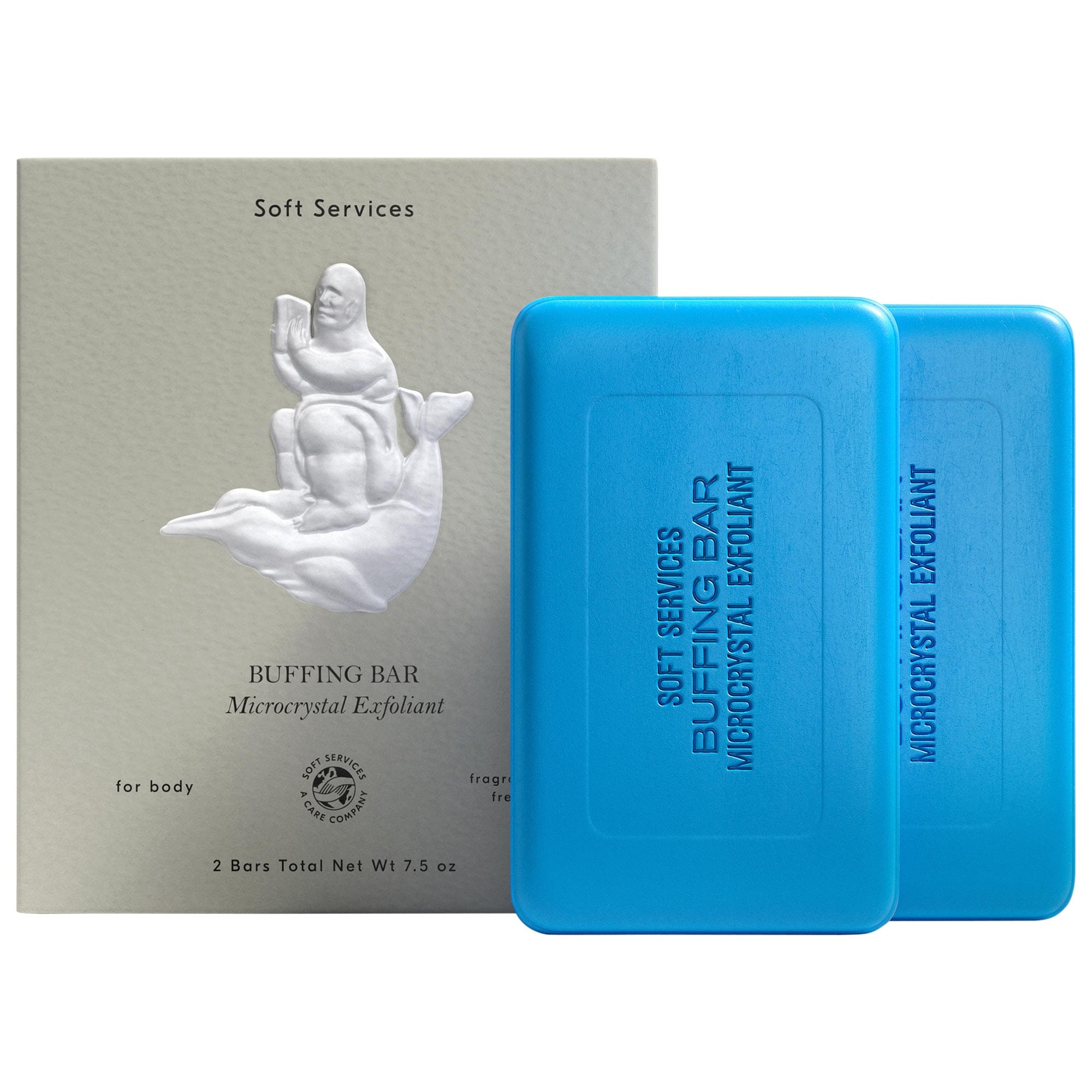
Bar soap is one of those renaissance-coded beauty trends that have made a resurgence across the beauty industry and in my personal routine. This one has two superfine crystals to remove dead skin buildup gently, and it also works great for my keratosis pilaris.
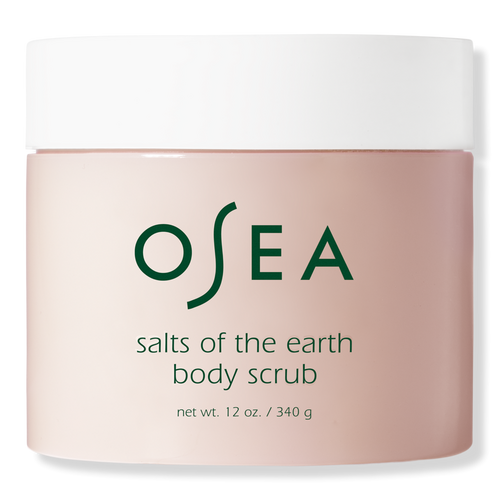
During my everything shower, I reach for this luxurious body scrub. It's filled with ocean-derived ingredients that also contain a slew of ultra-moisturizing butters.
Sharper the Better
Once I discovered how much better my shaving experience could be with a high-quality razor, I quickly made the switch (and threw out the others in the process). It's also key to change your razor head after about five to seven shaves to avoid a dull blade and irritation.
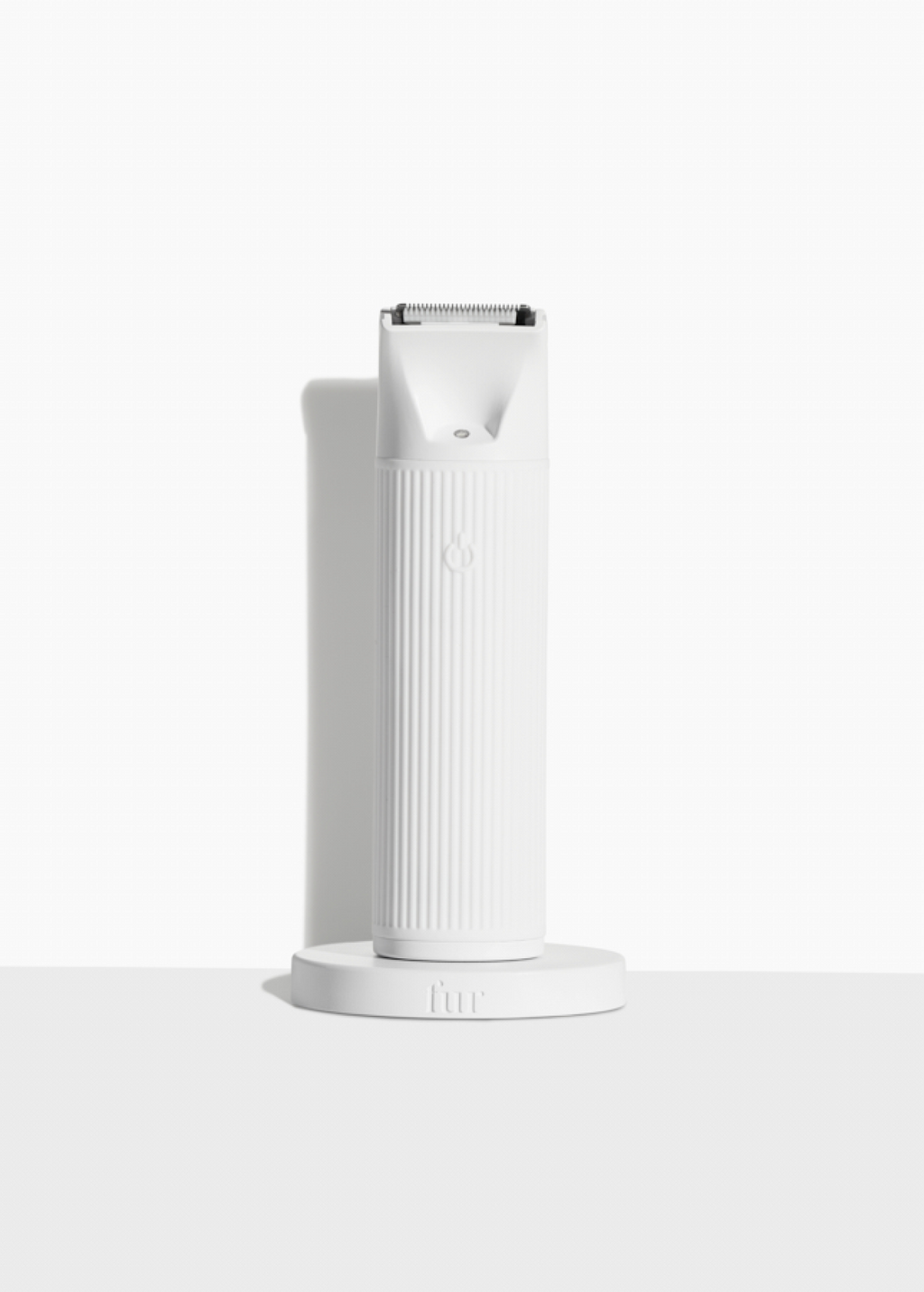
I'm obsessed with this two-in-one electric shaver from Fur that includes three adjustable guards to trim and a razor for a bare shave. It's also shower-friendly and rust-resistant, and has an LED light for easy-to-see illumination.
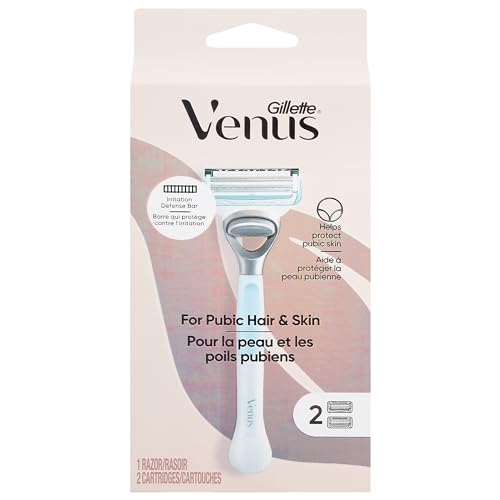
I always keep an extra razor for my pubic area, and this budget-friendly option is my favorite this summer. The small, slim head makes it great for easy-to-reach spots.
Glide, Baby, Glide
The shaving cream category has seriously expanded, and now, the formulations go beyond just your classic whipped foam. The more moisturizing and silky the formula, the better in my book.
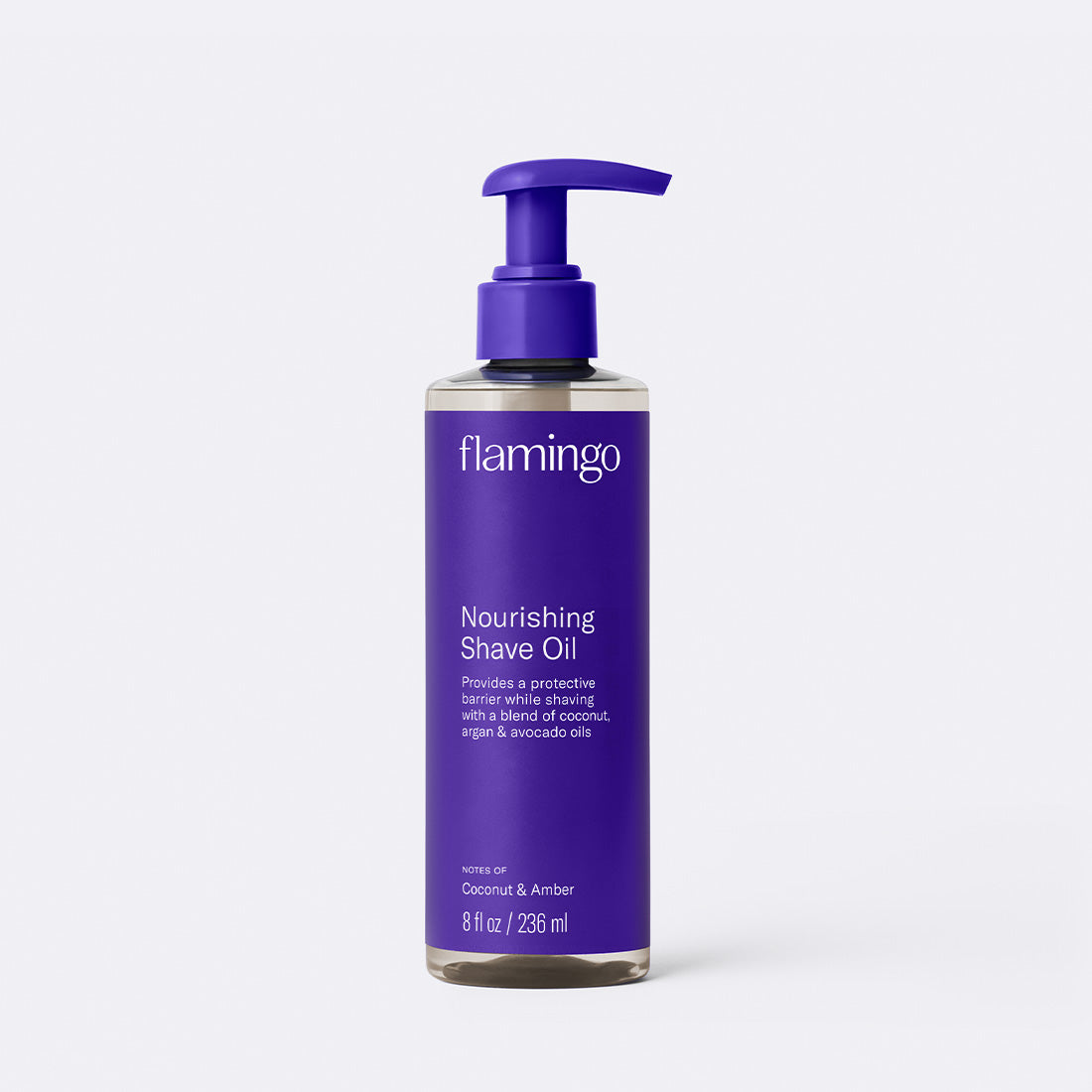
My favorite formulation of shaving cream is in oil form because I find it has the silkiest texture and leaves my skin feeling the most moisturized. This one from Flamingo helps my razor glide smoothly over my skin and leaves a beautiful shine when I step out of the shower.
This foam has more of a whipped texture than your classic old-school formulations. It's a fun sensorial experience in the shower, and I love how the fragrance-free, gentle ingredient profile works great on days when my skin is irritated—whether that's from the sun or a sticky summer day.
Post-Shave Protocol
Just like the pre-shave prep, post-shave maintenance is crucial for preventing ingrowns and razor burn from developing over the week. Many products on the market contain active ingredients that help heal and address dark spots or irritation caused by hair removal.
While this body oil can be applied anywhere on the body, I particularly love it on my bikini line. Even though it's an oil-based formula, it's ultra-lightweight and contains soothing ingredients that help relieve post-shaved skin.
If I skip moisturizer after shaving, my skin gets drier than normal. But sometimes, life gets busy, and I need a quick fix. That's why I love this simple spray that mists on and dries in seconds.
Remove It & Forget It
I'm Italian, and with those genes comes dark, thick hair. So while I will always need to shave at least a little throughout my life, I sometimes use more permanent solutions during the year to make things a bit easier.
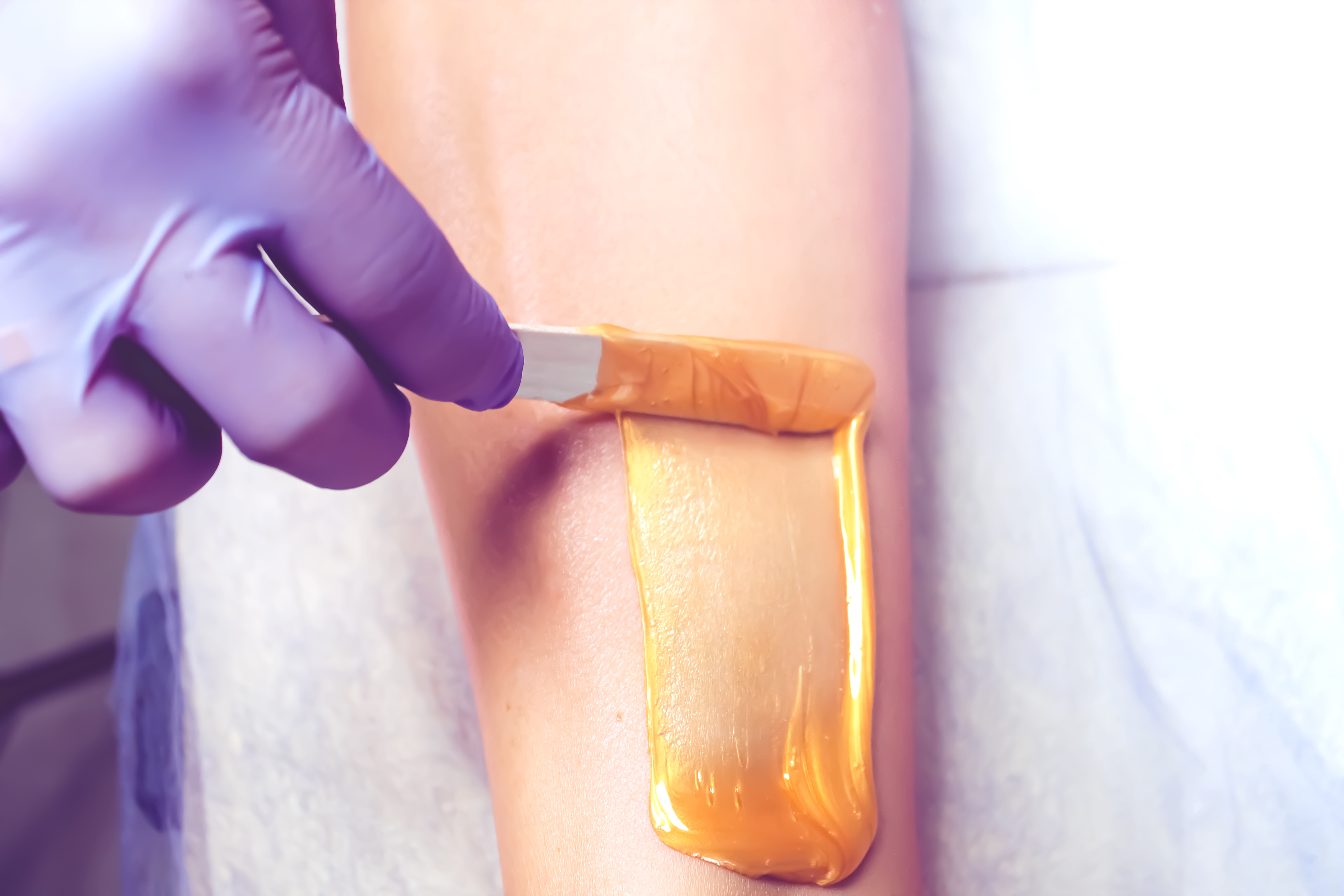
European Wax Center is my go-to for all my waxing needs. With my app, I can usually book the same day, and the best part? The first wax is free.
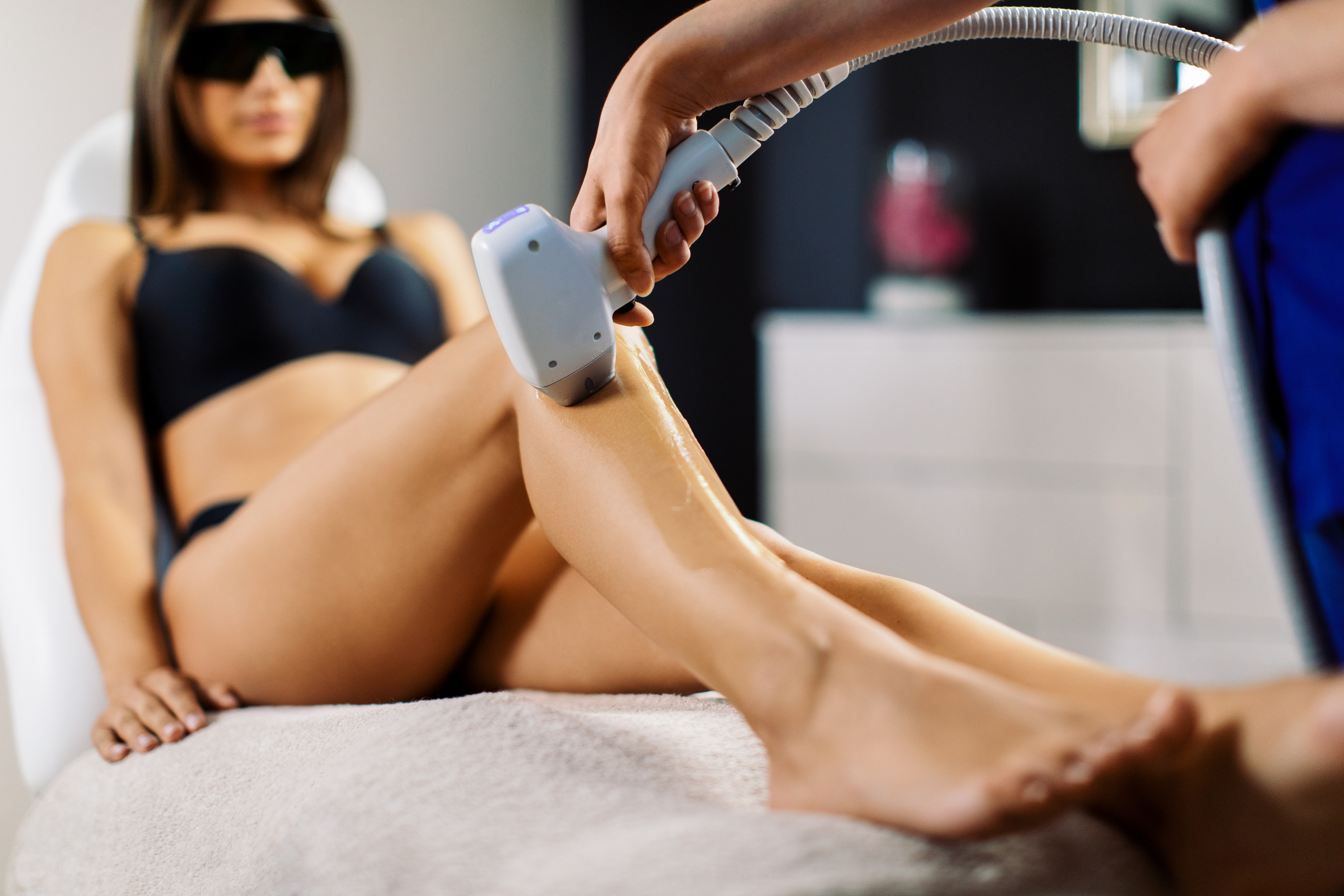
In New York City, I am always looking for top-quality laser spas. Romeo & Juliette is fantastic, and they offer a wide range of professional lasers that have worked wonders on thinning my thick hair. Now, I can go a week without shaving instead of every day.
Why Trust Marie Claire
For more than 30 years, Marie Claire has been an internationally recognized destination for news, fashion, and beauty trends, investigative packages, and more. When it comes to the products Marie Claire recommends, we take your faith in us seriously. Every product that we feature comes personally recommended by a Marie Claire writer or editor, or by an expert we’ve spoken to firsthand.
]]>Still, adult acne and oily skin have followed me through the years, so I’ve been forced to continue trialing different makeup techniques to give me the glass skin of my dreams. I will admit that it’s a process I spent years mastering, and adding just one product to my routine finally made the difference. Say hello to the Hourglass Ambient Lighting powders.
While these are not a new product by any means, they are considered a cult classic. The reason? The finishing powders (this is important) are a perfect last step to add a hint of radiance to the skin, simultaneously blurring any imperfections in the process. It’s the ideal product to control oil without sacrificing my love for a radiant look or highlighting flaws. I’m not quite sure how they managed to create a product like this (editor’s note: actually, yes, I do, it’s because of the brand’s proprietary photoluminescent technology), but I honestly can’t stop talking about this powder to anyone who will listen.
Have you been hesitant about trying this line? Keep reading, and I’m sure you’ll be hitting check-out on Sephora by the time you finish.
The Formula
This is a baked powder that feels as light as air on the skin. The radiance comes from what the brand describes as its photo-luminescent technology. The powders contain Synthetic Fluorphlogopite, which is essentially synthetic mica — a cruelty-free shimmer used in cosmetics. The luminescence from the powder is likely due to the combination of natural and synthetic micas, dyed in the color-correcting shades available in the palettes. This formula also includes diamond powder, praised for its luminescent qualities.
The powder is available in eight shades suitable for a range of skin tones, and they can all be used on multiple areas of the face as an overall finishing powder, brightening under-eye powders, and even as bronzer and blush for some skin tones.
The Application
I usually apply the shades Radiant or Eternal Light as my overall finishing powders with a large, fluffy brush after applying my full face of makeup. For a slightly brighter under-eye, I love the shade Soft Light, which is found in volume two of the Ambient Lighting trios, applied with a more tapered brush. Finally, I’ve used Transcendent Light as a bronzer, and it gives a matte but not flat finish to the high points of my face. Very fair skin tones can even use Mood Light as a blush.
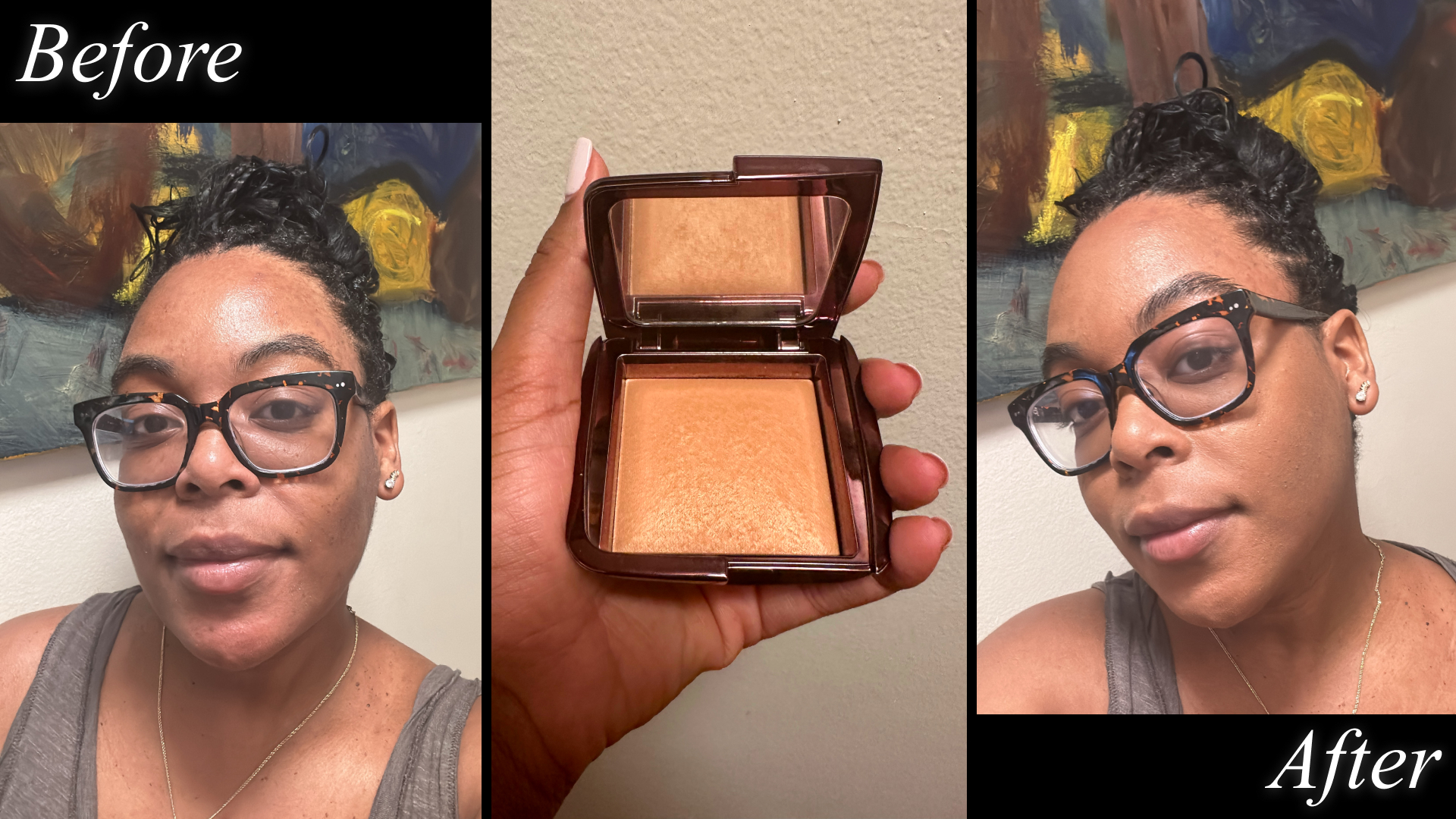
The Wear Time
With a proper priming routine that truly keeps excess oil at bay, I can get a full six to eight hours of wear out of these powders. When used as under-eye brightening powders, I notice that they tend to fade around hour four, but a quick touch-up can fix that in seconds.
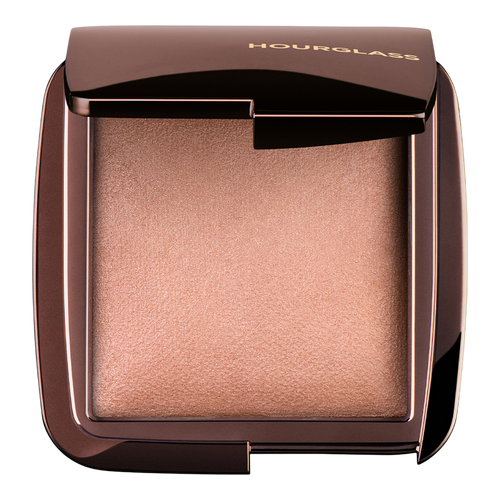
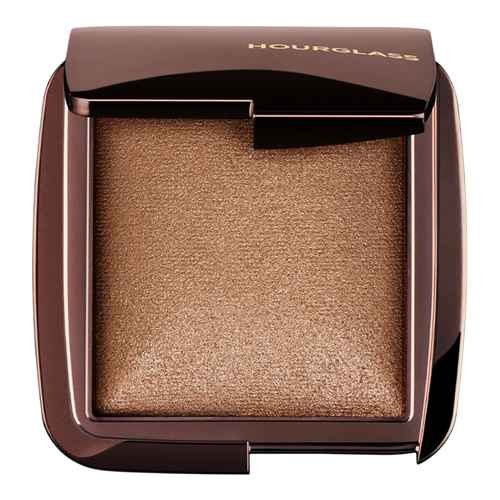
The Takeaway
In short, I need to emphasize that this product cannot be duped. The powders help to mattify my oily skin while leaving me with that delicious, editorial glow that I love so much. They’re a pricier item, sure, but they last forever. (I’ve had my original palette since 2017, and I still haven’t hit pan.)
The brand also releases six-pan versions of their palettes every holiday season, often including a mix of finishing powders, highlighters, bronzers, and blushes, making them a great way to save a little money while trying out multiple shades.
Keep reading for a few more of my holy grail products from Hourglass Cosmetics.
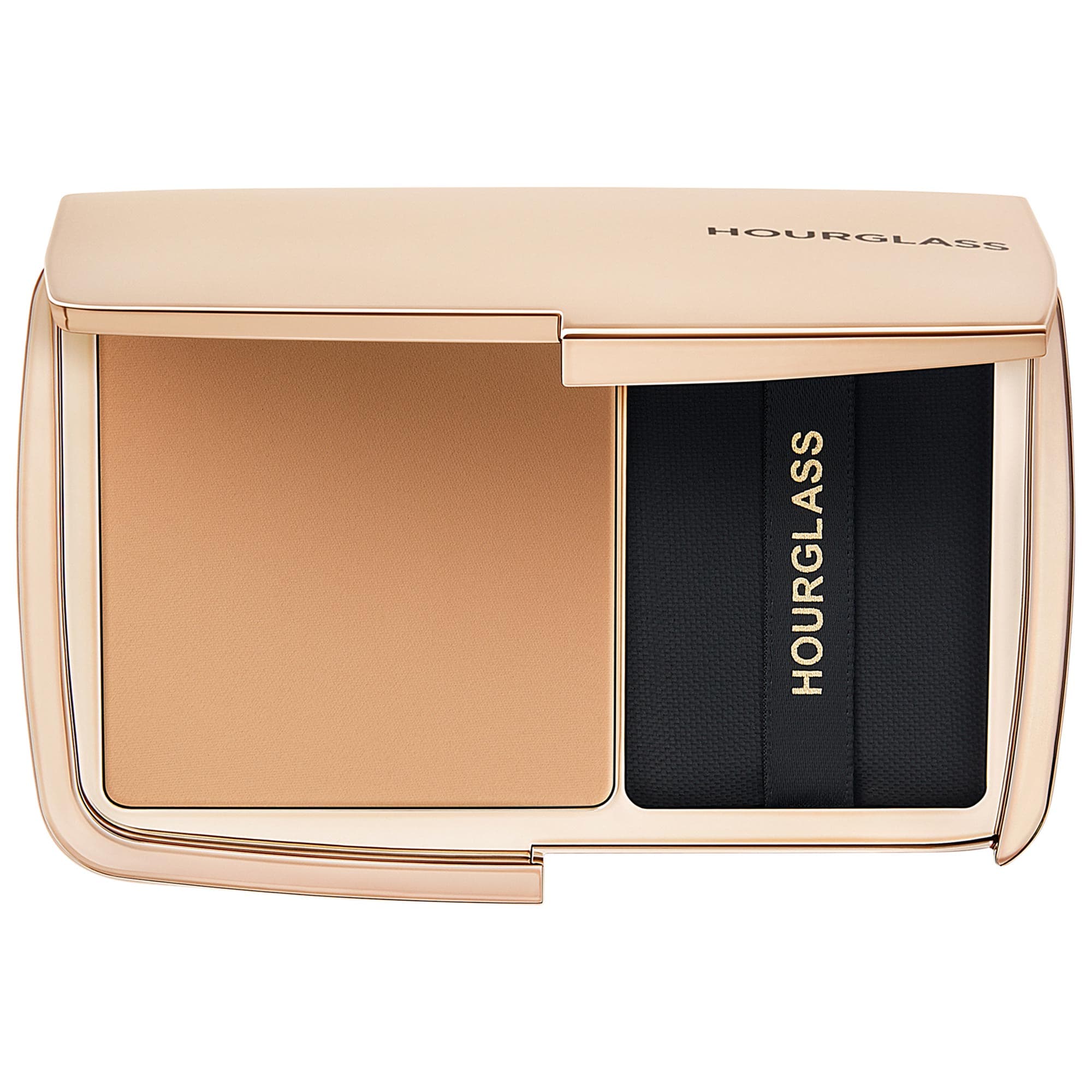
This is my go-to powder for setting my concealer.
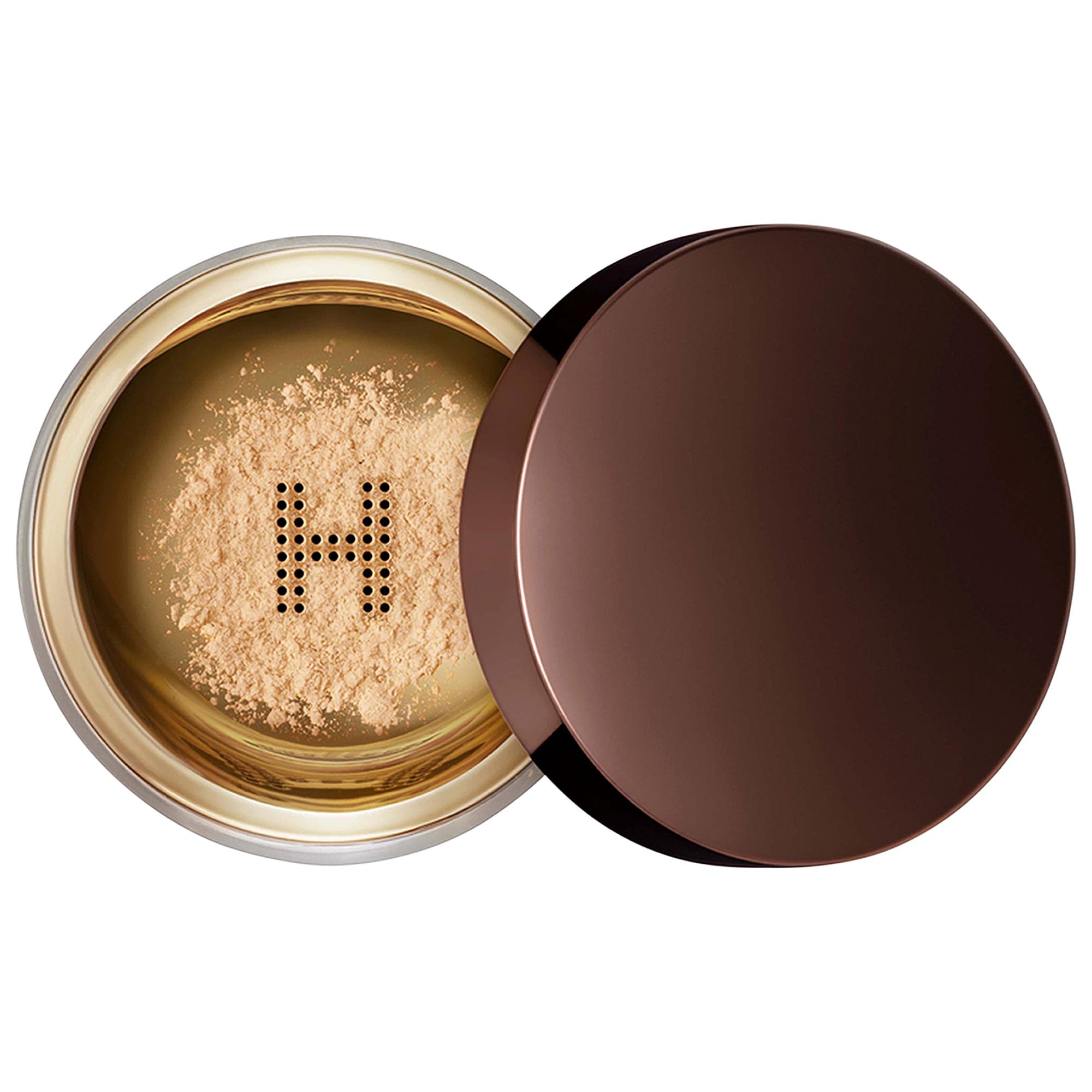
When I want a little more brightness without looking too cakey under my eyes, I reach for this.
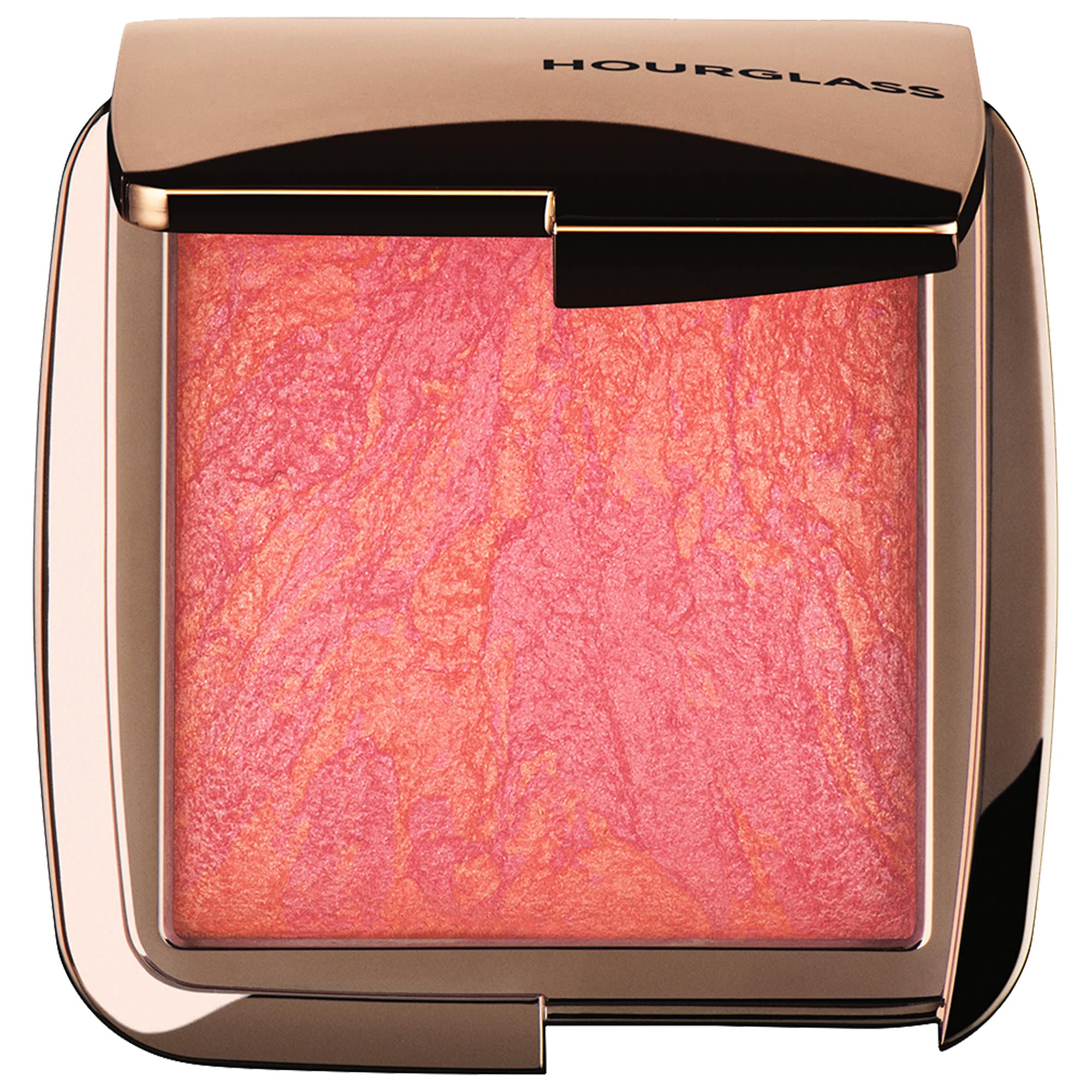
Add this color on top of any matte powder blush and thank me later.
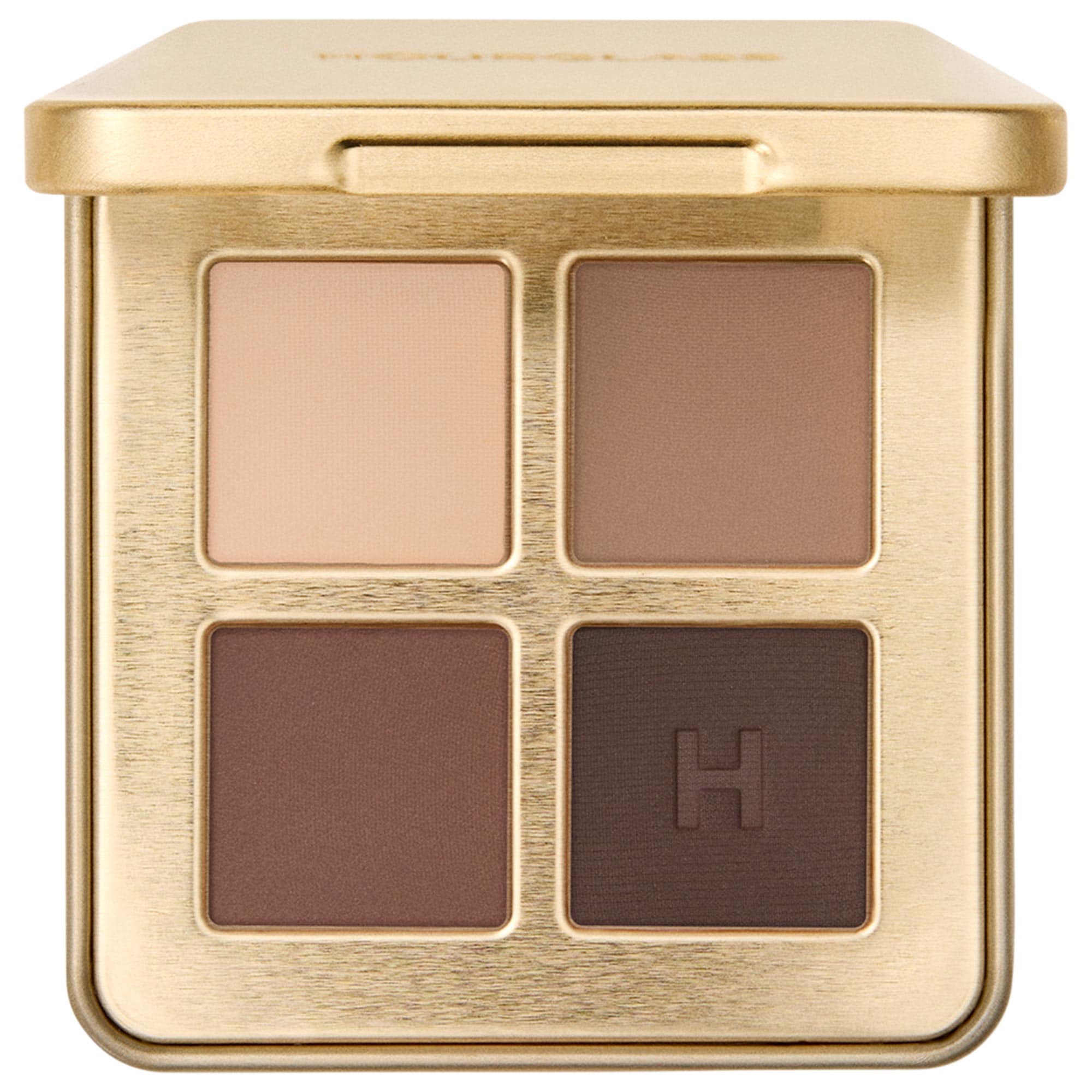
I can't stop raving about these eyeshadow palettes. See my full review here.
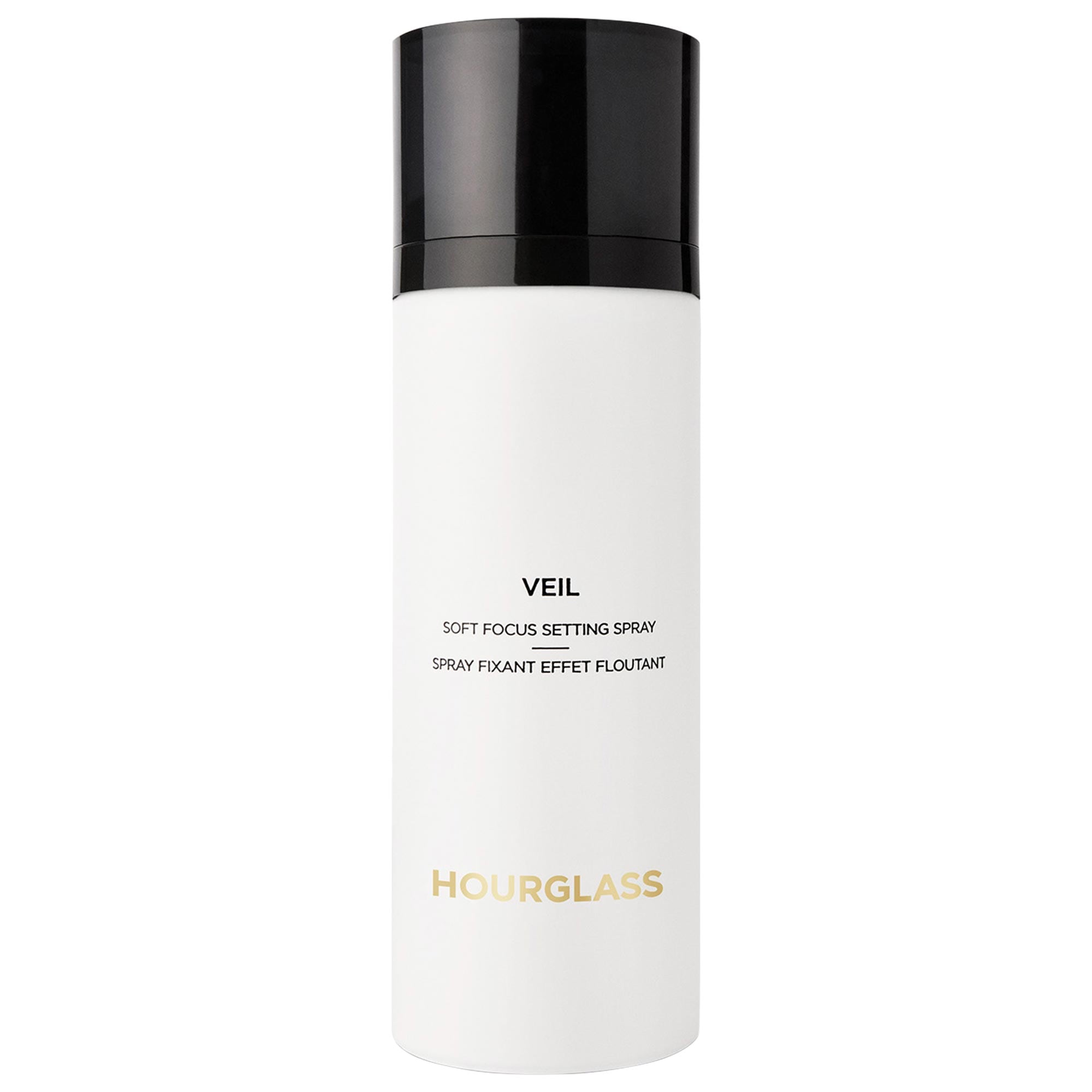
Keep this setting spray in your fridge to enjoy a cool mist that soothes your face while simultaneously setting your makeup.
Why Trust Marie Claire?
For more than 30 years, Marie Claire has been an internationally recognized destination for news, fashion and beauty trends, investigative packages, and more. When it comes to the products Marie Claire recommends, we take your faith in us seriously. Every product that we feature comes personally recommended by a Marie Claire writer or editor, or by an expert we’ve spoken to firsthand.
]]>The EEOC claimed she was terminated for “unprofessional” conduct, citing internal messages she sent criticizing leadership, including Acting Chair Andrea Lucas, and warning of a growing “hostile environment” for LGBTQIA+ complainants. But Ortiz, who is now pursuing legal claims of whistleblower retaliation and discrimination, says the real reason is clear: she refused to stay silent. (The EEOC declined to comment, citing its policy not to discuss personnel matters.)
This week, civil rights groups sued the EEOC, accusing it of abandoning protections for transgender workers, and adding new urgency to the fight Ortiz had been waging from the inside. Now, Ortiz is speaking publicly about what it cost her to take that stand—and why she’d do it again.
This interview has been edited and condensed for clarity and length.
What led you to send the email urging your colleagues to resist the EEOC’s new directive on trans discrimination cases?
I’d just come back from visiting my mom and was still feeling raw. Mid-flight, I checked my email and saw yet another directive telling us to deprioritize trans discrimination cases. And I thought, this is bullshit. I typed out a message to my district colleagues—measured, legal, but clear: This isn’t normal. By the time I landed, the email had vanished from my outbox. Someone had deleted it. That’s when I realized, they weren’t just ignoring the law. They were actively silencing dissent.
That Monday, I walked into the office and sent a second email—this time to Acting Chair Andrea Lucas and copied over 1,000 colleagues. The subject line was “A Spoon is Better than a Fork.” I questioned her fitness to lead, let alone practice law. It said, essentially: I will not compromise my ethics. I knew the risks. But I couldn’t stay silent.
What has been the hardest part of that decision?
The silence. Not from the public, but from inside the EEOC. From colleagues I thought would stand up with me. This is civil rights work. If you can’t speak up when people are being harmed, what are you even doing here? It’s not enough to say you believe in justice. You have to act on it. And yet, the silence has been deafening. However, the trans and queer communities have checked in on me regularly. They don’t owe me anything, and still they reach out. I’ll be in a low moment, and I’ll get a message from someone just saying, ‘We see you.’ That lifts me. It reminds me that this is about more than me. It’s about all of us.
I will not compromise my ethics. I knew the risks. But I couldn’t stay silent.
What were you told when you were fired, and what grounds did the agency give for your termination?
The first thing that went through my mind was, they know not what they do, and that management is absolutely spineless. The agency accused me of “conduct unbecoming a federal employee” for calling out illegal behavior by Andrea Lucas, and claimed I couldn’t be “rehabilitated.”
You’re now challenging your termination through the legal process. Can you share what legal claims you're bringing and what outcome you're hoping for?
I have two active cases: a whistleblower claim before the Merit Systems Protection Board, and an EEO complaint for discrimination and retaliation, which is still under investigation. If either isn’t resolved internally, my legal team—Incendii Law, a fierce, female-led firm—is prepared to take the fight to federal court.
Ultimately, I want to force real change in the agency’s leadership, which has been compromised by Andrea Lucas and this lawless administration. I’d like a public apology from the EEOC for the harm done to trans and nonbinary communities—and to me. I believe I can still help repair the damage, whether by returning as a judge or serving as a Commissioner. These cases take time, but I’m a former marathon runner. I have stamina.
These cases take time—but I’m a former marathon runner. I have stamina.
Why did you decide to take legal action rather than walk away quietly?
I may be an introvert, but I don’t stay quiet when I see harm being done. Legal action forces the agency—and the government—to face what I’m exposing. This isn’t just about me. It’s about refusing to let them walk away quietly while attacking the rights of trans and nonbinary people. I’m just the vehicle pushing this into the headlines, and hopefully into people’s hearts. By taking this public, I’m saying—loudly and on the record—that trans and nonbinary people deserve the same rights and dignity as everyone else.
Did you ever imagine that speaking out against the EEOC’s new directive would put you in the national spotlight?
Not at all. I wasn’t grandstanding, I was just saying, “This isn’t legal.” But in some ways, I’ve been training for this my whole life. In high school, some boys toilet-papered our yard and spelled “FAT NYMPHO” in front of our house—to shame me for my body, my race, and for having sex. I didn’t call the police. I went to each of their homes and told their mothers what happened. That taught me early: People count on your silence. When you take that away, they panic.
I grew up as one of the few minorities in Garden City, Long Island. Even when I was liked, it felt conditional. I was still “Other.” Later, at Columbia, I could finally breathe. I stopped shrinking to fit. I’ve been unlearning and unpeeling ever since.
They count on your silence. When you take that away, they panic.
You’ve been through profound loss in the past few years. How has that reshaped your sense of identity?
I’m 53 now, and the layers keep falling away. My marriage ended. I lost my stepdad to brain cancer. My mother’s dementia advanced. Every one of those losses stripped something away, and what was left underneath was this steady, unwavering sense of self. I’m not afraid anymore—not of what people think, not of losing a title or a job. I’m just not. And that freedom? It’s everything.
You were fired for resisting what you saw as an unlawful directive. And yet you still speak about compassion for everyone involved. Why is that important to you?
When I say I care about people—even those who are harming others—I mean it. I can want consequences for them and still hold space for their humanity. That’s not weakness. That’s clarity. That’s strength. I don’t want to be the kind of person who loses compassion in the fight for justice. The point is to stay human. I don’t regret a thing. Not a single word. I know what I’m doing. And I know why. It’s not about ego. It’s about alignment. I’d rather live on cornflakes and community than keep a job that costs me my soul.
If they’re really your values, it shouldn’t be hard to stay true to them. Values aren’t meant to be convenient—they’re the truth of your soul.
What would you say to other federal workers who feel like they’re being asked to compromise their values?
If they’re really your values, it shouldn’t be hard to stay true to them. Values aren’t meant to be convenient—they’re the truth of your soul. That truth is your North Star. Let it guide you, and you’ll never be lost. And don’t mistake clout for character. Just because you don’t have a management title doesn’t mean you can’t speak truth to power.
So what comes next, short term and long term for you?
Now that I have more time, I’ve been doing volunteer work in my community—I walk dogs through an organization called PAWS. I’m also working on a site called Feds Against Fascism to connect with other public servants who feel like the system has lost its way. And yes, my legal team is preparing to sue the EEOC. That’s the next immediate step.
Long term? I’m seriously considering running for office, specifically the Senate. I have the experience, the heart and soul of a public servant, and the audacity to throw my hat in the ring.
]]>The eight-episode series, adapted from Esi Edugyan’s acclaimed 2018 novel of the same name, concurrently follows Wash’s life as an adult and the start of his journey, when the then-11-year-old (played by Eddie Karanja) was taken under the wing of wealthy abolitionist inventor Christopher “Titch” Wilde (Tom Ellis). If the book-to-screen adaptation followed the same linear timeline as the novel, a majority of Wash’s story would be spent on his relationship with Titch, and the series would primarily be a subversive examination of the "white savior” trope. That would be a fine show, but I would've been left frustrated. Instead, Washington Black makes several elevated changes to establish Wash as the active protagonist of his own story, rather than a man who is reactive to his place in a society built by white men.

Let me be clear: In the Black Twitter debate over depictions of suffering in film, I am not a hardline “no more slave movies” girl. I recognize that, at a time when history is literally being removed from the public record, nuanced movies about the horrors of the past are necessary to connect those horrors with the present and warn against history repeating itself. But unfortunately, shows like Roots and The Underground Railroad are outliers. Most of the period pieces made about Black people are often either traumatizing torture porn, flimsy racial utopias with color-blind casting, or more focused on the white character’s absolution than the Black character’s development. We already have enough shows about the Titchs of the world, and thankfully, the Washington Black miniseries isn’t another one.
Instead, show creator Selwyn Seyfu Hinds gives Wash and the other Black characters more agency and freedom to exist outside of white influence. Wash’s time in Nova Scotia is just one of the book’s four parts, and Wash lives an empty existence until he meets another benefactor in the form of Tanna and her white father (played by Rupert Graves). In the show, however, Wash is passionately swept up in his work before he meets Tanna. He has also found the protector that Titch could never have truly been in Medwin Harris, a minor role from the book that was expanded, with Paradise star Sterling K. Brown pulling double-duty as both actor and executive producer. Later on, Wash’s confrontation with Willard, the slave catcher who has been hunting him for half a decade, is not meant to be the grand finale; it happens in episode 6, with ample time for Wash to move forward without any harbinger of slavery hanging over his head.

The final episode of Washington Black expands the story into a new frontier that I hope to see more of in Hollywood—one where Black period pieces can fully go from harmful to healing. It begins by following the path the book laid; Wash discovers that Titch is still alive and goes to Morocco to confront him, realizing that the white man cannot get past his own childhood trauma. (Hurt people hurt people, antebellum edition.) The book ends ambiguously, only hinting at a future for Wash and Tanna, but the show follows their next adventures. Wash finally builds his flying machine and sails it to his ancestral homeland, Dahomey. There, he’s welcomed by his mother’s former community and learns that before she was enslaved, she was one of the king’s prized female warriors.
Being back home, Wash is also able to reconnect with his mother in a dream. The two communicate, and she explains that she never told him that she was his birth mother because it was better that he didn’t know the truth of his parentage, when they could be ripped apart at any moment. In that moment, Washington Black produced something I’ve never seen before: an exploration of an enslaved woman’s life that not only decentered her captivity but also honored the heartbreaking sacrifice she made rather than lingering on the horrors inflicted upon her.
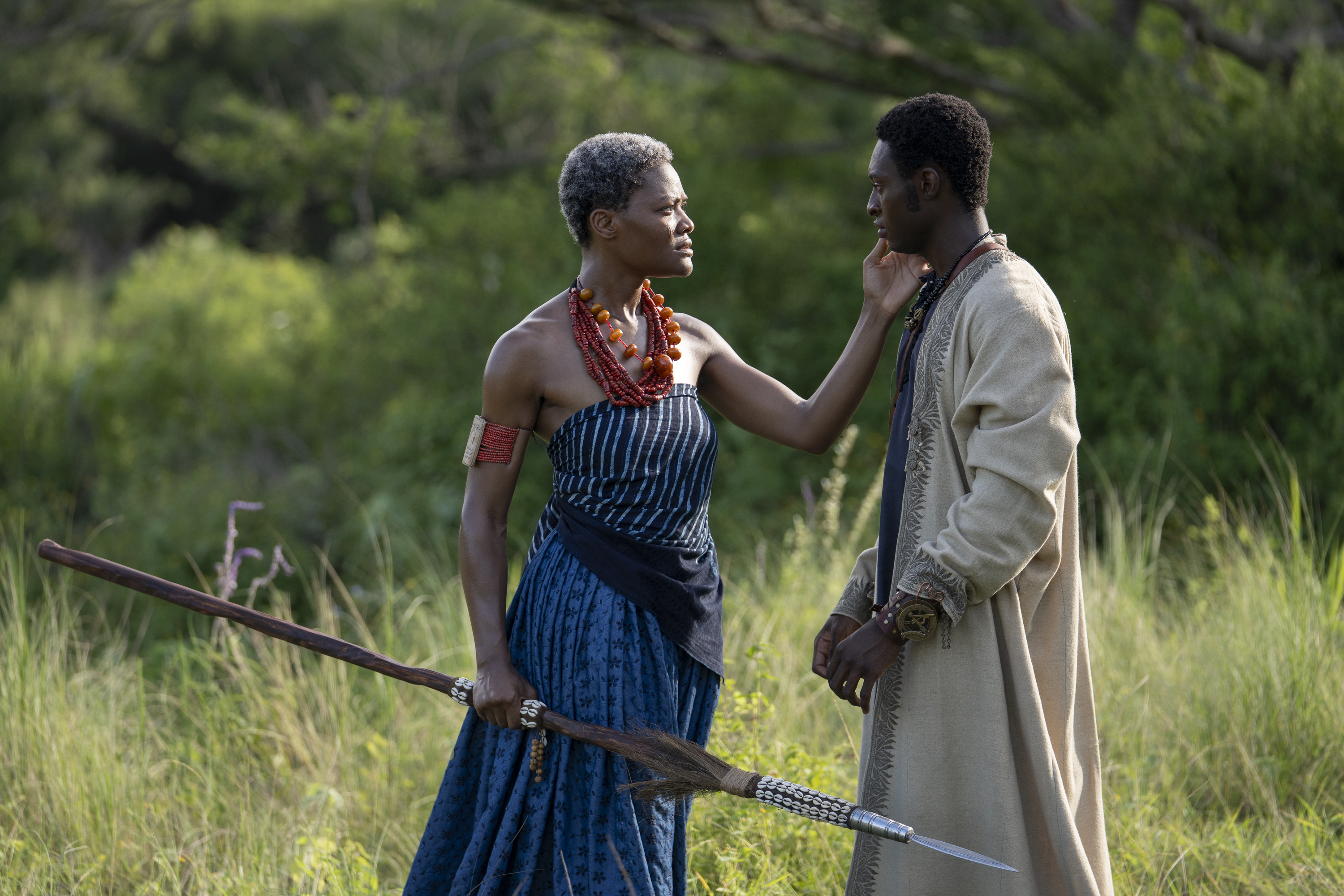
Washington Black may be a slave story, but it subverts everything about the subgenre. Black characters are given the space to exist outside of pure terror and survival, to find community support, fall in love, and dream of a more equitable world, and the series manages to never falter from wider historical accuracy. The adaptation's take on Wash’s story is the show I need to watch at this moment, to remind me that even in the most authoritarian times, joy and community can be acts of defiance that ensure that we remain free.
]]>But let's back up, because before hypochlorous acid became a skincare favorite, the antibacterial powerhouse was already a trusted ingredient in household cleaning products. (It’s the reason your disinfectant sprays and wipes are powerful enough to tackle bacteria and viruses, but gentle enough to be safe around your family and pets.)
"Hypochlorus acid calms irritation, kills acne-causing bacteria, and speeds up skin recovery all while being incredible gentle—think of it as your skin’s built-in defense system in a bottle," says Vanessa Lee, aesthetic nurse injector and founder of The Things We Do.
Below, Marie Claire tapped Lee as well as other skincare experts to learn all about the buzzy ingredient including its benefits, risks, and how to use it to improve your skin.
What Is Hypochlorous Acid?
"Hypochlorous acid is a naturally-occurring substance produced by our white blood cells to kill off harmful bacteria," says Geeta Yadav, MD, Toronto-based board-certified dermatologist of Facet Dermatology. Although it's commonly found in disinfectants and household cleaners for its ability to effectively kill bacteria and viruses without harsh chemicals or irritating residues, it has become a popular ingredient in skincare because it delivers potent yet gentle results.
We know what you're thinking—if hypochlorous acid is strong enough to be used in cleaners, how can it possibly be safe for your skin? According to Lee, it’s all about concentration and formulation. "In cleaning products, hypochlorous acid is used in strong doses for surfaces, but skincare versions are diluted and pH-balanced to match your skin’s natural chemistry," she says. "It’s just like how vinegar can clean your kitchen but also make a great salad dressing when prepared right."
What makes hypochlorous acid different from other skin-soothing or antibacterial ingredients like benzoyl peroxide, salicylic acid, or niacinamide is that it works with your skin, not against it. "While benzoyl peroxide and salicylic acid kill acne-causing bacteria or exfoliate clogged pores (which can sometimes dry or irritate the skin), HOCl mimics the skin’s natural immune response to acne-causing bacteria by targeting the source of inflammation without disrupting the surrounding healthy tissue," says Dr. Mollie Kelly Tufman, PhD, biochemist and founder of The Beauty Lab.
Hypochlorous acid typically comes in a mist or spray form to conveniently calm irritation, reduce breakouts, and support skin healing, but you can also find it in gel form as well.
What Are the Benefits of Hypochlorous Acid?
Hypochlorous acid comes with a unique set of benefits that make it a standout in skincare. For one, it can help with bacterial skin issues like acne. "Hypochlorous acid destroys pathogenic bacteria (like the bacteria strains that cause acne) by penetrating bacteria cells' walls and damaging the cell from the inside out, killing it," explains Dr. Yadav. "By killing acne-causing bacteria, hypochlorous acid can promote clearer skin." (Just remember that it doesn't exfoliate dead skin cells nor does it remove sebum, both of which are common causes of blemishes, Dr. Yadav says.)
Beyond its benefits for acne-prone skin, hypochlorous acid is promising when it comes to calming inflammatory skin conditions like eczema and psoriasis. "When your skin is inflamed, itchy, or broken out in patches, it usually means your immune system is overreacting," says Lee. "HOCl helps reduce that over-response by calming inflammatory signals and preventing bacterial overgrowth."
Best of all, HOCI is safe for all skin types, including sensitive or those with a compromised skin barrier. In fact, Tufman says it's excellent for use after skincare procedures like microneedling or lasers because it soothes irritation, reduces inflammation, and helps prevent infection without causing further damage or dryness. "Because it mimics your body’s natural chemistry, it’s incredibly compatible with stressed-out skin," she adds.
What Are the Risks of Hypochlorous Acid?
In short, there aren't too many. "Because HOCl is naturally made in the body, your skin is already equipped to recognize and tolerate it. That’s why it’s so soothing on compromised or inflamed skin—it’s like giving your skin a tool it already knows how to use," says Tufman. That being said, in rare cases, Tufman says that people with extremely sensitive skin might notice slight dryness, but only if they overuse it.
Because hypochlorous acid mimics your body’s natural chemistry, it’s incredibly compatible with stressed-out skin.
Dr. Tufman
Ultimately, HOCI is one of the safest actives on the market because there's no photosensitivity, purging, and or known long-term side effects when it's used topically at cosmetic concentrations, says Tufman.
How to Use Hypochlorous Acid
Most hypochlorous acid formulas are formulated as a facial spray, making it easy to incorporate into your routine. "I would recommend using a hypochlorous acid spray as the first step in your skincare routine after cleansing and as a skin refresher throughout the day to help fight bacteria, especially if you're prone to blemishes," says Dr. Yadav. You can also spritz it on post-flight or after a workout to calm any redness and soothe. Just make sure to let it dry completely after application, as this will allow it to work effectively without being diluted.
Ready to start incorporating the hero ingredient into your skincare routine? Shop the best hypochlorous acid skincare products on the market now, below.
Best Hypochlorous Acid Products
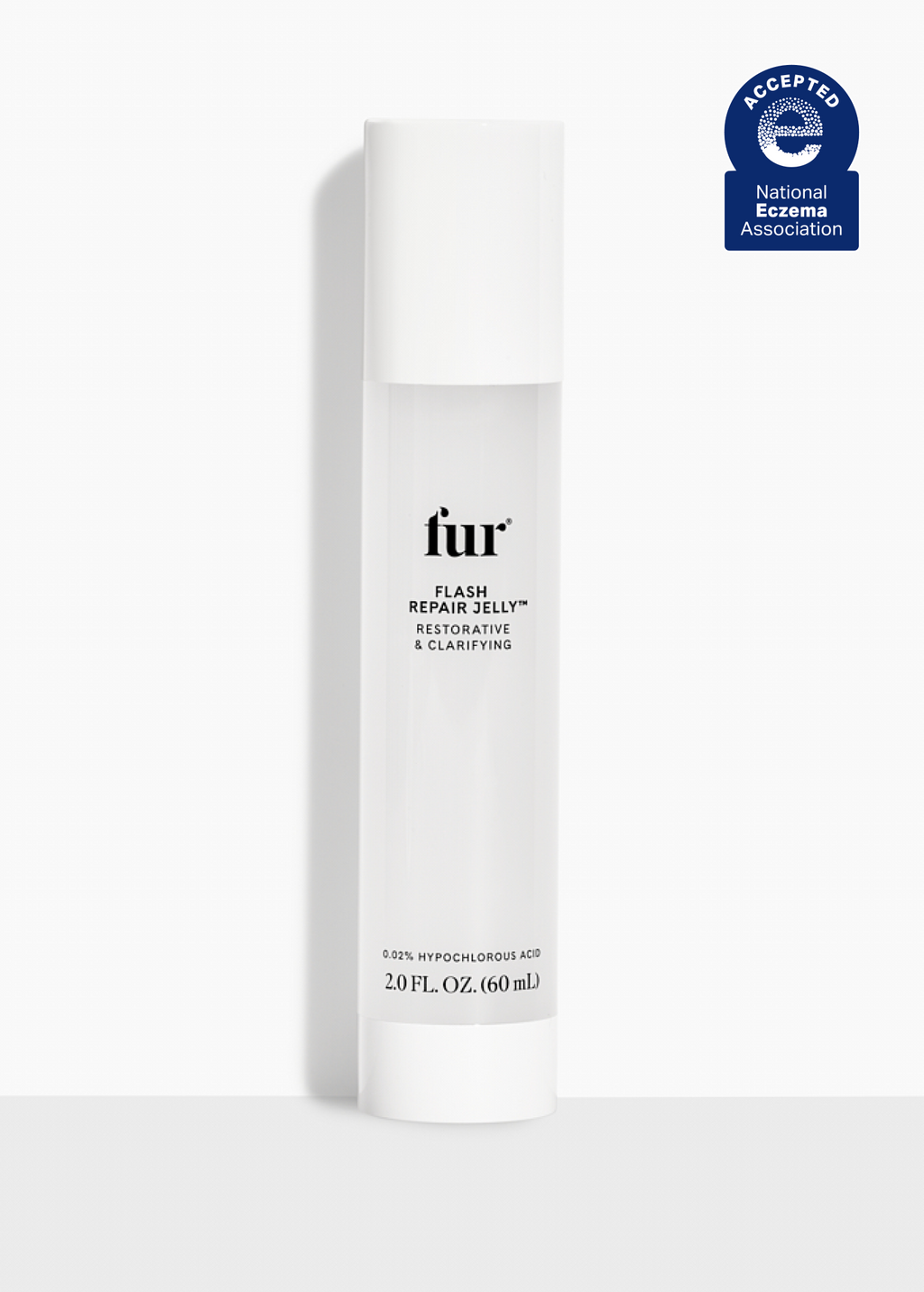
Shaving rash? Waxing regret? Post-laser sting? Your skin is begging for backup, and that's where this formula from Fur comes in. A no-brainer for your post-hair removal routine, this formula's gel texture means it has a cooling effect that'll instantly calm even the angriest skin. Plus, hypochlorous acid helps to calm redness and keep those pesky bumps from crashing your smooth skin party.
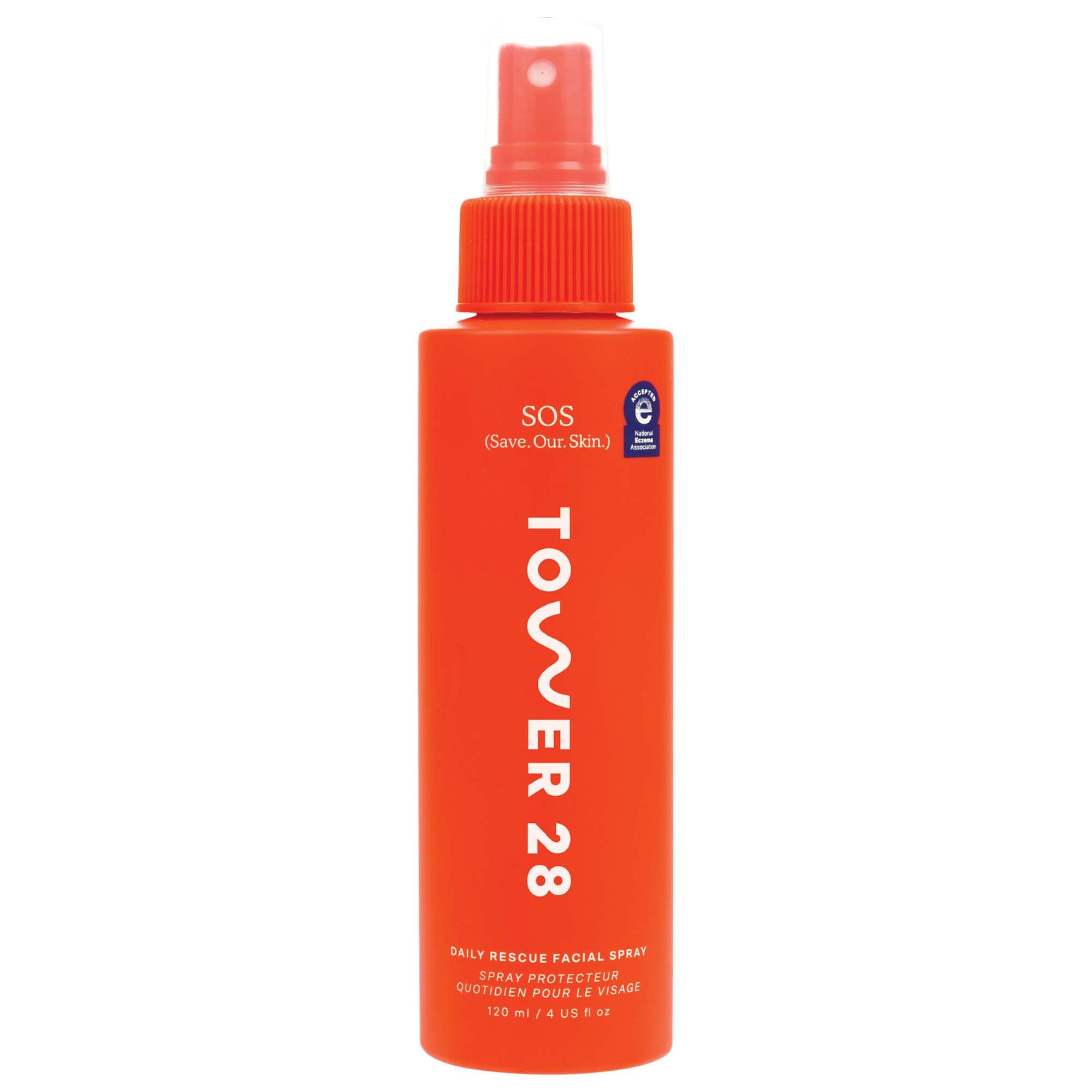
Red, itchy, stressed-out skin is no match for this cult-favorite spray. Powered by hypochlorous acid to quickly soothe, this spray is a must whether you're dealing with breakouts, razor burn, or that one mysterious flare-up. Bonus: It’s perfect for post-gym skin—just spritz it on after your workout to keep sweat-induced breakouts and redness in check.
Whether you just crushed a workout or survived a sweaty subway ride, this ultra-fine mist is here to rescue your skin from the chaos. It’s packed with hypochlorous acid to calm, clarify, and cool. Best part: It’s under $15 and compact enough to fit in your gym bag, glove compartment, or everyday tote.
Can't be bothered with a spray? Whip out one of these nifty hypochlorous-soaked wipes. The individually wrapped cloths disinfect without the sting of alcohol or the irritation of fragrance. They're gentle enough for sensitive skin, tough enough for bacteria, and super convenient to keep on hand—throw a few in your bag and call it skincare on standby.
From the brand that brought you your fast-acting acne buster (you know, the drying lotion) comes this lightweight and refreshing spray. It's packed with the skin-healing benefits of hypochlorous acid to calm irritation and clear the way for your glow-up. Perfect for on-the-go refresh after workouts, flights, or those days your skin just needs a little extra TLC.
If you're prone to body breakouts or struggling with eczema flare-ups on your arms, legs, or behind the knees, this featherlight spray has you covered. It calms redness, fights bacteria, and calms irritation wherever your skin needs it most, and because it's fragrance- and alcohol-free, it's perfect for sensitive skin.
The gel texture of this formula means it'll glide on smoothly, creating a protective, cooling barrier that locks in moisture while calming redness, irritation, and inflammation. Ideal for sensitive, reactive skin, the gel absorbs quickly without leaving behind any sticky or greasy residue, making it perfect for use on both face and body—even on dry patches, eczema flare-ups, or post-shave irritation.
Here's a no-fuss spray that purifies and soothes without irritation. Perfect for all skin types, from oily and acne-prone to dry and sensitive, use this to gently remove dirt, excess oil, and bacteria to reduce the risk of breakouts. What's more, it can be used on the face and body, soothing everything from facial redness to bacne.
Why Trust Marie Claire
For more than 30 years, Marie Claire has been an internationally recognized destination for news, fashion, and beauty trends, investigative packages, and more. When it comes to the products Marie Claire recommends, we take your faith in us seriously. Every product that we feature comes personally recommended by a Marie Claire writer or editor, or by an expert we’ve spoken to firsthand.
Meet the Experts
]]>Learning how to get my redness and rosacea under control has been an exercise in patience and experimentation. Treatments don’t work overnight (no matter how much I manifest), and there’s no one-size-fits-all routine. But over the past five years, I’ve found a mix of cleansers, treatments, and moisturizers that keep my skin calm and—literally—cool. Not to jinx it, but I haven’t had one flare this summer (knock on wood). Ahead, shop my 10 favorite formulas to help soothe redness and keep rosacea at bay in the warmer months.
Sulfur Washes
The TLDR on rosacea: it’s caused by an overgrowth of demodex mites (yes, little, living organisms) on the skin. I hope I didn’t gross anyone out—it’s the truth! Sulfur, a popular skincare ingredient that smells, unfortunately, a bit like rotten eggs, has been proven to reduce mites on the face, and therefore, calm a flare. Not the sexiest, but it works.
I was a loyal Proactiv 3-step girlie for the majority of my teen years, so it’s a bit nostalgic to have a piece of my early aughts routine back in action. But this is the real deal—with three percent mineral sulfur and the calming addition of camomille, it’s just as effective as anything I would get from my dermatologist.
A bit harsher on the skin than the Proactiv option, I’d recommend this to anyone who is dealing with acne in addition to rosacea or is a bit more oily. This guy will help absorb excess oil and unclog pores, while simultaneously targeting those little demodex mites.
Cooling Start
My most irritating flares would happen during a day at the beach. Reason being: my skin would get overheated. Now, I throw one of my favorite cryotherapy tools into the cooler and whip it out every hour or two. (A regular ice cube works just as well, for what it’s worth.) While it may look a little over the top to strangers on their beach walk, I quite frankly couldn't care less. The things I’ll do for good skin!
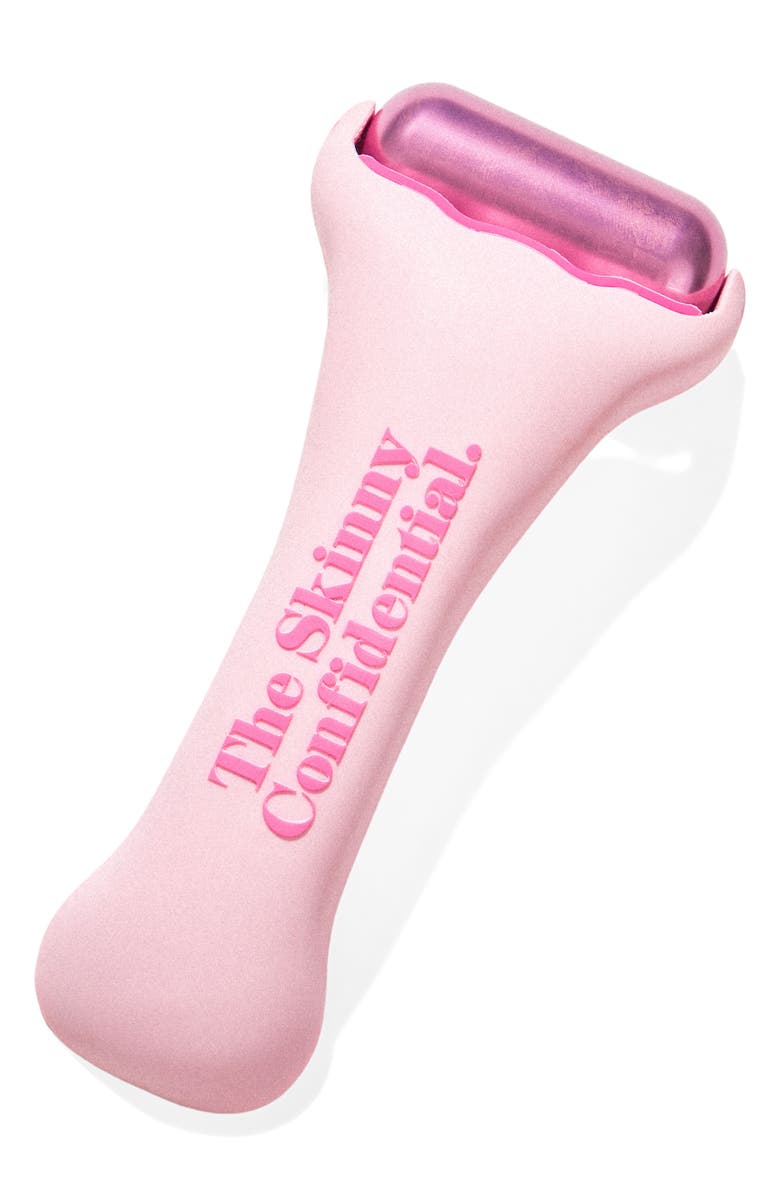
My ice roller has seen the world—she comes with me on every single vacation. The titanium roller stays cooler longer than any other option on the market. A nice 10-minute roll a few times a day truly keeps my flares under control.
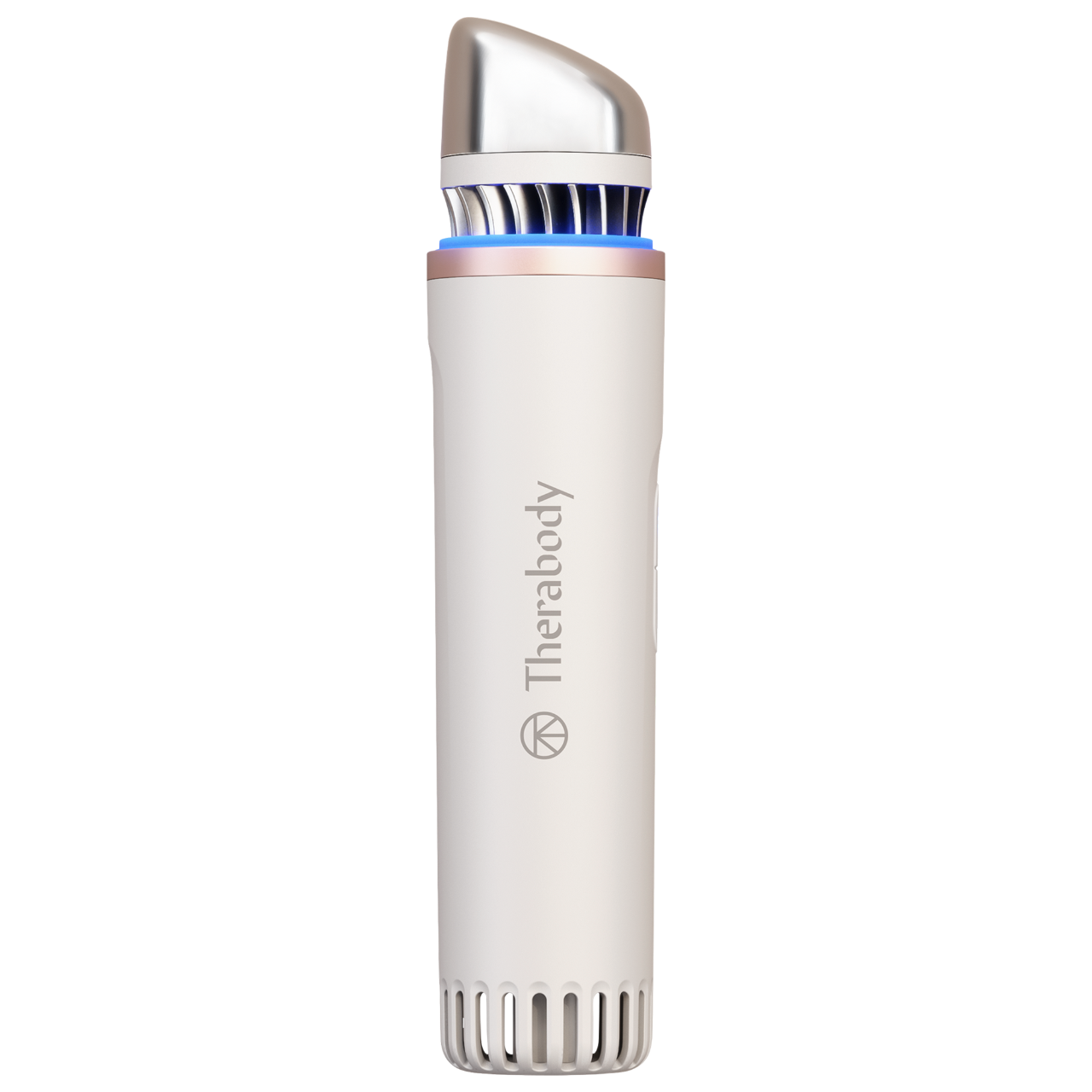
If the heavier ice roller isn’t in the cards (or you’re looking to splurge on a fun, new device), I highly recommend this. Stay away from the heat option and stick to cryo. Just make sure you wipe down the metal tip with rubbing alcohol to keep it clean.
Azelaic Acid For the Win
Azelaic acid is a superpower ingredient as is—it tackles texture, acne, pores—but it’s extra incredible at addressing the redness associated with rosacea. I’m on a 15 percent azelaic acid cream prescribed by Dr. Garshick, but I’d recommend these alternatives in a heartbeat. Look for a high concentration: as close to 10 percent (what’s legally allowed over-the-counter) as possible.
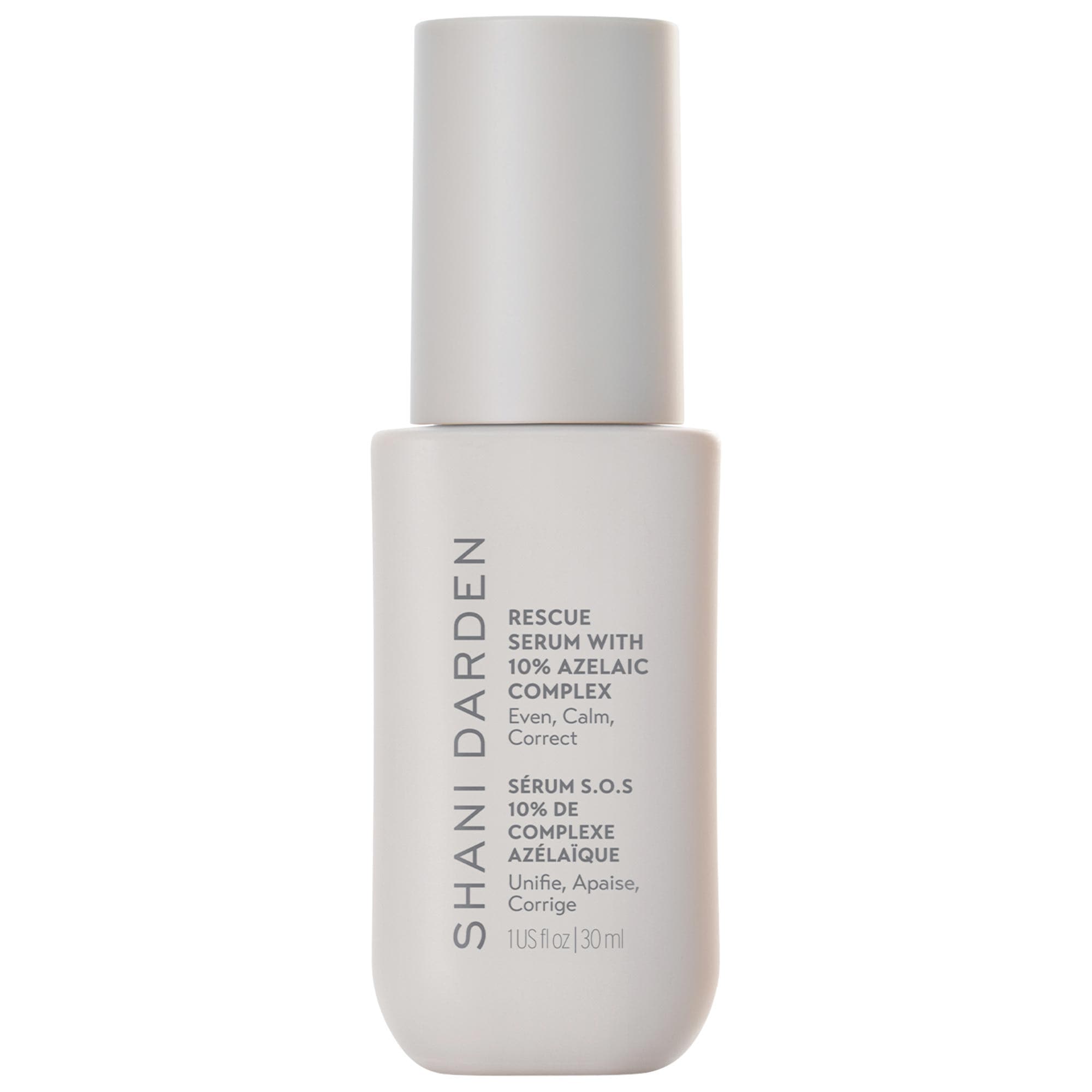
In addition to 10 percent azelaic acid, this serum includes oat kernal extract to help calm redness even further. A little product goes such a long way, the texture is silky, and the dry down is velvety.
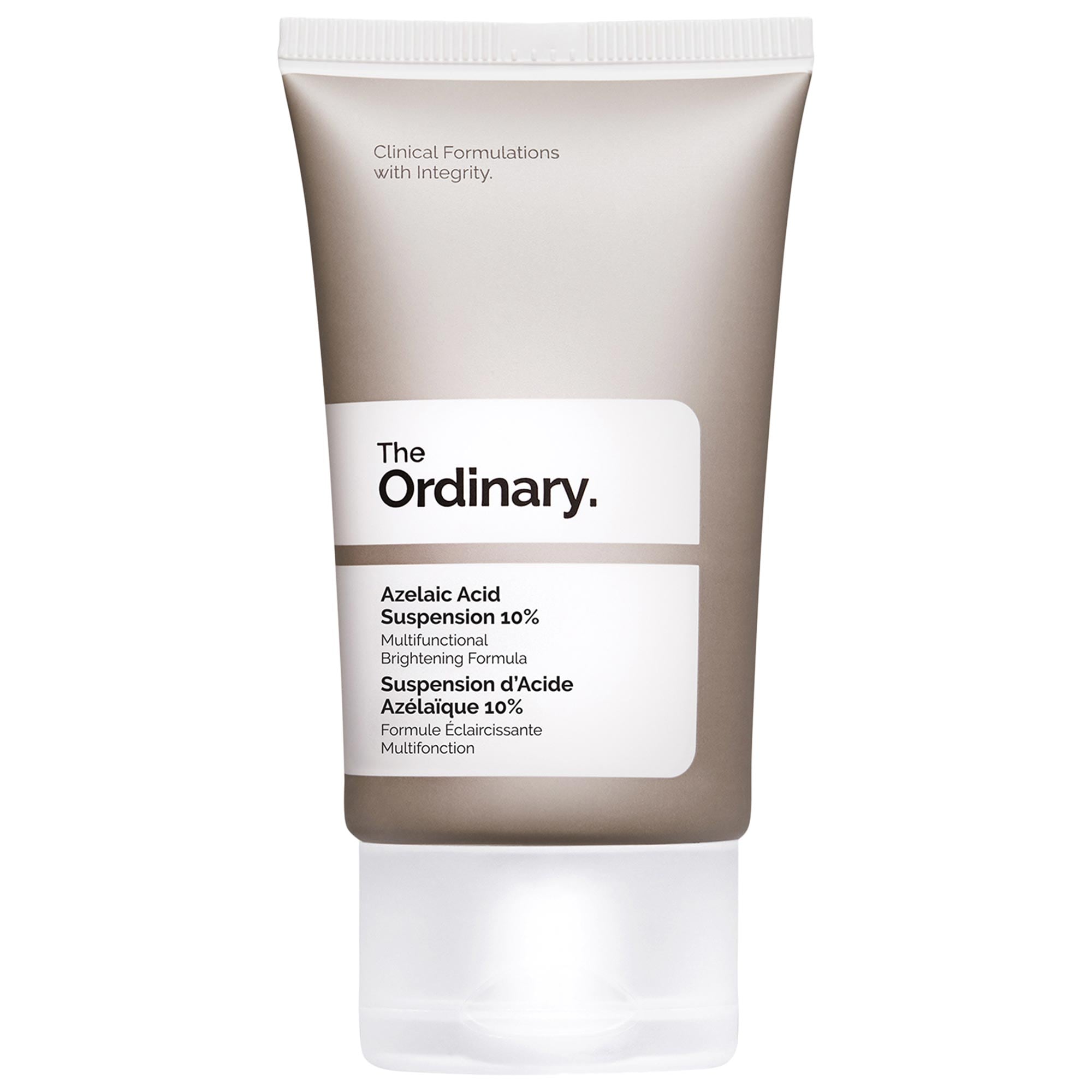
Affordable and effective, this no-frills option feels more like a cream on the skin. Still, I’d pair it with one of the gentle moisturizers below.
Gentle Moisturizers
Most people dealing with rosacea are going to be dealing with dry skin and potential burning (especially during a flare), and a compromised skin barrier. I swear by calming, nourishing moisturizers that avoid fragrance, essential oils, and acids. Frills-free is your best bet.
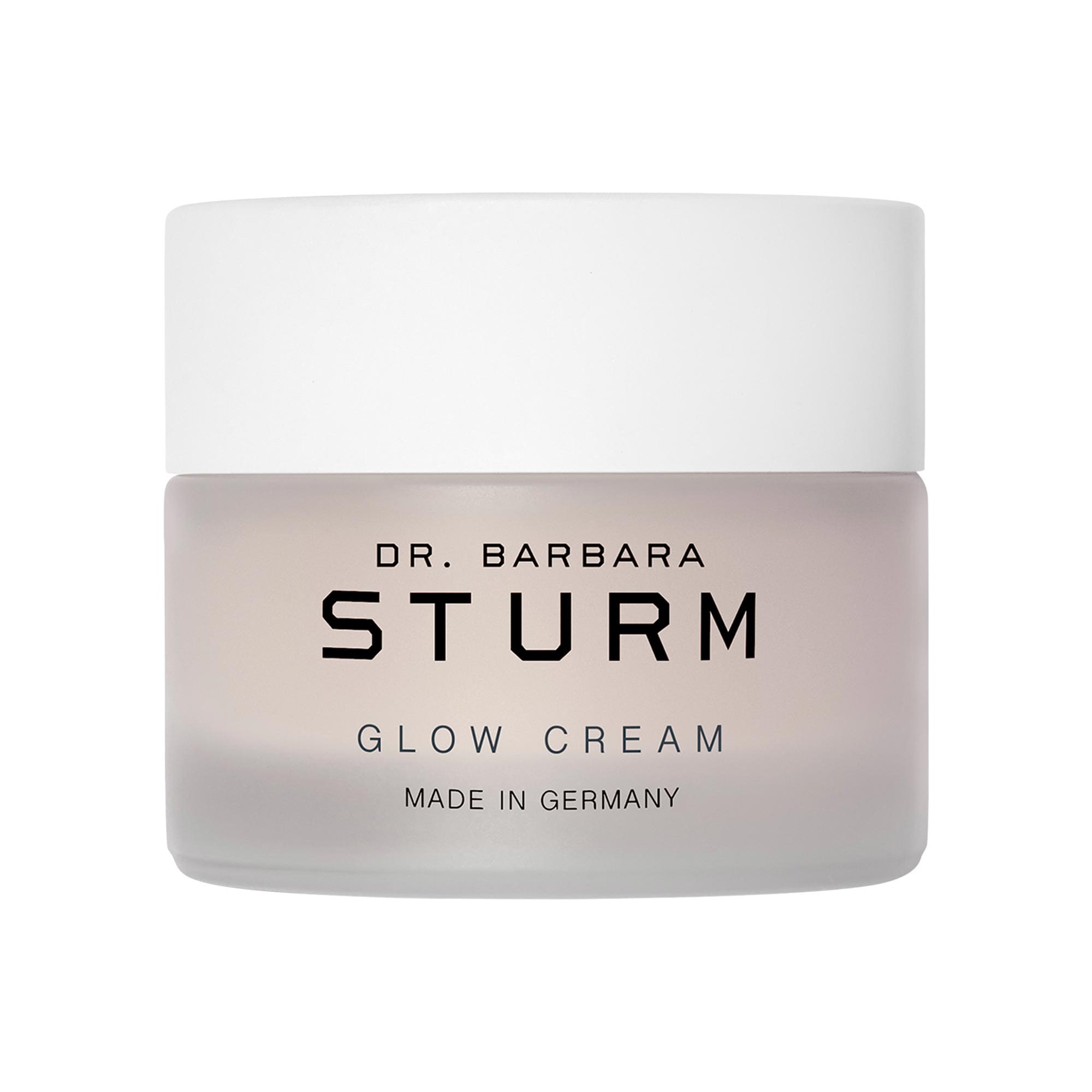
If I could only use one product for the rest of my life: it’s this. It gives glow and hydration—plus, I swear that anti-inflammatory purslane is a magical ingredient for redness reduction.
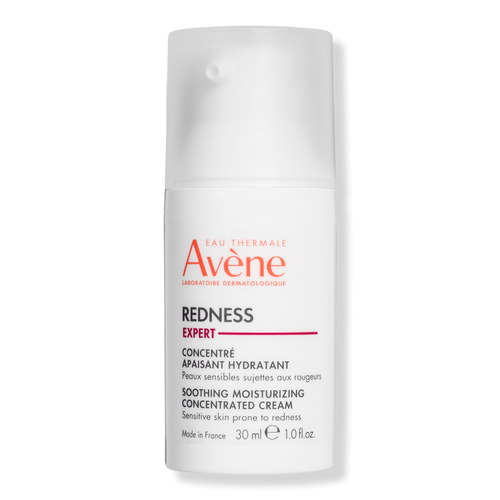
A French pharmacy staple, this rich cream reduces redness and cools the skin on application. Keep it in the fridge for an extra soothing treat.
Mineral SPF Only
Physical sunscreens, which reflect the sun’s UV rays as opposed to absorbing them like chemical sunscreens, are the gold standard for rosacea. They’re the gentlest and least likely to cause irritation. I never, ever leave the house without a thick layer and reapply, like clockwork, every 80 minutes during a beach day.
I happen to love a goopy sunscreen—it’s my secret to a good glow. This guy is certainly thick, but the dewy sheen is next-level. And when I’m consistent? I swear that my rosacea flares up less.
I’ve never met a mineral sunscreen built quite like this one. Until I got eyes on the INCI list, I swore it was chemical—the texture is that elegant. It blends like a dream, looks gorgeous under makeup, and never, ever pills.
Why Trust Marie Claire
For more than 30 years, Marie Claire has been an internationally recognized destination for news, fashion and beauty trends, investigative packages, and more. When it comes to the products Marie Claire recommends, we take your faith in us seriously. Every product that we feature comes personally recommended by a Marie Claire writer or editor, or by an expert we’ve spoken to firsthand.
]]>“Purified PDRN promotes overall dermal rejuvenation and revitalizes our skin,” says board-certified dermatologist Melda Isaac, MD. “Typical benefits include improved pore size, skin tone, hydration, discoloration, superficial wrinkles, and overall skin thickness.”
Of course, if getting a salmon sperm facial from your dermatologist or local medspa doesn’t sound realistic, PDRN is also available in the form of serums or creams—and if you need more info on how those work, read ahead for some expert insights.
What Is PDRN Anyway?
PDRN is an acronym for polydeoxyribonucleotides, which according to Dr. Isaac, are “purified DNA fragments derived from sperm cells of rainbow trout or chum salmon.” So, to be clear, when getting a PDRN facial or using it as a skincare ingredient, you’re not exactly putting pure salmon or trout sperm directly on your face as the colloquial term for the treatment would have you believe. When these “fragments” are injected during an in-office treatment or applied topically, you can expect to see reduced signs of skin aging and more hydrated skin overall.
“When applied or injected, [PDRN] kickstarts your skin’s healing process by activating fibroblasts and growth factors,” says registered nurse Eric Nietzel-Leone, RN, BSN. “That means more collagen and elastin—two key players in keeping skin firm, smooth, and elastic.” He adds that you should think of it as “a reset button for your skin,” as it can leave it looking bouncier, brighter, plumper, and more youthful.
Are PDRN Serums as Effective as In-Office as Treatments?
Much like any over-the-counter product, you shouldn’t expect to use a PDRN serum and see the exact results that you would from getting an in-office salmon sperm facial, since seeing results from topical products will likely be more gradual than immediate. There’s also the fact that getting a professional skincare treatment will more-often-than-not include the use of some professional services and devices you can’t get at home.
“Some benefits [of PDRN], like increased elasticity and scar reduction, are more effectively achieved through in-office treatments that use microneedling or other devices to deliver the product deeper into the skin,” says Nietzel-Leone. “That’s along with the added benefits those devices provide.”
While topical PDRN serums can be effective at addressing the aforementioned issues, Dr. Isaac says that they’re meant to complement in-office treatments and facials, so you’d be better off incorporating them into your skincare routine as a way to maintain results, not seek them. “I often use the analogy that coming into my office for a laser or aesthetic treatment is similar to going to the dentist for a deep cleaning,” she says. “Your home skincare using reputable serums and products is the brushing and flossing between those stronger, more effective treatments.”
Are PDRN Serums Safe to Use?
In short, yes, especially if you're using a serum from a reputable brand. "Salmon sperm DNA closely resembles human DNA, making allergic reactions rare," Nietzel-Leone says. "However, be mindful of other ingredients in the serum that may cause irritation or reactions, such as retinols, AHAs, and other active compounds."
If you've been searching for a PDRN serum to add to your skincare routine, I found a few bestsellers that hydrate, brighten, and smooth skin.
Rejuran is the most popular in-office salmon DNA treatment, and this serum is the brand's own at-home version that addresses large pores and excess shine as well as wrinkles, age spots, and acne marks.
This TikTok favorite features rose-derived PDRN, which, as the name suggests, is extracted from roses and boosts firmness and elasticity while simultaneously brightening your complexion.
Instead of salmon DNA, this vegan formula uses green tea PDRN to promote skin cell turnover and reduce signs of aging.
Another plant-based formula that's derived from green tea, this serum uses green tea PDRN, caffeine, and niacinamide to strengthen the skin's moisture barrier and target saggy skin and wrinkles.
This serum hydrates and gives your skin a glassy appearance, but it has a light formula that supports the skin barrier and is suitable for sensitive skin.
Why Trust Marie Claire
For more than 30 years, Marie Claire has been an internationally recognized destination for news, fashion, and beauty trends, investigative packages, and more. When it comes to the products Marie Claire recommends, we take your faith in us seriously. Every product that we feature comes personally recommended by a Marie Claire writer or editor, or by an expert we’ve spoken to firsthand.
Meet The Experts
]]>Your oral health—more specifically, your oral microbiome—is connected to your overall health: think gut, heart, and even skin health. While more research needs to be done, studies show that the bacteria in your mouth can be tied to skin inflammation, like acne, rosacea, and eczema. So yes, brushing, flossing, scraping, and swishing might feel like a chore you just don’t have time for some days, but it’s one of those habits that always pays off. Just like your skincare or haircare routine, oral hygiene deserves a spot in your daily lineup.
But how exactly is your mouth connected to your skin? And what in the world is the oral microbiome? Ahead, the experts demystify the oral microbiome, explain how it’s linked to the skin on your face, and share tips on how to support it.
What is the Oral Microbiome?
“The microbiome is the community of bacteria and fungi that live inside our mouths,” explains Chrystle Cu, DDS, dentist and co-founder and CEO of oral care brand, Cocolab. There’s over 700 species of bacteria and microorganisms that create this community, she goes on to add, and each of us has our distinctly unique oral microbiome, similar to how we each have our own fingerprint. There’s always going to be a mix of good and bad bacteria inside the oral microbiome, but the goal is to create—and maintain—an environment where the good bacteria can flourish and keep the bad bacteria from taking over in number.
What Are Signs That Your Oral Microbiome May Be Out of Balance?
When the bad bacteria outnumbers the good bacteria, your oral microbiome is out of whack. The signs of an imbalanced oral microbiome include bad breath, cavities, and tooth decay, says Dr. Cu. The most common symptom, though, is inflammation. “There’s mild, moderate, and severe inflammation,” explains Dr. Huang. “Severe inflammation is when you touch your gums and it starts to bleed, while mild inflammation is when you see blood in the sink after you floss.”
She adds that when you get an infection, your gums will appear swollen and red and feel tender. These signs of a compromised oral microbiome are often accompanied by bleeding.
How is the Oral Microbiome Connected to the Skin on Your Face?
Fun fact: the inside of our mouth is skin, too. “Different parts of our bodies have different types of skin,” Dr. Cu says. For example, the back of our hand is softer than the palm of our hand. That’s because the skin on our palms have more keratin than the back of our hands. Our gums and the roof of our mouth contain some keratin, explains Dr. Cu, while the soft, slippery parts along the inside of our cheeks don’t have any keratin at all.
The oral microbiome is also linked to our skin because the mouth is a gateway to the rest of our body, explains Kevin Sands, DDS, a Beverly Hills-based cosmetic dentist. “Our mouths are more than just a place for eating and speaking—it’s a critical part of our body’s health ecosystem.”
If Your Oral Microbiome is Out of Balance, Can it Show Up on Your Face?
In a word, yes. It means there’s inflammation in your mouth and that the bad bacteria is attacking your gums, explains Dr. Huang. “When there’s a breach in your gums, the bacteria enters the bloodstream and it travels through the entire body.” When this inflammation circulates through the bloodstream, this can impact the skin’s barrier, worsen acne or eczema, and even contribute to premature skin aging, says Dr. Sands.
Dr. Huang says that although there’s no studies that have proven that oral inflammation directly causes inflammation on your face, it can definitely make skin problems worse. An unhealthy microbiome can also show up on your skin as dullness, redness, or sensitivity, Dr. Sands says. “When harmful oral bacteria overgrow, they trigger systemic inflammation, which can affect how your skin heals, functions, and reacts to stress.”
How Can You Support the Oral Microbiome?
- Eat Healthy Foods: It might sound obvious, but what we put into our mouth matters when it comes to caring for your microbiome. And if you’re trying to keep the bad bacteria at bay, you’re going to need to cut back on sugar, says Dr. Cu. “Bad bacteria love what we call fermentable carbohydrates—a.k.a. sugar.” The more the bad bacteria proliferates, the more the good bacteria subsides, so it’s important to eat a healthy diet, full of nutritious whole foods.
- Floss Nightly: According to Dr. Cu, most people don’t floss at all, but it’s important to do it once a day for a healthy oral microbiome. “Flossing technique is really important—some people think that it’s enough to just go in and out really fast between the teeth,” says Dr. Cu. “But it’s important to bring the floss between the tooth and gum line.” When flossing, go slow, be gentle, and don’t press too hard. Dr. Cu suggests using a gentle, back-and-forth “sawing” motion to guide the floss down below the gumline, then curving it around each tooth in a C-shape to clean thoroughly without irritating your gums.
- Brush Twice a Day: Brushing your teeth twice a day for around two minutes is a must, Dr. Cu says. “It’s important to brush gently along the gums in small circles with the bristles angled toward the gum line.” Be sure to use a soft bristle toothbrush—whether it’s manual or electric doesn’t really matter much, as long as you use proper brushing technique. “Oftentimes, a lot of bristles on popular toothbrushes tend to be too hard to brush along the gum line, so people avoid it altogether because it’s uncomfortable—but that’s where all the plaque is,” Dr. Cu adds. Oh, and don’t forget to brush behind your teeth, too.
- Use a Tongue Scraper: There’s a lot of bacteria that live on the tongue, so it’s necessary to incorporate a tongue scraper into your oral care routine. “It’s kind of like a thick carpet,” explains Dr. Cu. “There’s a lot of little crevices on the tongue where bacteria will latch on to, and that isn’t visible to the naked eye.” Rinse the scraper with warm water and repeat a few times, says Dr. Cu. Don’t forget to clean the scraper afterward—apply a bit of hand soap, gently rub it with your fingers or a soft brush, rinse thoroughly, and dry it completely with a clean towel.
- Dr. Cu also notes that tongue scraping is way more effective than just brushing your tongue. A tongue scraper removes buildup and bacteria more thoroughly, while a toothbrush tends to spread it around.
Inflammation in your mouth, [can] circulate through the bloodstream and impact the skin’s barrier, worsen acne or eczema, and even contribute to premature aging.
Dr. Sands
- Opt for an Alcohol-Free Mouthwash: Remember—there’s a mix of good and bacteria inside the oral microbiome. While we don’t really care for the bad bacteria, we want the good bacteria to be able to live its best life. “Mouthwash with alcohol actually just nukes all the bacteria in your mouth, good and bad,” Dr. Cu says. “So it doesn’t promote balance in your mouth.”
- Dr. Cu herself doesn’t use mouthwash—she rinses her mouth with water—but says that if you are going to use it, she recommends a product without antimicrobials like cetopyridium chloride, also known as CPC. “It’s a really common ingredient in mouthwashes, and if you’re trying to address an acute problem, like gingivitis, you could possibly use it for a short period of time,” she adds. “But I don’t recommend it for everyday use because it can also harm good bacteria.”
- Schedule Regular Professional Cleanings: “No matter how good we clean every day at home, there are going to be areas where bacteria is hiding,” says Dr. Huang. “When you come in for a dental cleaning, because we use a microscope, we can see everything and do a complete and deep clean.” She recommends booking a professional cleaning with your dentist every six months.
- Consider Mouth Tape: So, mouth tape definitely isn’t for everyone. For example, if you have any breathing problems, you should skip, says Dr. Huang. But if you don’t have any pre-existing health issues, you may want to consider it. It worked for me—I started using mouth tape a couple of months ago, and one of the unintended side-effects was no morning breath. According to Dr. Huang, “with a dry mouth, bad bacteria is able to grow faster—the saliva actually keeps the bacteria in check, so it is healthier to breathe through your nose.” Dr. Cu also suggests being mindful of nasal breathing whenever you can, even when you’re working out.
So next time you’re tempted to skip brushing or flossing, remember—it’s not just about keeping your smile bright. When the balance of bacteria in your mouth gets thrown off, it can cause low-level inflammation that travels through your bloodstream. This inflammation can trigger or worsen breakouts, redness, and other skin issues. It also weakens your skin’s protective barrier, influencing how your skin functions and repairs itself. Taking care of your oral microbiome is a small step that can have big effects on your skin’s appearance.
Keep scrolling for some of the best at-home oral care products to add to your routine.
Crafted from sustainably sourced bamboo with soft bristles, this eco-friendly toothbrush from Davids provides a gentle yet effective clean for both your gums and teeth. Plus, its minimalist design will fit right into any bathroom aesthetic.
If you’d rather opt for an electric toothbrush, this one from Burst comes recommended by Dr. Huang. Its soft, tapered bristles get in between teeth and below the gum line to remove plaque, it includes a guided timer to make sure you are actually hitting two minutes of brushing, and there’s a pressure sensor to keep you from brushing too hard.
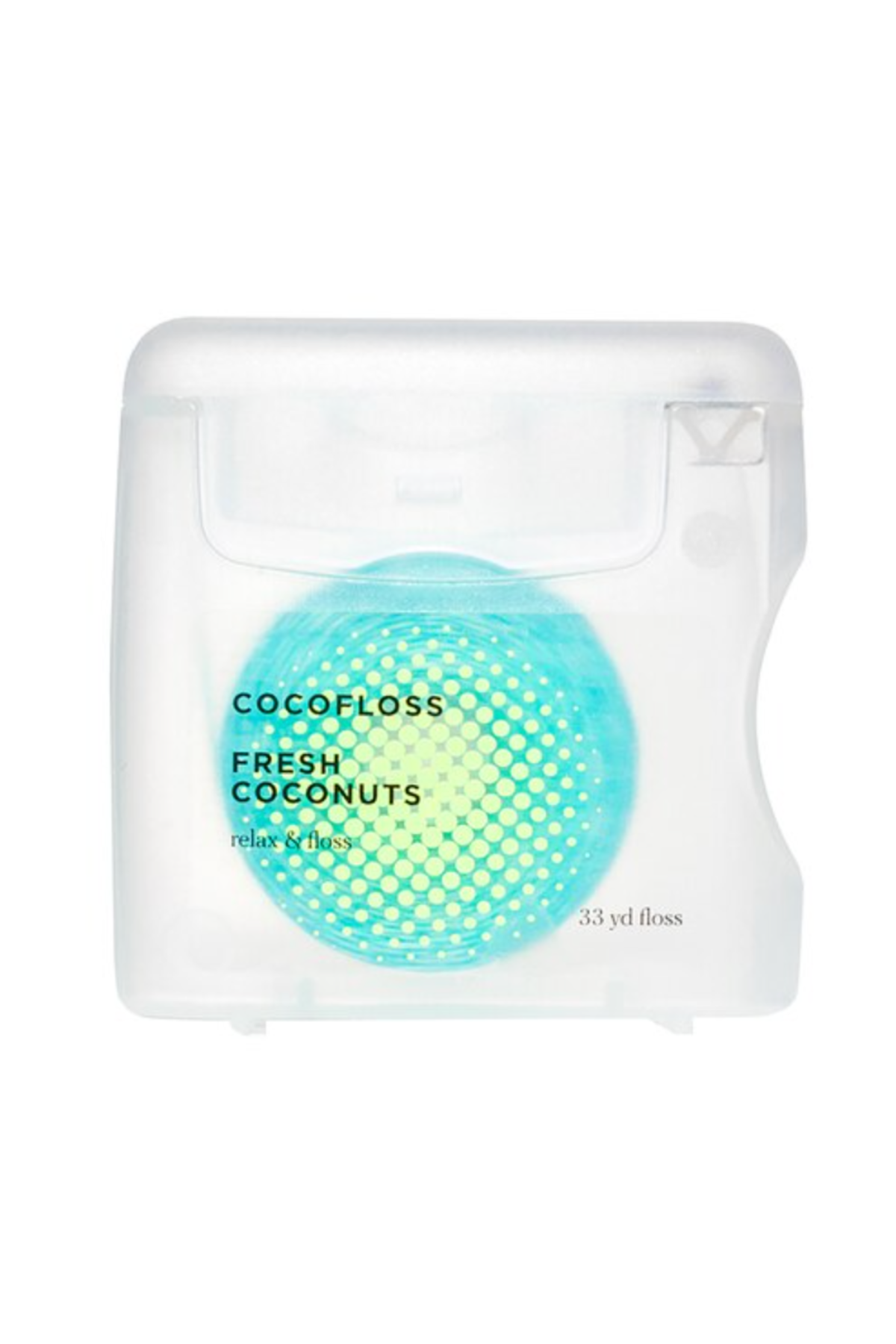
This is my go-to floss—it truly makes the entire flossing experience more enjoyable. The waxed floss comes in a variety of flavors and is soft yet effective, easily contouring around each tooth without discomfort. It's also coated in coconut oil, an ingredient with antimicrobial properties that soothes the gums.
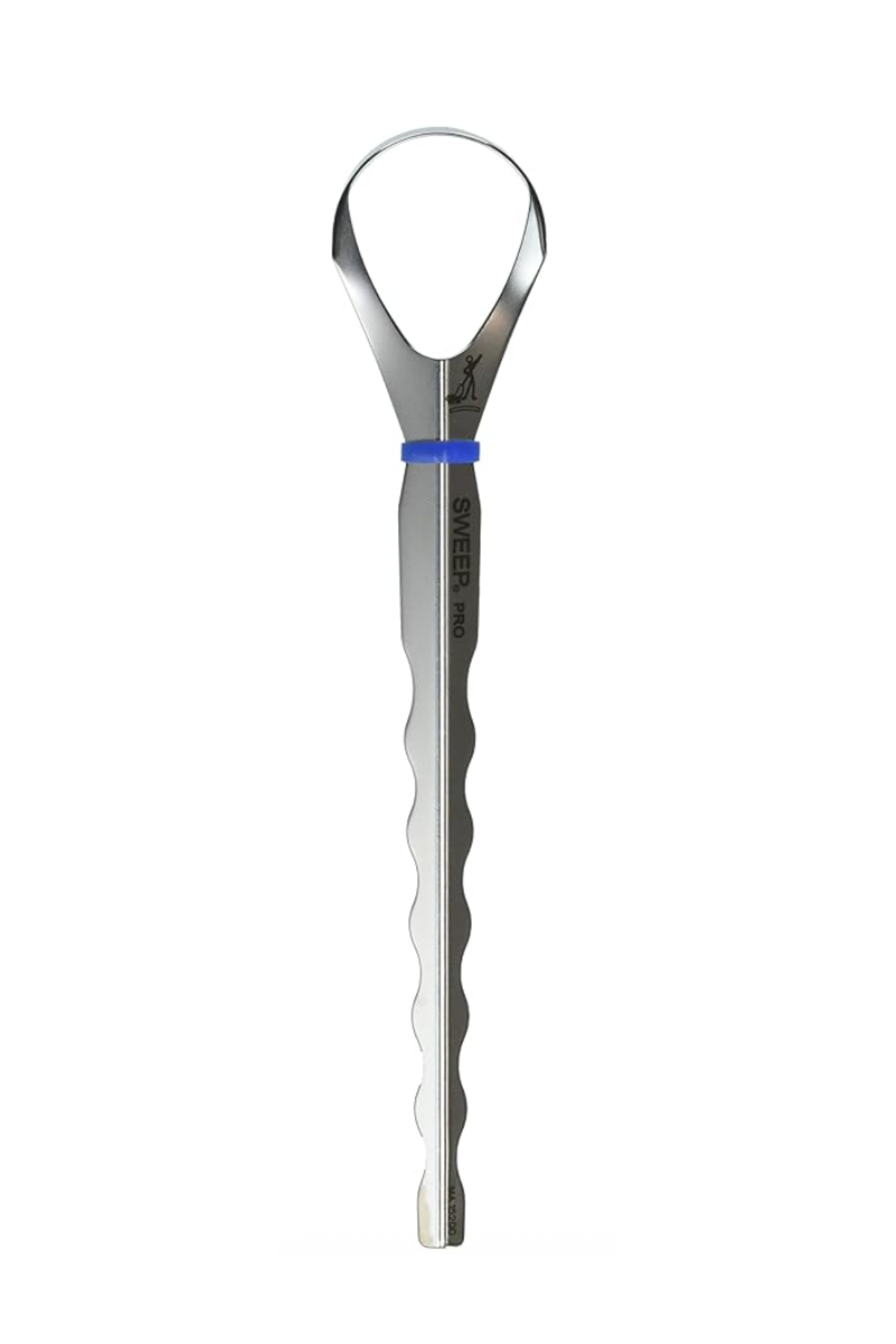
Made from stainless steel, this tongue scraper is more durable, effective, and easier to clean than its plastic counterparts. It’s also super lightweight, making it remove bacteria from your tongue with minimal effort.
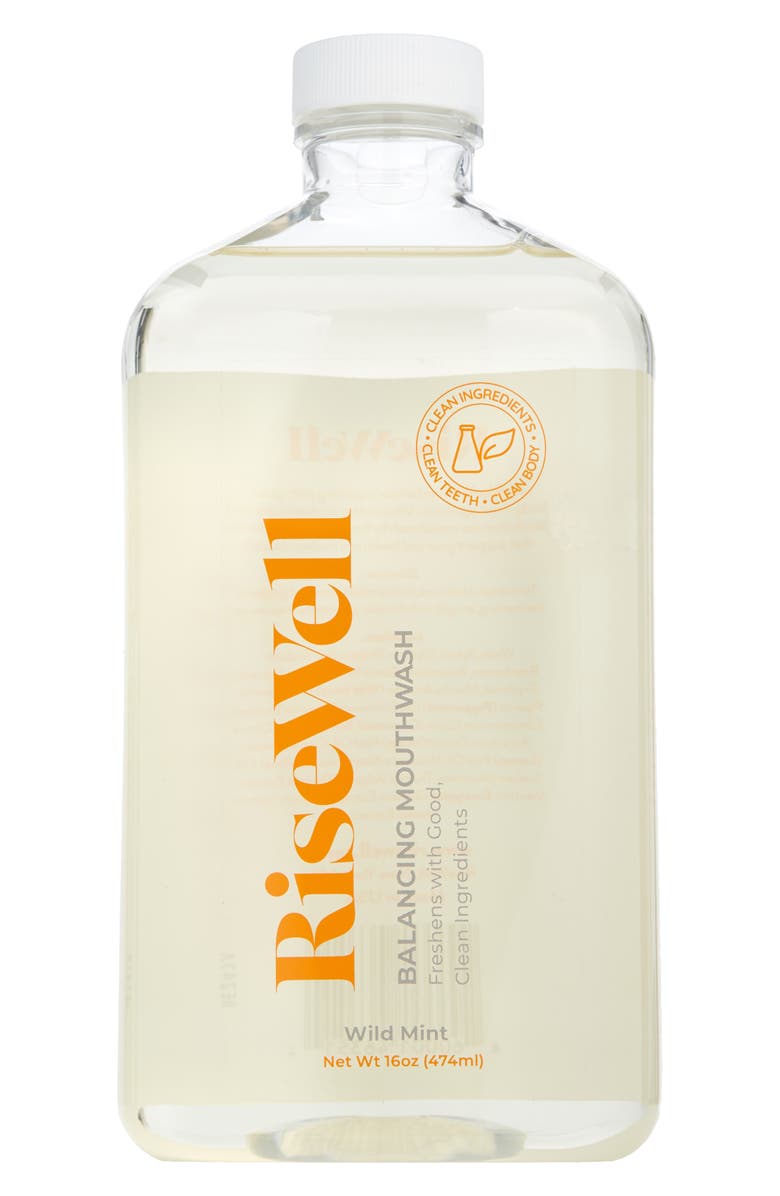
RiseWell’s Balancing Mouthwash is free of alcohol, CPCs, and artificial flavors, making it a great addition to your oral care routine. Formulated with baking soda, xylitol—a sugar substitute—and a combination of antibacterial and anti-inflammatory oils, it works to freshen breath while also supporting a healthy oral microbiome.
Why Trust Marie Claire
For more than 30 years, Marie Claire has been an internationally recognized destination for news, fashion, and beauty trends, investigative packages, and more. When it comes to the products Marie Claire recommends, we take your faith in us seriously. Every product that we feature comes personally recommended by a Marie Claire writer or editor, or by an expert we’ve spoken to firsthand.
Meet the Experts
]]>Don’t get me wrong, I admire anyone who wishes to tuck in looking like a Disney princess—props to you, my dears. But my skin and hair aren’t exactly low-maintenance, nor are my standards, so I’d much rather throw my vanity out the window when I’m sleeping and wake up feeling and looking better than the previous eight hours (after the requisite morning shed, of course). Again, even if you live with somebody who you hope finds you attractive and desirable, fear not—the good ones will understand. Also, who cares!? You’re asleep. Let your products do the work while you get some much-deserved shut-eye.
Slug It Up
Since my skin is so dry and I use retinol five nights a week, I swear by a thick layer of an occlusive balm or cream to lock in moisture. Use it over an emollient moisturizer to attract hydration to the skin first.
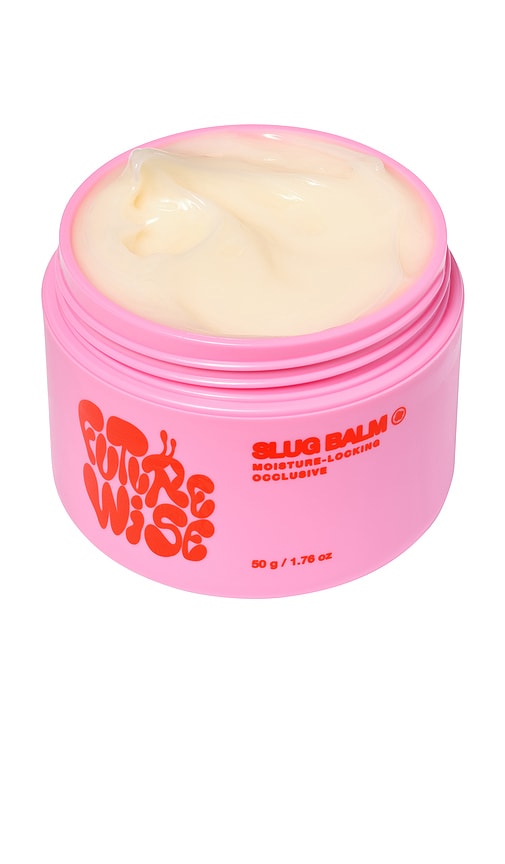
I adore this product so much I think I’ve gone through five tubs already. It actually stays where you apply it, even as you sleep, and it’s never broken me out, despite how rich it is.
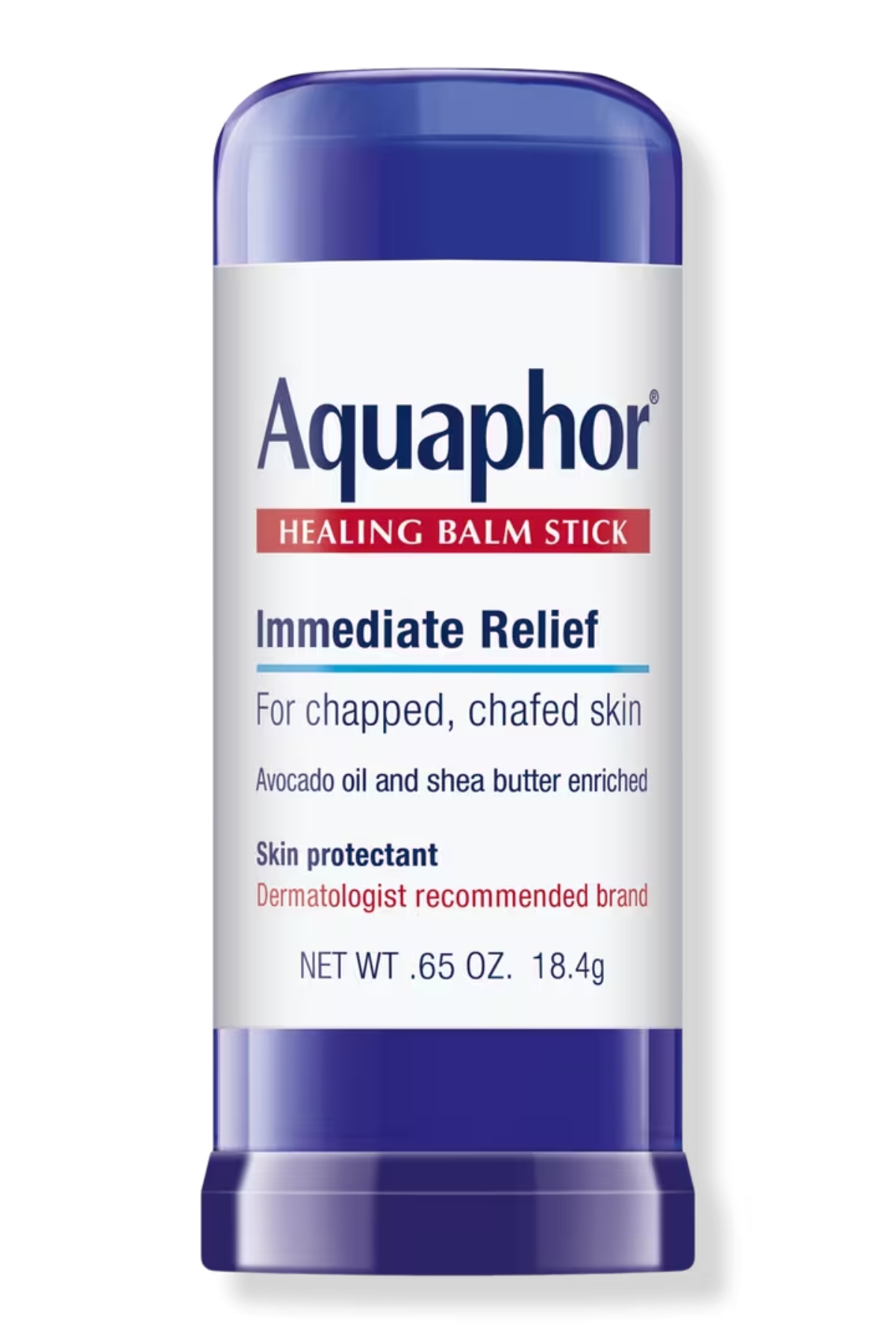
The OG, can’t-be-beat, never fails me formula is now in a handy stick form. I swipe this over my face and neck before bed until I’m shiny enough to crack a camera lens or two.
Embrace Pimple Paste
I’ve been struggling with breakouts this summer, and nothing banishes a pimple faster than an overnight pimple paste. Think of it as the grown-up version of using toothpaste on a zit.
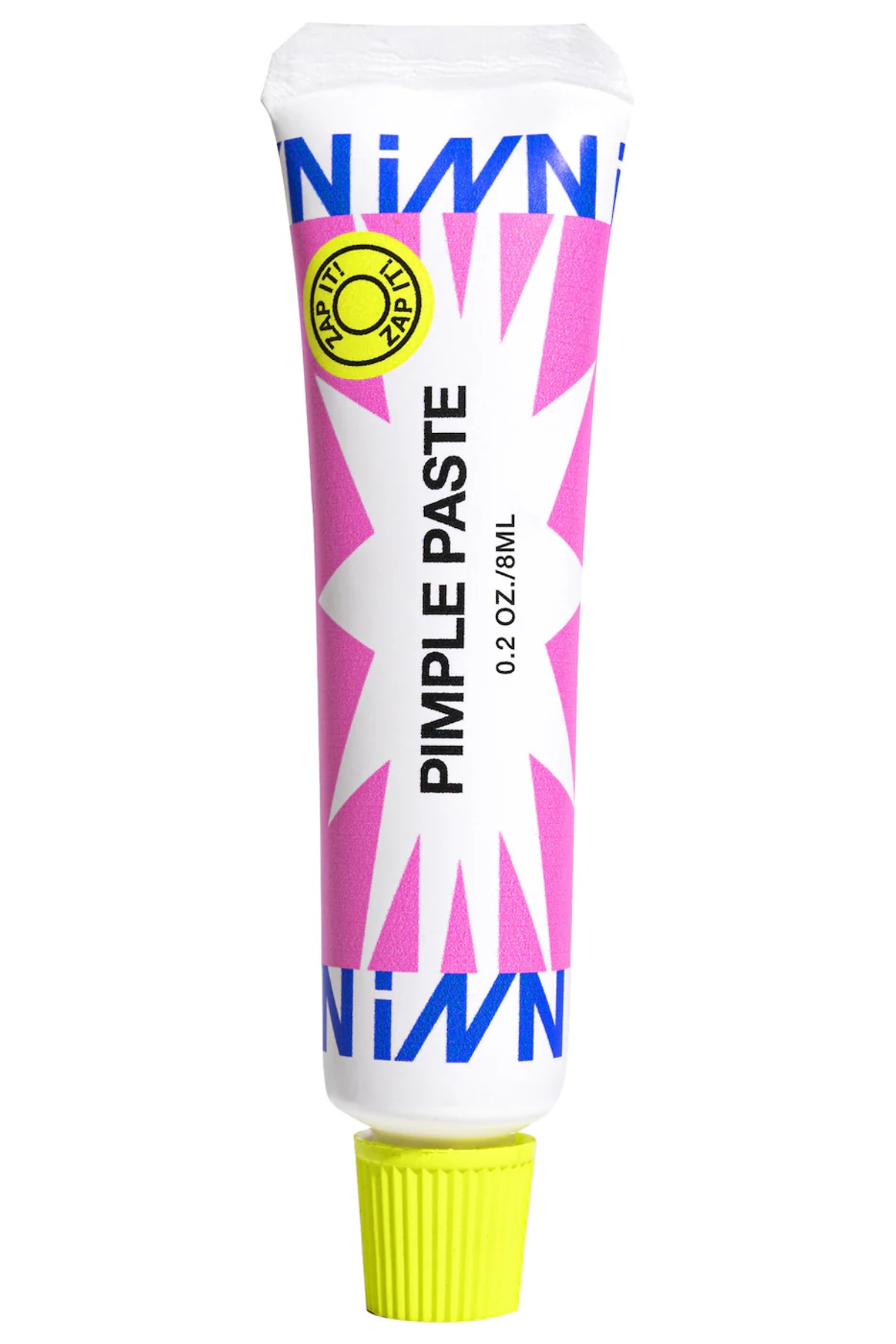
No breakout can withstand a night underneath this gray goo. The combo of clay, sulfur, willowbark, and azelaic acid shrinks any sign of inflammation while you sleep.
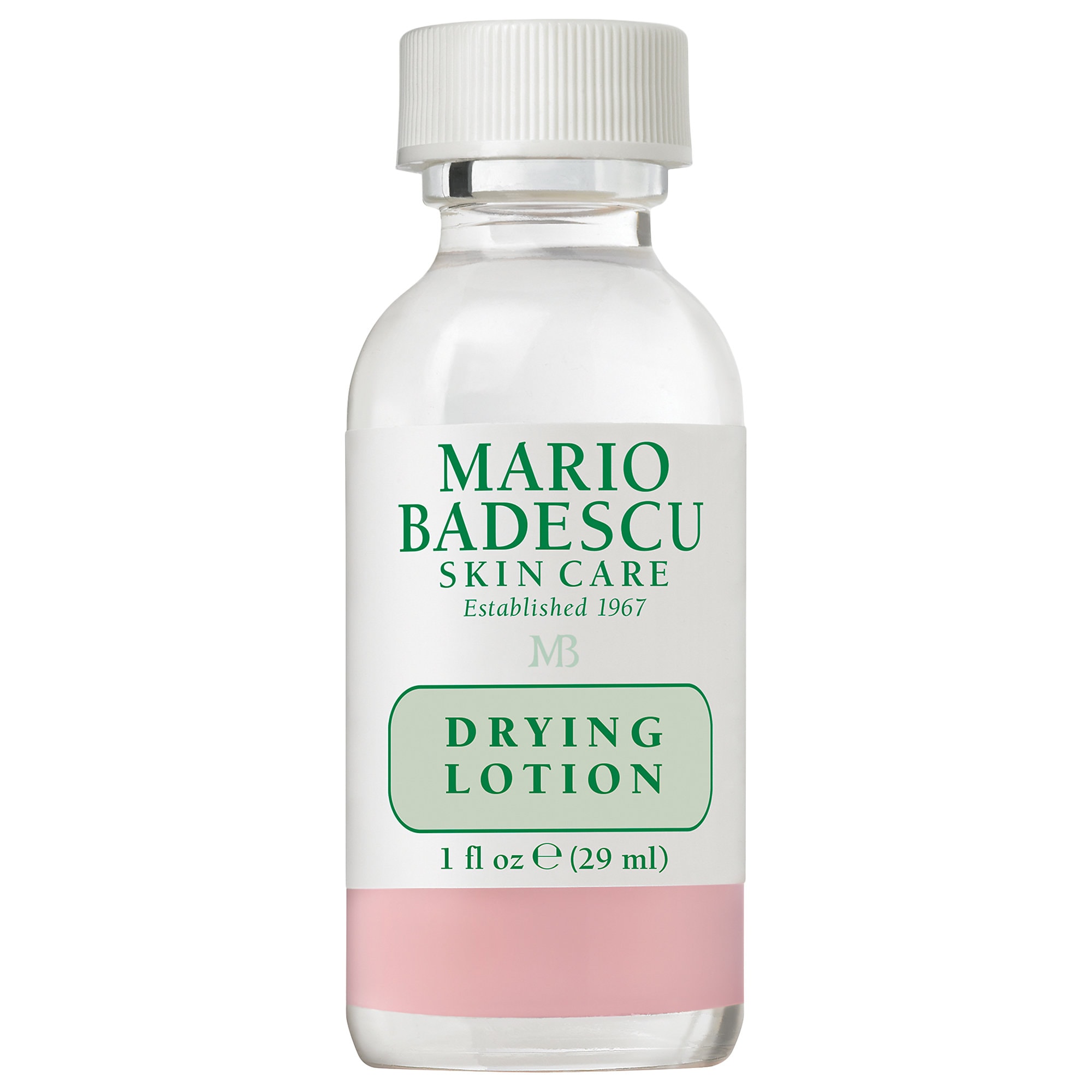
This pink paste is a cult-classic for a reason, my friends. Dip a cotton bud in the bottle and dab it onto your breakout for a fast-acting overnight treatment.
Show Your Scalp Some Love
Hair regrowth serums are all the rage right now, but they sadly don’t always help your hair look its best. I like to slather my scalp in my go-to formulas and then shower in the morning—because no one cares what your hair looks like while you sleep.
This award-winning serum has been a longtime favorite to help restore my hairline after a 2022 bout of COVID, and I’m so happy to say that I actually see results. I soak my scalp with the plastic syringe overnight (add in a scalp massage to apply) and then rinse in the morning with my usual shampoo routine.
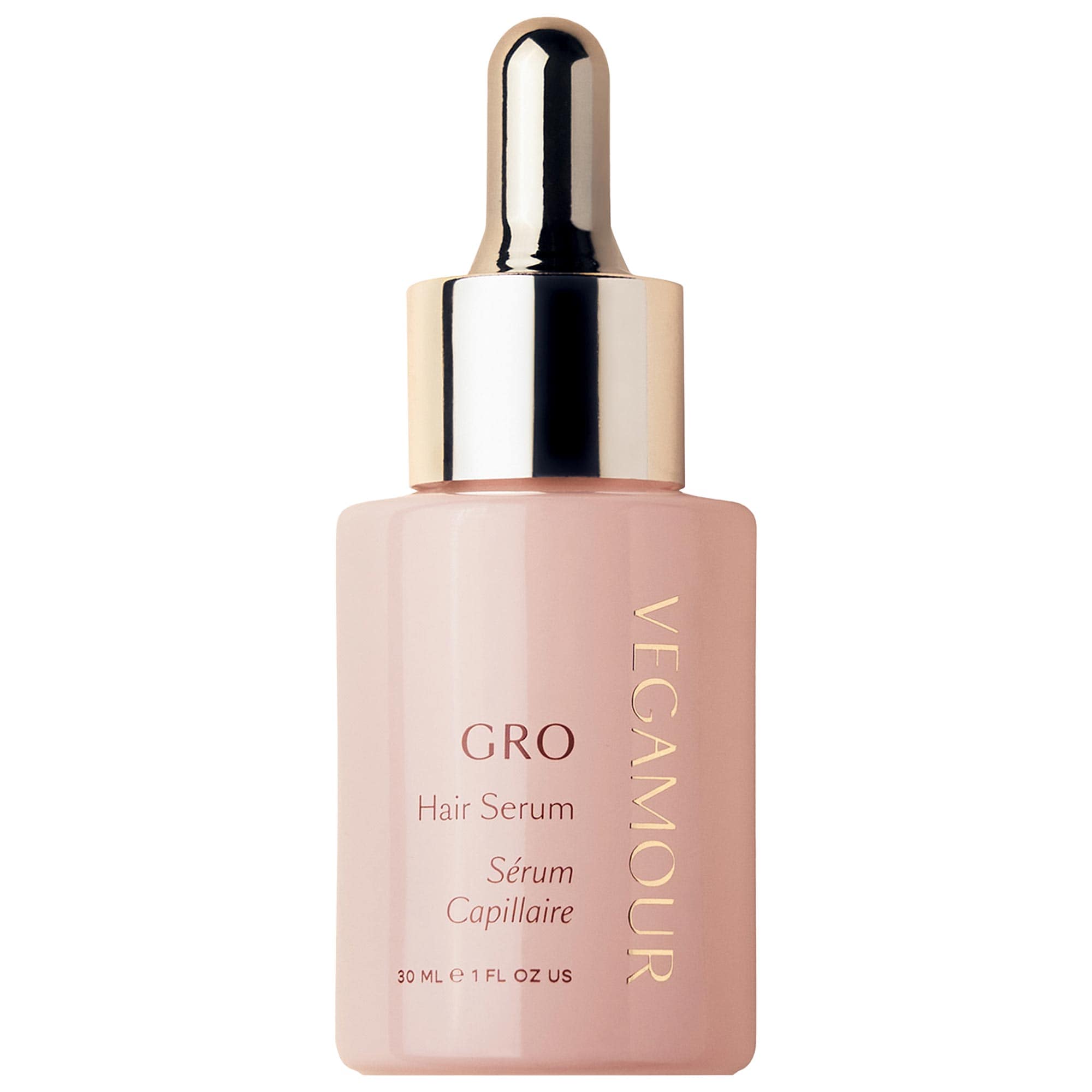
Marie Claire Senior Beauty Editor Sam Holender convinced me to try this serum after she regrew three inches of hair in one summer, and I have to say, I am impressed with my results. I massage this in before bed until my hair looks delightfully greasy.
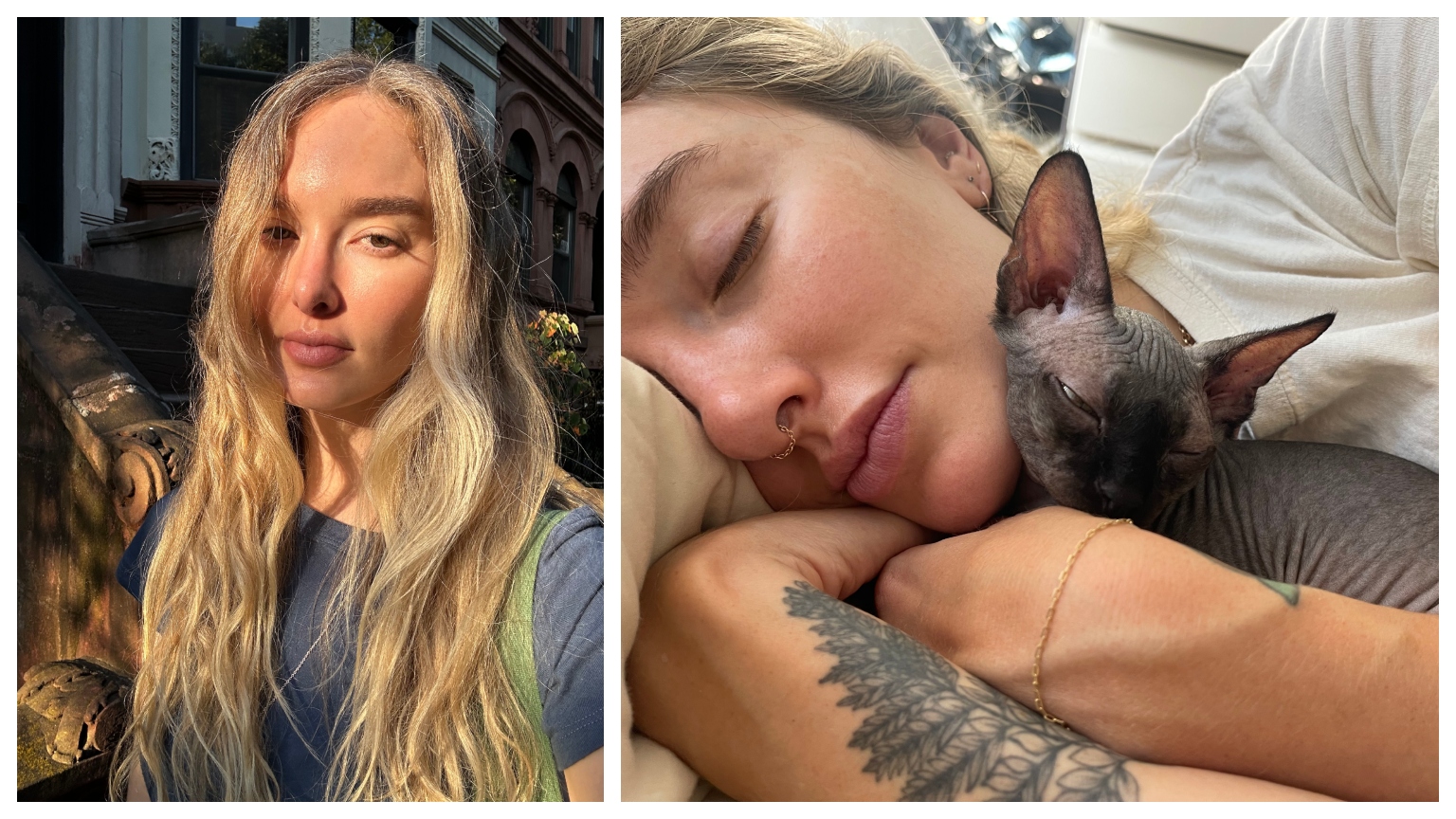
Brush It Out
I have wavy type 2B hair—I do not brush my hair unless I want it to become a fluffy, frizzy mess. Or because I’m going to bed after applying my growth serums and I know I’m going to shower and wash my hair in the morning. A nice brush will distribute the oils, detangle, and give me a nice relaxing massage before winding down for the night.
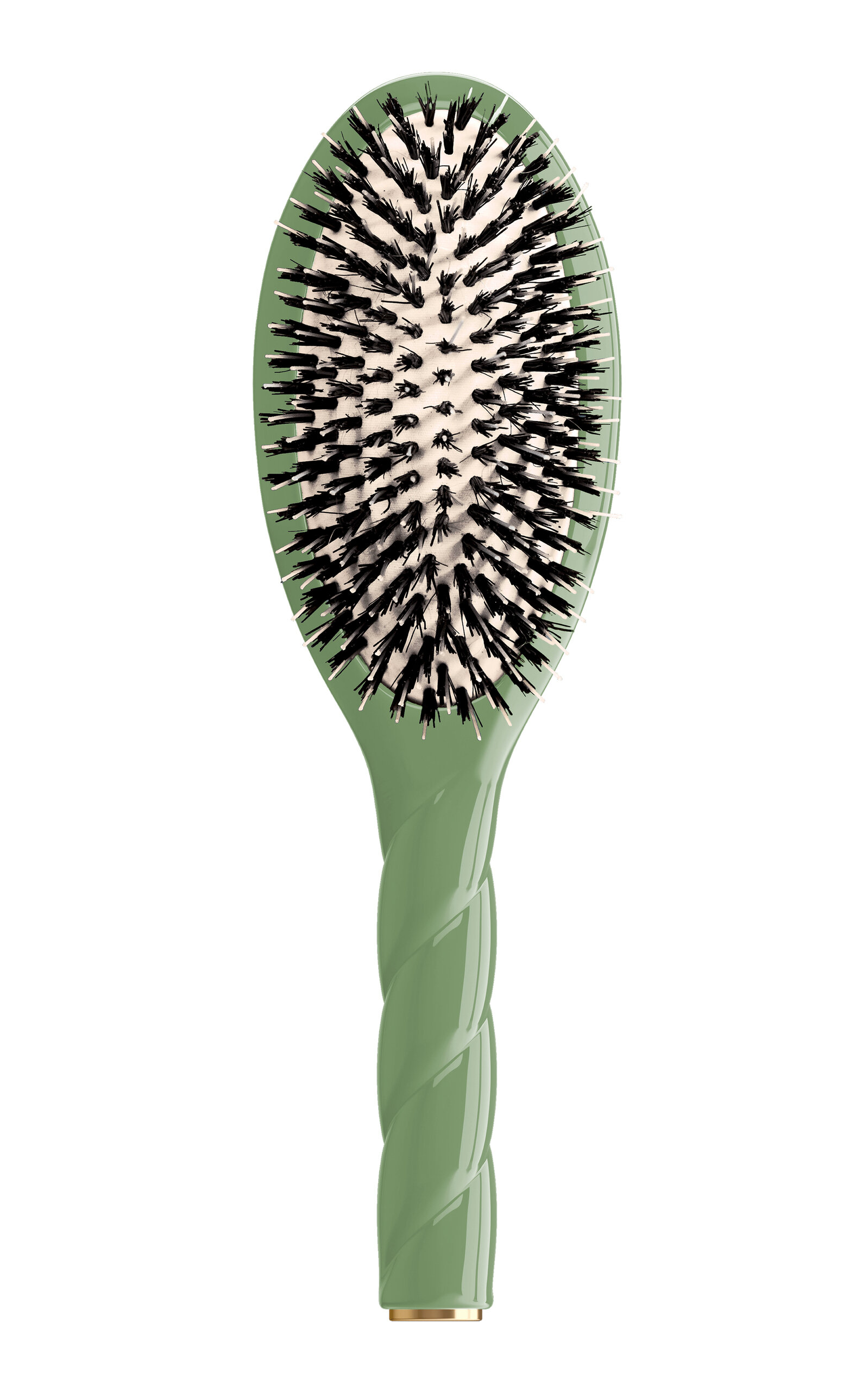
Pricey? Yes. Stunning and so lovely on the hair to detangle and massage your scalp? Absolutely. I simply adore this Parisian brand.
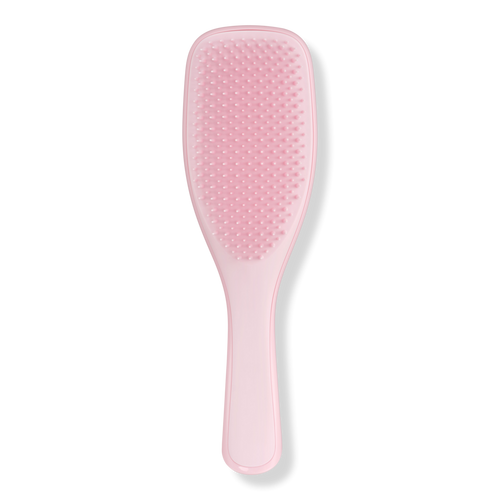
This brand has been a go-to for years, especially when my curls and waves are being unruly. The price and quality also cannot be beat.
Cut the Grind
I’m an anxious enough person during the daytime but apparently, I also incessantly grind my teeth at night as well. My dentist basically told me that if I don’t start wearing a night guard, I’ll need to cap my molars in a few years—no thank you. So I never go to sleep without one. Sexy, I know.
A custom night guard is essential after you’ve had orthodontia to help keep your teeth in alignment. This service is a fraction of the price compared to going to a cosmetic dentist.
I get it—shelling out a ton of money on a night guard isn’t very chic. But I swear, your dentist and your jaw will thank you for doing so. Look to this affordable option to spare your molars and ease the tension on your masseter muscles.
Hydration From Head to Toe
Your hands and feet take a beating from your lifestyle and the elements, so use the time when you’re horizontal to slather them in some nourishing moisture. An overnight mask (bonus points if you throw on some cotton socks as well) is the fastest way to wake up with super soft skin.
I cannot get enough of this deeply moisturizing formula. It’s thick but in a silky, whipped type of way, and my skin just drinks it up with glee.
Cica is one of the most calming and soothing skincare ingredients on the market, which is why I love to slather on this balm-like cream to repair cracked hands and feet. Don’t skimp with this one!
Why Trust Marie Claire
For more than 30 years, Marie Claire has been an internationally recognized destination for news, fashion, and beauty trends, investigative packages, and more. When it comes to the products Marie Claire recommends, we take your faith in us seriously. Every product that we feature comes personally recommended by a Marie Claire writer or editor, or by an expert we’ve spoken to firsthand.
Don't gatekeep our newsletters from your friends. Subscribe to Face Forward here.
]]>From my tried-and-true Translucent Loose Setting Powder in the shade "Honey" to the pressed version that the brand released a few years ago, Laura Mercier has undeniably luxurious formulas that make my undereyes look airbrushed. So, of course, when the brand re-released its Secret Brightening Powder, I had to give it a shot.
I have fairly hollow undereyes and oily skin, a combination that can make me look a bit skeletal if I’m not careful. Still, after a few weeks of adding this new powder to my makeup routine, I’m convinced nearly everyone should try it at least once. Keep reading to find out why this brightening powder has become my new secret weapon.
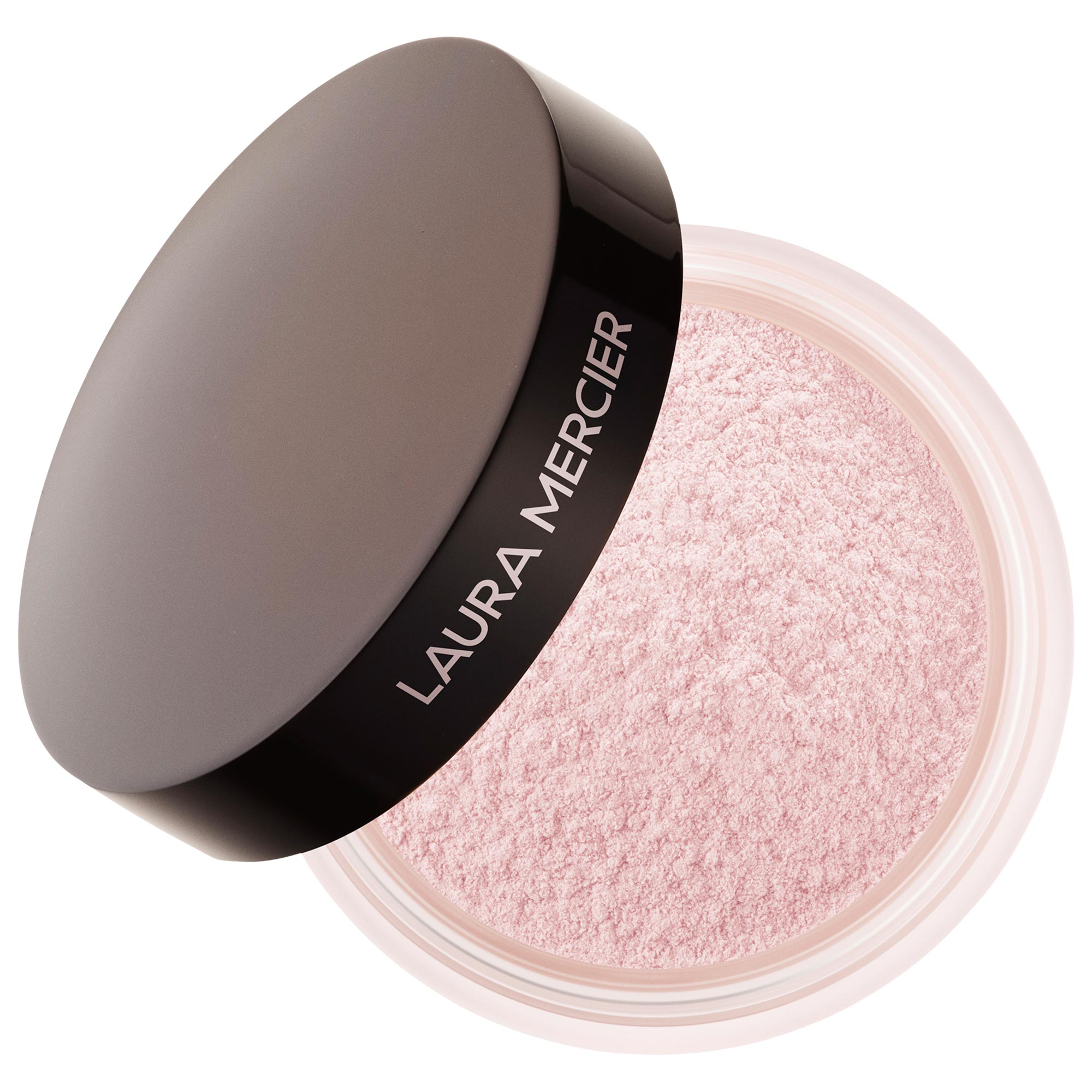
The Formula
This is a light-as-air powder that comes in a similar tub to the original translucent formula, with the same perforated divider to control the amount of product dispensed. It's available in five shades: Translucent, Soft Pink, Golden, Peach, and Rich Peach, to cater to a wide range of skin tones, from the deepest to the lightest hues. I love using the shade Golden for a pop of brightness that complements my slightly warm-leaning undertone without looking too dramatic.
With a soft, radiant finish, ingredients like silica and micronized pigments help provide a blurred, soft-focus effect on the skin, while simultaneously preventing settling into fine lines and accentuating shadows, which is key for people who lack volume under the eyes, like I do. Aside from Translucent, each shade can also serve as a color corrector, helping to counteract any darkness that may still appear in certain areas after you’ve set your makeup.
The Application
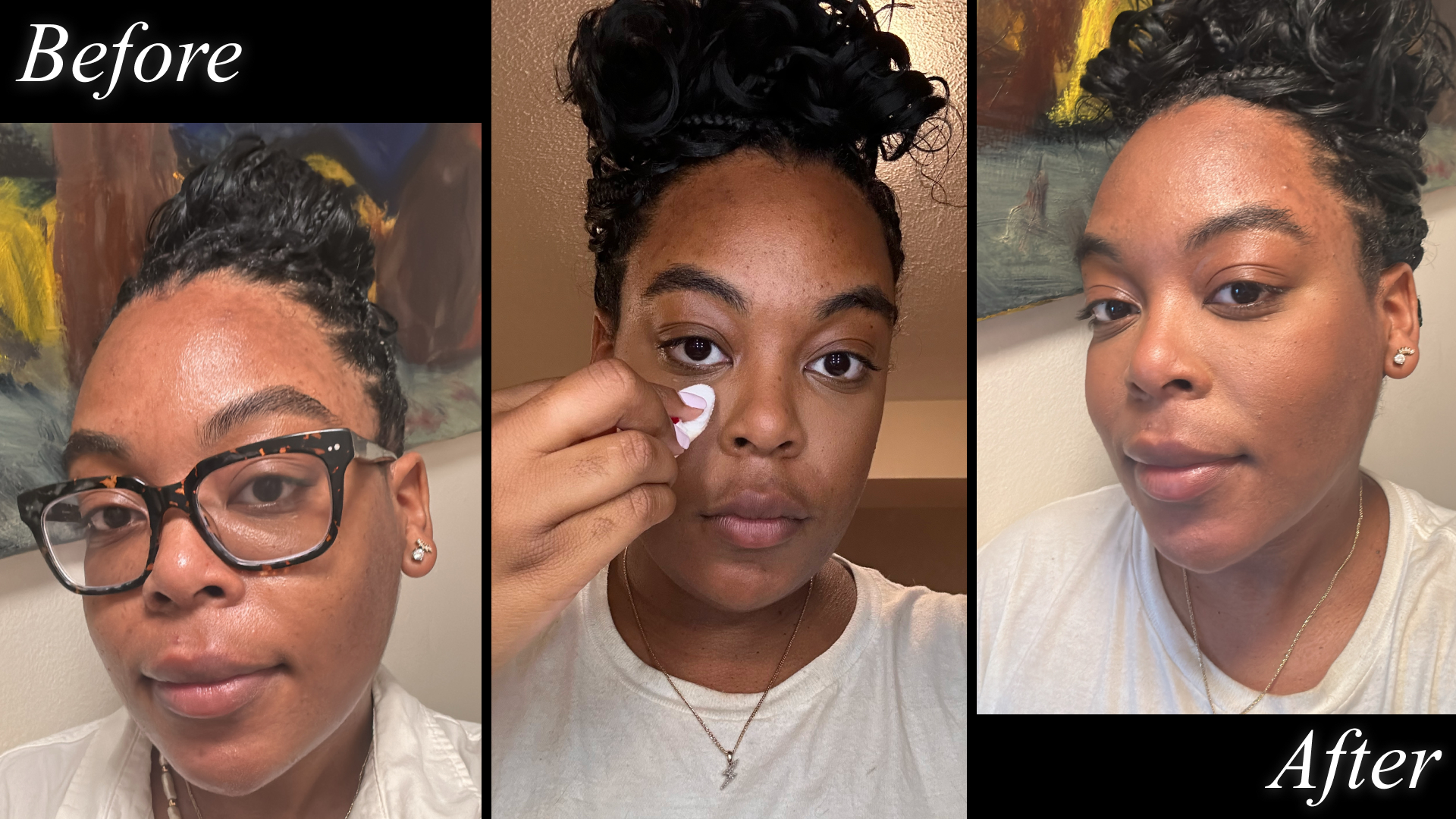
Although I may have attempted to bake in 2016, I have since learned that the technique isn’t for me. I tend to use a powder puff to apply my powders, pressing them gently into the skin to ensure that there’s no leftover product anywhere. This is the technique I use with these brightening powders as well.
First, I apply a powder that’s a bit closer to my skin tone (my favorite is the Hourglass Vanish Airbrush Pressed Powder) and do a first set of concealer. Then, I follow up with the brightening powder just in the lower inner corner of my eye, being careful to blend out the edges so that there isn’t a stark line of demarcation between the two shades.
The Wear Time
With a proper priming routine that controls my oily skin, I can get a full eight hours of wear from this powder without any noticeable creasing or cracking. That said, this is a makeup product, not plastic surgery in a bottle. This means that if you usually have lines under your eyes, this powder won’t make them disappear entirely. It will help blur them, but if you look closely in a mirror, you’ll still see them, especially as the day goes on.
This isn’t a limitation specific to this powder itself, but rather a common limitation of makeup in general. While they can help conceal, cosmetics can’t completely hide what natural skin looks like, especially if you have texture. So, for me, if there's a problem area I’m not happy with, no matter how much makeup I use, the next step is to see a dermatologist to explore options.
The Takeaway
It feels like this product has the word secret in it for a reason. It’s that little bit of something extra that makes you look bright-eyed and awake, but no one will be able to pinpoint why. This is exactly the type of makeup I enjoy using daily—something that enhances my natural appearance and makes me look like an even better version of myself. I use this product exclusively under my eyes, but it can also be used in other areas you want to brighten, such as the chin or the middle of the forehead.
In short, I will never remove this from my drawer of powders, and it will be front and center for any upcoming travels. Keep reading for a few additional products from Laura Mercier that I swear by.
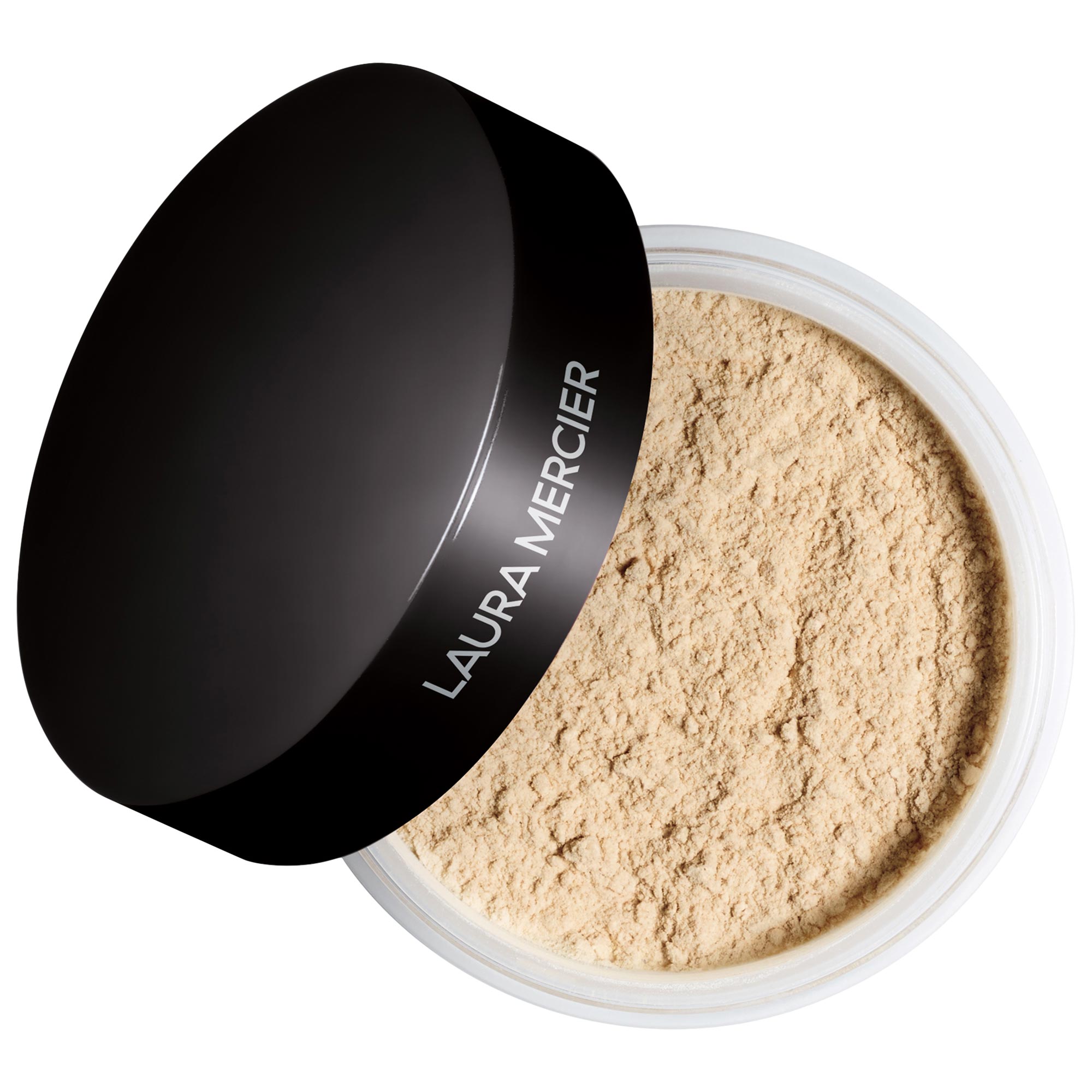
The original Translucent Loose Longwear Setting Powder in Honey is one of my holy grail powder formulas.
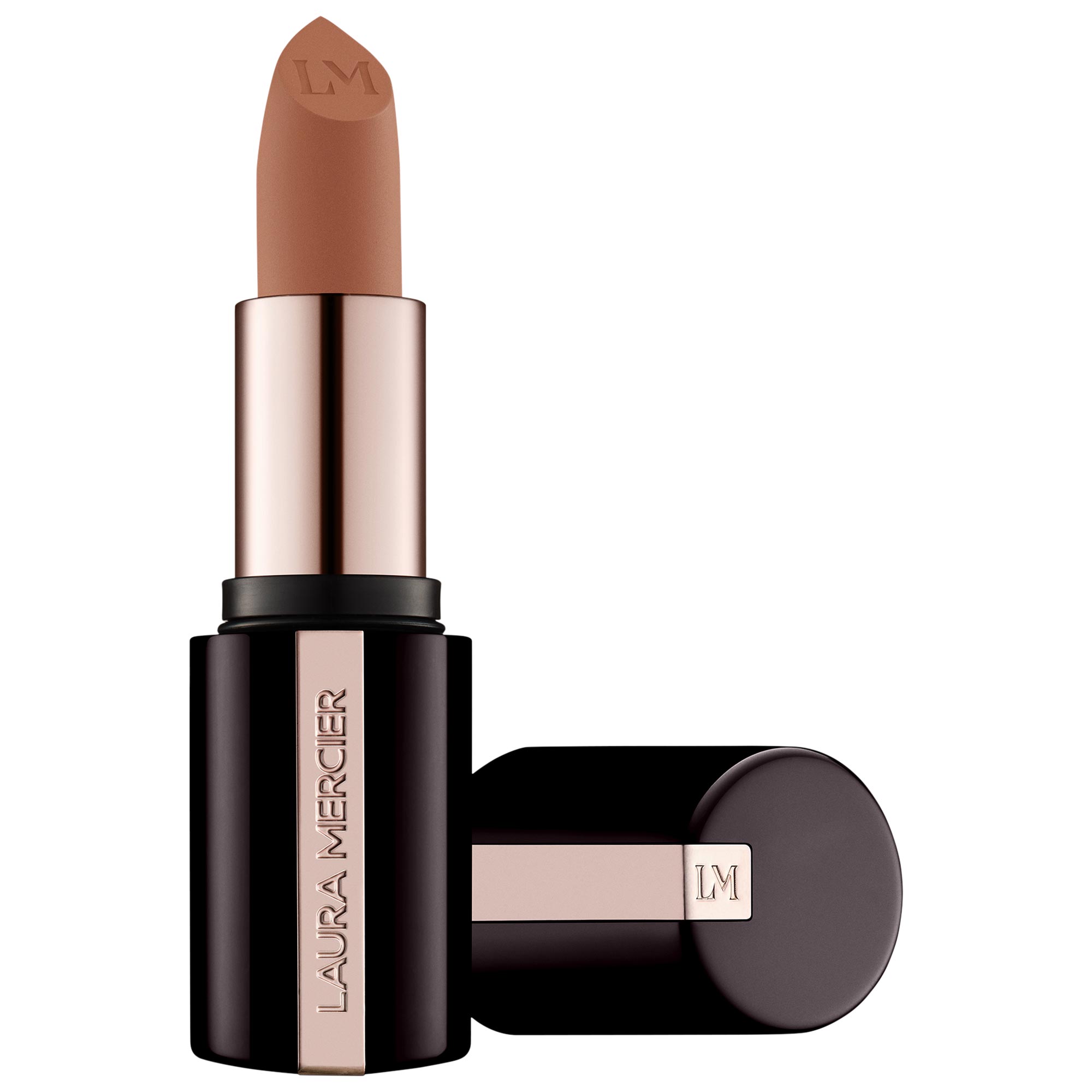
This line features some of the most beautiful nude lipsticks I've ever used. Plus, they feel like nothing on the lips.
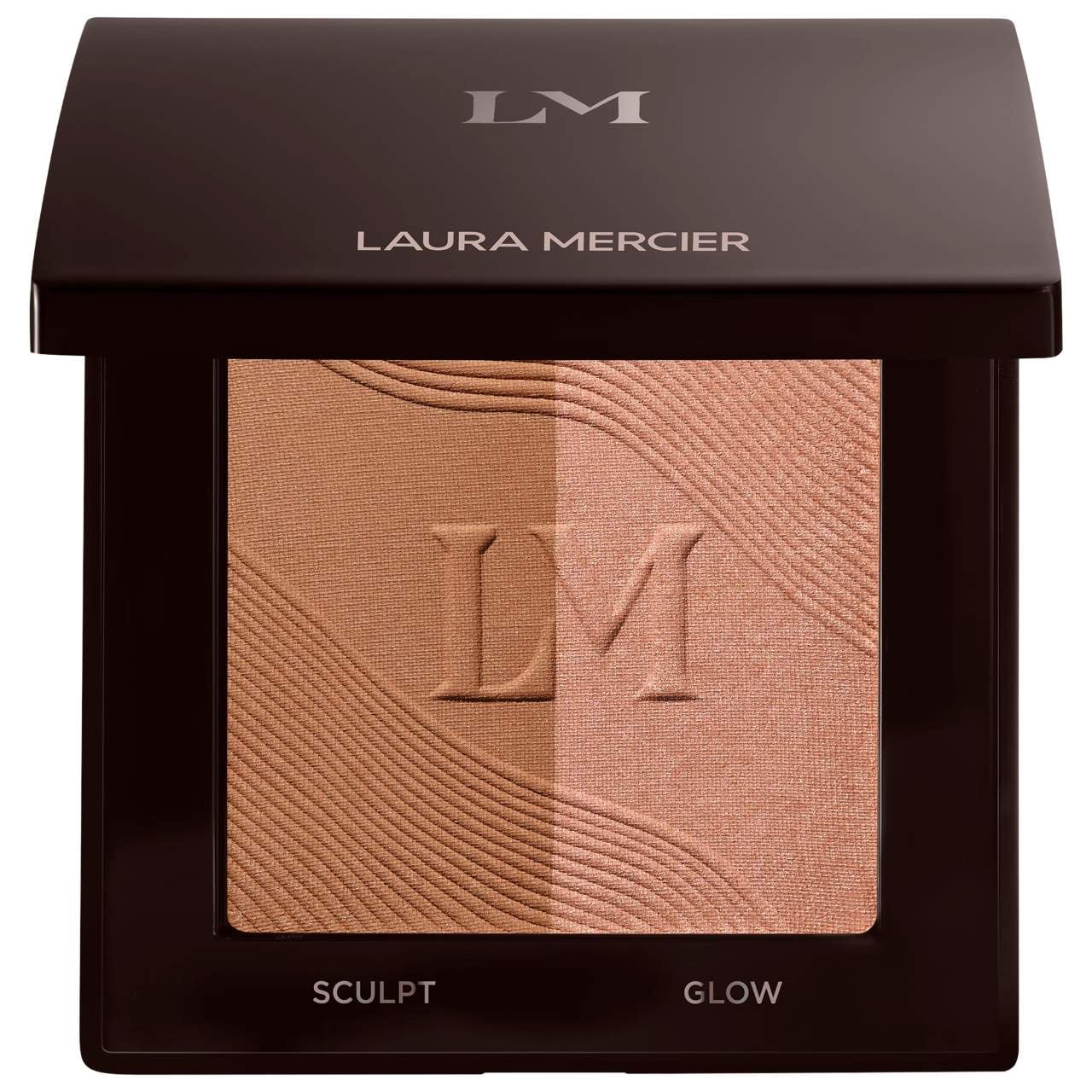
This product feels like a blush and bronzer combined. When I blend them together? Magic.
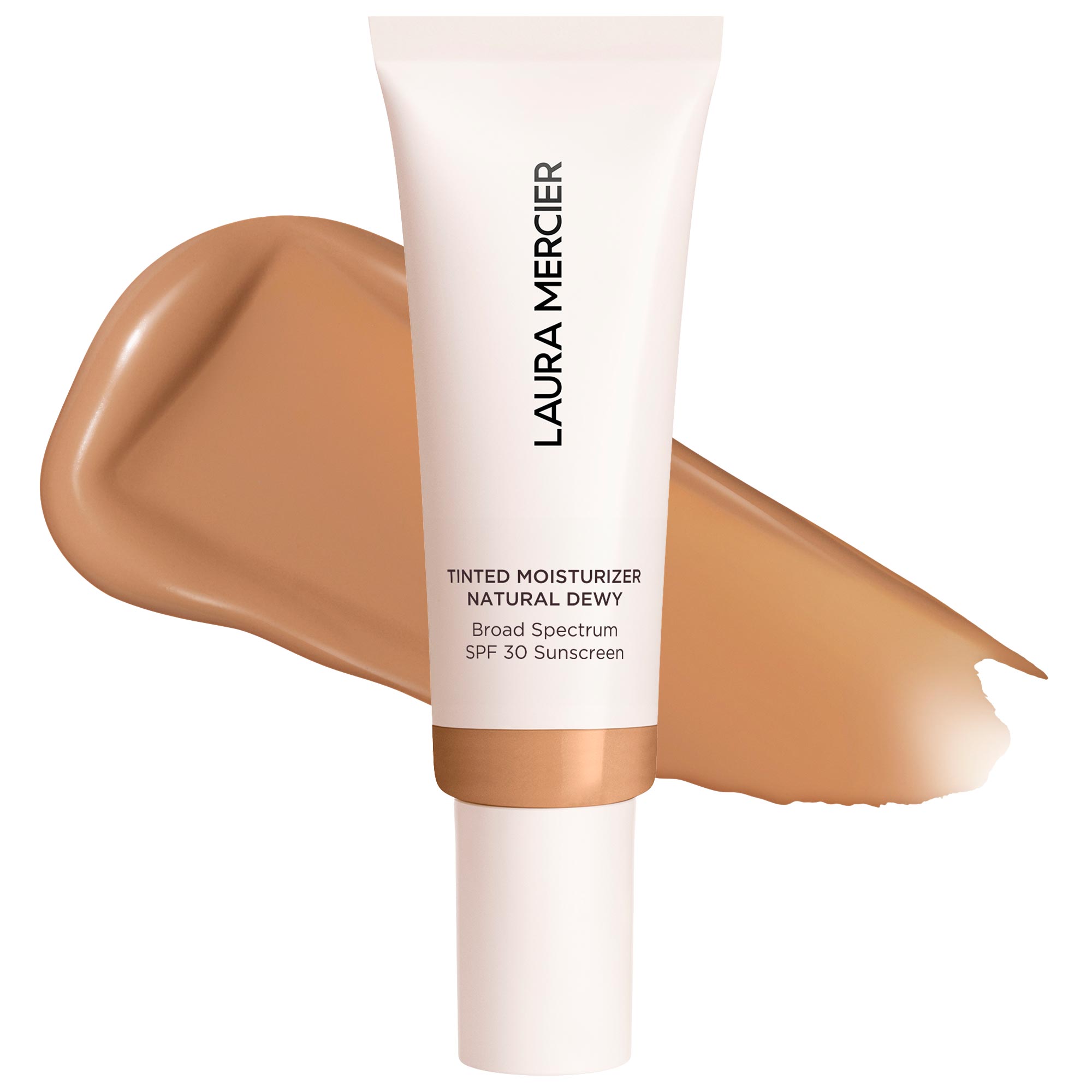
For makeup that looks like your skin, just a little more even, pick this up.
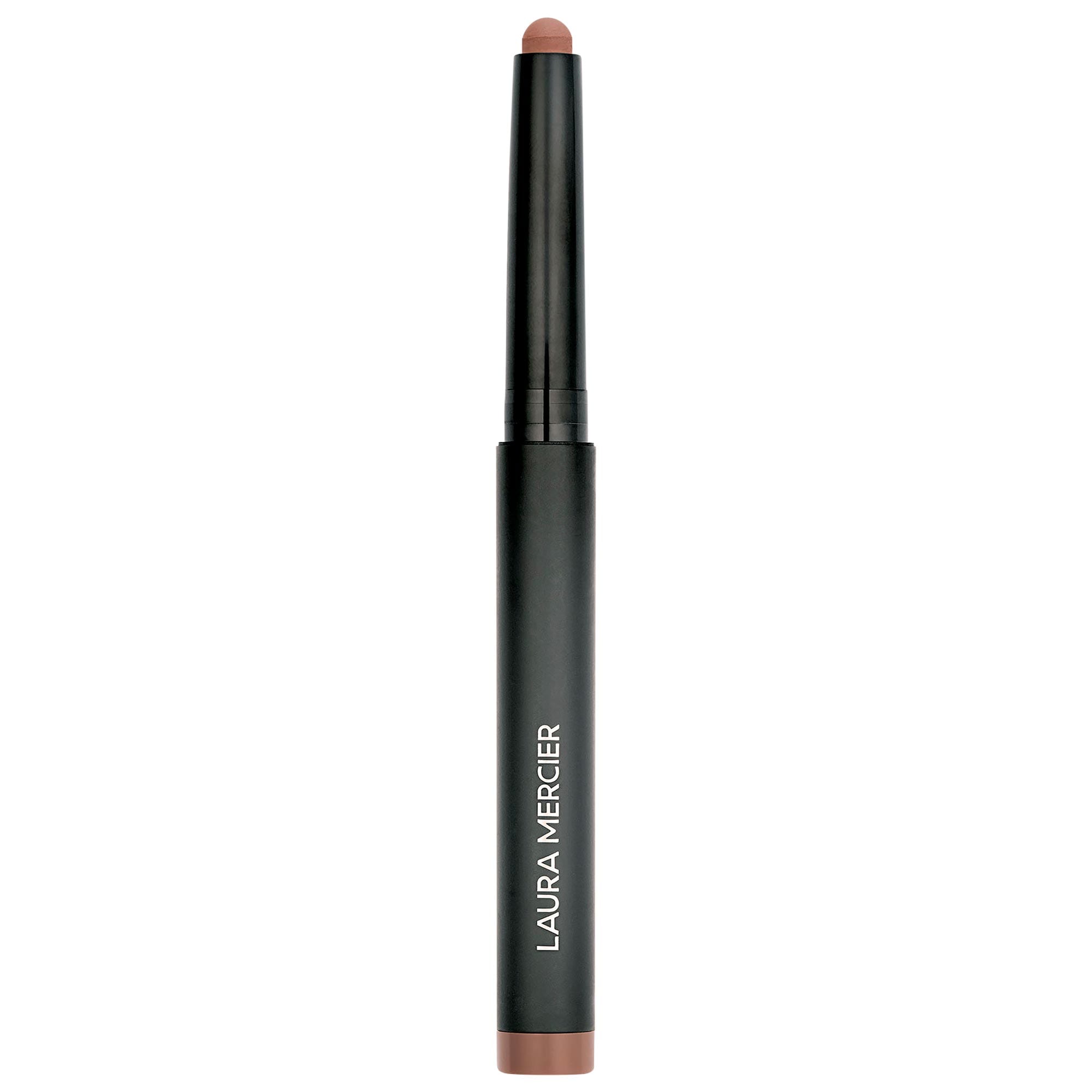
This eyeshadow stick in Sepia is one of my favorites for a one-and-done eye look.
Why Trust Marie Claire
For more than 30 years, Marie Claire has been an internationally recognized destination for news, fashion and beauty trends, investigative packages, and more. When it comes to the products Marie Claire recommends, we take your faith in us seriously. Every product that we feature comes personally recommended by a Marie Claire writer or editor, or by an expert we’ve spoken to firsthand.
]]>In the less than three years since the release of Laufey’s debut album, Everything I Know About Love, the 26-year-old has been dubbed a “Gen Z jazz icon” for introducing pop fans to music inspired by old standards.
Her magic touch and fantastical flourishes are all over her forthcoming album, A Matter of Time, due out August 22. In the album’s promotional imagery, the Grammy-winner channels a sorceress casting spells, and the tracks are named after fairy tales and feature stunning orchestrals resonating of early Walt Disney scores. Growing up, Laufey tells Marie Claire via email, she related the most to the bookish Belle from Beauty and the Beast, but she’s far from a damsel in distress in the lyrics on her new release.
Instead, the musician was eager to explore “female rage.” “As I spend more years in my 20s and learn more about love, I’ve experienced so many emotions beyond ‘sad’ or ‘happy,’ and I wanted to write about them.”
She’s also come to embrace how impossible it is to define her, be it her genre-defying artistry or her personality. “I’ve learned that I am a lot more flexible than I thought as a child,” she says. “Growing up, I thought that I would get the most out of life if I put myself in the right boxes and learned the right rules. It wasn’t until I was forced to explore what life looked like outside of my rules and boxes when I found myself as a person and as an artist.”
Here, Laufey shares the classic jazz artists who continue to inspire her, the aughties pop divas she still listens to, and the Mitski song she wishes she wrote.

I was obsessed with Golden Age movie musicals growing up, so I’d have to say [the soundtracks to] The Sound of Music or An American in Paris. I just love the sweeping orchestral music and waltzy dancing.

The first album I bought with my own money was a Miley Cyrus CD.

Chet Baker Sings. I remember listening to it at home; my dad had it on CD.
An evening in a Shanghai jazz club in the ‘30s!
The ending of La La Land always gets me.

I discover a lot through what my fans are listening to, honestly. Other than that, I get most of my music recommendations from my twin sister. I don’t make playlists; I just save hers!
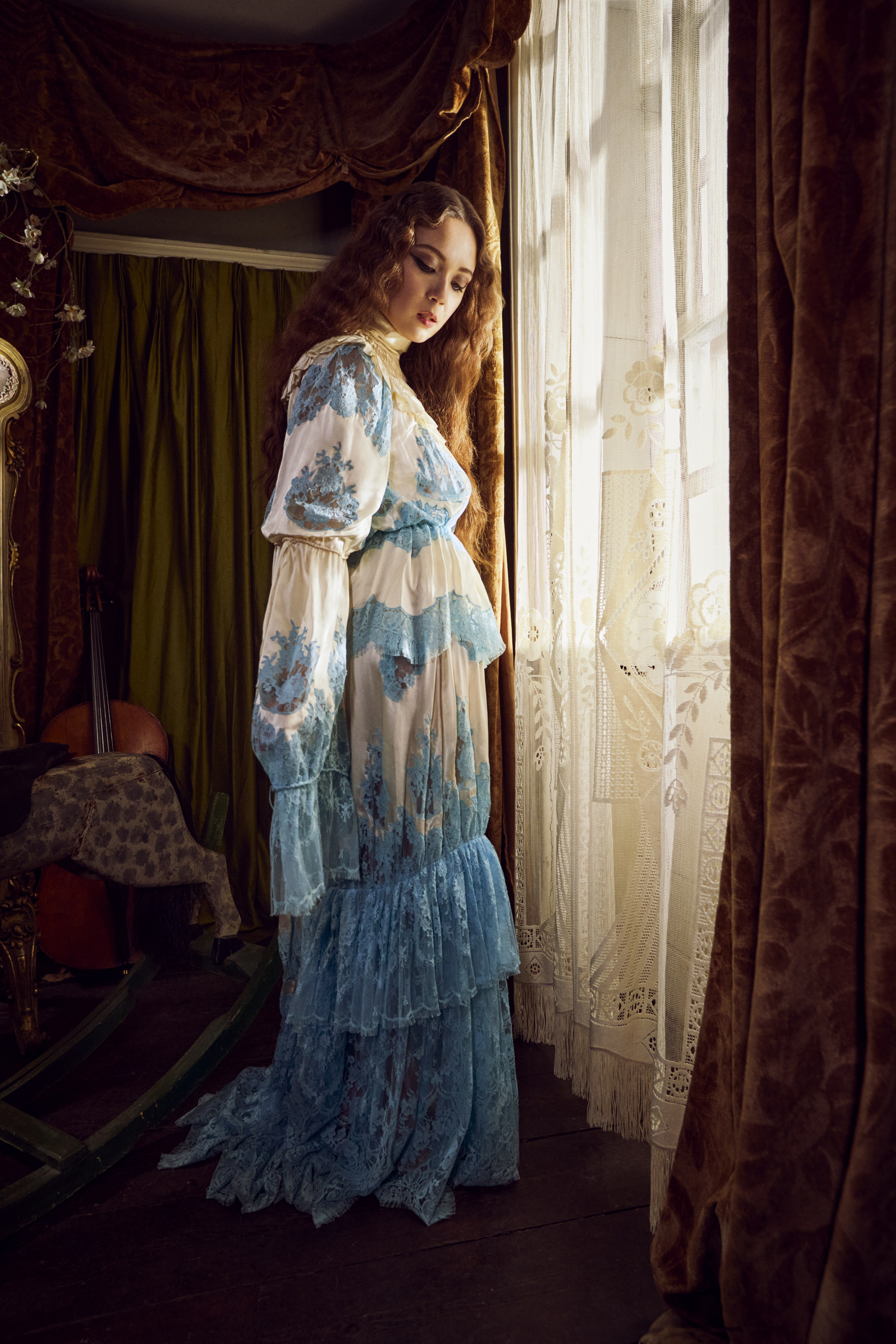
Cowboy Carter. It was the most magical show from start to finish. The way it blended Beyoncé’s eras and included different sounds from different areas of music felt like a deep dive through the history of American music and dance.
I have a Bill Evans cap that I’m obsessed with.
“My Love Mine All Mine” [by Mitski].
I’m going to have to go with some old masters. I think an all-female lineup would be so cool, so Astrud Gilberto, Ella Fitzgerald, Nina Simone, Billie Holiday, Julie London.
Recently, I’ve been listening to Tom Odell.
I have two modes: Either I’m listening to pop hits—currently on a K-pop kick—or classical music, no in-between.
I love listening to Adrienne Lenker or Nat King Cole.

2000s pop bangers! Destiny’s Child, Rihanna, Fergie, Lady Gaga.
Probably the entirety of [the A Matter of Time track] “Snow White,” especially the lyrics, “Mirrors tell lies to me / My mind just plays along.” It’s my favorite because, though the lyrics are a bit brutal, it strangely helped me with my insecurities.
This interview has been edited and condensed for clarity.
]]>The older I get—and the more adulting I do—the more my nighttime ritual matters. My skin glows and my breakouts decrease when I'm consistent. My sleep schedule steadies when I reset, and my brain actually has a chance to power down when I'm not skipping steps or crashing in my dad's oversized t-shirt and ratty old gym shorts. I'm not talking about a 10-step skincare routine or jade rolling for hours, but I am intentional about the little things that make a difference—like upgrading my sheets to skin- and hair-friendly alternatives, switching to clean candles, and simplifying my routine to fragrance-free, gentle, and essential skincare products.
It's simple (perhaps with a touch of luxury), but entirely deliberate. Here's everything I use to reset after a long day.
Wind-Down Ritual
My nighttime beauty routine starts with a moment to collect myself and breathe after a busy day. Before I even reach for a skincare product, I prepare my space to unwind.
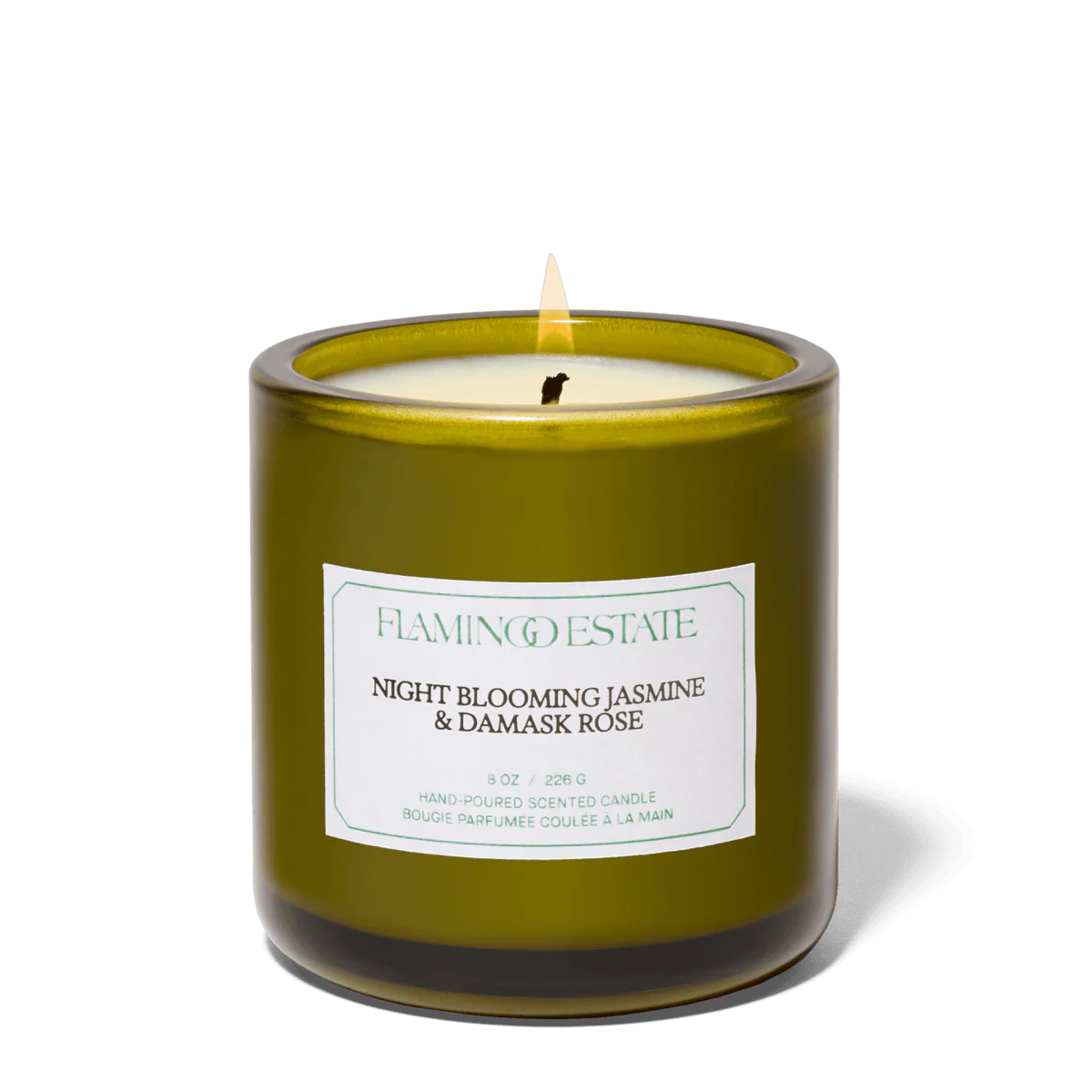
The L.A. lifestyle company, Flamingo Estate, creates some beautiful products that bring me to my happy place. This candle, in particular, has the loveliest jasmine aroma, anchored by a sweet hint of damask rose that helps me find a zen state each time I light it.
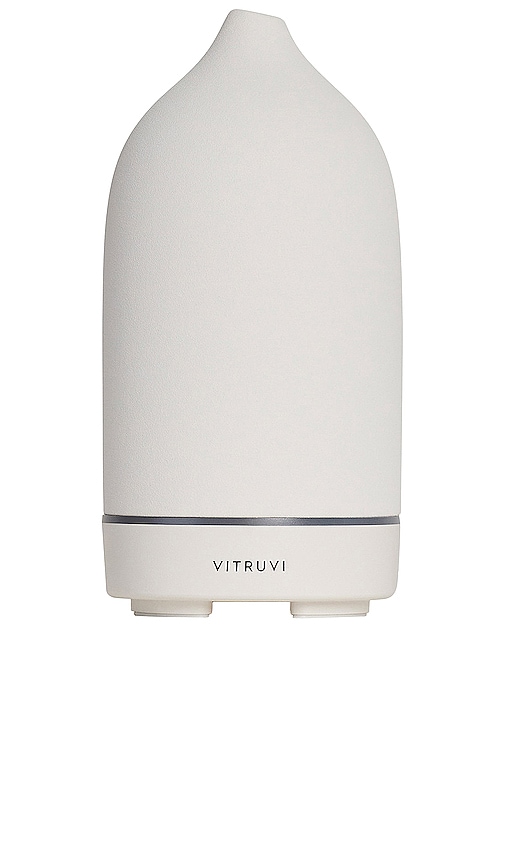
I'm either lighting a candle or powering on a diffuser. This one features a stone body with an aesthetic design and a runtime of eight hours. I add a few drops of various essential oils, depending on the kind of vibe I want for the night.
Face Time
Now, here’s the part I enjoy most as a beauty editor: my nighttime skincare routine. As someone who tries a million products daily, I’ve made a conscious decision to simplify my routine by focusing on gentle alternatives. Aside from my tretinoin Rx, these are the mainstays in my routine.
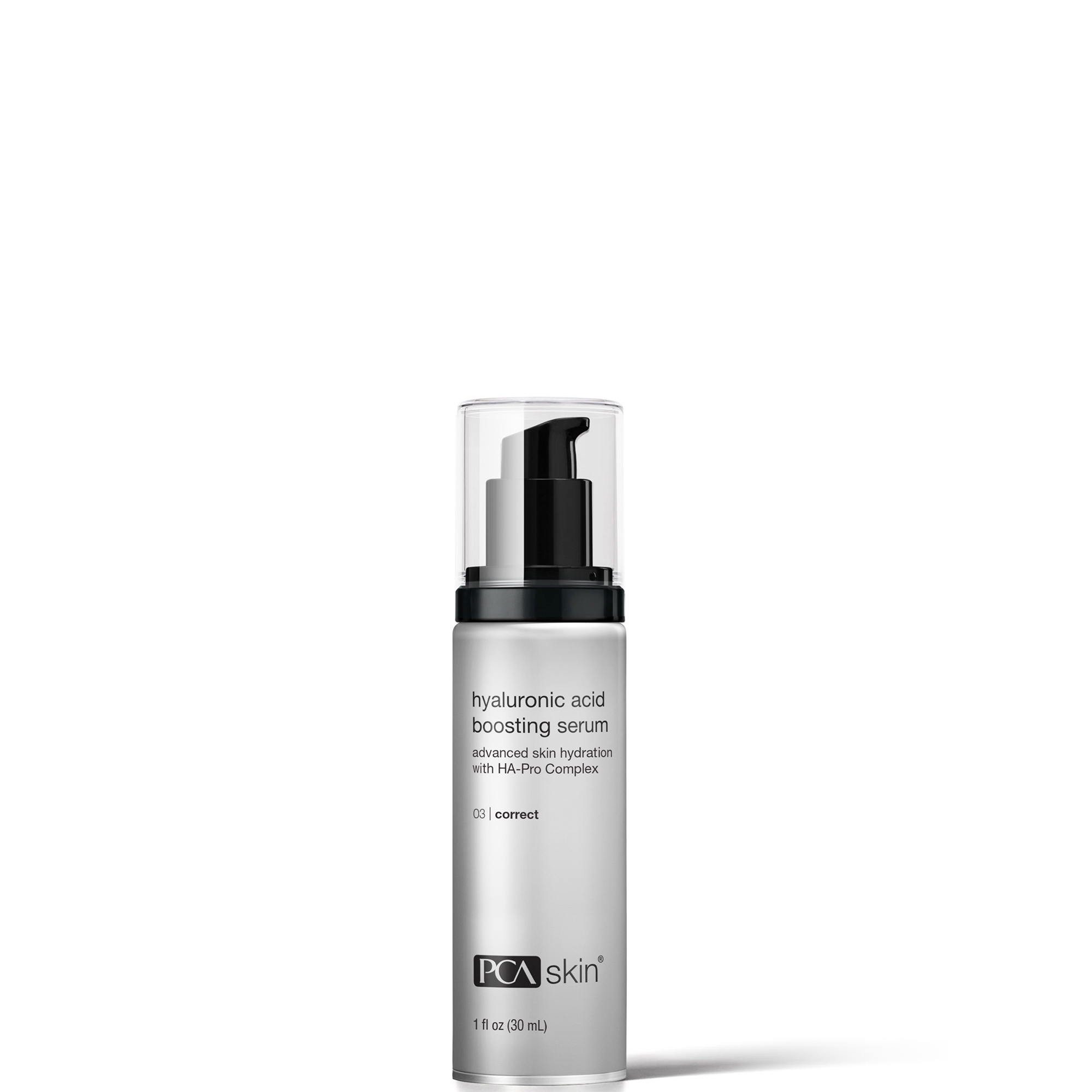
Never have I found a serum that hydrates and plumps my skin as well as the PCA Hyaluronic Serum. It's simple, but effective. When I wake up in the morning, my skin feels like silk.
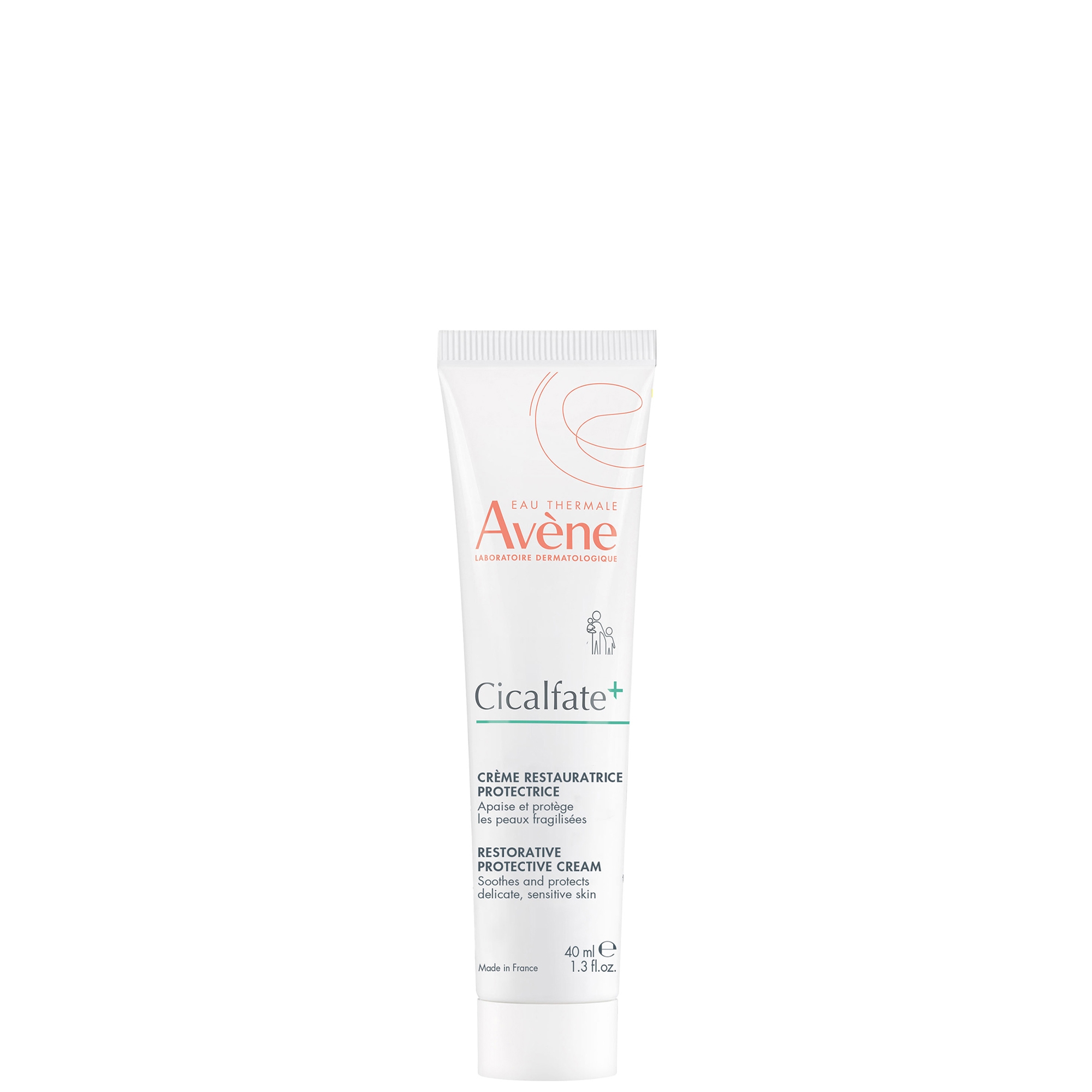
This product alone helped me get through beginner's retinol-induced irritation. It's also the perfect all-in-one cream. Plus, it just won a Marie Claire Beauty Award.
Body Glaze
Next comes my body care routine. This is when I layer up with butters, oils, and glazes galore. My shave routine is step one, but the after-shower ritual is what really takes my skin from soft to buttery smooth.
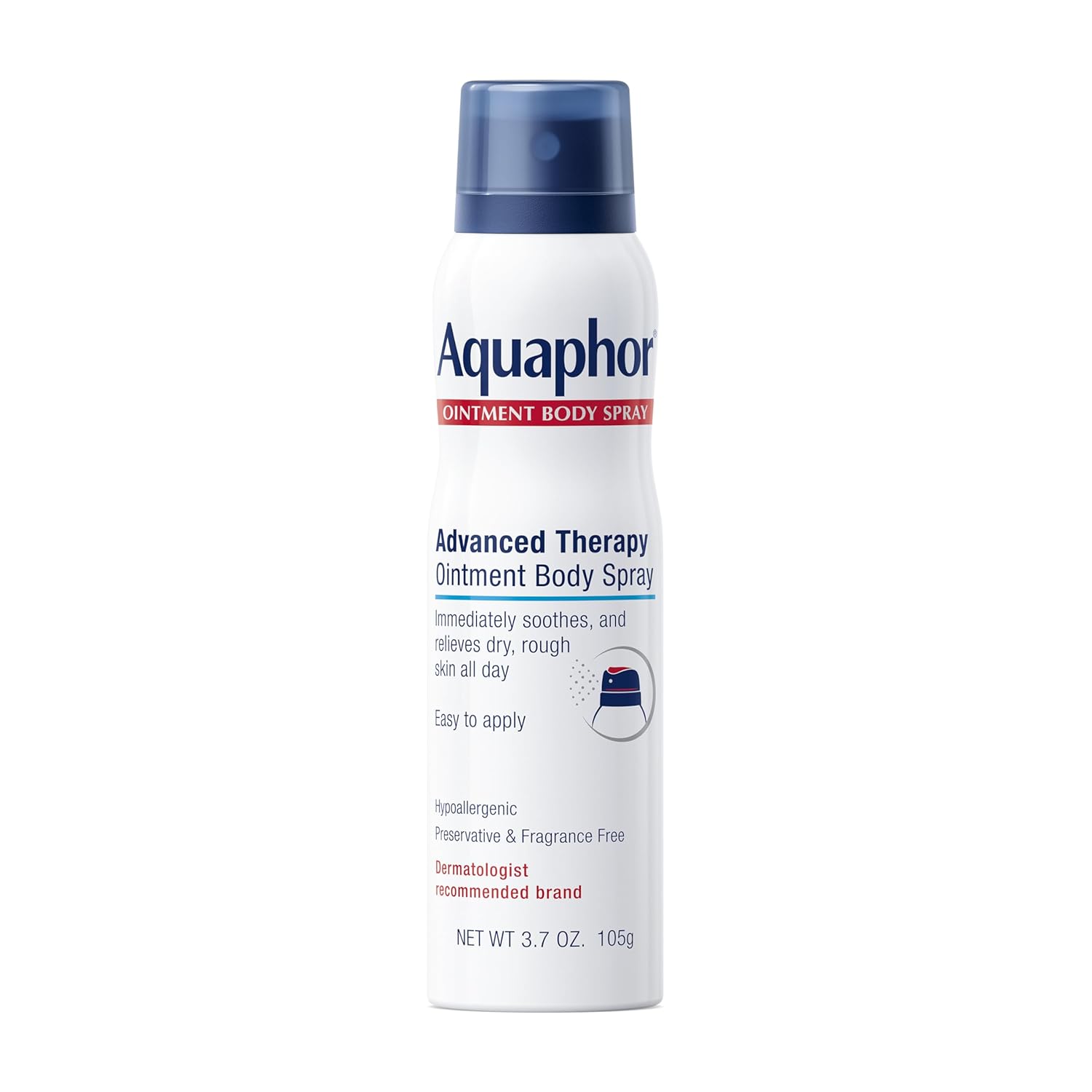
This body spray has been my summer favorite. As a sweaty sleeper, sometimes I don't want a heavy-feeling cream, and the Aquaphor spray is my solution. It provides the same amount of moisture as a traditional formula, but doesn't feel heavy at all.
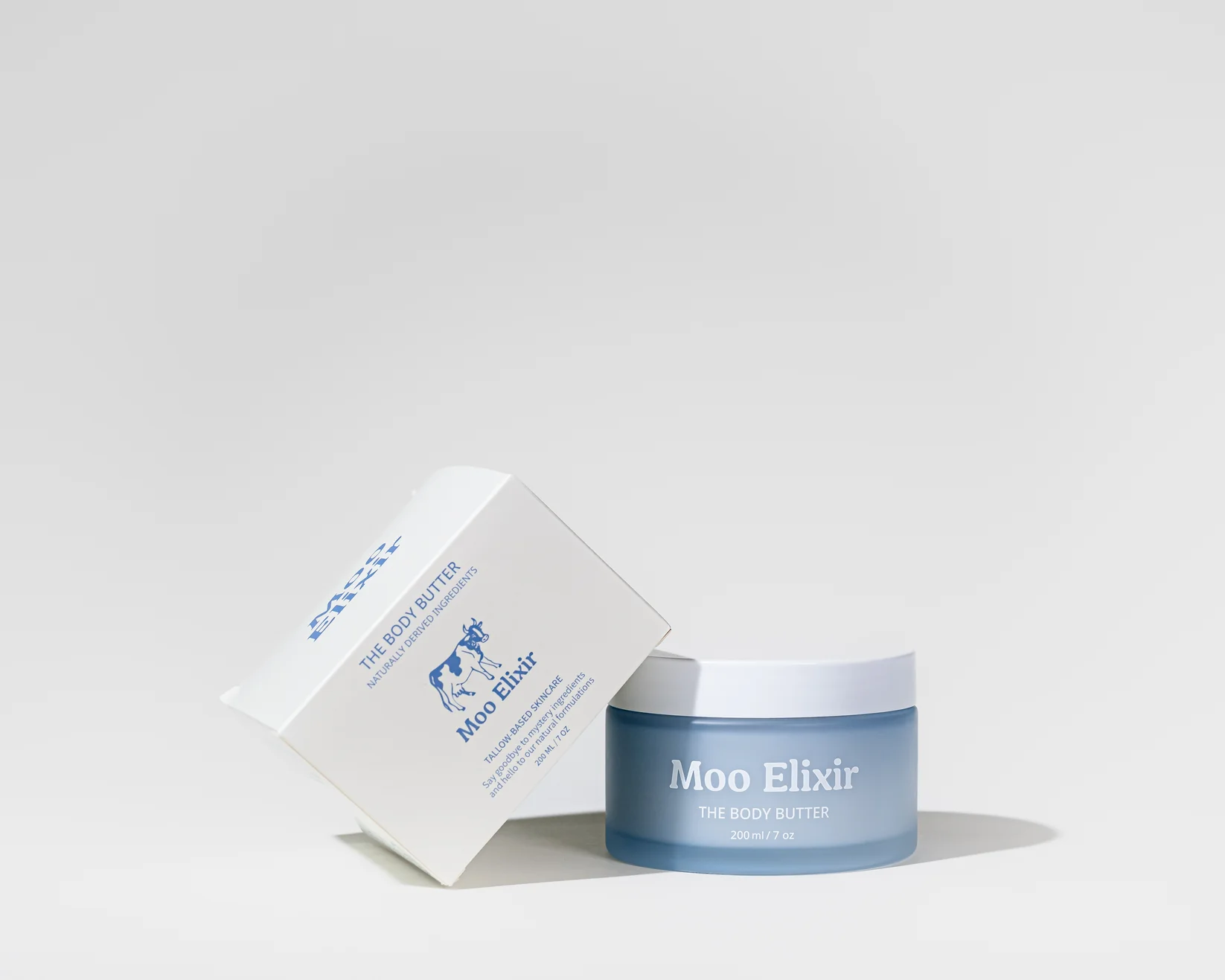
Then there are days when I do want to indulge in an ultra-moisturizing butter, and Moo Elixir's luxe formulation—that smells of almond and tonka bean—feels like velvet.
The Bed Prep
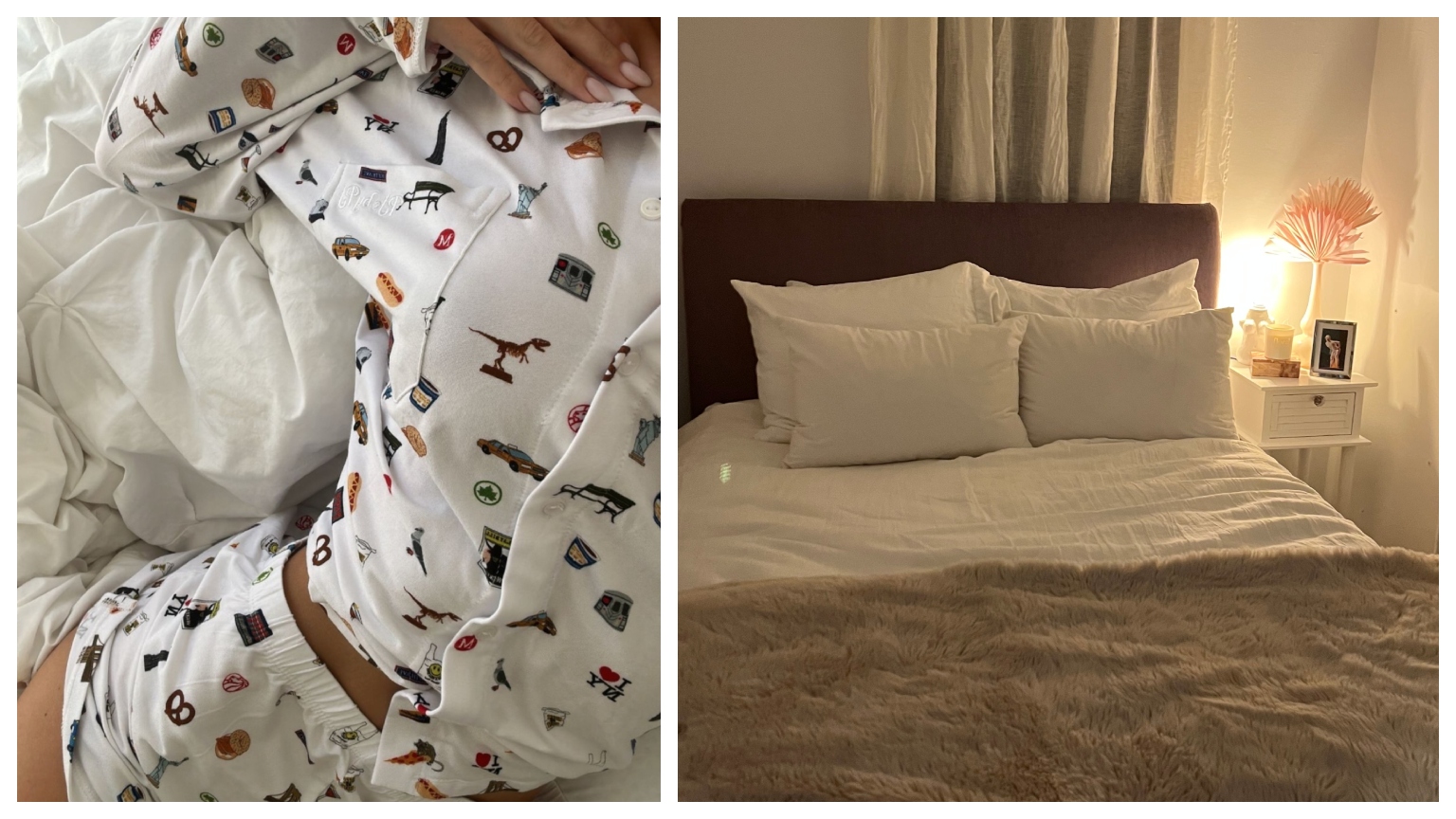
My bed truly feels like my personal sanctuary, and I was surprised by how small upgrades could make such a significant difference in my sleep routine. After all, everyone knows that beauty sleep is legit.
I'll wax poetic any day about these lovely linen sheets from Parachute. The soft, breathable fabric truly does wonders for waking up with smooth, frizz-free hair.
An upgrade I added to my life that I didn't realize I needed? A luxury detergent. The Laundress offers the best quality, and the scent is delightful, lasting until the next wash day.
Pajama Philosophy
I have this theory that every time I put on a set of PJs, it’s as important to my bedtime routine as my go-to face moisturizer. After all my body products are absorbed into my skin, I want something just as luxe to drape over it.
I switch between the adorable Chicago pajamas (where I'm from) and the just-as-cute New York City pajamas (where I am now), depending on my mood—and honestly, what's clean. The fabric blend feels cool against my skin, and the sets are so cutesie.
My all-time favorite set, which I throw on immediately out of the wash, is Naked Cashmere's silk PJs. They are a true luxury, and I feel like the epitome of chic every time I wear them.
Why Trust Marie Claire
For more than 30 years, Marie Claire has been an internationally recognized destination for news, fashion, and beauty trends, investigative packages, and more. When it comes to the products Marie Claire recommends, we take your faith in us seriously. Every product that we feature comes personally recommended by a Marie Claire writer or editor, or by an expert we’ve spoken to firsthand.
]]>At the start of the year, I finally reached a point where my hair felt strong again. But it refused to grow past armpits—until I started working with hairstylist extraordinaire Temur Hamilton, who own TEMUR on the Upper East Side in Manhattan. He’s put me on a steady schedule of monthly trims (a hard pill to swallow for someone accustomed to getting one haircut a year) and recommended a handful of products and heatless hairstyles. The result: my hair has doubled in thickness and grown around two and a half inches in just a few months.
My entire summer hair growth routine, ahead.
Regular Cuts
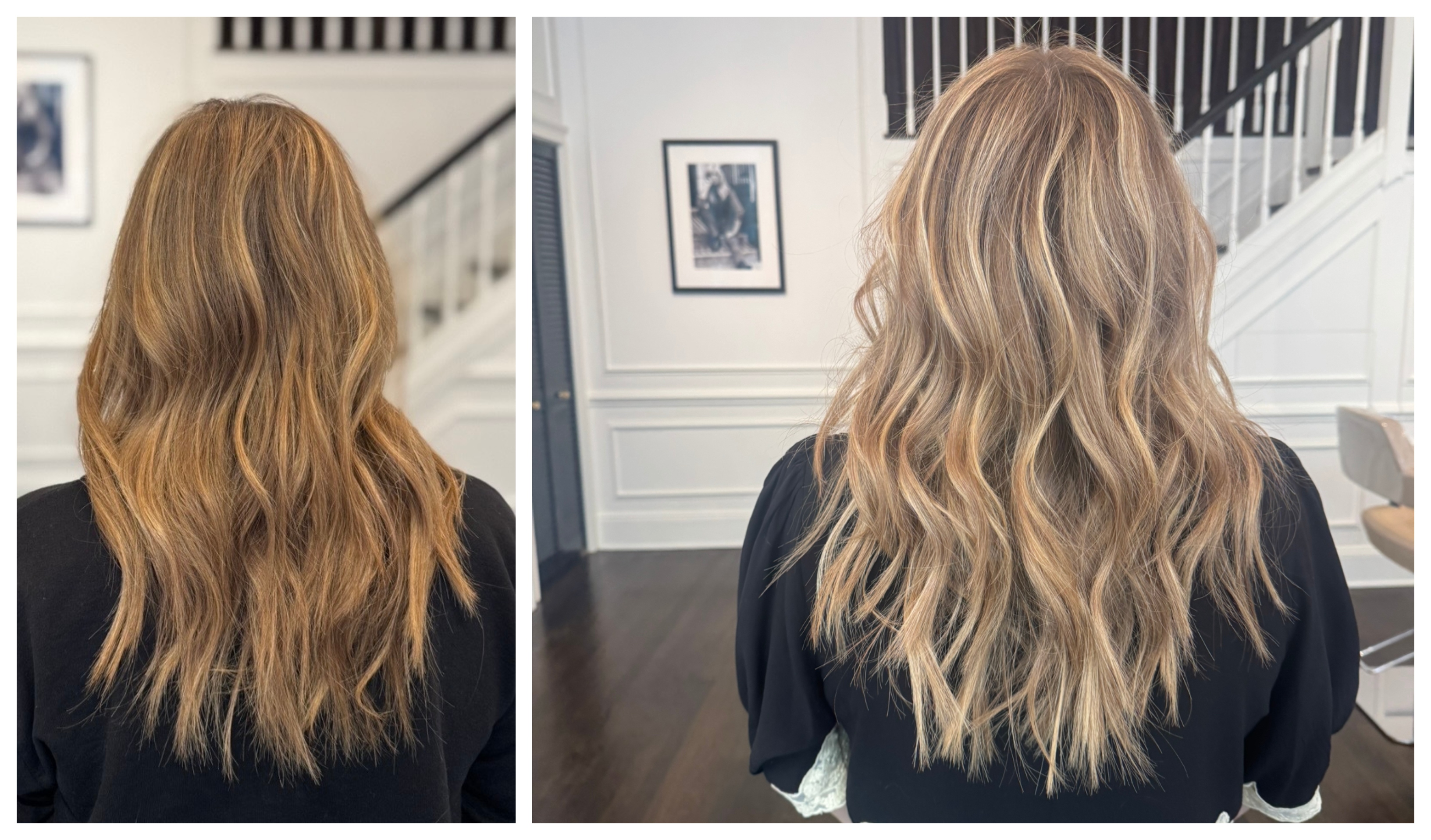
My logic has always been that fewer haircuts will equate to more growth. But Temur has proved me wrong. After getting trims every four weeks for four months, I graduated to Big Girl Haircuts every eight weeks. My hair looks so much more even and thick at the ends. It also looks so much longer and healthier, a change I really started to notice this month.
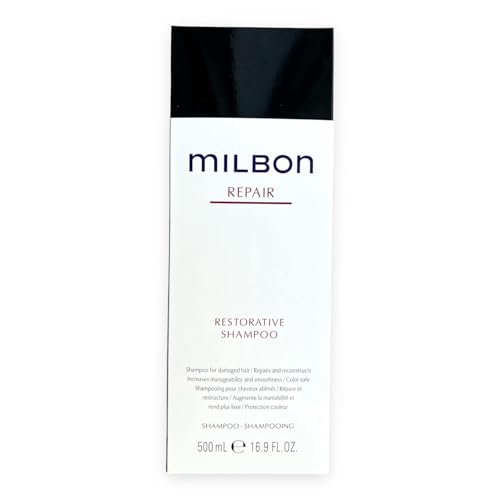
Not only does this make my blonde look brighter, but it also adds moisture and strength to my hair. Bonus: it has that salon hair smell (iykyk).
I’m not normally a hairspray girl (I hate the crunchy feel), but Temur puts a little of this in my hair after every blowout and my blowout easily lasts three days.
Heatless Hairstyles
I love my Dyson and T3 curling iron more than anything, but I take summer’s easygoing vibe as permission to give my hot tools a sabbatical and take a break from heat damage. Because honestly: what the point of a blowout when I plan on sweating or going to the beach or pool the next day?
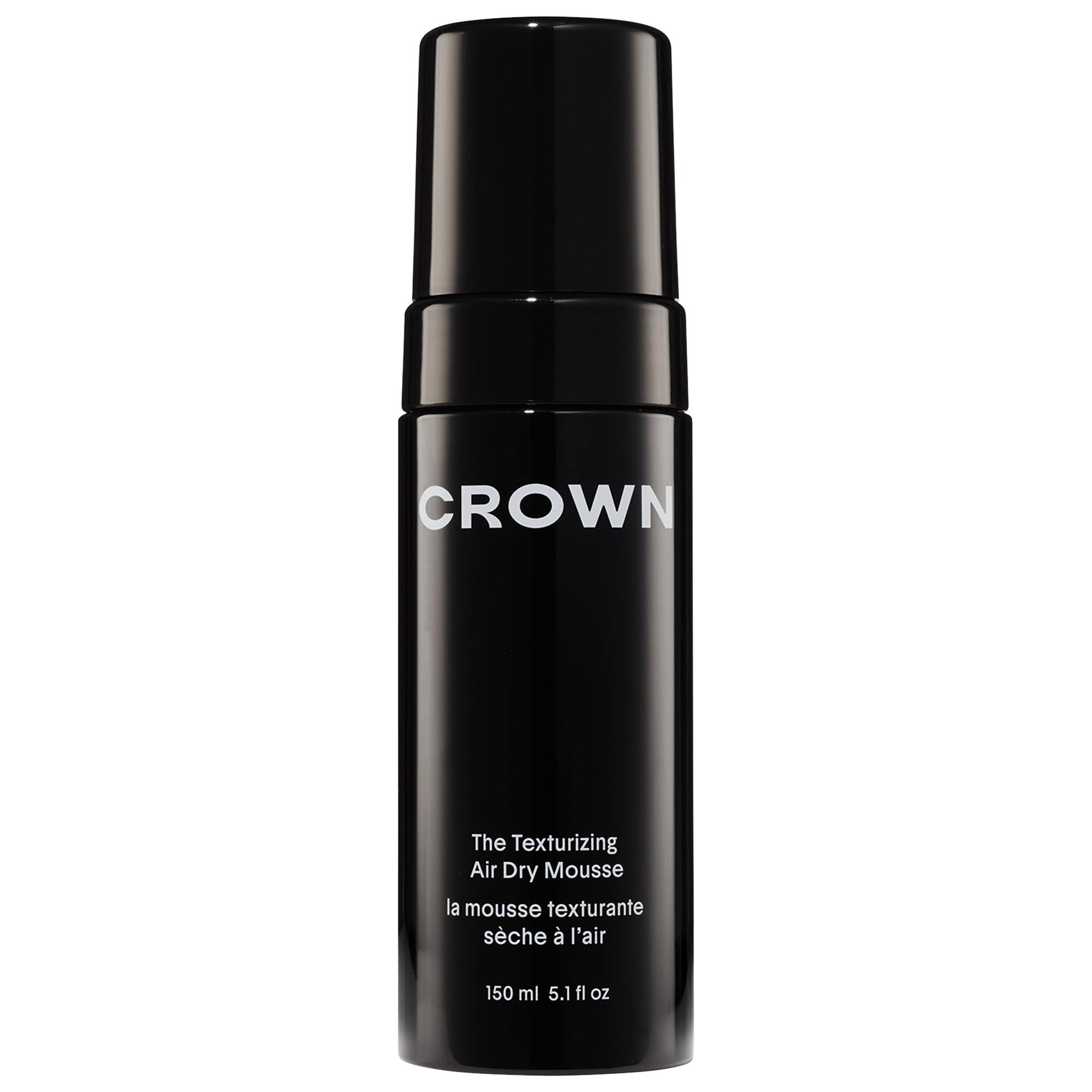
Having regular haircuts has made my hair air dry much faster and with a lot less frizz. But this Crown Affair product is my beauty editor secret ingredient to a solid air dry. It gives me added volume at the root, defines waves, and seals split ends. Bonus: she smells delicious.
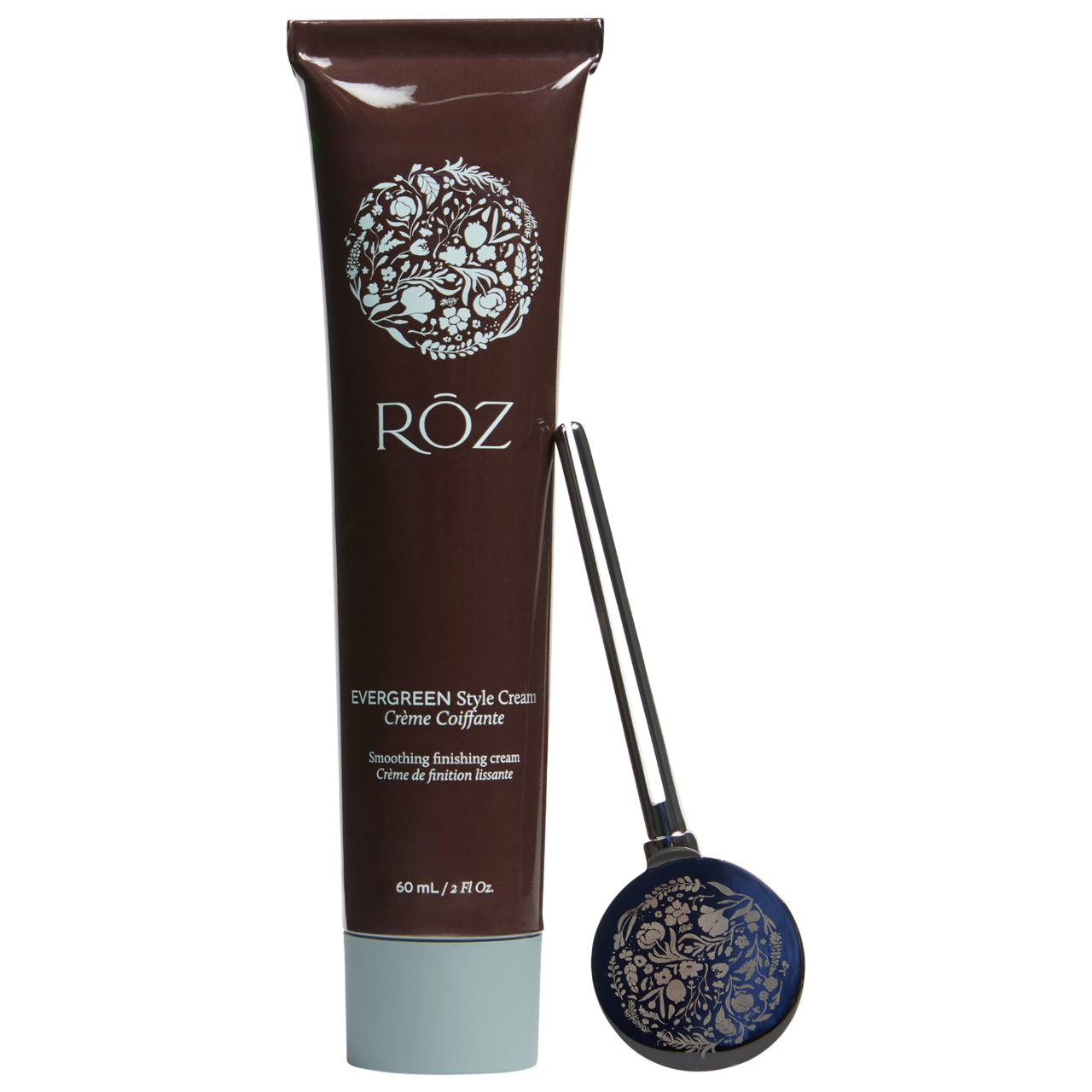
Should my hair not air dry as intended—sometimes the humidity has a mind of its own—I resort to a simple slicked-back bun. This cream is my number one because it keeps my flyaways down, while simultaneously nourishing and strengthening my hair throughout the day.
Vitamin Regimen
There’s not enough wide scale clinical studies to definitively prove if hair growth supplements are effective, but there is some evidence to suggest that certain vitamins can help slow hair loss and thicken existing hair. Here are the dermatologist-backed ones I trust and have used—past and present.
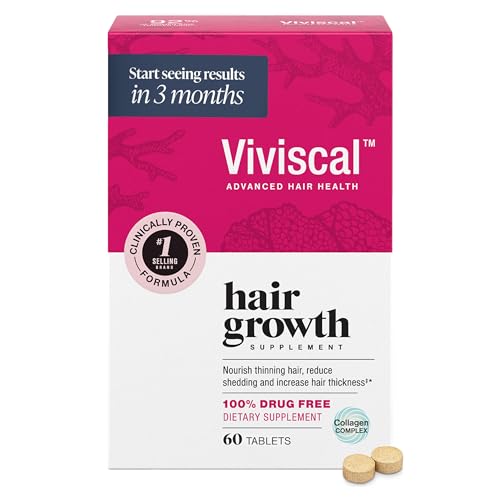
I got a sneak preview of these guys before they launched, and genuinely feel that I noticed less fall out in the shower once I hit roughly the two month mark.
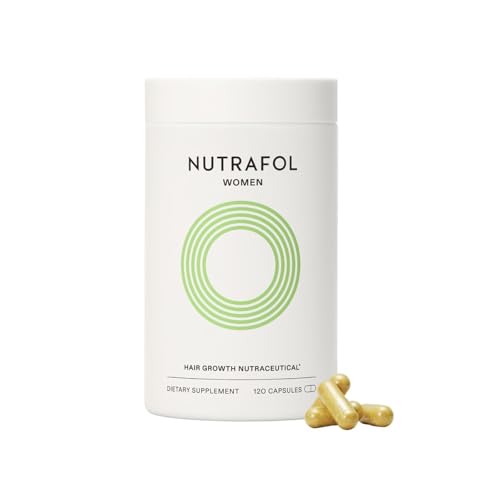
I’m not currently taking Nutrafol, but I have so many friends that swear by it’s hair thickening powers. It’s also the supplement that my dermatologist recommended I take in tandem with more powerful prescriptions when I first noticed hair loss.
Hair Growth Serums
Minoxidil is the holy grail of at-home growth. Once upon a time, the foam topicals were greasy and gross, but I’ve found new-to-market, elegant formulations that help spur new growth, dry instantly, and feel undetectable once my hair dries.
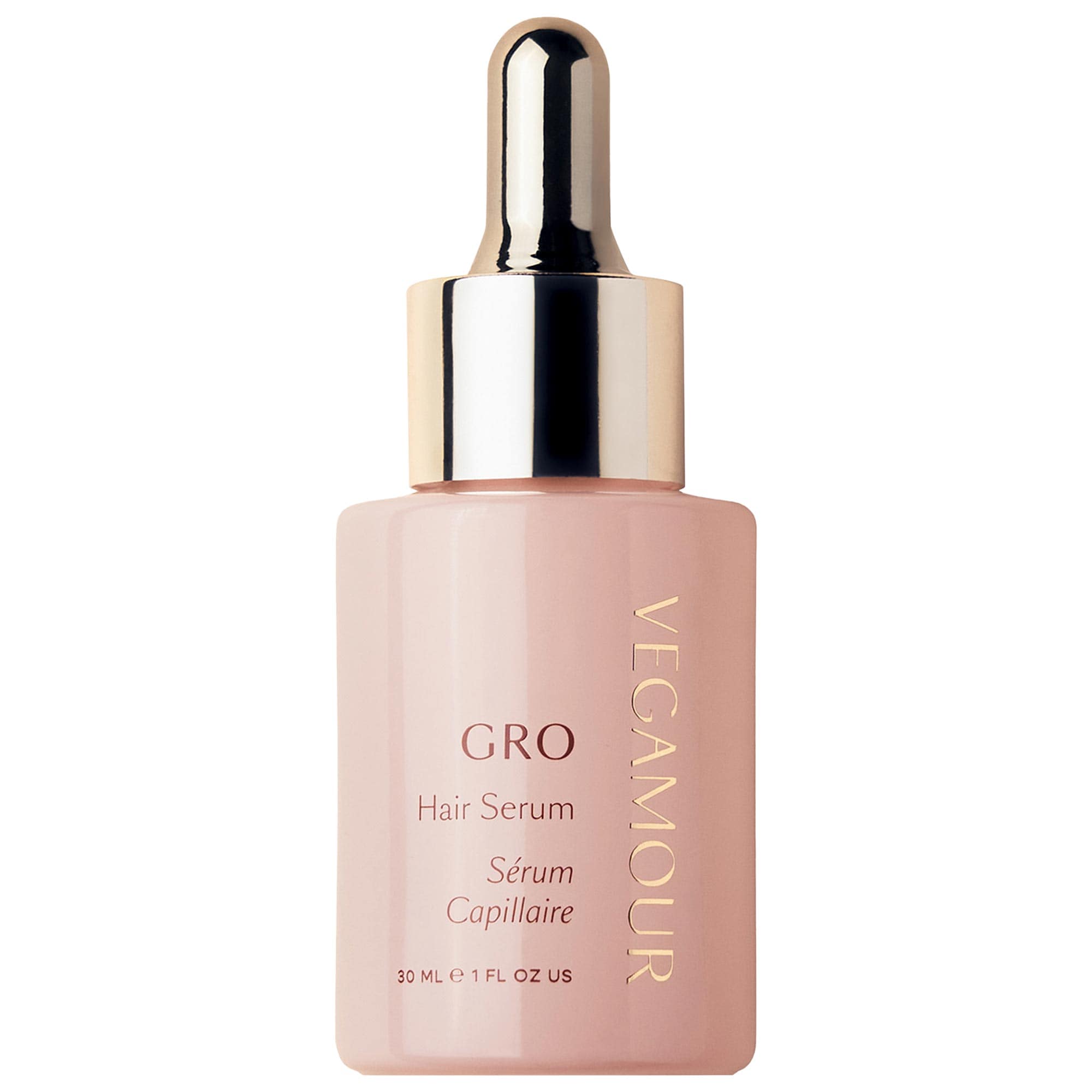
My mom, aunt, and I all use this dreamy cocktail of a serum every day. It takes time to work (I’d say give a solid six months), but I have noticed some baby growth around my hairline.
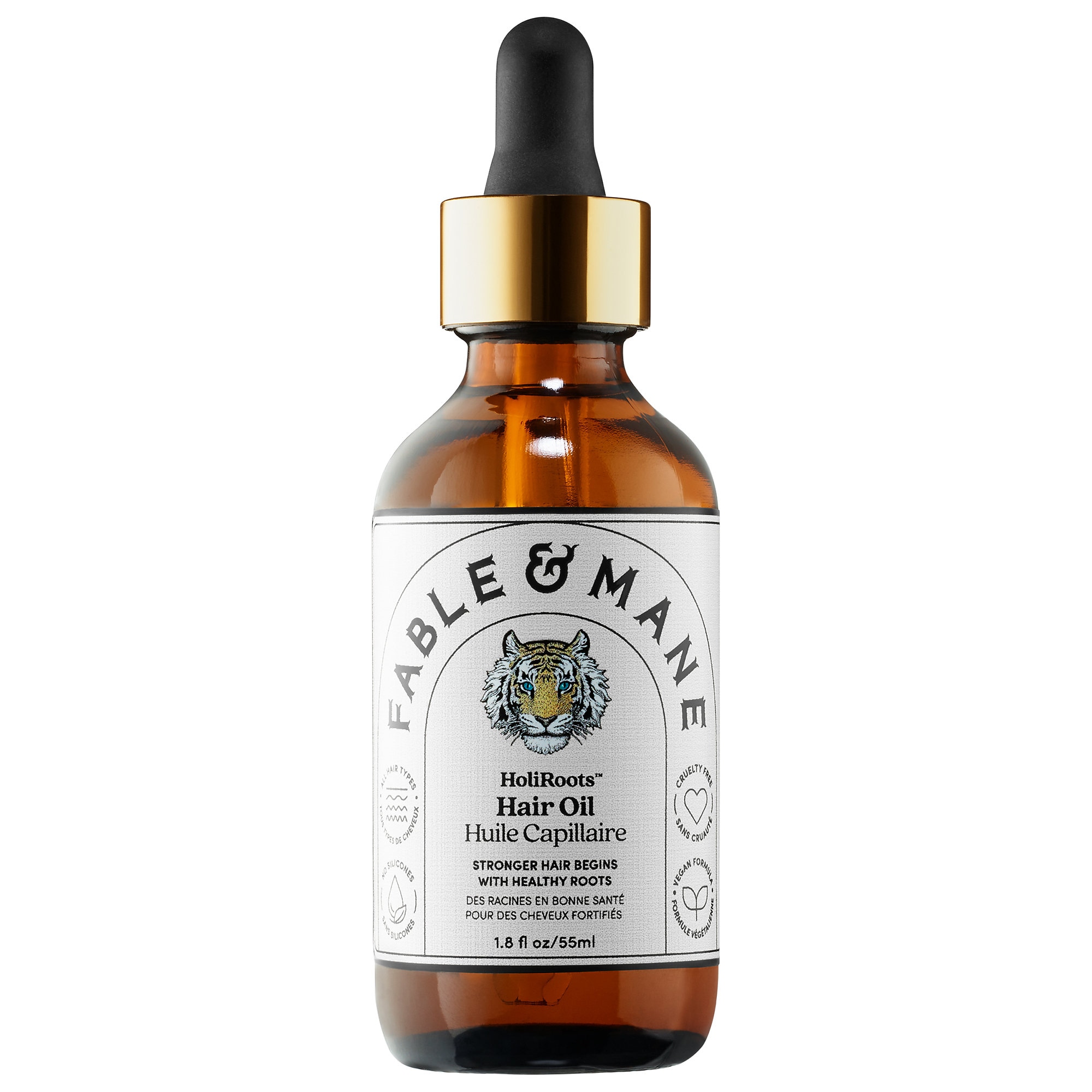
Before washing your hair, treat yourself to a 10-minute oil soak with this aromatic oil. Use around one to two droppers and you’re good to go.
Strengthening Hair Masks
Split ends and heat damage are the enemy of hair growth. To make sure my strands are strong enough to actually grow (and not break half way down the shaft), I’ve started using a strengthening hair mask every few washes.
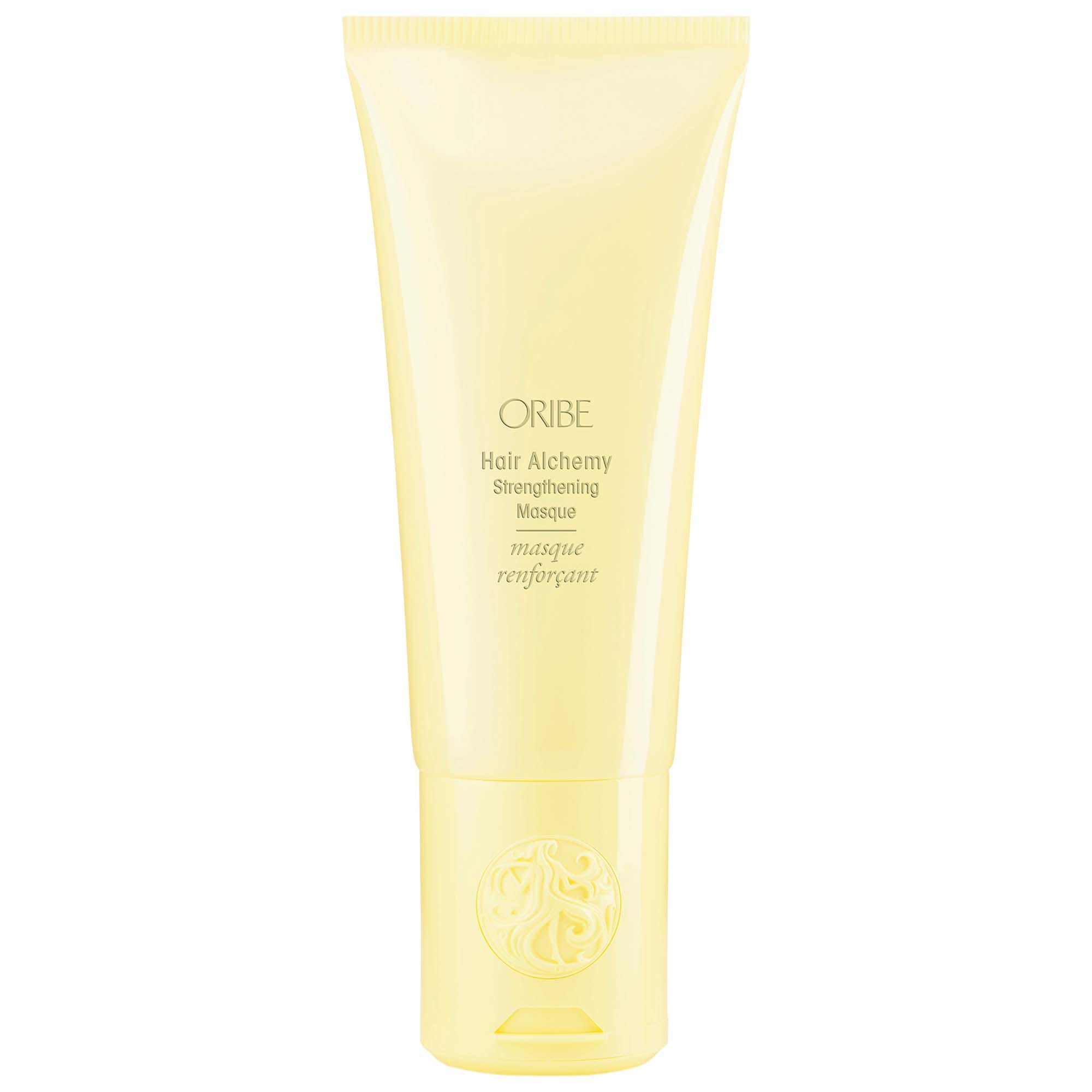
My beauty editor hack: packing this in my beach bag. I use a hefty dollop once I step out of the pool or the ocean, pull my hair back into a bun, and let the hydrating powers trump the damaging chlorine.
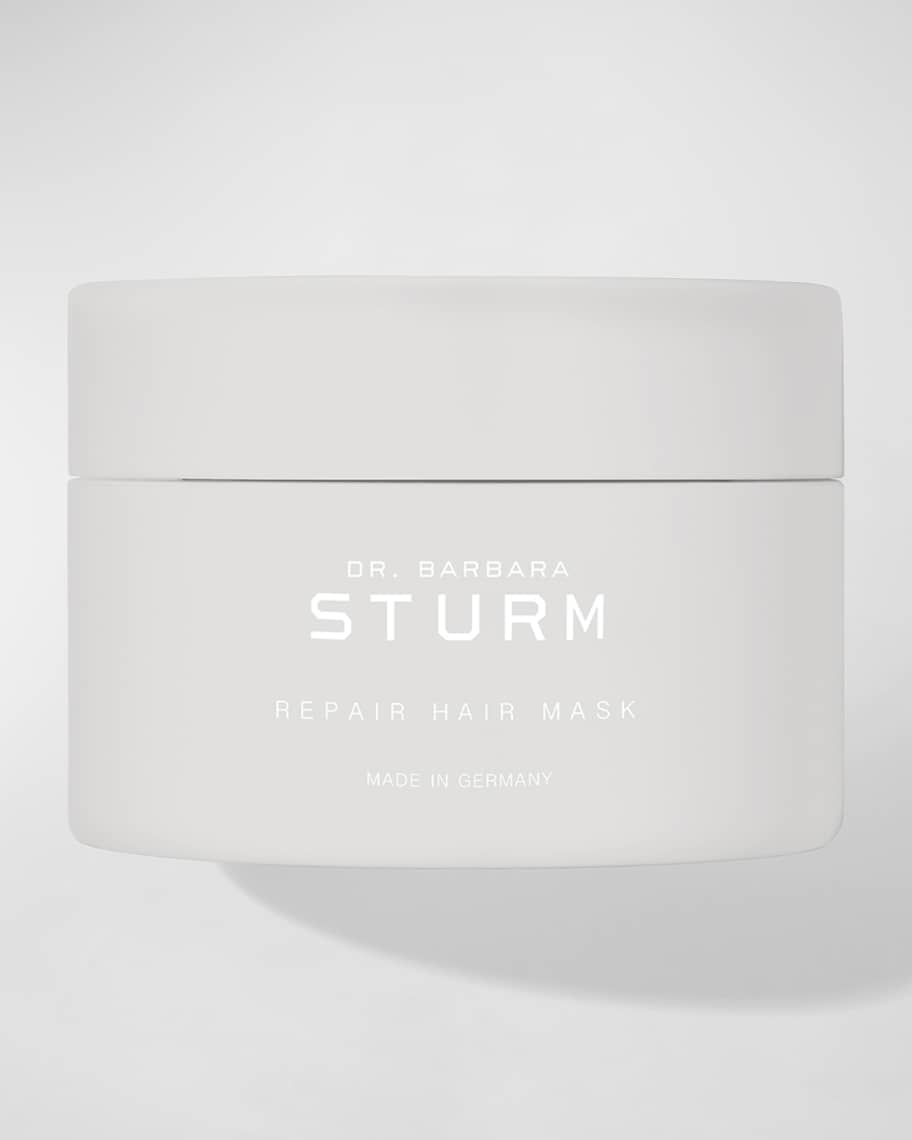
To know me is to know that I love Dr. Barbara Sturm. While I am partial to her Glow Cream in the skincare realm, her hair mask is a sleeper product. It instantly soothes my itchy scalp and helps control dandruff flakes.
Why Trust Marie Claire
For more than 30 years, Marie Claire has been an internationally recognized destination for news, fashion and beauty trends, investigative packages, and more. When it comes to the products Marie Claire recommends, we take your faith in us seriously. Every product that we feature comes personally recommended by a Marie Claire writer or editor, or by an expert we’ve spoken to firsthand.
]]>At 58-ish years old, despite having all the material trappings of the first type and (almost) none of the bad luck of the second, Carrie fits the definition of alien exactly. (That run-walk always felt off...) She is in a long-distance situationship with the most annoying man this side of Appalachia, is writing historical romance fiction inspired by the rats in her backyard, and still hasn’t bought furniture for her Gramercy Park home that features a grumpy-hot British tenant she won’t admit she’s attracted to. She got the job, the boyfriend, and the apartment in the city where she argues you’re always looking for one of the three (see: episode 5, season 5 of Sex and the City), yet she’s having bad phone sex and wearing hats that give her the appearance of a cottagecore Speedy Gonzales.
Amid this sorry state of affairs, we have one last bastion of relatability—a potential window into the psyche of the third type of person: the books she reads. The hardbacks Carrie carts around in lieu of a Gucci top-handle or Fendi baguette might just reveal the emotions she obfuscates with quippy one-liners.
While Carrie has always been a reader, trophies of literary fiction appear in AJLT as more welcome product placement than Carrie’s egregious ingestion of TUMS. The books are, in part, star and executive producer Sarah Jessica Parker’s influence, as she provided the props team with literary suggestions for different characters. The actress has said to plow through two volumes a day in the run-up to her duties as a Booker Prize judge, a great excuse for why she doesn’t watch her own show. (SJP also has an imprint with independent press Zando, publishing work by contemporary women novelists, including Lucy Caldwell’s prizewinning These Days.)
I found myself pausing the show whenever a book appeared, hoping for a crumb of intertextual honesty. While we could interpret the vintage reissue of Helen Garner’s This House of Grief as a mere styling complement to a purple satin tunic, I couldn’t help but wonder: Was reading a book about, say, a father’s trial for the murder of his children a sign of plot points to come? A diegetic cry for help? Below are my findings (though I’m bereft to report I’m no closer to locating where in the world Che Diaz is).
'This House of Grief' by Helen Garner
Beloved Australian writer Helen Garner has only recently caught on in the U.S.; Carrie must have read the New Yorker profile that described Garner as “candid about her emotions, analyzing them with a degree of remove which allows her to illustrate, with an unsparing empathy, how irrational we all can be, and how little we understand of our own behavior, let alone that of those around us.” This House of Grief is an interesting choice. The nonfiction book recounts the 2005 trial of Robert Farquharson, a man charged with drowning his three sons, ages 10, 7, and 2, by driving his car into a dam.
Blame it on being a boy dad, but the transcripts of Farquharson on the witness stand reminded me of Aidan (John Corbett) at his whiniest: “I should have been there, Carrie…I should have been there.” Carrie has remained democratic about the situation regarding Aidan’s problem child, Wyatt. But after he “accidentally” bashed her in the head during laser tag, I wouldn’t blame her for indulging in the fantasy of a little roadside accident portrayed as a crime of passion.
'Evenings and Weekends' by Oisín McKenna
Spied between the bulges at Anthony’s (Mario Cantone) newly opened Hot Fellas bakery is Carrie’s U.K. edition of Evenings and Weekends by Oisín McKenna, a novel about gay 20-somethings sucking and fucking their way through a hot summer in London. Carrie has always been alarmingly prudish and out of touch for a sex columnist. She couldn’t stomach dating a bisexual man in the ‘90s and refused to say “vagina” in an ad on her podcast, resulting in its entire collapse, putting her comedian co-hosts Che Diaz (Sara Ramírez) on the street and Jackie Nee (Bobby Lee) off the wagon. So this fever dream of a book about love and lust is also research. What is it like to see a naked body that isn’t Aidan’s or Big’s? Would she ever again feel the sense that she was “alone in an enormous city, and there were dozens of shapes her life might take”?
Carrie is probably also using McKenna’s prose to better picture Samantha Jones (Kim Cattrall) in London, where “fashion queers strut past the station dressed like early 2000s pop stars and characters from The Matrix.” The PR maven doesn’t deign to give Carrie a scene report herself—she appears only as an iMessage bubble about once a season, having adopted the mantra of Cattrall: “I don’t want to be in a situation for even an hour where I’m not enjoying myself.”
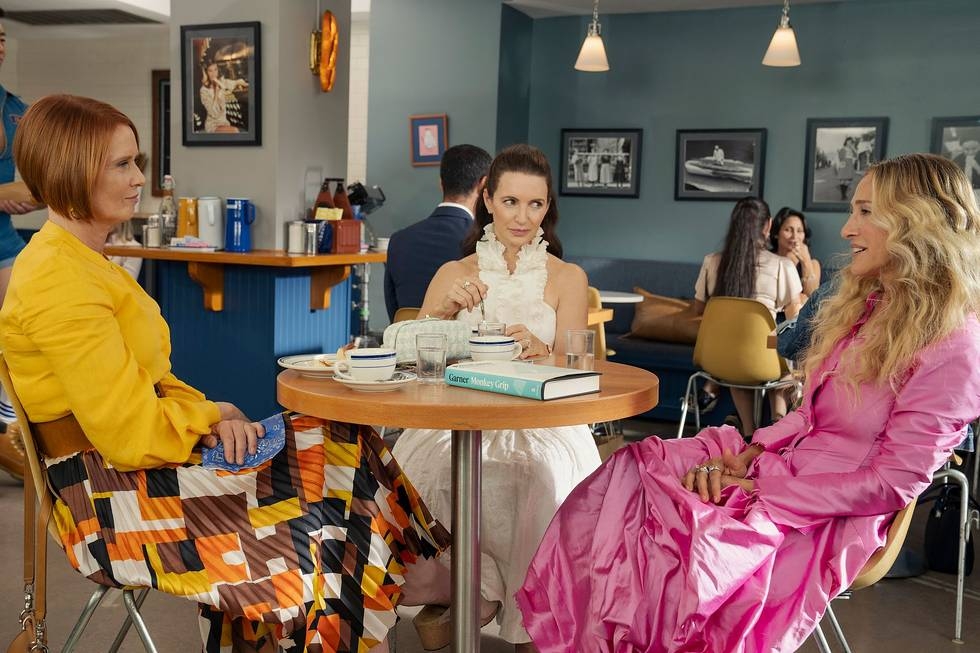
'The Life of the Mind' by Christine Smallwood
Christine Smallwood is the high priestess of writing about the phones. Her characters text, scroll, and photograph; the drama erupts from the screen. AJLT similarly spins around the axis of technology. Multi-episode plotlines are dedicated to boomer-style mishaps like Aidan’s thumbs-up reaction to a message or ill-timed phone sex. Lisa Todd Wexley (Nicole Ari Parker) had her phone on silent mode while she was in the editing bay with her work crush, meaning she didn’t get the call that her father had a stroke, meaning she missed saying goodbye to him when he died for the second time. Carrie once professed, “After all, computers crash, people die, relationships fall apart. The best we can do is breathe and reboot.” She’s never giving up that MacBook, so she might as well lean in.
'We Burn Daylight' by Bret Anthony Johnston
Bret Anthony Johnston’s Shakespearian novel about star-crossed lovers in a doomsday Christian cult, based on the real Waco, Texas siege, is a warning against isolation. Carrie learned too much about the Shaw family when she visited Virginia; she felt on the outside of their bond, and she seems to have accepted it. The strangest part of Aidan admitting that he slept with his ex-wife (because they were so distraught about their youngest son’s behavioral issues…?) was Carrie’s lack of a reaction. She did not expect total fidelity because they’d never defined their LDR, she explains—although this does not mean she wants to be with anyone else. Johnston is not out to shame his religious zealot characters, cut-and-dry, and instead asks the universally applicable question, “What would you sacrifice for the one you love?” Spoiler: It’s a bloody, brutal end, but the teenage lovers both survive. There might be mess. Carrie might be flirting with downstairs tenant Duncan Reeves (Jonathan Cake) too close to the sun. Still, she has so far been adamant that she has a boyfriend, Miranda. She hopes she’s the Juliet who lives.
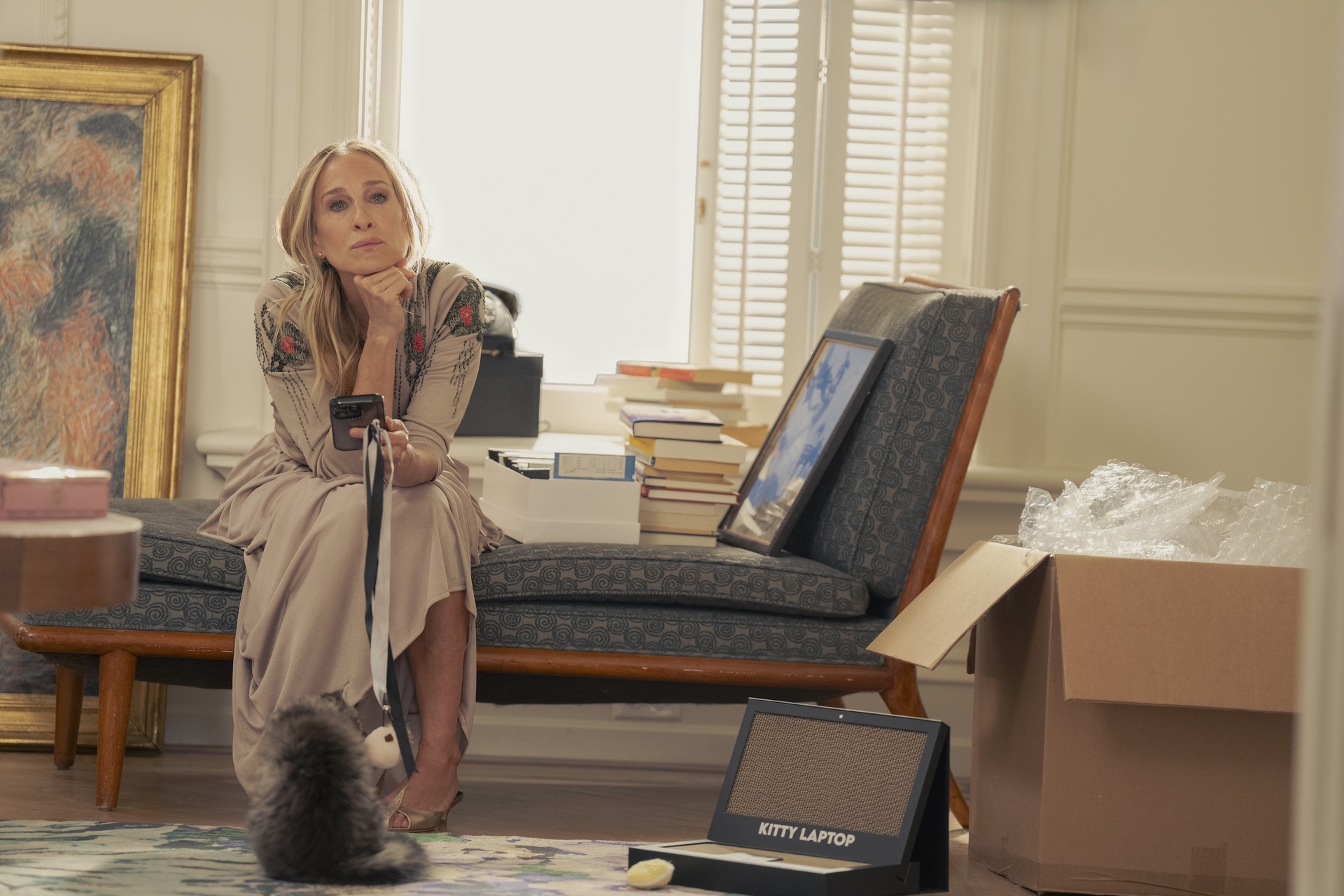
'The Berry Pickers' by Amanda Peters
Yet another tragic splintering of a family in a rural setting? Carrie is simply obsessed with reading about dead or missing children this season. In the second Sex and the City movie, which I’m loath to remind anyone of, Carrie declared that having kids is “just not for us…It’s just not who we are,” meaning her and Big. (Carrie’s childlessness could have been built out as an intriguing plot point in AJLT, but that would require the writers to learn subtlety and sensitivity.) Amanda Peters’s mystery revolving around a 4-year-old Mi'kmaq girl kidnapped from a blueberry field in Maine is rich with strange coincidences—and the same can be said for Carrie’s life. She’s perpetually waiting for a sign that the man is right, that the shoe fits. If The Berry Pickers can offer any insights, it’s that the world never makes logical sense.
'Catch the Rabbit' by Lana Bastašić
A female friendship novel that doubles as a Bosnian road trip adventure, Lana Bastašić captures the tension inherent in a relationship between two women who use one another as a mirror. “I can’t recall half my childhood, yet I remember the details of her with irritating clarity,” Bastašić writes. “Blue bubble gum, watermelon flavor. A scratch on her left knee. Cracks in the red lips. One time she had told me that writers write because they don’t have memories of their own, so they make some up.” Carrie has had tiffs, rifts, and all-out rows with every one of her friends, though she is most comfortable being a bitch to Miranda (Cynthia Nixon). God forbid a houseguest help herself to a yogurt. (Though tiptoeing to the bathroom fully nude in someone else’s home is bizarre, I’ll admit.) Bastašić shows how important history is to a friendship, but if Miranda makes one more wrong move, she risks Carrie’s new pal Seema (Sarita Choudhury) replacing her entirely.
]]>Logan Lerman is pulling his phone out of his pocket, preparing to dial his fiancée to ask if he’s a “soft boy.” (Read: a man with a sensitive exterior that may or may not be used to manipulate others.) Running on only a few hours of sleep (he’s doing the rounds during the Tribeca Film Festival) and a freshly downed espresso, the actor is more insistent that he has several glaring asshole qualities that disqualify him from soft boy status.
He’s aware, of course, that his appearance this hot June afternoon at a downtown hotel café—casual gray T-shirt, tousled brown hair, sheepish grin—betrays his argument. After all, he’s built an impressive fan base and resumé off being the quintessential nice guy.
Still, Lerman maintains (somewhat unconvincingly), “There’s a major jerk in me at times." He continues, "We all have that, and it’s either that we recognize it or we don’t.”
Perhaps the 33-year-old is quick to highlight his unpleasant traits because he's spent the past few days promoting Oh, Hi!, in which he plays a character incapable of clocking his shitty behavior—at least until it's too late. In the new comedy, written and directed by Sophie Brooks, Lerman’s Isaac is a classic bad communicator, leading to an uncomfortable confrontation with Molly Gordon’s Iris when he admits, on a romantic weekend away, that he didn’t realize they were in a relationship. Iris finds herself in a “situationship” horror story while Isaac winds up in something of a modern-day Misery.
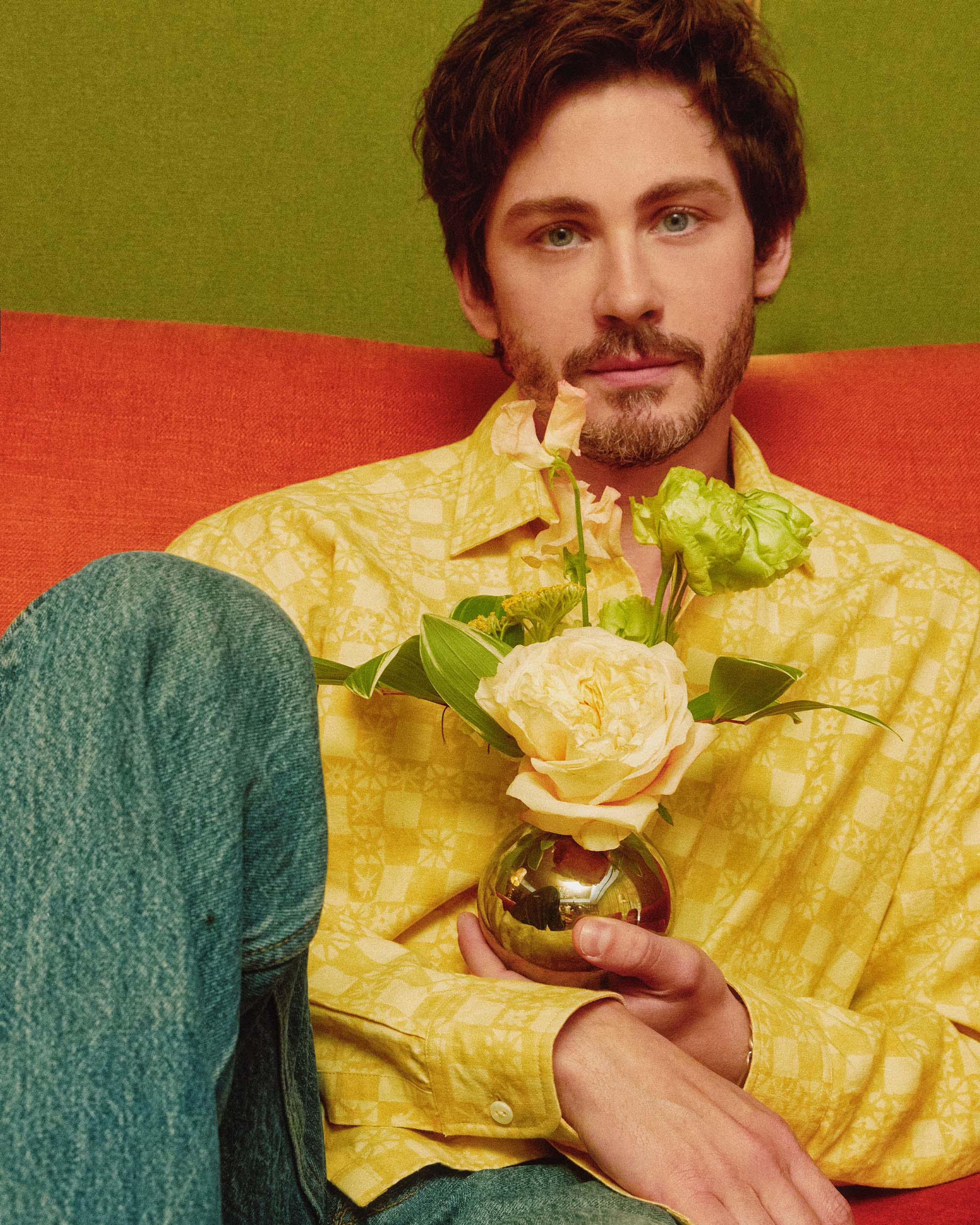
The anti-rom-com (out July 25) is a different kind of project for the typically dramatic actor, who spent the past few years leading “heavy” shows about familial trauma like Hunters and We Were the Lucky Ones. He’s still best recognized as Charlie from the 2012 adaptation of The Perks of Being a Wallflower, which, in addition to putting him on the map as an actor-to-watch (garnering a Best Young Actor nod at the 2013 Critics' Choice Awards), earned him the banner of “White Boy of the Century” by a certain subset of very online Millennial/Gen Z cusps.
But long before GIFs of his performance in Perks were reblogged across Tumblr, Lerman had his sights set on Hollywood. Born and raised in Beverly Hills (he's not a nepo baby: his father works in medicine and his mother became his manager), he began appearing in commercials at the age of four and went on to land supporting roles in dramas like The Butterfly Effect and 3:10 to Yuma.
Movies were a large part of his childhood even outside of his career. He recalls paging through the local newspaper for the showtimes of major releases—or what he calls “special movies,” ones that feel original and get audiences into theater seats. “I have a bit of an issue where I really romanticized what movies were and long for that feeling and that approach to come back.” He and his best friend were also early adopters of YouTube, creating comedy videos and uploading their shorts to a channel called @monkeynuts1069—he’s quick to clarify that the name was the sole genius of his friend. (“I would love to have that name,” Lerman jokes. “My email [addresses] were so bad. My dad made my emails for me because I didn't even know how to do that.”)
Eventually, he nabbed the titular role in the Percy Jackson franchise, becoming something of an endearing teen heartthrob—only amplified when he played opposite Emma Watson in The Perks of Being a Wallflower, which remains the gold standard of a coming-of-age film a decade later.
Oh, Hi! marks Lerman’s first leading film role in five years in what feels like a calculated move that perfectly plays into and against his off-screen heartthrob persona. But he’s genuinely surprised when I ask if that was intentional; if he saw the movie as a way to wink at the many horny fan cams and fawning tweets about him. (If his fiancée, artist Analuisa Corrigan, posts something of him, Stan Twitter will find it.)
“Every actor is trying to break out of whatever box they're in,” he says, explaining that his plan to star in Oh, Hi! was “so not thought out” but rather that he wanted to try something new. “That's always the hardest thing: The industry and the audience see you as one thing. And then they want to keep seeing you as that in a way.”
Still, he adds with a smile, “If it means that we get to make more movies, I’ll take the [White Boy of the Century] title.”
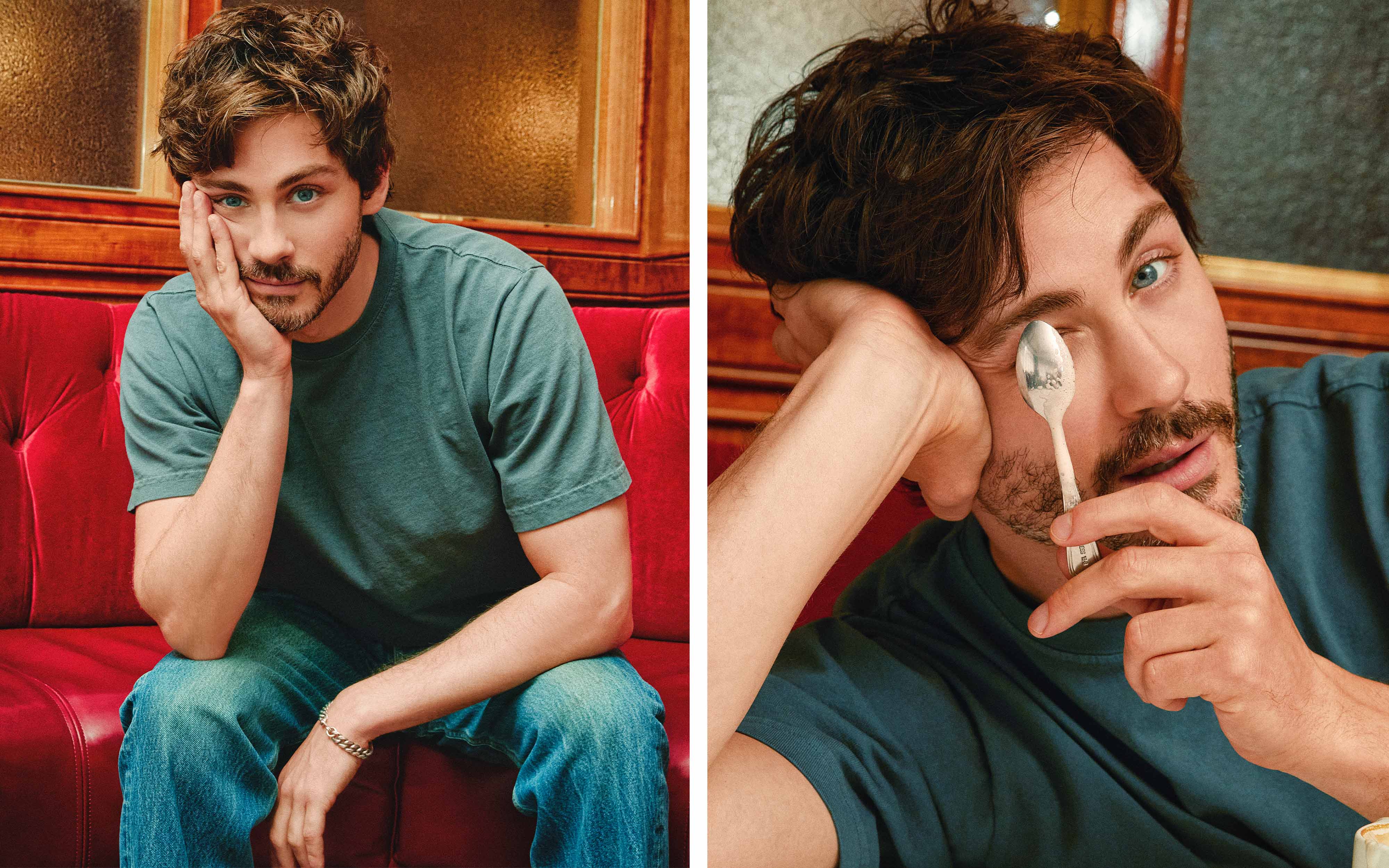
Though Brooks and Gordon began writing Oh, Hi! in 2020, it wasn’t until Lerman came on board in early 2024 that the film was able to gain enough funding to move into production.
He explains that, much to his confusion, several actors had passed on the role of Isaac before he was offered the part. When he got to read the script, he was “immediately excited by the opportunity,” accepting and shooting just six months later.
“It didn't really resonate with me as being something to be fearful of,” Lerman says. “Maybe [the reason others passed] was that the character’s a dick or something. I like that about him. I like the conflict.”
“I’m guided by what I want to see,” he continues. “That was the main factor in why I ended up doing Oh, Hi!. It was like, This is a movie I want to see in theaters. That's the bar.”
The only thing that did intimidate Lerman about Oh, Hi! was that he would be tied to a bed for what ended up being “easily 100 hours.” Not because of how exposed it would leave him (he is shirtless nearly the entire runtime), but because it would confine the “movement” of his performance. He was concerned how the cinematography would stay interesting in such a small space.
That's always the hardest thing: The industry and the audience see you as one thing. And then they want to keep seeing you as that in a way.
There was no doubt in filmmaker Brooks’s mind that Lerman could manage. “I’d seen Logan in many of his roles and had always been impressed by how natural and effortless his performances feel—never a moment of dishonesty or strain,” she tells Marie Claire via email. “He is also, in the truest sense of the word, a gentleman. I wanted Isaac to have that quality.”
The star enjoyed the challenge of playing into Isaac’s moral ambiguity, while also finding sympathy for him. A lesser script and performance could have made him a one-dimensional trope, but Lerman firmly establishes him as complicated, caught in the throes of dating just as much as Iris.
“Logan found the humanity and complexity in a man wanting something and being scared to have it,” Brooks adds. “That understanding bleeds through in every scene. In moments of absurdity, he brought a realism to Isaac’s circumstance that grounded the comedy in a way that feels essential for the stakes of the film.”
To Lerman’s surprise, playing the part was also healing on a personal level. “I'm much more of an Iris than I am an Isaac, as a person and in my dating experiences. [It was] a really cathartic experience for me to get into the mind of Isaac, who is much more like some people I've dated in the past.”
The Oh, Hi! actor is now happily engaged to Corrigan, with whom he’s been publicly linked to since January 2020, but he was no stranger to the taxing New York dating scene before they met. “Dating in your 20s is fucking horrible,” he says. “No one's ready. Everyone's working through shit. A lot of the experiences I've blamed on things not working out probably have to do with age and maturity, and understanding oneself.”
Though he agrees Iris makes “a really bad choice” in Oh, Hi!, he sympathizes with how it’s ultimately in the pursuit of love. Lerman declines to share what the craziest thing he has done for love but admits to being a “romantic,” flying across the globe spontaneously just to see someone.
“Life can be summed up as a series of embarrassments in those moments that impact you so much when you felt so deeply, and you shot your shot and you missed. I look back at those things very fondly and laugh at the intensity of it all—when you're smitten with somebody and you do something bold and it goes wrong. It was sweet.”
One shot he certainly didn’t miss was when he proposed to Corrigan (in a Central Park rowboat, no less) last year. Her being a December-Capricorn and he being a January-Capricorn, the star explains she’s a bit more extroverted than he is. Two years ago, she threw him a big birthday and surprised him with a cake—plastered with, yes, images of himself, crowning him the White Boy of the Century. (Inevitably, images from the party also went viral.) He was “humiliated” by being presented with the cake in front of a large group of his friends. “I pushed that away into some closet in my mind.”
His modesty is perhaps why he has become so synonymous with his outcast character, Charlie, in The Perks of Being a Wallflower. It’s not been lost on him that the film has contributed to his reputation, that fans still bring it up. He’s also always searching for projects that resonate with him as much as the film did: “It was one of those special experiences where I read the script and I was like, I have to do this. I love this. I read so many scripts, and I'm like, That's what I'm chasing.”
Looking ahead, Lerman hopes to continue exploring comedy—which he will do as a guest star in the forthcoming season 5 of Only Murders in the Building. He remains tight-lipped about any plot or character details, but he does know who the season’s culprit is.
In the long term, Lerman also aims to produce more (and potentially direct) after previously receiving production credits on the 2022 sci-fi film Press Play and the acclaimed 2024 thriller Skincare. He wants to do so now more than ever, particularly after something he worked on for nearly four years fell through, due to a “bad partner.” (He declined to say what it was, but confirms he didn’t write it.)
He’s aware that much of his career thus far has been defined by the work he did as a teenager and in his early 20s, and has just one criterion for how he hopes to see his next one. “The pursuit is just to continue making movies. Hopefully, the movie can be special, but I want them to be released in a special way.” He means completely independent productions that find distribution, are properly promoted, and make their way into theaters for enough time for fans to see them—“movies that connect with that feeling I had as a kid…That’s the goal.”
He could easily keep yapping about his earnest love for cinema and where he likes to see movies on the big screen in his hometown of L.A. He goes on at length about the Academy Museum of Motion Pictures’s programming; what a great job Quentin Tarantino has done reopening New Beverly Cinema and The Vista; his love for The Arrow, The Egyptian, and even AMCs (though he’ll go 30 minutes late to skip the ads). He could go on and on about the beauty of seeing something with a collective audience.
We must wrap up, though, so he has time for a photo shoot. “That’s the worst part. I hate modeling and shit!” But he’s okay hamming it up for the camera, playing up the projected image of his internet boyfriend status if it’s for the good of the film’s lifeblood.
“I try to grapple with, 'What do I do now?' versus 'What should I be doing now?' versus what I normally would do for my career and for myself, selfishly, but also, more importantly, for the projects I want to work on. I want to be a tool to get them made, as well as seen and distributed properly.”
Photographer: Ruben Chamorro | Grooming: Eddie Cook | Location: Fouquet's New York
]]>The coming-of-age period drama is a tale of self-discovery and defiant joy for many of its characters, including Tanna and the titular character, a genius inventor who escaped slavery (played as an adult by Ernest Kingsley Jr.). It was the same for Evans, who has previously held roles that reflect her biracial identity, including her 2018 stage debut in Branden Jacobs-Jenkins’s play An Octoroon. "It was nice to play a character who just wants to be her whole full self, which is like, Why can I not be that?” Evans tells Marie Claire at a London junket and activation.
She adds, "I was doing a bit of processing in real time."
Filming the Hulu series was an emotional experience for the Reading, England-born actress and the rest of the cast, who spent several months traveling between Nova Scotia, Mexico, and Iceland. But still, her co-star and series executive producer Sterling K. Brown describes her as being “wickedly fierce” throughout the entire shoot. “I feel like that fierceness comes across in Tanna in the most incredible ways,” he says. “[Tanna] was not a damsel-in-distress by any stretch of the imagination, nor is Iola. She’s the perfect person to bring this character to life.”
Below, Evans chats with Marie Claire about depicting an 1800s love triangle, channeling mythology for Tanna’s backstory, and the legacy she wants to leave beyond Hollywood.

MC: When you first heard about Washington Black and the role of Tanna, what made you excited about the project?
IE: I was excited to do something which was being made by the creator Selwyn [Hinds] because I [previously] went up for another project that he did. I think he's so gracious and kind. We had a general meeting, and we had this amazing chat about what it means to be an artist. It was all sorts of things, which I hadn't really thought about before, and it came up at this special time. So when [Washington Black] came up, I was excited to be seen for it. Then I read the book and fell in love with Esi's original story and the original Tanna, and I was excited to see where it went from there.
MC: Tanna’s first scene introduces her as someone who demands to be more than what society had for her. What about her story did you relate to?
IE: Part of what Tanna's challenge is is taking responsibility for her own identity, because I think other people are quite quick to assign it to her. There are a lot of quite constrictive social things going on that she is obligated to behave a certain way to pass as white. Her own father is encouraging her to pass too. But I really think our lives are so precious, so you have to—as best as you can with what you've got—try and be on this quest for a fully realized, authentic existence. And to be around people who bring that out in you, and this is what Tanna and Wash do for each other.
MC: How much does Tanna’s attitude towards her biracial identity relate to your own experience?
IE: I've been quite lucky in that a lot of my roles have really explicitly been exploring someone grappling with their racial identity. With An Octoroon, because that was my first job and I was just trying to do a good job, things hit me afterwards. With that one, [the character] hated her Blackness. It's really been a journey for me as well, exploring my own racial identity and some of the privileges and challenges that come with being racially ambiguous. It depends who's looking, and you see Tanna navigate some of that as well, so that was interesting for me.
I don't know if we have a precedent yet for how we make sure we take good care of ourselves on jobs that tackle very personal themes. But I think on Washington Black, a lot of the cast and crew had quite personal connections to the story or aspects of the story. And for me as well, it was a real lesson in trying to lead with openness, be aware of the own limitations in my experiences, and meet with people who are from the Caribbean, who are from Africa, who they don't know what their heritage is because they've been denied—and everyone's different relationship to their own Blackness. I felt really good to be a part of that.
MC: When you were building your character, how did you imagine Tanna's mom?
IE: I had this idea that Tanna almost imagined her mother as this god-like figure because her time with her was cut short, and ever since then, she's been trying to get back to this time where she felt free and whole and at home. I took a bit of inspiration from the Yoruba goddess Oshun. I saw some different artwork, and this is kind of how I imagined her mother.
I really think our lives are so precious, so you have to—as best as you can with what you've got—try and be on this quest for a fully realized, authentic existence.
MC: How did you build your relationships with Ernest Kingsley Jr. and Edward Bluemel, who play the two love interests, Washington Black and Billy McGee?
IE: There's sort of tension between the two. At the start of the story, Tanna is a little naïve to some of the obligations she might have to face, and there is a reason why her father is strongly suggesting that she conforms to a certain expectation of how she should appear. So, I think McGee represents that obligation and a much more established route to a future. But he's also more charming than she would like, considering that she's like, No thank you. He offers her security and even wants her to embrace some bits of herself—playing the piano and things like that.
Whereas Wash, I think, is the first person in her young adult life who really sees her for who she is. She's felt so disconnected from her own Blackness, so I think there's something about Wash, which also feels very important to her in that aspect. But also because she has been denied a lot of the experiences of being an unambiguously Black person in that time period, there are quite a lot of limitations of her understanding. So, there's a lot of risk involved in her relationship with Wash, but you see them start to understand each other better over time as they grow as people.
MC: If Tanna met Billy casually and there was no arranged marriage from the start, do you think that she could have grown to love him?
IE: Quite possibly. For the first two minutes that they know they meet each other before Tanna knows the situation, I think she's like, Oh, who's this guy? The three of them [Tanna, Billy, and Wash] [are] all interested in carving out their own identity, even if it's unconventional. I think, as well, though, at the start of the story, Tanna is a little lonely because she has been denied a sense of community. So I would hope that she wouldn't end up with McGee just like the first person who came along who was nice. I'm glad that you see her get to understand more of herself through the different relationships she forms along the course of the story.
MC: Tanna is very clear about wanting to build a legacy for yourself. What do you hope your legacy will be?
IE: Truthfully, I always really wanted to be involved in climate conservation. When I hoped to grow up to be an actor, I saw how actors could use their platform to talk about important issues and use their wealth to try and do something useful about it. I know there are arguments about, Should you speak on certain things or should you just shut up and do your job? But I would like to live a life where I try to do minimal harm—I don't think you can do no harm—and try to always lead with curiosity. I really hope for the future that we can find a bit more of a sustainable way to live with each other and our environment. That's my hope.
This interview has been edited and condensed for clarity.
]]>